![Mino-yaki Shino Donburi Rice Bowl: Where to Buy This Gifu Ware [2026]](https://jpmono.com/wp-content/uploads/2026/07/mino-yaki-shino-donburi-rice-bowl-where-to-buy-2026-featured.jpg)
- What it is: A Mino-yaki donburi (large rice/noodle bowl) glazed in Shino — Japan’s first white glaze, milk-white with pinholes and warm orange scorch.
- Made in: Toki / Tajimi, Gifu — the heart of Mino-yaki, Japan’s largest ceramic district, a tradition designated a traditional craft by METI in 1978.
- Price band: everyday-tableware range for Mino stoneware (see the live listing — no confirmed figure in our snapshot).
- Best for: home cooks who want one substantial, hand-glazed bowl for rice, donburi, ramen, or udon.
- Skip if: you need a matched set of identical bowls, or a lightweight, machine-perfect porcelain look.
- Shipping: ships internationally from Amazon Japan — jump to our pick ↓
Shino was the first glaze in Japan that came out of the kiln white. Before it, a serious tea bowl meant imported Chinese porcelain or the muted browns and greens of local stoneware. Then, in the hills of eastern Gifu at the end of the sixteenth century, Mino potters loaded their kilns with a thick, feldspar-rich glaze and pulled out something new — a soft, clouded milk-white, pocked with tiny pinholes and streaked at the rim with a warm orange-red scorch. This donburi rice bowl is a modern, everyday descendant of that moment.
The bowl comes from the Toki–Tajimi basin, the center of Mino-yaki (美濃焼, “Mino ware”) — the single largest ceramics-producing district in Japan, responsible for roughly half of all the tableware made in the country. What makes a Shino piece worth a second look internationally is not novelty but continuity: the glaze that a home cook eats rice from today is recognizably the same aesthetic that tea masters in the circle of Sen no Rikyū prized as a homegrown answer to Chinese refinement.
This guide is written for a reader deciding whether a single hand-glazed Japanese bowl belongs in their kitchen. It covers what Shino actually is, who the bowl suits and who should pass, how to buy it from outside Japan, and where it sits against other Japanese ceramics we have reviewed. Based on the available listing data, pricing was thin at the time of writing, so we flag what is confirmed and what you should verify on the live page.
ℹ️ Live pricing and some exact dimensions were not in our snapshot — the linked Amazon listing is authoritative; unconfirmed attributes are marked below.
📅 Published:
🔄 Updated:
⏱️ Read time: ~9 min

- Who this is for — and who should skip it
- Product overview (from published specs)
- 📍 Where this comes from — place, era, and the craft tradition
- 📦 Shipping & where to buy from outside Japan
- Price snapshot across stores
- What it does well
- Weaknesses and things to verify before buying
- Conclusion — which buyer type are you?
- Other ways to approach this purchase
- 🏆 Editor’s Pick
- ❓ Frequently Asked Questions
Who this is for — and who should skip it
- Want one generous bowl for rice, gyūdon, ramen, udon, or a grain bowl.
- Prefer a warm, hand-glazed surface with visible character over machine-perfect uniformity.
- Appreciate a piece with real historical lineage rather than mass-market decor.
- Are comfortable hand-washing a glazed stoneware bowl.
- Like the wabi aesthetic — quiet color, subtle irregularity, warmth in the hand.
- Need a set of identical bowls that match to the millimeter.
- Want the crisp, cool white of thin porcelain, not a clouded stoneware glaze.
- Prefer the lightest possible bowl — stoneware has heft.
- Expect a guaranteed dishwasher- and microwave-rated piece without checking the listing.
- Are bothered by crackle lines or pinholes, which on Shino are intentional, not flaws.
Product overview (from published specs)
The table below draws on the Amazon US search path (primary, moonill-20), the Amazon JP Global Store listing where this specific bowl is sourced (secondary, moonill-22), and general Mino-yaki maker information. Where our snapshot did not confirm an exact value, the cell says so — we do not guess dimensions or weight.
Mino-yaki Shino Donburi Rice Bowl
花伝 KOYO 光洋陶器 グリーン志野 17cm 深口5.5丼 和食器 美濃焼 食洗機対応 日本製 52777036
通常2~3日以内に発送します。 · Sold by 食器屋ピーアンドエス · ASIN B0FGVG9MCW
Price and availability as of 2026-09-01 05:22 JST. The Amazon listing at the time of purchase is authoritative. jpmono.com earns a commission on qualifying purchases at no extra cost to you.
| Attribute | Detail |
|---|---|
| Craft | Mino-yaki (Mino ware), Shino glaze |
| Object type | Donburi — large rice / noodle bowl |
| Material | Glazed stoneware |
| Glaze character | Milk-white Shino with pinholes (yuzuhada) and orange scorch (hiiro) |
| Origin | Toki / Tajimi basin, Gifu Prefecture (old Mino province) |
| Dimensions / capacity | Unconfirmed — check the listing |
| Weight | Unconfirmed — check the listing |
| Price | Not confirmed in snapshot — see live listing (JPY authoritative) |
- 🍽️ Dishwasher: hand-wash recommended — Shino’s crackle and pinholed surface holds up best without harsh detergent cycles (verify the listing’s own rating).
- ♨️ Microwave: generally fine for plain glazed stoneware with no metallic decoration, but confirm on the listing before use.
- 🧴 Daily care: rinse and dry after use; a new crackle-glazed piece can be rinsed and dried before first use to season the surface. Faint tea/food staining in the crazing is normal aging, not damage.
📖 Glossary — key terms
- Mino-yaki (美濃焼, “Mino ware”) — pottery from the Toki–Tajimi–Mizunami basin of eastern Gifu; Japan’s largest ceramic-producing district.
- Shino (志野) — Japan’s first white glaze, a thick feldspar glaze firing to a soft milk-white.
- Yuzuhada (柚肌, “citron skin”) — the pinholed, slightly dimpled surface texture characteristic of Shino.
- Hiiro (緋色, “scarlet”) — the warm orange-red scorch marks that appear where the glaze thins, prized on Shino.
- Donburi (丼) — a deep, wide bowl for rice topped with a dish (and the dish itself, e.g. gyūdon).
- Wabi (侘び) — an aesthetic of quiet, unforced, imperfect beauty central to the tea ceremony.
- Momoyama era — the late-16th-century period when Mino’s great tea-ware styles emerged.
📍 Where this comes from — place, era, and the craft tradition

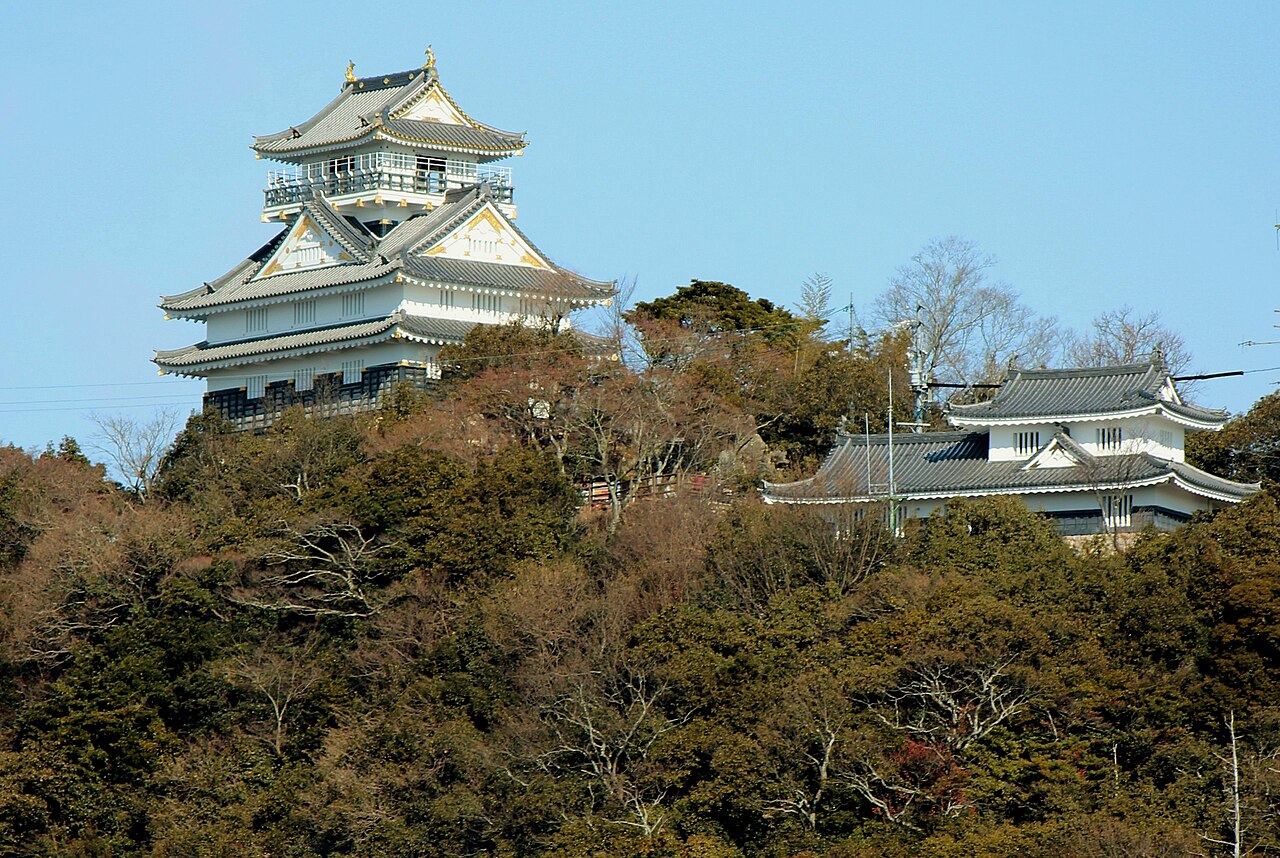
Mino-yaki is fired in the Toki, Tajimi, and Mizunami basin of eastern Gifu Prefecture — the old province of Mino, in the mountainous center of Honshū, roughly 40 km northeast of Nagoya and well inland from either coast. The land here is a series of low hills and river valleys, and that geography is the whole story: the hills yielded good ceramic clay, the forests supplied kiln fuel, and the sheltered valleys gave potters room to build the long climbing kilns their trade needed.
The result is scale that is hard to overstate. This basin is Japan’s single largest ceramics-producing district, accounting for roughly half of all the tableware made in the country. Kilns in the region trace back more than 1,300 years, to the Sue-ware stoneware tradition of the seventh century.
But the region’s defining moment came much later.
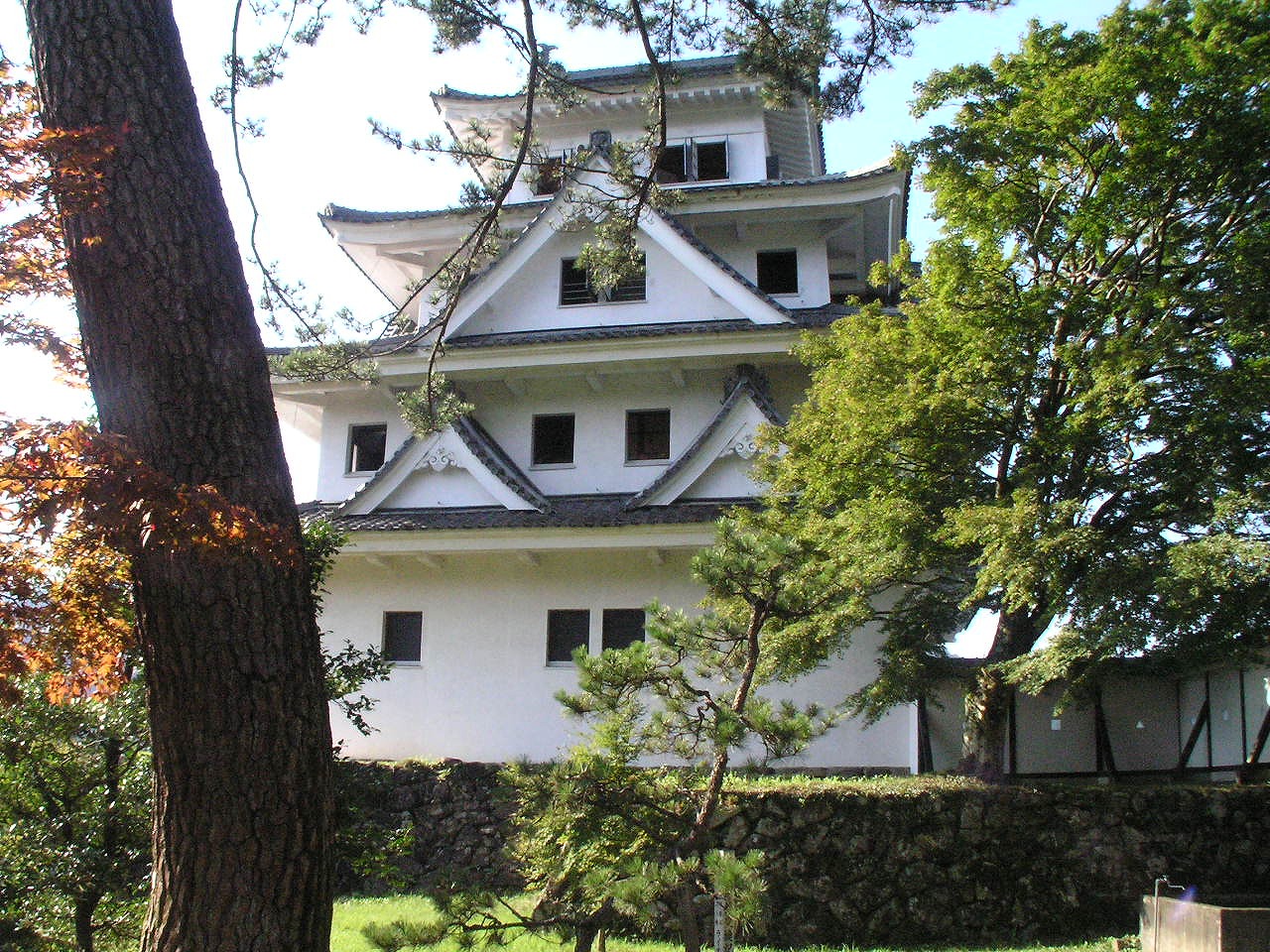
In the Momoyama era, at the end of the sixteenth century, Mino potters created the four great tea-ware styles in quick succession: Ki-Seto (yellow Seto), Setoguro (black Seto), Shino, and Oribe. Among them, Shino was the breakthrough — Japan’s first white glaze, a thick, feldspar-rich coating that fired to a soft milk-white shot through with pinholes and, where it thinned over the clay, warm orange-red scorch. It was championed by tea masters in the circle of Sen no Rikyū, and it mattered because it was Japanese: a homegrown wabi aesthetic set deliberately against the cool perfection of imported Chinese porcelain.
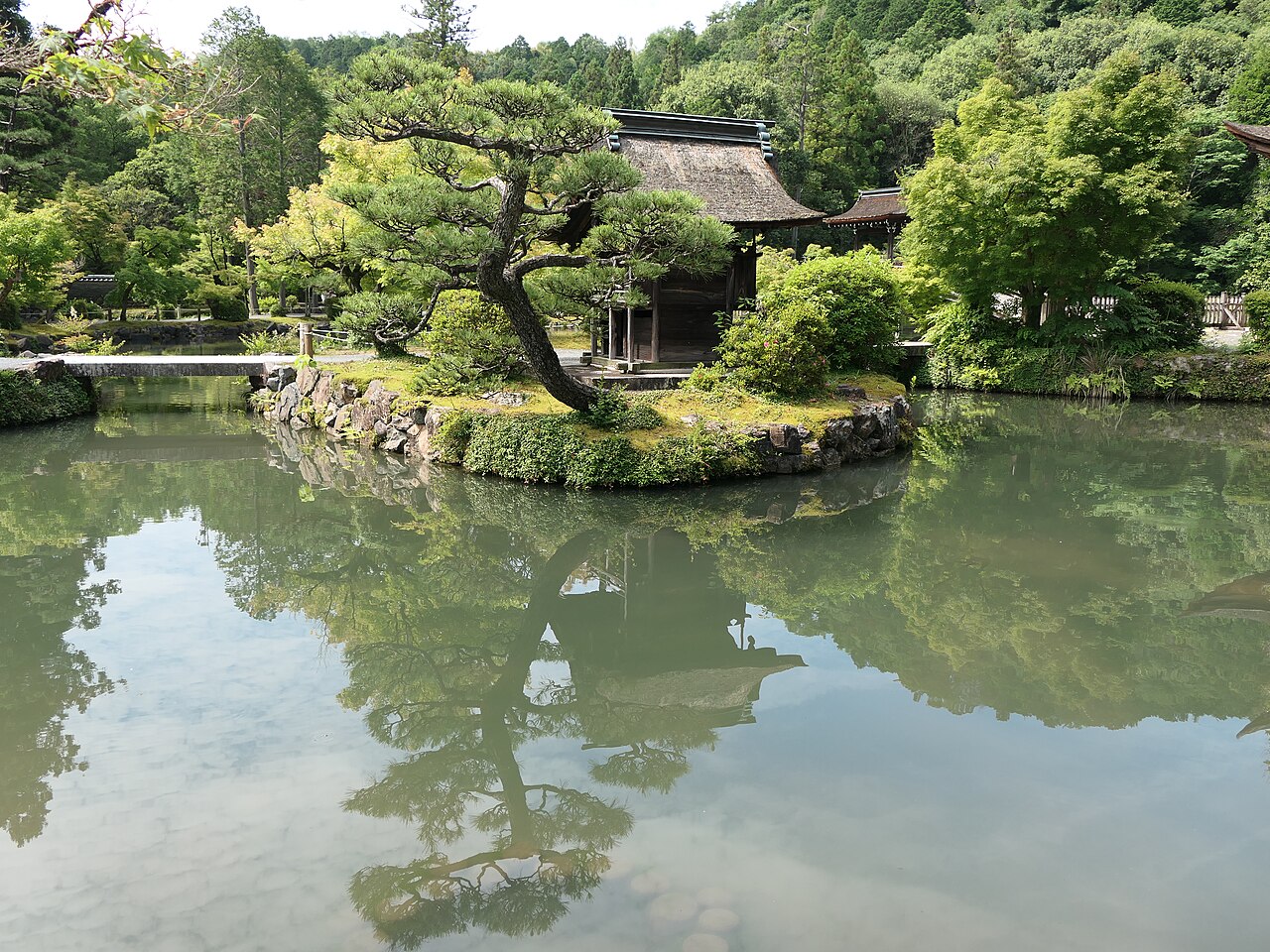
- 7th century — Sue-ware stoneware kilns established in the Mino region.
- Late 16th c. (Momoyama) — Mino potters create Ki-Seto, Setoguro, Shino, and Oribe; Shino becomes Japan’s first white glaze.
- c. 1580s–90s — Tea masters in the circle of Sen no Rikyū prize Shino’s wabi character.
- Edo period (1603–1868) — Mino grows into Japan’s largest tableware-producing district.
- 1930 — Arakawa Toyozō excavates a Momoyama Shino kiln site, reviving the lost technique.
- 1955 — Arakawa Toyozō recognized as a Living National Treasure for Shino.
- 1978 — Mino-yaki designated a traditional craft (dentō kōgeihin) by METI.
- 2026 — The Toki–Tajimi–Mizunami basin still produces roughly half of Japan’s domestic tableware.
“Shino was Japan’s first white glaze — the first time a Japanese kiln answered imported Chinese porcelain not by copying it, but by inventing something that could only be Japanese.”
What “still being made here” means is not nostalgia but a working district. When the Momoyama technique was largely lost, it was the potter Arakawa Toyozō who excavated an original Shino kiln site in 1930 and reconstructed how the glaze had been fired — work that earned him recognition as a Living National Treasure in 1955. That rediscovery is why a home cook can still buy a genuine Shino bowl today rather than a museum reproduction.

Gifu wears its history lightly and continuously. On summer nights, cormorant fishing (ukai) still runs on the Nagara River much as it did in the age when Shino was invented — a reminder that the region’s traditions did not stop when the Momoyama era ended. A Shino donburi belongs to that same unbroken thread: a tea-ware aesthetic four centuries old, quietly repurposed to hold this evening’s bowl of rice.
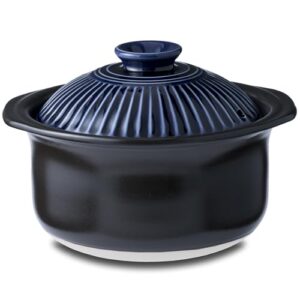
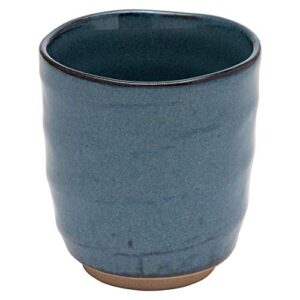
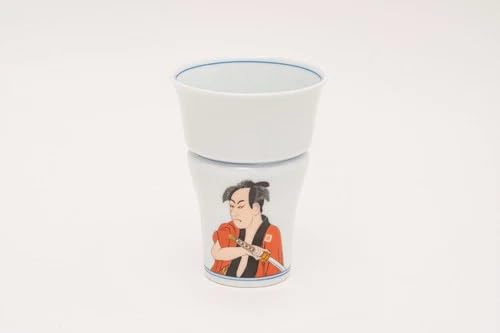
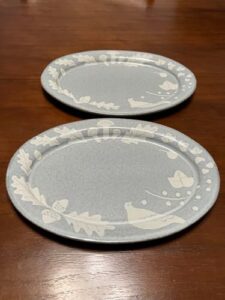
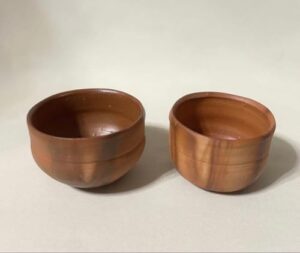
Other Japanese ceramics and crafts we have reviewed — useful for weighing glaze, region, and use-case against this Shino donburi.
📦 Shipping & where to buy from outside Japan
This specific bowl is sourced from the Amazon Japan (Global Store) listing, which ships internationally to 65+ countries — including Canada, the UK, and Australia — with import fees estimated and often collected at checkout. Our readership is not only American: if you are buying from one of those markets, see our country guides for Canada, the UK, and Australia.
As a rough guide, international shipping on a single stoneware bowl typically runs about $15–$40 to the US, EU, Canada, the UK, and Australia, depending on weight and speed. Stoneware is breakable, so packaging quality matters — buy from a listing with proper protective packing. If a piece is not available for direct international shipping, proxy services such as Buyee or Tenso can forward it from a Japan-domestic address, and some Mino-yaki makers sell direct. Prices in USD are approximate and depend on the current exchange rate.
Price snapshot across stores
| Store | Item / variant | Price (JPY + USD est.) | Notes |
|---|---|---|---|
| 🇺🇸 Amazon.com (US) | Browse Japanese donburi & rice bowls | varies (USD) | Best if you are shopping from the US — Prime shipping, USD pricing, no international customs. Amazon US carries Japanese donburi and rice bowls from various makers, useful for comparing size and glaze styles; this exact Shino piece is sourced from Japan (next row). |
| 🇯🇵 Amazon JP Global Store | This Mino-yaki Shino donburi | See live listing (JPY authoritative) | Ships internationally from Japan to 65+ countries — including Canada, the UK, and Australia — with import fees estimated at checkout. This is where the specific bowl is sourced. |
| Maker direct | Varies by Mino kiln | Varies | Some Mino-yaki potteries sell direct; often Japan-domestic shipping only. |
| Proxy services (Buyee / Tenso) | Forwarded from JP address | Item + forwarding fee | Useful when a listing does not ship to your country directly; adds a service fee. |
Prices and availability shown are based on data at the time of writing and fluctuate; the linked listing is authoritative. USD figures are approximate at a ¥150/USD baseline (mid-2026).
What it does well
Weaknesses and things to verify before buying
- Dimensions and capacity unconfirmed in our snapshot. “Donburi” spans a wide size range — check the exact diameter and volume on the listing so it suits your portions.
- Price not confirmed at time of writing. Verify the current JPY price and any international shipping surcharge on the live page.
- Hand-made variation. Shino glaze pools, crackles, and scorches differently on every piece; the bowl you receive will not match a photo exactly. This is intended, but it can disappoint buyers expecting uniformity.
- Not necessarily a matched set. If you want multiple identical bowls, confirm whether the listing sells a set or a single piece, and expect piece-to-piece differences.
- Care assumptions. Dishwasher and microwave suitability are not guaranteed for every Shino piece; the crackle glaze favors hand-washing. Confirm the listing’s own care rating.
- Weight and fragility. Stoneware is heavier and more breakable than melamine or thick porcelain; shipping protection matters.
Conclusion — which buyer type are you?
Other ways to approach this purchase
🏆 Editor’s Pick
❓ Frequently Asked Questions
What is Shino glaze, and why is it special?
Shino was Japan’s first white glaze, developed by Mino potters in the late 16th century. It is a thick, feldspar-rich glaze that fires to a soft milk-white with tiny pinholes (yuzuhada) and warm orange-red scorch marks (hiiro). Tea masters in the circle of Sen no Rikyū prized it as a homegrown wabi alternative to imported Chinese porcelain.
Can I put this bowl in the dishwasher or microwave?
Hand-washing is recommended for crackle-glazed Shino ware. Plain glazed stoneware with no metallic decoration is generally microwave-safe, but suitability is not guaranteed for every piece, so confirm the specific listing’s care rating before use.
Will my bowl look exactly like the photo?
No. Shino glaze pools, crackles, and scorches differently on each firing, so every piece is slightly different. That variation is intended and is part of the appeal; if you want perfectly uniform bowls, this is not the right choice.
Does it ship outside Japan?
Yes. The item is sourced from the Amazon Japan Global Store, which ships to 65+ countries including Canada, the UK, and Australia, with import fees typically estimated at checkout. If a listing does not ship to your country directly, proxy services such as Buyee or Tenso can forward it.
Where exactly is Mino-yaki made?
In the Toki, Tajimi, and Mizunami basin of eastern Gifu Prefecture — the old province of Mino, in central Honshū, roughly 40 km northeast of Nagoya. It is Japan’s largest ceramics-producing district, accounting for about half of the country’s domestic tableware.
Is this a single bowl or a set?
Confirm on the listing. Some Mino-yaki listings sell a single donburi and others a set. Because each Shino piece varies, bowls in a set will not be perfectly identical.
How much does it cost?
A confirmed price was not in our snapshot at the time of writing, so check the live listing for the current figure. The JPY price shown there is authoritative; any USD estimate depends on the current exchange rate.
jpmono.com is curated by a Japan-based editorial team (working out of Toyama in the Hokuriku region and Nara in Kansai) and is independent. We don’t take payment from the makers we feature; income comes from affiliate links. Read more about our editorial standards.
Note: This article was drafted with AI assistance and reviewed by our editorial team against source listings and public-domain reference material. Facts about pricing and specifications should be verified on the live listing before purchase.
Affiliate disclosure: jpmono.com may earn a commission on qualifying purchases made through links on this page, at no additional cost to you.