![Nara Uchiwa Hand-Carved Openwork Fan: Where to Buy Ikeda Gankodo [2026]](https://jpmono.com/wp-content/uploads/2026/06/nara-uchiwa-ikeda-gankodo-carved-fan-where-to-buy-2026-featured.jpg)
The Nara Uchiwa (奈良団扇, “Nara hand fan”) is not the fan you wave to cool yourself on a summer evening — at least not only that. Hold one up to a window and the bamboo ribs dissolve into lacework: deer, maple leaves, cherry blossoms, and Shōsō-in treasure patterns cut clean through the frame in transparent openwork (sukashi-bori, 透かし彫り). It is a fan you are meant to look through, not just behind. The tradition traces back to the ritual fans carried by the priests of Kasuga Taisha and Kōfuku-ji, two of Nara’s great religious institutions, and today it survives in the hands of essentially one workshop: Ikeda Gankodo (池田含香堂).
For an international reader, that combination — a 1,300-year ancient-capital lineage, a single surviving maker, and an object that doubles as wall art — is what makes this fan worth a second look. It is closer to a carved-paper artwork than to a souvenir. The craft sits inside the same Heijō-kyō, Tōdai-ji, and Shōsō-in cultural landscape (fūdo, 風土) that shapes Nara’s other heritage crafts, from sumi inksticks to Akahada ware to Nara lacquer.
This guide is written from a Japan-based editor’s desk for readers shopping from outside Japan. We cover what the fan actually is, how to recognize a high-grade piece, where to buy it (Amazon US as the convenient first stop, Amazon JP Global Store for the specific sourced listing, and proxy services as a fallback), and — honestly — who should skip it.
🗓️ Published: June 25, 2026 · ♻️ Last updated: June 25, 2026 · ⏱️ Read time: ~10 min

“A Nara Uchiwa is a fan you hold up to the light — the bamboo ribs are not a structure to hide, they are the picture itself.”
- Who this is for — and who should skip it
- Product overview (from published specs)
- 📍 Where this comes from — place, era, and the craft tradition
- 📦 Shipping & where to buy from outside Japan
- Price snapshot across stores
- What it does well
- Weaknesses and things to verify before buying
- Conclusion — which buyer type are you?
- Other ways to approach this purchase
- 🏆 Editor’s Pick
- ❓ Frequently Asked Questions
Who this is for — and who should skip it
- Want a decorative object with documented heritage, not a mass-produced souvenir
- Appreciate fine handwork — the openwork carving is the entire point
- Are drawn to Nara specifically (deer, Tōdai-ji, Shōsō-in, the ancient capital)
- Like the idea of buying from the last surviving maker of a craft
- Intend to display it (a stand or frame) as much as use it
- Just want a cheap, rugged fan to use hard outdoors
- Need it fast — handmade stock is limited and may ship from Japan
- Are price-sensitive (this is a craft piece, not a ¥500 promo fan)
- Want a guaranteed exact color or pattern (handmade pieces vary)
- Dislike delicate items — openwork ribs are not built for rough handling
Product overview (from published specs)
Public data on this specific listing is thin. Only the Amazon listing snapshot was available at the time of writing, and it did not expose a structured price or full dimension table; live pricing and availability may have shifted since. The specifications below combine the maker-tradition facts with what the listing and recommendation notes indicate. Where a value is not confirmed in the data, it is marked as such rather than guessed.
Nara Uchiwa Hand-Carved Openwork Fan
げ奈良うちわ 池田含香堂 鹿と桜
通常7~8日以内に発送します。 · Sold by Still Nomad Shop · ASIN B0FR7CCWD1
Price and availability as of 2026-08-31 02:30 JST. The Amazon listing at the time of purchase is authoritative. jpmono.com earns a commission on qualifying purchases at no extra cost to you.
| Attribute | Detail (per available data) |
|---|---|
| Craft | Nara Uchiwa (奈良団扇) — transparent openwork hand fan |
| Maker | Ikeda Gankodo (池田含香堂), Nara — effectively the sole surviving maker |
| Materials | Bamboo ribs + washi paper (Japanese handmade paper) |
| Signature technique | Sukashi-bori (透かし彫り) — ultra-fine transparent openwork carved into the ribs |
| Motifs | Nara Park deer, maple, cherry, Shōsō-in treasure patterns |
| Rib count (high grade) | ~50–60 slender ribs per the recommendation notes |
| Origin lineage | Ritual “negi-uchiwa” fans of Kasuga Taisha & Kōfuku-ji priests |
| ASIN (JP listing) | B0FR7CCWD1 |
| Dimensions / weight | Unconfirmed — check the listing |
📖 Glossary — key terms
- Uchiwa (団扇) — a flat, non-folding hand fan, as opposed to sensu (扇子), the folding kind.
- Sukashi-bori (透かし彫り) — openwork / transparent carving; material is cut clean through to form a pattern you can see light through.
- Negi-uchiwa (禰宜団扇) — the ritual fans historically carried by Shintō priests (negi) as shrine implements.
- Shōsō-in (正倉院) — the 8th-century imperial repository at Tōdai-ji, holding treasures and patterns that fed Nara’s decorative motifs.
- Washi (和紙) — traditional Japanese handmade paper.
- Fūdo (風土) — the “spirit of place,” the climate-and-culture context that shapes a regional craft.
Related guides on jpmono — other fans, other Nara crafts, and other washi / paper-fan-glass pieces worth weighing against this one.
📍 Where this comes from — place, era, and the craft tradition

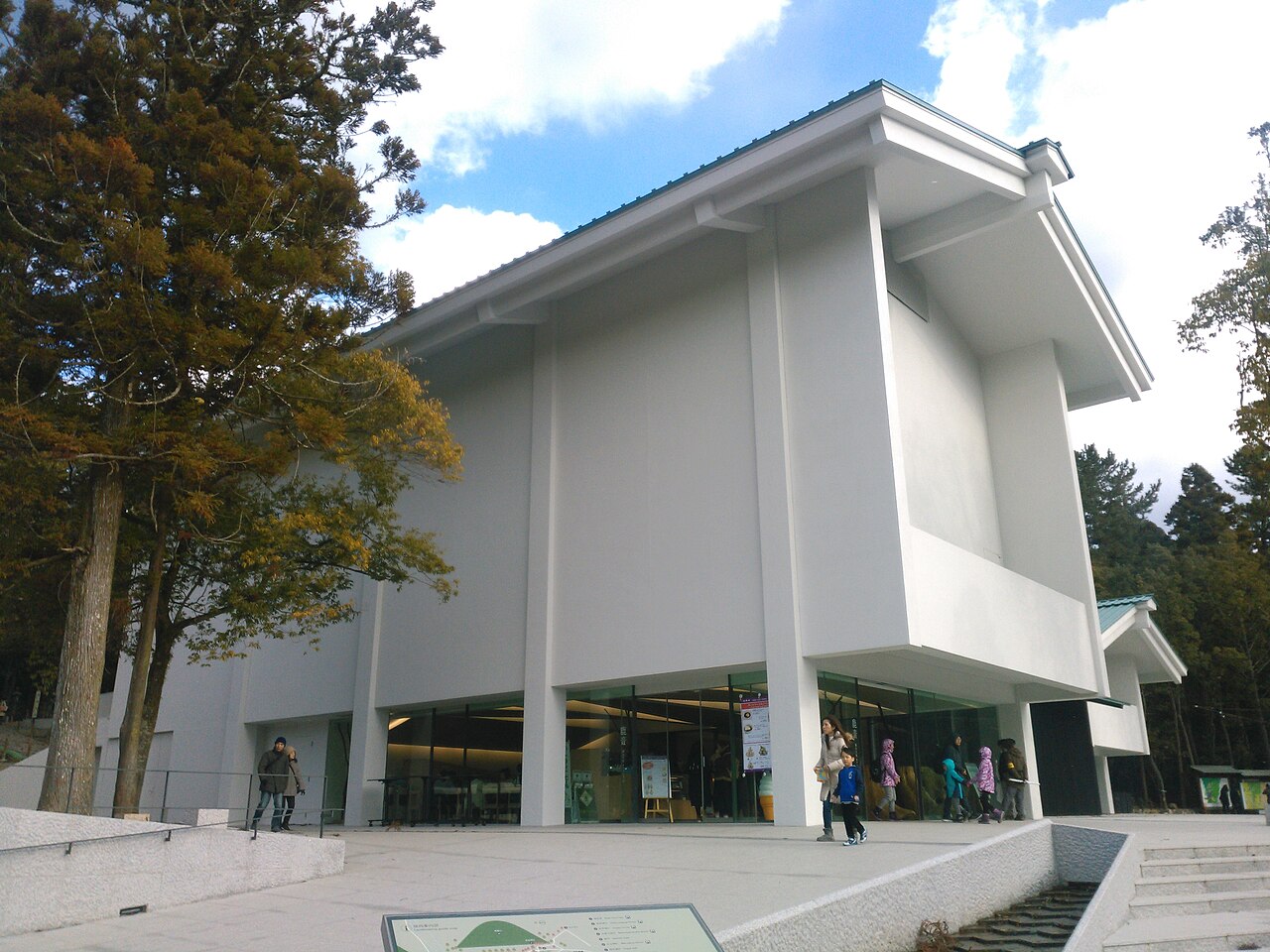
Nara sits in the Yamato basin of the Kansai region, ringed by low wooded hills — Mt. Wakakusa, Mt. Kasuga — that have framed the city for over a millennium. It became Japan’s first permanent capital in 710, when the court built Heijō-kyō here and, for the first time, concentrated bronze-casters, paper-makers, lacquer artisans, and ink-makers into permanent imperial workshops. That concentration is why so many of Japan’s oldest crafts — sumi ink, Nara lacquer, Akahada ware, and the Nara Uchiwa — still carry a Nara name.
The fan’s origin is religious, not commercial. The priests of Kasuga Taisha and the great temple Kōfuku-ji carried ritual fans — negi-uchiwa — as shrine implements, plain in function but tied to the rhythm of festivals and rites. It was only in the Meiji era, as Japan modernized and temple patronage shifted, that these implements were reworked into a decorative craft. Artisans began cutting ultra-fine transparent openwork into the bamboo ribs, turning a working fan into something to be held up to the light.
- 710 — Heijō-kyō established; Nara becomes Japan’s first permanent capital (Nara period begins).
- 8th century — The Shōsō-in repository at Tōdai-ji preserves treasures whose motifs later reappear in the fan’s openwork.
- 794 — The capital moves to Heian-kyō (Kyoto); Nara’s temples and shrines remain religious centers.
- Medieval era — Priests of Kasuga Taisha and Kōfuku-ji carry ritual negi-uchiwa fans as shrine implements.
- Meiji era (1868–1912) — Temple fans are refined into a decorative craft defined by ultra-fine sukashi-bori openwork.
- 20th century — Production narrows sharply; the deer-and-Shōsō-in motif fan becomes a Nara signature.
- Today — Ikeda Gankodo is effectively the sole surviving maker, working in Nara’s old castle-town quarter.
The carving is what separates a Nara Uchiwa from any ordinary fan. On a high-grade piece, the maker cuts as many as 50 to 60 slender ribs and then opens transparent patterns through them — deer that echo the sacred herds of Nara Park, maple and cherry for the seasons, and geometric treasure patterns drawn from the Shōsō-in collection. The result reads as line drawing in negative space: the fan is at once a tool and a framed picture.
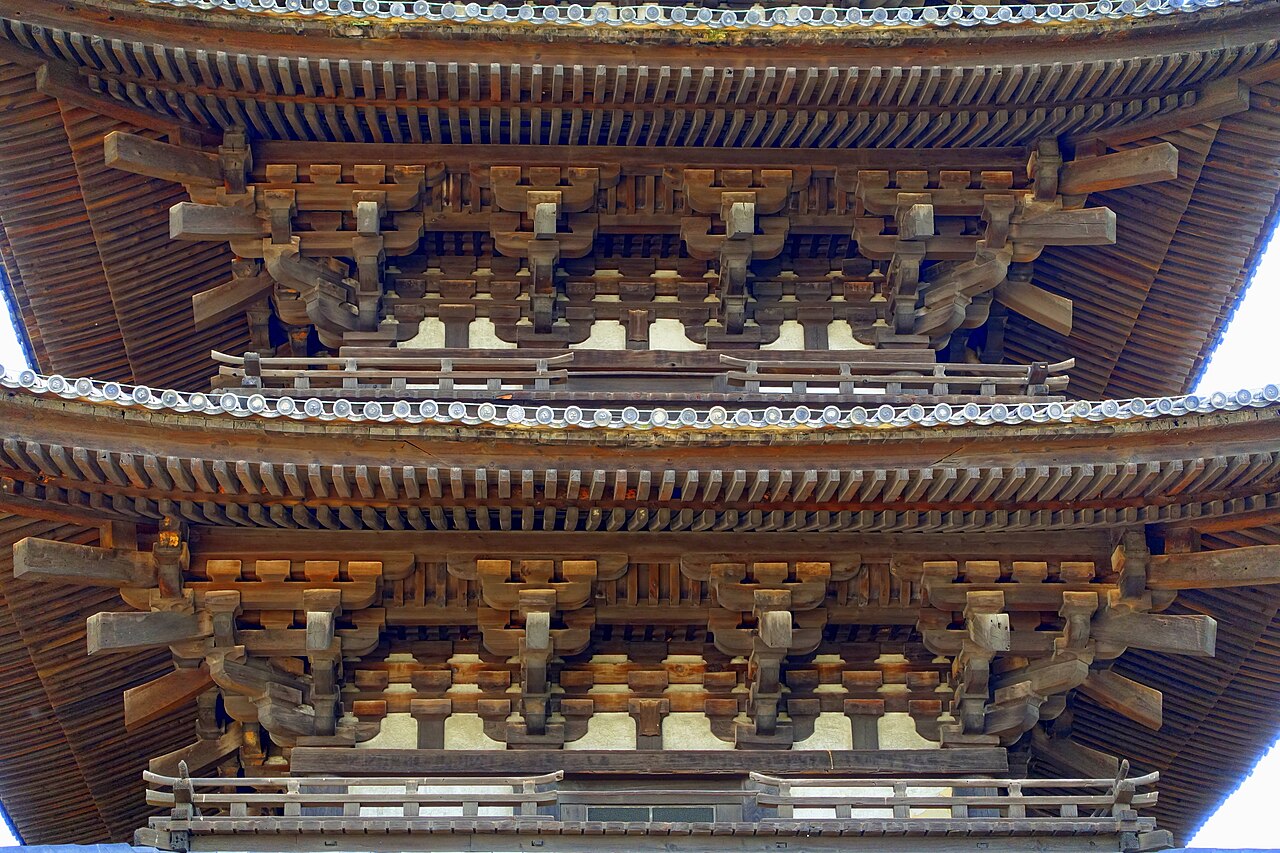
What does “still being made here” actually mean for this craft? It means one workshop. Where many regional crafts can point to a dozen surviving ateliers, the Nara Uchiwa has effectively narrowed to Ikeda Gankodo, which continues the line in the old castle-town quarter of central Nara. That scarcity is the double edge of the object: each fan is genuinely the product of a continuous, single-thread tradition, but stock is limited and the craft’s future rests on very few hands.
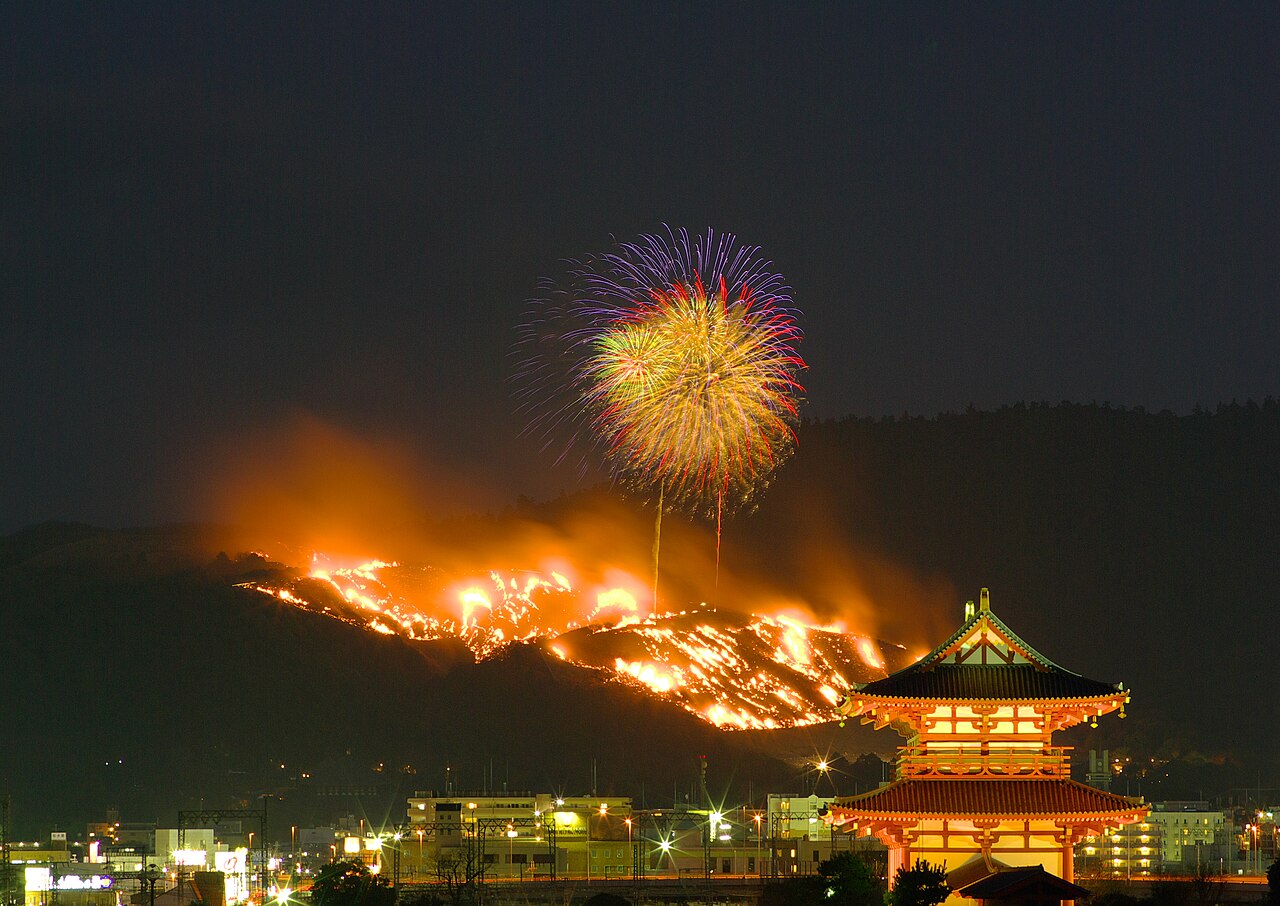
📦 Shipping & where to buy from outside Japan
Because the specific piece is sourced from a Japanese listing, the practical path for most international buyers is the Amazon JP Global Store, which ships many household items to most major destinations. Expect international shipping in roughly the $15–$40 range to the US, EU, or Australia, with longer transit and higher cost to other regions. Orders above your local duty-free threshold may incur customs charges on arrival — budget for that separately.
If the JP Global Store does not ship the fan to your country, a proxy service such as Buyee or Tenso can forward it: you buy to a Japanese warehouse address, and they re-ship internationally for an added handling fee. This is the fallback for restricted destinations.
Price snapshot across stores
A structured price was not exposed in the available data for this listing. Treat the cells below as guidance on where to buy; verify the live figure at the retailer before purchasing. JPY (¥) is the authoritative price; USD figures are approximate at a ¥150/USD baseline as of mid-2026.
| Store | Item / variant | Price (JPY + USD est.) | Notes |
|---|---|---|---|
| 🇺🇸 Amazon US (search) | Browse Japanese hand fans (uchiwa / sensu) | varies (USD) | Best if shopping from the US — USD pricing, no international customs. Amazon US carries assorted Japanese fans and paper crafts for comparison; the exact Ikeda Gankodo fan is sourced from Japan (next row). |
| 🇯🇵 Amazon JP Global Store | Ikeda Gankodo carved openwork fan (ASIN B0FR7CCWD1) | See listing — price not in dataset | Ships internationally from Japan. The sourced listing for this exact fan. |
| Maker direct | Ikeda Gankodo (full pattern range) | Varies by pattern / grade | Widest selection of motifs and grades; may require Japanese-language ordering or domestic shipping only. |
| Proxy services (Buyee / Tenso) | Forwarding for restricted destinations | Item price + handling fee | Use when direct international shipping is unavailable to your country. |
What it does well
Weaknesses and things to verify before buying
- Thin published data. Only the listing snapshot was available; price, exact dimensions, and weight were not confirmed in the dataset. Verify all of these at the retailer.
- Delicate by design. Openwork ribs and washi are not built for rough, daily outdoor use. This is a display-and-occasional-use object.
- Handmade variation. Motif, color, and exact pattern can differ piece to piece. If you need a specific deer or Shōsō-in design, confirm before ordering.
- Limited stock. A single surviving maker means availability can lapse; a listing that is in stock today may not be next month.
- International shipping + duties. Cross-border shipping adds cost and time, and customs may apply above your local threshold.
- Price tier. As a craft piece, it is not priced like a mass-market promotional fan; budget shoppers will find it expensive.
Conclusion — which buyer type are you?
Other ways to approach this purchase
🏆 Editor’s Pick
❓ Frequently Asked Questions
Is the Nara Uchiwa meant to be used or displayed?
Both, but the carved openwork grade is primarily a display object. The fine cut ribs and washi are delicate, so it suits a stand or frame and occasional gentle use rather than hard daily fanning.
Who actually makes Nara Uchiwa today?
Ikeda Gankodo (池田含香堂) in Nara is effectively the sole surviving maker, continuing the craft in the city’s old castle-town quarter. The tradition began with the ritual fans of Kasuga Taisha and Kōfuku-ji priests.
Can it ship outside Japan?
Yes. The Amazon JP Global Store ships many household items internationally, typically for about $15–$40 to the US, EU, or Australia. If your country is not served, a proxy service such as Buyee or Tenso can forward it.
How much does it cost?
A structured price was not available in our dataset at the time of writing, so we have not quoted a figure. Check the live Amazon JP Global Store listing for current pricing; the JPY price is authoritative and any USD figure is an estimate at roughly ¥150/USD.
What do the carved motifs mean?
The signature motifs are the sacred deer of Nara Park, seasonal maple and cherry, and geometric “treasure” patterns drawn from the 8th-century Shōsō-in repository at Tōdai-ji — all carved as transparent openwork (sukashi-bori) through the bamboo ribs.
How is it different from a Marugame uchiwa?
A Marugame uchiwa (from Kagawa) is a practical flat-handle fan made in volume. The Nara Uchiwa is a decorative craft defined by transparent openwork carving and a single-maker lineage — a different purpose and price tier. See our Marugame guide in the comparison box above.
How should I care for it?
Keep it away from direct sunlight, moisture, and rough handling. The washi and fine ribs can fade or tear, so a display stand or shadow box, dusted gently, preserves the openwork best.
jpmono.com is curated by a Japan-based editorial team (working out of Toyama in the Hokuriku region and Nara in Kansai) and is independent. We do not take payment from the makers we feature; income comes from affiliate links. We do not physically test every product — we read maker specs and source listings.
🤖 This article was prepared with AI assistance and reviewed against the available product data and curated source materials. Facts are drawn from the listing snapshot and documented craft tradition; where data was thin, this is stated in the text.
Affiliate disclosure: jpmono.com may earn a commission on qualifying purchases made through links on this page, at no additional cost to you.