![Sendai Tansu Keyaki Jewelry Chest with Forged Iron Fittings [2026]](https://jpmono.com/wp-content/uploads/2026/06/sendai-tansu-keyaki-jewelry-chest-where-to-buy-2026-featured.jpg)
A Sendai Tansu (仙台箪笥, “Sendai chest”) in miniature is one of the more honest objects in the Japanese craft catalog: it asks three different trades — cabinetmaking, lacquer, and iron-chasing — to cooperate on a box small enough to sit on a desk. The piece covered here is a kobako (小箱, “small box”) jewelry chest in keyaki (欅, zelkova) wood, finished with kijiro-nuri (木地呂塗, a transparent grain-revealing lacquer) and fitted with hand-forged iron hardware in the warabite (蕨手, “bracken-frond”) idiom. It is, in effect, a full-size castle-town clothing chest scaled down to a keepsake.
The tradition behind it is specific and datable. Sendai Tansu grew out of the castle town that Date Masamune founded in 1601, where cabinetmakers, lacquerers, and metal chasers clustered to outfit the samurai households of the Sendai domain. The signature build — bold zelkova grain deepened under clear lacquer, then locked down with chased iron lockplates and hinges — is the same three-trade recipe that produced the large clothing chests of the Edo period, only here it is applied at desktop scale.
This guide is written for international buyers weighing a small, genuinely regional Japanese chest against mass-market jewelry boxes. We cover what the published listing states, what it deliberately does not, the place and craft tradition it comes from, how to buy it from outside Japan, and which buyer it actually suits. Where the data is thin, we say so rather than invent specs.
🔄 Updated: June 8, 2026
⏱️ Read time: ~11 min

- Who this is for — and who should skip it
- Product overview (from published specs)
- 📍 Where this comes from — place, era, and the craft tradition
- 📦 Shipping & where to buy from outside Japan
- Price snapshot across stores
- What it does well
- Weaknesses and things to verify before buying
- Conclusion — which buyer type are you?
- Other ways to approach this purchase
- 🏆 Editor’s Pick
- ❓ Frequently Asked Questions
Who this is for — and who should skip it
- Want a small, genuinely regional Japanese chest — not a generic “Asian-style” jewelry box.
- Value visible zelkova grain and metalwork over a painted or veneered finish.
- Are buying a long-keep gift (wedding, milestone, heirloom-in-waiting).
- Appreciate that the hardware is forged iron, with the patina and weight that implies.
- Accept hand-made variation in grain, lacquer depth, and fitting placement.
- Need a large clothing chest — this is a desk-top kobako, not an isho-dansu.
- Want lined velvet compartments, ring rolls, or a mirror built in.
- Need a guaranteed price and stock today — the listing data is thin (see below).
- Dislike iron hardware that may need occasional dry-wiping to manage patina.
- Expect identical units — solid keyaki and hand finishing vary piece to piece.
Product overview (from published specs)
The fetched dataset for this listing is unusually sparse — it returned the search keyword and the product image, but no structured price, dimension, or weight fields. The table below therefore reports only what is verifiable from the listing snapshot and the maker tradition; everything else is marked unconfirmed rather than guessed. Only a partial Amazon listing snapshot is available; live pricing, dimensions, and stock may have shifted since the writing date and should be confirmed at the retailer.
Sendai Tansu Keyaki Jewelry Chest with Forged Iron Fittings
仙台箪笥 牡丹金具 欅産業 船箪笥 小タンス 漆塗り 紋無し
通常6~7日以内に発送します。 · Sold by JIMMY Online Shop · ASIN B0GP6MMZ1S
Price and availability as of 2026-08-31 02:30 JST. The Amazon listing at the time of purchase is authoritative. jpmono.com earns a commission on qualifying purchases at no extra cost to you.
| Attribute | Detail | Source |
|---|---|---|
| Object | Sendai Tansu small chest / kobako (jewelry box scale) | Listing + maker tradition |
| Primary wood | Keyaki (欅, zelkova) — bold open grain | Maker tradition |
| Finish | Kijiro-nuri (木地呂塗) — transparent grain-revealing lacquer | Maker tradition |
| Hardware | Hand-forged iron kanagu (金具), warabite-style hinges and openwork lockplates | Maker tradition |
| Origin | Sendai, Miyagi Prefecture, Tōhoku | Maker tradition |
| Dimensions / weight | Unconfirmed — check the listing | Not in dataset |
| Price | Unconfirmed — not returned in the snapshot; verify at retailer | Not in dataset |
| Item ID (ASIN) | B0GP6MMZ1S (Amazon JP Global Store) | Spec |
Store paths and what each is best for are listed in the Price snapshot section below. The primary path for US/EU readers is Amazon.com (search); the specific item shown here is sourced from the Amazon JP Global Store.
📖 Glossary — Japanese craft terms used in this article
- Tansu (箪笥) — a traditional Japanese chest of drawers or storage chest. Isho-dansu is a clothing chest; a kobako is a small box at desktop scale.
- Sendai Tansu (仙台箪笥) — the chest tradition of Sendai, defined by zelkova wood, grain-revealing lacquer, and elaborate forged-iron hardware.
- Keyaki (欅) — Japanese zelkova, a hard, dense hardwood prized for its bold, flowing grain.
- Kijiro-nuri (木地呂塗) — a transparent (“colored-but-clear”) urushi lacquer that leaves the wood grain visible and deepens its figure over time.
- Kanagu (金具) — decorative and structural metal fittings (hinges, lockplates, handles).
- Warabite (蕨手) — a “bracken-frond” curl motif, a recurring shape in the forged-iron hinges of Sendai chests.
- Sashimono (指物) — fine joinery assembled without nails, the cabinetmaking discipline underlying the chest body.
Related jpmono guides — other Tohoku makers, iron-fitted chests, and small wood-and-lacquer keepsakes worth weighing against this one.
📍 Where this comes from — place, era, and the craft tradition

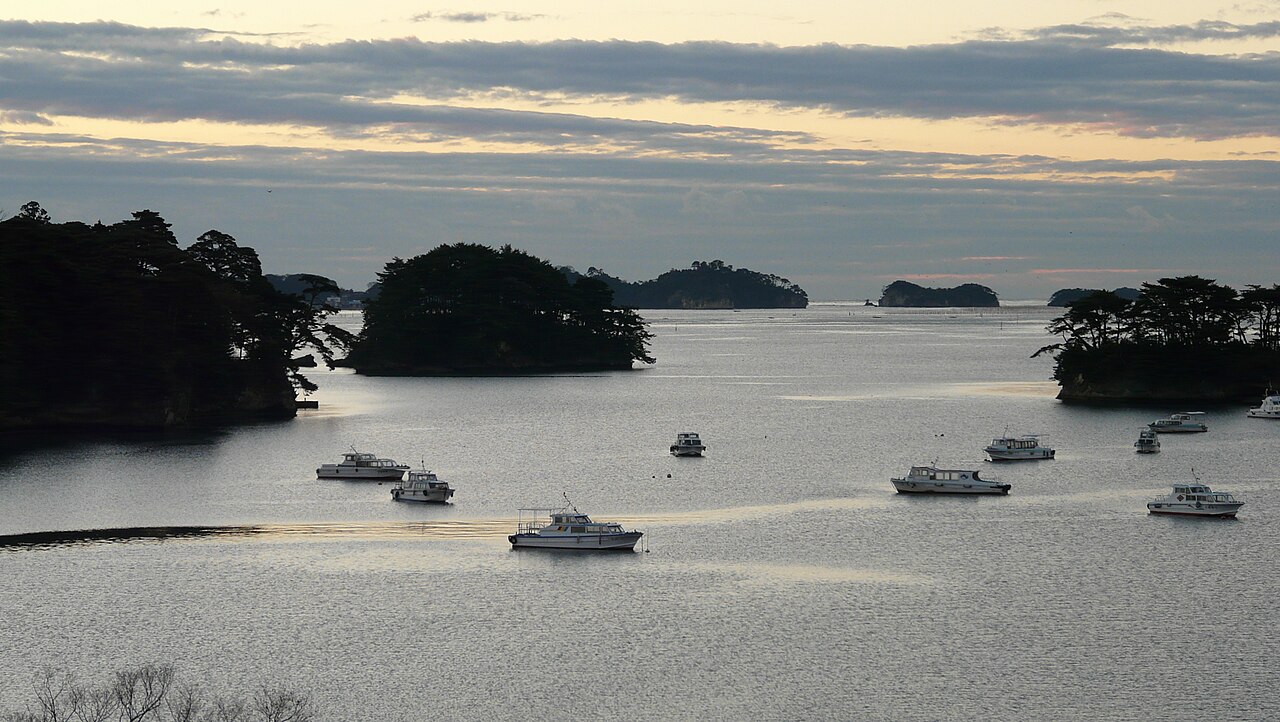
Sendai sits on the Pacific side of northern Honshu, in Miyagi Prefecture, at the center of the Tōhoku region. It is the largest city in the north, set between the Ōu mountains inland and the scalloped islands of Matsushima Bay on the coast. The surrounding region had what a furniture trade needs: hard northern hardwoods including keyaki, a domain wealthy enough to commission elaborate household goods, and a concentration of skilled labor pulled into one castle town.
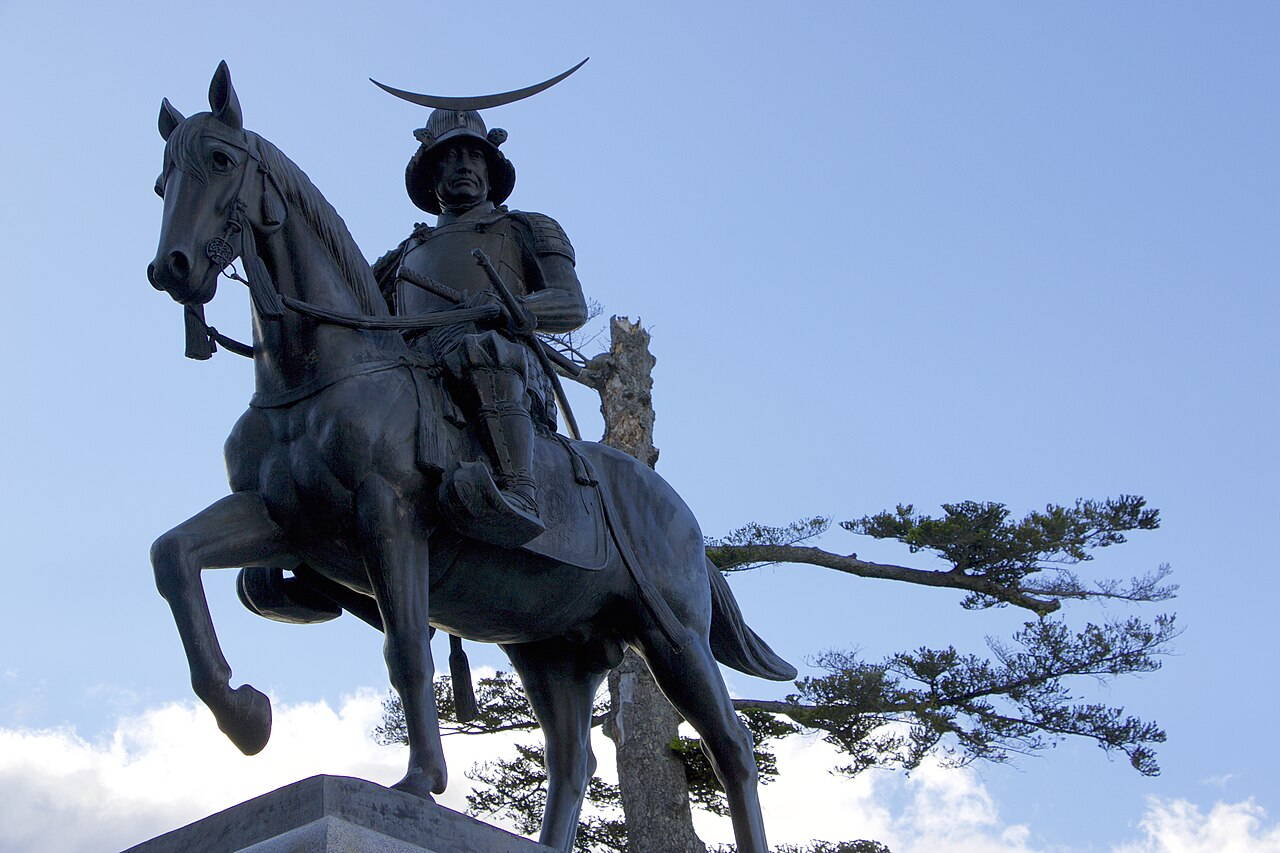
That castle town has a precise founding date. In 1601, Date Masamune — one of the most powerful regional lords of the early Edo period — established Sendai as the seat of his domain. To furnish the samurai households that followed, three trades clustered in the city: cabinetmakers who cut and joined the chests, lacquerers who finished them, and metal chasers who forged and engraved the iron hardware. Sendai Tansu is the product of those three trades working on the same object.
- 1124 — Konjikidō at Chūson-ji (Hiraizumi) completed — Tōhoku’s gold-and-lacquer high point, a regional antecedent for lavish metal-and-lacquer work.
- 1601 — Date Masamune founds Sendai as the seat of his domain.
- 1637 — Zuihoden, Masamune’s gilded mausoleum, completed — the lavish lacquer-and-metal aesthetic of the domain in built form.
- Edo period — The isho-dansu clothing chest standardizes the keyaki + kijiro-nuri + forged-iron recipe.
- 1872 — Monma Tansu founded — the best-documented surviving Sendai Tansu workshop line.
- 20th c. — Sendai Tansu is recognized among Japan’s regional traditional-craft chest traditions.
- 2026 — Small kobako and jewelry chests carry the same three-trade joinery at desktop scale.
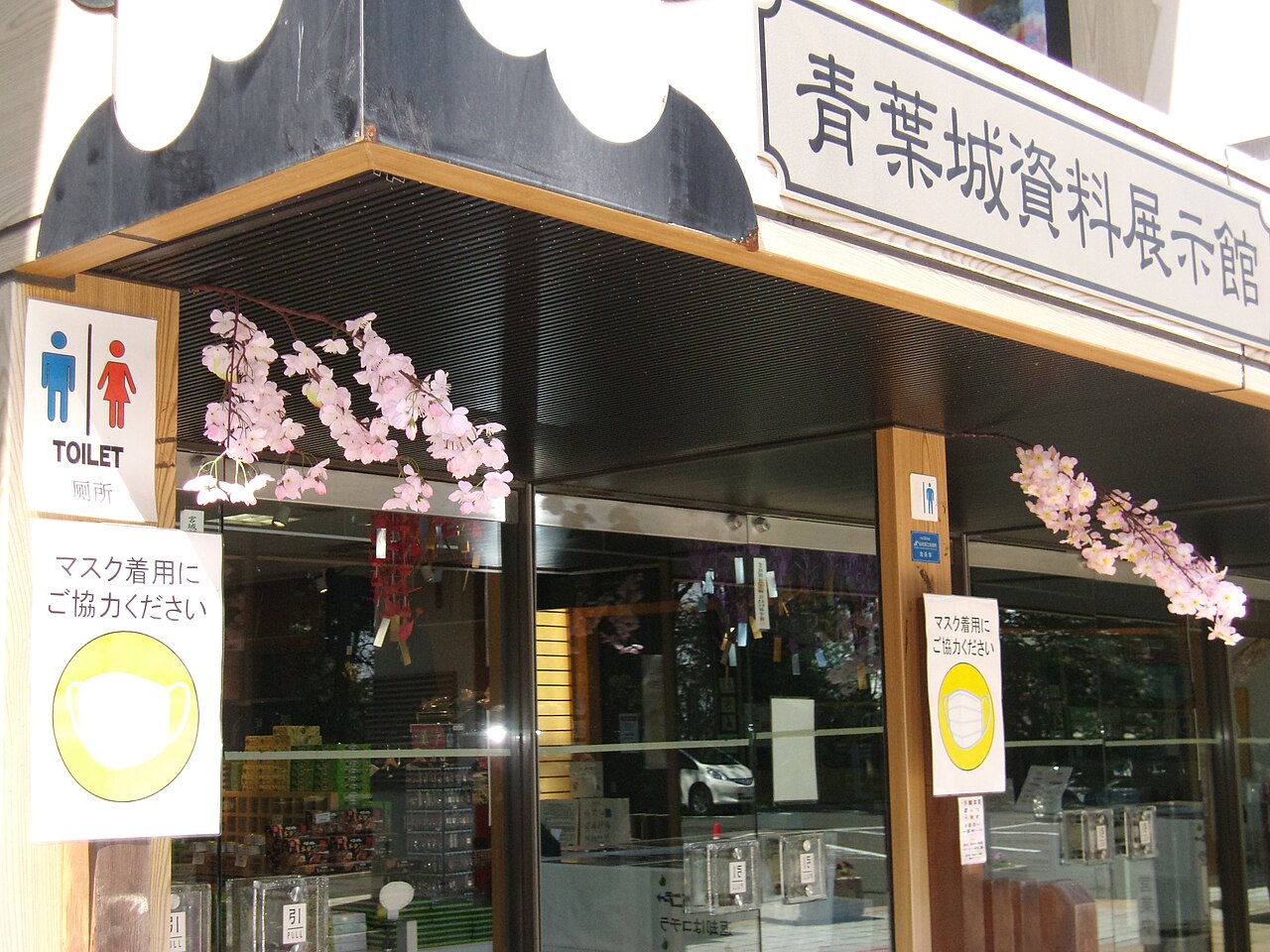
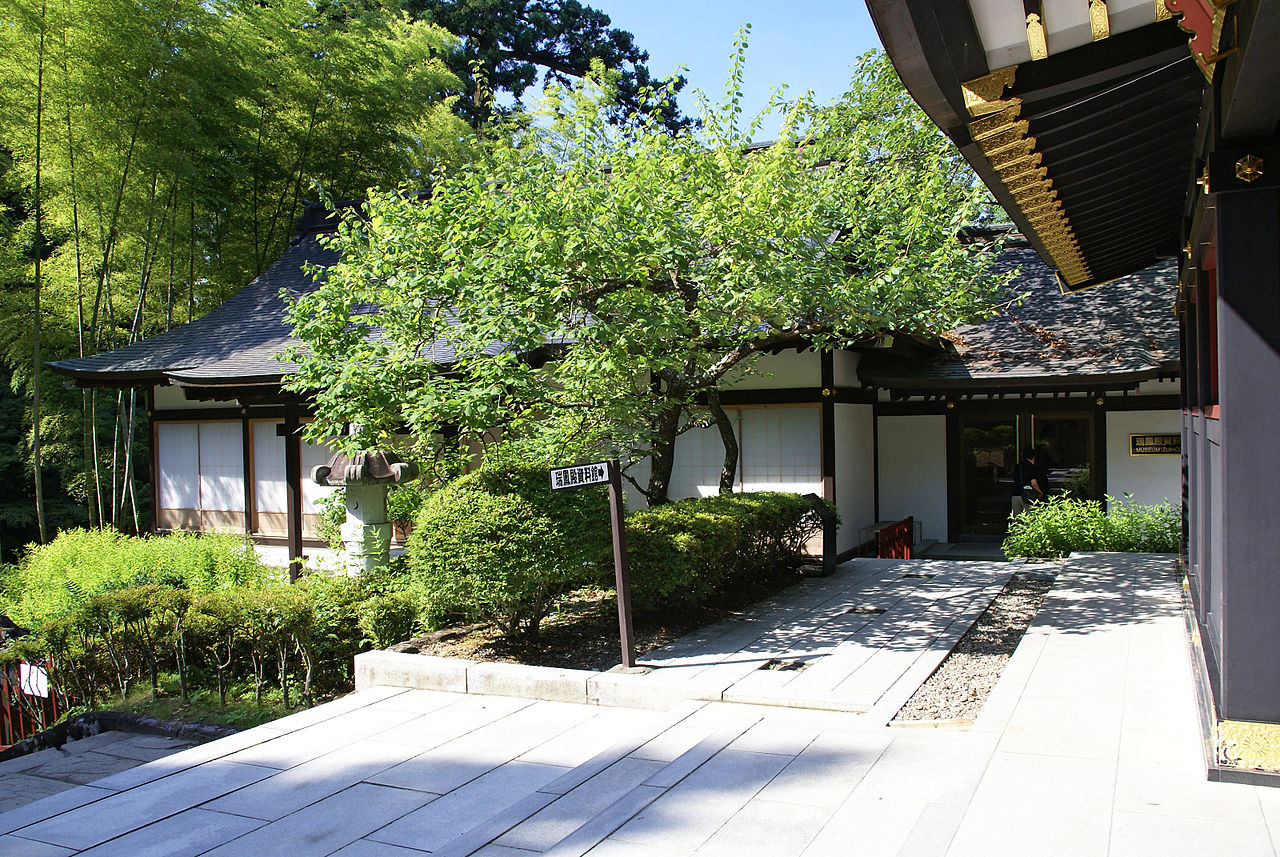
The look of a Sendai chest borrows directly from the domain’s monumental aesthetic. Date Masamune’s gilded Zuihoden mausoleum and the lacquered, metal-fitted architecture of the period set a visual standard: dark, deep finishes lit by worked metal. The chests translate that into a smaller register — keyaki grain pulled forward under transparent kijiro-nuri, and forged iron lockplates and hinges chased with peony, lion, or chrysanthemum motifs in openwork.
“A Sendai chest is not one craft but three agreeing on a single box — the joiner’s grain, the lacquerer’s depth, and the smith’s iron, each refusing to hide the other.”
On continuity: the form has been made in Sendai for roughly four centuries, and workshop lines still carry it. Monma Tansu, founded in 1872, is the best-documented of the surviving makers, and the three-trade division of labor — joinery, lacquer, metalwork — remains the defining feature rather than a marketing story. What changed is scale. The original product was a large clothing chest; the small kobako jewelry chest covered here applies the same materials and the same hand processes to an object that fits on a desk.
📦 Shipping & where to buy from outside Japan
The specific chest covered here is sourced from the Amazon JP Global Store, which ships many household items internationally to most major destinations. Based on Global Store listings for comparable wood-and-lacquer goods, expect international shipping in roughly the $15–$40 range to the US and EU, and higher to other regions; the exact figure is set at checkout. Customs duties may apply on orders above your country’s de minimis threshold — budget for that separately.
For readers in the US and EU, the more convenient first stop is often Amazon.com: it carries a range of Japanese wood, lacquer, and jewelry-box goods with domestic Prime shipping and USD pricing, useful for comparing size, price tier, and finish before committing to an international order. If you want this exact Sendai-made piece, the Amazon JP Global Store link is the sourced path. Proxy services such as Buyee or Tenso are a fallback if a listing is ever marked domestic-only.
Prices in USD are approximate and depend on the current exchange rate (a ¥150/USD baseline as of mid-2026). The JPY price is the authoritative figure for the specific listed item; at the time of writing, a confirmed price was not present in the dataset.
Price snapshot across stores
| Store | Item / Variant | Price (JPY + USD est.) | Notes |
|---|---|---|---|
| 🇺🇸 Amazon.com (US) | Browse Japanese wood & lacquer jewelry chests | varies (USD) | Best if you’re shopping from the US — Prime shipping, USD pricing, no international customs. Amazon US carries Japanese wood and lacquer boxes from several makers, useful for comparing size and finish; the exact Sendai-made chest ships from Japan (next row). |
| 🇯🇵 Amazon JP Global Store | This exact Sendai Tansu kobako (ASIN B0GP6MMZ1S) | Price unconfirmed — verify at listing | The sourced listing for this guide. Ships internationally from Japan to most major destinations. |
| Maker direct | Sendai workshop lines (e.g., Monma Tansu) | Varies by piece | Best for commissioned or larger pieces; international shipping is not always offered and may need arranging. |
| Proxy services (Buyee / Tenso) | Any Japan-domestic listing | Item price + proxy fee + forwarding | Fallback if a listing is domestic-only; adds a handling fee and a second shipping leg. |
What it does well
Keyaki under transparent kijiro-nuri shows the real wood figure rather than hiding it under paint or veneer; the lacquer is meant to deepen with age.
Hand-forged iron kanagu — warabite hinges and openwork lockplates — are a structural and decorative feature, not stamped trim.
The form traces to a datable castle town (Sendai, founded 1601) and surviving workshop lines, not a vague “heritage” claim.
At kobako size it works as a desk-top keepsake or milestone gift, carrying full-size joinery without the footprint of a clothing chest.
Weaknesses and things to verify before buying
- Thin listing data. The snapshot returned no confirmed price, dimensions, or weight. Confirm all three at the retailer before ordering; do not assume the figures of a full-size chest.
- It is small. This is a kobako, not a clothing chest. If you need real garment or large-object storage, this is the wrong object.
- Iron hardware needs minding. Forged iron can develop patina or surface rust in humid conditions; occasional dry-wiping and a stable indoor environment are sensible.
- Hand-made variation. Grain pattern, lacquer depth, and exact fitting placement vary piece to piece. That is intrinsic to the craft, not a defect, but it means your unit will not match the photo exactly.
- No fitted interior promised. Unless the listing states otherwise, do not expect velvet lining, ring rolls, or a mirror — verify the interior layout from listing photos.
- International shipping and customs. Cross-border shipping cost and any import duty are additional to the item price; confirm both before checkout.
- Lacquer care. Urushi finishes dislike prolonged direct sun, very dry heat, and abrasive cleaners; treat it as a finished wood object, not a wipe-clean plastic box.
Conclusion — which buyer type are you?
You want a documented regional craft object as a long-keep gift and accept hand variation. This is squarely for you — buy the genuine Sendai piece via the JP Global Store.
You like the look and want convenience first. Browse Japanese wood-and-lacquer boxes on Amazon US to compare tiers, then decide whether the Sendai original is worth the import.
Forged iron and urushi lacquer carry a price. If budget is the constraint, a simpler lacquered or wooden box will serve; revisit this when the occasion justifies it.
You need large storage, a fitted jewelry interior, or a guaranteed price today. The data is too thin and the object too small for those needs — pass.
Other ways to approach this purchase
Amazon US events (Prime Day, seasonal sales) can lower comparable Japanese boxes; the JP Global Store price for the specific piece moves less, so watch it directly.
Older Sendai chests appear on the Japanese secondhand market; via a proxy service they can be a way to own an aged piece, with condition risk to weigh.
If you carry an Amazon balance, gift-card or points credit applies on either marketplace and offsets part of an import order.
If a fitted interior or guaranteed pricing matters more than provenance, a mainstream jewelry box is the rational call — there is no shame in passing.
🏆 Editor’s Pick
❓ Frequently Asked Questions
Does the Amazon JP Global Store ship a Sendai Tansu chest internationally?
Yes — the Amazon JP Global Store ships many household and wood-craft items to most major international destinations. Shipping cost is set at checkout and typically runs around $15–$40 to the US and EU for comparable boxes, with customs duty possible above your country’s threshold. Confirm both at checkout.
What is kijiro-nuri, and why does it matter here?
Kijiro-nuri is a transparent urushi lacquer that leaves the wood grain visible rather than covering it. On keyaki, it pulls the zelkova figure forward and is meant to deepen with age — which is why the finish, not paint, defines the look of a Sendai chest.
How do I care for the iron hardware?
The kanagu are hand-forged iron and can develop patina or light surface rust in humid conditions. Keep the chest indoors in a stable environment and dry-wipe the metal occasionally. Treat the lacquered wood as a finished surface — avoid prolonged direct sun, dry heat, and abrasive cleaners.
Why is the price shown as unconfirmed?
The dataset fetched for this listing returned the product image and identifier but no structured price field, so we do not state one rather than guess. The JPY price on the live Amazon JP Global Store listing is the authoritative figure; verify it there before buying.
Is this a full-size chest of drawers?
No. The original Sendai Tansu is a large clothing chest (isho-dansu); this is a kobako — a small box at desktop scale, suited to jewelry and keepsakes. It carries the same materials and joinery, not the same storage capacity.
How does it compare to an Echizen Tansu?
Both are iron-fitted Japanese chests, but from different regions and traditions — Echizen (Fukui) and Sendai (Miyagi) each have their own joinery and metalwork conventions. Our iron-fitted Echizen Tansu guide covers that comparison in detail.
Will my chest look exactly like the photo?
Not exactly. Solid keyaki grain, lacquer depth, and the placement of hand-forged fittings vary from piece to piece. That variation is intrinsic to the craft; expect a close match to the listing photo rather than an identical one.
jpmono.com is curated by a Japan-based editorial team (working out of Toyama in the Hokuriku region and Nara in Kansai) and is independent. We do not take payment from the makers we feature; income comes from affiliate links. We do not physically test every product — we read maker specs and source listings. Read more about our editorial standards.
Note: this article was prepared with AI assistance and reviewed against the source listing data. Specifications, prices, and availability should be confirmed at the retailer before purchase.
Affiliate disclosure: jpmono.com may earn a commission on qualifying purchases made through links on this page, at no additional cost to you.