![Shigaraki-yaki Tanuki Okimono: Where to Buy the Lucky Raccoon Dog Figurine [2026]](https://jpmono.com/wp-content/uploads/2026/06/shigaraki-yaki-tanuki-okimono-where-to-buy-2026-featured.jpg)
The Shigaraki-yaki tanuki (信楽焼の狸, “Shigaraki-ware raccoon dog”) is a hand-built ceramic figurine of a round-bellied tanuki, fired in Koka City in the southern highlands of Shiga Prefecture. Shigaraki is one of Japan’s Six Ancient Kilns (Rokkoyo, 六古窯), with roots reaching back to the Kamakura period, when its iron-rich, coarse clay was worked into storage jars and tea-ceremony wares. The tanuki you see at shop doorways across Japan grew out of that same clay tradition, set at an entrance to invite prosperity and good fortune.
What makes the figure interesting to an international reader is the contrast it holds. The kiln behind it is roughly eight centuries old, yet the cheerful pot-bellied tanuki is a comparatively modern folk icon: production surged after Emperor Showa’s 1951 visit to Shigaraki, when townspeople lined the route with flag-waving tanuki and the emperor composed a poem about them. The figure carries the “eight lucky traits” (hassho engi, 八相縁起), and the streets and railway platforms of Shigaraki are now famously lined with rows of these ceramic dogs.
This guide covers one specific listing — a Meizan-style Shigaraki tanuki okimono (ASIN B01N1OTJUW) sourced from the Amazon Japan Global Store — and explains how to buy it from outside Japan, what to verify before you order (size, weight, weather durability), and how it sits alongside other Shigaraki and Six-Ancient-Kiln wares. The data suggests this is a decorative, folk-meaning object rather than a functional vessel, and the recommendation is framed accordingly.
🔄 Updated:
⏱️ Read time: ~9 min

- Who this is for — and who should skip it
- Product overview (from published specs)
- 📍 Where this comes from — place, era, and the craft tradition
- Which finish should you choose?
- Price snapshot across stores
- What it does well
- Weaknesses and things to verify before buying
- Conclusion — which buyer type are you?
- Other ways to approach this purchase
- 🏆 Editor’s Pick
- ❓ Frequently Asked Questions
Who this is for — and who should skip it
- Want an authentic figure from one of Japan’s Six Ancient Kilns, not a mass-molded souvenir
- Like folk objects with a clear cultural story — the tanuki’s eight lucky traits and doorway role
- Are furnishing a genkan, shop entrance, garden, or restaurant front with a conversation piece
- Appreciate hand-built ceramic where each piece varies slightly in scorch-mark and glaze
- Are buying a gift tied to prosperity, a business opening, or a housewarming
- Need a functional vessel — this is a decorative okimono, not tableware
- Want a guaranteed exact size or weight; listings vary and the fetched data did not confirm dimensions
- Cannot accommodate the shipping cost or breakage risk of a heavy ceramic from Japan
- Prefer minimalist decor — the tanuki is deliberately whimsical and folk-styled
- Expect the “luck” to be a literal promise rather than a traditional belief
Product overview (from published specs)
Per the Amazon listing snapshot for ASIN B01N1OTJUW as of June 2, 2026, the table below records what is verifiable. The fetched dataset contained no live price or dimension fields for this listing, so those rows are marked unconfirmed rather than guessed.
Shigaraki-yaki Tanuki Okimono
信楽焼 9号満願成就狸【ta-0137】 しがらき 信楽焼き 陶器 しがらきやき たぬき タヌキ 置物 置き物 おきもの 縁起物 進物 ギフト プレゼント
残り9点 ご注文はお早めに · Sold by 信楽焼専門店 まるいち本店 · ASIN B01N1OTJUW
Price and availability as of 2026-08-31 02:30 JST. The Amazon listing at the time of purchase is authoritative. jpmono.com earns a commission on qualifying purchases at no extra cost to you.
| Attribute | Detail |
|---|---|
| Item | Shigaraki-yaki tanuki okimono (raccoon dog figurine) |
| Ware type | Shigaraki-yaki — one of Japan’s Six Ancient Kilns (Rokkoyo) |
| Origin | Koka City, Shiga Prefecture, Kansai region |
| Material | Iron-rich Shigaraki stoneware / ceramic |
| Style | Meizan-style figure |
| Motif | Tanuki bearing the eight lucky traits (hassho engi) |
| Dimensions / Weight | Unconfirmed — varies by size; check the listing |
| ASIN (Amazon JP Global Store) | B01N1OTJUW |
| Price | Live pricing unavailable at the time of writing — verify at the listing |
Spec sources: Amazon US search (primary, moonill-20) + Amazon JP Global Store (secondary, moonill-22, sourced listing) + maker-direct framing. Where a source did not state a value, the cell reads “unconfirmed” rather than an estimate.
📖 Glossary — key Japanese terms
- Shigaraki-yaki (信楽焼, “Shigaraki ware”) — ceramic fired in Koka City, Shiga; one of the Six Ancient Kilns.
- Rokkoyo (六古窯, “Six Ancient Kilns”) — the six medieval kiln sites with continuous production: Shigaraki, Bizen, Tamba, Echizen, Seto, and Tokoname.
- Tanuki (狸) — the Japanese raccoon dog, a real animal woven through Japanese folklore as a shape-shifting, good-natured trickster.
- Okimono (置物, “placed thing”) — a decorative object meant to be set out and displayed, not used as a tool.
- Hassho engi (八相縁起, “eight lucky traits”) — the eight auspicious features traditionally read into the standing tanuki figure.
- Hi-iro (火色, “fire color”) — the warm scorch-marks left on the clay by flame in a wood-fired kiln.
- Anagama / noborigama — the tunnel and stepped climbing kilns of the wood-firing tradition.
- Genkan (玄関) — the entryway of a Japanese home or shop, a common spot for the tanuki.
📍 Where this comes from — place, era, and the craft tradition

Shiga is a landlocked prefecture in the Kansai region, built around Lake Biwa — the largest freshwater lake in Japan, which dominates the prefecture’s center. Koka City, home of Shigaraki ware, sits in the wooded southern highlands, a cool, mist-prone plateau on the way between Kyoto and the Ise region of Mie. The local clay is the reason the kilns took root here: an iron-rich, coarse-bodied earth studded with feldspar grains that bursts and scorches beautifully under flame.
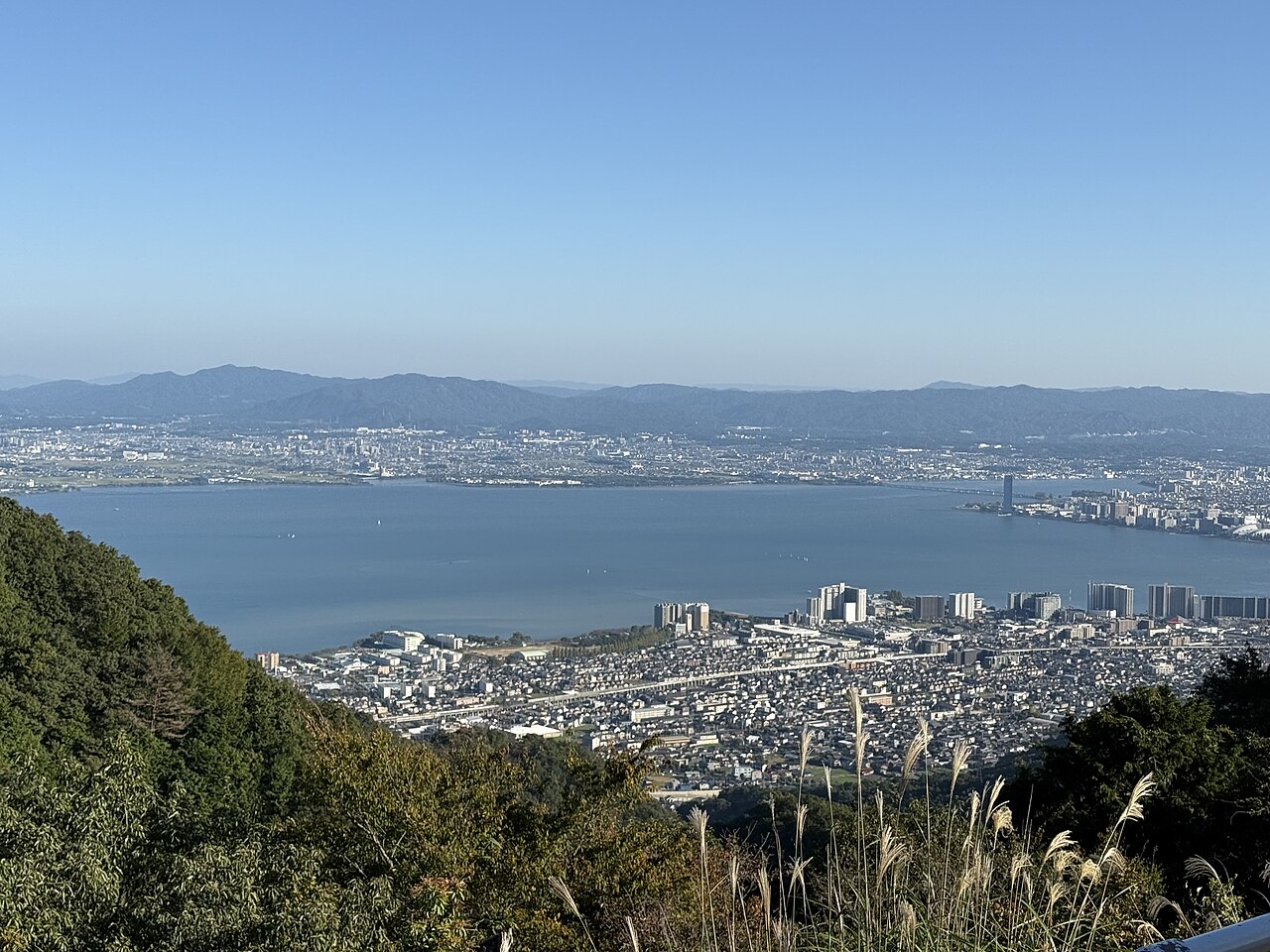
Shigaraki is one of the Rokkoyo — the Six Ancient Kilns — a grouping of medieval kiln districts that have fired continuously since the Kamakura period (1185–1333). In that era the kilns supplied sturdy storage jars and seed pots, and as tea culture matured, the natural ash glaze and warm scorch-marks (hi-iro) of Shigaraki’s coarse body were prized for tea-ceremony wares. The same Koka City landscape that produced those jars still surrounds the kilns today; the Miho Museum, set deep in these forested hills, is a modern landmark in the same highland terrain.
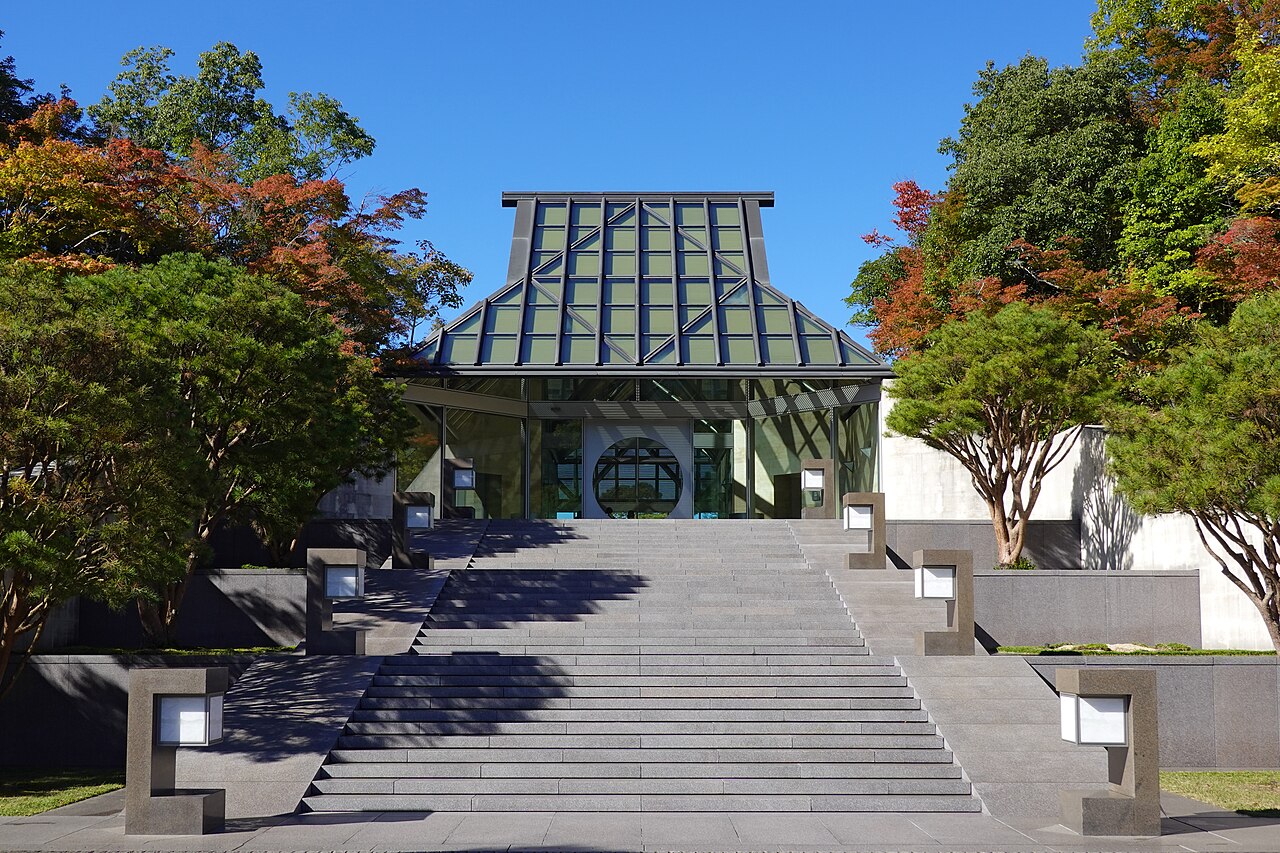
- 1185–1333 (Kamakura period) — Shigaraki, one of the Six Ancient Kilns, fires storage jars and seed pots from Koka’s iron-rich highland clay.
- 14th–16th c. (Muromachi–Momoyama) — tea culture prizes Shigaraki’s coarse body, embedded feldspar, hi-iro scorch-marks, and natural ash glaze for tea-ceremony wares.
- 1951 — Emperor Showa visits Shigaraki; townspeople line the route with flag-waving tanuki, and he composes a poem about them.
- Post-1951 — tanuki okimono production surges; the figure becomes a nationwide good-luck icon set at shop and home entrances.
- Late 20th c. — Shigaraki Station and the town’s streets become famously lined with rows of ceramic tanuki.
- 2026 — Koka City workshops still hand-build tanuki bearing the eight lucky traits (hassho engi).
The tanuki figure itself is the modern chapter. While the kiln tradition is medieval, the okimono surged into nationwide popularity only after 1951, when Emperor Showa visited Shigaraki and the town greeted him with rows of small flag-waving tanuki along the route. The story — and the imperial poem that followed — turned a local potter’s motif into a national good-luck emblem, and the railway and streets of Shigaraki have been lined with the figures ever since.
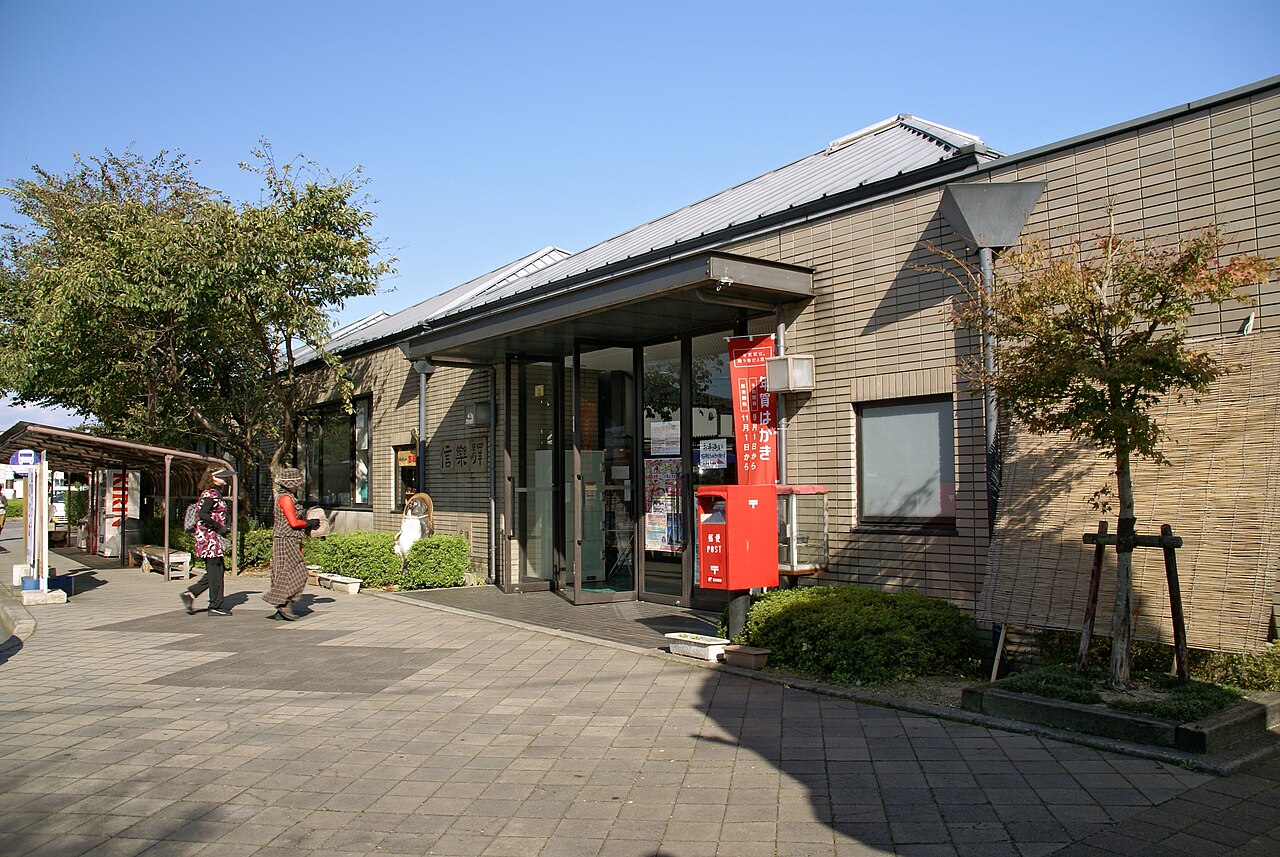
“Set at a doorway to invite prosperity, the Shigaraki tanuki carries eight lucky traits — a comparatively modern folk icon born from one of Japan’s oldest continuous kilns.”
The eight lucky traits (hassho engi) are the traditional reading of the standing tanuki: the wide straw hat for protection against trouble, the large eyes for perceiving one’s surroundings, the bottle of sake for virtue, the promissory note for trust, the big belly for bold decisiveness, the oversized tail for steadiness, and so on. These are folk meanings, traditionally believed rather than literal promises — but they are precisely why a shopkeeper sets the figure at the entrance to welcome customers and fortune.
Which finish should you choose?
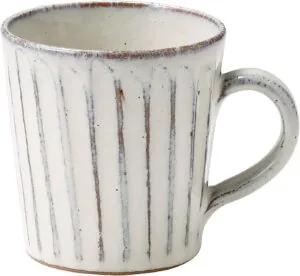
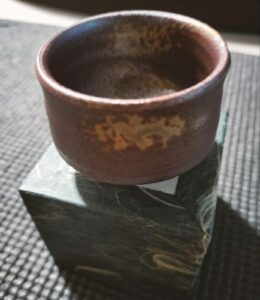
This piece is listed in 3 options. The photos below are the actual サイズ options on the listing right now — pick the one you want and confirm it on the product page before ordering, since hand-finished wares vary slightly piece to piece.
![Shigaraki-yaki Tanuki Okimono: Where to Buy the Lucky Raccoon Dog Figurine [2026] — 幅250×奥行150×高さ270mm finish](https://m.media-amazon.com/images/I/51hotXTNeWL._SL500_.jpg)
![Shigaraki-yaki Tanuki Okimono: Where to Buy the Lucky Raccoon Dog Figurine [2026] — 幅370×奥行260×高さ420mm finish](https://m.media-amazon.com/images/I/51f52Ewo0ZL._SL500_.jpg)
Price snapshot across stores
Live pricing was unavailable from the fetched dataset at the time of writing, so the price cells below point you to the listings rather than naming a figure. The JPY price on the Amazon JP Global Store listing is the authoritative one for this specific item; USD figures elsewhere are approximate estimates only.
| Store | Item / Variant | Price | Notes |
|---|---|---|---|
| 🇺🇸 Amazon.com (US) | Browse Japanese Shigaraki & tanuki ceramics | varies (USD) | Best if you are shopping from the US — Prime shipping, USD pricing, no international customs. Amazon US carries Japanese ceramic figurines and home goods; the specific Shigaraki tanuki in this guide is sourced from Japan (next row). |
| 🇯🇵 Amazon JP Global Store | Shigaraki tanuki okimono (ASIN B01N1OTJUW) | ¥ — (verify on listing) | The sourced listing for this exact piece. Ships internationally from Japan to most major destinations. JPY price is authoritative. |
| Maker direct | Shigaraki kiln workshops / Koka City pottery | varies | Widest size selection, but many workshop pages are Japan-only and may not ship abroad directly. |
| Proxy services (Buyee / Tenso) | Forwards Japan-only listings | item + service fee + forwarding | Useful for sizes only sold domestically; adds a handling fee and a second shipping leg, raising breakage risk on heavy ceramics. |
Prices and availability fluctuate; always confirm at the retailer before buying. USD figures are approximate (≈ ¥150/USD baseline as of mid-2026); the JPY price on the JP listing is the authoritative one for the specific item.
What it does well
Weaknesses and things to verify before buying
- Size and weight are unconfirmed in the data. Shigaraki tanuki range from desktop palm-size to garden scale; confirm the dimensions and weight on the listing before ordering, since the fetched dataset did not state them.
- Live price was unavailable at the time of writing. Only the Amazon JP listing reference (ASIN B01N1OTJUW) was available; verify current pricing and stock at the listing.
- Ceramic is breakable. A hand-built stoneware figure carries real shipping risk over long international routes; confirm packaging and return terms.
- Outdoor durability varies. Frost and weather resistance depend on the specific clay, firing, and finish; treat outdoor placement cautiously unless the listing or maker confirms it.
- Shipping cost scales with weight. Larger tanuki are heavy, so international freight can rival the item price; factor this into the total.
- It is decorative, not functional. This is an okimono — not a vessel — so buyers wanting usable tableware should look elsewhere.
- The exact piece may differ from the photo. Hand-built variation means scorch-marks, glaze, and expression can vary from the listing image.
- “Luck” is traditional belief. The eight lucky traits are folk meaning, traditionally believed rather than a guaranteed outcome.
Conclusion — which buyer type are you?
Other ways to approach this purchase
🏆 Editor’s Pick
❓ Frequently Asked Questions
Does Amazon ship the Shigaraki tanuki internationally?
What does the tanuki figurine symbolize?
What are the “eight lucky traits” (hassho engi)?
Can the tanuki be placed outdoors?
How do I choose the right size?
Why did the tanuki become so popular?
jpmono.com is curated by a Japan-based editorial team (working out of Toyama in the Hokuriku region and Nara in Kansai) and is independent. We do not take payment from the makers we feature; income comes from affiliate links. We do not physically test every product — we read maker specs and source listings.
This article was prepared with AI assistance and reviewed against the source listing and public-domain references; facts are drawn from the available data rather than personal testing.
Affiliate disclosure: jpmono.com may earn a commission on qualifying purchases made through links on this page, at no additional cost to you.