![Naruko Shikki Ryusen-nuri Lacquer Cup: Miyagi Wood-Grain Ware [2026]](https://jpmono.com/wp-content/uploads/2026/05/japan-map-regions-and-prefectures-800x1050.png)
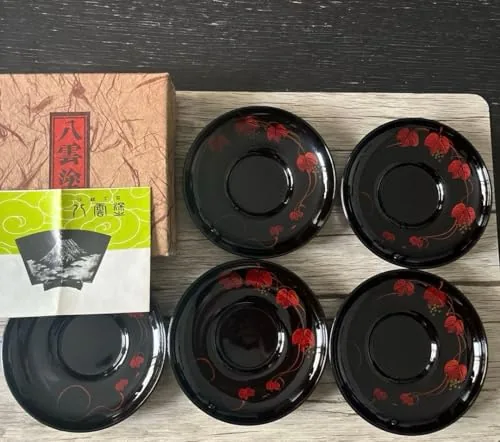
In the mountains of northern Miyagi, above one of Tōhoku’s oldest hot-spring towns, woodturners have spent generations shaping two things from the same beech and zelkova: the famous Naruko kokeshi dolls, and the lacquer cups and bowls of Naruko Shikki (鳴子漆器, “Naruko lacquerware”). The cup covered in this guide carries the craft’s signature finish — Ryusen-nuri (龍紋塗, “dragon-crest lacquering”), a marbled wood-grain surface that looks like flowing water frozen under glass.
Naruko Shikki is a nationally designated traditional craft, and it sits in a category that international buyers rarely encounter: a turned-wood lacquer ware whose roots are a hot-spring souvenir trade rather than a court or temple workshop. The wood comes first; the lacquer is the finish. That order — woodturning as the foundation — is exactly what ties these cups to the kokeshi dolls turned a few doors down, and it is why the grain is allowed to show through rather than being buried under opaque color.
This article is written from a Japan-based editor’s perspective, working out of Toyama (Hokuriku) and Nara (Kansai), for international readers who want to understand what they are buying before they compare prices. We cover what the craft is, who still makes it, how it compares to other Japanese lacquer cups and bowls, and the realistic paths to buy a genuine piece from outside Japan.
📅 Published:
🔄 Updated:
⏱️ Read time: ~12 min
- Who this is for — and who should skip it
- Product overview (from published specs)
- 📍 Where this comes from — place, era, and the craft tradition
- 📌 How does it compare?
- 📦 Shipping & where to buy from outside Japan
- Purchase options
- What it does well
- Weaknesses and things to verify before buying
- Conclusion — which buyer type are you?
- Other ways to approach this purchase
- ❓ Frequently Asked Questions
Who this is for — and who should skip it
- Want a lacquer cup where the natural wood grain stays visible, not hidden under opaque color
- Like the idea of a turned-wood object from the same lineage as Naruko kokeshi dolls
- Drink sake, tea, or cold drinks and want a light, warm-to-the-touch vessel
- Appreciate regional Tōhoku crafts and want something less common than Wajima or Kyoto lacquer
- Are comfortable hand-washing and following basic urushi (漆, “lacquer”) care
- Want a dishwasher- and microwave-safe everyday mug you never have to think about
- Expect two pieces to match exactly — each grain pattern is one-off
- Confirm the cup’s size or capacity before buying.
- Prefer a uniform, glossy, color-blocked lacquer look
- Are shopping purely on lowest price rather than craft provenance
Product overview (from published specs)
Naruko Shikki is a lacquerware tradition; the size and finish of individual ryusen-nuri cups vary. The table focuses on documented craft features rather than fixed specifications.
| Attribute | Detail |
|---|---|
| Craft | Naruko Shikki (鳴子漆器) — nationally designated traditional craft |
| Finish | Ryusen-nuri (龍紋塗) marbled wood-grain finish / related Kijiro-nuri (木地呂塗) translucent grain finish |
| Base material | Turned wood (zelkova / beech), coated in urushi lacquer |
| Form | Single cup / tumbler (sake or general use) |
| Origin | Naruko, Ōsaki City, Miyagi Prefecture, Tōhoku |
| Dimensions / capacity | — |
| Price | — |
📖 Glossary — key terms
- Naruko Shikki (鳴子漆器) — “Naruko lacquerware.” Turned-wood lacquer ware from the Naruko hot-spring district of Miyagi.
- Ryusen-nuri (龍紋塗) — “dragon-crest lacquering.” A finish in which layered lacquer is partly scraped back to reveal undulating, marble-like grain patterns.
- Kijiro-nuri (木地呂塗) — a related finish where translucent lacquer is applied so the natural wood grain shows through.
- urushi (漆) — natural lacquer tapped from the lacquer tree; the coating that hardens to a durable, food-safe surface.
- kijishi (木地師) — woodturners who shape the raw wooden base on a lathe before lacquer is applied.
- kokeshi (こけし) — the simple turned-wood dolls of Tōhoku; Naruko is one of their classic production towns.
- toji (湯治) — extended hot-spring “cure” travel, the visitor trade that created Naruko’s souvenir market.
📍 Where this comes from — place, era, and the craft tradition

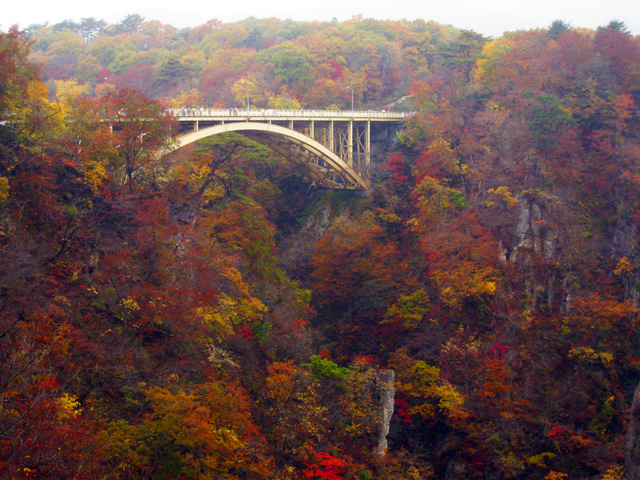
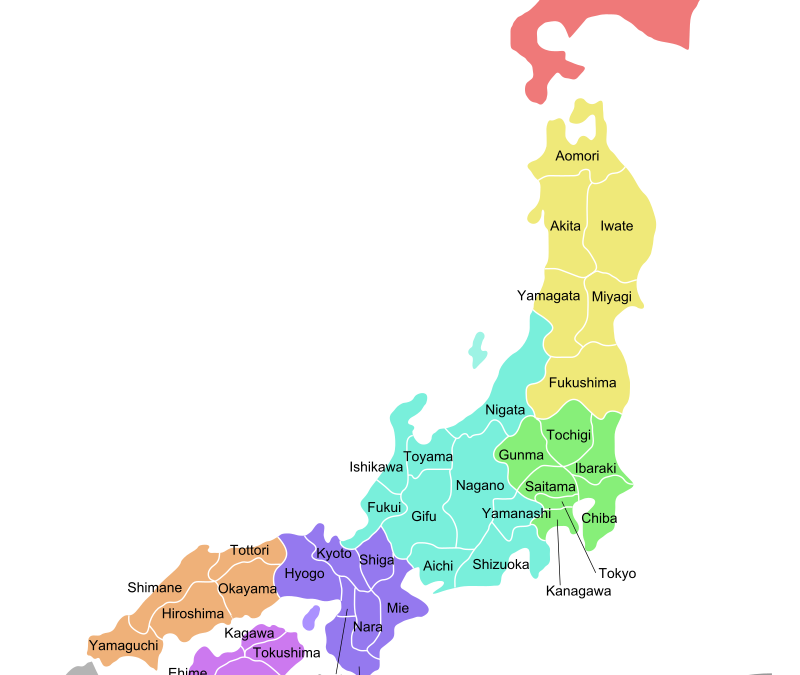
Naruko sits in Ōsaki City, in the northwestern uplands of Miyagi Prefecture, close to the Yamagata border. It is mountain country — steep gorges, beech and zelkova forest, and a string of hot springs fed by the volcanic ground. That combination is the whole story of the craft: abundant turning wood within reach, and a steady stream of visitors who needed something to take home.
The town is built around Naruko Onsen, whose hot springs are traced back to the 9th century. For centuries it drew toji (湯治) cure-travelers who stayed for extended baths. Where there are travelers, there is a souvenir trade, and where there is good wood, there are woodturners ready to supply it.
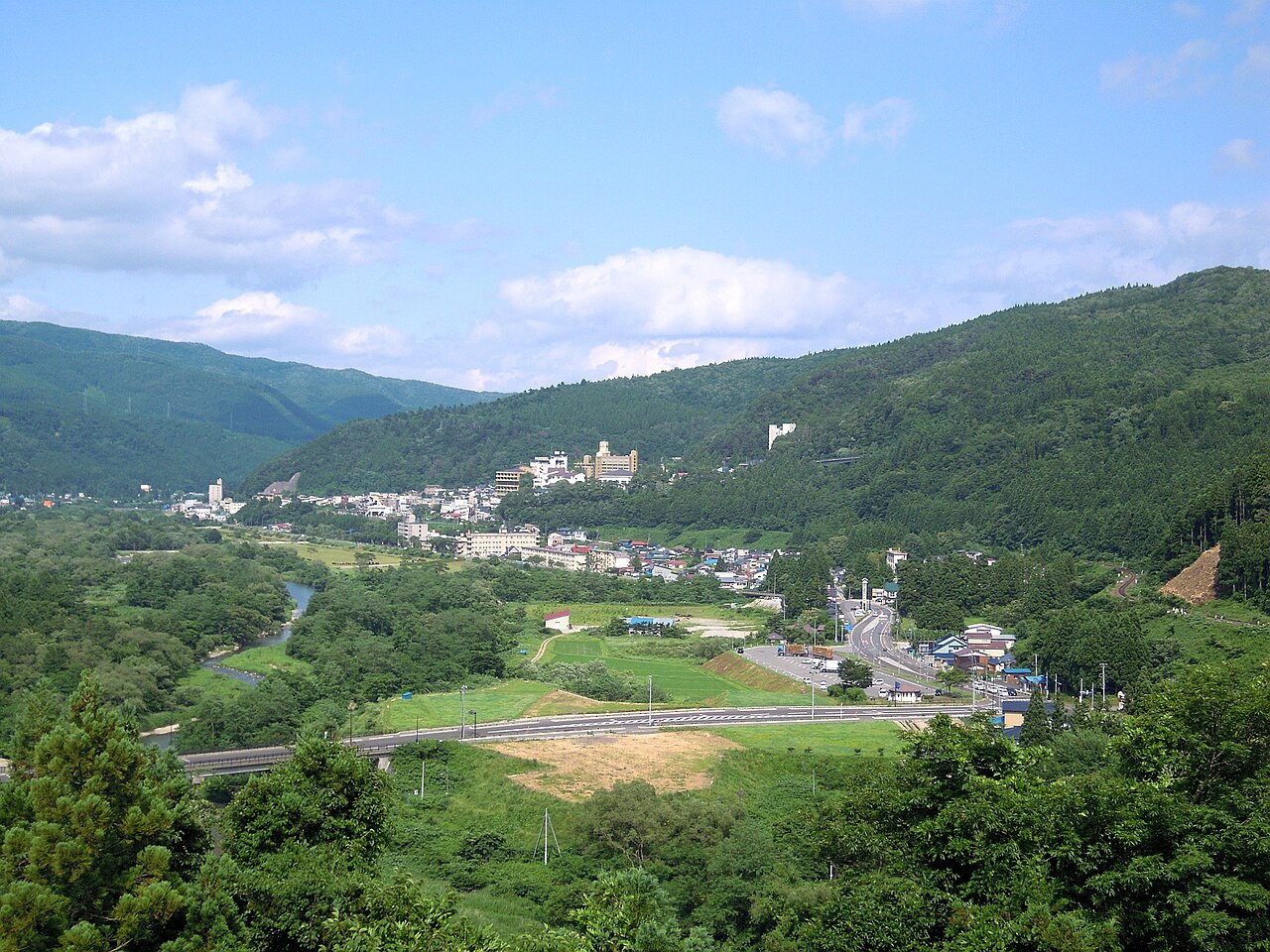
In the Edo period, the woodturners (kijishi) who settled around Naruko built two parallel crafts under the patronage of the Date-clan Sendai domain: Naruko kokeshi dolls and Naruko Shikki lacquerware. Both start on the lathe. The same hands that turned a doll’s body could turn a cup’s base, and the souvenir market for hot-spring visitors gave both a reliable home.
- 9th century — Naruko Onsen’s hot springs documented; toji cure-travel takes root.
- Edo period (1600s) — Kijishi woodturners settle under Date-clan Sendai-domain patronage; kokeshi and lacquerware develop side by side.
- Edo period (1700s–1800s) — Naruko Shikki matures as the local hot-spring souvenir ware.
- Meiji–Taishō era (1868–1926) — Ryusen-nuri (龍紋塗) marbled wood-grain finish is perfected.
- Shōwa era — Naruko Shikki is recognized as a nationally designated traditional craft.
- 2026 — Naruko’s kijishi workshops continue turning both kokeshi and lacquer bases.
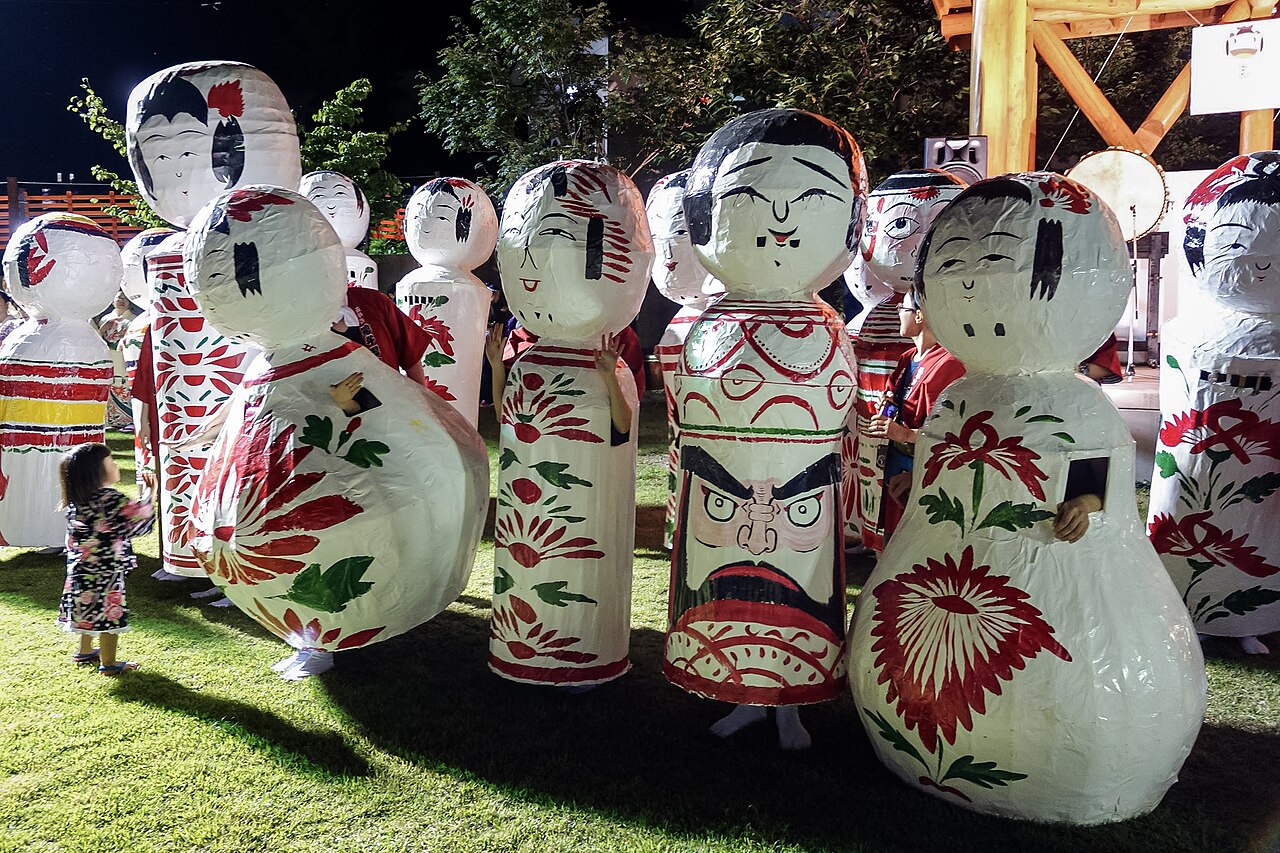
“The same hands that turn Naruko’s kokeshi dolls turn the cups. Woodturning is the root; lacquer is only the finish — which is why the grain is allowed to show.”
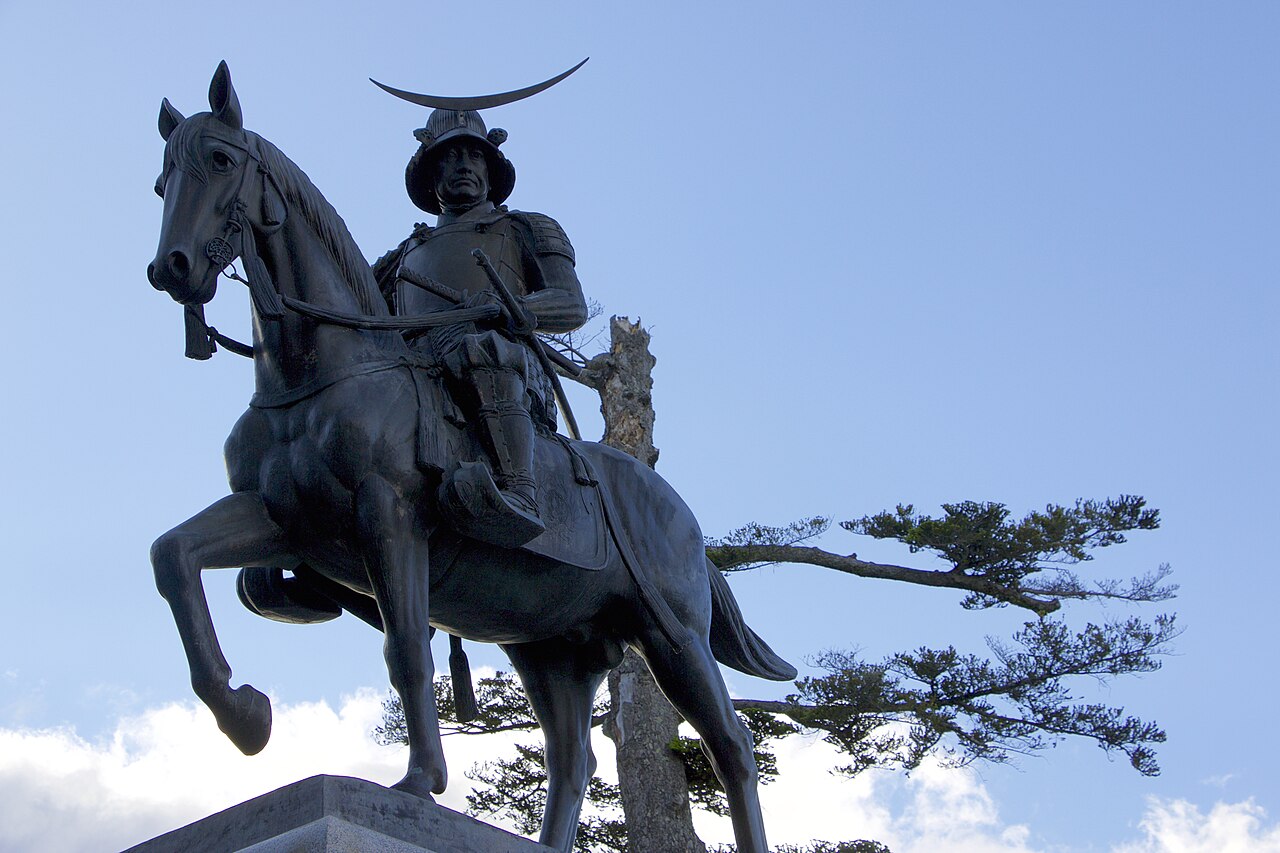
The Date connection runs through the whole region. The Sendai domain, led by Date Masamune, organized and supported a range of crafts across what is now Miyagi, and Naruko’s woodturning and lacquer workshops grew within that framework. The patronage mattered: it gave a remote hot-spring town a reason for its craft to professionalize rather than stay a casual sideline.
What “still being made here” means in Naruko is best understood through the wood. The craft never separated from the lathe: a Ryusen-nuri cup begins as a turned zelkova or beech blank, just as it did in the Edo-period souvenir trade. The marbled surface is not printed or molded — layered lacquer is applied and then partly scraped back so the grain and underlayers rise to the surface, which is why no two cups are identical. The related Kijiro-nuri finish takes the opposite approach, laying translucent lacquer over the wood so the natural grain reads straight through.
For a drinking vessel, the wood base has a practical payoff. It is light in the hand, it does not shock the lips with cold the way glass or metal can, and it warms quickly. A Ryusen-nuri cup suits sake and tea, and the marbled finish hides the small marks of daily use better than a plain glossy surface would.
📌 How does it compare?
Naruko Shikki is one of many Japanese lacquer traditions, each tied to a different region and technique. If you are weighing a turned-wood lacquer cup against bowls, boxes, and caddies from elsewhere, these jpmono guides cover the closest comparisons:
Akita soup bowl — another Tōhoku lacquer ware
 Yamanaka wood free cup
Ishikawa turned-wood cup — direct cup comparison
Wajima sake cup pair
Premium Noto lacquer drinking vessels
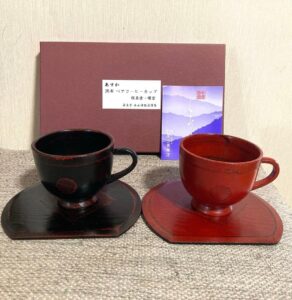 Kiso lacquer coffee cup
Nagano lacquer cup pair — hot-drink use
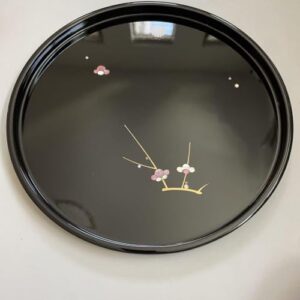 Takaoka raden box
Toyama shell-inlay lacquer — decorative technique
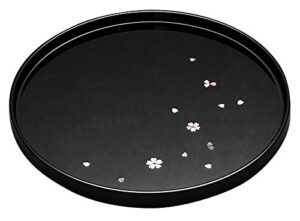 Nara lacquer tray
Kansai shell-inlay tray — serving piece
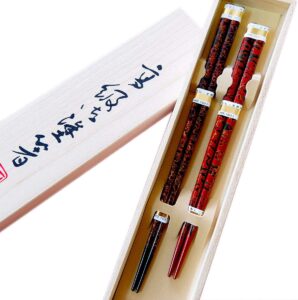 Tsugaru-nuri chopsticks
Aomori multi-layer lacquer — neighboring Tōhoku
 Murakami carved-lacquer caddy
Niigata carved tsuishu — contrasting method
📦 Shipping & where to buy from outside Japan
A Naruko Shikki ryusen-nuri cup is typically sourced from Japanese retailers, and many can ship internationally. Because availability varies, US and EU readers can use international craft retailers or forwarding services.
International shipping for a small lacquer cup from Japan typically runs in the $15–$40 range to the US and EU, and higher to other regions. Orders above your local duty threshold may attract customs charges — verify your country’s import rules before ordering. If a Japanese retailer does not ship to your country directly, proxy services such as Buyee or Tenso can forward it.
Purchase options
Prices for Naruko Shikki ryusen-nuri cups vary by size, lacquer work, and finish. USD conversions are approximate and depend on the exchange rate.
| Store | Item / Variant | Price | Notes |
|---|---|---|---|
| 🇺🇸 Amazon US (search) | Browse Japanese lacquer cups & sake ware | varies (USD) | Best if you are shopping from the US — Prime shipping, USD pricing, no international customs. Amazon US carries Japanese lacquer and wood drinking vessels from various makers; this exact Naruko piece ships from Japan (next row). |
| 🇯🇵 Amazon JP Global Store | Naruko Shikki Ryusen-nuri cup | — | Ships internationally from Japan. |
| Maker direct | Naruko Shikki workshops / Naruko craft outlets | varies (JPY) | Local Naruko workshops sell directly; international shipping support varies by maker. |
| Proxy services (Buyee / Tenso) | Forwarding for JP-only options | item + fees | Use when a seller does not ship directly to your country; forwarding fees may apply. |
What it does well
Weaknesses and things to verify before buying
- Confirm the cup’s size, capacity, and final purchase details before committing.
- Not dishwasher- or microwave-safe. Urushi lacquer over wood requires hand-washing and gentle drying; heat and harsh detergents can damage the finish.
- No exact-match pairs. If you want a matched set, the unique marbled grain works against you — patterns will differ piece to piece.
- Sensitivity to extremes. Wood-and-lacquer ware dislikes prolonged soaking, direct sun, and very dry or very hot conditions, which can crack or fade the surface over time.
- Shipping and customs add up. A small cup can carry $15–$40 in international shipping plus possible duties, which changes the effective price meaningfully.
- Provenance verification. “Naruko style” is sometimes used loosely; confirm genuine Naruko Shikki and a turned-wood (not molded resin) base.
Conclusion — which buyer type are you?
Other ways to approach this purchase
❓ Frequently Asked Questions
Does Amazon JP Global Store ship Naruko Shikki internationally?
Yes. A Naruko Shikki ryusen-nuri cup sourced from Japan can often be shipped to major international destinations. Expect shipping costs and possible customs duties to vary by country.
What is the difference between Ryusen-nuri and Kijiro-nuri?
Ryusen-nuri (龍紋塗) builds up layers of lacquer that are partly scraped back to reveal an undulating, marble-like pattern. Kijiro-nuri (木地呂塗) instead applies translucent lacquer so the natural wood grain shows straight through. Both keep the wood visible rather than covering it with opaque color.
Is this lacquer cup dishwasher- and microwave-safe?
No. Urushi lacquer over a wooden base should be hand-washed with mild soap and dried promptly. Dishwashers, microwaves, prolonged soaking, and harsh detergents can damage the finish.
How is Naruko Shikki related to Naruko kokeshi dolls?
Both crafts began on the same lathe. The kijishi (woodturners) of Naruko developed kokeshi dolls and lacquerware in parallel as hot-spring souvenir crafts under Sendai-domain patronage in the Edo period, so the cups and the dolls share a single woodturning lineage.
How should I care for a urushi lacquer cup?
Hand-wash gently, dry with a soft cloth, and store away from direct sun and extreme dryness or heat. Avoid leaving it soaking or stacking it under heavy items. With basic care, urushi lacquer is durable and develops a soft patina over time.
Will the price and availability change?
Lacquerware stock can be limited because pieces are made in small batches. Compare current offers and confirm shipping before purchasing.
jpmono.com is curated by a Japan-based editorial team (working out of Toyama in the Hokuriku region and Nara in Kansai) and is independent. We do not take payment from the makers we feature; income comes from affiliate links. We do not physically test every product — we read maker specifications and describe the craft context.
Affiliate disclosure: jpmono.com may earn a commission on qualifying purchases made through links on this page, at no additional cost to you.