![Takashima Sensu Folding Fan: Where to Buy Lake Biwa’s Fan Craft [2026]](https://jpmono.com/wp-content/uploads/2026/06/takashima-sensu-folding-fan-where-to-buy-2026-featured.jpg)
A Japanese folding fan looks like a simple thing — a fan of bamboo slats, a folded paper leaf, a pivot rivet at the base. The engineering that makes it open cleanly and fold flat lives almost entirely in the ribs, and most of those ribs come from one place: Takashima, on the quiet west shore of Lake Biwa in Shiga Prefecture. The painted leaf may be finished in Kyoto, but the structural skeleton — the senkotsu (扇骨, “fan bones”) — is overwhelmingly Takashima work.
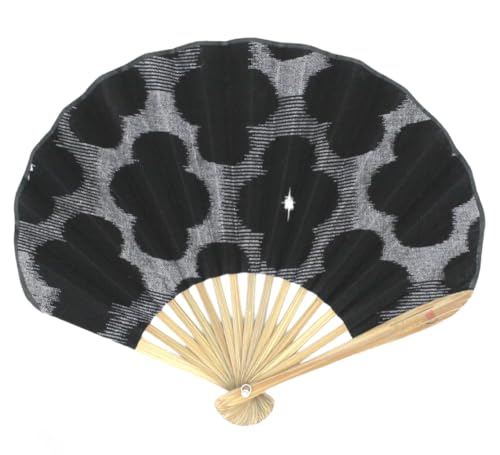
This guide covers a Takashima senkotsu folding fan (sensu, 扇子) sold through Amazon’s Japan Global Store and surfaced for international buyers: smooth-pivot bamboo ribs from Shiga, a washi-paper or silk leaf depending on the listing, and a paulownia presentation box. It is written from a Japan-based editorial perspective — we read the listing and the maker context rather than claiming to have field-tested the fan.
It is for readers who want a real, regionally sourced Japanese fan rather than a generic souvenir, and who are comfortable buying from Japan and confirming details on the listing. Below we cover who it suits, what the published data does and does not tell us, the place it comes from, how to buy it from outside Japan, and how it compares with other Japanese fans and craft objects.
🔄 Last updated: June 7, 2026
⏱️ Read time: ~9 min
- Who this is for — and who should skip it
- Product overview (from published specs)
- 📍 Where this comes from — place, era, and the craft tradition
- Which finish should you choose?
- 📌 How does it compare?
- Price snapshot across stores
- 📦 Shipping & where to buy from outside Japan
- What it does well
- Weaknesses and things to verify before buying
- Conclusion — which buyer type are you?
- Other ways to approach this purchase
- 🏆 Editor’s Pick
- ❓ Frequently Asked Questions
Who this is for — and who should skip it
- Want a folding fan whose ribs are genuinely made in Japan, not assembled generically
- Value a smooth, quiet pivot and a leaf that folds flat without buckling
- Are buying a gift and want the paulownia box and regional provenance
- Are comfortable ordering from Amazon JP Global Store and confirming details on the listing
- Appreciate the Lake Biwa / Takashima craft story behind the object
- Need a fixed, confirmed price before ordering (the fetched data did not include one)
- Want a large flat uchiwa for steady desk-side airflow rather than a folding fan
- Expect same-day domestic-US delivery rather than a cross-border shipment
- Want a specific painted design — leaf artwork varies by listing and batch
- Prefer a plastic or fabric travel fan over a bamboo-and-paper craft piece
Product overview (from published specs)
The fetched dataset for this item is thin: only the Amazon JP product code (ASIN B0FH6PKC4G) was captured, with empty US and secondary price arrays. The table below reflects what the listing and maker context indicate; values marked per listing should be confirmed on the product page, and any spec absent from the data is shown as unconfirmed rather than guessed.
| Attribute | Detail | Source |
|---|---|---|
| Item type | Folding fan (sensu, 扇子) | Listing |
| Rib material | Bamboo — Takashima senkotsu (Shiga) | Maker context |
| Leaf material | Washi paper or silk — varies per listing | Listing |
| Origin | Takashima, Shiga Prefecture, Japan (ribs) | Maker context |
| Packaging | Paulownia (kiri) presentation box, per listing | Listing |
| ASIN | B0FH6PKC4G | Amazon JP |
| Dimensions / weight | Unconfirmed — check listing | — |
| Price | Unconfirmed — no price was captured in the fetched data; check listing | — |
Sources: Amazon US search (primary, moonill-20) and Amazon JP Global Store (secondary, moonill-22, sourced listing). Only the Amazon JP listing snapshot is referenced here; live pricing and stock may have shifted since the writing date, so confirm on the listing before ordering.
📖 Glossary — Japanese fan terms
- sensu (扇子) — a folding fan; the leaf pleats over bamboo ribs and the whole thing closes flat.
- senkotsu (扇骨, “fan bones”) — the bamboo ribs that form a folding fan’s frame. This is Takashima’s specialty.
- uchiwa (団扇) — a flat, non-folding fan with a fixed frame; a different object from a sensu.
- washi (和紙) — traditional Japanese paper, often used for the fan leaf.
- kiri-bako (桐箱) — a paulownia-wood box; light, moisture-buffering, and a standard for gift-grade craft.
- Adogawa (安曇川) — the river and district in Takashima whose water was used to soak and split fan-rib bamboo.
📍 Where this comes from — place, era, and the craft tradition

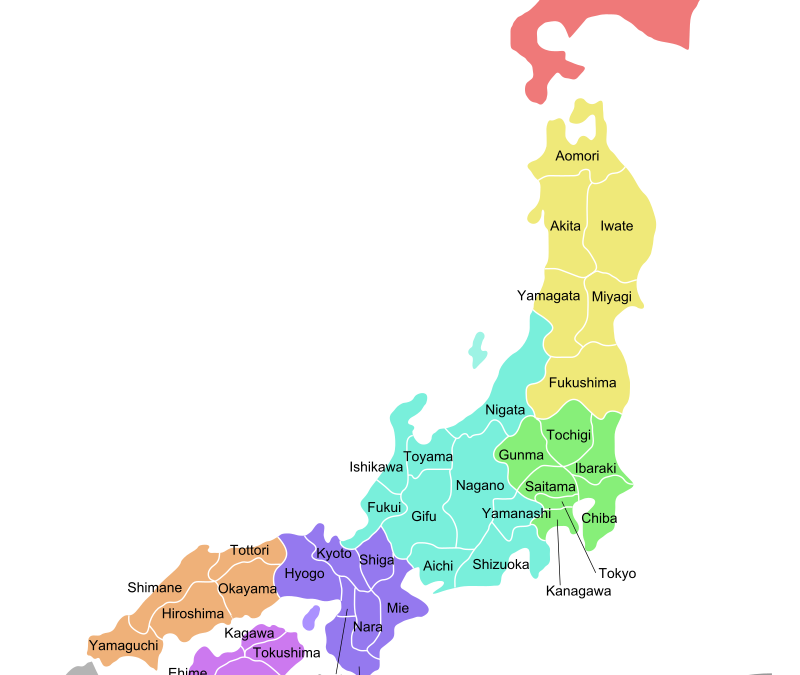
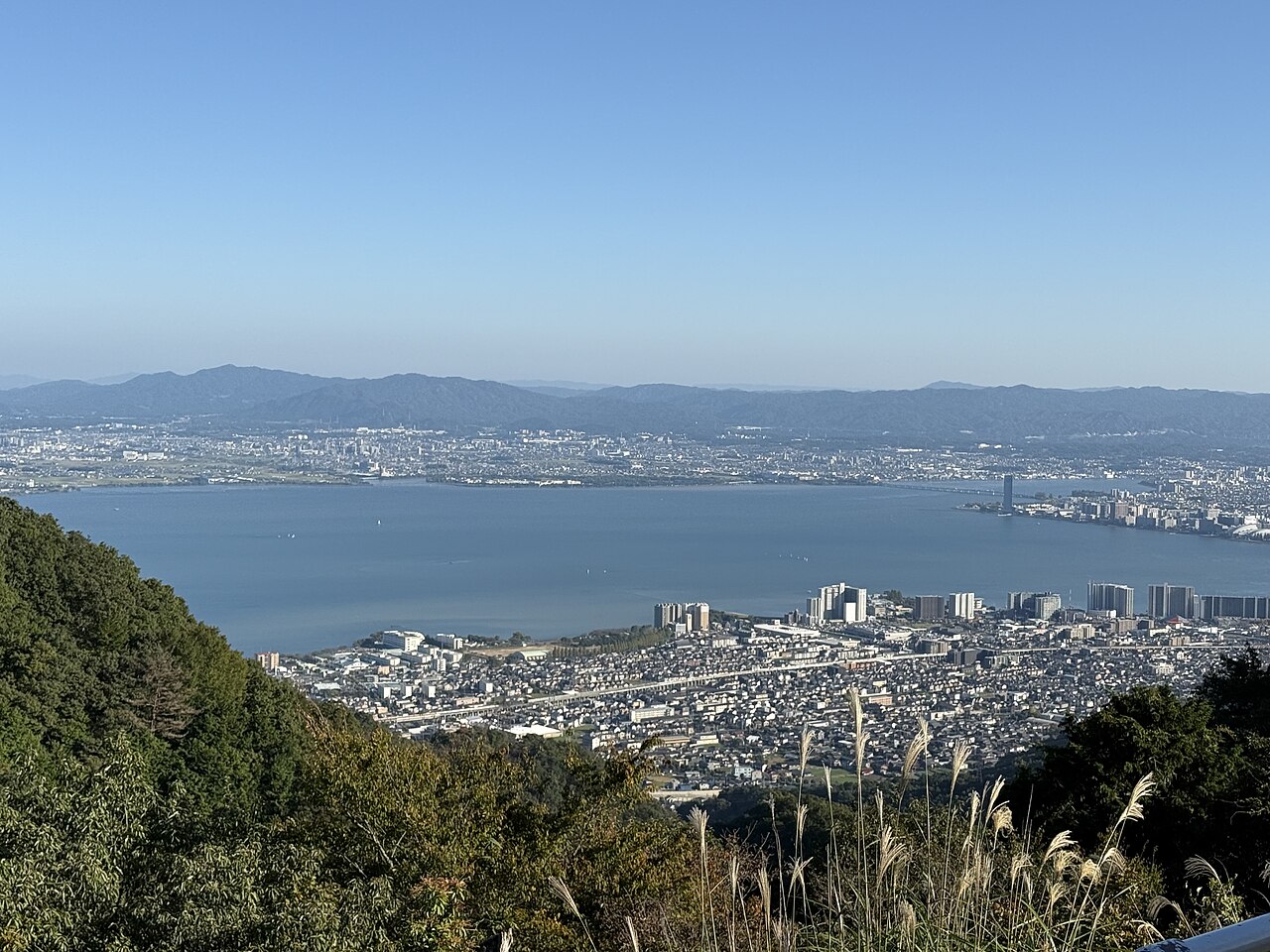
Takashima is a string of lakeside towns on the northwest shore of Lake Biwa (琵琶湖, Biwako), Japan’s largest freshwater lake. The land here is hemmed between the lake and the mountains of the Kansai interior, drained by the Adogawa River, which carries clean snowmelt down from the highlands. That combination — abundant water, bamboo on the slopes, and a farming population with idle winters — is exactly what a rib-splitting craft needs.
The folding fan itself is an old Japanese form. The flat fan came first; the folding fan — pleated leaf over hinged ribs — is traditionally dated to Japan’s Heian period and is widely described as a Japanese invention that later traveled outward. Whatever the precise origin, by the time the craft economy of the Edo period matured, the making of fans had split into specialized trades, and rib-making settled where the raw material and the labor were.
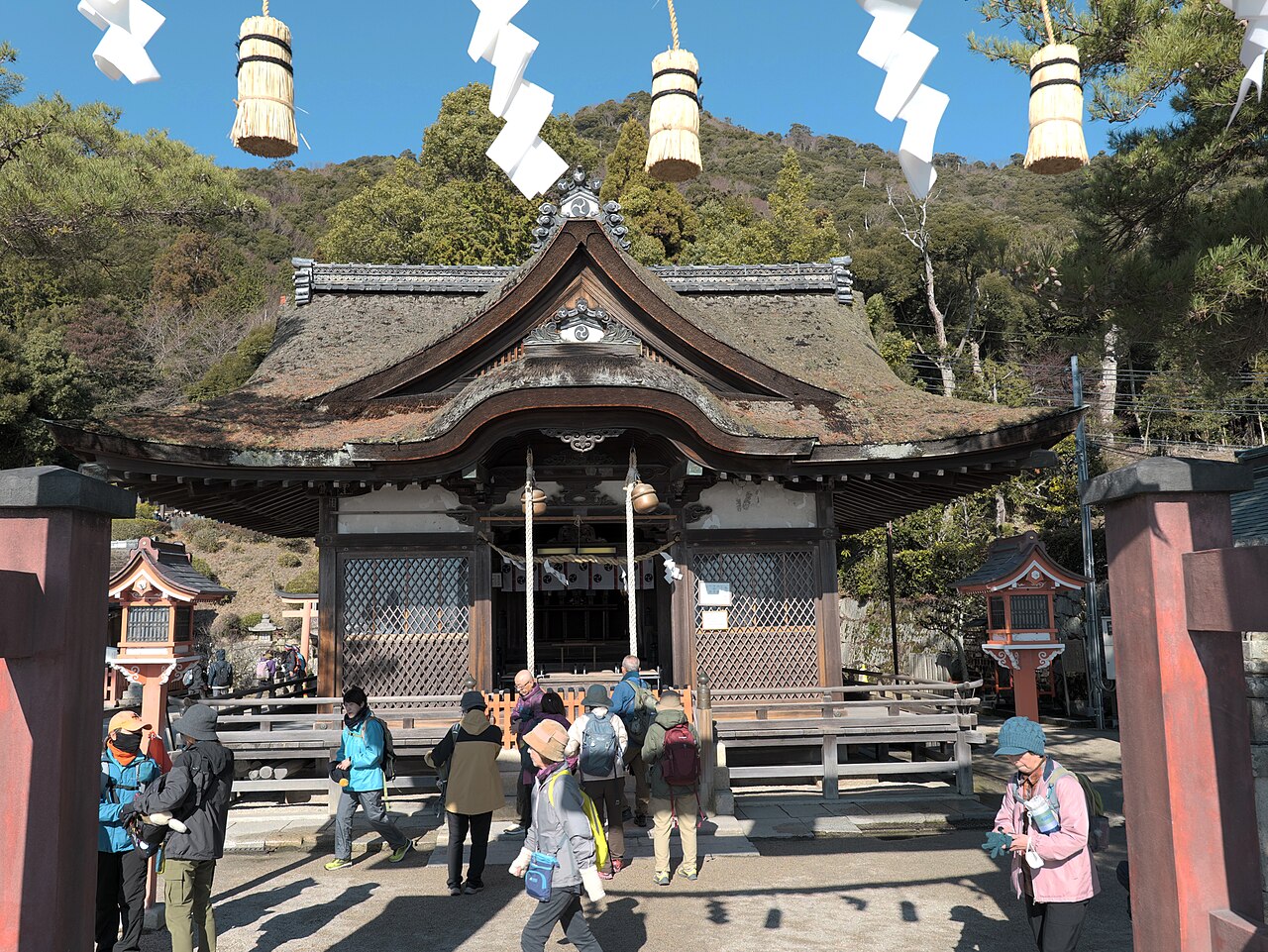
In Takashima, that settling happened as a winter side-occupation. Farming households along the Adogawa took up senkotsu work in the cold months, using local bamboo and the river’s water to soak, split, and shape the slats. The process is slow and exacting — each rib must be thinned, smoothed, and pierced so the assembled fan opens evenly and closes without catching. Over generations Takashima grew from a side-trade into the dominant national supplier, accounting historically for around 90% of Japan’s domestic fan ribs.

- 794–1185 (Heian period) — The folding fan (sensu) emerges in Japan, traditionally dated to this era as an evolution from the flat fan.
- 1603–1868 (Edo period) — Takashima farming households take up senkotsu rib-making as a winter side-occupation along the Adogawa.
- Edo through Meiji — Adogawa-basin water powers the soaking and splitting of bamboo; the district consolidates as a rib-making center.
- Meiji into the 20th century — Takashima grows into Japan’s dominant fan-rib supplier, historically around 90% of domestic production, with finishing often handled in Kyoto.
- Present day — Takashima senkotsu is recognized as a Shiga prefectural traditional craft; the ribs remain the structural heart of finished sensu.
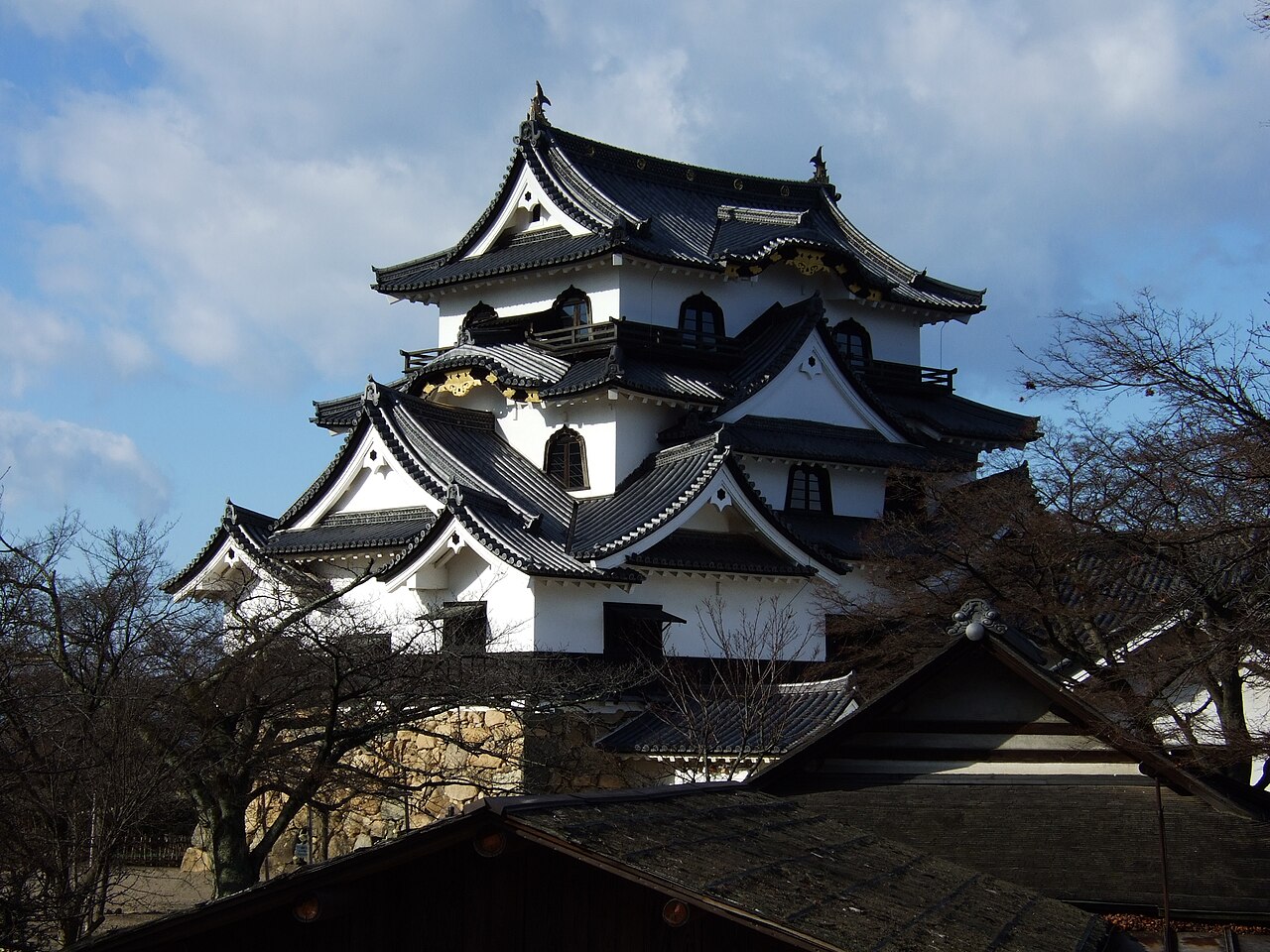
The region’s history reaches well beyond fans. Lake Biwa was a strategic artery between the old capital region and the provinces, and the surrounding Ōmi country was governed in the Edo period from Hikone Castle, seat of the powerful Ii clan. The castle survives today as one of Japan’s few original keeps, a reminder that this was a settled, administered landscape during the centuries when the rib trade matured — not a remote backwater.
“The painted leaf gets the attention, but the fan only opens cleanly because of the ribs — and most of Japan’s ribs have come from one stretch of lakeshore for generations.”
That is the quiet logic of a Takashima sensu: a division of labor centuries old, where Shiga shapes the bones and Kyoto often dresses the leaf. Buying one is buying the unseen backbone of the Japanese folding fan, not just a printed surface.
Which finish should you choose?
This piece is listed in 4 finishes. The photos below are the actual 色 options on the listing right now — pick the one you want and confirm it on the product page before ordering, since hand-finished wares vary slightly piece to piece.
![Takashima Sensu Folding Fan: Where to Buy Lake Biwa's Fan Craft [2026] — グレー×赤縞あられ finish](https://m.media-amazon.com/images/I/41HLwSAo-oL._SL500_.jpg)
![Takashima Sensu Folding Fan: Where to Buy Lake Biwa's Fan Craft [2026] — 藍染ぼかし縞文様/白 finish](https://m.media-amazon.com/images/I/41vKRvQrkCL._SL500_.jpg)
![Takashima Sensu Folding Fan: Where to Buy Lake Biwa's Fan Craft [2026] — 紅露円(こうろえん) finish](https://m.media-amazon.com/images/I/41eLnEDlOlL._SL500_.jpg)
📌 How does it compare?
If you are weighing a folding fan against other Japanese fans, or rounding out a set of regional craft objects, these related jpmono guides are worth a look:
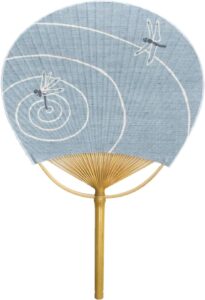 Marugame UchiwaKagawa’s flat fan — the non-folding counterpart
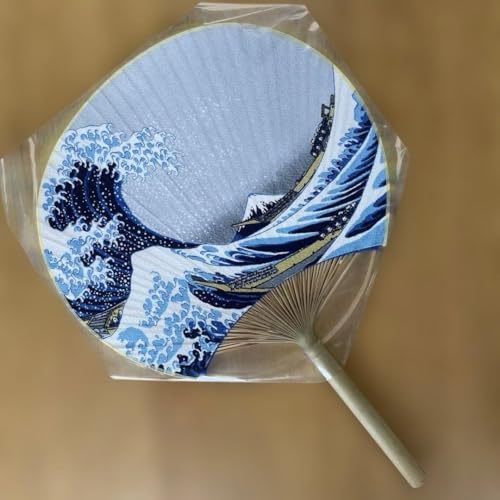 Boshu UchiwaChiba’s round-handle hand-split bamboo fan
 Suruga Bamboo Wind ChimeShizuoka bamboo craft for summer cooling
 Kyoyaki YunomiKyoto-ware tea cup — pairs with Kansai fans
 Nishijin Silk Card CaseKyoto silk weaving — another giftable small object
 Tamba GuinomiHyogo stoneware sake cup for a Kansai gift set
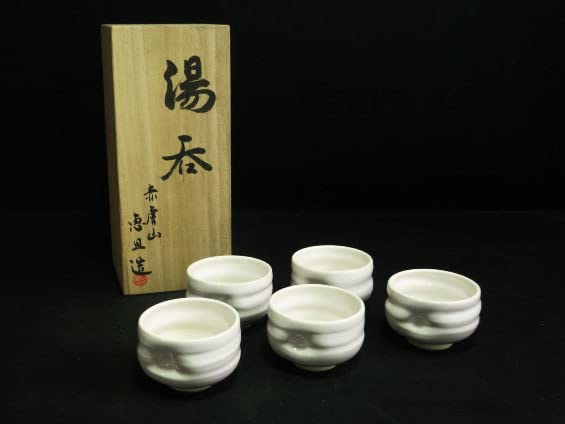 Akahada-yaki Nara-e YunomiNara hand-painted tea cup — regional craft companion
Price snapshot across stores
No price was captured in the fetched data, so the figures below are shown as unconfirmed. JPY is the authoritative currency for the specific listed item; any USD figure would be an approximate estimate (¥150/USD baseline). Verify on the listing before ordering.
| Store | Item / variant | Price | Notes |
|---|---|---|---|
| 🇺🇸 Amazon.com (US) | Browse Japanese folding fans (sensu) | varies (USD) | Best if you’re shopping from the US — Prime shipping, USD pricing, no international customs. Amazon US carries Japanese folding and flat fans from various makers; this exact Takashima piece ships from Japan (next row). |
| 🇯🇵 Amazon JP Global Store | Takashima senkotsu sensu (ASIN B0FH6PKC4G) | Unconfirmed — see listing | The sourced listing for the specific item. Ships internationally from Japan to most major destinations; this is the authoritative JPY price once confirmed. |
| Maker direct | Takashima senkotsu workshops / Shiga craft outlets | Varies | Some Takashima and Kyoto fan makers sell direct; international shipping and English support vary by workshop. |
| Proxy services (Buyee / Tenso) | Any Japan-domestic listing | Item + forwarding fee | Useful if a fan is only sold on Japan-domestic shops; adds a service fee and a consolidation/forwarding step. |
📦 Shipping & where to buy from outside Japan
The most direct path for international buyers is Amazon JP Global Store, which lists the specific item (ASIN B0FH6PKC4G) and ships many household goods internationally to most major destinations. Lightweight items like a boxed folding fan typically fall in the lower shipping band — expect roughly $15–$40 to the US or EU, higher to other regions; the exact figure is shown at checkout.
If the listing is unavailable in your country, a proxy/forwarding service such as Buyee or Tenso can buy a Japan-domestic listing on your behalf and forward it, for an added fee. Orders above your local duty-free threshold may incur customs charges on arrival — check your country’s import rules before ordering. Because exact pricing was not captured in the fetched data, confirm both the item price and the shipping quote on the listing before committing.
What it does well
Weaknesses and things to verify before buying
- No confirmed price. The fetched data did not include a price snapshot. Confirm the current JPY price (and any USD estimate) directly on the listing.
- Leaf material and design vary. The leaf may be washi paper or silk, and artwork differs by listing and batch — check the specific listing photos rather than assuming a pattern.
- Dimensions and weight unconfirmed. The dataset did not capture size; verify the open span and folded length if a particular size matters to you.
- Cross-border shipping and customs. Buying from Amazon JP Global Store means international shipping time and possible duties; this is not a domestic same-day purchase.
- Bamboo-and-paper care. A folding fan is a delicate object — humidity, rough handling, and forcing the pivot can damage the leaf or ribs. It is not a rugged everyday tool.
- Finishing may be elsewhere. Takashima makes the ribs, but the leaf is often assembled and painted in Kyoto; “Takashima” refers to the structural craft, not necessarily the artwork’s origin.
Conclusion — which buyer type are you?
Other ways to approach this purchase
🏆 Editor’s Pick
❓ Frequently Asked Questions
Where are Takashima sensu folding fans made?
The bamboo ribs (senkotsu) are made in Takashima, on the northwest shore of Lake Biwa in Shiga Prefecture, in the Kansai region — roughly 350 km west of Tokyo and about 40 km north of Kyoto. The leaf is often finished and assembled in Kyoto.
What is “senkotsu,” and why does Takashima matter?
Senkotsu (扇骨, “fan bones”) are the bamboo ribs that form a folding fan’s frame. Takashima has historically produced the large majority — around 90% — of Japan’s domestic fan ribs, making it the structural backbone of the Japanese folding fan.
Does Amazon JP Global Store ship this fan internationally?
Amazon JP Global Store ships many household goods internationally to most major destinations, and a boxed folding fan is a lightweight item. Expect a shipping cost in roughly the $15–$40 range to the US or EU, with the exact figure shown at checkout. Customs duties may apply above your local threshold.
Is the fan leaf washi paper or silk?
It varies by listing. Some Takashima sensu use a washi-paper leaf and others use silk. Because leaf material and artwork differ by batch, check the specific listing photos and description before ordering.
How should I care for a bamboo-and-washi folding fan?
Open and close it gently along the natural pivot, avoid forcing it, and keep it away from high humidity and direct sun. Store it folded in its box when not in use. It is a delicate craft object rather than a rugged everyday tool.
How is a sensu different from an uchiwa?
A sensu (扇子) is a folding fan that collapses flat along hinged ribs; an uchiwa (団扇) is a flat, fixed-frame fan that does not fold. A sensu is more portable; an uchiwa gives steadier airflow. See the comparison box above for Marugame and Boshu uchiwa guides.
Why is there no fixed price shown?
The fetched dataset for this item included only the Amazon JP product code and no price snapshot, so we have not stated a figure rather than guess one. The JPY price on the listing is authoritative; confirm it (and any USD estimate) on the page before purchasing.
jpmono.com is curated by a Japan-based editorial team (working out of Toyama in the Hokuriku region and Nara in Kansai) and is independent. We do not take payment from the makers we feature; income comes from affiliate links. We don’t physically test every product — we read maker specs and source listings — and we flag thin data where it exists.
This article was drafted with AI assistance and reviewed against the source listing and maker context. Where the fetched data was incomplete (notably price and dimensions), the gaps are stated plainly rather than filled by guesswork.
Affiliate disclosure: jpmono.com may earn a commission on qualifying purchases made through links on this page, at no additional cost to you.