![Osaka Naniwa Suzuki Tin Tumbler: Where to Buy the Pure-Tin Cup [2026]](https://jpmono.com/wp-content/uploads/2026/06/osaka-naniwa-suzuki-tin-tumbler-where-to-buy-2026-featured.jpg)
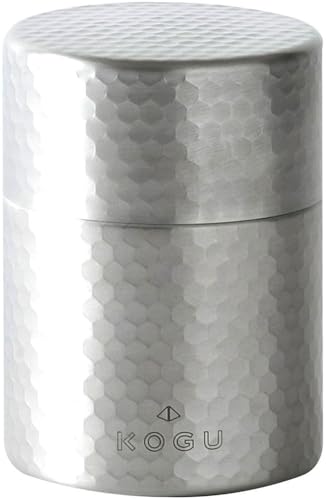
The Naniwa Suzuki (浪華錫器, “Naniwa tin ware”) tumbler is a pure-tin drinking cup cast and lathe-finished by hand in Osaka, where the suzuki (錫器, “tin ware”) trade has run continuously since the Edo period. The leading workshop in the tradition, Osaka Suzuki, still pours molten tin into molds and turns each piece on a lathe, often leaving a hammered or ishime (石目, “stone-grain”) surface that catches the light. It is a quiet object — heavy in the hand, soft enough to mark with a fingernail, and built for one job: holding a cold drink well.
What makes it notable beyond Japan is the metal itself. Pure tin is soft, ionic, and naturally antibacterial, and it has long been believed to round the edges off sake and keep beer crisp. That reputation, plus a national craft designation earned in 1983, is why the tin tumbler became a signature Osaka form — distinct from Kyoto’s tin tea-caddy tradition, which uses the same metal for an entirely different purpose.
This guide is written from a Japan-based editor’s desk for readers shopping from outside Japan. It covers what the piece is, where it comes from, how to buy it from abroad, what tin does and does not do, and the honest caveats — softness, price, and care — that you should weigh before ordering. Where the data is thin, this article says so plainly rather than guessing.
🔄 Last updated: June 7, 2026
⏱️ Read time: ~12 min

- Who this is for — and who should skip it
- Product overview (from published specs)
- Which finish should you choose?
- Where this comes from
- Price snapshot across stores
- What it does well
- Weaknesses and things to verify before buying
- Conclusion — which buyer type are you?
- Other ways to approach this purchase
- 🏆 Editor’s Pick
- ❓ Frequently Asked Questions
Who this is for — and who should skip it
- Drink sake, beer, or whiskey cold and want a vessel that holds the chill
- Value a designated traditional craft (dentō kōgeihin) with a documented Osaka lineage
- Like a substantial, hand-finished object and don’t mind a soft metal that shows wear
- Are buying a milestone gift — tin is a customary 10th-anniversary material in the West
- Are comfortable ordering from Amazon JP Global Store or a proxy service
- Want a dishwasher- and freezer-safe everyday cup you can treat roughly
- Need a hot-drink vessel — tin’s low melting point makes it unsuitable for boiling liquids
- Expect a low price point; hand-cast tin is far costlier than glass or stainless
- Dislike visible dents, scratches, or a surface that dulls with age
- Need confirmed capacity and weight before buying and can’t wait to check the live listing
Product overview (from published specs)
The fetched dataset for this guide is thin: the Amazon US search returned no individually listed item, and only the Amazon JP listing reference (ASIN B0FCFC2C3R) is available as a sourcing path. As a result, capacity and weight are not confirmed in the data on hand and are marked accordingly below. The spec sheet should be read together with the live listing for current numbers.
Osaka Naniwa Suzuki Tin Tumbler
大阪錫器(Osakasuzuki) タンブラー 純錫製 保冷効果で冷たさ長持ち ビール・ハイボール・焼酎に最適 大人の酒器 プレゼントに最適 富士山タンブラー(大)白 fut-3-w
現在在庫切れです。 · ASIN B0FCFC2C3R
Price and availability as of 2026-08-31 02:30 JST. The Amazon listing at the time of purchase is authoritative. jpmono.com earns a commission on qualifying purchases at no extra cost to you.
| Attribute | Detail | Source |
|---|---|---|
| Material | Pure tin (suzuki), hand-cast | Maker tradition / data notes |
| Craft tradition | Naniwa Suzuki, Osaka | Data notes |
| Workshop | Osaka Suzuki (Osaka Tin) | Recommendation hint / data notes |
| Finish | Lathe-turned; hammered or ishime (stone-grain) texture | Data notes |
| Designation | National traditional craft (dentō kōgeihin), 1983 | Data notes |
| Origin | Osaka, Kansai region, Japan | Spec / data notes |
| Capacity | Unconfirmed — check the listing | Not in fetched data |
| Weight | Unconfirmed — check the listing | Not in fetched data |
| ASIN (JP sourced) | B0FCFC2C3R | Spec |
Only the Amazon JP listing reference is available; live pricing and exact dimensions may have shifted since the writing date. Spec sheets indicate pure-tin construction; verify capacity and weight on the listing before purchase.
📖 Glossary — key terms
- suzuki (錫器) — tin ware; objects cast from tin, a soft, low-melting metal.
- Naniwa Suzuki (浪華錫器) — the Osaka tin-casting tradition; “Naniwa” is an old name for Osaka.
- dentō kōgeihin (伝統工芸品) — a craft formally designated “traditional” by Japan’s Ministry of Economy, Trade and Industry (METI).
- rokuro (轆轤) — the lathe used to turn and shave each cast piece to its final form.
- ishime (石目) — a “stone-grain” surface texture applied by hand for a matte, tactile finish.
- Tenka no Daidokoro (天下の台所) — “the nation’s kitchen,” the Edo-era nickname for Osaka as Japan’s commercial and distribution hub.
Which finish should you choose?
This piece is listed in 10 finishes. The photos below are the actual 色 options on the listing right now — pick the one you want and confirm it on the product page before ordering, since hand-finished wares vary slightly piece to piece.
![Osaka Naniwa Suzuki Tin Tumbler: Where to Buy the Pure-Tin Cup [2026] — 黒 finish](https://m.media-amazon.com/images/I/417p8qEtj9L._SL500_.jpg)
![Osaka Naniwa Suzuki Tin Tumbler: Where to Buy the Pure-Tin Cup [2026] — 黒 finish](https://m.media-amazon.com/images/I/41tCOLeZHQL._SL500_.jpg)
![Osaka Naniwa Suzuki Tin Tumbler: Where to Buy the Pure-Tin Cup [2026] — 黄 finish](https://m.media-amazon.com/images/I/41HgpnrJ4uL._SL500_.jpg)
![Osaka Naniwa Suzuki Tin Tumbler: Where to Buy the Pure-Tin Cup [2026] — 黄 finish](https://m.media-amazon.com/images/I/41LbwATU7tL._SL500_.jpg)
![Osaka Naniwa Suzuki Tin Tumbler: Where to Buy the Pure-Tin Cup [2026] — 黒 finish](https://m.media-amazon.com/images/I/41aZfDlotDL._SL500_.jpg)
![Osaka Naniwa Suzuki Tin Tumbler: Where to Buy the Pure-Tin Cup [2026] — 青×朱 finish](https://m.media-amazon.com/images/I/41L11J+ovmL._SL500_.jpg)
![Osaka Naniwa Suzuki Tin Tumbler: Where to Buy the Pure-Tin Cup [2026] — 金箔 finish](https://m.media-amazon.com/images/I/41XlVlp-bFL._SL500_.jpg)
![Osaka Naniwa Suzuki Tin Tumbler: Where to Buy the Pure-Tin Cup [2026] — 青×朱 finish](https://m.media-amazon.com/images/I/31e5d00hrDL._SL500_.jpg)
![Osaka Naniwa Suzuki Tin Tumbler: Where to Buy the Pure-Tin Cup [2026] — 青 finish](https://m.media-amazon.com/images/I/41C2vSU1yAL._SL500_.jpg)
![Osaka Naniwa Suzuki Tin Tumbler: Where to Buy the Pure-Tin Cup [2026] — 黄 finish](https://m.media-amazon.com/images/I/418m5zDSPNL._SL500_.jpg)
Related jpmono.com guides on Japanese metalwork, Osaka blades, and Kansai sake ware — useful for placing this tumbler in context.
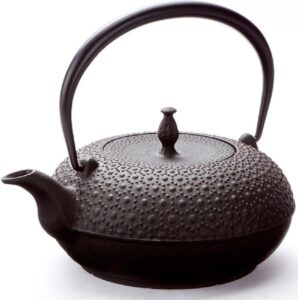
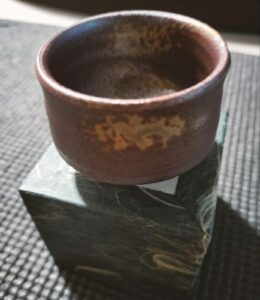
Where this comes from

Osaka is the great port-and-river city of western Honshu, set on Osaka Bay at the mouth of the Yodo River, in the Kansai region that also holds the former capitals of Kyoto and Nara. Its waterways made it a natural collection point for goods moving across Japan, and in the Edo period (1603–1868) it earned the nickname Tenka no Daidokoro — “the nation’s kitchen” — as the country’s merchant and distribution capital. That concentration of wealth, and the ritual demand of its great temples and shrines, fed a fine-metal trade in which tin casting found a permanent home.
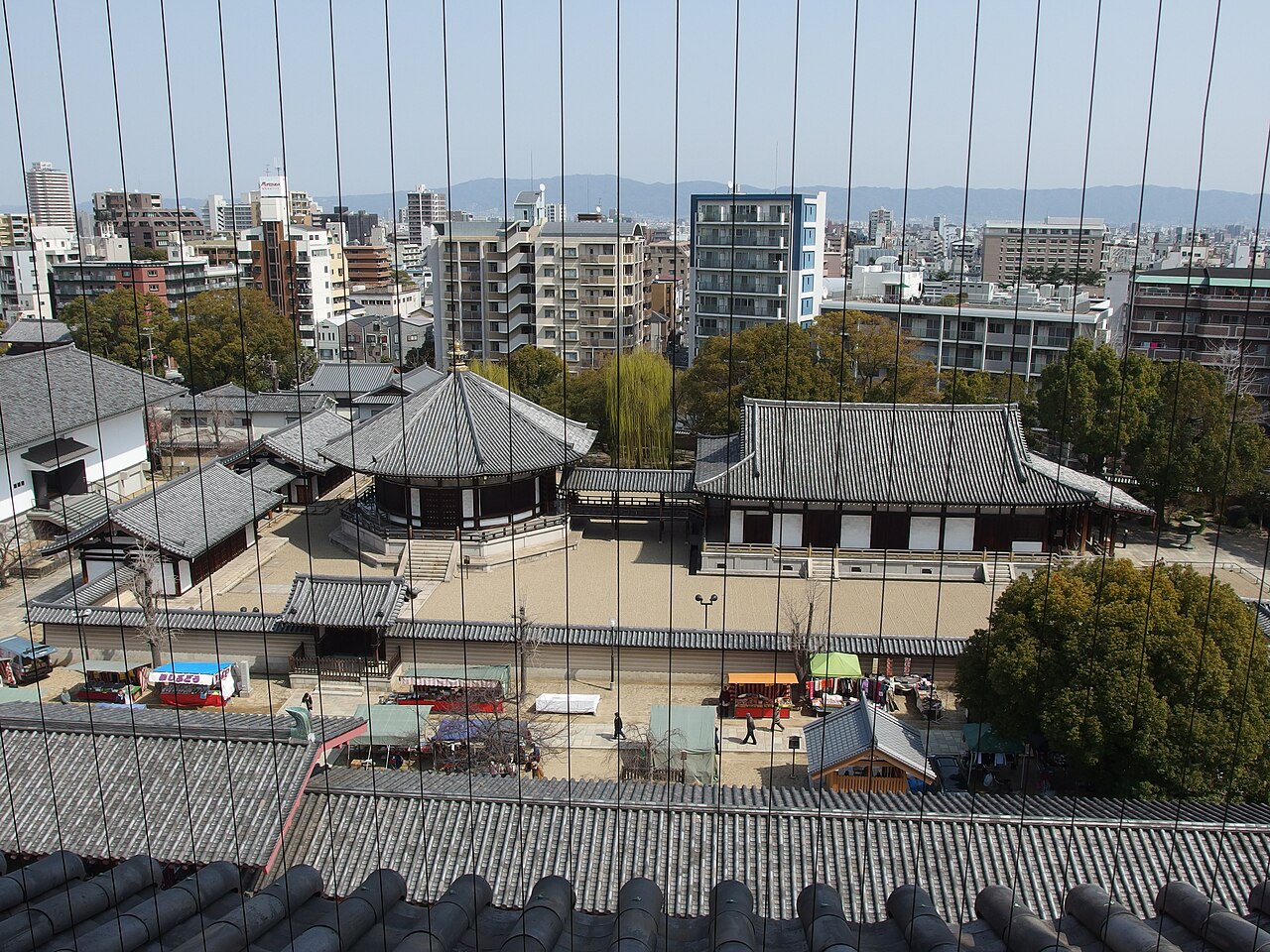
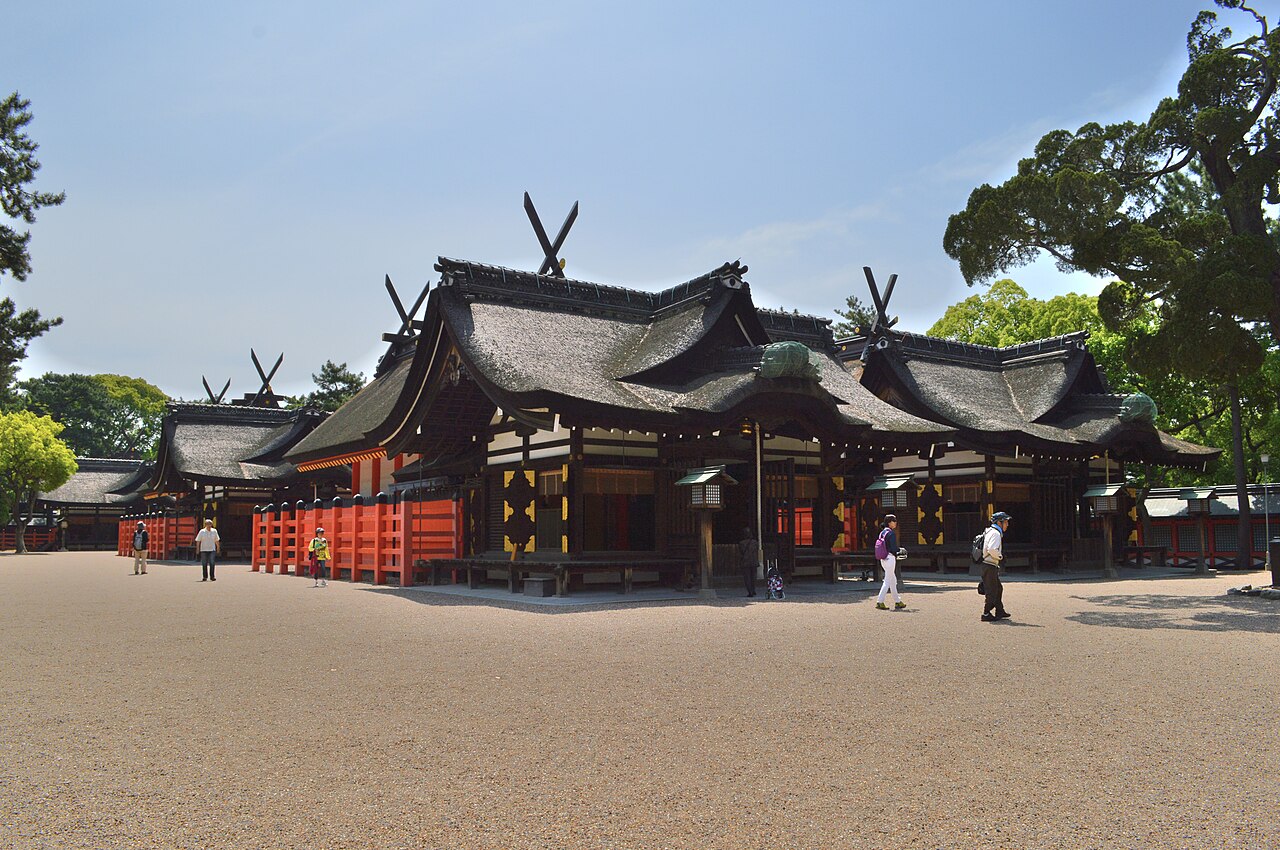
Tin casting (suzuki) took root in Osaka from the Edo period, supplying ceremonial vessels to temples such as Shitennoji — Japan’s first state Buddhist temple — and the ancient Sumiyoshi Taisha, along with prized sake ware to the city’s merchant houses. Tin was valued for liturgy and for the table alike: it does not rust, it is easy to keep clean, and it carries an understated sheen that suited both altar and banquet.
- 593 — Shitennoji, Japan’s first state Buddhist temple, established in what is now Osaka, beginning centuries of liturgical demand for tin altar vessels.
- 1583 — Construction of Osaka Castle begins; the city consolidates as a merchant and distribution hub.
- Edo period (1603–1868) — Tin casting (suzuki) takes root, supplying ceremonial ware to temples and prized sake vessels to wealthy merchant houses.
- 19th century — Osaka’s “Tenka no Daidokoro” mercantile culture sustains demand for refined tin tableware.
- 1983 — Naniwa Suzuki designated a national traditional craft (dentō kōgeihin).
- 2026 — Osaka Suzuki still hand-casts molten tin and finishes each piece on a lathe.

What “still being made here” means is concrete. Naniwa Suzuki earned national traditional-craft status in 1983, and the leading workshop in the line, Osaka Suzuki, continues to hand-cast molten tin and finish each piece on a lathe — frequently with a hammered or ishime stone-grain surface that no machine reproduces in quite the same way. The method is essentially the one the Edo-period casters used: pour, cool, turn, texture, polish.
“Pure tin is soft enough to bend by hand and ionic enough to round the edges off sake — which is why Osaka’s casters built an entire craft around a single, humble metal.”
The object also fits the year. In Osaka’s humid summers, a chilled tin tumbler — pulled from the refrigerator before the drink goes in — keeps beer and cold sake crisp through the first long pour, a seasonal role that mirrors the way a Nambu iron kettle belongs to winter. It is, in short, a warm-weather companion to a drinking culture that the city has nurtured for centuries.

Price snapshot across stores
Live pricing was unavailable in the fetched data for this guide, so the table below shows purchase paths rather than confirmed figures. JPY is the authoritative price for the specific listed item; any USD figure you see at checkout is an approximate conversion (a ¥150/USD baseline is reasonable as of mid-2026). Always confirm the current price at the retailer before buying.
| Store | Item / Variant | Price (JPY + USD est.) | Notes |
|---|---|---|---|
| 🇺🇸 Amazon US (search) | Browse Japanese tin tumblers & sake cups | varies (USD) | Best if you’re shopping from the US — Prime shipping, USD pricing, no international customs. Amazon US carries comparable Japanese tin and metal drinkware; the exact Naniwa Suzuki piece ships from Japan (next row). |
| 🇯🇵 Amazon JP Global Store | Osaka Suzuki pure-tin tumbler (ASIN B0FCFC2C3R) | Check listing (JPY authoritative) | The sourced listing for the specific item. Ships internationally from Japan to most major destinations. |
| Maker direct | Osaka Suzuki workshop line | Unconfirmed — check maker site | May carry the full range and gift packaging; international shipping varies by maker. |
| Proxy services (Buyee / Tenso) | Forwarding from JP retailers | Item price + forwarding fee | Useful when a listing does not ship to your country directly; adds a service fee and a second leg of shipping. |
Prices and stock fluctuate. Only the Amazon JP listing reference was available at time of writing; live pricing was unavailable. Prices in USD are approximate and depend on the current exchange rate.
What it does well
Tin conducts heat readily, so a pre-chilled tumbler pulls a drink cold fast and the metal stays cool to the touch — well suited to beer and cold sake.
Pure tin is ionic and antibacterial, and it has long been believed to round the edges off sake. This is a traditional claim rather than a proven one, but it is central to the craft’s reputation.
Each piece is cast and lathe-turned by hand at Osaka Suzuki, often with a hammered or ishime finish. The data suggests a 1983 national craft designation backs the tradition.
The heft, the documented Osaka lineage, and tin’s role as a Western 10th-anniversary material make it a considered gift rather than a commodity cup.
Weaknesses and things to verify before buying
- Tin is soft. It dents, scratches, and marks with everyday use; a fingernail can leave a trace. If you want a cup that stays pristine, this is the wrong material.
- Not for hot drinks. Tin’s melting point is low (around 232°C / 450°F), so it should not be used for boiling liquids or placed on a stove. Treat it as a cold-drink vessel only.
- No dishwasher, no freezer. Hand-wash in lukewarm water and avoid the freezer, which can stress the soft metal. Chill it in the refrigerator instead.
- Capacity and weight unconfirmed. The fetched data does not state exact capacity or weight; verify both on the live listing before ordering, especially if you need a specific pour size.
- Price and stock unconfirmed. Live pricing was unavailable at time of writing. Hand-cast tin is far costlier than glass or stainless steel, so confirm the current figure before committing.
- International shipping varies. Amazon JP Global Store ships many household items worldwide, but coverage and cost differ by destination; a proxy service may be needed for some countries, and customs duties can apply above local thresholds.
- Surface dulls with age. The bright finish softens to a muted gray over time. Many owners consider this patina part of the appeal, but it is worth expecting.
Conclusion — which buyer type are you?
You want a designated traditional craft with a real Osaka lineage and will care for it by hand. The Naniwa Suzuki tumbler fits squarely — buy the sourced JP listing.
You like the idea but want choices and Prime convenience. Browse Japanese tin and metal drinkware on Amazon US first, then decide on the specific piece.
Hand-cast tin will stretch the budget. Consider a ceramic Kansai sake cup or a single guinomi as an entry point before stepping up to tin.
You need a tough, dishwasher-safe, hot-and-cold everyday cup. A soft-metal tin tumbler is not the right tool — choose stainless or tempered glass.
Other ways to approach this purchase
Amazon JP Global Store pricing on craft items moves with promotions and exchange rates. Watching for a dip can offset international shipping.
The Osaka Suzuki workshop may offer the fuller range and gift packaging; tin is rarely sold refurbished, so direct is the closest equivalent.
If you carry Amazon or card rewards, applying them to a higher-ticket craft purchase is an easy way to trim the effective cost.
If you mainly drink hot beverages or need a dishwasher-safe cup, the tin tumbler will not serve you well; revisit when you want a dedicated cold-drink piece.
🏆 Editor’s Pick
❓ Frequently Asked Questions
Does pure tin really change the taste of sake and beer?
Pure tin is ionic and antibacterial, and it has traditionally been believed to mellow sake and keep cold drinks crisp. This is a long-standing craft claim rather than a laboratory-proven fact, but it is the reason the tin tumbler became a signature Osaka form.
Is the tumbler safe to drink from, and does tin tarnish?
Pure tin is a food-safe metal that does not rust. Its bright surface softens to a muted gray over time, which most owners regard as a natural patina rather than damage. Hand-washing keeps it looking its best.
Can I put it in the dishwasher, freezer, or microwave?
No. Tin is soft and has a low melting point, so it should be hand-washed in lukewarm water and kept out of the dishwasher, freezer, and microwave. To serve a cold drink, chill the tumbler in the refrigerator first.
Will Amazon JP Global Store ship it to my country?
Amazon JP Global Store ships many household items internationally to most major destinations, but coverage and cost vary. If a listing does not ship to your country, a proxy service such as Buyee or Tenso can forward it. Customs duties may apply above local thresholds.
How is Osaka tin (Naniwa Suzuki) different from Kyoto’s Kaikado tin tea caddy?
Both use tin, but for different purposes. The Osaka tumbler is a drinking vessel built to chill and mellow cold drinks, while Kyoto’s tin tea caddy (chazutsu) is a sealed container that protects tea leaves from air and moisture. They are distinct traditions sharing one metal.
Why is there no fixed price shown in this guide?
Live pricing was unavailable in the data fetched for this article, and we do not publish prices we cannot verify. Check the current figure directly on the Amazon JP Global Store listing; the JPY price there is the authoritative one for the specific item.
Is tin soft enough to dent easily?
Yes. Tin is a soft metal that can dent or scratch with everyday handling, and even a fingernail may leave a mark. If you prefer a cup that stays unmarked, a harder material such as stainless steel will suit you better.
jpmono.com is curated by a Japan-based editorial team (working out of Toyama in the Hokuriku region and Nara in Kansai) and is independent. We don’t take payment from the makers we feature; income comes from affiliate links. We don’t physically test every product — we read maker’s specs and source listings.
🤖 This article was prepared with AI assistance and reviewed against the source listing data. Specifications, pricing, and availability should be confirmed on the retailer’s page before purchase.
Affiliate disclosure: jpmono.com may earn a commission on qualifying purchases made through links on this page, at no additional cost to you.