![Ehime Besshi Pure Copper Tumbler: Niihama Copperware Beer Cup [2026]](https://jpmono.com/wp-content/uploads/2026/05/japan-map-regions-and-prefectures-800x1050.png)
A pure-copper tumbler is one of those objects that does its best work the moment it touches something cold. Copper conducts heat faster than almost any other affordable metal, so a chilled drink poured into it frosts the outer wall within seconds, and the surface stays cold to the lip while you drink. This particular tumbler — a jundo (純度, “purity”) 100% copper beer cup of roughly 300 to 350 ml — comes out of the metalworking culture of Niihama, in Ehime Prefecture on the island of Shikoku, the city that the Besshi copper mine built.
That heritage is the reason a copper cup from Ehime is not an arbitrary souvenir. The Besshi mine, in the mountains above Niihama, ran continuously from 1691 to 1973 and was for a time one of the world’s great copper sources — the foundation of the Sumitomo conglomerate, and the reason Niihama still calls itself akagane no machi (あかがねの町, “the town of copper”). A tumbler in untreated pure copper is a direct material echo of that identity: it chills a drink fast, and then, left alone, it slowly darkens into a living patina.
This guide introduces the Besshi copper tradition, explains who may enjoy a pure-copper tumbler, compares it with other Japanese drinking and tea vessels, and outlines the care needs of bare copper. It also considers practical ways for international readers to obtain this kind of craft item.
🔄 Updated:
⏱️ Read time: ~10 min
- Who this is for — and who should skip it
- Product overview (from published specs)
- Where this comes from — place, era, and the craft tradition
- Buying considerations
- What it does well
- Weaknesses and things to verify before buying
- Conclusion — which buyer type are you?
- Other ways to approach this purchase
- ❓ Frequently Asked Questions
Who this is for — and who should skip it
- Drink cold beer, highballs, or iced water and want the glass-frosting chill copper gives.
- Like objects that change with use — bare copper develops a patina rather than staying factory-new.
- Value a material with a real regional story (Besshi / Niihama copper) over a generic mug.
- Are comfortable with hand-washing and a little upkeep.
- Want a giftable, single-purpose drinking vessel with visible craft heritage.
- Want a dishwasher-safe, zero-maintenance cup you never think about.
- Dislike the look of darkening metal and expect a permanent mirror shine.
- Plan to drink highly acidic juices straight from bare copper (see caveats).
- Need a hot-drink mug — copper conducts heat to the rim and the handle-less body can be too hot to hold.
- Are shopping purely on lowest price; plain stainless or glass costs less.
Product overview (from published specs)
The table combines broad characteristics of pure-copper drinkware in this tradition with details that can vary by maker. Fields that cannot be confirmed from the craft description are left open rather than guessed.
| Attribute | Detail | Source |
|---|---|---|
| Material | Jundo 100% pure copper (純銅) | General product information |
| Interior finish | Mirror-polished | Craft description |
| Exterior finish | Bare copper; ages to a patina with use | Material and use |
| Capacity | ~300–350 ml (beer-cup size) | Craft description |
| Tradition | Niihama / Besshi copperware, Ehime (Iyo), Shikoku | Regional craft context |
| Weight | Unconfirmed — check manufacturer site | Not in fetched data |
📖 Glossary — Japanese terms used in this article
- Jundo (純度) — “purity.” A jundo 100% copper cup is unalloyed pure copper, not brass or copper-plated steel.
- Akagane (あかがね / 赤金) — an old Japanese word for copper, literally “red metal.” Niihama is akagane no machi, “the town of copper.”
- Besshi (別子) — the mountain copper mine above Niihama, worked 1691–1973.
- Tonaru (東平) — a high mining settlement on the flank of Mount Ishizuchi, now a preserved industrial-heritage ruin.
- Iyo (伊予) — the historical province name for present-day Ehime Prefecture.
- Patina — the natural darkening of bare copper as it reacts with air and handling; valued, not a defect.
Where this comes from — place, era, and the craft tradition

Ehime Prefecture occupies the northwest of Shikoku, the smallest of Japan’s four main islands. In the old provincial system it was Iyo (伊予), a land of mountains running straight down to the Seto Inland Sea, with citrus terraces on the lower slopes and high peaks behind. Niihama lies on that narrow coastal strip in the east of the prefecture, hemmed between the sea and the Shikoku mountain range. The mountains are the point: the copper that defines the city came out of them.
The Besshi Copper Mine opened in 1691, when the Sumitomo family began working the ore body in the highlands above Niihama. It did not stop for nearly three centuries. By the time it closed in 1973, after 282 years of continuous operation, Besshi had been one of the world’s great copper mines and the industrial foundation on which the Sumitomo conglomerate was built. Niihama grew up around the smelting, refining, and shipping of that copper, and it earned its nickname honestly.
-
1691 — The Besshi Copper Mine opens above Niihama; Sumitomo begins continuous operation. -
17th–19th c. — Niihama grows into akagane no machi, “the town of copper,” around smelting and shipping. -
Late 19th–20th c. — The Tonaru (東平) district is worked high on the flank of Mount Ishizuchi. -
1973 — The Besshi mine closes after 282 years of continuous operation. -
Today — The Tonaru ruins are preserved as the “Machu Picchu of the East”; the autumn Niihama Taiko Matsuri continues, funded by the copper legacy.
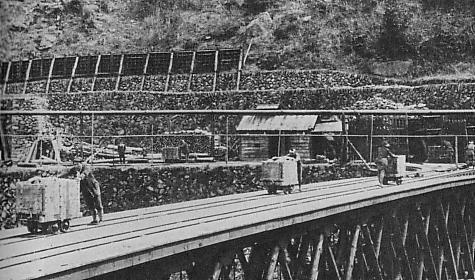
Above the mine rises Mount Ishizuchi, the highest peak in western Japan and a sacred mountain in its own right. The Tonaru mining settlement clung to its lower flank; abandoned and reclaimed by forest, its terraced stone ruins are now an industrial-heritage site that locals call the “Machu Picchu of the East.” The scale of the stonework is a quiet record of how much wealth this copper once represented.

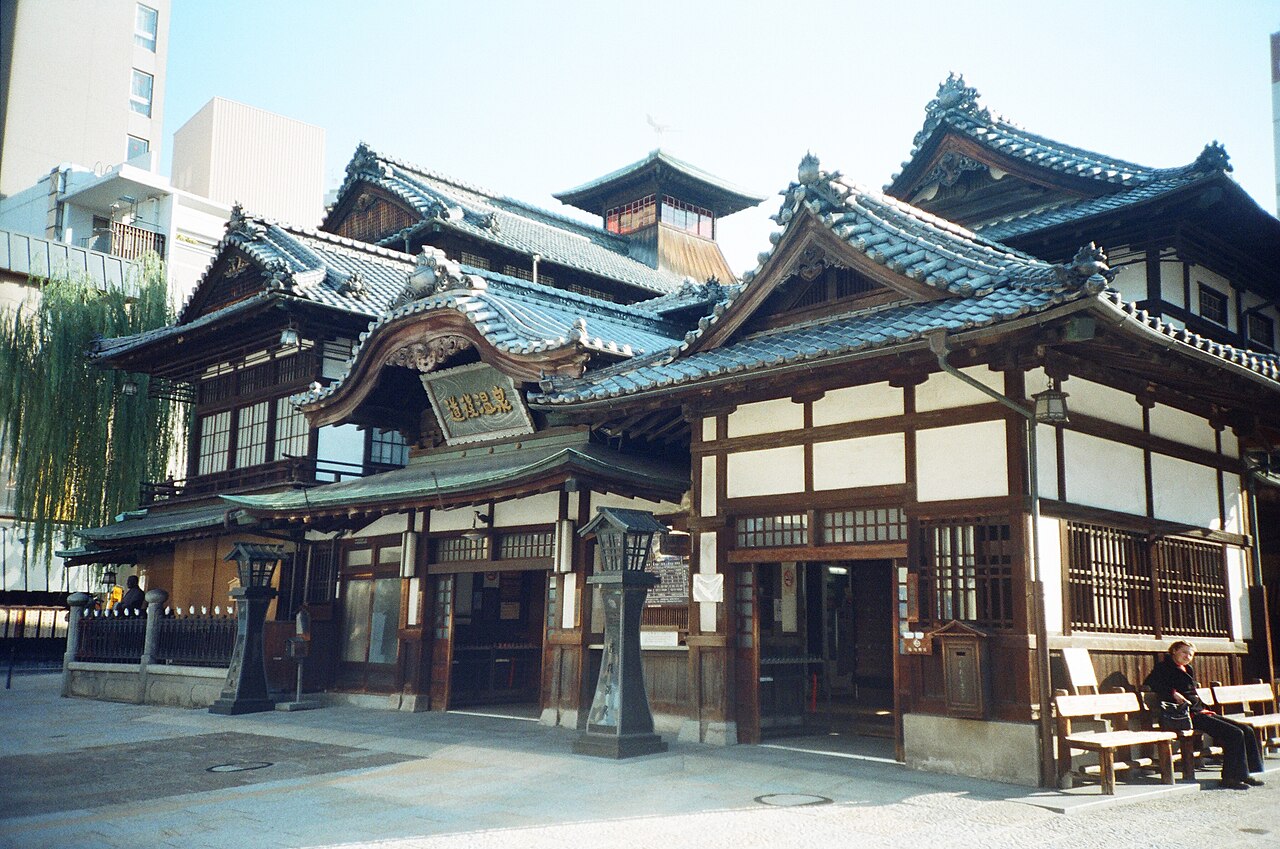
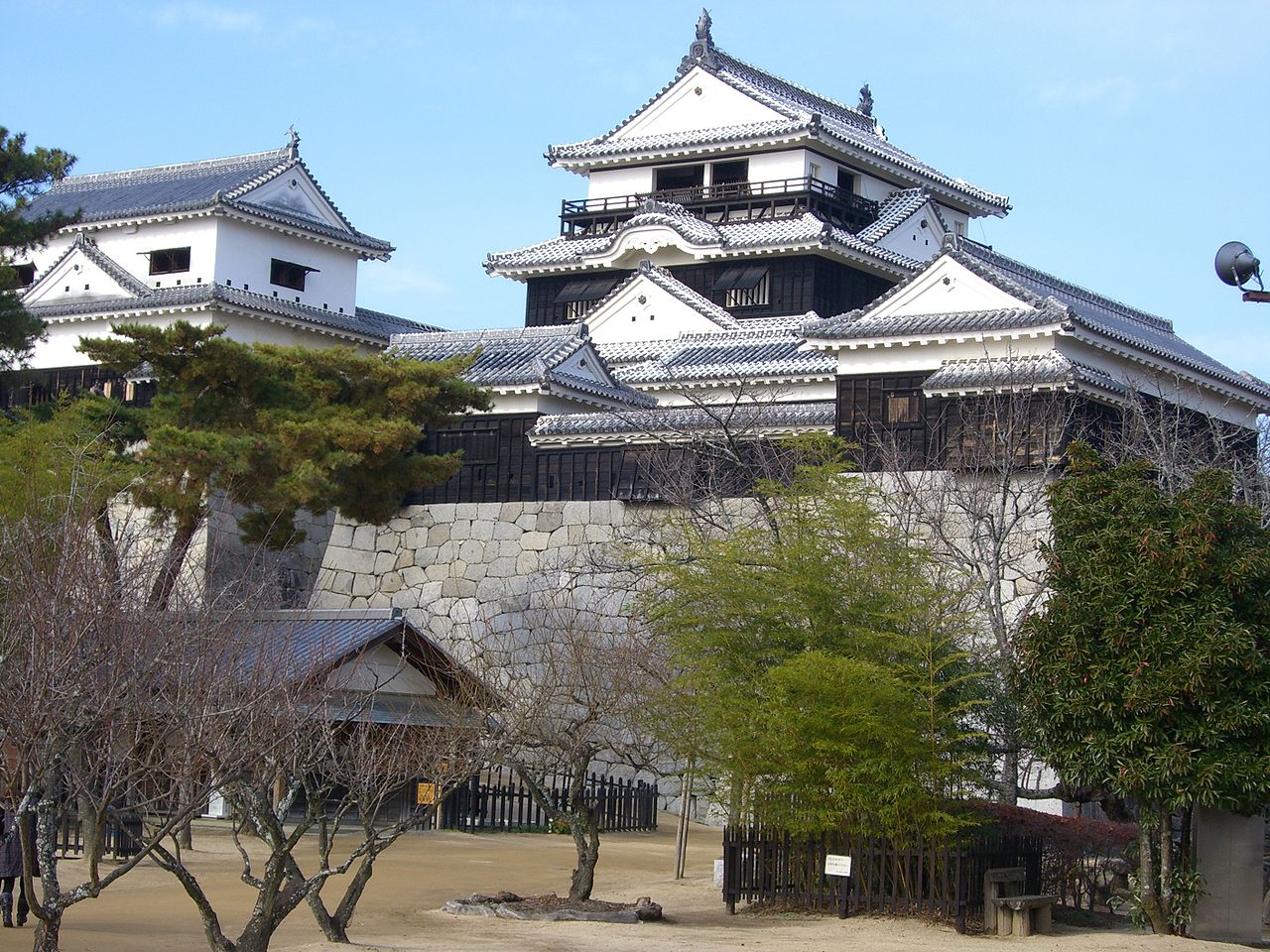
Further west sits Matsuyama, the prefectural capital and the old castle town of the Iyo-Matsuyama domain. Matsuyama Castle, on its hill above the city, anchors the regional culture in which Ehime’s craft and trade matured, and nearby Dogo Onsen — one of the oldest documented hot springs in Japan — has drawn travelers for centuries. This is the broader Ehime in which a copper drinking cup belongs: a place where metalworking, hot-spring leisure, and a long castle-town history sit close together.
“The Besshi mine fed the same metal for 282 unbroken years — a copper cup from Ehime is drinking from a city the ore built.”
It is worth being plain about the continuity case. The Besshi mine itself is closed, and Niihama copperware today draws on a long regional craft lineage rather than a single named workshop for any given tumbler. What can be said accurately is that Niihama’s copper-handling culture is the genuine context for a pure-copper drinking vessel from Ehime, and that the material — bare, unalloyed copper that chills fast and patinas slowly — is a direct echo of that identity rather than a marketing flourish.
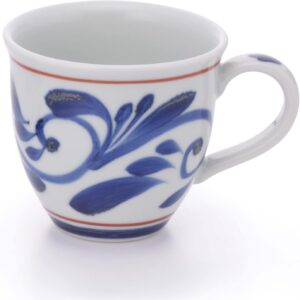 Tobe-yaki mug (Ehime)
Same prefecture — porcelain mug from Tobe
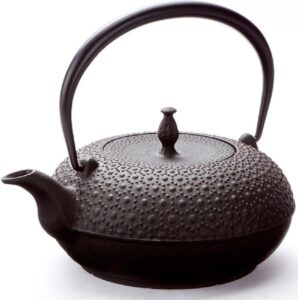 Nambu iron kettle
Cast-iron metalwork for hot water
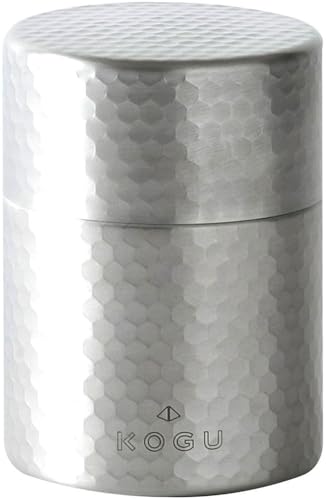 Kaikado tin caddy
Pure-tin vessel that also patinas
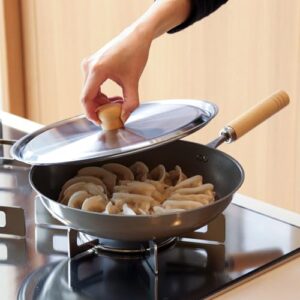 Kuwana cast-iron skillet
Heat-managing cast metalware
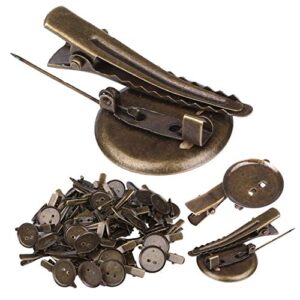 Akita silver filigree
Fine non-ferrous metal craft
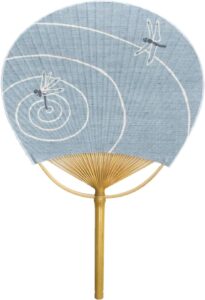 Marugame uchiwa (Shikoku)
Another Shikoku summer object
Bizen beer mug
Ceramic alternative for cold beer
Buying considerations
Prices and stock fluctuate; the figures below are starting points, not quotes. The yen price is authoritative; USD is a rough estimate at a ¥150/USD baseline (mid-2026).
| Store | Item / Variant | Price (JPY / USD est.) | Notes |
|---|---|---|---|
| 🇺🇸 Amazon US (search) | Browse Japanese copper tumblers & beer cups | varies (USD) | Best if you are shopping from the US — Prime shipping, USD pricing, no international customs. Amazon US carries Japanese copper and metal drinkware from several makers; this exact Ehime piece is sourced from Japan (next row). |
| 🇯🇵 Amazon JP Global Store | Pure copper; capacity varies | Check live price — not in fetched data | Where this specific item is sourced. Ships internationally from Japan to most major destinations. |
| Maker direct | Niihama / Ehime copperware studios | — | No direct storefront confirmed in fetched data; many small Japanese metal studios sell only domestically. |
| Proxy services (Buyee / Tenso) | Forward from JP-only shops | item + forwarding fee | Useful if you find the cup on a Japan-only retailer; adds a service fee plus international shipping, and customs may apply over local thresholds. |
Prices in USD are approximate and depend on the current exchange rate. International shipping via the Amazon JP Global Store typically lands in the $15–$40 range to the US and EU and higher to other regions; orders over local de minimis thresholds may incur customs duties.
What it does well
Weaknesses and things to verify before buying
- Maintenance is real. Bare copper is not dishwasher-friendly; hand-wash, dry promptly, and accept that it will darken. If you want a permanent mirror finish you will be polishing regularly.
- Acidic drinks. Avoid leaving acidic liquids (citrus juice, vinegar-based drinks) standing in bare copper. For neutral drinks like beer, water, and spirits this is a non-issue, but verify whether your intended use suits the finish.
- Not for hot drinks. Copper conducts heat straight to the rim, and a handle-less tumbler can become uncomfortable to hold with hot liquid. This is a cold-drink vessel.
- Capacity varies by vessel. Choose a size suited to your intended use.
- No named workshop is confirmed. The information identifies the Niihama/Besshi tradition but not a specific maker. Treat it as a tradition-aligned piece rather than a signed studio work unless the maker is named.
Conclusion — which buyer type are you?
Other ways to approach this purchase
❓ Frequently Asked Questions
Does Amazon JP ship this copper tumbler internationally?
Yes. Pure-copper tumblers in the Niihama style are listed on the Amazon JP Global Store, which ships to most major destinations from Japan. Shipping commonly runs about $15–$40 to the US and EU, with customs duties possible over local thresholds. Confirm shipping availability to your country at checkout.
Is it safe to drink from pure copper?
For neutral drinks such as beer, water, and spirits, a clean copper cup is suitable. Avoid leaving highly acidic liquids such as citrus juice or vinegar drinks standing in bare copper for long periods. Rinse and dry the cup after use to help preserve the surface.
Why does the copper darken, and can I stop it?
Bare copper reacts with air and handling to form a patina — a natural darkening that many owners value. If you prefer a bright finish, you can polish it periodically with a copper cleaner. There is no single “correct” look; it’s a matter of taste.
Can it go in the dishwasher?
No. Treat pure copper as hand-wash only: rinse, wash gently, and dry promptly to avoid water spotting. Dishwasher detergents and heat can strip and discolor the surface unevenly.
How is this different from a Bizen or Tobe ceramic beer mug?
Ceramic mugs (such as Bizen-yaki beer mugs or Tobe-yaki mugs, mentioned elsewhere in this guide) insulate rather than conduct, so they don’t frost the way copper does. Copper gives the fast, intense cold-wall sensation; ceramic gives a steadier, more neutral feel and is generally lower-maintenance.
What exactly connects this cup to the Besshi mine?
Niihama grew around the Besshi copper mine (1691–1973) and is known as “the town of copper.” A pure-copper drinking vessel from Ehime carries that material heritage, even though individual makers and finishing methods can differ.
How much does it hold?
The tumbler format suits beer and other everyday drinks, while capacity, dimensions, and weight vary among makers. Consider the intended drink and the ease of handling when choosing a vessel.
jpmono.com is curated by a Japan-based editorial team (working out of Toyama in the Hokuriku region and Nara in Kansai) and is independent. We don’t take payment from the makers we feature; income comes from editorial work. We don’t physically test every product — we read maker specifications and craft sources.
🤖 This article was drafted with AI assistance and reviewed against the available product data and curated public-domain imagery. Specifications and prices reflect the source data at the time of writing and may have changed.
Affiliate disclosure: jpmono.com may earn a commission on qualifying purchases made through links on this page, at no additional cost to you.