![Kamakura Shonan Studio Matcha Chawan: Zen Tea Bowl Buying Guide [2026]](https://jpmono.com/wp-content/uploads/2026/05/japan-map-regions-and-prefectures-800x1050.png)
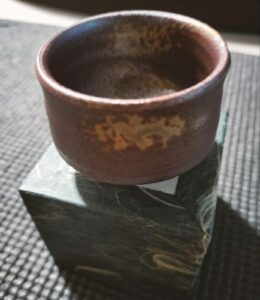
A matcha chawan (抹茶茶碗, “matcha tea bowl”) is the wide, low bowl in which powdered green tea is whisked and drunk. It is the single most personal object in the Japanese tea ceremony — the one vessel the guest holds in both hands, turns, and brings to the lips. The bowls in this guide are contemporary hand-thrown stoneware from the Kamakura and Shonan area of Kanagawa Prefecture, on the Pacific coast just south of Tokyo.
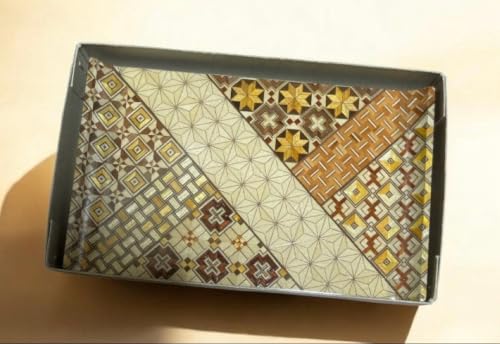
Kanagawa is not a name that appears on the standard list of Japanese pottery towns, and that honesty matters here. The prefecture has no METI-designated ceramic tradition; its officially recognized crafts are Hakone yosegi marquetry and Odawara–Kamakura lacquer, not pottery. What Kamakura has instead is something less tangible and, for a tea bowl, arguably more relevant: it was the seat of Japan’s first warrior government, and the place where Zen Buddhism and tea arrived in Japan together. The studio potters working the Shonan coast today inherit that cultural weight rather than a named kiln lineage.
This guide is for readers choosing a matcha chawan for actual tea practice or as a considered gift, and who want to understand the regional logic behind a Kamakura bowl before paying for one. We cover who the bowl suits, the characteristics to confirm, the history of Zen tea in Kamakura, and how it compares with bowls and tea ware from Japan’s better-known ceramic regions.
🔄 Updated:
⏱️ Read time: ~11 min
- Who this is for — and who should skip it
- Product overview (from published specs)
- 📍 Where this comes from — place, era, and the craft tradition
- 📌 How does it compare?
- 📦 Shipping & where to buy from outside Japan
- Where to buy
- What it does well
- Weaknesses and things to verify before buying
- Conclusion — which buyer type are you?
- Other ways to approach this purchase
- ❓ Frequently Asked Questions
Who this is for — and who should skip it
- Practice or are learning chanoyu and want a working bowl, not a display piece
- Prefer a quiet, wabi-sabi aesthetic over bright decorative ware
- Like the idea of a bowl tied to Kamakura’s Zen-tea history specifically
- Want a hand-thrown stoneware bowl in a mid-range gift price band
- Are comfortable verifying a maker and stock before committing
- Want a bowl from a famous named kiln (Raku, Hagi, Karatsu) with documented lineage
- Need a guaranteed, dishwasher- and microwave-safe everyday mug
- Expect a fixed, certified set of specifications before buying — the available details are limited
- Are buying purely as an investment piece with resale value
- Need it delivered fast and cheaply outside Japan with no customs friction
Product overview (from published specs)
Information about individual Kamakura chawan varies by workshop. The table below records what the category and regional tradition can establish, while dimensions, capacity, materials, and price should be confirmed with the maker or specialist seller.
| Attribute | Detail (as listed) | Source |
|---|---|---|
| Object | Matcha chawan (tea bowl) for chanoyu | Amazon US (search, moonill-20) |
| Material | Hand-thrown stoneware, wabi-sabi glaze | Amazon JP Global Store |
| Region | Kamakura / Shonan, Kanagawa Prefecture | Editorial region |
| Kiln / maker | Kiln name unconfirmed | Maker direct (to confirm) |
| Dimensions / weight | Manufacturer unconfirmed | — |
| Price | — | — |
Kamakura chawan vary in price, dimensions, and kiln attribution. Confirm the bowl’s current specifications with the maker or a specialist ceramics seller before purchase.
📖 Glossary — key terms used in this guide
Chawan (茶碗) — literally “tea bowl”; in the matcha context, the wide bowl in which powdered tea is whisked and drunk.
Chanoyu (茶の湯) — the Japanese tea ceremony; the practice and etiquette of preparing and serving matcha.
Matcha (抹茶) — finely milled green tea powder whisked with hot water rather than steeped.
Wabi-sabi (侘寂) — an aesthetic that values quiet imperfection, asymmetry, and the marks of the hand and of age.
Rinzai (臨済) — a school of Zen Buddhism brought from Song-dynasty China by the monk Eisai, closely tied to tea drinking.
Stoneware — clay fired to a hard, dense, non-porous body at high temperature; the standard body for working tea bowls.
📍 Where this comes from — place, era, and the craft tradition

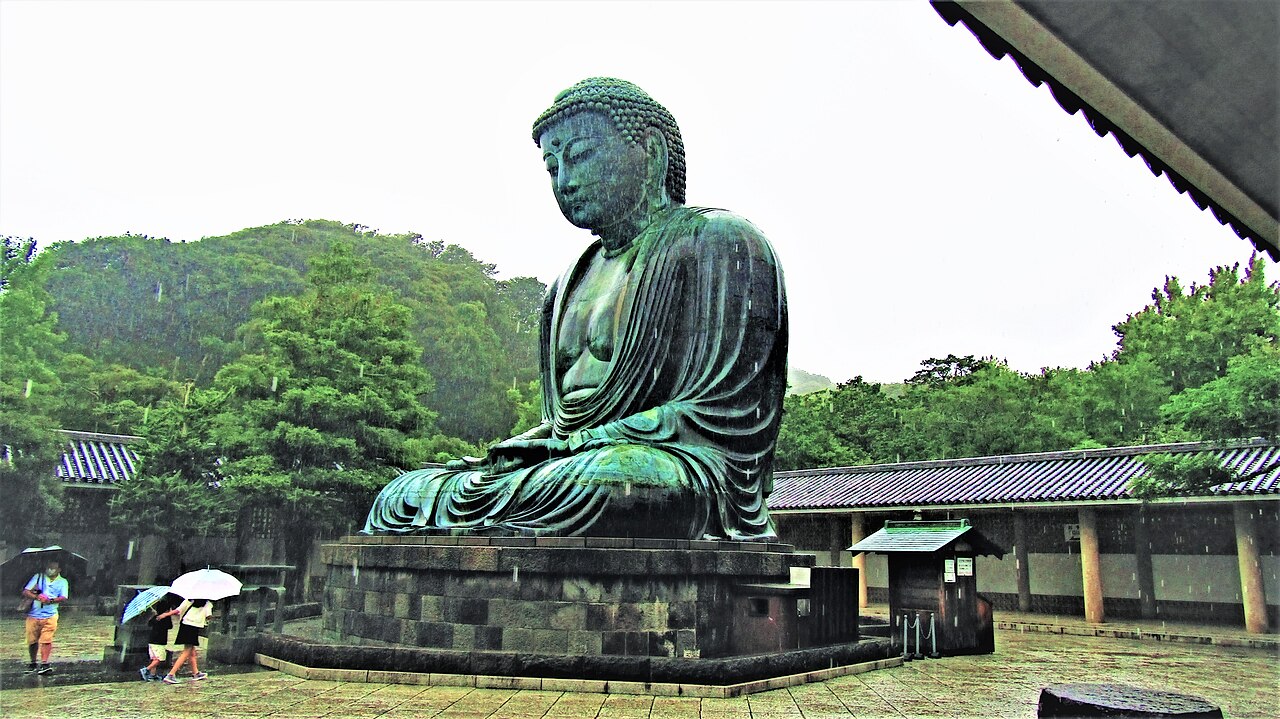
Kamakura sits in a natural amphitheater on the coast of Kanagawa Prefecture, ringed on three sides by steep wooded hills and open to Sagami Bay on the fourth. That geography is the reason it became a capital. In 1185, Minamoto no Yoritomo chose the site precisely because the hills made it defensible — a single warrior government could hold the narrow mountain passes — and established the first shogunate, moving the center of real political power away from the imperial court in Kyoto.
For nearly a century and a half, Kamakura was the de facto capital of Japan.
- 1185 — Minamoto no Yoritomo establishes the Kamakura shogunate, Japan’s first warrior government.
- 1200 — Eisai founds Jufuku-ji in Kamakura, bringing Rinzai Zen and tea seeds from Song China.
- 1253 — Kencho-ji founded — Japan’s first ranked Zen training monastery.
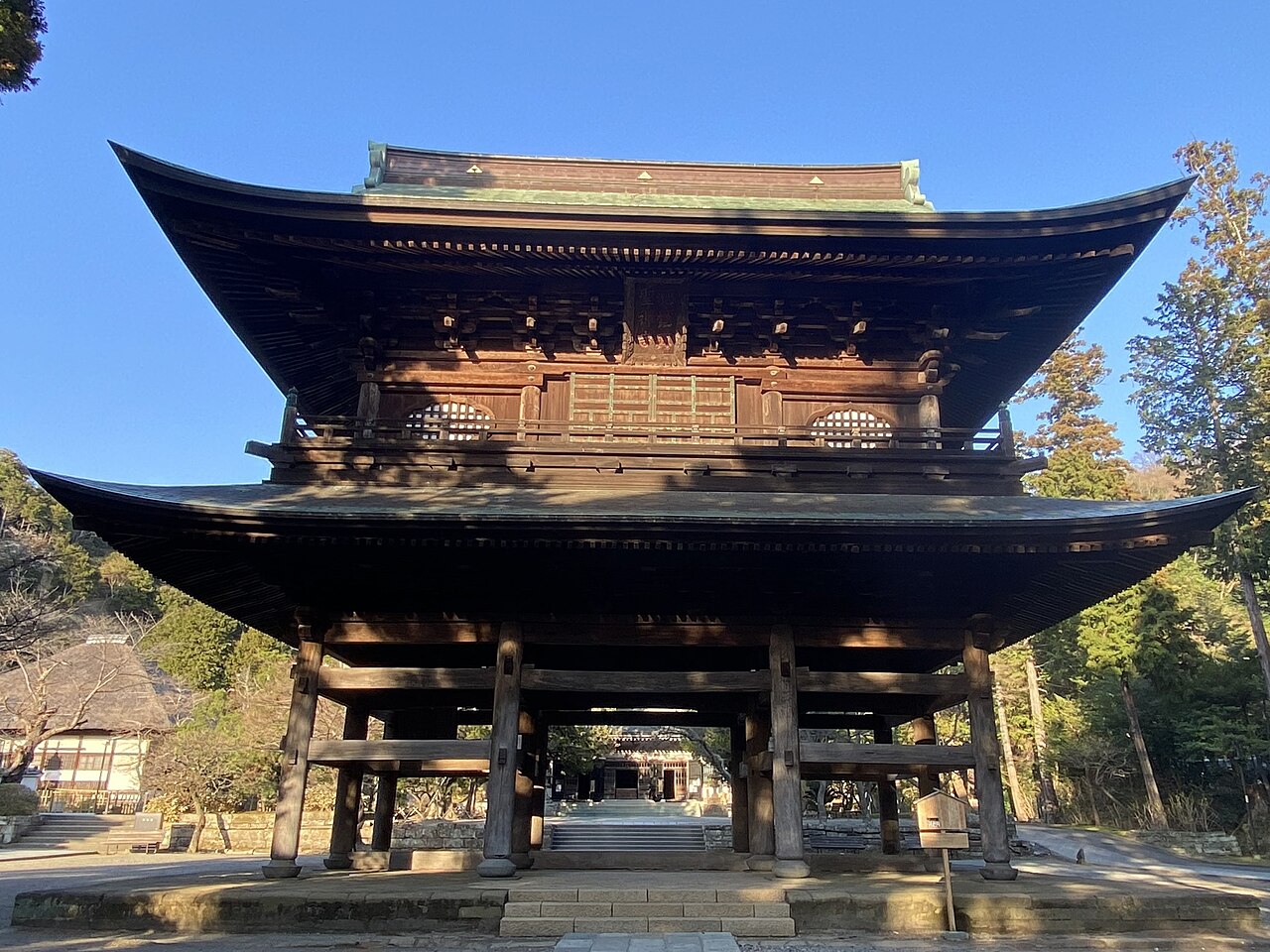
- 1282 — Engaku-ji founded; the great Kamakura Zen temples cultivate temple tea culture.
- 1333 — The Kamakura shogunate falls; the Zen temples and their tea practice endure.
- 1871 — Miyagawa Kozan moves to Yokohama, beginning Makuzu ware — Kanagawa’s one ceramic glory, made for export.
- 1945 — The Makuzu kiln is destroyed in the wartime air raid on Yokohama; the line ends.
- 20th–21st c. — The Kamakura / Shonan artist colony grows; independent studio potters work the coast today.
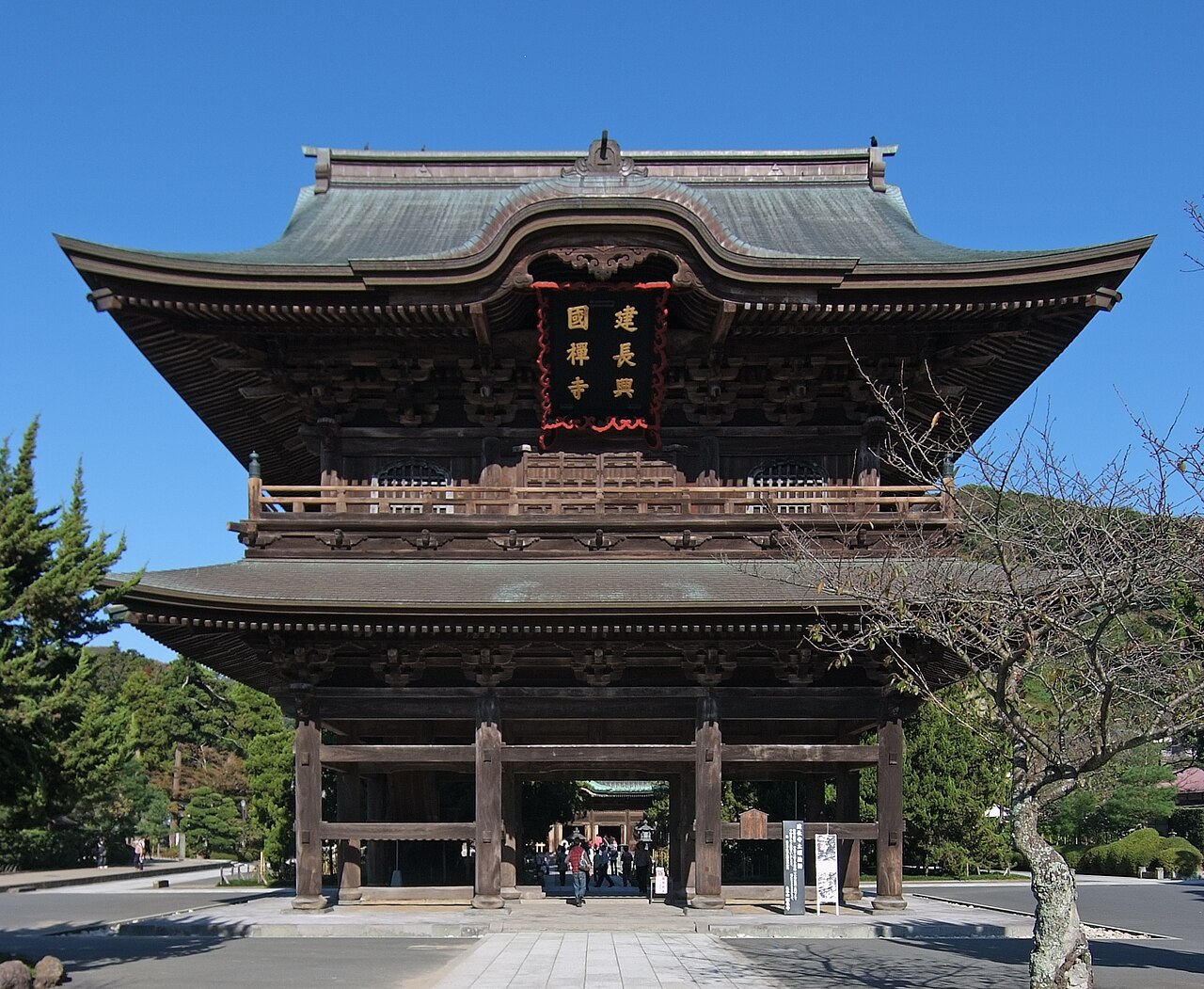
The great Zen monasteries followed. Kencho-ji was founded in 1253 as the first officially ranked Zen training monastery in Japan, and Engaku-ji in 1282. These were not quiet retreats; they were large, disciplined institutions with hundreds of monks, and within their walls the formal etiquette of tea — when it is served, how it is received, the bowl held and turned in the hands — was practiced daily. The aesthetics that would later crystallize as chanoyu have one of their deepest roots in this Kamakura monastic tea.
“Tea and Zen arrived in Kamakura on the same ships. The bowl is not decoration around the practice — it is part of it.”
Now the honest qualification, because it is central to understanding what you are buying. Kanagawa is not a recognized pottery province. It has no METI-designated ceramic ware; its officially protected crafts are Hakone yosegi marquetry (woodwork) and Odawara–Kamakura lacquer. The prefecture did have one genuine ceramic glory — Makuzu ware, the export porcelain of Miyagawa Kozan in Yokohama from 1871 — but that kiln was destroyed in the 1945 air raid and the line did not survive. So a “Kamakura matcha chawan” is best understood as contemporary studio pottery: an individual maker’s work, made in the region, drawing on its Zen-tea history rather than continuing an unbroken named tradition.
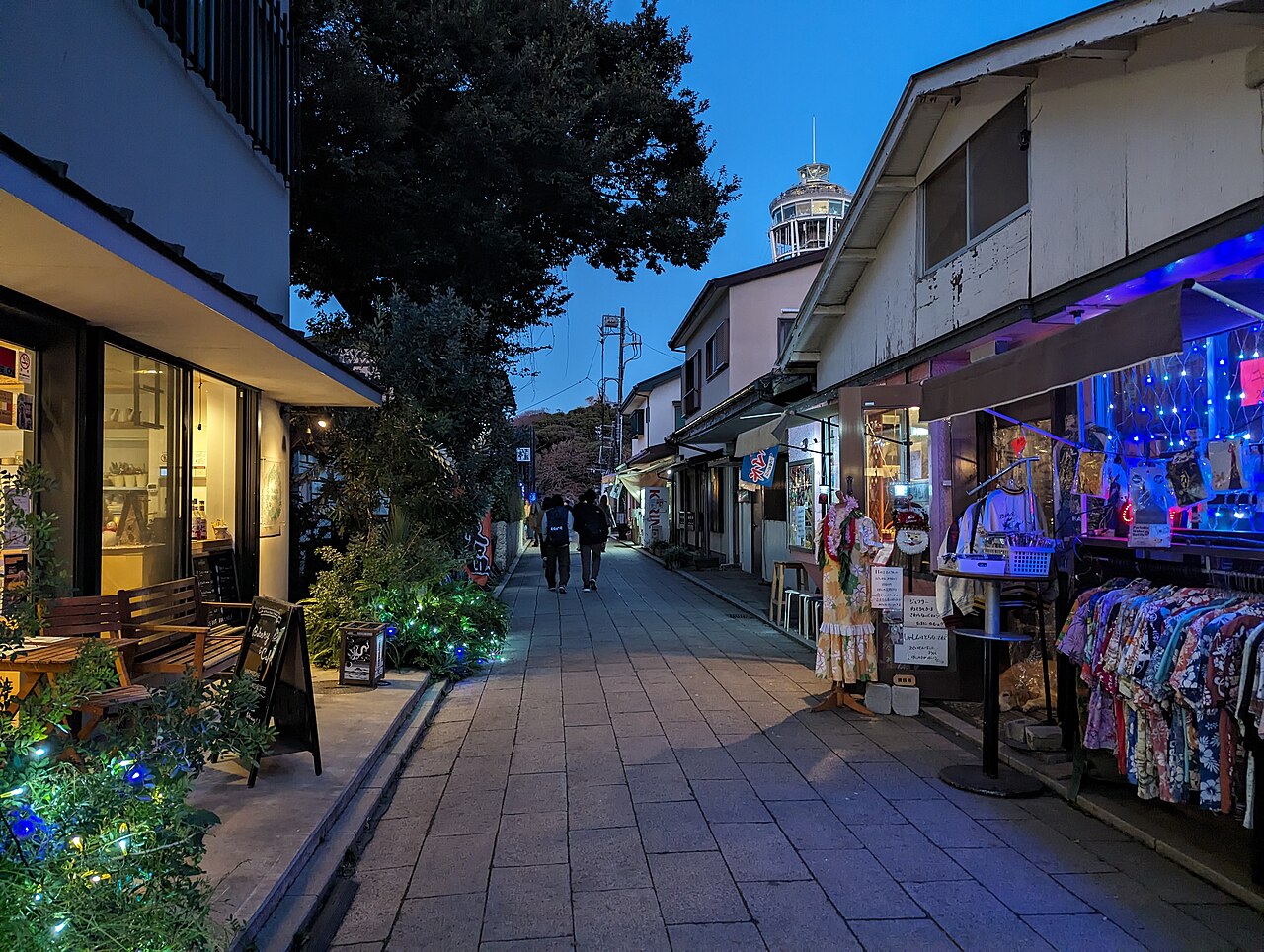
What sustains those makers is the modern Kamakura and Shonan artist colony. Through the 20th century the coast between Kamakura and Enoshima drew writers, painters, and craftspeople out of nearby Tokyo and Yokohama — a milder climate, the sea, the temples, and a community of working artists. That colony is still here, and it is the realistic context for a studio matcha chawan from this region today: not a centuries-old kiln town, but a living community of independent potters working within sight of the temples where Japanese tea began.
📌 How does it compare?
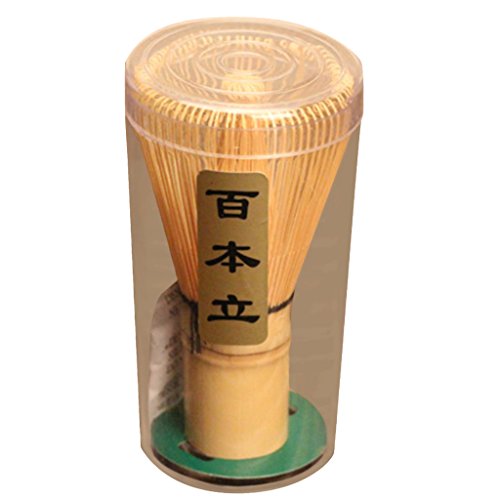
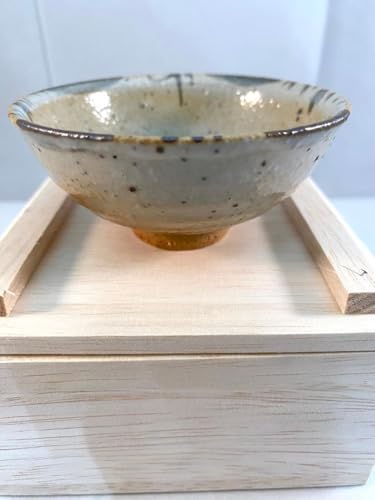
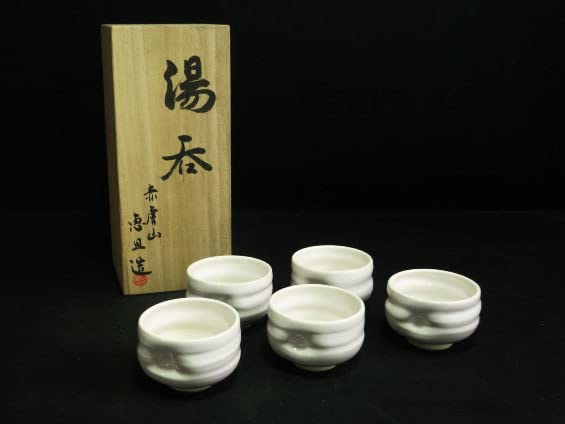
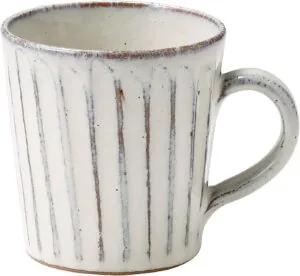
Related jpmono guides — same prefecture, the tea-ceremony toolkit, and tea ceramics from Japan’s named kilns:
📦 Shipping & where to buy from outside Japan
The international route for a Kamakura chawan depends on the workshop or ceramics seller. Because these bowls are fragile, expect careful and slightly bulkier packaging when ordering from Japan, and confirm that delivery is available to your country.
- Amazon JP Global Store — the most direct path for this exact item; ships to most major destinations. International shipping for a single bowl typically runs in the $15–$40 range to the US and EU, higher elsewhere.
- Amazon US — does not carry this exact studio bowl, but lists comparable Japanese matcha chawan and full tea-ceremony sets from various makers, with Prime shipping and USD pricing.
- Proxy services (Buyee / Tenso) — useful when direct international shipping is unavailable, or to consolidate with other Japan-only purchases.
- Customs — orders above your local duty threshold may attract import tax; a single mid-priced bowl is usually below most thresholds, but check your country’s rules.
Prices for handmade tea bowls vary with clay, glaze, firing, and maker. Any USD conversion changes with the exchange rate, so compare the maker’s current price in yen with the full delivered cost.
Where to buy
| Store | Item / Variant | Price (JPY + USD est.) | Notes |
|---|---|---|---|
| 🇺🇸 Amazon.com (US) | Browse Japanese matcha chawan & tea-ceremony sets | varies (USD) | Best if you’re shopping from the US — Prime shipping, USD pricing, no international customs. Amazon US carries matcha bowls and full chanoyu sets from various makers; this specific Shonan studio bowl ships from Japan (next row). |
| 🇯🇵 Amazon JP Global Store | This exact bowl | — | Amazon JP Global Store; international shipping may be available. Confirm the kiln name and availability before buying. |
| Maker direct | Studio / gallery piece (if identified) | Unconfirmed — check kiln site | Once the maker is confirmed, a studio or Kamakura gallery may offer other one-off bowls. |
| Proxy services (Buyee / Tenso) | Same JP option, forwarded | Product + forwarding fee | Use if the Global Store does not ship to your country, or to consolidate Japan-only orders. |
What it does well
Weaknesses and things to verify before buying
- The kiln is unconfirmed. For a studio piece, who made it matters — confirm the kiln or potter before paying.
- No named tradition. This is contemporary studio pottery, not a METI-designated ware. If you want documented lineage (Raku, Hagi, Karatsu), this is the wrong category.
- No price or dimensions in the data. Price, bowl diameter, height, and weight were not returned; verify them on the page so you know what you are getting.
- Care is unspecified. Hand-thrown stoneware is often best hand-washed; do not assume it is dishwasher- or microwave-safe without confirmation.
- Fragility in transit. Ceramics break. Confirm packaging and the international shipping path, and factor possible customs into the landed cost.
- One-off stock. Studio bowls are made in small numbers; the exact piece shown may sell out or be replaced by a similar but not identical bowl.
Conclusion — which buyer type are you?
Other ways to approach this purchase
❓ Frequently Asked Questions
Is a Kamakura matcha chawan from a famous traditional kiln?
Why does Kamakura matter for a tea bowl specifically?
Can it be shipped outside Japan?
How do I care for a hand-thrown stoneware chawan?
What was the price at the time of writing?
How does it compare to a Karatsu or Hagi tea bowl?
jpmono.com is curated by a Japan-based editorial team (working out of Toyama in the Hokuriku region and Nara in Kansai) and is independent. We don’t take payment from the makers we feature. We don’t physically test every product; we consult maker descriptions and public craft references. Read more about our editorial standards.
🤖 This article was prepared with AI assistance from public craft references and editorial research, then reviewed by a human editor. Dimensions, kiln attribution, pricing, and stock can vary, so confirm them with the maker or specialist seller.
Affiliate disclosure: jpmono.com may earn a commission on qualifying purchases made through links on this page, at no additional cost to you.