![Koshu Fuji Ash-Glaze Ceramic Wine Cup: Yamanashi Pottery from Japan’s Wine Country [2026]](https://jpmono.com/wp-content/uploads/2026/05/japan-map-regions-and-prefectures-800x1050.png)
There is a quiet logic to a ceramic wine cup from Yamanashi. Most Japanese prefectures answer the question “what should we drink from?” with a sake vessel — a guinomi, an ochoko, a katakuchi. Yamanashi answers differently, because Yamanashi is wine country. Katsunuma, in what is now Koshu City, is where commercial Japanese winemaking began in 1877, and the Koshu grape has been grown in the Kofu Basin since the medieval era. A stemless, ash-glazed stoneware cup built for an everyday red or white is not a novelty here. It is the regionally honest object.
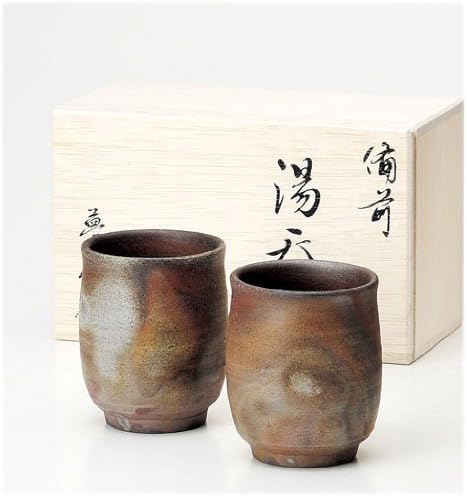
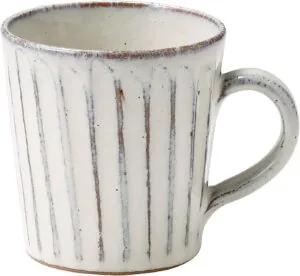
The piece covered in this guide is a studio-pottery stemless wine cup finished in a volcanic ash glaze (haiyu) — the kind of earthy, semi-matte surface traditionally drawn from materials like Mount Fuji’s volcanic ash (Fuji-bai). It holds roughly 250–350 ml, sits in the hand like a tumbler rather than perching on a stem, and treats wine the way a potter treats tea: as something served from a vessel with its own weight, texture, and quiet color depth. It is stoneware, not glass, so it trades crystal clarity for thermal steadiness and tactile presence.
One point of honesty up front: Yamanashi has no METI-designated pottery tradition. Its nationally famous crafts are Koshu crystal carving, Inden deerskin lacquerware, and Koshu textiles — not ceramics. So this is a studio-pottery item anchored in regional terroir and geology, not a registered ceramic lineage like Bizen or Shigaraki. This article covers what the cup is, who it suits, how to buy it from outside Japan, and how it compares to other Japanese cups and to Yamanashi’s better-known crafts. It is written from a Japan-based editor’s desk, not from a tasting room.
🔄 Last updated:
⏱️ Read time: about 12 minutes
- Who this is for — and who should skip it
- Product overview (from published specs)
- 📍 Where this comes from — place, era, and the craft tradition
- 📌 How does it compare?
- Where to buy
- What it does well
- Weaknesses and things to verify before buying
- Conclusion — which buyer type are you?
- Other ways to approach this purchase
- ❓ Frequently Asked Questions
Who this is for — and who should skip it
- Like drinking everyday wine from a stemless vessel with weight and texture, not a fragile crystal stem.
- Appreciate studio-pottery glaze depth — semi-matte, earthy ash-glaze surfaces over clear glass.
- Want a vessel with a real regional story: Japan’s wine country, beneath Mount Fuji.
- Use the same cup across red, white, water, and chilled sake without fuss.
- Are buying a thoughtful gift for someone who already owns plenty of glass stemware.
- Want to judge a wine’s color and legs — opaque stoneware hides both.
- Need a stemmed glass for aromatics and formal tasting.
- Expect a METI-certified ceramic lineage; this is studio pottery, not a registered ware.
- Require complete, confirmed product details before ordering — the available information is limited.
- Prefer dishwasher-and-forget glassware over hand-washed ceramics.
Product overview (from published specs)
| Attribute | Detail | Source |
|---|---|---|
| Object | Stemless ceramic wine cup | Product profile |
| Material | Stoneware (ceramic) | Product profile |
| Glaze | Volcanic ash glaze (haiyu / Fuji-bai style), semi-matte | Product profile |
| Capacity | ≈ 250–350 ml | Product profile |
| Origin | Yamanashi Prefecture (studio pottery) | Editorial anchor |
| Price | — | — |
| Dimensions / weight | Unconfirmed | — |
| Maker / kiln | Unconfirmed studio | — |
Capacity, dimensions, glaze, and price for a Koshu ceramic wine cup vary by potter and firing. Treat the supplied description as a guide to the form and Fuji-ash glaze, and confirm the current details with the maker or specialist ceramics seller.
📖 Glossary — key terms used in this article
Haiyu (灰釉, “ash glaze”) — a glaze made from wood or plant ash (and, regionally, volcanic ash), among the oldest glaze families in Japanese ceramics. It yields earthy, semi-matte, often subtly variegated surfaces.
Fuji-bai (富士灰, “Fuji ash”) — volcanic ash associated with Mount Fuji, used as a classic source material for ash glazes in the surrounding region.
Koshu (甲州) — the historical name for Kai Province, today’s Yamanashi; also the name of the prefecture’s signature white-wine grape.
Katsunuma (勝沼) — a district of Koshu City and the cradle of Japanese commercial winemaking (from 1877).
Stoneware — high-fired, vitrified, opaque ceramic. Heavier and more thermally stable than glass; it does not show a wine’s color.
Guinomi (ぐい呑み) — a small Japanese ceramic sake cup; mentioned here for contrast, since a wine cup is the deliberately chosen vessel for Yamanashi.
📍 Where this comes from — place, era, and the craft tradition

Yamanashi is a landlocked prefecture in the Chūbu region of central Japan, built around the Kofu Basin — a wide, mountain-ringed bowl with hot summers, cold winters, and the strong day-to-night temperature swing that grapes happen to love. To the south rises Mount Fuji; to the north and west, the granite ranges of the Chichibu-Tama-Kai and Akaishi mountains. There is no coastline here, no port logistics. What shaped Yamanashi’s economy instead was sun-soaked alluvial soil, fast mountain water, and a basin geography that funneled trade routes toward Edo.
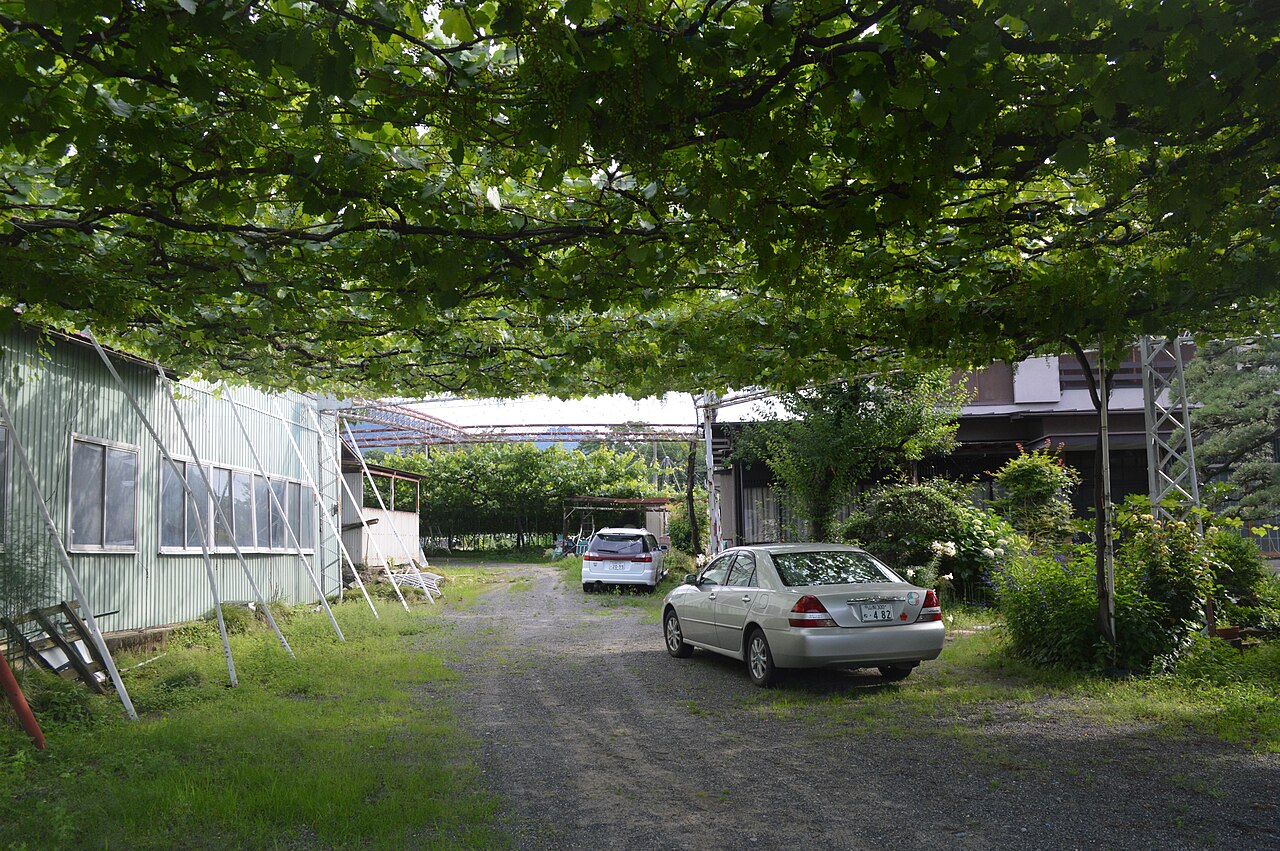
That basin is why a wine cup belongs here. The Koshu grape has been cultivated in the Kofu Basin since the medieval era, and Katsunuma — now part of Koshu City — is where Japan’s first commercial winery, the Dai-Nihon Yamanashi Budōshu Company, began production in 1877. Today the Katsunuma district remains the densest concentration of wineries in Japan. In a prefecture this defined by viticulture, a stemless ceramic cup made for everyday wine is not an affectation; it is the local table object.
-
8th–12th c. — Folk tradition attributes the first Koshu grapevine to the Kai region; the dating is legendary, not documented. -
1519 — The Takeda clan establishes the Tsutsujigasaki residence at Kofu, seat of Kai Province. -
Edo period (1603–1868) — Crystal carving develops around the Mt. Kinpu and Shōsenkyō granite; the Kofu Basin grows as a trade hub toward Edo. -
1877 — The Dai-Nihon Yamanashi Budōshu Company begins commercial winemaking in Katsunuma — the start of the Japanese wine industry. -
1903 — Takeda Shrine is founded on the former Tsutsujigasaki residence site, fixing the clan’s memory into the Kofu landscape. -
2013 — The Koshu grape is registered with the OIV, allowing “Koshu” to appear on wine exported to the EU. -
2026 — Katsunuma / Koshu City remains the heart of Japanese wine; studio potters continue working ash glazes in the region.
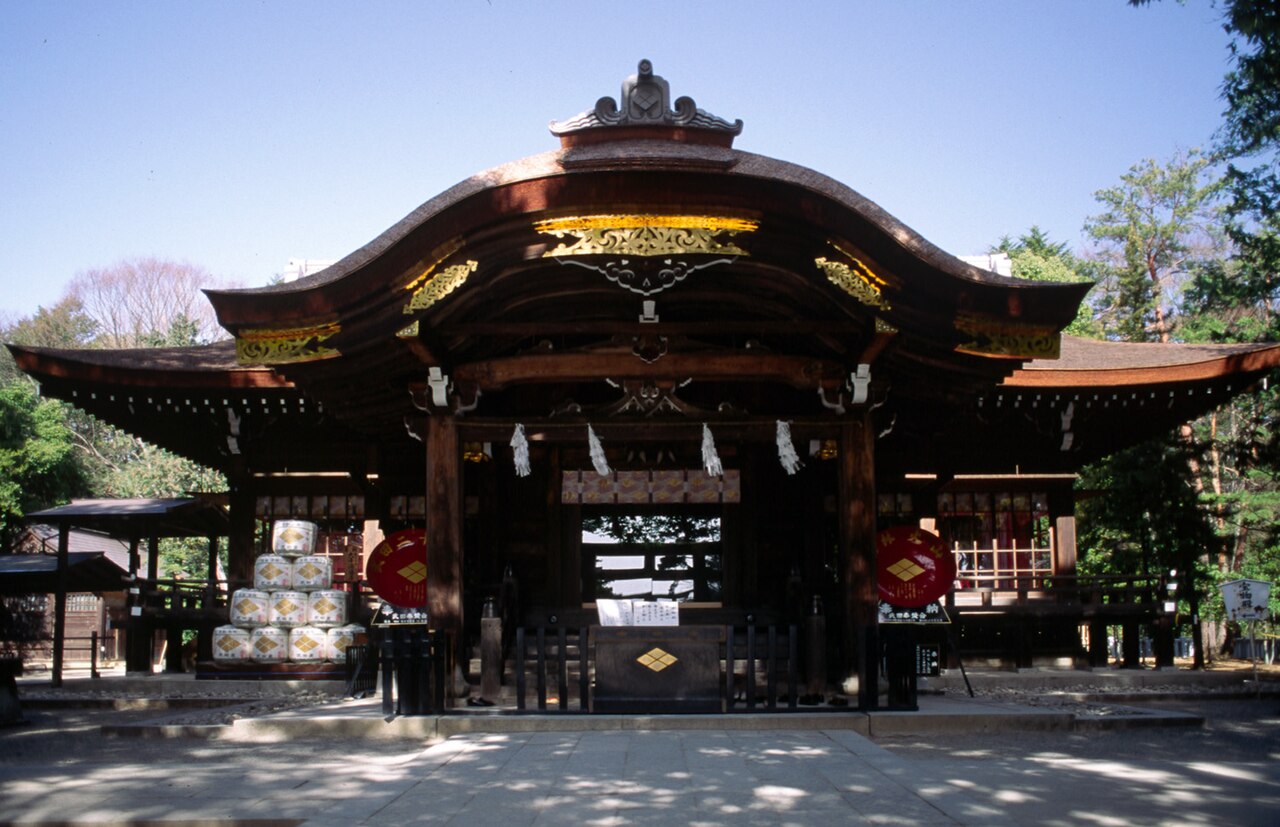
The historical backbone of the basin is the Takeda clan. Their seat at the Tsutsujigasaki residence in Kofu made Kai Province a center of power in the Sengoku era, and Takeda Shrine — founded in 1903 on that same residence site — still anchors the city. A castle-town economy concentrates artisans, and Yamanashi’s enduring crafts grew from exactly that gravity: skilled hands settling where patronage and trade routes met.
The other half of the story is geology, and this is where the cup’s glaze comes from. Mount Fuji’s volcanic ash, Fuji-bai, is a classic source material for Japanese ash glazes (haiyu) — fired, it produces the earthy, semi-matte, faintly variegated surface that gives studio stoneware its depth. That same volcanic-and-granite landscape gave Yamanashi its more famous crafts: the quartz of the northern ranges fed Koshu crystal carving, and the Shōsenkyō Gorge’s granite cliffs are the visible face of the prefecture’s mineral character.

“In a prefecture where the table holds wine instead of sake, the honest vessel is a wine cup — and when its glaze is drawn from the ash of the mountain on the horizon, the object and its place finally rhyme.”
It is worth being clear about what this continuity does and does not claim. Yamanashi is not a registered pottery province; it has no METI-designated ceramic ware in the way Saga has Arita or Okayama has Bizen. The honest framing is “studio pottery from the wine country” — a contemporary maker working regional materials and a regional story, not the inheritor of a centuries-old kiln lineage. What grounds the cup is real: the terroir, the 1877 winemaking origin, the volcanic-ash glaze tradition, and a basin whose craft economy traces back to a Sengoku castle town. That is a stronger anchor than most novelty wine cups can offer, and weaker than a certified ware can — both things are true at once.
📌 How does it compare?
If you are weighing Yamanashi ash-glaze cups against other Yamanashi crafts or other Japanese ceramic drinking vessels, these jpmono guides set the context — both the prefecture’s famous crafts and comparable cups from registered pottery regions.
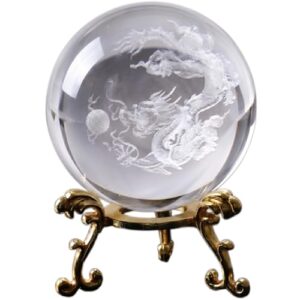 Koshu Crystal SphereYamanashi’s signature crystal-carving craft.
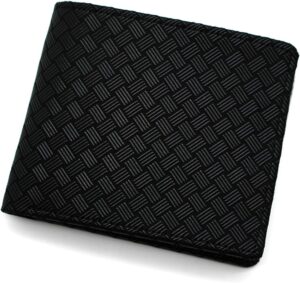 Koshu Inden WalletDeerskin lacquerware, a Yamanashi specialty.
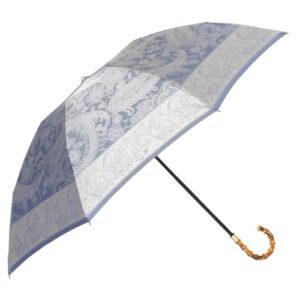 Koshu-ori ParasolYamanashi’s jacquard weaving tradition.
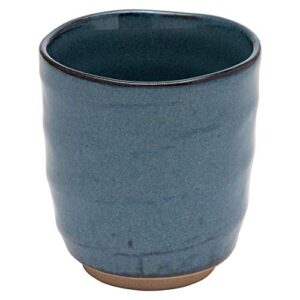 Shitoro-yaki YunomiA neighboring Shizuoka stoneware cup.
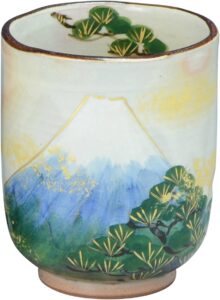 Kyoyaki Shunzan YunomiKyoto-ware refinement for comparison.
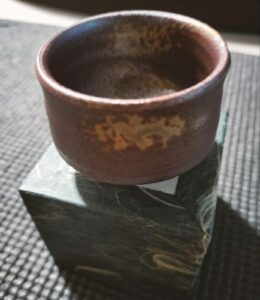 Tamba GuinomiA registered-ware stoneware sake cup.
 Shigaraki Hechimon MugEarthy Shigaraki stoneware, another angle.
Where to buy
| Store | Item / variant | Price (JPY + USD est.) | Notes |
|---|---|---|---|
| 🇺🇸 Amazon.com (US) | Browse Japanese ceramic wine cups & stoneware | varies (USD) | Best if you are shopping from the US — Prime shipping, USD pricing, no international customs. Amazon US carries comparable Japanese stoneware and studio-ceramic cups; this specific Yamanashi piece is sourced from Japan (next row). |
| 🇯🇵 Amazon JP Global Store | This exact item | — | Where the specific item is sourced; ships internationally from Japan to most major destinations. Confirm price and stock on the live page. |
| Maker direct | Studio / kiln (if identified) | — | The specific studio is not confirmed in the data; a maker-direct path may exist but could not be verified here. |
| Proxy services (Buyee / Tenso) | Forwarded from Japan | item price + forwarding fee | Useful if a domestic-only Japanese option is preferred; adds a forwarding fee and consolidates shipping. Watch for customs duties above your local threshold. |
Prices for handmade ceramic wine cups vary with clay, glaze, firing, and maker. Any USD conversion depends on the current exchange rate, so compare the maker’s yen price with the full delivered cost.
What it does well
Weaknesses and things to verify before buying
- No registered ceramic lineage. Yamanashi has no METI-designated pottery tradition. This is studio pottery anchored in terroir, not a certified ware — if you specifically want Bizen, Shigaraki, or Arita provenance, this is not that.
- Opaque by design. Stoneware hides a wine’s color, clarity, and legs. For tasting or appreciation of appearance, a glass is the better tool; this cup is for drinking, not evaluating.
- Purchase details not confirmed. Check the current details before ordering.
- Maker and product details unverified. Read the product information for the producer and other details.
- Aromatics. A wide stemless ceramic cup does not concentrate a wine’s bouquet the way a tulip-shaped glass does. Expect a casual, table-wine experience rather than a stemware tasting.
- Care. Treat as hand-wash ceramic unless the product information explicitly states dishwasher safety; glaze surfaces and any unglazed foot ring can mark over time.
- Single-cup options. Confirm whether the product is one cup or a set before assuming you are buying a pair — quantity is not verified here.
Conclusion — which buyer type are you?
Other ways to approach this purchase
❓ Frequently Asked Questions
Why a wine cup from Yamanashi rather than a sake cup?
Is this a registered, traditional Japanese pottery?
What is a volcanic ash glaze, and where does it come from?
Can I order it from outside Japan?
How much does it cost?
How should I care for it?
Does it work for serious wine tasting?
jpmono.com is curated by a Japan-based editorial team (working out of Toyama in the Hokuriku region and Nara in Kansai) and is independent. We do not take payment from the makers we feature; income comes from affiliate links. We review maker specifications and public craft references rather than physically testing every product. Read more about our editorial standards on our About page.
🤖 This article was prepared with AI assistance from public craft references and verified background material, then edited for accuracy. Specifications, pricing, and availability vary by potter and should be confirmed with the maker or specialist seller.
Affiliate disclosure: jpmono.com may earn a commission on qualifying purchases made through links on this page, at no additional cost to you.