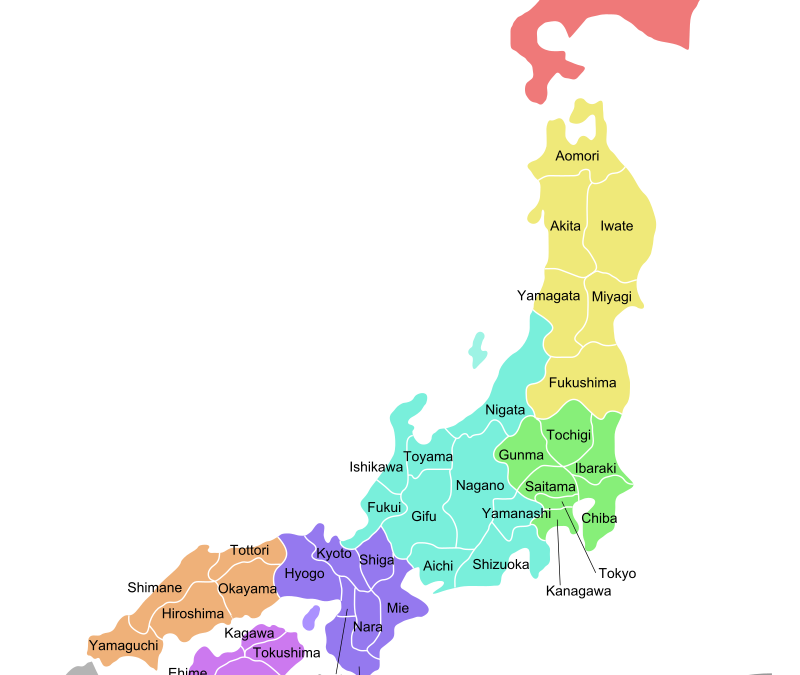
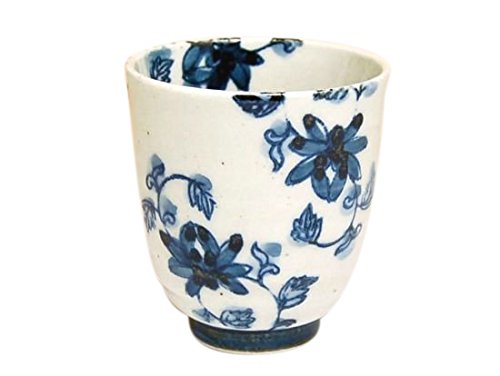
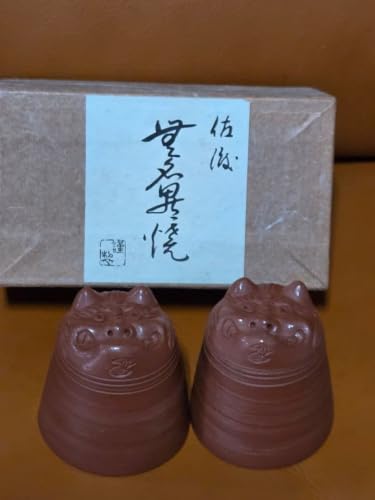
![Obori Soma-yaki Double-Walled Sake Cup, Aohibi & Running Horse [2026]](https://jpmono.com/wp-content/uploads/2026/06/obori-soma-yaki-double-walled-sake-cup-where-to-buy-2026-featured.jpg)
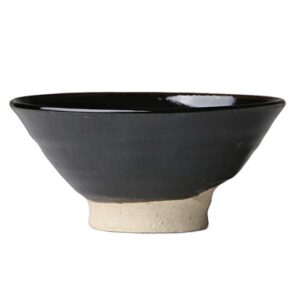
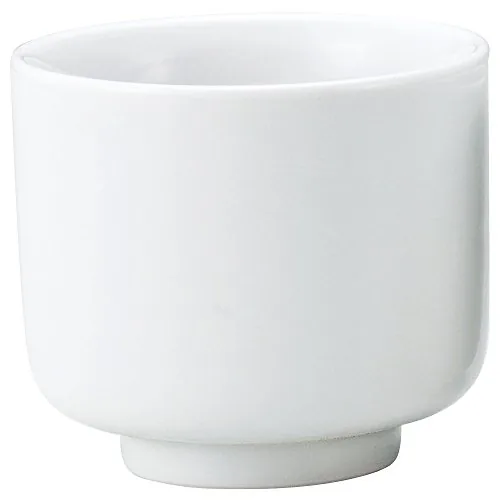
Obori Soma-yaki (大堀相馬焼, “Obori Soma ware”) is the coastal pottery flagship of Fukushima Prefecture — a stoneware tradition that began around 1690 on the Hamadori shore and is recognizable at a glance by three things: a deliberate web of blue crackle called aohibi, a galloping horse drawn from the Soma clan crest, and a hollow double wall (nijuyaki) that keeps the cup cool in the hand. This article looks specifically at the double-walled sake cup, the form that shows all three signatures at once.
What makes the ware notable beyond its looks is its recent history. The kilns that defined Obori Soma-yaki stood in Namie town, which fell inside the exclusion zone after the 2011 Great East Japan Earthquake and the Fukushima Daiichi accident. The potters scattered, and several have since rebuilt their workshops elsewhere in the prefecture — around Nihonmatsu, for example. A cup in this style is, quite literally, a craft that survived an evacuation.
This guide is written for international readers deciding whether to buy one and how. We cover what the form is, how to read the spec listing honestly (the data on this particular item is thin, and we say so where it is), the place and history behind it, how it compares to Fukushima’s other ceramics, and the practical question of buying it from outside Japan. Prices and stock move constantly; treat the affiliate links as the live source of truth.
🔄 Updated:
⏱️ Read time: ~11 min

- Who this is for — and who should skip it
- Product overview (from published specs)
- 📍 Where this comes from — place, era, and the craft tradition
- Price snapshot across stores
- What it does well
- Weaknesses and things to verify before buying
- Conclusion — which buyer type are you?
- Other ways to approach this purchase
- 🏆 Editor’s Pick
- ❓ Frequently Asked Questions
Who this is for — and who should skip it
- Want a sake cup with a documented regional craft lineage, not a generic souvenir
- Like the idea of a double wall that stays cool to hold and slows temperature change
- Are drawn to crackle glaze and find the aohibi web a feature rather than a flaw
- Value the cultural-survival story of a Fukushima-coast kiln rebuilt after 2011
- Are comfortable buying from the Amazon JP Global Store and waiting for cross-border shipping
- Want a perfectly smooth, crack-free glaze (the crackle is intentional and visible)
- Need a guaranteed dishwasher- and microwave-safe vessel (treat as hand-wash stoneware)
- Expect a fixed, low souvenir price — handmade kiln work is priced accordingly
- Want it delivered next-day; international shipping from Japan takes time
- Prefer Aizu Hongo-yaki or another inland Fukushima ware — this is the coastal tradition
Product overview (from published specs)
Note on data: for this specific listing, only an Amazon item reference (ASIN B0GKJQ2DMM) and a product image were available at the time of writing. A full spec snapshot — exact dimensions, capacity, weight, and the named kiln — was not present in the fetched data. Where a value could not be confirmed from the listing, the table says so rather than guessing. Live pricing was unavailable at the time of writing; verify it at the retailer before buying.
| Attribute | Detail (per data notes) | Source |
|---|---|---|
| Craft | Obori Soma-yaki (大堀相馬焼), stoneware pottery | Maker tradition / data notes |
| Form | Double-walled (nijuyaki) sake cup / guinomi | Spec / data notes |
| Signature glaze | Aohibi — deliberate blue crackle network across the glaze | Data notes |
| Decoration | Hand-painted sou-ma running-horse motif | Data notes |
| Origin | Obori, Namie town (Hamadori coast), Fukushima; surviving kilns revived around Nihonmatsu | Data notes |
| Designation | METI Traditional Craft (designated 1978) | Data notes |
| Capacity / dimensions | Unconfirmed — check the listing | Not in fetched data |
| Named kiln (e.g., Matsunaga / Kyogetsu-gama) | Unconfirmed — check the listing | Not in fetched data |
| Price | Unconfirmed — live pricing unavailable at time of writing | Not in fetched data |
Sources, in order of precedence: Amazon US search (primary, moonill-20) · Amazon JP Global Store (secondary, moonill-22, sourced listing) · maker direct · proxy services where relevant. JPY (¥) is the authoritative currency; any USD figure shown elsewhere is an approximate estimate.
📖 Glossary — key terms
- Obori Soma-yaki (大堀相馬焼) — the stoneware tradition of the Soma district on Fukushima’s Hamadori coast, distinct from inland Aizu pottery.
- Aohibi (青ひび, “blue crackle”) — a controlled network of fine cracks in the glaze, encouraged on purpose and tinted blue; a defining surface of the ware, not a defect.
- Sou-ma / soma (走り駒, “running horse”) — the galloping-horse motif taken from the Soma clan crest and the Soma Nomaoi festival, hand-painted on the body.
- Nijuyaki (二重焼, “double firing/double wall”) — a hollow double-walled body. The outer wall stays cool to hold while the inner wall holds the drink, slowing temperature change.
- Guinomi (ぐい呑み) — a sake cup larger than the small ochoko, sized for unhurried drinking.
- METI Traditional Craft — a designation by Japan’s Ministry of Economy, Trade and Industry recognizing a regional craft that meets defined heritage and production criteria.
- Hamadori (浜通り) — Fukushima’s Pacific coastal strip, as opposed to the central Nakadori valley and the inland Aizu basin.
📍 Where this comes from — place, era, and the craft tradition

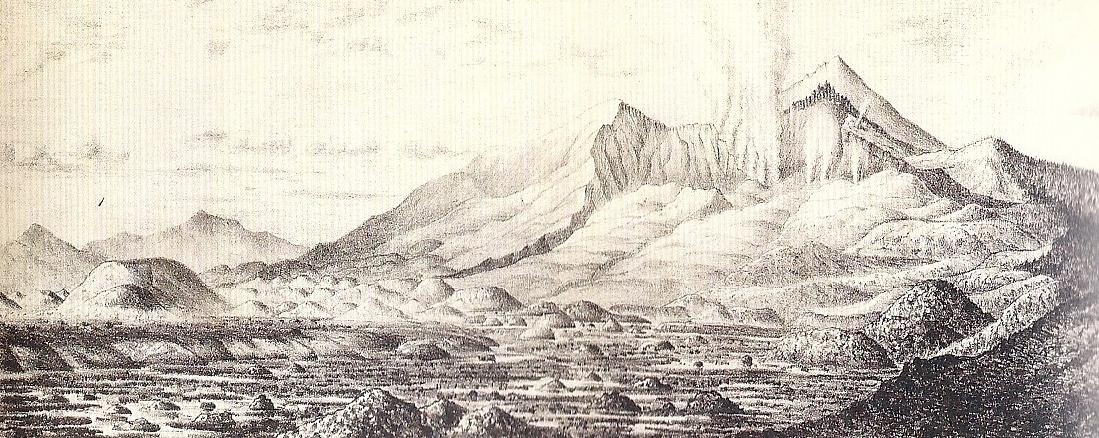
Fukushima is a large prefecture in southern Tōhoku, the northeastern region of Honshu, roughly 250 km north of Tokyo. It divides naturally into three bands: the inland Aizu basin in the west, the central Nakadori valley, and the Pacific-facing Hamadori coast in the east. Obori Soma-yaki belongs firmly to that eastern coast — a different geography, and a different ceramic lineage, from the better-known inland Aizu Hongo-yaki. The Soma district sits on the Hamadori shore, where workable stoneware clay and a domain willing to sponsor the craft brought a kiln industry into being.
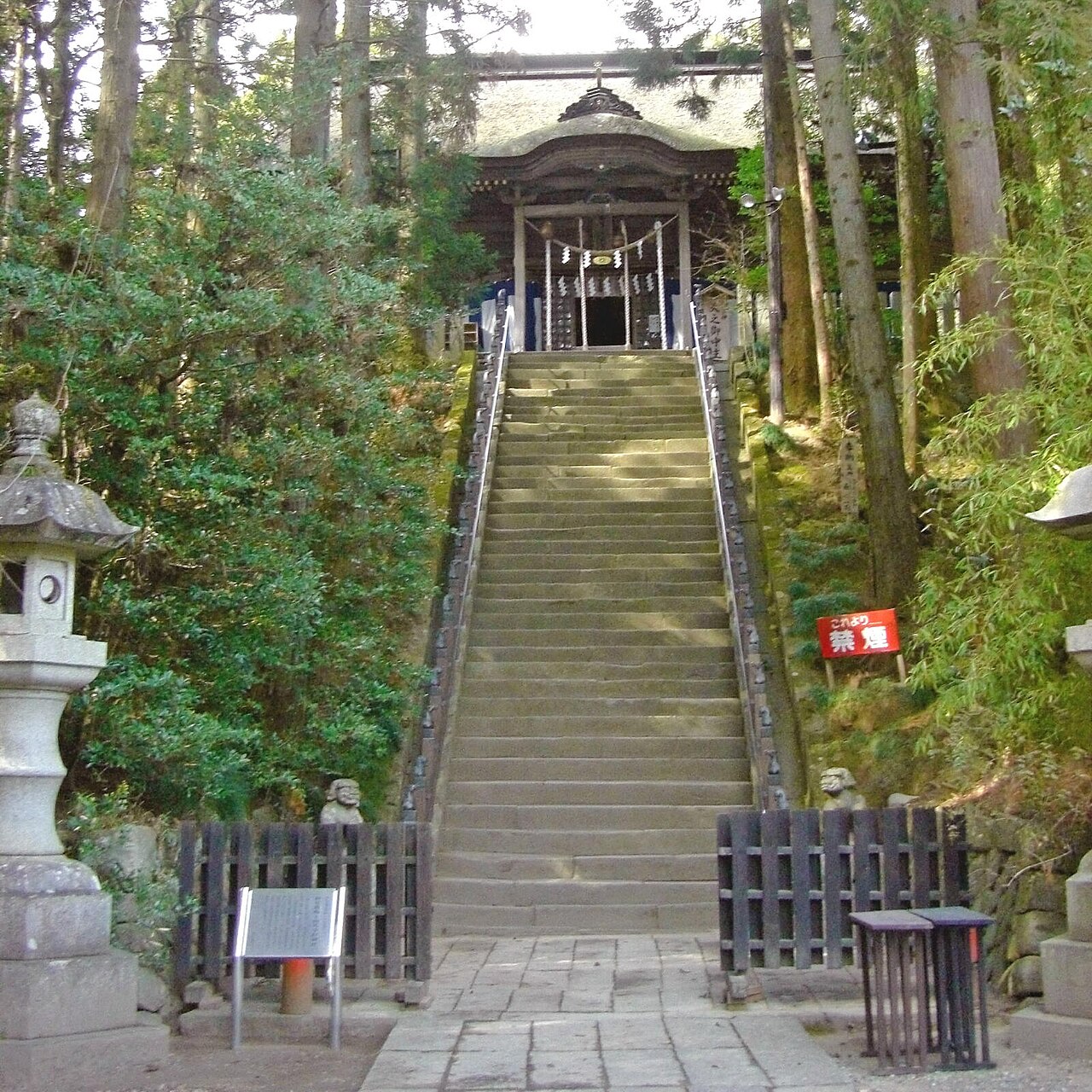
The origin story is specific. Around 1690, in the Genroku era, a foot-soldier of the Soma-Nakamura domain named Hangiri Kyuemon found stoneware clay at Obori, in what is today Namie town. The domain saw a revenue opportunity and promoted potting as a side-industry for its retainers — the same domain-patronage pattern that seeded many Japanese craft towns. By the Edo-to-Meiji era the district had grown into a substantial cluster of around a hundred workshops, making it one of Tōhoku’s most productive kiln regions.
- ~1,000 years ago — The Soma Nomaoi wild-horse ritual takes shape under the Soma clan, the eventual source of the running-horse motif.
- c.1690 (Genroku) — Hangiri Kyuemon, a Soma-Nakamura foot-soldier, finds stoneware clay at Obori in present-day Namie.
- Edo–Meiji era — The domain promotes the ware as a samurai side-industry; the district grows to roughly 100 workshops.
- 1978 — Obori Soma-yaki is designated a METI Traditional Craft.
- March 2011 — The Great East Japan Earthquake and Fukushima Daiichi accident place Namie in the exclusion zone; the kilns scatter.
- 2010s onward — Surviving potters rebuild in relocated workshops, including around Nihonmatsu, reviving the craft.
- 2026 — Double-walled cups in the aohibi-and-horse style remain in production from Namie-lineage kilns.
Three signatures define the ware, and the double-walled sake cup is the form where all three appear together. The first is aohibi, a deliberate network of blue crackle run across the glaze — controlled, not accidental. The second is the sou-ma galloping horse, drawn from the Soma clan crest and from the roughly thousand-year-old Soma Nomaoi wild-horse festival, in which armored riders chase loose horses in a martial ritual. The third is nijuyaki, the hollow double wall that keeps the outer surface cool to the touch while moderating the drink’s temperature inside.
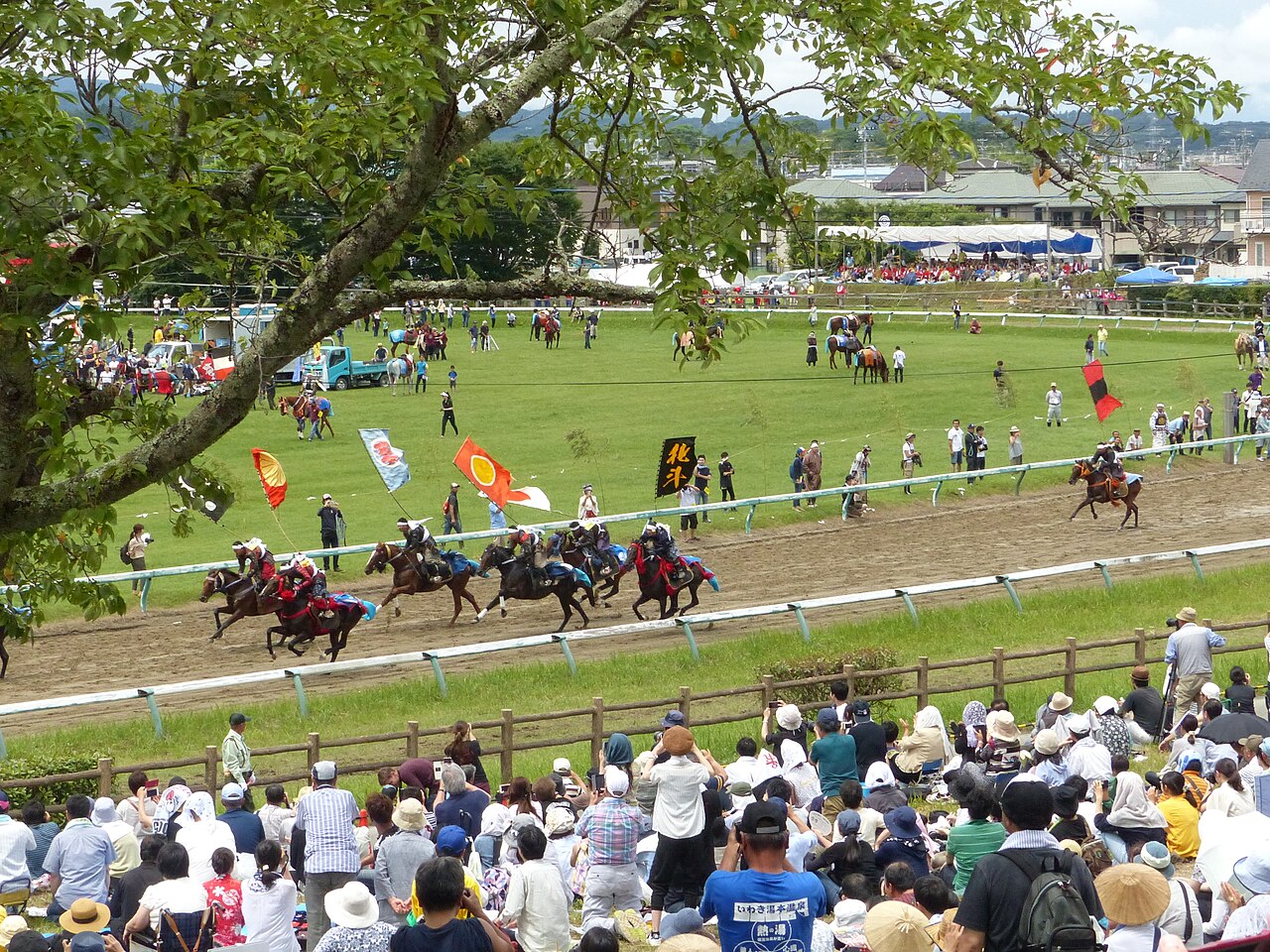
“The horse on the cup is not decoration borrowed from a catalog — it runs out of a thousand-year-old festival held a few kilometers from where the clay was first dug.”
What “still being made here” means is unusually literal for this craft. In March 2011 the earthquake, tsunami, and Fukushima Daiichi accident put Namie inside the exclusion zone, and the workshops that had clustered at Obori for three centuries had to leave. The continuity case for Obori Soma-yaki is therefore not about an unbroken address but about unbroken hands: potters who carried the technique out of Namie and re-established kilns elsewhere in the prefecture, around Nihonmatsu among other places. Buying a piece today supports that revival directly.
For the table, the cup belongs to the cooler months as much as the warm ones: the double wall is as welcome cradling warmed sake in winter as it is keeping a chilled pour cold in summer. It pairs naturally with Tōhoku’s regional sake, and as a guinomi it is sized for slow drinking rather than ceremonial sips. As a gift, it carries an unusually concrete story — a regional ware, a clan festival, and a recovery — which is part of why it travels well to readers abroad.
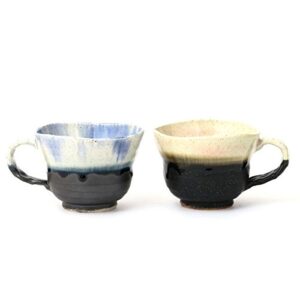
Other Japanese ceramics and folk crafts we have covered — useful for placing this cup in context, especially Fukushima’s inland Aizu traditions and other regional blue-glaze and double-wall wares.
Price snapshot across stores
Live pricing was unavailable from the fetched data at the time of writing, so the cells below describe each route rather than quoting a number. JPY (¥) is the authoritative currency for the specific listed item; any USD figure is an approximate estimate at a ¥150/USD baseline. Always confirm the current price at the retailer before buying.
| Store | Item / Variant | Price (JPY + USD est.) | Notes |
|---|---|---|---|
| 🇺🇸 Amazon.com (US) | Browse Japanese sake cups & guinomi | varies (USD) | Best if you’re shopping from the US — Prime shipping, USD pricing, no international customs. Amazon US carries Japanese sake cups and guinomi from various makers for comparison; this exact Obori Soma-yaki cup is sourced from Japan (next row). |
| 🇯🇵 Amazon JP Global Store | Obori Soma-yaki double-walled (nijuyaki) sake cup (ASIN B0GKJQ2DMM) | Check current price | The sourced listing for the specific item. Ships internationally from Japan to most major destinations. |
| Maker direct | Namie-lineage kiln pieces (e.g., Matsunaga, Kyogetsu-gama) | Varies by kiln | Individual revived kilns sell directly or through cooperative shops; selection and pricing differ from the Amazon listing. |
| Proxy services (Buyee / Tenso) | Japan-only listings not on the Global Store | Item price + forwarding fee | Use only if a desired piece is on a Japan-domestic shop that does not ship abroad; adds a service fee and a forwarding step. |
What it does well
Weaknesses and things to verify before buying
- Thin listing data. For this specific item, exact capacity, dimensions, weight, and the named kiln were not in the fetched data. Confirm them on the listing before ordering, especially if you want a particular size.
- Pricing not confirmed. Live pricing was unavailable at the time of writing. Check the current price at the retailer rather than relying on any figure quoted elsewhere.
- The crackle is intentional. The aohibi network is a designed surface, not a quality flaw — but if you expect a flawless smooth glaze, you will be disappointed.
- Treat as hand-wash stoneware. Dishwasher and microwave suitability is not confirmed for this piece; crackle-glazed stoneware is generally best hand-washed and not microwaved unless the maker states otherwise.
- Handmade variation. The painted horse and the crackle differ slightly cup to cup. Two pieces from the same kiln will not be identical.
- Cross-border shipping and customs. Ordering from the Amazon JP Global Store means international transit time and possible customs duties above your local threshold.
- Lineage, not address. “Obori Soma-yaki” today is made by relocated kilns; if provenance from a specific kiln matters to you, verify the maker on the listing.
Conclusion — which buyer type are you?
Other ways to approach this purchase
🏆 Editor’s Pick
❓ Frequently Asked Questions
Does the Amazon JP Global Store ship Obori Soma-yaki internationally?
Yes. The Amazon JP Global Store ships many household and tableware items to most major destinations. Transit time and possible customs duties apply, and availability can change, so confirm shipping to your country on the listing before ordering.
What makes the cup stay cool to hold?
The double-walled (nijuyaki) construction. A hollow gap between an outer and inner wall slows heat transfer, so the outer surface stays comfortable in the hand while the drink inside keeps its temperature longer.
Is the blue crackle (aohibi) a defect?
No. Aohibi is a deliberate, controlled network of fine cracks tinted blue and is one of the defining features of Obori Soma-yaki. It varies slightly from cup to cup, which is expected on handmade pieces.
Can I put it in the dishwasher or microwave?
Treat it as hand-wash stoneware. Dishwasher and microwave suitability is not confirmed for this specific piece, and crackle-glazed stoneware is generally best hand-washed and kept out of the microwave unless the maker states otherwise on the listing.
Is this the same as Aizu Hongo-yaki?
No. Aizu Hongo-yaki is an inland Fukushima ware from the Aizu basin, while Obori Soma-yaki is the prefecture’s coastal Hamadori tradition with its own glaze, motif, and double-wall signatures. They are distinct crafts from different parts of the same prefecture.
Why are the kilns now near Nihonmatsu rather than Namie?
After the March 2011 earthquake and the Fukushima Daiichi accident, Namie was placed in the exclusion zone and the Obori kilns had to leave. Surviving potters rebuilt their workshops elsewhere in the prefecture, including around Nihonmatsu, which is why pieces today come from relocated, Namie-lineage kilns.
jpmono.com is curated by a Japan-based editorial team (working out of Toyama in the Hokuriku region and Nara in Kansai) and is independent. We do not take payment from the makers we feature; income comes from affiliate links. We do not physically test every product — we read maker specs and source listings — and we flag thin data where it occurs.
AI-assistance note: This article was drafted with AI assistance from a curated data brief and verified source notes, then edited for accuracy. Specifications and prices reflect the data available at the time of writing and should be confirmed at the retailer.
Affiliate disclosure: jpmono.com may earn a commission on qualifying purchases made through links on this page, at no additional cost to you.