![Najio Washi Gampi Art Paper: Hyogo’s Clay-Infused Sheets [2026]](https://jpmono.com/wp-content/uploads/2026/05/japan-map-regions-and-prefectures-800x1050.png)
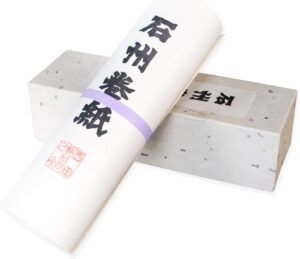
Najio Washi (名塩和紙) is a clay-infused gampi paper made in the Najio district of northern Nishinomiya, Hyogo, in the hills just below Arima Onsen. For roughly four and a half centuries its papermakers have kneaded finely ground local clay into gampi (雁皮) fiber — a technique called doro-iri (泥入り, “clay-loaded”). The result is a sheet that resists insects, discoloration, and fading far better than ordinary paper, which is why it was chosen for the fusuma (sliding-door panels) and wall papers of Nijo Castle, Katsura Imperial Villa, and Hongan-ji.
Most Japanese handmade papers are built on kozo (mulberry) fiber, which gives a fibrous, matte surface. Najio is different. Its gampi base is naturally smooth, faintly lustrous, and slightly translucent, and the clay loading makes it dimensionally stable and slow to age. Nihonga (Japanese-style painting) and sumi-e artists have long valued that smooth ground, and in the West the same qualities have made gampi a favorite among printmakers for chine-collé.
This guide is written for international buyers — painters, calligraphers, conservators, printmakers, and collectors of Japanese craft — who want to understand what Najio gampi actually is, how it differs from the kozo papers more commonly exported, and where it can be purchased from outside Japan. We cover the doro-iri technique, the regional history, surviving makers, shipping paths, and a realistic look at where the data is thin.
🔄 Updated:
⏱️ Read time: ~9 min
Who this is for — and who should skip it
- Paint nihonga or sumi-e and want a smooth, slightly lustrous gampi ground rather than a fibrous kozo surface
- Are a printmaker exploring chine-collé and want a thin, strong, dimensionally stable sheet
- Work in conservation or archival framing and value insect- and fade-resistance
- Collect Japanese craft and want a paper with documented use in Nijo Castle and Katsura Imperial Villa
- Already know kozo washi and want to understand the gampi family
- Need inexpensive practice paper — gampi art paper is a premium material, not hanshi
- Want a heavily textured, absorbent surface for bold ink bleed (kozo serves that better)
- Need large standardized sheets in bulk with guaranteed stock
- Require firm, confirmed pricing before ordering (see the data caveat below)
- Are buying calligraphy practice paper — a dedicated gasenshi or hanshi is a better starting point
Product overview (from published specs)
The table below summarizes the material category and maker descriptions for Najio washi. Details that vary between sheets are left open rather than guessed.
| Attribute | Detail |
|---|---|
| Craft name | Najio Washi (名塩和紙) / Najio gampi-shi (名塩雁皮紙) |
| Primary fiber | Gampi (雁皮) — not kozo (mulberry) |
| Signature technique | Doro-iri (泥入り, “clay-loaded”); doroma-niai-shi (泥間似合紙) |
| Surface character | Smooth, lustrous, slightly translucent; matte clay body |
| Noted properties | Insect-, discoloration-, and fade-resistant; dimensionally stable |
| Typical uses | Nihonga & sumi-e ground; chine-collé; fusuma & wall paper; leaf interleaving |
| Origin | Najio district, Nishinomiya, Hyogo Prefecture |
| Designation | METI-designated Traditional Craft (Dentō Kōgeihin) |
| Sheet size / weight | Unconfirmed |
📖 Glossary — key terms
- Washi (和紙) — Japanese handmade paper, traditionally from plant bast fibers.
- Gampi (雁皮) — a wild shrub whose bark yields a smooth, lustrous, translucent fiber; difficult to cultivate, so gampi paper is comparatively scarce.
- Kozo (楮, paper mulberry) — the most common washi fiber, giving a strong, fibrous, matte sheet.
- Doro-iri (泥入り) — “clay-loaded”; the Najio practice of blending finely ground mineral clay into the pulp.
- Doroma-niai-shi (泥間似合紙) — the traditional name for Najio’s clay-blended paper.
- Nihonga (日本画) — Japanese-style painting using mineral pigments, often on a sized paper or silk ground.
- Sumi-e (墨絵) — ink-wash painting.
- Chine-collé — a printmaking method that bonds a thin sheet (often gampi) to a heavier backing during printing.
- Fusuma (襖) — opaque sliding-door panels surfaced with paper.
- METI — Japan’s Ministry of Economy, Trade and Industry, which designates official Traditional Crafts.
Najio is a gampi paper — the first on jpmono.com — among a family of kozo washi and other Kansai/Hyogo crafts we have covered. These guides help you place it.
Where this comes from

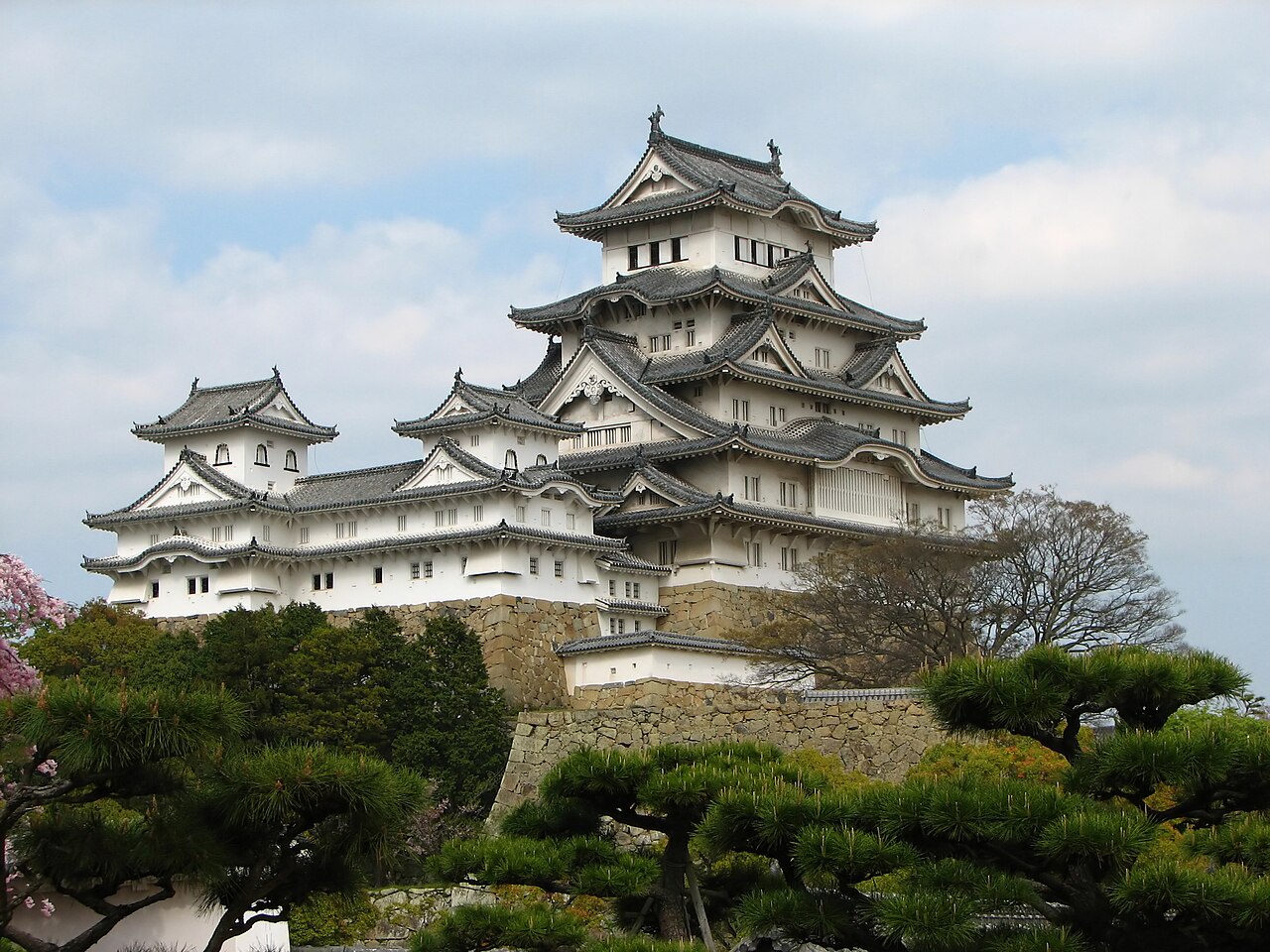
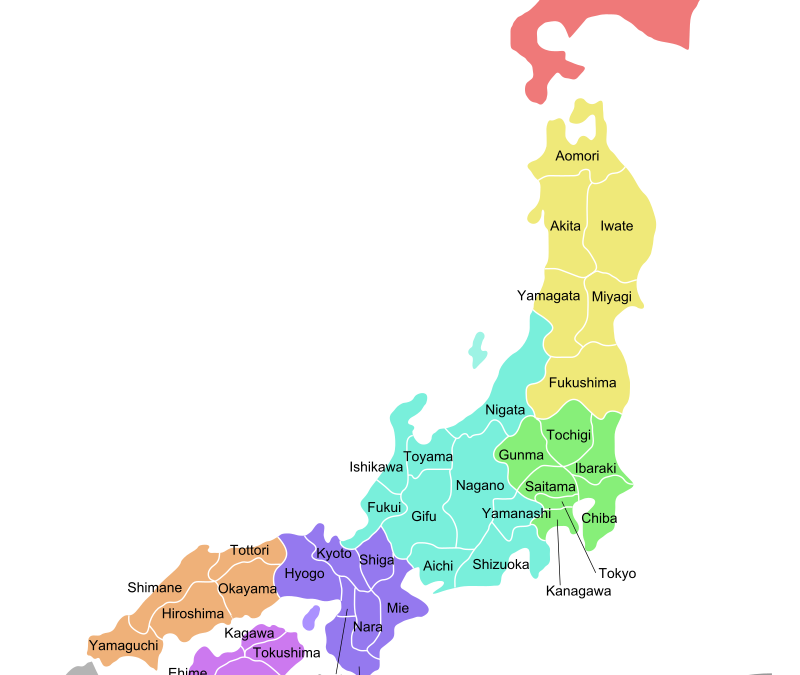
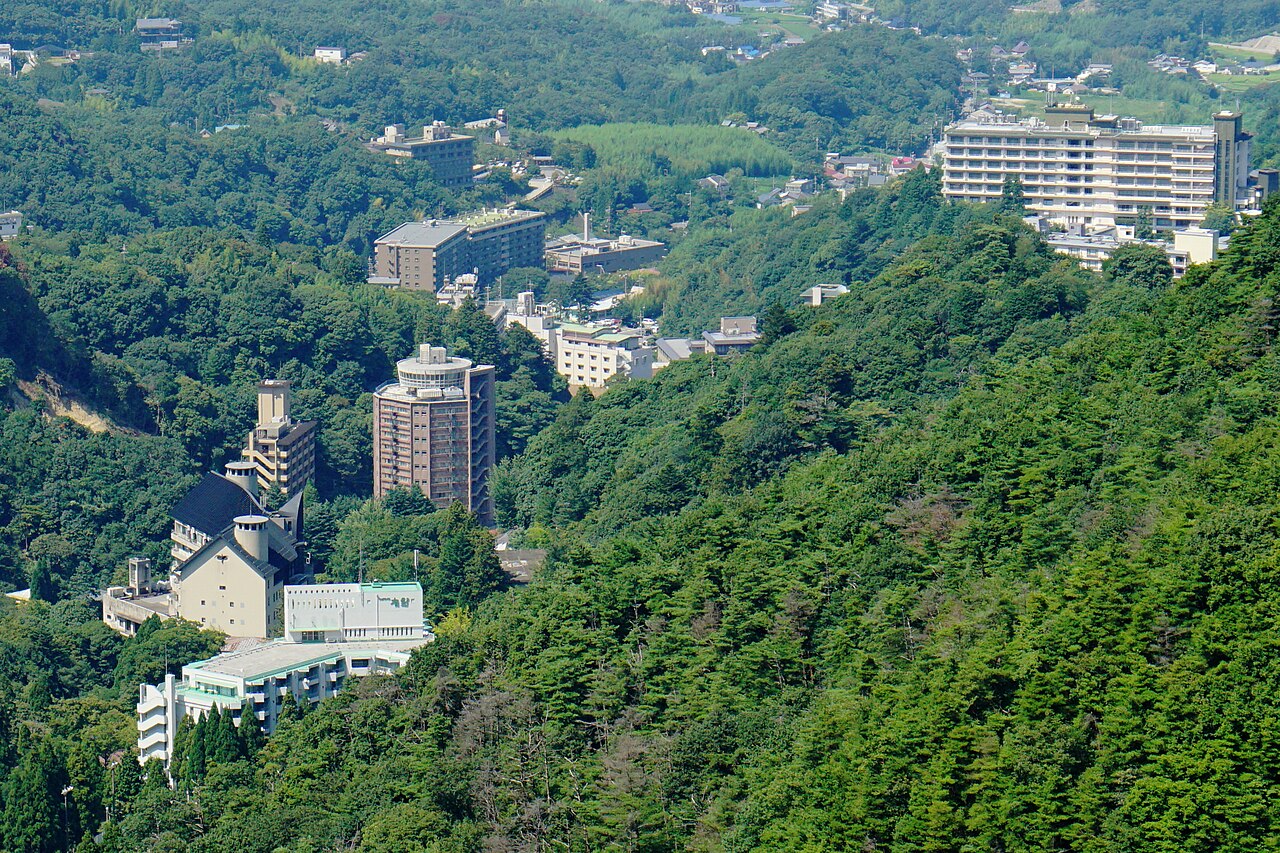
Hyogo Prefecture stretches across the waist of Japan in the Kansai region, touching both the Seto Inland Sea to the south and the Sea of Japan to the north. Najio sits inland in the prefecture’s southeast, in the northern part of Nishinomiya — the city better known internationally for sake brewing and for Koshien Stadium. The papermaking district lies up in the hills, close to the famous hot springs of Arima Onsen and below the Rokko range that separates the area from Kobe.
The location is not incidental. The surrounding hills are rich in serpentine-derived mineral clay, and it is this local clay that Najio’s papermakers learned to blend into their gampi pulp. Few washi districts had both a tradition of working the relatively scarce gampi fiber and a ready supply of fine clay on the doorstep; Najio had both.
That clay is the heart of the craft. In the doro-iri (泥入り) method, finely ground clay is worked into the gampi pulp so that the mineral sits between and around the fibers in the finished sheet. The clay body fills the surface, producing a smooth, matte, slightly opaque ground, and — because the mineral is inert — it makes the paper notably resistant to insects, to yellowing, and to fading over time. The traditional name doroma-niai-shi (泥間似合紙) records this clay-between-the-fibers character. It is a technique not found in other washi districts.
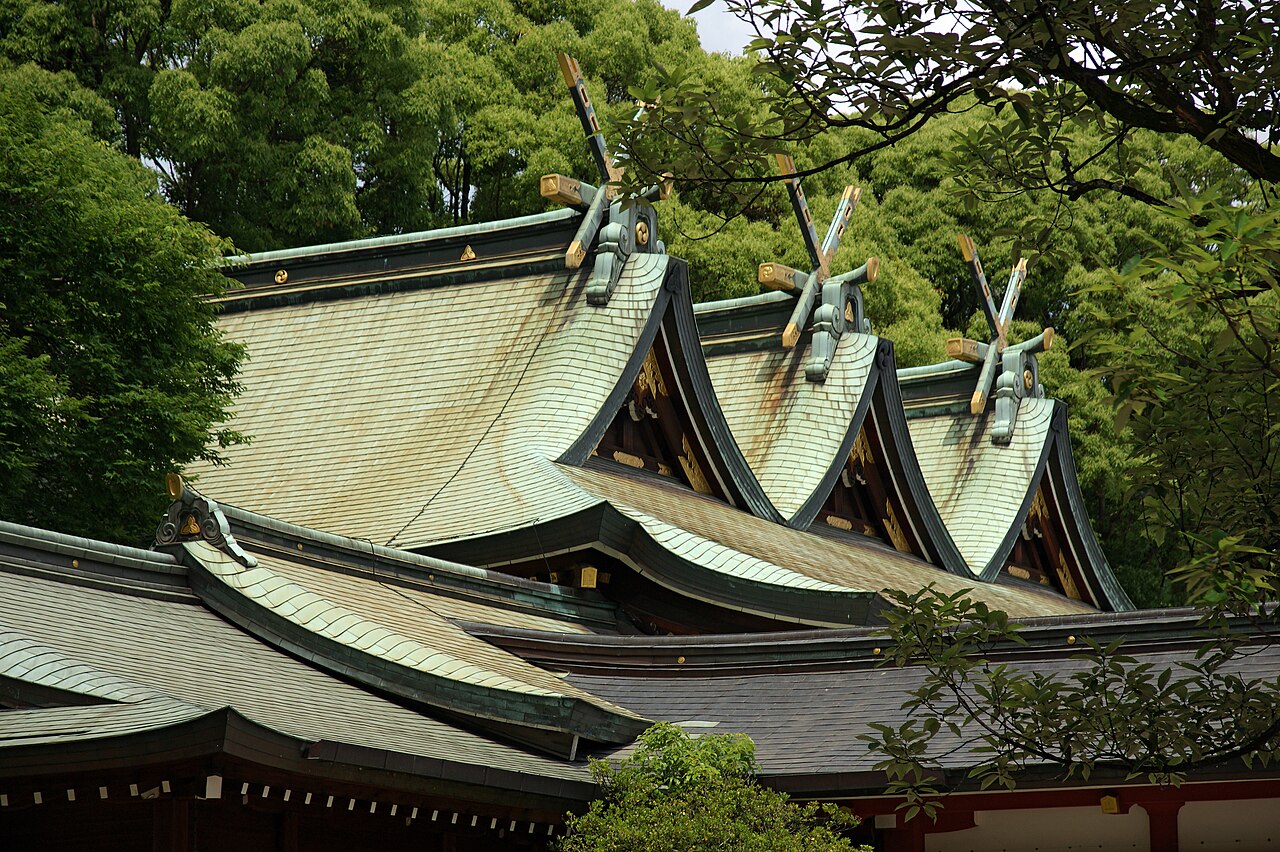
Najio papermaking is traditionally held to reach back roughly 450 years. Over that span the paper earned a place in some of Japan’s most carefully finished interiors. Its fade- and insect-resistant clay sheets were chosen for the fusuma and wall papers of Nijo Castle in Kyoto, for the Katsura Imperial Villa, and for Hongan-ji, and the same stable surface was used as interleaving paper to protect gold and silver leaf. Few papers carry a use record of that rank.
- ~1570s — Papermaking takes hold in the Najio district of present-day Nishinomiya; the local clay-loading method develops.
- 17th century — Doro-iri gampi paper adopted for the fusuma and wall papers of Nijo Castle and Katsura Imperial Villa.
- Edo period — Najio paper used at Hongan-ji and as interleaving paper to protect gold and silver leaf.
- Modern era — Najio gampi recognized as a ground for nihonga and sumi-e; its smoothness draws Western chine-collé printmakers.
- 20th century — Najio Washi designated a Traditional Craft by Japan’s METI.
- 2026 — A handful of workshops continue the doro-iri craft in Najio.
“A sheet good enough for the sliding doors of Nijo Castle had to outlast the building’s painters — and Najio’s clay-loaded gampi was made to do exactly that.”

What “still being made here” means for Najio is a small number of surviving workshops carrying a labor-intensive technique. Gampi cannot be readily farmed, and the clay-loading step demands judgment that does not transfer to a machine, so output is limited and the craft depends on a thin line of skilled hands. That scarcity is part of what makes the paper a collector’s material as much as an artist’s one.
Where to buy
Gampi art paper is a specialty material rather than commodity practice paper. Its price varies with fibre, sheet size, thickness, and finishing; compare those factors before buying.
| Store | Item / Variant | Price (JPY → USD est.) | Notes |
|---|---|---|---|
| 🇺🇸 Amazon US (search) | Browse Japanese washi & gampi art paper | varies (USD) | Best if you are shopping from the US — Prime shipping, USD pricing, no international customs. Amazon US carries Japanese washi, gampi, and nihonga supplies useful for comparing surfaces and price tiers; this exact Najio sheet is sourced from Japan (next row). |
| 🇯🇵 Amazon JP Global Store | Najio gampi art paper (item B009ZO5J1W) | See current price (not captured) | International availability, price, and stock vary by seller. |
| Maker direct | Najio workshop sheets | Unconfirmed — inquire | A handful of Najio workshops remain; direct supply is limited and may not ship internationally. |
| Proxy services (Buyee / Tenso) | Forwarded Japan-only stores | Item price + forwarding fee | Useful if a particular sheet size or seller ships only within Japan; adds a service fee and a consolidation step. |
JPY is the authoritative currency for the specific listed item; USD figures elsewhere in this guide are approximate at a ¥150/USD baseline as of mid-2026. Prices in USD depend on the current exchange rate.
What it does well
Weaknesses and things to verify before buying
- Price not confirmed. Check the current offer before ordering.
- Sheet size and weight are unconfirmed. Art papers vary widely; verify dimensions and gsm against your intended use (painting vs. chine-collé).
- Scarce supply. Only a handful of Najio workshops remain, so stock and specific variants can be intermittent.
- Not a practice paper. Gampi art paper is a premium material; for daily calligraphy or ink practice a dedicated gasenshi or hanshi is more economical.
- Surface behaves unlike kozo. If you expect heavy absorbency and bold bleed, the smoother, clay-loaded surface will respond differently — test a sheet first.
- International shipping and customs. The item is sourced from Amazon JP Global Store; confirm it ships to your country and budget for possible duties above local thresholds.
Conclusion — which buyer type are you?
Other ways to approach this purchase
❓ Frequently Asked Questions
What makes Najio Washi different from other washi?
Najio is built on gampi fiber rather than the more common kozo (mulberry), and its papermakers blend finely ground local clay into the pulp — the doro-iri technique. That gives a smooth, lustrous, slightly translucent sheet that resists insects, fading, and yellowing, unlike the fibrous, matte surface of typical kozo paper.
What is the doro-iri technique?
Doro-iri (泥入り, “clay-loaded”) means kneading finely ground mineral clay, drawn from the serpentine-rich hills around Najio, into the gampi pulp. The inert clay fills the sheet’s body, producing its smooth surface and its resistance to insects and fading. The traditional name for the paper is doroma-niai-shi.
Can I use Najio gampi for chine-collé?
Yes — its thin, strong, dimensionally stable gampi sheet is exactly why Western printmakers favor gampi for chine-collé. As with any new paper, test a sheet with your inks and adhesive before committing it to an edition.
Does it ship internationally?
Gampi paper should be stored flat, dry, and away from strong sunlight; when ordering internationally, protect the sheets from bending and moisture.
How much does it cost?
Because it is a scarce gampi art paper, it is generally positioned above commodity practice paper; compare sheet size and finish when assessing value. USD conversions are approximate and change with exchange rates.
Is this good for calligraphy practice?
Not really. For daily calligraphy or ink practice a dedicated gasenshi or hanshi is far more economical. Najio gampi is best reserved for finished paintings, prints, and works where its surface and longevity matter.
Where exactly is it made?
In the Najio district of northern Nishinomiya, Hyogo Prefecture, in the Kansai region — inland in the hills near Arima Onsen, below the Rokko mountains. Only a handful of workshops there still make it.
jpmono.com is curated by a Japan-based editorial team (working out of Toyama in the Hokuriku region and Nara in Kansai) and is independent. We do not take payment from the makers we feature; we work from maker specifications and craft references rather than physically testing every product.
This article was prepared with AI assistance and reviewed against maker descriptions and craft references. Sheet dimensions and price ranges can vary by maker and format.
Affiliate disclosure: jpmono.com may earn a commission on qualifying purchases made through links on this page, at no additional cost to you.