![Chiba Kosho-gu Hand-Forged Garden Sickle (Kama): Where to Buy [2026]](https://jpmono.com/wp-content/uploads/2026/05/japan-map-regions-and-prefectures-800x1050.png)
Chiba Kosho-gu (千葉工匠具, “Chiba craftsman’s tools”) is the umbrella name for the hand-forged edged tools of Chiba Prefecture — the sickles, kitchen knives, scissors, hatchets, and plane blades that once kept the farms and forests of the old Shimousa and Kazusa provinces in working steel. The piece in this guide is the emblem of that tradition: the kama (鎌), a hand sickle whose hard carbon-steel edge is forge-welded onto a softer iron body and fitted to a wooden handle. It comes from the same small cluster of independent Boso-peninsula smiths that METI recognized as a National Traditional Craft in 2017.
What carries a kama past Japan’s borders is not novelty but construction and use. The laminated edge takes a thin, keen bevel that re-sharpens cleanly, and gardeners who do a great deal of close work — weeding, harvesting, trimming at ground level — tend to feel the difference against a stamped stainless blade quickly. This is the same lamination logic behind a Japanese kitchen knife, applied to the oldest farm-and-garden implement there is.
This article is written for readers outside Japan considering a hand-forged garden sickle. It explains the tool’s role, the Japanese forging tradition behind it, its fit for different users, and practical international-buying considerations.
🔄 Updated: June 30, 2026
⏱️ Read time: ~9 min
Published specifications for hand-forged garden sickles can be incomplete. The article marks unconfirmed values plainly rather than guessing; dimensions and pricing vary by tool and retailer.
Who this is for — and who should skip it
- Do a lot of weeding, harvesting, or ground-level trimming and want a keen, controllable blade
- Prefer a hand-forged laminated carbon-steel edge that takes a thin, easily re-sharpened bevel
- Value a traditional wooden handle and a light, fast tool over brute power
- Are willing to wipe, dry, and lightly oil a carbon-steel blade after use
- Want a tool tied to a verifiable, METI-recognized craft tradition
- Want a maintenance-free tool — carbon steel rusts if left wet
- Need to cut woody branches or roots; a sickle is for grass and soft growth
- Expect dishwasher-safe, stainless, set-and-forget hardware
- Are price-sensitive and only need an occasional tidy-up of the lawn edge
- Cannot wait on international shipping or handle possible customs steps
Product overview (from published specs)
Hand-forged Japanese tools vary by smith, and printed specifications can be incomplete. Where a value is not stated, the table marks it “Unconfirmed” rather than guessing.
| Attribute | Detail (per product page) | Source |
|---|---|---|
| Craft name | Chiba Kosho-gu (千葉工匠具), METI National Traditional Craft (2017) | Maker tradition / METI |
| Type | Kama (鎌) — hand sickle for garden and farm use, wooden handle | Amazon JP Global Store |
| Blade construction | Laminated — hard carbon-steel cutting edge forge-welded to a softer iron body | Craft tradition (data notes) |
| Handle | Wooden handle, traditional form | Craft tradition (data notes) |
| Origin | Chiba Prefecture, Kantō region (old Shimousa / Kazusa; smiths around Sanmu and Matsudo) | Maker direct |
| Method | Hand-forged by an individual smith | Craft tradition (data notes) |
| Blade length / weight | Unconfirmed — check the current product details | — |
📖 Glossary — key terms
- Chiba Kosho-gu (千葉工匠具) — the collective name for Chiba’s hand-forged craftsman’s tools; designated a National Traditional Craft by METI in 2017.
- Kama (鎌) — a Japanese hand sickle, the emblematic farm-and-garden implement of the tradition, used for cutting grass, weeding, and harvesting close to the ground.
- Hagane (鋼) — high-carbon tool steel; the hard layer that holds the cutting edge.
- Laminated / awase (合わせ) — forge-welding a hard steel layer to a softer iron body so the edge stays keen while the tool resists fracture.
- Shimousa (下総) & Kazusa (上総) — the old provinces that make up most of present-day Chiba, on the Boso peninsula.
- METI — Japan’s Ministry of Economy, Trade and Industry, which certifies dentō kōgeihin (traditional crafts).
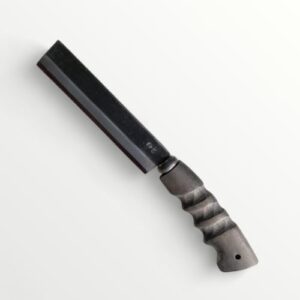
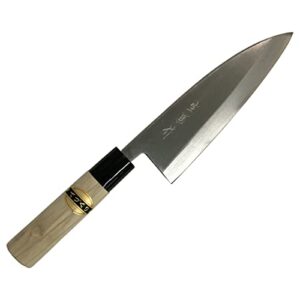
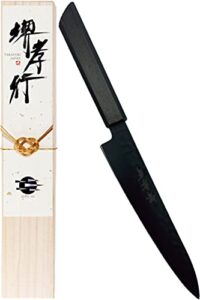
Other hand-forged Japanese blades and Kantō regional crafts we have covered — useful for placing Chiba’s kama in the wider landscape of forged tools and regional craft.
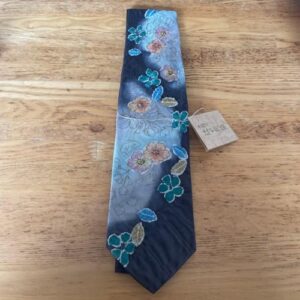
Buying options across stores
Prices and availability fluctuate. USD figures are approximate at a ¥150/USD baseline as of mid-2026, and any current price depends on the retailer and exchange rate.
| Store | Item / Variant | Price (JPY + USD est.) | Notes |
|---|---|---|---|
| 🇺🇸 Amazon US (search) | Browse Japanese garden sickles & weeding tools | varies (USD) | Best if you are shopping from the US — Prime shipping, USD pricing, no international customs. Amazon US carries Japanese kama and weeding sickles from various makers for comparing geometry and steel; this exact Chiba Kosho-gu piece is sourced from Japan (next row). |
| 🇯🇵 Amazon JP Global Store | Chiba Kosho-gu kama / garden sickle | Purchase terms are not confirmed — check the current product details | Ships internationally from Japan. This is the product page for the item in this guide. |
| Maker direct | Individual Chiba smith / regional craft shop | Varies — Unconfirmed | Chiba Kosho-gu is made by a small cluster of independent smiths; direct stock is intermittent and often Japan-domestic. |
| Proxy services (Buyee / Tenso) | Forwarding from Japanese domestic purchases | Item price + forwarding fee | Useful when an item is Japan-only; adds a forwarding fee and a second shipping leg. Verify customs rules on blades and garden tools for your country. |
Where this comes from

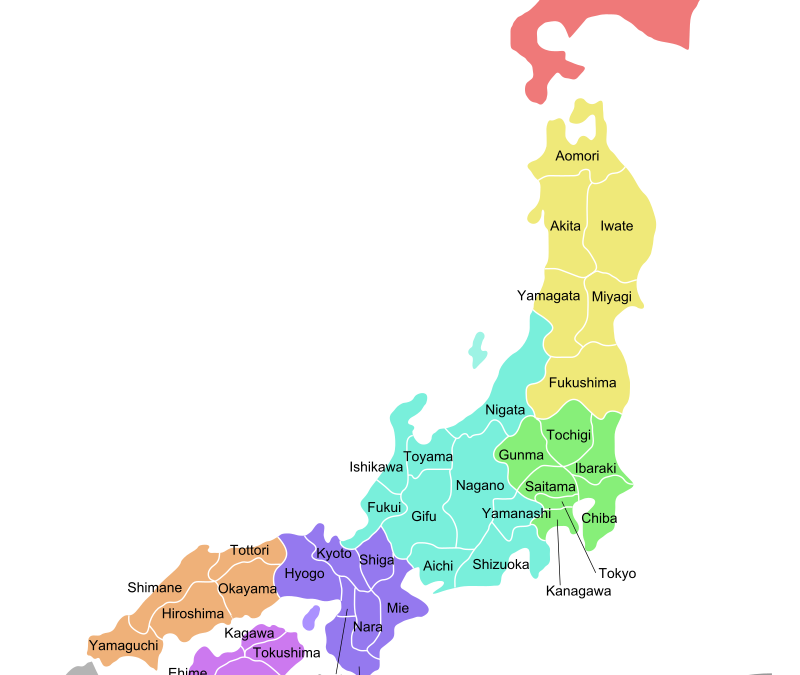
Chiba occupies the Boso peninsula on the eastern side of Tokyo Bay, in the Kantō region. It is one of Japan’s flattest and most agriculturally productive prefectures — a warm, well-watered plain that has grown rice, peanuts, vegetables, and ornamental plants for centuries, with the lower Tone River along its northern edge and the long Kujukuri coast facing the Pacific. For most international travelers, Chiba is the first ground they touch in Japan, since Narita International Airport sits inside the prefecture.
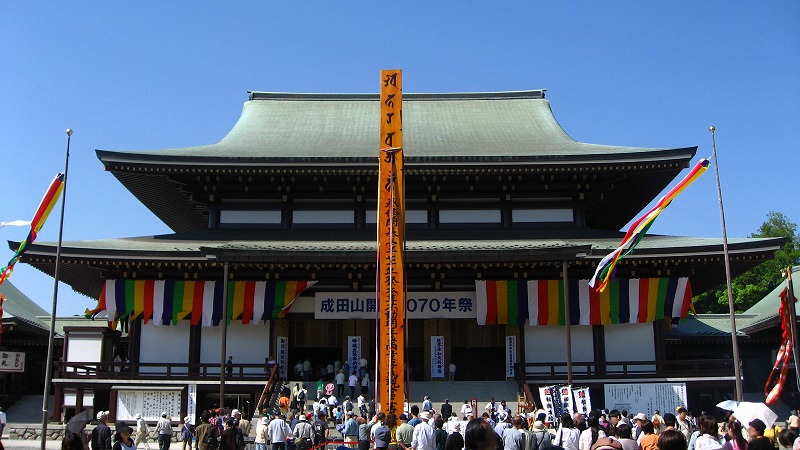
The prefecture is built from two old provinces — Shimousa (下総) to the north and Kazusa (上総) to the south — and the deep history that matters for this tool is agricultural, not courtly. Fertile fields and managed woodland demand a steady supply of edged tools: sickles to cut and harvest, hatchets to clear, kitchen knives, and plane blades to work timber. Village smiths arose to keep that steel in service, and over generations they refined a laminated construction — a hard carbon-steel edge forge-welded onto a softer iron body — that holds a keen bevel while resisting the shocks of field work. The pilgrim and market traffic around Narita-san Shinshoji gave that output a ready outlet.
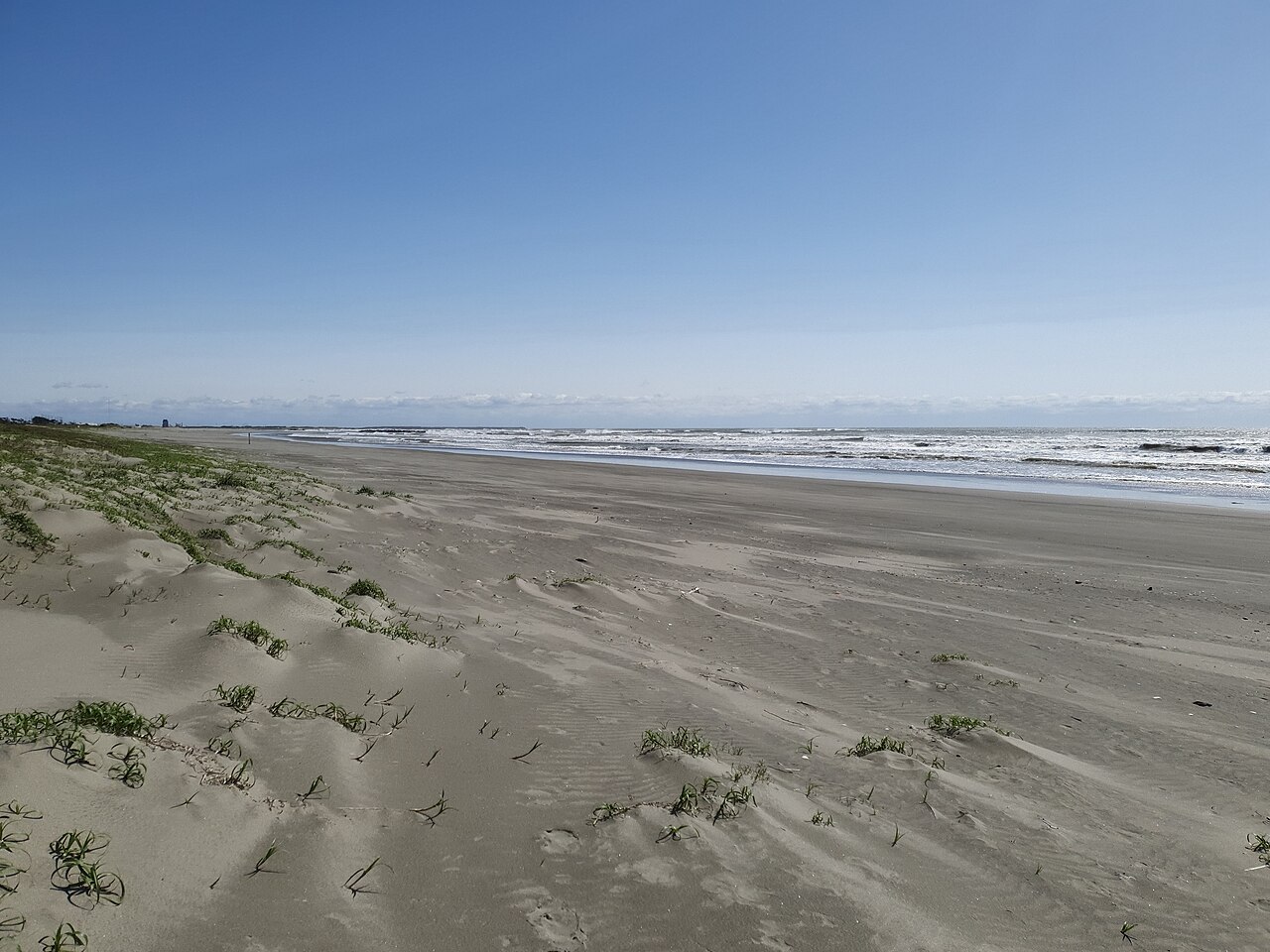
The kama is the implement at the center of all this. Intensive rice, peanut, and vegetable farming on the Kujukuri plain meant endless cutting close to the ground — harvesting, weeding, clearing — and a hand sickle that is light, fast, and keen does that work better than a heavier blade. The Chiba smiths tuned the kama for exactly this: a thin laminated edge that bites without effort and comes back to sharp on a simple whetstone, set on a plain wooden handle sized for a working grip.
- 8th century — Shimousa and Kazusa organized as provinces on the fertile Boso plain.
- 940 — Narita-san Shinshoji founded; it grows into a major pilgrimage center drawing traffic and trade.
- Edo period (1603–1868) — Canal towns such as Sawara (Katori) distribute Boso farm tools and blades toward Edo by river.
- 18th–19th c. — Intensive rice, peanut, and vegetable farming on the Kujukuri plain sustains heavy demand for sickles.
- Meiji onward — Forestry and horticulture broaden the line; smiths forge kama, knives, scissors, hatchets, and plane blades alike.
- 2017 — METI designates Chiba Kosho-gu a National Traditional Craft, one of the newer recognitions.
- 2026 — A small cluster of independent smiths around Sanmu and Matsudo still hand-forges each blade.
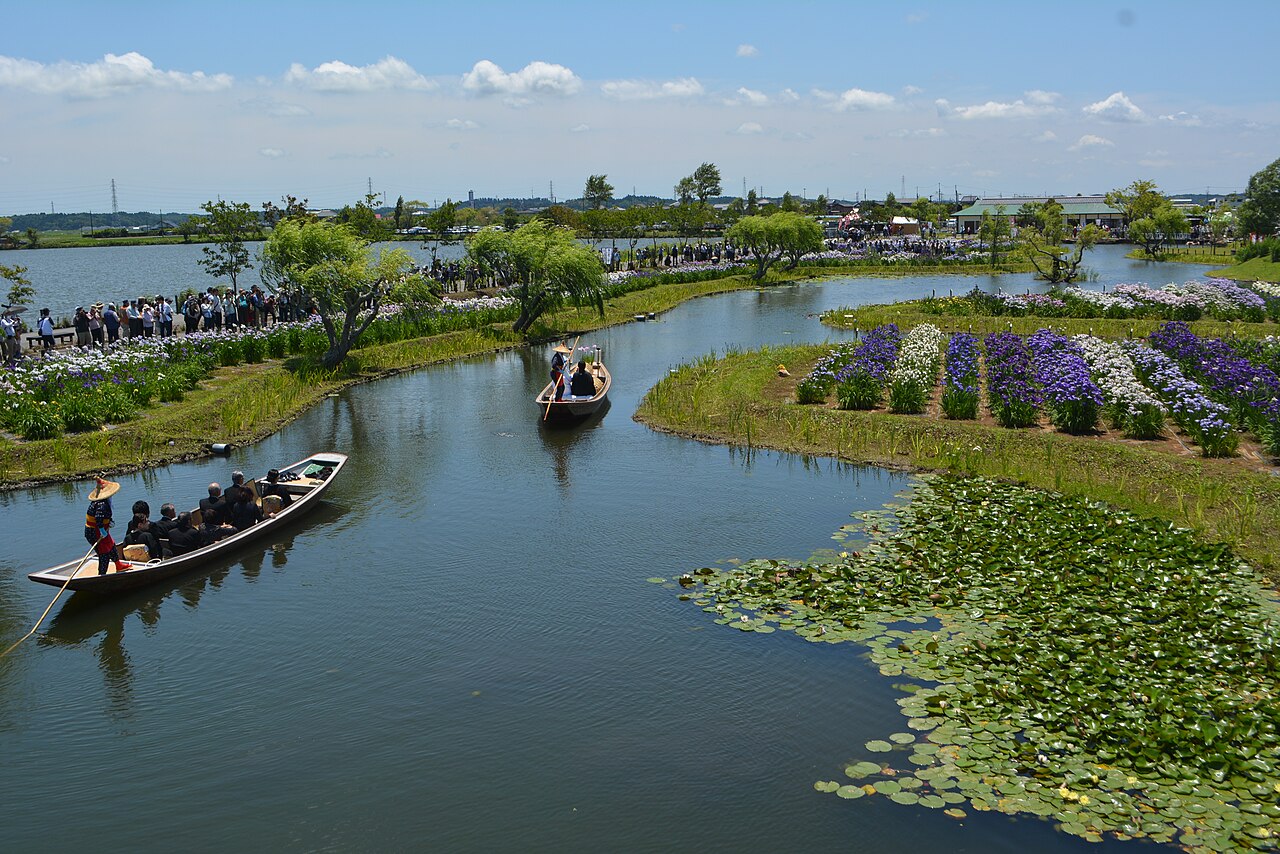
That capital-bound demand mattered. Edo — today’s Tokyo — sat just across the bay, a vast and growing market for food and tools, and canal towns like Sawara funneled Boso produce and ironware to it by river. A smith in the old Shimousa countryside could therefore work for both the local fields and the nearby city, a double demand that kept the forges busy and the craft refined across generations.
“The kama is the oldest tool in the line and still its emblem — the same lamination that sharpens a kitchen knife, set on a wooden handle and bent to cut grass at the root.”
What “still being made here” means for Chiba Kosho-gu is modest but real. The craft survives today as a small cluster of independent smiths who continue to hand-forge each blade rather than stamp it from sheet stock. That is also the honest caveat: output is limited, individual pieces vary, and there is no large factory standardizing every spec. The 2017 METI designation — recent, as craft recognitions go — recognized exactly this: a living, small-scale forging tradition rather than a mass-production brand.
What it does well
Weaknesses and things to verify before buying
- Carbon steel rusts. The laminated edge needs wiping, drying, and a light coat of oil after use; neglect it and you will see surface rust.
- Not for woody growth. A kama is for grass, weeds, and soft stems — use a nata, loppers, or a saw for branches and roots.
- Specs are incomplete. Confirm the blade size and other details with the seller if they matter to you.
- Purchase terms are unconfirmed. Check the current product details and shipping conditions before committing.
- Hand-made variance. Because each blade is forged individually, finish and feel can differ slightly from unit to unit — a feature of the craft, not a defect.
- Cross-border logistics. International shipping, possible customs steps on bladed tools, and proxy fees can add time and cost over a domestic purchase.
Conclusion — which buyer type are you?
Other ways to approach this purchase
❓ Frequently Asked Questions
Does Amazon JP Global Store ship this sickle internationally?
International shipping for small forged tools varies by destination; customs or import-fee deposits may also apply.
How do I care for the carbon-steel blade?
Wipe the blade dry after each use and apply a light coat of oil before storage. Carbon steel rusts if left wet, but it also re-sharpens to a keen edge more easily than stainless on a simple whetstone.
Can a kama cut woody branches?
No. A hand sickle is designed for grass, weeds, and soft stems. For woody branches or roots, use a nata (Japanese hatchet), loppers, or a pruning saw to avoid damaging the blade.
What is Chiba Kosho-gu, exactly?
Chiba Kosho-gu (千葉工匠具) is the collective name for Chiba Prefecture’s hand-forged craftsman’s tools — sickles, kitchen knives, scissors, hatchets, and plane blades — designated a National Traditional Craft by METI in 2017. It descends from the village smiths who supplied the farms and forests of the old Shimousa and Kazusa provinces, with clusters around Sanmu and Matsudo.
Why should I confirm the purchase details?
Prices can shift over time, so treat any figure in this article as a guide rather than a fixed quote.
Is a Chiba kama a good gift?
For a recipient who gardens or weeds seriously, yes — a hand-forged tool with a documented craft tradition makes a considered gift. For someone who does only the occasional tidy-up, a lower-maintenance stainless sickle may be more practical.
jpmono.com is curated by a Japan-based editorial team (working out of Toyama in the Hokuriku region and Nara in Kansai) and is independent. We do not take payment from the makers we feature; income comes from affiliate links. Read more about our editorial standards.
This article was prepared with AI assistance and reviewed against the available craft and product information. Specifications and prices are presented with the limitations noted in the article.
Affiliate disclosure: jpmono.com may earn a commission on qualifying purchases made through links on this page, at no additional cost to you.