![Kawaguchi Imono Cast Iron Skillet: Saitama’s Edo Foundry Town Pan, Where to Buy [2026]](https://jpmono.com/wp-content/uploads/2026/07/kawaguchi-imono-cast-iron-skillet-where-to-buy-2026-featured.jpg)
Kawaguchi Imono (川口鋳物, “Kawaguchi cast metalware”) is the iron-casting craft of Kawaguchi, a city on the south edge of Saitama Prefecture, directly across the Arakawa river from Tokyo. The piece covered in this guide is a hand-cast iron skillet — a thick-walled frying pan poured from sand molds in the same regional tradition that once supplied the Edo market with everyday pots and kettles. It is the kind of pan that holds heat evenly, takes on a darker non-stick patina the more you cook with it, and is built to outlive the cook.
What makes the object internationally interesting is not novelty but lineage. Kawaguchi was a foundry town before Tokyo was Tokyo. Its casters worked the fine Arakawa river sand into molds, then in the Meiji era pivoted from household ironware to machinery, water pipes, and architectural castings — earning Kawaguchi the nickname “the town of cupolas,” immortalized in the 1962 film Kyupora no aru Machi (“The Town of Cupolas”). A cast iron skillet from this lineage is a domestic-scale survivor of an industrial story.
This article is written for the international reader weighing a Japanese cast iron pan against a Lodge, a Staub, or a no-name skillet. We cover what the listing actually states, the regional and historical context that gives the object its meaning, how to buy it from outside Japan, and — honestly — who should pass on it. Note up front: the data we could pull for this specific listing is thin (see the price snapshot), so we are explicit about what is confirmed and what is not.
📅 Published: July 1, 2026
🔄 Updated: July 1, 2026
⏱️ Read time: ~10 min

- Who this is for — and who should skip it
- Product overview (from published specs)
- 📍 Where this comes from — place, era, and the craft tradition
- Price snapshot across stores
- What it does well
- Weaknesses and things to verify before buying
- Conclusion — which buyer type are you?
- Other ways to approach this purchase
- 🏆 Editor’s Pick
- ❓ Frequently Asked Questions
Who this is for — and who should skip it
- Want a pan that improves with use and lasts decades, not seasons
- Cook on gas, induction, or in the oven and value even, retained heat
- Are willing to season and hand-wash cast iron rather than toss it in the dishwasher
- Care that an object carries a documented regional craft lineage
- Are comparing Japanese cast iron against Lodge or Staub and want the heritage angle
- Want a lightweight pan — seasoned cast iron is heavy by nature
- Expect dishwasher-safe, zero-maintenance non-stick
- Need a confirmed exact weight and diameter before buying (this listing’s data is thin)
- Are price-sensitive and a hardware-store skillet would satisfy you
- Cannot accommodate international shipping time or possible customs duty
Product overview (from published specs)
The data available for this specific listing is limited. The table below records what is confirmed from the source listing and the article spec; where a value is not present in the fetched data, it is marked rather than guessed. Treat material and origin as confirmed and the dimensional figures as items to verify on the live retailer page.
Kawaguchi Imono Cast Iron Skillet
【川端滝三郎商店】 鉄フライパン ソテーパン 21cm IH対応 日本製 PFOS PFOA フリー 直火対応 使いやすい 木柄 リング付 調理器具 キッチン用品 キッチン雑貨
通常4~5日以内に発送します。 · Sold by くらすをたのしむ【川端滝三郎商店】 · ASIN B0D5J3M75W
Price and availability as of 2026-08-31 02:30 JST. The Amazon listing at the time of purchase is authoritative. jpmono.com earns a commission on qualifying purchases at no extra cost to you.
| Attribute | Detail | Source |
|---|---|---|
| Craft | Kawaguchi Imono (Kawaguchi cast metalware) | Maker tradition |
| Item | Cast iron skillet / frying pan | Listing (ASIN B0D5J3M75W) |
| Material | Cast iron (sand-cast) | Craft method |
| Origin | Kawaguchi, Saitama Prefecture, Kantō, Japan | Maker direct |
| Diameter | Unconfirmed — check the retailer listing | Not in fetched data |
| Weight | Unconfirmed — check the retailer listing | Not in fetched data |
| Heat sources | Cast iron is generally gas / induction / oven compatible — verify on the listing | Material property |
| Designation | Kawaguchi Imono is a recognized traditional craft | Craft heritage |
Data note: the fetched dataset for this listing returned no live price or dimensional snapshot. Live pricing, exact diameter, and weight were unavailable at the time of writing — confirm them on the retailer page before purchasing.
📖 Glossary — key terms
Imono (鋳物) — cast metalware; objects made by pouring molten metal into a mold rather than forging or stamping it.
Kawaguchi Imono (川口鋳物) — the iron-casting tradition of Kawaguchi, Saitama, historically supplying the Edo / Tokyo market with everyday ironware.
Sand casting — a casting method using a packed-sand mold. The Arakawa river’s fine sand made this practical in Kawaguchi.
Cupola (キューポラ, kyupora) — a vertical furnace used to melt iron in a foundry. So many stood in Kawaguchi that the city became “the town of cupolas.”
Seasoning — the layer of polymerized oil that builds on cast iron with use, giving it a naturally non-stick, rust-resistant surface.
Nakasendo (中山道) — one of the Edo-period highways linking Edo (Tokyo) to Kyoto through the mountains; Kawaguchi sat near its first stages out of Edo.
📍 Where this comes from — place, era, and the craft tradition

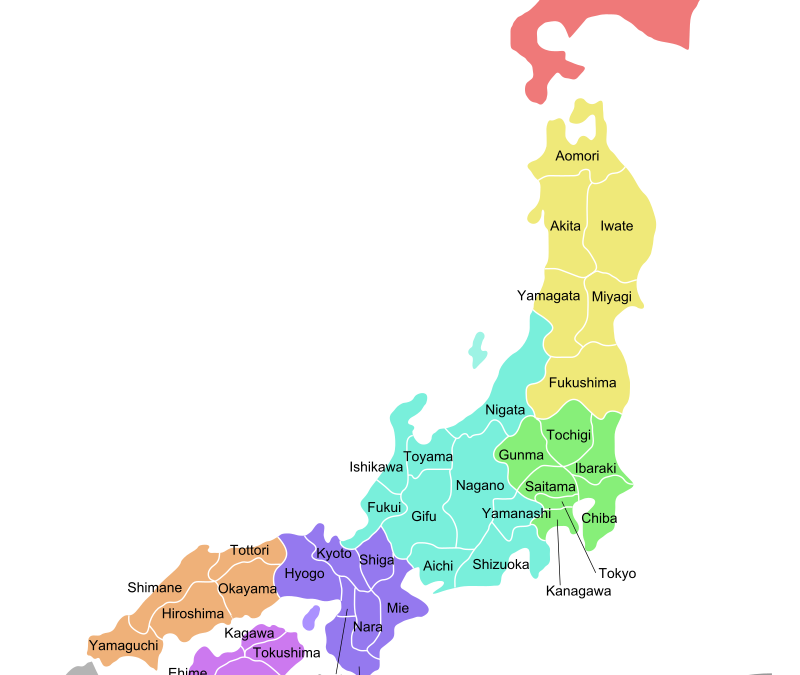
Kawaguchi sits on the south rim of Saitama Prefecture, in the Kantō region, with the Arakawa river separating it from the northern wards of Tokyo. In Edo-period terms the location was decisive: the town lay within a single day’s haul of the Edo market, and the Arakawa carried both goods and the fine river sand that a foundry needs. A casting town wants three things — fuel, sand, and a market — and Kawaguchi had the last two in unusual measure, with the capital itself just over the water.
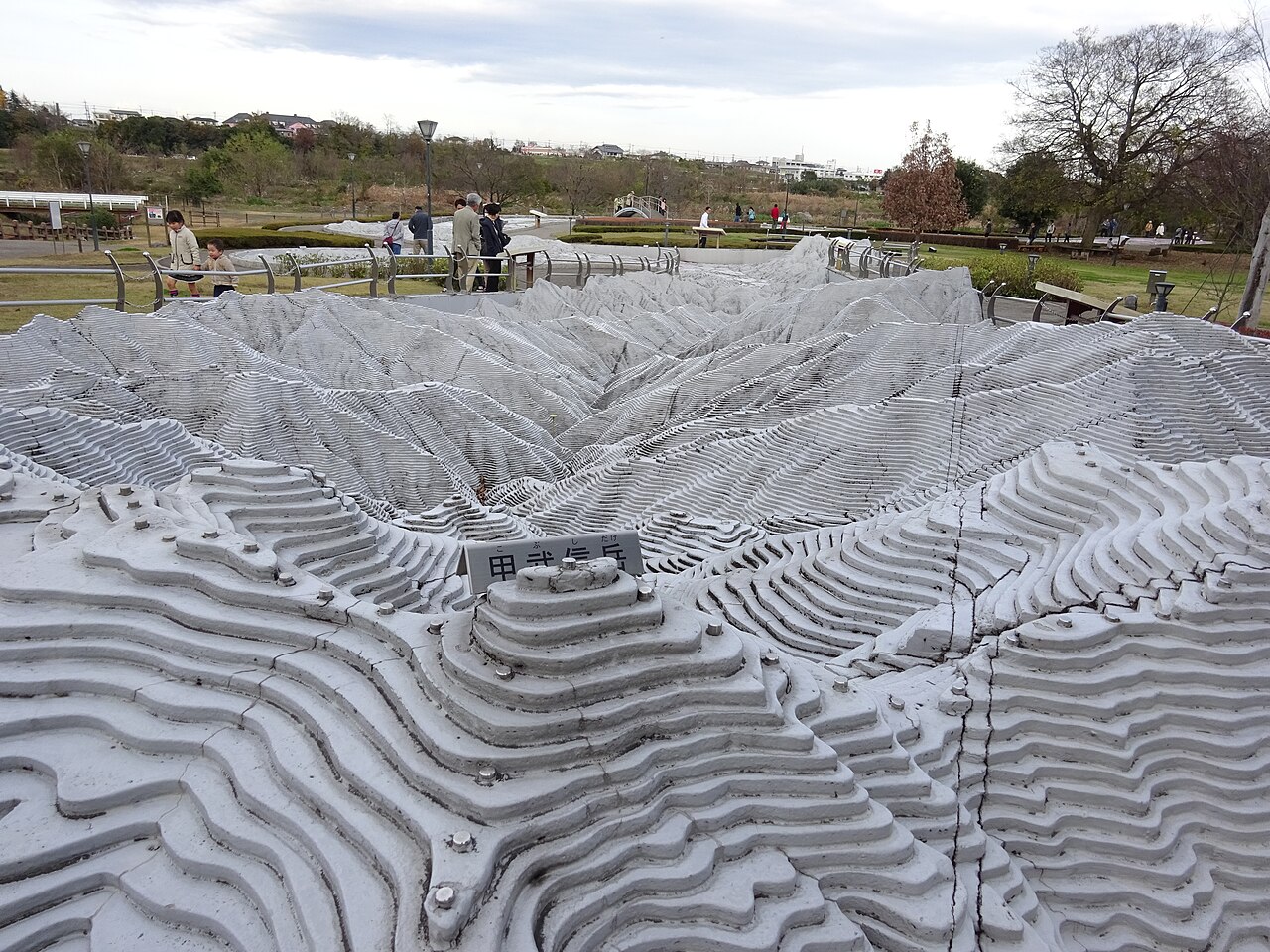
The reason casting took root here, rather than somewhere else near Edo, is geological as much as commercial. Mold sand has to be fine and consistent to hold detail and survive the heat of poured iron, and the Arakawa’s deposits were well suited to it. Combine that with a river highway to a city of more than a million consumers, and Kawaguchi had the raw conditions to specialize in everyday iron goods — cooking pots, kettles, and agricultural tools — for the capital.
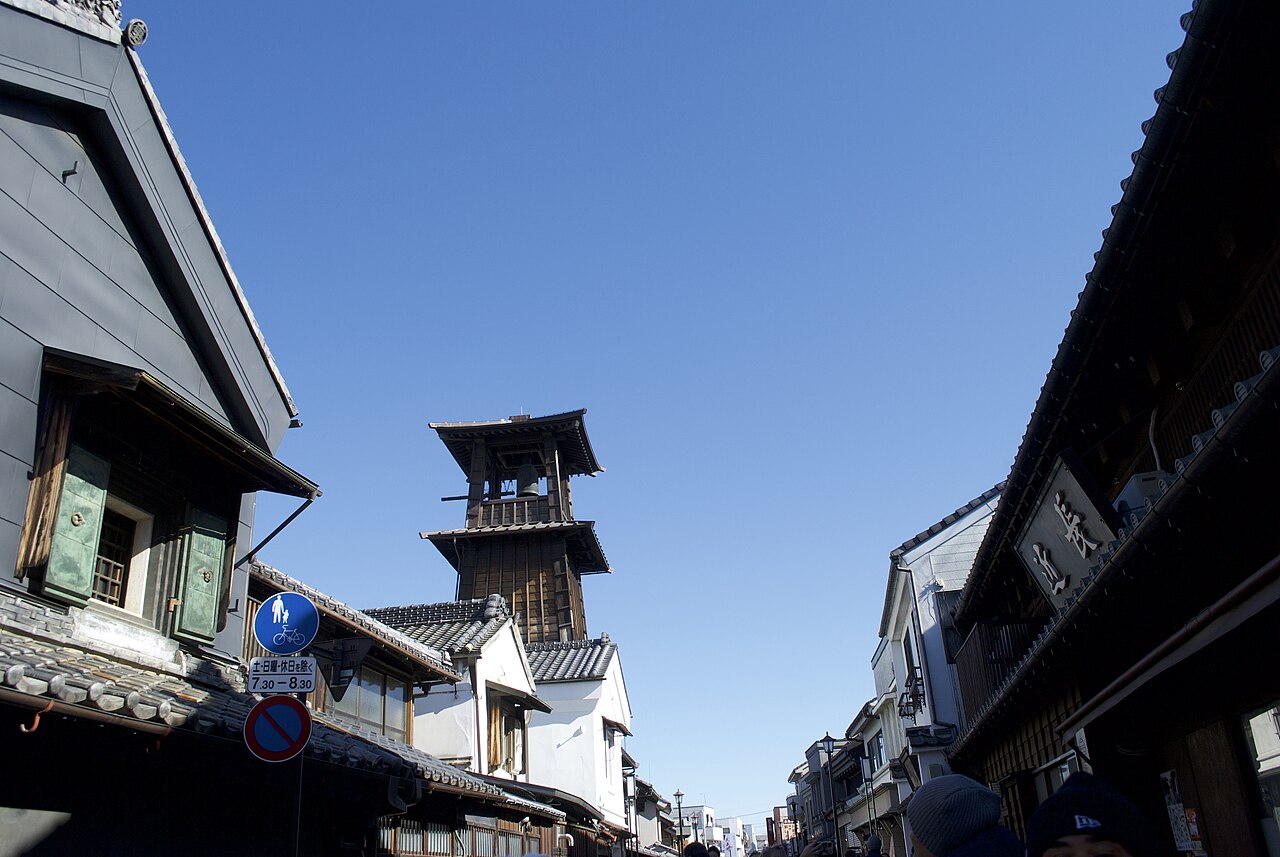
Kawaguchi became a casting center in the Edo period and never stopped. When Japan industrialized in the Meiji era, the town’s foundries scaled up from household ironware into machinery, water pipes, and architectural castings — the structural metalwork of a modernizing nation. The forest of cupola furnaces that resulted gave Kawaguchi its enduring nickname, “the town of cupolas,” fixed in the national memory by the 1962 film Kyupora no aru Machi, set in the city’s foundry district.
- Edo period (1603–1868) — Kawaguchi establishes itself as a casting town, supplying iron pots, kettles, and tools to the Edo market via the Arakawa.
- Late Edo — The town’s position on the Nakasendo highway and across the river from Edo cements its role as the capital’s everyday-ironware supplier.
- Meiji era (1868–1912) — Foundries industrialize into machinery, water pipes, and architectural castings.
- 20th century — Kawaguchi becomes known nationwide as “the town of cupolas.”
- 1962 — The film Kyupora no aru Machi (“The Town of Cupolas”) sets the foundry district in national cultural memory.
- Today — Kawaguchi Imono is a recognized traditional craft, and its sand-casting heritage carries into modern cast iron cookware.
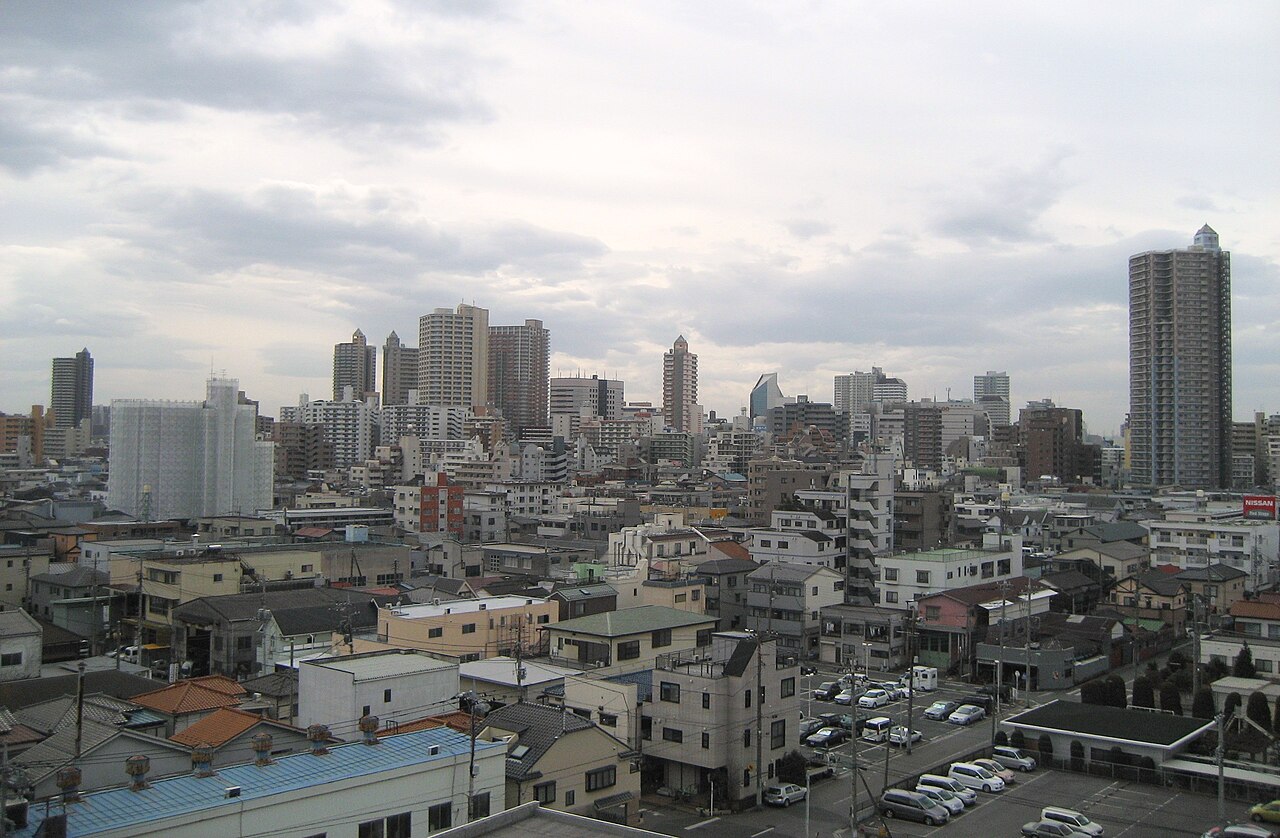
“Kawaguchi was a foundry town before Tokyo was the capital — its casters poured the cooking pots of Edo, then the water pipes of modern Japan.”
That long arc is what a cast iron skillet from this lineage carries. The same craft logic that produced industrial castings — even, controlled cooling of iron in a sand mold — is what gives a heavy skillet its prized property: it heats slowly, holds heat evenly across the cooking surface, and releases it steadily into the food. The continuity is in the method, not in marketing language.
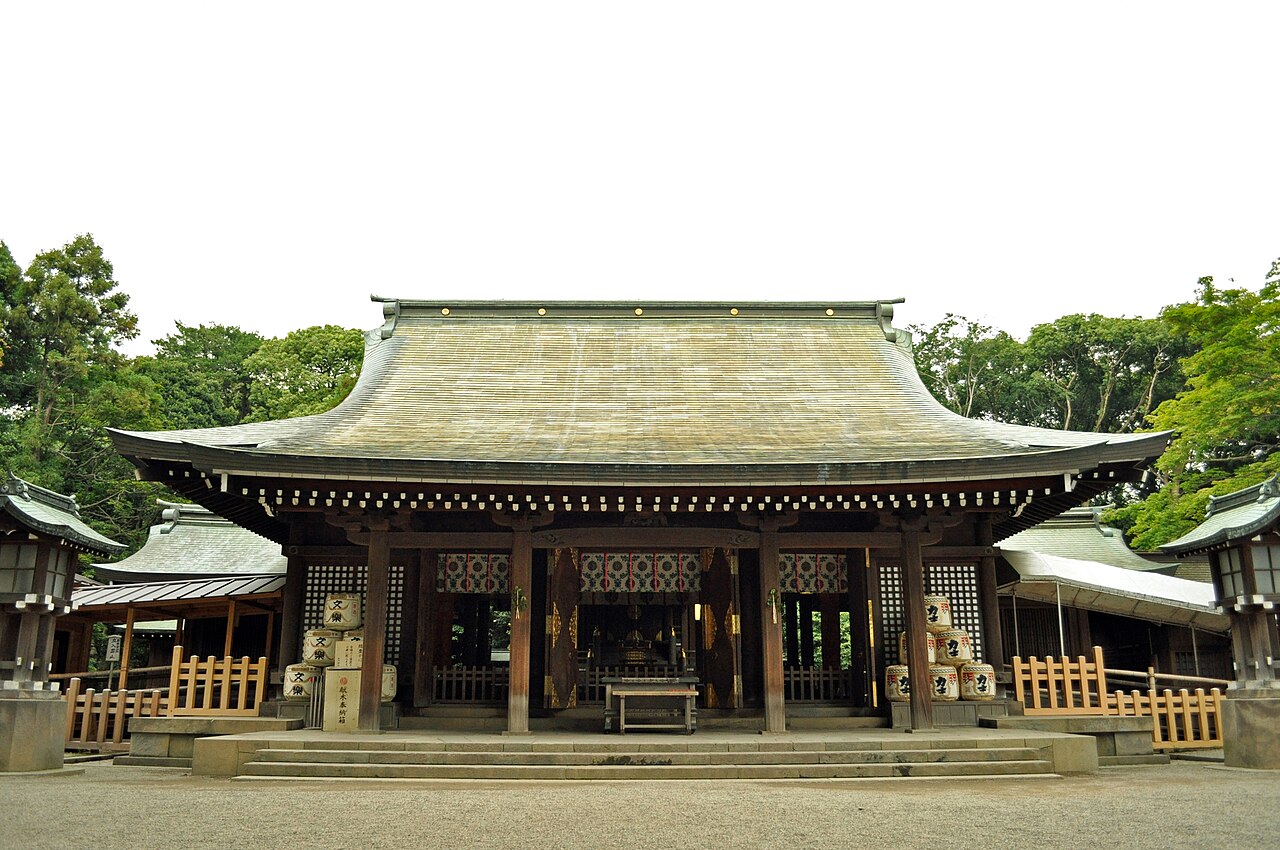
The cultural landscape around Kawaguchi is older still. Omiya’s Hikawa Shrine, the head shrine of the old Musashi province that once covered this stretch of the Kantō plain, anchors the region; nearby Kawagoe — “Little Edo” — preserves the Kurazukuri warehouse streets and the Toki no Kane bell tower of the merchant Saitama that traded with the capital. Kawaguchi’s foundries were one practical thread in that wider Edo-supply fabric. The skillet is a small, usable piece of it.
Other Japanese craft objects covered on jpmono — including two more Saitama crafts and several metal traditions worth weighing against Kawaguchi cast iron.
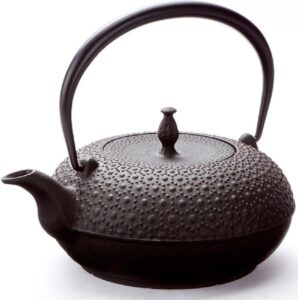 Nambu Tetsubin iron kettleIwate cast iron — kettle vs skillet
Sendai iron trivetForged iron — pairs under a hot pan
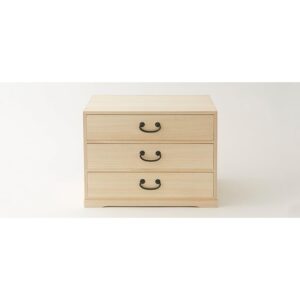 Kasukabe paulownia chest (Saitama)Same prefecture, woodwork
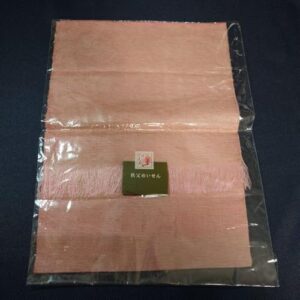 Chichibu Meisen silk scarf (Saitama)Same prefecture, textile
 Ogawa Hosokawa-shi washi (Saitama)Same prefecture, washi paper
Tsubame stainless cutleryNiigata metalworking — tableware
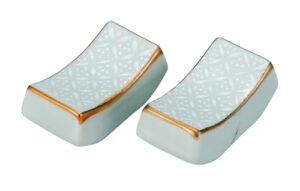 Owari Shippo cloisonnéAichi enamel metalwork
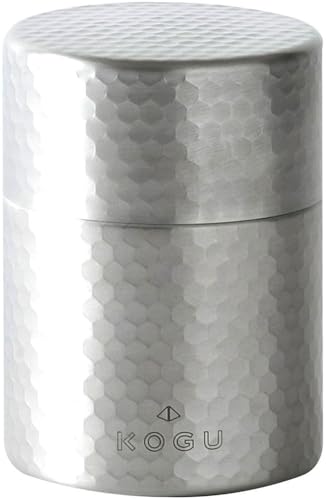 Kaikado tin caddyKyoto tinware — soft metal craft
Price snapshot across stores
Live pricing for this exact listing was not available in the fetched data. The table records where to buy and how each path works; check the listing for the current figure before purchasing.
| Store | Item / Variant | Price | Notes |
|---|---|---|---|
| 🇺🇸 Amazon.com (US) | Browse Japanese cast iron skillets | varies (USD) | Best if you’re shopping from the US — Prime shipping, USD pricing, no international customs. Amazon US carries Japanese and Western cast iron skillets for comparing size, weight, and price tiers; the Kawaguchi piece itself ships from Japan (next row). |
| 🇯🇵 Amazon JP Global Store | Kawaguchi Imono cast iron skillet (this item) | Check listing (¥ unavailable in data) | Where this specific item is sourced. Ships internationally from Japan to most major destinations. JPY is the authoritative price; confirm on the listing. |
| Maker direct | Kawaguchi foundry / craft retailers | Varies | Some Kawaguchi makers sell direct domestically; international shipping is not always offered. Useful for confirming size and finish options. |
| Proxy services (Buyee / Tenso) | Any domestic JP listing | Item + forwarding fee | Use when an item is only sold on Japan-domestic stores. Adds a forwarding fee and consolidated international shipping; watch for customs duty on heavier iron parcels. |
Prices and stock fluctuate. USD figures are approximate and depend on the current exchange rate (¥150/USD baseline as of mid-2026); the JPY price is the authoritative one for the specific listed item.
What it does well
Sand-cast iron heats slowly and holds heat across the surface, which suits searing and steady frying. The data suggests this is the core appeal versus thin stamped pans.
Cast iron develops a naturally non-stick patina with use. Based on the material, the surface improves rather than degrades over years.
Kawaguchi Imono is a recognized traditional craft with a verifiable Edo-to-Meiji foundry history — not generic “artisan” framing.
Heavy cast iron is among the most durable cookware categories; with basic care it can outlast the cook. Oven and (generally) induction compatible — verify on the listing.
Weaknesses and things to verify before buying
- Thin listing data. The fetched dataset returned no confirmed diameter, weight, or live price for this ASIN. Verify all dimensions on the retailer page before you commit.
- Heavy. Seasoned cast iron is heavy by nature. If you have wrist or grip limitations, or want a pan you can flip food in single-handed, this is not it.
- Maintenance required. Cast iron is not dishwasher-friendly and can rust if left wet. It needs hand-washing, drying, and periodic re-oiling. Buyers expecting zero-maintenance non-stick should pass.
- Shipping weight and customs. Iron parcels are dense; international shipping cost and the chance of customs duty are higher than for light goods. Factor this into the total price.
- Induction not guaranteed in writing. Most cast iron works on induction, but the listing did not confirm it in the fetched data. If you cook on induction, confirm compatibility explicitly.
- Handle and oven limits unstated. Whether the handle stays cool, and any oven temperature limit, were not in the data. Check before oven use.
- Price not benchmarked. With no live price captured, we cannot say whether it is competitive against a comparable Lodge or Staub. Compare at purchase time.
Conclusion — which buyer type are you?
You want a documented regional craft object and will pay for lineage. This is a strong fit — buy the Kawaguchi piece and verify size on the listing.
You want one good iron pan for daily cooking. A fit, provided the confirmed dimensions match your stove and you accept hand-washing.
If a hardware-store skillet would satisfy you and heritage is secondary, a mass-market cast iron pan delivers similar cooking performance for less.
You want light, dishwasher-safe, low-maintenance cookware. Cast iron — Kawaguchi or otherwise — is the wrong category for you.
Other ways to approach this purchase
Amazon JP Global Store pricing moves with seasonal sales and exchange rates. If you are not in a hurry, watch the listing for a dip.
Cast iron is famously restorable. A rusted second-hand pan can be stripped and re-seasoned, though provenance is harder to confirm than a current listing.
If you buy through Amazon regularly, applying reward points or a co-branded card offsets the shipping premium on a heavy iron item.
If maintenance or weight is a dealbreaker, a quality enameled or stainless pan is a more honest match — no shame in choosing the right tool.
🏆 Editor’s Pick
❓ Frequently Asked Questions
Does the Kawaguchi Imono skillet ship internationally?
What size and weight is it?
Can I use it on an induction cooktop?
How do I care for and season it?
How is this different from a Lodge or Staub skillet?
Is Kawaguchi Imono a recognized traditional craft?
Is it a good gift?
jpmono.com is curated by a Japan-based editorial team (working out of Toyama in the Hokuriku region and Nara in Kansai) and is independent. We do not take payment from the makers we feature; income comes from affiliate links. We do not physically test every product — we read maker specs and source listings — and we say so plainly when the data is thin.
This article was prepared with AI assistance and reviewed against the source listing data. Specifications, pricing, and availability should be confirmed on the retailer page before purchase.
Affiliate disclosure: jpmono.com may earn a commission on qualifying purchases made through links on this page, at no additional cost to you.