![Moka Momen Indigo Cotton Tenugui: Tochigi’s Edo Cotton King [2026]](https://jpmono.com/wp-content/uploads/2026/05/japan-map-regions-and-prefectures-800x1050.png)
- What it is: A hand-woven, indigo-dyed cotton tenugui (hand towel / all-purpose cloth) in Moka Momen, the cotton that once set the standard for Edo.
- Made in: Moka, Tochigi Prefecture (Kantō region) — hand-woven and naturally indigo-dyed by the Moka Momen Kaikan preservation society.
- Price band: Typical of hand-woven natural-indigo cloth — above mass-printed tenugui.
- Best for: Buyers who want a genuinely hand-woven, plant-dyed textile with a documented Edo-era pedigree, not a screen-printed souvenir.
- Skip if: You want a bright, colorfast, machine-washable printed cloth — natural indigo bleeds and deepens over time.
- Shipping: ships internationally from Amazon Japan — jump to our pick ↓
In the late eighteenth century, the cloth merchants of Edo used one word as shorthand for the best cotton money could buy: Mōka. The bolts came from a district on the Kinugawa river in what is now Tochigi Prefecture, and at the Tenmei–Kansei peak the Moka area reportedly sent the bulk of the capital’s cotton south — on the order of hundreds of thousands of tan (bolts) a year. A tradition even holds that Moka Momen (真岡木綿, “Moka cotton”) reached the shogunal household itself.
This tenugui revives that weave. It is plain-weave cotton, hand-woven and dyed in natural indigo (aizome, 藍染) by the Moka Momen Kaikan (真岡木綿会館), the preservation society that kept the craft alive after cheap imported machine cotton wiped out commercial production in the Meiji era. What you are buying is not a print of an old pattern — it is the pattern’s material itself, made the slow way.
This guide is written for the international reader deciding whether a plant-dyed, hand-woven cloth is worth more than a printed one. We cover what the object actually is, how to read its natural-indigo behavior, where Moka sits in Japan and in history, how it compares to other Japanese indigo and cotton textiles, and practical ways to find this kind of textile outside Japan.
📅 Published: July 4, 2026
🔄 Updated: July 4, 2026
⏱️ Read time: ~9 min
ℹ️ Natural-indigo cotton is a plant-dyed, hand-woven textile; exact dimensions and care details vary by maker.
- Who this is for — and who should skip it
- Product overview (from published specs)
- Where to buy
- 📦 Shipping & where to buy from outside Japan
- What it does well
- Weaknesses and things to verify before buying
- Where this comes from — place, era, and the craft tradition
- Conclusion — which buyer type are you?
- Other ways to approach this purchase
- ❓ Frequently Asked Questions
Who this is for — and who should skip it
- Want a genuinely hand-woven, plant-dyed textile, not a screen print
- Value a documented Edo-era pedigree over decorative novelty
- Like objects that change — indigo that deepens and softens with use
- Use tenugui the way they were meant to be used: towel, wrap, headband, gift-wrapping cloth
- Appreciate supporting a working preservation society rather than a factory
- Expect bright, fully colorfast dye that never bleeds
- Want to machine-wash it with everything else on day one
- Need a hemmed, non-fraying edge (traditional tenugui edges are cut, not hemmed)
- Are shopping purely on price against printed cotton towels
- Want a large bath towel — a tenugui is a thin, single-layer cloth
Product overview (from published specs)
The notes below distinguish established Moka momen characteristics from details that can vary between makers. We do not infer measurements or other unconfirmed attributes.
| Attribute | Detail | Source |
|---|---|---|
| Craft / textile | Moka Momen (真岡木綿) — plain-weave cotton | Maker direct |
| Item type | Tenugui (手ぬぐい) — hand towel / all-purpose cloth | Product title |
| Dye | Natural indigo (aizome, 藍染) | Maker direct |
| Construction | Hand-woven; cut (unhemmed) short edges, traditional tenugui | Maker direct |
| Origin | Moka, Tochigi Prefecture, Kantō region, Japan | Maker direct |
| Dimensions | — | — |
| Price | — | — |
📖 Glossary — key terms
- Momen (木綿) — cotton cloth. “Moka Momen” means, literally, “Moka cotton.”
- Tenugui (手ぬぐい) — a thin, single-layer rectangular cotton cloth used as a towel, headband, wrapping cloth, or décor. The short ends are traditionally cut, not hemmed.
- Aizome (藍染) — dyeing with natural indigo fermented from the tade-ai plant. Produces the deep blue Westerners once called “Japan blue.”
- Tan (反) — a traditional bolt of cloth, roughly enough for one kimono. Edo-era output was measured in tan.
- Kinugawa (鬼怒川) — the river running through the Moka district; its soft water suited both weaving and indigo dyeing.
Other Japanese indigo, cotton, and regional textiles we’ve covered — useful for weighing weave, dye method, and price tier.
 🧣 Chichibu Meisen Silk Scarf →
 👔 Kiryu-ori Silk Necktie →
🟦 Yumihama-gasuri Indigo Cotton Runner →
 👛 Iyo-Gasuri Indigo Coin Purse →
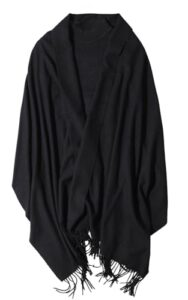 🧶 Kishu Nel Cotton Muffler →
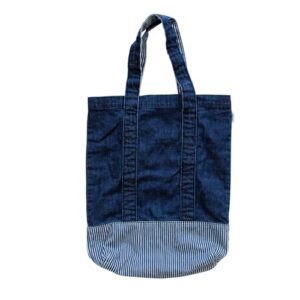 👜 Kojima Denim Selvedge Tote →
Where to buy
JPY (¥) is the authoritative price for the specific listed item; USD figures are approximate estimates at a ¥150/USD baseline as of mid-2026. Prices and USD conversion depend on the current exchange rate and may have changed since writing.
| Store | Item / Variant | Price | Notes |
|---|---|---|---|
| 🇺🇸 Amazon.com (US) | Browse Japanese indigo cotton tenugui | varies (USD) | Best if you’re shopping from the US — Prime shipping, USD pricing, no international customs. Amazon US carries Japanese indigo and cotton textiles from various makers, useful for comparing weave and price tiers. The Moka Momen Kaikan piece is sourced from Japan (next row). |
| 🇯🇵 Amazon JP Global Store | Moka Momen Kaikan hand-woven indigo tenugui | — | Ships internationally from Japan. |
| Maker direct | Moka Momen Kaikan (真岡木綿会館) | Varies | The preservation society’s own shop in Moka; typically domestic sales, so overseas buyers may need a proxy. |
| Proxy services (Buyee / Tenso) | Forwarding from Japan | Item + fees | Useful when a maker or shop does not ship abroad directly; adds a service fee plus international postage. |
📦 Shipping & where to buy from outside Japan
For international orders, postage for a light tenugui varies by destination, carrier, and service. Customs charges may apply when an order exceeds the destination country’s threshold, so check the rules for your country before ordering.
If buying from outside Japan, availability and forwarding options vary by destination. A proxy service may help with a domestic retailer, while comparable Japanese indigo textiles can also be found through international craft retailers.
- 🍽️ Machine wash: not recommended at first — hand-wash a natural-indigo cloth separately in cool water; the dye bleeds early on.
- 🧴 Daily care: no bleach; dry in shade. Natural indigo lightens and softens gradually with washing and use — this is expected, not a defect.
- 🧵 Edges: traditional tenugui short ends are cut, not hemmed. They fray a little at first, then stabilize; trim loose threads rather than pulling them.
For hand-woven natural-indigo (aizome) cotton, wash gently, avoid prolonged soaking, and dry it away from strong heat or direct sun.
What it does well
Weaknesses and things to verify before buying
- Natural indigo bleeds. Early washes will release blue. Wash separately in cool water until the water runs clear; do not pair with light-colored laundry at first.
- It is not a bath towel. A tenugui is a single thin layer — it dries fast and wrings out easily, but it will not wrap you like terrycloth.
- Cut edges fray. The unhemmed short ends are traditional and intentional; they shed a few threads before settling. Buyers wanting a finished hem should look elsewhere.
- Size varies by product. Check the product details before ordering.
- Availability varies. Hand-woven, plant-dyed cloth sits above printed cotton.
- Pattern and colorway vary. Hand-dyeing means slight variation between pieces; the item you receive may differ subtly from the photo.
Where this comes from — place, era, and the craft tradition

Moka is a river town in the south of Tochigi Prefecture, in the inland Kantō plain north of Tokyo. This is not coastal or mountainous Japan; it is flat, warm, river-fed farmland — the kind of ground where cotton and indigo both grow well. The Kinugawa (鬼怒川) river system runs through the district, and its soft water is the quiet reason the craft settled here: the same clear mountain-fed water that suited weaving also suited the fermentation and rinsing that natural indigo demands.
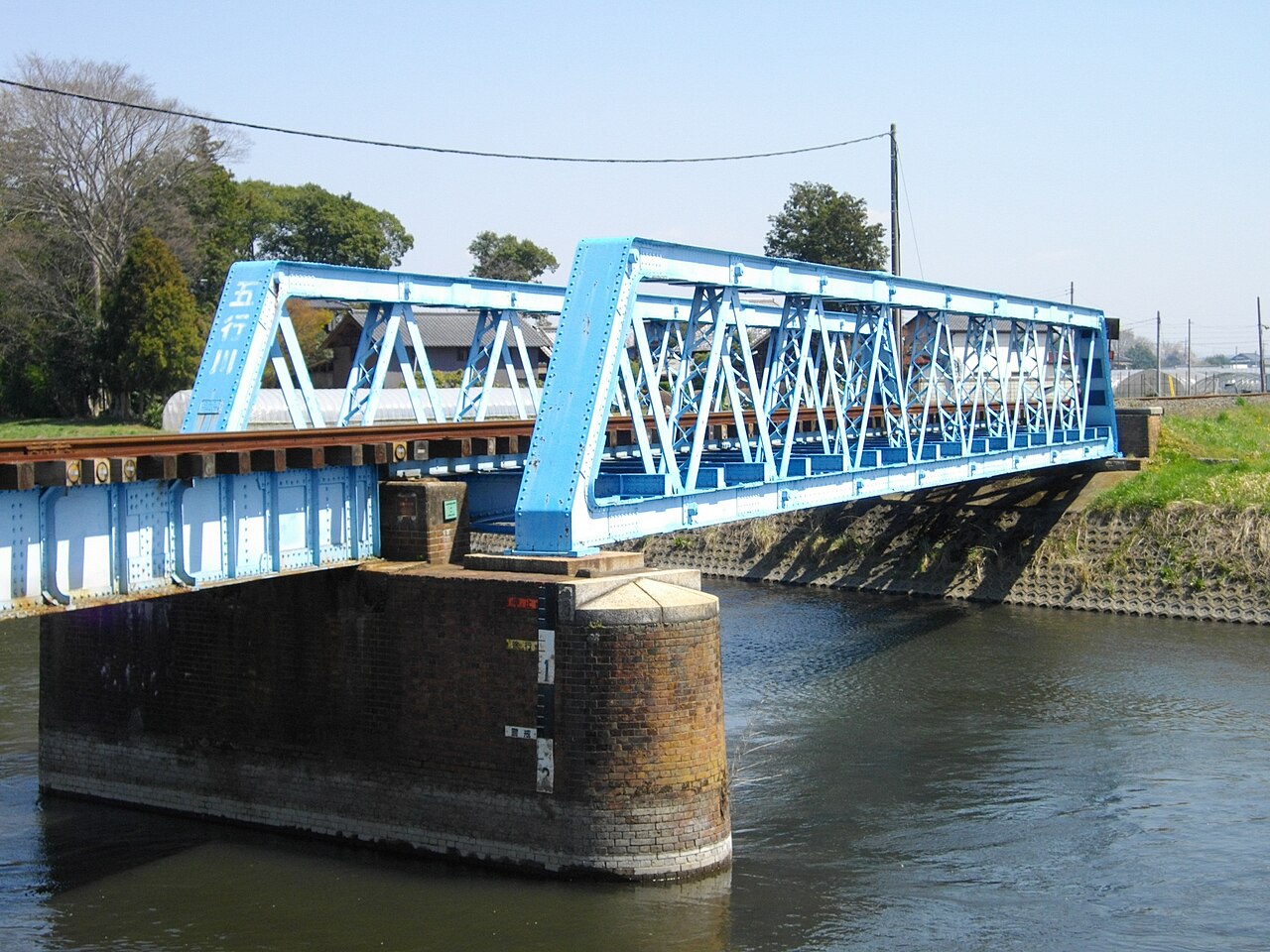
By the mid-Edo period, cloth woven in and around Moka had become the benchmark of quality cotton for the Edo market. Traders did not need to explain what “Moka” meant — the name itself signaled top-grade momen. At the Tenmei–Kansei peak in the late eighteenth century, the district reportedly supplied the bulk of the capital’s cotton cloth, on the order of hundreds of thousands of tan (bolts) per year. A tradition even holds that Moka Momen was used by the shogunal household.
“In the cloth halls of Edo, one word meant the best cotton on the market — and that word was the name of a small river town in Tochigi.”
The region’s revival instinct runs deep. The agrarian reformer Ninomiya Sontoku (二宮尊徳) carried out his Hōtoku (報徳) rural-revitalization program in the nearby Sakuramachi domain in the early nineteenth century — a story of exhausted farmland brought back to productivity. It is a fitting neighbor to Moka Momen’s own arc: prosperity, collapse, and deliberate revival.
- 17th c. — Cotton cultivation and weaving spread across the Kinugawa lowlands around Moka.
- Mid-Edo — Moka Momen becomes the benchmark quality cotton for the Edo market.
- 1781–1801 (Tenmei–Kansei) — Peak output: the district reportedly supplies the bulk of Edo’s cotton, on the order of hundreds of thousands of tan a year.
- c. 1820s–1830s — Ninomiya Sontoku’s Hōtoku agrarian reforms in the nearby Sakuramachi domain.
- Meiji era (from 1868) — Cheap imported machine cotton collapses commercial Moka Momen production.
- Modern revival — The Moka Momen Kaikan preservation society revives hand-weaving and natural indigo dyeing.
- 2026 — Still hand-woven and indigo-dyed in Moka, sold as tenugui and other cloth.
What “still being made here” means, in practice, is a preservation society rather than a mass industry. When imported machine cotton undercut the trade in the Meiji era, hand-weaving in Moka effectively ended as a business. The Moka Momen Kaikan exists to keep the weaving and the natural-indigo dyeing alive — teaching, producing, and selling the cloth so the knowledge does not disappear. Buying a piece is, materially, part of that continuity.
Conclusion — which buyer type are you?
Other ways to approach this purchase
❓ Frequently Asked Questions
What is Moka Momen, exactly?
Moka Momen is cotton cloth woven in and around Moka, in Tochigi Prefecture. In the mid-Edo period it became the benchmark for quality cotton on the Edo market, and the name “Moka” came to signal top-grade momen (cotton). Today it is hand-woven and naturally indigo-dyed by the Moka Momen Kaikan preservation society.
Will the indigo dye bleed?
Yes, early on. Natural indigo (aizome) releases blue in the first washes. Hand-wash the cloth separately in cool water until the water runs clear, avoid bleach, and dry it in shade. The color lightens and softens gradually with use — that change is expected, not a flaw.
Why are the edges not hemmed?
Traditional tenugui have cut (unhemmed) short ends. They fray slightly at first and then stabilize; the design lets the cloth dry quickly and be torn to size if needed. Trim any loose threads rather than pulling them.
Can it ship outside Japan?
Moka momen tenugui are typically available through specialist Japanese textile retailers. Their light weight makes them practical to send abroad, though forwarding fees and customs treatment vary by destination.
How is it different from other Japanese indigo textiles?
Moka Momen is a plain-weave cotton with a specific Edo-market pedigree from Tochigi. It differs from, say, Awa aizome tenugui (Tokushima’s indigo) or the kasuri ikat cottons of Yumihama and Iyo, which use different regions, weaves, and dye-resist techniques. See the comparison box above for those alternatives.
Is it a good gift?
It suits gift-giving well: it is light, packs flat, ships inexpensively, and carries a genuine story. Pair it with a short note on the Edo-cotton history and the preservation society, and it reads as thoughtful rather than generic.
Why doesn’t the article show a fixed price?
Prices for hand-woven indigo cotton vary with size, dyeing, and workmanship. Compare current seller information rather than treating an unverified figure as a standard price.
jpmono.com is curated by a Japan-based editorial team (working out of Toyama in the Hokuriku region and Nara in Kansai) and is independent. We do not take payment from the makers we feature; income comes from affiliate links. We do not physically test every product — we describe maker specifications and published craft information. Read more about our editorial standards.
🤖 This article was drafted with AI assistance and edited by our team. Craft history notes are presented as tradition-based context.
Affiliate disclosure: jpmono.com may earn a commission on qualifying purchases made through links on this page, at no additional cost to you.