![Maruhachi Seichajo Kenjo Kaga Bocha (献上加賀棒茶, sealed bag/tin) — Kaga’s roasted twig tea from Ishikawa on the Sea of Japan [2026 Guide for International Readers]](https://jpmono.com/wp-content/uploads/2026/07/maruhachi-kaga-bocha-roasted-twig-tea-where-to-buy-2026-featured.jpg)
- What it is: Roasted twig tea (bocha) — a deep-roasted infusion of tea stems, not leaves.
- Made in: Kaga City, Ishikawa, on the Sea of Japan coast — Maruhachi Seichajo (丸八製茶場) has roasted tea here since 1863.
- Price band: everyday-tea range for a specialty regional roast (see the live listing) — never an invented figure.
- Best for: readers who want a light, low-astringency, toasted cup that travels well as a gift or pantry staple.
- Skip if: you are after the bright grassiness of sencha or the concentrated intensity of matcha.
- Shipping: ships internationally from Amazon Japan — jump to our pick ↓
Most Japanese teas are made from the leaf. This one is made from the parts most tea houses throw away — the tender stems and twigs (kuki, 茎) left over after the first-flush leaves are picked.
Maruhachi Seichajo, a tea house established in 1863 in Kaga City, Ishikawa Prefecture, built its reputation by taking those stems and roasting them hard — to a glossy amber — until they give up a toasted, almost caramel-like aroma. The result is Kaga Bocha (加賀棒茶), the signature roasted tea of the Kaga and Kanazawa region on the Sea of Japan coast. Maruhachi’s best-known version carries the name Kenjo Kaga Bocha (献上加賀棒茶) — “kenjō” meaning “presented to the throne” — after a bocha said to have been prepared for the Shōwa Emperor.
This guide is written for international readers who have never seen twig tea sold as a premium product. It explains what bocha is, how it differs from ordinary hojicha and from leaf teas like sencha and matcha, the castle-town tea culture of Kaga that produced it, and how to order the sealed bag or tin through Amazon Japan’s Global Store. It is a tea, not a supplement — we describe flavor, roast, origin, and shelf-life only.
🔄 Updated:
⏱️ ~10 min read

- Who this is for — and who should skip it
- Product overview (from published specs)
- 📍 Where this comes from — place, era, and the craft tradition
- Which finish should you choose?
- 📌 How does it compare?
- Price snapshot across stores
- What it does well
- Weaknesses and things to verify before buying
- Conclusion — which buyer type are you?
- Other ways to approach this purchase
- 🏆 Editor’s Pick
- ❓ Frequently Asked Questions
Who this is for — and who should skip it
- Want a light, low-astringency everyday tea you can drink late without a heavy leaf-tea kick.
- Like the toasted, roasted-grain aroma of hojicha but want something clearer and less earthy.
- Need a gift or souvenir that survives shipping — fully dry, sealed, and non-melting.
- Are curious about regional Japanese specialties beyond matcha and sencha.
- Enjoy pairing tea with wagashi (Japanese sweets) rather than a bold standalone brew.
- Want the vivid, grassy sweetness of a first-flush sencha or gyokuro.
- Are looking for the concentrated intensity and body of whisked matcha.
- Expect a strongly caffeinated cup to replace coffee (bocha reads as gentle).
- Need a guaranteed delivered price today — pricing and stock shift on the listing.
- Cannot receive food imports, or your country is outside AmazonGlobal eligibility.
Product overview (from published specs)
ℹ️ Live pricing and some pack specs were not in our snapshot — the linked Amazon Japan listing is authoritative, and unconfirmed attributes are marked below.
Maruhachi Seichajo Kenjo Kaga Bocha (献上加賀棒茶, sealed bag/tin)
丸八製茶場献上加賀棒茶60g
在庫あり。 · Sold by 東京土産・全国お土産(適格請求書発行可能) · ASIN B0777NG1JT
Price and availability as of 2026-08-31 02:30 JST. The Amazon listing at the time of purchase is authoritative. jpmono.com earns a commission on qualifying purchases at no extra cost to you.
| Attribute | Detail (per maker / Amazon JP listing) |
|---|---|
| Product | Kenjo Kaga Bocha (献上加賀棒茶) — sealed bag / tin |
| Maker | Maruhachi Seichajo (丸八製茶場), established 1863, Kaga City, Ishikawa |
| Type | Roasted twig tea — bocha / hoji-roasted kukicha (茎茶) |
| Raw material | Stems and twigs (kuki) of tender first-flush tea, deep-roasted (hōji) |
| Form | Sealed dry leaf or tea bags; tin and gift-box versions exist |
| In the cup | Light body, low astringency, toasted amber aroma, clear coppery liquor |
| Origin | Kaga, Ishikawa Prefecture, Hokuriku region (Sea of Japan) |
| Shelf-life | Shelf-stable at room temperature with a best-by date; non-melting, no refrigeration |
| Amazon JP ASIN | B0777NG1JT (Global Store, sourced listing) |
| Price | Not in our snapshot — see the live listing (do not rely on a figure quoted elsewhere) |
Sources: Amazon US search (primary, moonill-20) + Amazon JP Global Store (secondary, moonill-22, sourced listing) + maker direct. Spec sheets indicate the above; live values are authoritative on the listing.
- 🫙 Storage: keep sealed, dry, cool, and away from light; reseal the bag or tin firmly after each use.
- ♨️ Brewing: use hot water and a short steep — the stems give up their toasted aroma quickly and rarely turn bitter.
- 🗓️ Shelf-life: fully dry and shelf-stable at room temperature; follow the best-by date and drink within a reasonable window for peak roast aroma.
- 🍵 Character: reads as gentle and low in astringency; a tea to sip through the day rather than a concentrated single cup.
📖 Glossary — key terms
- bocha (棒茶) — literally “stick/stem tea”; a tea brewed from the stems and twigs of the tea plant, a Kaga-region specialty.
- kukicha (茎茶) — “stem tea”; the broader category of teas made from stems rather than leaves.
- hojicha (焙じ茶) — roasted green tea; the roasting step (hōji) is what gives it its toasted color and aroma. Kaga Bocha is a hoji-roasted stem tea.
- ichibancha (一番茶) — the first flush, the earliest and most tender spring harvest.
- kenjō (献上) — “presented / offered to a superior,” historically to the throne; the source of the “Kenjo” in the product name.
- Kaga domain — the Maeda-family domain centered on Kanazawa, one of the wealthiest in Edo-period Japan, known for a refined tea and craft culture.
- Hokuriku — the Sea of Japan coastal region that includes Ishikawa, Toyama, and Fukui.
📍 Where this comes from — place, era, and the craft tradition

Kaga City sits at the southern edge of Ishikawa Prefecture, on the Sea of Japan side of Japan’s main island, in the region called Hokuriku. It is a landscape of humid winters, heavy snow, and a long coastline — conditions that shaped a food culture built around preservation, roasting, and warmth. The prefecture’s cultural center, Kanazawa, lies a short way north; to the south, Kaga borders Fukui. Travelers often know the area through Kaga Onsen, its cluster of historic hot-spring towns.
The reason a refined tea culture took root here is largely historical. Through the Edo period, Kaga was the seat of the Maeda family’s domain — the Kaga domain, one of the wealthiest in the country. That wealth funded a deep investment in the arts, crafts, and the tea ceremony, and the castle towns of Kanazawa and Kaga developed everyday tea-drinking habits well beyond the national average.
-
1600s–1800s — The Kaga domain (Maeda family), one of Japan’s wealthiest, cultivates a refined tea culture in the castle towns of Kanazawa and Kaga. -
1861–1864 — The Bunkyū era, the period in which Maruhachi Seichajo is founded. -
1863 — Maruhachi Seichajo is established in Kaga City, Ishikawa. -
Meiji–Taishō era — Roasted twig tea (bocha) develops as a regional Kaga specialty, deep-roasting the stems left over from leaf-tea processing. -
Shōwa era (1926–1989) — A roasted bocha is prepared for the Shōwa Emperor; the “Kenjō” (“presented to the throne”) name commemorates it. -
2026 — Maruhachi Seichajo continues to roast tender first-flush stems in Kaga City.
Maruhachi Seichajo’s contribution, from its founding in 1863, was to treat the stem not as a byproduct but as the point. Ordinary hojicha roasts leftover leaves; Kaga Bocha roasts the tender stems of the first flush (ichibancha) and roasts them deeply, to a glossy amber. The distinction matters in the cup: stems carry less of the astringent, grassy compounds of the leaf, so the resulting infusion is lighter in body, gentler on the palate, and clearer — a coppery liquor rather than a green or brown one.
“Bocha is not a lesser tea made from lesser leaves — it is the deliberate roasting of the plant’s stems, and Kaga turned that idea into a signature.”
The product name earns its own footnote. “Kenjō” (献上) means “presented to a superior,” historically the throne, and Maruhachi’s Kenjo Kaga Bocha takes its name from a bocha said to have been prepared for the Shōwa Emperor. That lineage is why the tea is associated with first-flush stems specifically — the roast begins from the most tender raw material available, not the coarse leftovers a cheaper roasted tea might use.
Seasonally, the tea fits the region it came from. In a Hokuriku winter, a pot of freshly roasted bocha is warmth without weight; in summer, cold-brewed or chilled, its low astringency makes it easy to drink all day. It is, in Kaga tradition, a companion to wagashi — the local sweets culture that grew up alongside the Maeda domain’s tea ceremony — rather than a bold tea meant to stand alone.
Which finish should you choose?
This piece is listed in 2 options. The photos below are the actual サイズ options on the listing right now — pick the one you want and confirm it on the product page before ordering, since hand-finished wares vary slightly piece to piece.
![Maruhachi Seichajo Kenjo Kaga Bocha (献上加賀棒茶, sealed bag/tin) — Kaga's roasted twig tea from Ishikawa on the Sea of Japan [2026 Guide for International Readers] — 60グラム (x 2) finish](https://m.media-amazon.com/images/I/51QpbYxu8WL._SL500_.jpg)
📌 How does it compare?
Related guides on jpmono.com — other Japanese teas, tea ware, and pantry-friendly sweets worth comparing:

Hoshino Seichaen Yame Matcha (星野製茶園 八女抹茶, sealed 30–40g tin)
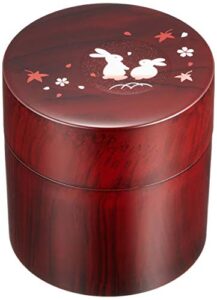

Yamanaka Rokuro Woodturned Tea Caddy: Ishikawa Zelkova Chazu
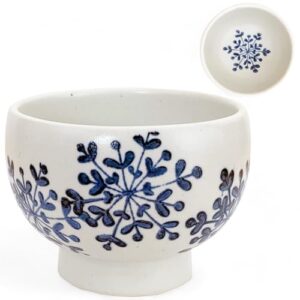

Ohi-yaki Amber-Glaze Matcha Chawan: Kanazawa’s Raku Tea Bowl
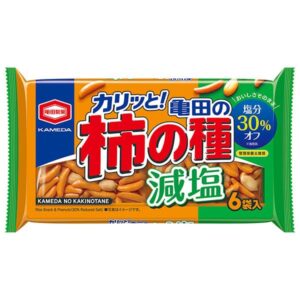

Kameda Kaki no Tane (亀田の柿の種, 6-bag box) — Niigata’s rice cracker
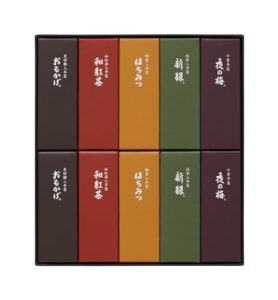

Toraya Small Yokan (Ko-gata Yōkan, 10-Bar Assorted Box) — Japanese sweets
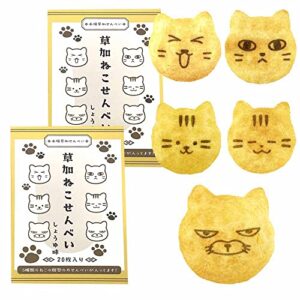

Soka Senbei (草加煎餅, individually-wrapped assortment box) — Saitama
Price snapshot across stores
Prices and stock fluctuate; the affiliate links carry the current data. JPY is the authoritative price for the specific listed item; USD figures, where shown, are approximate estimates (¥150/USD baseline as of mid-2026).
| Store | Item / Variant | Price | Notes |
|---|---|---|---|
| 🇺🇸 Amazon.com (US) | Browse Japanese roasted tea (hojicha & bocha) | varies (USD) | Best if you are shopping from the US — Prime shipping, USD pricing, no international customs. Amazon US carries Japanese roasted and stem teas from several makers, useful for comparing roast levels and pack sizes. Maruhachi’s exact Kenjo Kaga Bocha is sourced from Japan (next row). |
| Amazon JP Global Store | Kenjo Kaga Bocha (B0777NG1JT), sealed bag / tin | see live listing (¥ authoritative) | Ships internationally from Japan. Confirm AmazonGlobal eligibility for your country at checkout; a room-temperature food item with a best-by date. |
| Maker direct | Maruhachi Seichajo official store | varies (JPY) | Widest selection of bag, leaf, and tin/gift editions; Japanese-language checkout may need a proxy for overseas delivery. |
| Proxy services (Buyee / Tenso) | Forwards JP-only editions overseas | item + forwarding fee | Useful only for tin or gift editions not on the Global Store; adds a service fee and a forwarding step. |
What it does well
Weaknesses and things to verify before buying
- It is gentle, not bold. If you want the vivid grassiness of sencha or the concentrated body of matcha, bocha’s light, roasted profile will read as understated.
- Not a coffee replacement. The tea is perceived as low in caffeine; readers who want a strong morning jolt should calibrate their expectations.
- Price and stock shift. Our snapshot had no live price — confirm the current figure and pack size on the listing before buying, and do not rely on a number quoted elsewhere.
- Form matters. Bag, loose leaf, and tin/gift editions differ in quantity and price; check which form the specific listing is selling before you order.
- Shipping eligibility varies. It is a food item; confirm AmazonGlobal international-shipping eligibility for your country at checkout, and check your local rules on tea imports and any customs thresholds.
- Roast aroma fades. Like all roasted teas, it is best within a reasonable window; a large quantity that sits open will lose the toasted top note over time.
Conclusion — which buyer type are you?
Other ways to approach this purchase
🏆 Editor’s Pick
❓ Frequently Asked Questions
What is Kaga Bocha, and how is it different from ordinary hojicha?
Kaga Bocha is a roasted twig tea (bocha) from the Kaga region of Ishikawa. It is deep-roasted from the tender stems and twigs of first-flush tea rather than from leaves. Ordinary hojicha is usually roasted from leaves, so it tastes fuller and earthier; Kaga Bocha is lighter in body, lower in astringency, and clearer in the cup.
Does it contain caffeine?
It is a true tea, so it is not caffeine-free, but because it is brewed from stems rather than leaves it is generally perceived as gentler and lower in caffeine than leaf teas. We describe flavor and roast only and make no health claims.
How do I brew it?
Use hot water and a short steep. The roasted stems release their toasted aroma quickly and rarely turn bitter, so a brief infusion gives a clear, coppery cup. It also works chilled or cold-brewed in summer thanks to its low astringency.
Will it survive international shipping?
Yes. It is fully dry, sealed against moisture, non-melting, and shelf-stable at room temperature with a best-by date, so it travels unusually well for a food item. Keep it sealed and away from light and heat after it arrives.
Bag, loose leaf, or tin — which should I get?
Tea bags are the most convenient for a daily cup; loose leaf gives you more control over strength; a tin or gift box is the best choice for presentation and storage. Check the specific listing to confirm which form and quantity it is selling before ordering.
Can I get it shipped to my country?
It is sold through Amazon Japan’s Global Store, which ships to most major destinations, but you should confirm AmazonGlobal eligibility for your country at checkout. As a food item, it is intended in small personal quantities; check your local rules on tea imports and any customs thresholds.
jpmono.com is curated by a Japan-based editorial team (working out of Toyama in the Hokuriku region and Nara in Kansai) and is independent. We do not take payment from the makers we feature; income comes from affiliate links. Read more about our editorial standards.
🤖 This article was drafted with AI assistance and edited against the maker’s specs and the Amazon listing snapshot. Facts on origin, craft, and shelf-life follow the verified source notes; live pricing and availability should be confirmed on the linked listing.
Affiliate disclosure: jpmono.com may earn a commission on qualifying purchases made through links on this page, at no additional cost to you.