![Obori Soma-yaki Double-Walled Yunomi Tea Cup: Where to Buy [2026]](https://jpmono.com/wp-content/uploads/2026/07/obori-soma-yaki-double-wall-yunomi-where-to-buy-2026-featured.jpg)
- What it is: a double-walled (nijuu-yaki) Obori Soma-yaki tea cup — an air-gap yunomi that stays cool to hold while the tea inside stays hot.
- Made in: Obori (Namie) on the Hamadori coast of Fukushima, Tōhoku — a National Traditional Craft since 1978, rebuilt around Nihonmatsu after the 2011 evacuation.
- Price band: mid-range for hand-thrown regional ware — see the live listing; live pricing was not in our snapshot.
- Best for: daily green-tea drinkers who want a cup they can actually grip when it is full of just-boiled tea.
- Skip if: you want a dishwasher-and-microwave everyday mug, or a perfectly uniform machine-made finish.
- Shipping: ships internationally from Amazon Japan — jump to our pick ↓
Pour just-boiled tea into an ordinary porcelain cup and you learn its temperature the hard way — through your fingertips. An Obori Soma-yaki double-walled yunomi answers that problem with an old idea: two walls of clay with a sealed pocket of air between them. The tea stays hot against the inner wall; the outer wall, insulated by the gap, stays cool enough to hold. Potters in Fukushima have been building cups this way — a technique called nijuu-yaki (二重焼, “double firing / double wall”) — for generations.
What makes this cup recognizably Soma-yaki, though, is not the engineering. It is the two other signatures glazed onto the surface: the aoi-hibi (青ひび, “blue crackle”), a fine web of blue-tinted cracks that spiders across the glaze as it cools, and the soma-goma (相馬駒, “Soma horse”) — a galloping horse painted in a single unbroken brush stroke, the crest of the old Soma clan and the same running-horse imagery that thunders through the region’s 1,000-year Soma Nomaoi cavalry festival.
This guide is written for tea drinkers outside Japan who are weighing whether a hand-thrown regional cup is worth the shipping and the care it asks for. We cover what the double wall actually does, where Obori Soma-yaki comes from and why so few pieces survive, how it compares to other Tōhoku slip-glazed and namako cups on this site, and the honest caveats — because a cup with a sealed air gap is not a cup you treat like a coffee mug.
🗓️ Published: July 15, 2026 · 🔄 Last updated: July 15, 2026 · ⏱️ Read time: about 9 minutes
ℹ️ Live pricing and some specs weren’t in our snapshot — the linked listing is authoritative; unconfirmed attributes are marked below.

- Who this is for — and who should skip it
- Product overview (from published specs)
- Price snapshot across stores
- 📍 Where this comes from — place, era, and the craft tradition
- What it does well
- Weaknesses and things to verify before buying
- Conclusion — which buyer type are you?
- Other ways to approach this purchase
- 🏆 Editor’s Pick
- ❓ Frequently Asked Questions
Who this is for — and who should skip it
- Drink hot green tea daily and want a cup you can hold when it is full.
- Value the visible hand of the maker — crackle and brushwork that differ cup to cup.
- Want a piece with a documented regional story, not anonymous factory ware.
- Are willing to hand-wash and treat a double-walled object gently.
- Like the idea of owning a craft that survived, and outlived, a disaster.
- Want a dishwasher-safe, microwave-safe everyday mug.
- Expect every cup to look identical to the catalog photo.
- Need a large-capacity cup — yunomi are tea-sized, not mug-sized.
- Dislike crackle glaze and prefer a smooth, unbroken surface.
- Want the lowest possible price over provenance and hand-work.
Product overview (from published specs)
The table below reflects what could be confirmed at the time of writing. Where a value was not in our data snapshot or the linked listing, it is marked Unconfirmed rather than guessed. The Amazon US row is a search entry point for comparable Japanese tea ware; the specific double-walled cup in this guide is sourced from the Amazon Japan Global Store listing.
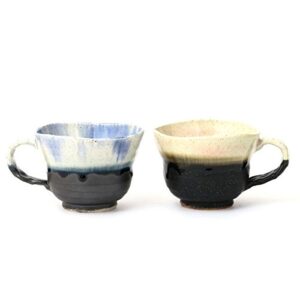
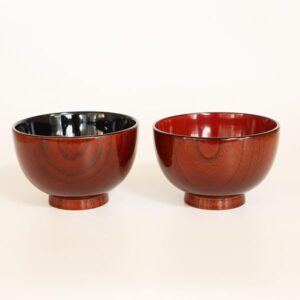
Obori Soma-yaki Double-Walled Yunomi Tea Cup
大堀相馬焼 松永窯 二重湯呑み(2.4寸) 敬老の日 ギフト プレゼント おしゃれ 保温 2026年 干支 午年 うま年 馬 (2.4寸)
残り3点 ご注文はお早めに · Sold by 縁器屋 · ASIN B07CPVSHWS
Price and availability as of 2026-08-31 02:30 JST. The Amazon listing at the time of purchase is authoritative. jpmono.com earns a commission on qualifying purchases at no extra cost to you.
| Attribute | Detail | Source |
|---|---|---|
| Craft | Obori Soma-yaki (大堀相馬焼), stoneware pottery | Maker tradition / METI designation |
| Form | Yunomi (tea cup), double-walled (nijuu-yaki) construction | Listing snapshot |
| Glaze / decoration | Aoi-hibi blue crackle; soma-goma one-stroke running horse | Maker tradition |
| Origin | Obori, Namie, Fukushima (Hamadori coast); revival kilns near Nihonmatsu | Craft history |
| Capacity / dimensions | Unconfirmed — check the live listing | Not in snapshot |
| Price | Unconfirmed — live pricing was unavailable at time of writing | Not in snapshot |
| Sourced listing | Amazon JP Global Store — item B07CPVSHWS | Amazon JP |
📖 Glossary — key terms in this article
- yunomi (湯呑) — an everyday Japanese tea cup, taller than it is wide, with no handle; sized for green tea rather than coffee.
- nijuu-yaki (二重焼) — “double firing / double wall”; a hollow-walled form with a sealed air gap that insulates the outer surface.
- aoi-hibi (青ひび) — “blue crackle”; a deliberate fine network of blue-tinted cracks in the glaze, formed as glaze and clay body cool at different rates.
- soma-goma (相馬駒) — the Soma running-horse crest, painted in one unbroken brush stroke; the emblem of the Soma clan.
- Soma Nomaoi (相馬野馬追) — a roughly 1,000-year-old cavalry-and-horse festival of the old Soma domain.
- Hamadori (浜通り) — the coastal strip of Fukushima along the Pacific, distinct from the inland Nakadōri and mountainous Aizu.
Other Tōhoku and regional cups, teapots, and folk objects we have covered — useful for comparing slip glazes, namako finishes, and price tiers before you commit.
Price snapshot across stores
Live pricing was not in our snapshot, so the JPY and USD cells below are marked accordingly. Always confirm the current figure at the retailer before buying. USD figures, where shown elsewhere, are approximate at a ¥150/USD baseline as of mid-2026; the JPY price is authoritative.
| Store | Item / variant | Price (JPY + USD est.) | Notes |
|---|---|---|---|
| 🇺🇸 Amazon.com (US) | Browse Japanese yunomi & tea cups | varies (USD) | Best if you’re shopping from the US — Prime shipping, USD pricing, no international customs. Amazon US carries Japanese tea cups and green-tea ware from various makers, useful for comparing shapes and price tiers; this specific Obori Soma-yaki double-walled cup ships from Japan (next row). |
| 🇯🇵 Amazon JP Global Store | Obori Soma-yaki double-walled yunomi (B07CPVSHWS) | Unconfirmed — see live listing | The sourced listing for the exact cup in this guide. Ships internationally from Japan to 65+ countries — including Canada, the UK and Australia — with import fees estimated at checkout. |
| Maker direct | Obori Soma-yaki cooperative / revival kilns | Unconfirmed | Some kilns near Nihonmatsu sell directly; international shipping is not always offered, and listings are usually Japanese-only. |
| Proxy services (Buyee / Tenso) | Any Japan-only listing forwarded abroad | Item price + forwarding fee | Useful when a kiln or shop does not ship abroad; adds a service fee and a consolidation step, plus local customs on arrival. |
📍 Where this comes from — place, era, and the craft tradition

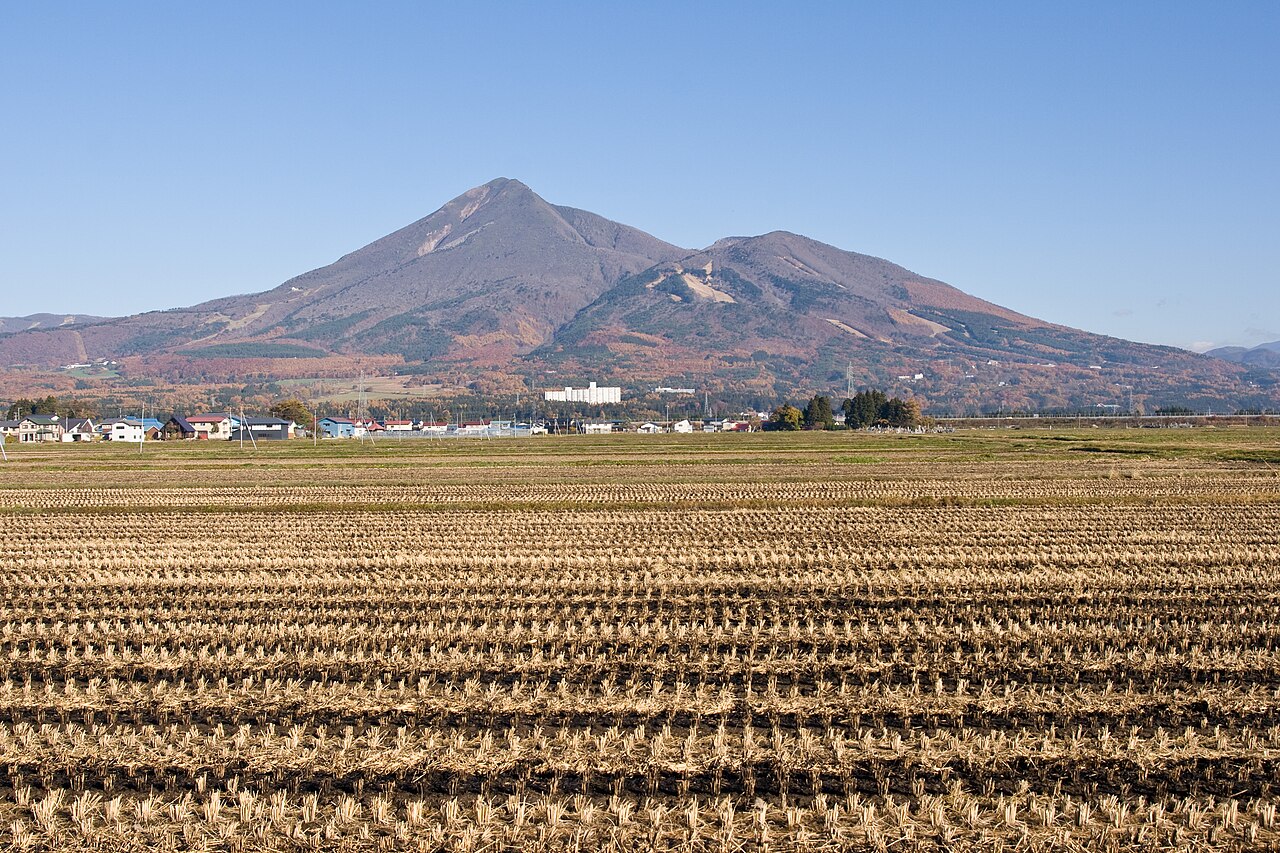
Fukushima is Japan’s third-largest prefecture and splits into three worlds: the mountainous Aizu basin inland to the west, the central Nakadōri corridor, and Hamadori — the strip of coast facing the Pacific. Obori Soma-yaki belongs to Hamadori, at Obori in the town of Namie. The clay, the water, and the domain that once ruled the coast are the reasons a pottery tradition took root here rather than somewhere else.
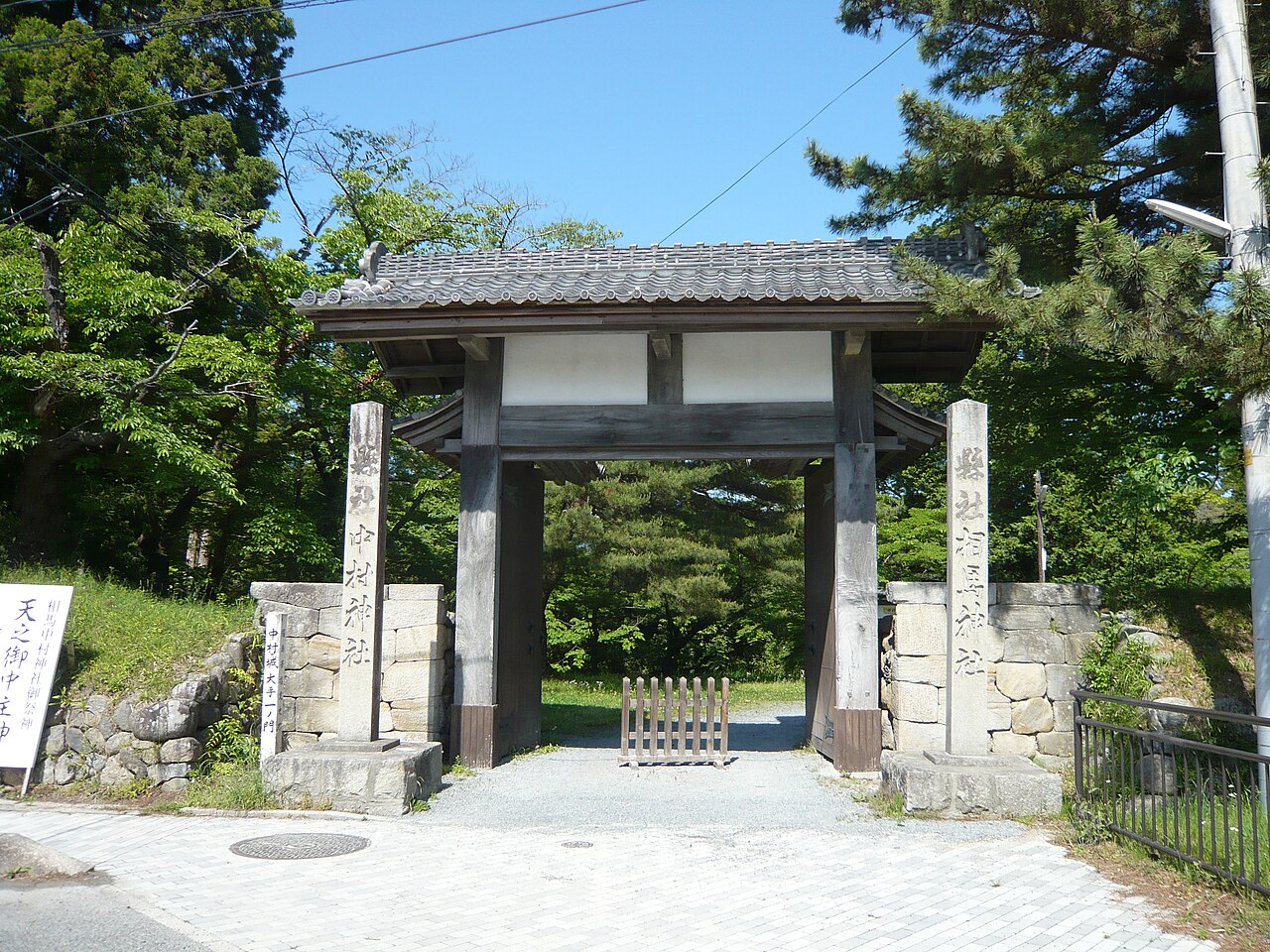
The craft grew up under the patronage of the Soma-Nakamura domain, ruled by the Soma clan, whose seat was Nakamura Castle. From the late 17th century the domain supported the Obori kilns, and the clan’s identity is stamped onto the pottery itself.
Obori Soma-yaki began around 1690, in the Genroku era.
-
~1,000 years ago — The Soma Nomaoi cavalry festival takes shape in the Soma domain; its running-horse imagery later becomes the pottery’s crest. -
c. 1690 (Genroku era) — Obori Soma-yaki begins at Obori in Namie, on the Hamadori coast. -
Late 17th c. onward — The Soma-Nakamura domain patronizes the kilns; the soma-goma horse crest enters the ware. -
18th–19th c. — The three signatures mature: aoi-hibi blue crackle, soma-goma one-stroke horse, and nijuu-yaki double walls. -
1978 — Obori Soma-yaki is designated a National Traditional Craft. -
2011 — The Fukushima nuclear disaster forces the evacuation of Namie; the Obori kilns are scattered. -
2011 onward — Potters relocate, notably to Nihonmatsu, and rebuild; surviving pieces become a symbol of the craft’s revival.
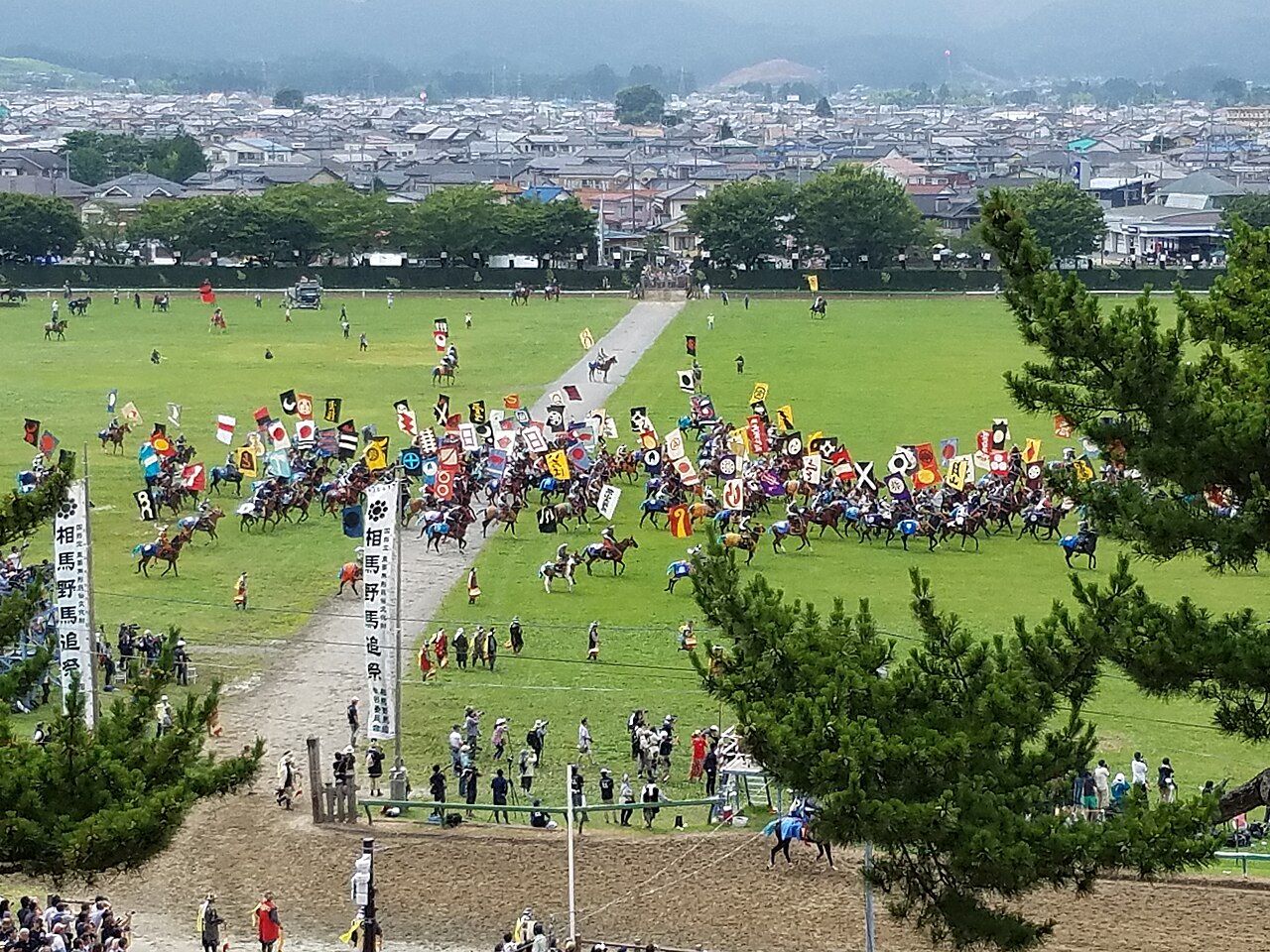
The soma-goma running horse is not decoration borrowed from elsewhere. It is the Soma clan’s own emblem, and it gallops through the region’s living memory in the Soma Nomaoi — a roughly 1,000-year-old festival in which riders in armor race and chase horses across the coastal plain. When a potter draws the horse on a cup in one unbroken stroke, that single line is a compressed version of the same image the region has carried for a millennium.
“When the kilns of Namie were evacuated in 2011, the surviving cups stopped being tableware and became something closer to relics — proof that a 300-year-old craft could be carried out in a suitcase and started again.”
That continuity is the part worth pausing on. The 2011 disaster did not merely dent this craft; it emptied the town it came from. Potters left with what they could and rebuilt elsewhere, and the pieces made before and after that break now carry a weight ordinary tableware does not. Buying one is, in a small way, buying into that revival.
What it does well
General guidance for double-walled (nijuu-yaki) pottery — confirm any specifics against the listing:
- 🍽️ Dishwasher: hand-wash recommended — the sealed air gap and hand-applied crackle glaze are best kept out of dishwashers.
- ♨️ Microwave: avoid — double-walled ceramics with a trapped air pocket do not respond well to microwaving.
- 🧴 Daily care: rinse and wipe dry after use; avoid sudden temperature changes (no pouring boiling water into a cold cup straight from the cupboard).
- 🔧 Repairs: hairline crackle is part of the aoi-hibi look and is not damage; a genuine crack, however, cannot be re-sealed on a hollow-walled cup.
Weaknesses and things to verify before buying
- Not a heavy-duty everyday mug. The double wall and crackle glaze reward gentle hand-washing, not a dishwasher-and-microwave routine.
- Capacity is unconfirmed. Yunomi are tea-sized, not coffee-mug-sized; verify the exact volume on the listing before buying if capacity matters to you.
- Price and stock were not in our snapshot. Live pricing was unavailable at time of writing — treat the linked listing as authoritative.
- Crackle is not to every taste. If you dislike a visibly cracked glaze surface, the aoi-hibi finish is central to this ware and cannot be avoided.
- Piece-to-piece variation. Because the crackle and the one-stroke horse are done by hand, the cup you receive will not perfectly match the catalog photo.
- A sealed-wall crack is terminal. Unlike a solid cup, a hollow double wall cannot be reliably repaired if it truly cracks through, so handle it accordingly.
- Limited maker-direct international options. Revival kilns near Nihonmatsu may not ship abroad or list in English; expect to go through the Global Store or a proxy.
Conclusion — which buyer type are you?
Other ways to approach this purchase
🏆 Editor’s Pick
❓ Frequently Asked Questions
What does “double-walled” (nijuu-yaki) actually do?
It builds the cup with two walls and a sealed air pocket between them. The air gap insulates: the tea inside stays hot against the inner wall, while the outer wall stays cool enough to hold, even with just-boiled tea in the cup.
Is the blue crackle a defect?
No. The aoi-hibi crackle is a deliberate decorative effect, formed as the glaze and clay body cool at different rates. Each cup’s web of fine cracks is unique and is part of what identifies the ware as Obori Soma-yaki.
Can I put it in the dishwasher or microwave?
Hand-washing is recommended, and microwaving is best avoided for a double-walled cup with a trapped air pocket. Rinse and wipe dry, and avoid sudden temperature swings.
Does it ship outside Japan?
Yes. The Amazon Japan Global Store ships internationally to 65+ countries, including Canada, the UK, and Australia, with import fees estimated at checkout. Amazon US is a convenient entry point for comparable Japanese tea cups if you prefer domestic shipping.
What is the running-horse motif on the cup?
It is the soma-goma, the Soma clan’s crest, painted in a single unbroken brush stroke. The same galloping-horse imagery appears in the region’s roughly 1,000-year-old Soma Nomaoi cavalry festival.
Why are these pieces described as a “revival”?
The 2011 Fukushima nuclear disaster forced the evacuation of Namie and scattered the Obori kilns. Potters relocated, notably to Nihonmatsu, and rebuilt the craft, so pieces made today are part of its revival after that break.
How does it compare to other Tōhoku cups?
Neighboring wares such as Tsutsumi-yaki (Miyagi) and Shiraiwa-yaki (Akita) use a namako slip glaze rather than a double wall and crackle. If insulation and the running-horse heritage matter to you, Soma-yaki is the distinctive choice; the linked comparison articles cover the alternatives.
jpmono.com is curated by a Japan-based editorial team (working out of Toyama in the Hokuriku region and Nara in Kansai) and is independent. We don’t take payment from the makers we feature; income comes from affiliate links. We don’t physically test every product — we read maker’s specs and source listings. Read more about our editorial standards.
🤖 This article was drafted with AI assistance and edited by the jpmono.com team against maker specifications and source listings. Facts about pricing and availability reflect data at the time of writing and may have changed.
Affiliate disclosure: jpmono.com may earn a commission on qualifying purchases made through links on this page, at no additional cost to you.