- What it is: A Hagi-yaki hanaire (flower vase), a small vessel type associated with tea-room display.
- Made in: Hagi, Yamaguchi Prefecture — a pottery tradition with roots in the early 17th century.
- Price band: Around ¥3,990 for the listed item (≈ $27 USD as of October 2026); verify on the listing.
- Best for: A buyer seeking a compact ceramic flower vessel with a connection to tea practice.
- Skip if: You need confirmed dimensions, a named individual maker, or a guaranteed glaze pattern before ordering.
- Shipping: Amazon Japan may ship internationally; check the destination and item at checkout — jump to our pick ↓
In a Hagi tea room, a hanaire places a small arrangement in the alcove, where a vessel’s glaze and silhouette share attention with the flowers. Hagi-yaki began in the early 17th century in Hagi, a castle town on the Sea of Japan coast in northern Yamaguchi Prefecture.
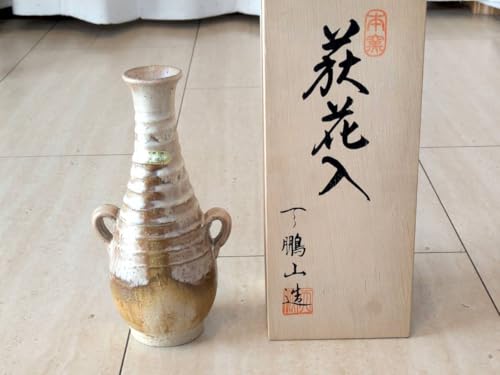
This guide looks at one Amazon Japan listing titled “萩焼 萩花入 耳付一輪差し 一輪挿し 天鵬山造 花器 花瓶 廣瀬淡雅 萩焼椿窯 陶芸 インテリア 置物 木箱入.” The title describes a Hagi flower vessel, an ear-handled single-stem vase, and names 天鵬山造, 廣瀬淡雅, and 萩焼椿窯; it does not provide dimensions. The snapshot identifies it as new and lists it at ¥3,990 as of October 27, 2026.
Hagi ware is known for subtle crackle and glaze color changes associated with use, sometimes called Hagi no nanabake, or “the seven transformations.” That broad tradition can help frame a purchase, but a listing title alone cannot confirm the exact glaze behavior, size, or who physically made this particular piece.
This comparison is for readers choosing a display vase or a tea-related gift. It separates the confirmed listing facts from questions to ask a seller, then considers price, shipping, and alternatives. The article is prepared by jpmono, a Japan-based curation site with editorial centers in Toyama and Nara; it draws on published listing details and supplied regional information, not physical testing.

- Who this is for — and who should skip it
- Product overview (from published specs)
- 📍 Where this comes from — place, era, and the craft tradition
- 📌 How does it compare?
- Price snapshot across stores
- What it does well
- Weaknesses and things to verify before buying
- Conclusion — which buyer type are you?
- Other ways to approach this purchase
- 🏆 Editor’s Pick
- 📦 Shipping & where to buy from outside Japan
- ❓ Frequently Asked Questions
Who this is for — and who should skip it
- Tea practitioners or hosts looking for a flower vessel for an alcove or quiet display.
- Collectors interested in Hagi ware and its crackle-glaze vocabulary.
- Gift buyers who can confirm the recipient’s preferred scale and display setting.
- People who value a named regional ceramic tradition and accept variation among handmade pottery.
- Anyone who needs exact height, opening width, or weight before purchase; these are not stated in the title.
- Anyone who needs confirmation of a specific artist’s hand or signature.
- Buyers requiring a matching pair, a particular glaze color, or identical patterning.
- Anyone who needs a guaranteed delivery date or confirmed international eligibility before checkout.
Product overview (from published specs)
The Amazon Japan snapshot is the most specific source for this individual pick. Its Japanese title identifies a Hagi flower vessel and single-stem vase, with ear handles, a wooden box, and the names 天鵬山造, 廣瀬淡雅, and 萩焼椿窯. These are reproduced as listing text, rather than treated as independently verified authorship or a maker biography.
Hagi-yaki Hanaire Flower Vase
萩焼 萩花入 耳付一輪差し 一輪挿し 天鵬山造 花器 花瓶 廣瀬淡雅 萩焼椿窯 陶芸 インテリア 置物 木箱入
通常6~7日以内に発送します。 · Sold by komorebi selectショップ · ASIN B0H2LG785Z
Price and availability as of 2026-10-27 00:12 JST. The Amazon listing at the time of purchase is authoritative. jpmono.com earns a commission on qualifying purchases at no extra cost to you.
| Source | Item / variant | Price | What is confirmed |
|---|---|---|---|
| Amazon US (search) | Browse Japanese pottery and flower vases | Varies (USD) | Search results may include other makers and products. The specific listed vase is sourced from Japan in the next row. |
| Amazon JP Global Store | Hagi flower vase / ear-handled single-stem vase; boxed, new per snapshot | ¥3,990 (≈ $27 USD as of October 2026) | Seller: komorebi selectショップ. Usually ships within 6–7 days per the October 27, 2026 listing snapshot. Check destination eligibility and current terms. |
Hagi ware, a flower vase, an ear-handled single-stem vase, a wooden box, and the names 天鵬山造, 廣瀬淡雅, and 萩焼椿窯.
Exact measurements, the condition of the box, the meaning of each named attribution, glaze details, and whether the pictured piece is the one shipped.
A short glossary of Hagi ware terms
- Hagi-yaki (萩焼)
- Pottery associated with Hagi in Yamaguchi Prefecture.
- Hanaire (花入)
- A flower vessel used in a tea setting, often displayed in the alcove.
- Hagi no nanabake (萩の七化け)
- “The seven transformations of Hagi,” a traditional expression for the subtle changes in a Hagi glaze’s appearance with use.
- Ichirin-zashi (一輪挿し)
- A single-stem vase; this wording appears in the listing title.
📍 Where this comes from — place, era, and the craft tradition
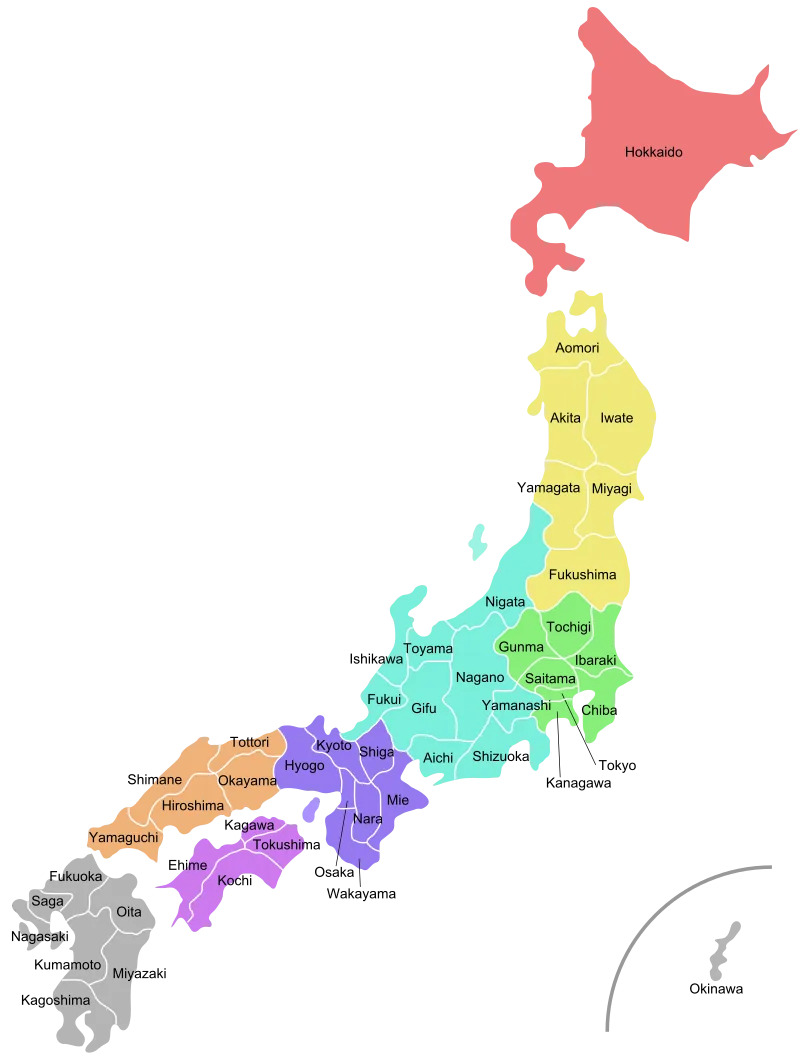
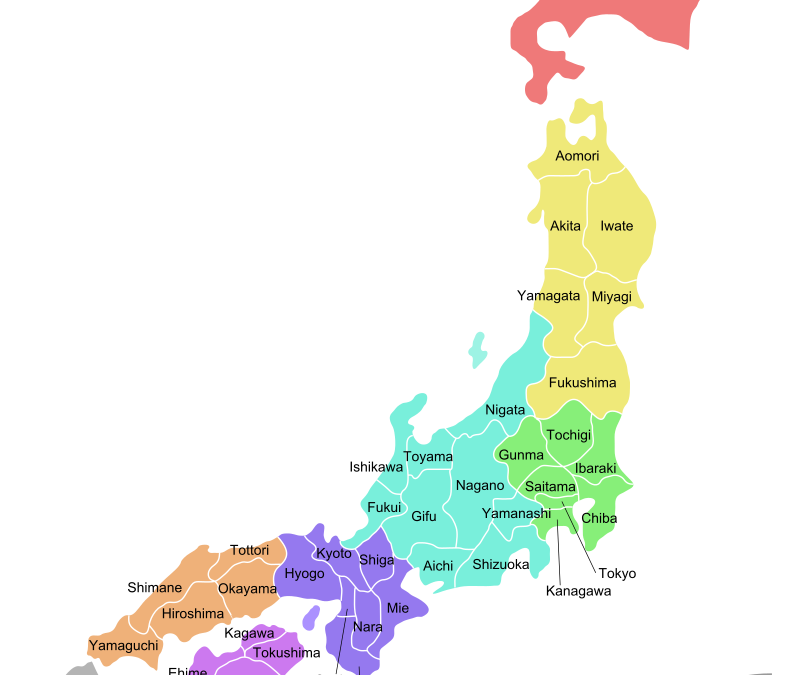
Hagi sits on the Sea of Japan side of Honshu, in the north of Yamaguchi Prefecture. Its setting as a castle town matters to Hagi ware’s early story: the Mōri clan established its seat in Hagi in the early 17th century and patronized potters with roots in Korea. The pottery’s beginnings are traced to that period.
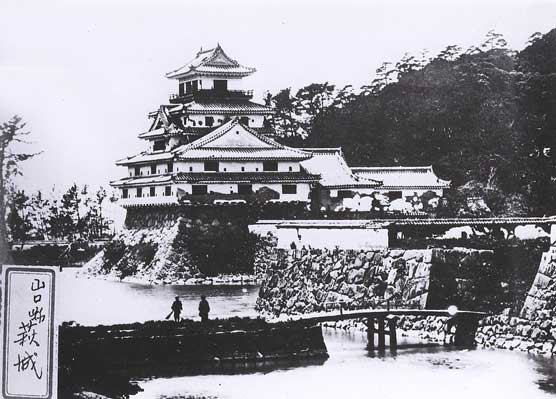
- Early 17th century — Hagi ware traces its beginnings to this period.
- Early 17th century — The Mōri clan establishes its seat in Hagi and patronizes potters with roots in Korea.
- Tea practice — Hagi ware becomes closely associated with tea ceremony, including hanaire displayed in the alcove.
- October 27, 2026 — The Amazon Japan snapshot records the selected listing as new at ¥3,990.
- October 27, 2026 — This guide’s publication and update date.
Hagi glazes are valued for restrained crackle and changes in color that can emerge with use. The phrase Hagi no nanabake, “the seven transformations,” expresses this changing surface. It is a useful way to understand why Hagi pottery is discussed as a material that develops visually, but it does not guarantee a particular change in this listing’s vessel or a precise result on a buyer’s timescale.
“A Hagi hanaire gives the flowers a place in the room; the quiet crackle of the glaze gives the vessel its own visual register.”
The tea-room association gives a hanaire a clear use context, but the same form can also suit a shelf or tabletop. Hagi’s old castle-town setting connects the ware to a domestic culture of tea and display without requiring a formal tea room. Scale still matters: ask for the vessel’s height and opening width if the intended arrangement has specific stems or a set alcove.


📌 How does it compare?
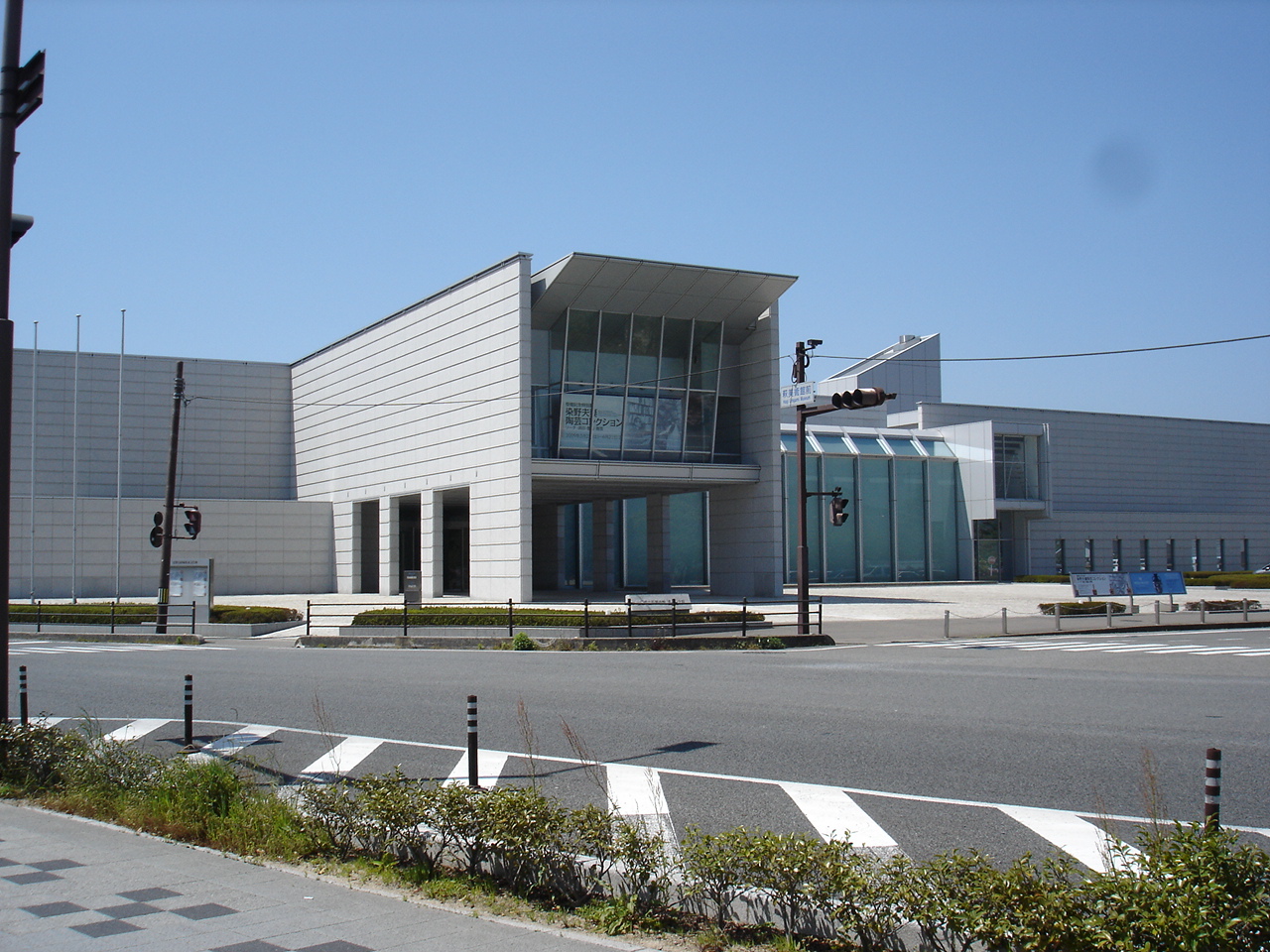
A tea bowl, a sake cup, a flask, and a flower vessel serve different roles even when they share Hagi ware’s regional identity. These related guides can help place the vase among other vessels and compare it with flower containers from other pottery traditions.
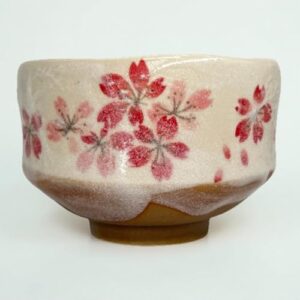 Hagi matcha chawan
A tea bowl from the same regional ware.
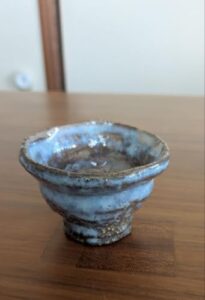 Hagi guinomi
A small sake cup in Hagi ware.
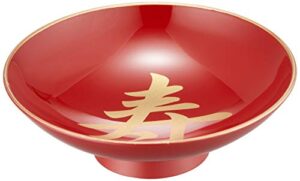 Ouchi-nuri sake cup
A lacquer vessel from another Yamaguchi craft.
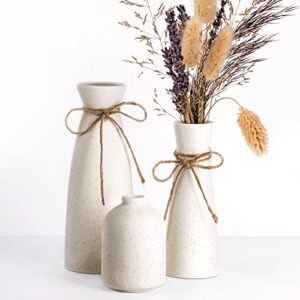 Shigaraki flower vase
Compare another regional ceramic tradition.
 Bizen Ware Flower Vase (Hanaire): Where to Buy This Ikebana Piece [2026]
Another hanaire buying guide.
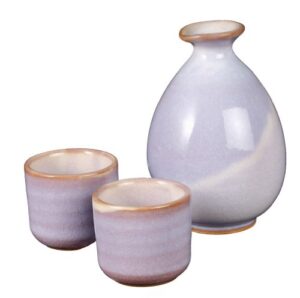 Hagi-yaki Sake Flask: A Buyer’s Guide to Yamaguchi Tokkuri [2026]
A larger vessel for a different use.
Price snapshot across stores
The specific item snapshot records ¥3,990, new, with dispatch usually within six to seven days. That is a dated observation, not a fixed price or delivery promise. USD is a rough conversion using ¥150 per dollar; prices in USD are approximate and depend on the current exchange rate.
| Store | Item / variant | Price (JPY + USD estimate) | Notes |
|---|---|---|---|
| Amazon US (search) | Browse Japanese pottery and flower vases | Varies (USD) | Useful for US shoppers who prefer USD pricing and domestic shipping. Search results may show other makers; this guide’s specific item is sourced from Japan in the next row. |
| Amazon JP Global Store | 萩焼 萩花入 耳付一輪差し 一輪挿し 天鵬山造 花器 花瓶 廣瀬淡雅 萩焼椿窯 陶芸 インテリア 置物 木箱入 | ¥3,990 (≈ $27 USD as of October 2026) | Listed new by komorebi selectショップ; snapshot says usually ships within 6–7 days. Ships internationally from Japan to eligible destinations; confirm at checkout. |
| Maker direct | No verified direct listing identified for this exact item | Unconfirmed | Ask a pottery gallery or seller for maker and provenance details before treating another piece as equivalent. |
| Proxy services (Buyee / Tenso) | Possible route if a seller does not ship to your address | Item and service costs vary | Check eligibility, domestic shipping, handling fees, consolidation, and breakage coverage with the service. |
What it does well
The title calls it a single-stem vase, a form suited to a restrained arrangement rather than a large bouquet.
Hagi ware gives the vessel a specific connection to Yamaguchi and to a pottery tradition associated with tea.
Hagi’s crackle and changing glaze appearance offer a meaningful point of interest for buyers who enjoy pottery surfaces.
The title includes 木箱入, indicating a wooden box is part of the described listing. Confirm exactly what arrives if the box matters to gifting.
Weaknesses and things to verify before buying
- Dimensions are not supplied in the title. Ask for height, widest point, mouth opening, and base diameter before committing to a display location.
- The named attributions need context. The title includes 天鵬山造, 廣瀬淡雅, and 萩焼椿窯, but it does not explain their relationship to the object. Request clarification if maker identity or a signature is central to the purchase.
- Glaze details are unspecified. Hagi ware is associated with crackle and glaze changes, but this individual title does not confirm a particular color, pattern, or expected change.
- Handmade variation can complicate matching. If you are pairing it with another vessel, ask whether the photo shows the exact item and whether the finish is consistent across pieces.
- Shipping is destination-dependent. The snapshot’s dispatch wording is not an international delivery estimate. Confirm eligibility, packing, costs, and arrival timing for your country.
- Fragile ceramics need careful transit planning. Ask how the vase and wooden box are packed, and check the retailer’s damage and return terms before ordering.
- Care instructions are not stated here. Ask the seller about water use, cleaning, and whether prolonged water contact is suitable for this particular vessel.
Conclusion — which buyer type are you?
Proceed only after confirming the named attribution, exact piece, measurements, and condition directly with the seller.
The listing is worth considering if a single-stem vessel and Hagi ware are the priorities, and the missing measurements are supplied.
Use the dated ¥3,990 listing as a starting point, then compare total cost after shipping, taxes, and any proxy fees.
Wait for a better-documented listing if you need a defined size, a specific artist’s work, or assured delivery by a fixed date.
Other ways to approach this purchase
Another seller may provide dimensions, close-up glaze photos, and a clearer account of the names in the title. Compare total landed cost, not just the item price.
A shop focused on Japanese ceramics may be able to explain the maker attribution and help match a vase to your intended alcove or arrangement.
If the retailer offers points in your market, compare their value with shipping, import charges, and the retailer’s return terms.
A flower vessel is easiest to live with when its height and mouth suit the flowers and space. There is no advantage in buying this one before those basics are clear.
🏆 Editor’s Pick
萩焼 萩花入 耳付一輪差し 一輪挿し 天鵬山造 花器 花瓶 廣瀬淡雅 萩焼椿窯 陶芸 インテリア 置物 木箱入
¥3,990 (≈ $27 USD as of October 2026) — verify on the listing. The snapshot lists the item as new, sold by komorebi selectショップ, and usually shipping within 6–7 days.
- The listing title describes a Hagi flower vase and an ear-handled single-stem form.
- The named ceramic terms and wooden box appear in the title; ask the seller to clarify the named attribution and included contents.
- It connects a practical home display object with Hagi ware’s tea-related context.
Choose this pick if the listed form suits your display and the seller can confirm its measurements and details. The title does not state dimensions, so do not assume a particular scale.
Amazon JP listing price as of October 27, 2026; verify price, stock, and destination availability on the listing.
📦 Shipping & where to buy from outside Japan
Amazon Japan Global Store eligibility is decided by destination and item. The listing snapshot states that the vase usually ships within six to seven days in its listed context; it does not confirm international delivery to every country. Open the item page with your delivery address selected and confirm shipping, estimated arrival, and import charges before paying.
Amazon Japan ships to many international destinations, including Canada, the UK, and Australia for eligible items. For country-specific planning, see our guides to Canada, the UK, and Australia. Amazon commonly estimates or collects import fees at checkout for supported destinations, but customs duties and taxes depend on local rules and order value.
International parcel costs vary with destination, package size, service, and current rates; a fragile ceramic item may also need careful protective packing. Do not rely on a generic shipping estimate. Check the final checkout total and the seller’s breakage, cancellation, and return terms. If direct delivery is unavailable, a proxy service such as Buyee or Tenso may be an option, with separate handling and forwarding charges.
❓ Frequently Asked Questions
What is a Hagi-yaki hanaire?
A hanaire is a flower vessel used in a tea setting, often displayed in the alcove. Hagi-yaki is pottery associated with Hagi in Yamaguchi Prefecture and is known for subtle crackle and glaze color changes.
How much is the Editor’s Pick?
The Amazon Japan snapshot lists it at ¥3,990 (about $27 USD using an approximate ¥150 per dollar) as of October 27, 2026. Price and stock can change, so verify on the listing.
Does Amazon Japan ship this vase to my country?
International eligibility depends on the address and the listing. Check the item page and checkout with your destination selected; the snapshot does not confirm worldwide eligibility for this specific order.
What size is this flower vase?
The listing title does not state dimensions. Ask the seller for height, width, base diameter, and opening width before buying, especially if it needs to fit a particular alcove or arrangement.
What does Hagi no nanabake mean?
It means “the seven transformations of Hagi,” a traditional expression for subtle changes in a Hagi glaze’s appearance with use. It describes a broader pottery vocabulary, not a guaranteed change or timeline for this particular vase.
Is the named maker or signature verified?
The Japanese title includes 天鵬山造, 廣瀬淡雅, and 萩焼椿窯, but does not explain their relationship to the piece. Ask the seller to clarify the attribution and whether the vase itself bears a signature.
jpmono.com is a Japan-based curation site with editorial centers in Toyama (Hokuriku) and Nara (Kansai), introducing Japanese household objects to international readers. We focus on items with verifiable craft context and clear purchase paths. We do not physically test every product; we read maker specifications and source listings. Affiliate links support the editorial work. Read more about our editorial standards.
This article was prepared with AI assistance and reviewed against the available listing and regional information. Please confirm current product details with the retailer before purchase.
Affiliate disclosure: jpmono.com may earn a commission on qualifying purchases made through links on this page, at no additional cost to you.