![Omi-jofu Ramie Linen Noren: Shiga’s Lake Biwa Summer Door Curtain [2026]](https://jpmono.com/wp-content/uploads/2026/06/omi-jofu-ramie-linen-noren-where-to-buy-2026-featured.jpg)
Omi-jofu (近江上布, “Omi fine ramie”) is a hand-woven hemp textile from the eastern shore of Lake Biwa in Shiga Prefecture, designated a Traditional Craft by Japan’s Ministry of Economy, Trade and Industry (METI) in 1977. Woven from ramie (choma) in a region whose humid lakeside air keeps the bast fibers supple, it is one of Japan’s classic summer cloths — crisp to the touch, faintly textured, and built to move air rather than trap it. As a noren (暖簾) door curtain, that summer-cloth character becomes the whole point: a panel of Omi-jofu hung in a doorway reads as light, breathable, and quietly formal.
What makes Omi-jofu notable beyond Japan is the combination of material and trade history behind it. The far-traveling Omi merchants (Omi shonin) carried this cloth across the country along their nationwide routes, and the Hikone domain under the Ii clan promoted hemp weaving as a regional cash industry. The cloth is recognized for its shibo (crepe) surface and, in patterned pieces, its kasuri (ikat) figuring — both produced by hand processes that a power loom does not replicate.
This guide is written for international readers weighing an Omi-jofu noren as a doorway or room-divider textile rather than as apparel. We cover what the listing data does and does not confirm, how a ramie noren behaves compared with cotton and synthetic alternatives, where the cloth comes from, and the honest caveats — fragility, care, and pattern variation — to check before buying. Shiga has appeared on this site so far only through its pottery; this is the prefecture’s first textile entry, and noren is a product type new to the site.
🔄 Updated:
⏱️ Read time: about 11 min
- Who this is for — and who should skip it
- Product overview (from published specs)
- Price snapshot across stores
- What it does well
- Weaknesses and things to verify before buying
- Where this comes from
- Conclusion — which buyer type are you?
- Other ways to approach this purchase
- 🏆 Editor’s Pick
- ❓ Frequently Asked Questions
Who this is for — and who should skip it
- Want a genuinely breathable summer doorway or room-divider panel, not a heavy decorative curtain
- Appreciate hand-woven hemp character — slight irregularity, a dry crisp hand, and visible weave
- Value a METI-designated regional craft with a documented material and trade history
- Are comfortable with hand-wash or gentle care and a textile that softens rather than stays pristine
- Are buying as a considered gift for someone who follows Japanese interiors or textiles
- Need a room-darkening or privacy curtain — ramie noren are translucent and light-passing
- Want a low-maintenance synthetic that tolerates machine washing and tumble drying
- Expect a fixed, identical mass-produced pattern with no piece-to-piece variation
- Are shopping purely on price — hand-woven ramie sits well above cotton or polyester noren
- Need a confirmed exact size and color before ordering (listing specs here are limited)
Product overview (from published specs)
The fetched data for this item is thin: the Amazon US search returned no individual listing for this exact piece, and detailed live specs were not captured in the snapshot. Based on the listing reference and the established characteristics of Omi-jofu, the table below states what can be reasonably attributed and marks the rest as unconfirmed. Spec sheets indicate hand-woven ramie construction; exact dimensions and colorway should be verified on the live listing before purchase.
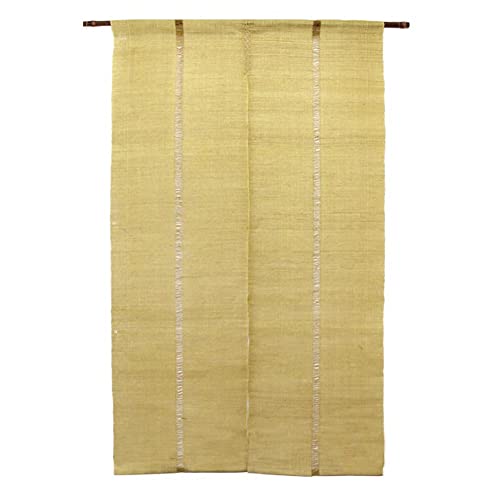
Omi-jofu Ramie Linen Noren
麻の無地のれん 伊乎乃織 透かし 菜種 W90xH150cm 【手織り生地】【職人が手染め】【イエロー】【日本製】
残り2点 ご注文はお早めに · Sold by IONOストア · ASIN B085TBDMDG
Price and availability as of 2026-09-01 05:22 JST. The Amazon listing at the time of purchase is authoritative. jpmono.com earns a commission on qualifying purchases at no extra cost to you.
| Attribute | Detail | Source |
|---|---|---|
| Craft | Omi-jofu (近江上布), METI-designated Traditional Craft (1977) | Maker / METI designation |
| Material | Ramie (choma) hemp / bast fiber, hand-woven | Craft definition |
| Product type | Noren (暖簾) door / doorway curtain | Listing |
| Surface | Shibo (crepe) texture; kasuri (ikat) pattern on figured pieces | Craft definition |
| Origin | East shore of Lake Biwa, Shiga (Aishō / Higashiomi / Notogawa area) | METI designation region |
| Dimensions | Unconfirmed — check listing | — |
| Color / pattern | Varies by piece (natural or indigo); verify on listing | — |
| Reference ASIN | B085TBDMDG (Amazon JP Global Store) | Sourced listing |
Sources: Amazon US search (primary, moonill-20) returned no individual match; Amazon JP Global Store (secondary, moonill-22, sourced listing) provided the reference ASIN; maker / craft-designation references fill in the material and origin attributes. Only a thin listing reference was available; live pricing and exact dimensions were unavailable at the time of writing and may differ on the current listing.
📖 Glossary — key terms in this article
- Omi-jofu (近江上布) — “Omi fine ramie,” a hand-woven hemp textile from the Lake Biwa east shore; “Omi” is the old province name for present-day Shiga.
- Jofu (上布) — a fine, high-grade ramie/hemp cloth, historically a premium summer kimono fabric.
- Ramie / choma (苧麻) — a bast fiber from the ramie plant; crisp, strong, and breathable, distinct from flax-based linen though often translated “linen.”
- Shibo (しぼ) — the fine crepe texture on the cloth surface, produced by tightly twisted weft yarns; it lifts the fabric slightly off the skin for airflow.
- Kasuri (絣) — ikat patterning, where threads are resist-dyed before weaving so the design emerges in the woven cloth.
- Noren (暖簾) — a fabric panel hung in a doorway or opening, traditionally split into vertical sections, used as a divider, sign, or sun shade.
- Omi shonin (近江商人) — the Omi merchants, an Edo-period merchant class from Shiga famous for nationwide traveling trade.
- Han (藩) — a feudal domain; the Hikone han under the Ii clan governed much of this region.
- METI — Japan’s Ministry of Economy, Trade and Industry, which designates official Traditional Crafts (dentōteki kōgeihin).
Related Japanese textile and regional craft guides on jpmono.com — useful for placing Omi-jofu next to other prefectural fabrics and Shiga crafts.
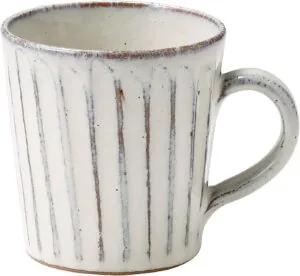 Shiga Shigaraki mug →
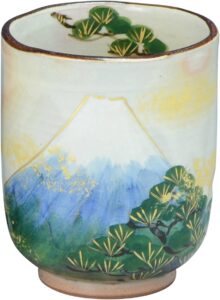 Shiga Aito Kyoyaki yunomi →
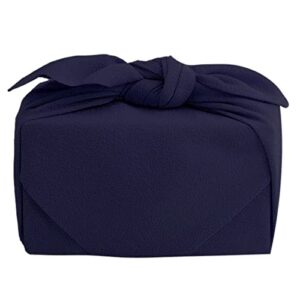 Kyoto Yuzen furoshiki →
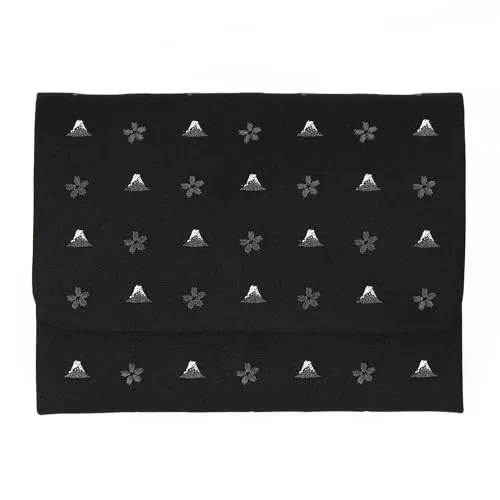 Kyoto Nishijin silk →
Yumihama-gasuri table runner →
 Chichibu meisen stole →
Awa aizome tenugui →
 Nara sarashi cloth →
Price snapshot across stores
Live pricing for this exact piece was unavailable in the data snapshot; the JPY figure on the JP Global Store listing is the authoritative price for the specific item, and any USD figure is an approximate estimate at a ¥150/USD baseline. Verify the current price on the listing before purchasing.
| Store | Item / variant | Price (JPY + USD est.) | Notes |
|---|---|---|---|
| 🇺🇸 Amazon US (search) | Browse Japanese noren & ramie/linen textiles | varies (USD) | Best if you are shopping from the US — Prime shipping, USD pricing, no international customs. Amazon US carries Japanese noren and hemp/linen home textiles from various makers for comparison; this specific Omi-jofu piece is sourced from Japan (next row). |
| 🇯🇵 Amazon JP Global Store | Omi-jofu ramie noren (ASIN B085TBDMDG) | Unconfirmed at time of writing — check listing | The sourced listing for this specific item. Ships internationally from Japan to most major destinations. |
| Maker direct | Workshop / regional craft cooperative pieces | Varies; typically higher | Authentic METI-designated Omi-jofu from small workshops is largely domestic; international shipping is not guaranteed. |
| Proxy services (Buyee / Tenso) | Any JP-only listing forwarded abroad | Item price + forwarding fee | Useful when a piece is listed only on JP-domestic shops; adds a service fee and a second shipping leg. |
What it does well
Ramie is a stiff, airy bast fiber, and the shibo crepe lifts the cloth slightly so air moves through the doorway rather than sitting against it — the reason jofu became summer cloth.
A faint weave irregularity and crisp dry hand mark it as woven cloth, not printed synthetic. On kasuri pieces, the pattern is dyed into the threads rather than stamped on top.
A METI-designated Traditional Craft (1977) with a verifiable material region and a real trade history through the Omi merchants and the Hikone domain.
A noren works as a doorway divider, a kitchen or hallway screen, or a light room partition — and the light-passing weave keeps spaces feeling open rather than closed off.
“A summer cloth does not block the doorway — it filters it. Omi-jofu was bred for the humid air of Lake Biwa, and that is exactly the air it is best at moving.”
Weaknesses and things to verify before buying
- Limited listing data. The fetched snapshot did not include confirmed dimensions, current price, or a defined colorway for this ASIN. Verify size, width, panel split, and price on the live listing before ordering.
- Not a privacy or blackout panel. Ramie noren are translucent and pass light by design. If you need to block sightlines or darken a room, this is the wrong textile.
- Care is hands-on. Ramie wrinkles readily and is best hand-washed or gently cleaned; it is not a wash-and-tumble synthetic. Hemp also softens and may relax in shape over time.
- Piece-to-piece variation. Hand-woven cloth and kasuri dyeing mean color, pattern alignment, and texture differ slightly between pieces. The item you receive may not match a catalog photo exactly.
- Price tier. Authentic hand-woven ramie sits well above cotton or polyester noren. If budget is the deciding factor, a printed cotton noren will cost far less.
- Authenticity check. “Omi linen” or “ramie noren” listings are not all METI-designated Omi-jofu. If genuine designated cloth matters to you, confirm the maker and origin rather than relying on a generic title.
- International shipping varies. The JP Global Store listing ships abroad, but small-workshop maker-direct pieces frequently do not — budget for a proxy service if you find a JP-only listing.
Where this comes from

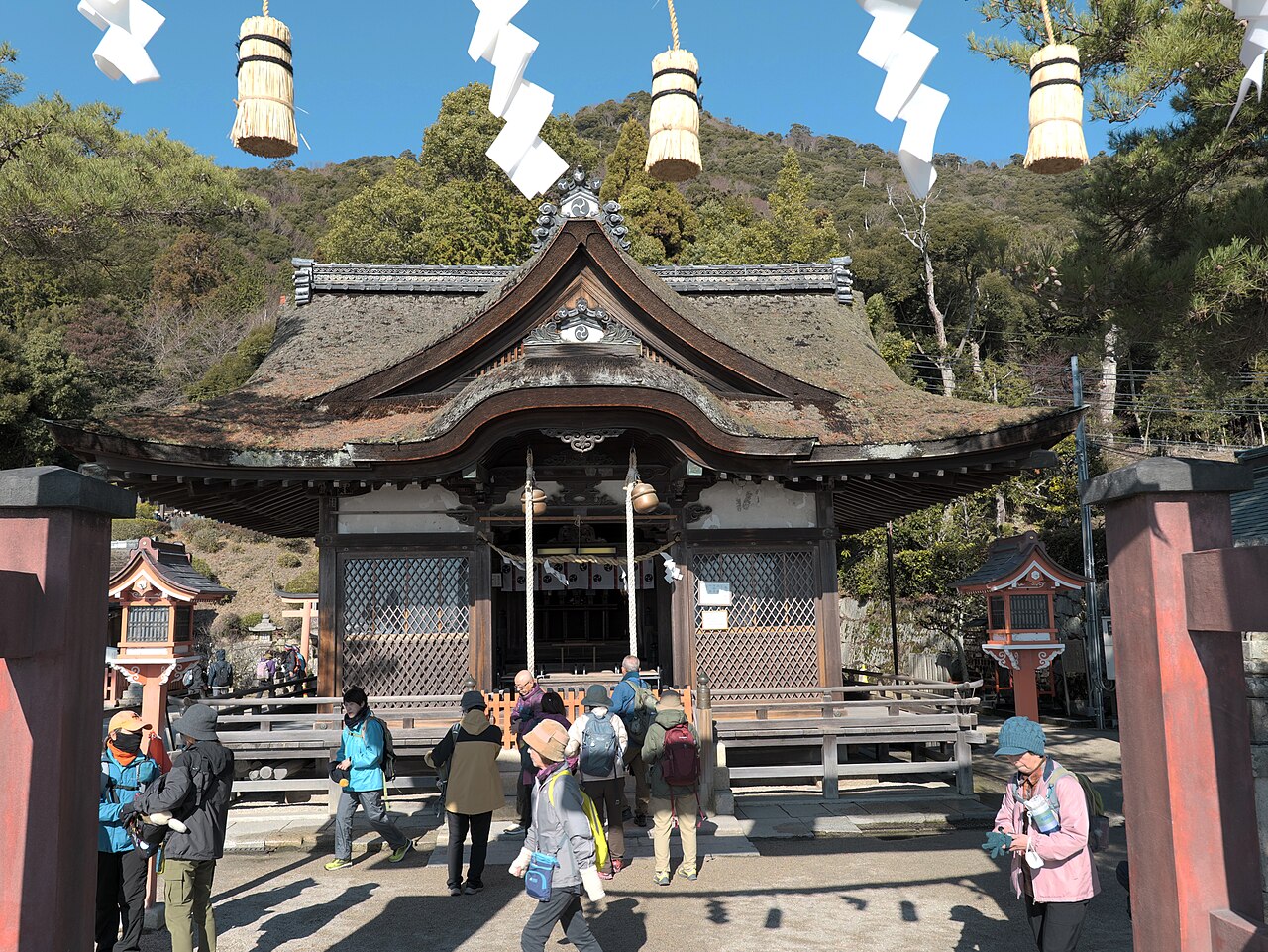
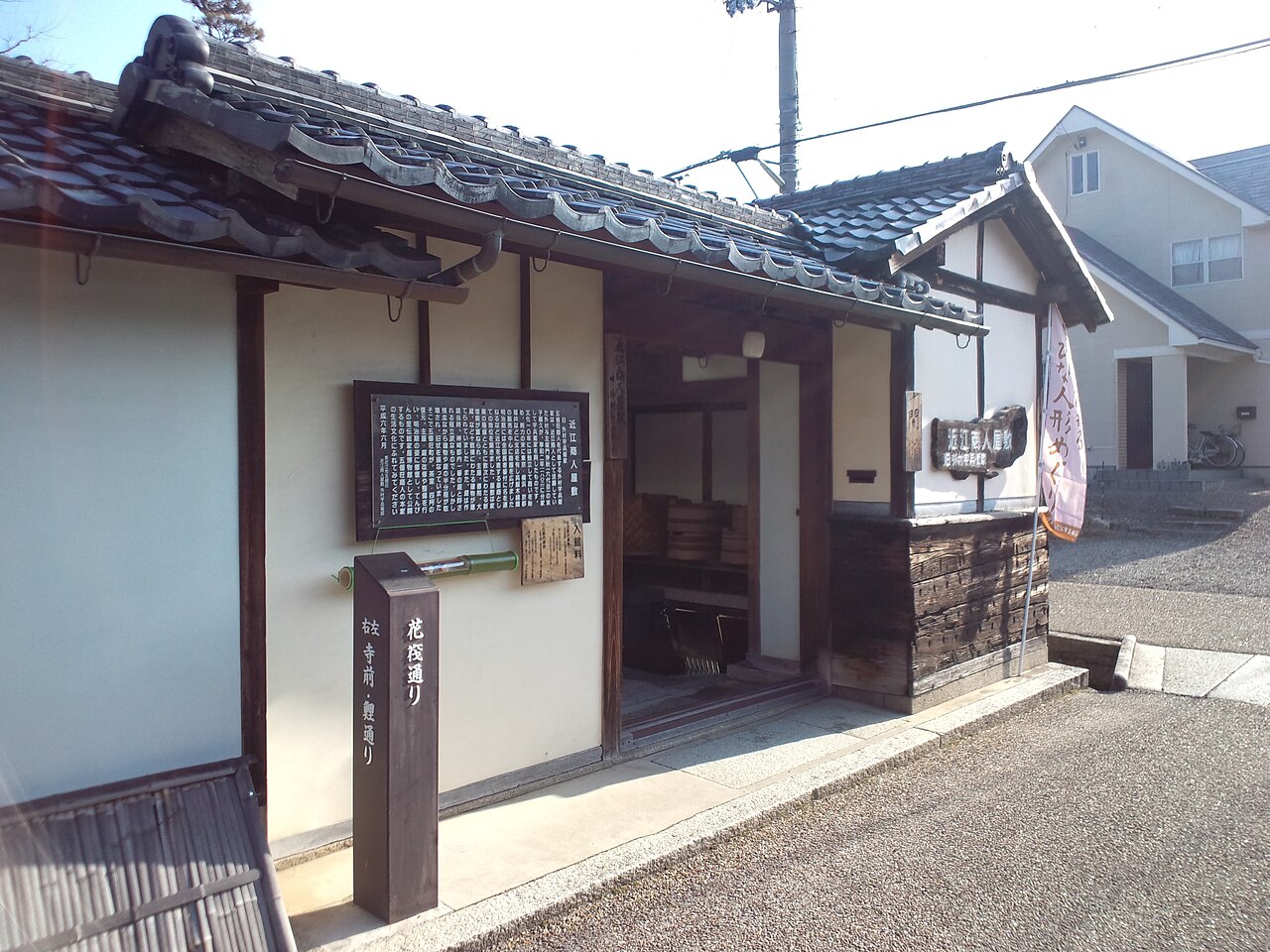
Omi is the old provincial name for what is now Shiga Prefecture, the landlocked heart of the Kansai region just east of Kyoto. The prefecture is dominated by Lake Biwa, Japan’s largest freshwater lake, and the Omi-jofu weaving districts sit along its eastern shore — the Echi and Inukami areas, present-day Aishō, Higashiomi, and Notogawa. This is not a remote mountain craft pocket; it is fertile lakeside plain on the historic corridor between Kyoto and the eastern provinces.
That position matters. The cloth’s defining material is ramie (choma), a bast fiber that grows brittle in dry air and pliable in humid air. Lake Biwa’s moist lakeside climate keeps the threads supple enough for the fine, high-count weaving that “jofu” — fine ramie — demands. The place and the product are bound together: this is summer cloth made where the summer air itself helps the loom.

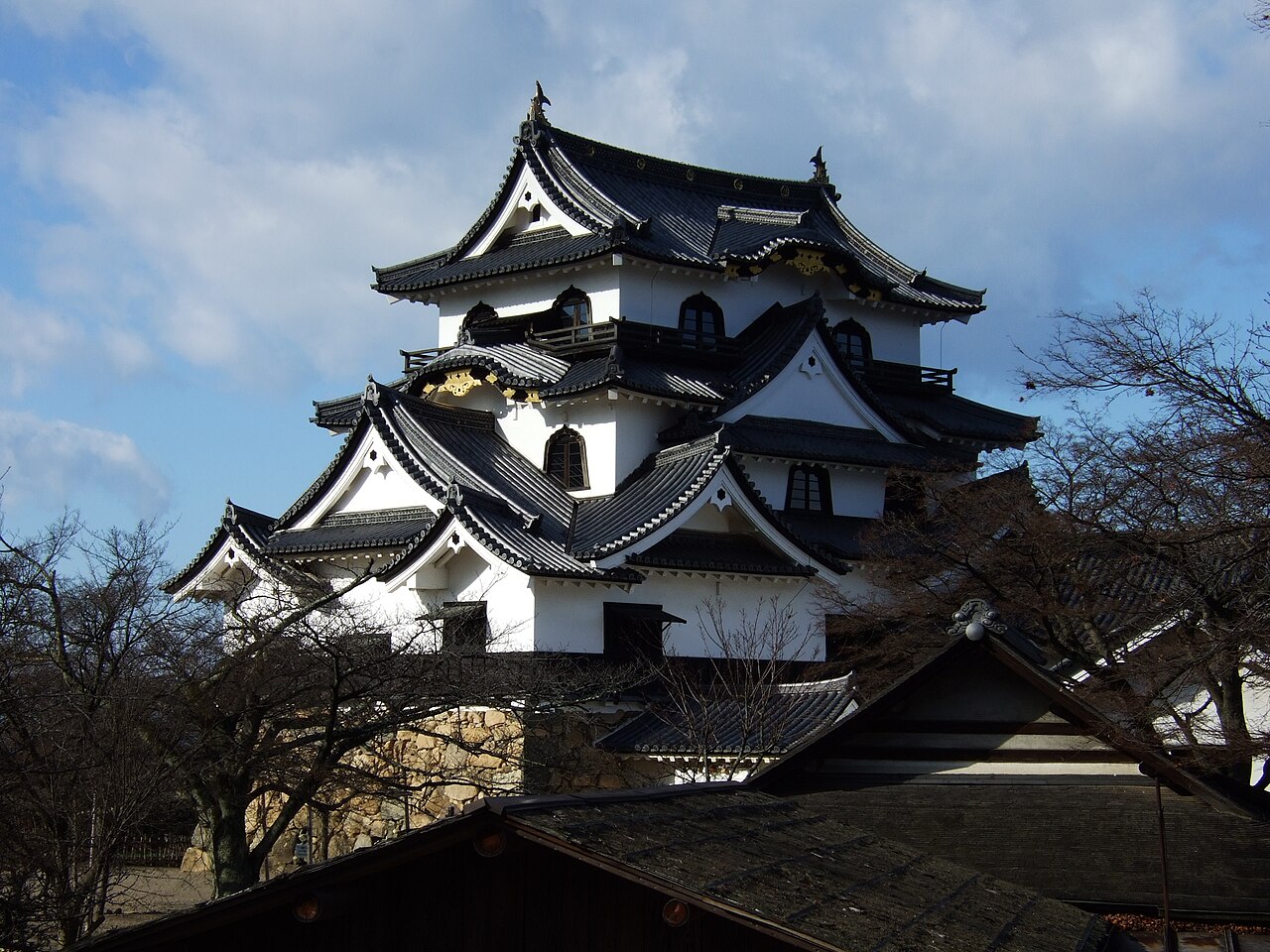
The historical anchor is the Hikone domain. After the Battle of Sekigahara in 1600 the Ii clan took control of this part of Omi, and Hikone Castle — whose keep was completed in 1622 and survives today as a National Treasure — became the domain seat. The Hikone han promoted hemp weaving as a regional cash industry, the kind of domain patronage that turned a local handicraft into an organized trade. Folk tradition holds that ramie weaving on the Biwa shore long predates the domain itself, but its rise as a recognized product is tied to this Edo-period encouragement.
What carried the cloth beyond Shiga was the Omi merchants — the Omi shonin, an Edo-period merchant class from this province famous for traveling trade across the whole country. They moved goods along their nationwide routes, and Omi-jofu traveled with them, reaching markets far from Lake Biwa. The merchant houses preserved today around Gokashō in Higashiomi are a physical record of that reach.
-
Pre-Edo eras — Ramie (choma) hemp weaving traditionally established on the humid east shore of Lake Biwa. -
1600 — After the Battle of Sekigahara, the Ii clan takes control of this part of Omi province. -
1622 — Hikone Castle keep completed; the Hikone domain encourages local hemp weaving as a cash industry. -
Edo period (1603–1868) — The Omi merchants distribute Omi-jofu across Japan along nationwide trade routes. -
1977 — Omi-jofu designated a Traditional Craft (dentōteki kōgeihin) by Japan’s METI. -
2026 — Woven by a small number of workshops around Aishō and Higashiomi on the Biwa east shore.
Today Omi-jofu is made by a limited number of workshops in the Aishō and Higashiomi area, sustained by the same humid-air advantage and the shibo and kasuri techniques that distinguish the cloth. As a noren, it fits the Japanese seasonal calendar precisely: hung in the warm months, it turns a doorway into a filter for the summer air — the role this cloth was bred for.
Conclusion — which buyer type are you?
You want verified, METI-designated hand-woven Omi-jofu and will pay for provenance. Confirm the maker and origin, and consider a maker-direct or specialist piece even if it needs a proxy service.
You want a genuine ramie summer noren for a doorway without overthinking it. The Amazon JP Global Store listing is the straightforward path — verify size and price, then order.
You like the look but the price tier is steep. A printed cotton or hemp-blend noren gives a similar visual effect for far less — accept that it will not breathe or age like true ramie jofu.
You need privacy, room-darkening, or zero-maintenance washability. A translucent hand-woven ramie panel will frustrate you — choose a lined synthetic curtain instead.
Other ways to approach this purchase
Seasonal textiles often move on price ahead of summer. If you are not in a hurry, watch the listing through late spring.
Regional craft cooperatives and workshops offer the most clearly authentic pieces, though many sell domestically only and may need a forwarding service.
If you buy through Amazon regularly, applying accumulated points or a card reward can offset the higher craft-textile price tier.
If the listing data is too thin for your comfort — no confirmed size or price — it is reasonable to wait until a fuller listing appears rather than buy blind.
🏆 Editor’s Pick
❓ Frequently Asked Questions
Is Omi-jofu actually linen?
Not in the flax sense. Omi-jofu is woven from ramie (choma), a bast fiber often translated loosely as “linen.” It shares linen’s crispness and breathability but is a distinct plant fiber. Listings using “ramie linen” or “Omi linen” are describing this ramie cloth.
Will this noren give me privacy?
No. Ramie jofu is a light, translucent summer cloth designed to pass air and light. It works as a doorway divider, screen, or seasonal partition, not as a blackout or privacy curtain.
How do I care for a ramie noren?
Treat it as a delicate natural textile: hand-wash or gentle clean, avoid harsh wringing, and expect some wrinkling, which is normal for ramie. It is not a machine-wash-and-tumble synthetic. Always follow the maker’s care label.
Does it ship internationally?
The Amazon JP Global Store listing ships from Japan to most major destinations. Small-workshop or maker-direct pieces often sell domestically only, in which case a proxy service such as Buyee or Tenso can forward the order. Check for customs duties on orders above your local threshold.
Why is the price not shown clearly?
The data snapshot for this exact piece did not include a confirmed live price or fixed dimensions. The JPY price on the JP Global Store listing is the authoritative figure — verify it directly before purchasing, since craft-textile pricing and stock fluctuate.
How is this different from a cheap cotton noren?
A printed cotton or polyester noren is cheaper and lower-maintenance, but the pattern is stamped on and the cloth does not breathe like ramie. Omi-jofu is hand-woven, with shibo crepe texture and, on figured pieces, kasuri patterning dyed into the threads — and it carries a documented regional craft designation.
jpmono.com is curated by a Japan-based editorial team (working out of Toyama in the Hokuriku region and Nara in Kansai) and is independent. We don’t take payment from the makers we feature; income comes from affiliate links. We don’t physically test every product — we read maker specs and source listings.
🤖 This article was prepared with AI assistance from published listing data and craft-designation references, then reviewed editorially. Facts about pricing and dimensions were limited in the source data and are flagged as unconfirmed where relevant.
Affiliate disclosure: jpmono.com may earn a commission on qualifying purchases made through links on this page, at no additional cost to you.