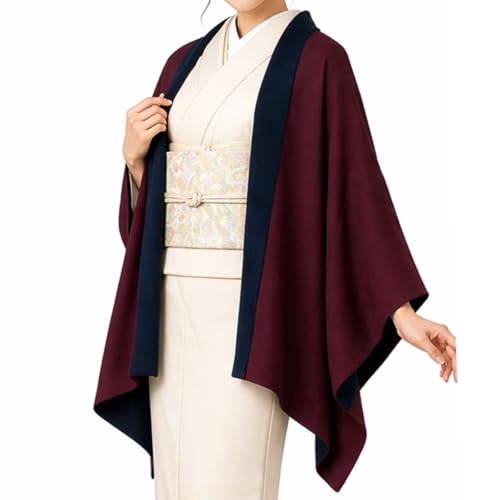
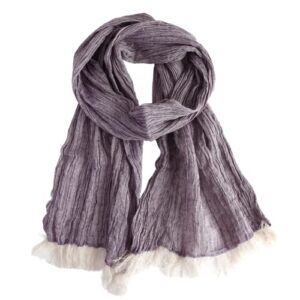
- What it is: a large-format women’s stole in Tango chirimen — kimono silk with a crepe weave — made as a single reversible piece, wine red on one face and navy on the other.
- Made in: Japan, from silk woven in the Tango district of northern Kyoto Prefecture; the listing names 丹後ちりめん (Tango chirimen) and 日本製 (made in Japan).
- Price band: ¥19,800 (about $132 USD at a ¥150/USD rate) — upper-middle for a silk stole, in line with a woven kimono textile rather than a printed scarf.
- Best for: readers who want a quiet, textured accessory that reads as formal over a coat, and who prefer two colors in one piece.
- Skip if: you need a stated centimeter size, a care label you can read before buying, or a neutral single-tone palette.
- Shipping: ships internationally from Amazon Japan, with the seller listing dispatch in about 4–5 days — jump to our pick ↓
A chirimen stole gets its surface from the thread, not from a printer. Before weaving, the weft is twisted so tightly that when it relaxes inside the finished cloth it pulls the warp into thousands of fine, even puckers — a texture you can feel with one fingertip and see when light rakes across the fabric.
That is the cloth in this listing: 丹後ちりめん (Tango chirimen), silk woven in the Tango district of northern Kyoto Prefecture, cut and finished as a large women’s stole. It is 正絹 — pure silk — and it is reversible, with wine red on one face and navy on the other, sold by ODORI Company on Amazon Japan at ¥19,800.
What follows is a reading of the listing as it stands on October 25, 2026, plus the regional and historical background a buyer outside Japan usually does not have: how chirimen is made, where Tango sits, what the crepe weave does that a plain silk scarf does not, and which purchase route makes sense from the US, Canada, the UK or Australia.
🔄 Updated
⏱️ 9 min read

- Who this is for — and who should skip it
- Product overview (from published specs)
- 📍 Where this comes from — place, era, and the craft tradition
- Which finish should you choose?
- Price snapshot across stores
- 📦 Shipping & where to buy from outside Japan
- What it does well
- Weaknesses and things to verify before buying
- Conclusion — which buyer type are you?
- Other ways to approach this purchase
- 🏆 Editor’s Pick
- ❓ Frequently Asked Questions
Who this is for — and who should skip it
A crepe silk stole sits in an unusual place in a wardrobe: more formal than a wool scarf, less formal than a fur or a shawl collar, and warm enough for a coat without the bulk. The listing’s two-tone reversible construction narrows that further, because whichever face you turn out sets the color of the whole outfit’s upper half.
- You want a stole that carries texture — the fine puckered surface of crepe — rather than a printed pattern.
- You wear dark coats and want one accessory that can shift from wine red to navy without a second purchase.
- You are dressing for a ceremony, a dinner, or a formal lunch where a knitted scarf would look too casual.
- You already buy Japanese textiles and know that kimono cloth is finished and sold in different widths and lengths than Western scarves.
- You are comfortable ordering from Amazon Japan and having import fees estimated at checkout.
- You need exact measurements before you commit — this listing gives a size category, not centimeters.
- You want a neutral, single-color accessory; both faces here are saturated.
- You are shopping for a hard-wearing everyday scarf that can be washed with the rest of the laundry.
- You prefer a maker’s name, a workshop, or a signature on the piece. This is an anonymous made-in-Japan textile.
- You are buying on a tight budget and a synthetic or cotton stole would do the same job.
Product overview (from published specs)
Everything below comes from the Amazon JP listing snapshot taken on October 25, 2026. The listing is the authoritative source for this piece; the table records what it states and marks the attributes it leaves open.
ℹ️ Only the Amazon JP listing snapshot is available for this item; live pricing may have shifted since the writing date, and unconfirmed attributes are marked below.
Tango Chirimen Silk Stole
ショール 大判 シルク 丹後ちりめん 正絹 ストール リバーシブル ちりめん バイカラー 日本製 羽織り レディース ワインレッド×ネイビー | リバーシブル正絹ストール
通常4~5日以内に発送します。 · Sold by ODORI Company · ASIN B0HFRYSBBV
Price and availability as of 2026-10-25 09:13 JST. The Amazon listing at the time of purchase is authoritative. jpmono.com earns a commission on qualifying purchases at no extra cost to you.
| Attribute | What the listing states |
|---|---|
| Item | One women’s stole (ショール / ストール), large format (大判), reversible |
| Material | 正絹 (pure silk), 丹後ちりめん (Tango chirimen crepe) |
| Weave | Chirimen — crepe weave with a strongly twisted weft |
| Color | バイカラー (two-tone): wine red × navy, one color per face |
| Size | 大判 (large format) — no centimeter measurements in the listing |
| Style | 羽織り (haori-style wrap); women’s |
| Origin | 日本製 (made in Japan), Tango chirimen silk |
| Seller | ODORI Company (Amazon JP marketplace) |
| Condition | New |
| Price | ¥19,800 (about $132 USD at ¥150/USD) |
| Availability | 通常4~5日以内に発送します — usually dispatched within 4–5 days |
| Weight / care | — (not stated in the listing) |
📖 Glossary — the textile terms in this listing
Chirimen (ちりめん / 縮緬) — crepe silk. The weft is twisted tightly before weaving; when it untwists in the finished cloth it draws the surface into fine puckers.
Tango chirimen (丹後ちりめん) — chirimen woven in the Tango district of northern Kyoto Prefecture, historically for kimono.
Shōken (正絹) — pure silk, as opposed to a silk blend or a synthetic that imitates the sheen.
Ōban (大判) — “large format.” A size category for stoles and wraps, wider and longer than a standard scarf; the listing does not translate it into centimeters.
Baicolor (バイカラー) — two-tone. Here the two tones are the two faces of the cloth, not a pattern within one face.
Haori (羽織) — the kimono jacket, and by extension a wrap-over-the-shoulders style of wearing a stole.
Kimono cloth — silk woven on narrow looms for a garment cut in straight panels. A stole made from such cloth inherits its weight and its slightly stiff hand.
📍 Where this comes from — place, era, and the craft tradition
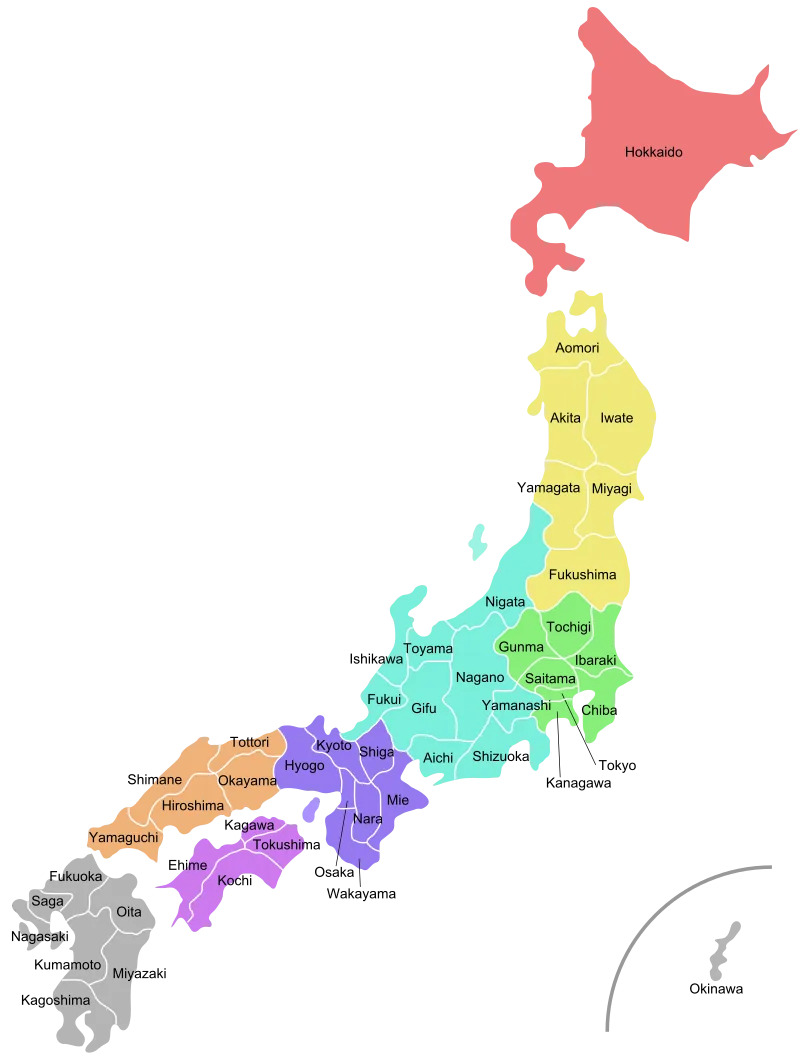
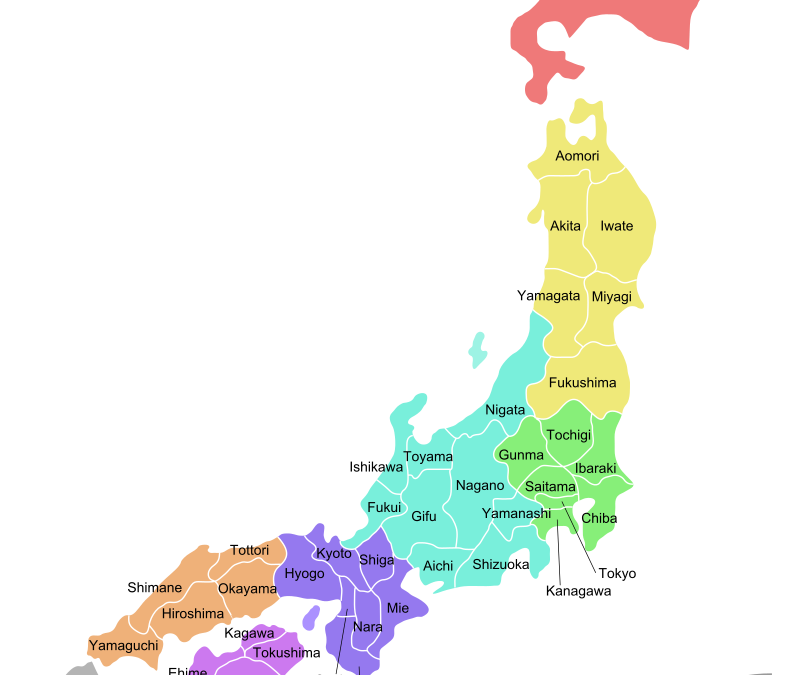
Tango is not Kyoto city. It is the northern part of Kyoto Prefecture, a region that faces the Sea of Japan across the Tango Peninsula and looks, in its economy and its weather, more toward the Japan Sea coast than toward the old imperial capital to the south. The peninsula closes off a series of bays; the best-known of them holds Amanohashidate, the pine-covered sandbar that is the region’s landmark. Inland from that shore, in the valleys and basins of the interior, the silk looms were concentrated.

The geography matters to the cloth. The Tango basin is separated from the Kyoto plain by mountains, and the region’s weather is a Sea of Japan pattern: heavy snow in winter, damp air for much of the year, and water that runs soft through the basin. Local accounts of the industry often credit that damp climate and soft water with making the district suited to silk weaving — the kind of explanation weaving towns give everywhere, and one that fits the practical problem of keeping fine, tightly twisted silk from drying out and snapping on the loom.
The coast and the looms belonged to the same economy. Ine, on the peninsula’s northern shore, is a village of boat houses built right at the waterline, and the region’s trade ran through ports like these long before it ran through any single industry. Silk became the inland answer to that coastal trade: a high-value, light, transportable product made in farmhouse workshops through the winter.

Silk crepe weaving in Tango is generally dated to the early 18th century, when the district began producing kimono cloth. Through the Edo period — the long Tokugawa peace that ran from 1603 to 1868 — it grew into one of Japan’s major silk-weaving centers, and the cloth it made was not a rustic sideline: chirimen was the fabric of formal kimono, the garment that carried a family’s wealth in its surface rather than in its color.
-
794 — The imperial court settles in Kyoto; the city becomes the political and ceremonial center that kimono silk will serve for a thousand years. -
1603 — The Edo period begins; a long stretch of internal peace expands the market for kimono cloth well beyond court and warrior households. -
Early 18th century — The commonly told account dates Tango’s silk crepe weaving to this period, when the district began producing kimono cloth. -
Edo period, through 1868 — Tango grows into one of Japan’s major silk-weaving centers, its crepe sold as the cloth of formal kimono. -
1868 — The Edo period ends. The kimono market that sustained the district begins the long contraction that Western dress accelerated in the following century. -
2026 — Tango weavers apply the same crepe weave to stoles and accessories — this listing is one of them, sold as a made-in-Japan reversible silk stole.

What the crepe weave actually does is worth spelling out, because it explains why a kimono textile survives into a modern wardrobe at all. Chirimen’s strongly twisted weft creates the fine, slightly puckered surface that gives the fabric its body and its soft luster. The cloth does not need a print to look finished, and it does not need a lining to hold its shape. It also does not crease the way flat silk does, which is why a stole folded into a bag and shaken out at a restaurant table still looks like a stole.
“The crepe is not a pattern laid on top of the silk. It is the silk, remembering the twist it was given before it was woven.”
The continuity case here is modest and real. Tango is still a weaving district; the same crepe weave is still produced there; what changed is the end product. Where a kimono bolt once left the basin for a tailor in Kyoto or Osaka, the district now also finishes cloth as stoles, scarves, and small accessories — objects that carry the texture of a formal textile into a coat-and-jeans wardrobe. This listing sits at that end of the trade: kimono silk, cut and finished as a single reversible stole, labeled made in Japan.
There is a seasonal logic to the object as well. Chirimen was a cold-season cloth in practice, paired with a lined kimono and an obi tied tight; the stole version works the same way, over a winter coat or inside a heated room where a wool scarf would be too much. The two faces — wine red and navy — also follow an old convention rather than a new one: kimono dressing treats the inner and outer surfaces of a garment as two separate decisions, and a reversible piece keeps both options open.
Which finish should you choose?
This piece is listed in 6 colours. The photos below are the actual colour options on the listing right now — pick the one you want and confirm it on the product page before ordering, since hand-finished wares vary slightly piece to piece.


Other Japanese textiles we have written about, by weave and by use. Each is a different cloth, not a substitute for the others.
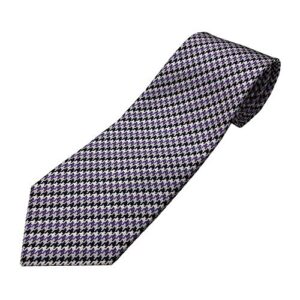 Nishijin Silk Necktie
Kyoto’s Nishijin figured silk, in a necktie — pattern woven in, not printed.
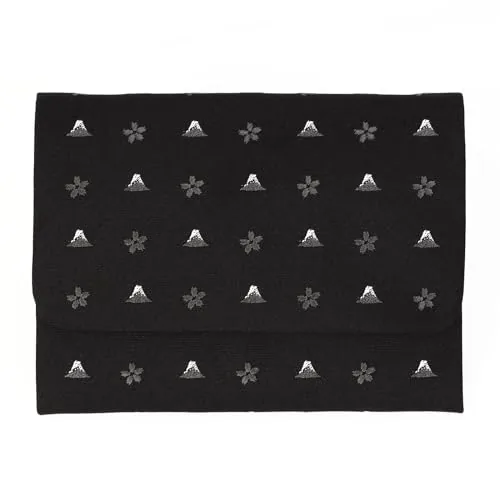 Nishijin Silk Card Case
The same Nishijin silk in a small case — a way to carry one piece of Kyoto weaving.
 Omi Jofu Ramie Stole
A plant-fiber stole from Shiga — crisp, cool, and the summer counterpart to silk crepe.
Kaga Yuzen Silk ScarfKaga Yuzen dyeing from Kanazawa — a printed-and-dyed silk rather than a woven texture.
 Ojiya Chijimi Crepe Stole
Crepe again, but in ramie from Niigata — a cool cloth with a similar puckered surface.
Price snapshot across stores
¥19,800 is the only figure in this snapshot, and it is the figure the listing shows. The USD number beside it is an estimate at ¥150 to the dollar; the yen price is the one that counts. Ordered as a buyer would meet them: the US search first, then the Japanese listing for this specific stole.
| Store | Item / variant | Price | Notes |
|---|---|---|---|
| 🇺🇸 Amazon US (search) | Browse silk and crepe stoles | varies (USD) | Best if you are shopping from the US — Prime shipping, USD pricing, no international customs. Amazon US carries silk and wool stoles from many brands, useful for comparing size and weight; the Tango chirimen piece is sourced from Japan (next row). |
| 🇯🇵 Amazon JP Global Store | Reversible Tango chirimen stole, wine red × navy, made in Japan | ¥19,800 (≈ $132 USD) |
Ships internationally from Japan to 65+ countries — including Canada, the UK and Australia — with import fees estimated at checkout. Dispatch listed at 4–5 days. |
| Maker direct | — | — | No maker-direct storefront was confirmed for this piece. The listing names ODORI Company as the seller, and the Amazon JP page is the only purchase path confirmed here. |
| Proxy services (Buyee / Tenso) | Same Amazon JP listing, forwarded | ¥19,800 + proxy fees | Useful only if the Amazon JP listing will not ship to your address. Expect a handling fee plus international postage, and a longer transit time. |
Prices as of October 25, 2026; verify on the listing. USD figures are approximate and depend on the current exchange rate. Amazon JP prices include Japanese consumption tax, which is handled differently depending on the destination.
📦 Shipping & where to buy from outside Japan
Amazon JP Global Store ships this listing internationally, and the marketplace estimates import fees at checkout for most destinations, so the landed cost is visible before you pay rather than billed on arrival. Delivery to the US, the EU, Canada, the UK and Australia typically runs $15–$40 for a parcel of this size, on top of the listed price.
Two alternatives exist if the listing will not ship to you. A proxy service such as Buyee or Tenso receives the parcel in Japan and forwards it, which adds a handling fee and a second shipping leg but opens up sellers who ship domestically only. And if you are in Japan, or travelling there, stoles in this category are typically sold in the kimono sections of department stores and in the textile shops of the weaving districts, where you can handle the cloth before deciding.
What it does well
Four things the listing and the cloth itself support, without overstating any of them.
Weaknesses and things to verify before buying
Seven points that the listing does not resolve, in the order a careful buyer would want them.
- No dimensions. 大判 means large format, but the listing does not translate that into centimeters. If you are buying for a specific coat, check the size on the page or ask the seller before ordering.
- One colorway in this listing. Wine red and navy is a strong pairing. There is no neutral option here, so if your wardrobe is built on beige and grey, the wine face will be the loudest thing you own.
- No care instructions stated. Pure silk crepe is not a throw-it-in-the-machine fabric, and the listing does not say how it should be cleaned. Treat it as dry-clean-first until you see a label.
- An anonymous maker. The listing gives a seller, ODORI Company, but no workshop or individual weaver. Buyers who want a named maker should look at gallery stock instead.
- Price is a considered purchase. ¥19,800 (about $132 USD) is roughly what a good wool-and-cashmere blend costs, and several times a synthetic stole. The premium buys the weave and the silk, not a brand name.
- Dispatch is not immediate. The seller lists 4–5 days before shipping, so add that to international transit if you are buying for a date.
- Import costs sit outside the price. Depending on where you live, the landed cost can be meaningfully higher than ¥19,800 once shipping and fees are added.
Conclusion — which buyer type are you?
The same stole suits four different shoppers for four different reasons. Find the branch that sounds like you.
Other ways to approach this purchase
Four routes, in the order most readers will actually consider them.
🏆 Editor’s Pick
❓ Frequently Asked Questions
Is the stole pure silk?
How large is the stole?
Can I wear it on either side?
What does it cost?
Will Amazon Japan ship it to Canada, the UK or Australia?
How should I care for it?
jpmono.com is curated by a Japan-based editorial team working out of Toyama in the Hokuriku region and Nara in Kansai, and is independent. We do not take payment from the makers we feature; income comes from affiliate links. We do not physically test every product — descriptions here are built from the seller’s listing and published regional sources. Read more about our editorial standards.
Note on how this article was prepared: research, drafting, and editing were assisted by AI tools, with sources limited to the retailer’s published listing and established regional references. Prices and specifications were verified against the listing at the time of writing.
Affiliate disclosure: jpmono.com may earn a commission on qualifying purchases made through links on this page, at no additional cost to you.