![Akita Hachijo Plant-Dyed Silk Necktie: Naraya’s Glowing Yellow Weave [2026]](https://jpmono.com/wp-content/uploads/2026/05/japan-map-regions-and-prefectures-800x1050.png)
Akita Hachijo (秋田八丈, “Akita Hachijo silk”) is a hand-woven, plant-dyed silk from Akita City in the Tōhoku region of northern Japan. Its signature is a warm, almost luminous yellow — a color drawn not from chemical dye but from kariyasu (刈安), a wild grass gathered in the Akita highlands. The necktie covered in this guide is woven by Naraya (奈良屋), today effectively the last workshop carrying the tradition forward in Akita City.
What makes this silk notable to an international reader is its lineage rather than its branding. Akita Hachijo emerged under the Satake clan’s Kubota domain, which promoted sericulture across the prefecture from the early Edo period. The name borrows from the celebrated yellow silk of Hachijōjima, an island far to the south, but Akita’s version is its own thing: a Tōhoku plain-weave colored by local grasses, barks, and roots, fixed with ash and mud mordants. Once woven widely by domain households, it is now one of the rarest surviving domain-era silks in the region.
This article is written for readers weighing a genuine plant-dyed silk necktie against mass-market silk — and trying to buy one from outside Japan. We cover what Akita Hachijo documents as a textile tradition, how it compares to other Japanese silk neckwear, where the craft comes from, and the honest caveats, including limited stock.
🔄 Last updated: June 4, 2026
⏱️ Read time: ~10 min
Who this is for — and who should skip it
- Want a genuinely plant-dyed silk, not a printed or chemically dyed imitation
- Appreciate a low-key, heritage-driven accessory over a logo brand
- Like the idea of owning one of the last outputs of a domain-era Tōhoku craft
- Are comfortable buying a hand-woven item where each piece varies slightly
- Value a warm, natural yellow that flatters navy, charcoal, and brown suiting
- Need a precise, repeatable color match (natural dyes vary lot to lot)
- Expect machine-washable, wrinkle-free convenience
- Want documented thread counts, weight, and length before buying
- Are shopping purely on price against high-street silk ties
- Need guaranteed fast international delivery on a deadline
Product overview (from published specs)
Specifications for an Akita Hachijo silk necktie vary between weavers and dye lots, so confirming exact length, blade width, weight, and current price from the information supplied with the individual tie is worth the few minutes it takes. A standard Japanese necktie runs around 145–150 cm long with a 7–8 cm blade, while hand-dyed Hachijo silk can drift a little either way. If those basic measurements are not provided, ask the seller rather than assume.
| Attribute | What the craft record indicates |
|---|---|
| Item | Akita Hachijo plant-dyed silk necktie |
| Maker | Naraya (奈良屋), Akita City — effectively the last Akita Hachijo workshop |
| Material | Hand-woven silk (kihachijo yellow plain-weave) |
| Dye | Natural: kariyasu grass for yellow; bark/root dyes for reddish-brown, fixed with ash and mud mordants |
| Origin | Akita Prefecture, Tōhoku region, Japan |
| Length / width | — |
| Weight | — |
📖 Glossary — key terms
- Akita Hachijo (秋田八丈) — a plant-dyed silk plain-weave from Akita; the name nods to Hachijōjima’s famous yellow silk, but the craft and dyes are local.
- kihachijo (黄八丈) — the glowing yellow grade, colored with kariyasu grass.
- tobihachijo (鳶八丈) — the reddish-brown (“kite-brown”) grade, from bark and root dyes.
- kariyasu (刈安) — a wild grass (a Miscanthus relative) traditionally gathered for yellow dye.
- mordant — a fixative that bonds dye to fiber; here, ash lye and mud (iron-rich) rather than chemicals.
- sericulture — silkworm raising and raw-silk production, promoted by the Satake domain.
- Naraya (奈良屋) — the Akita City workshop that carries the tradition today.
Other Japanese silk and textile pieces we’ve covered — useful for weighing region, weave, and dye method side by side.
 Akita silver filigree brooch →
 Iwate homespun scarf →
 Kiryu-ori silk necktie →
Yuki Tsumugi necktie →
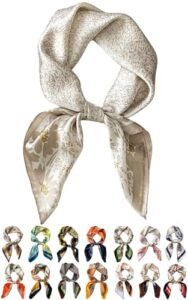 Chichibu Meisen stole →
Johana silk scarf →
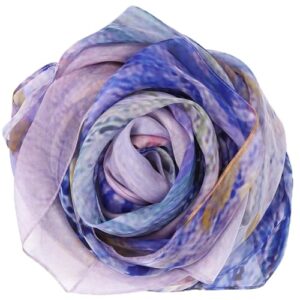 Kaga Yuzen scarf →
Buying options
| Store | Item / variant | Price | Notes |
|---|---|---|---|
| 🇺🇸 Amazon US (search) | Browse Japanese silk neckties & plant-dyed textiles | varies (USD) | Best if you’re shopping from the US — Prime shipping, USD pricing, no customs. Amazon US carries Japanese silk and plant-dyed neckwear from various makers; Naraya’s exact Akita Hachijo piece is sourced from Japan (next row). |
| 🇯🇵 Amazon JP Global Store | Naraya Akita Hachijo necktie | — | Ships internationally from Japan to most major destinations via the Global Store. |
| Maker direct | Naraya (Akita City) | Varies — inquire | A workshop-direct option; international ordering may require Japanese-language correspondence. |
| Proxy services (Buyee / Tenso) | Forwarding from Japanese domestic shops | Item price + forwarding fee | Useful if the item appears only on a Japan-only storefront. Adds a service fee and a consolidation step. |
JPY (¥) is the authoritative price for the specific listed item; USD figures, where shown elsewhere, are approximate (≈ ¥150/USD as of mid-2026). Prices and stock fluctuate — verify at the retailer before buying.
What it does well
“The yellow is not painted onto the silk — it is grown in the hills above Akita, cut as grass, and boiled into the thread.”
Weaknesses and things to verify before buying
- Product details vary. Confirm the fit before purchase if that matters to you.
- Hand-woven stock is limited. Availability can move, so check current availability before ordering.
- Natural-dye variation. Kariyasu yellow shifts slightly between dye lots. If you need an exact, repeatable shade, this is the wrong product category.
- Care demands. Plant-dyed silk is not machine-washable and can be light-sensitive over years; treat it as a dry-clean, store-away-from-sun item.
- Limited availability. A single near-last workshop means stock can sell out and not restock quickly; there is no guarantee of a replacement in the same shade.
- International shipping & customs. Buying from outside Japan adds shipping time and possible duties above your local threshold — factor both in.
Conclusion — which buyer type are you?
Other ways to approach this purchase
Where this comes from

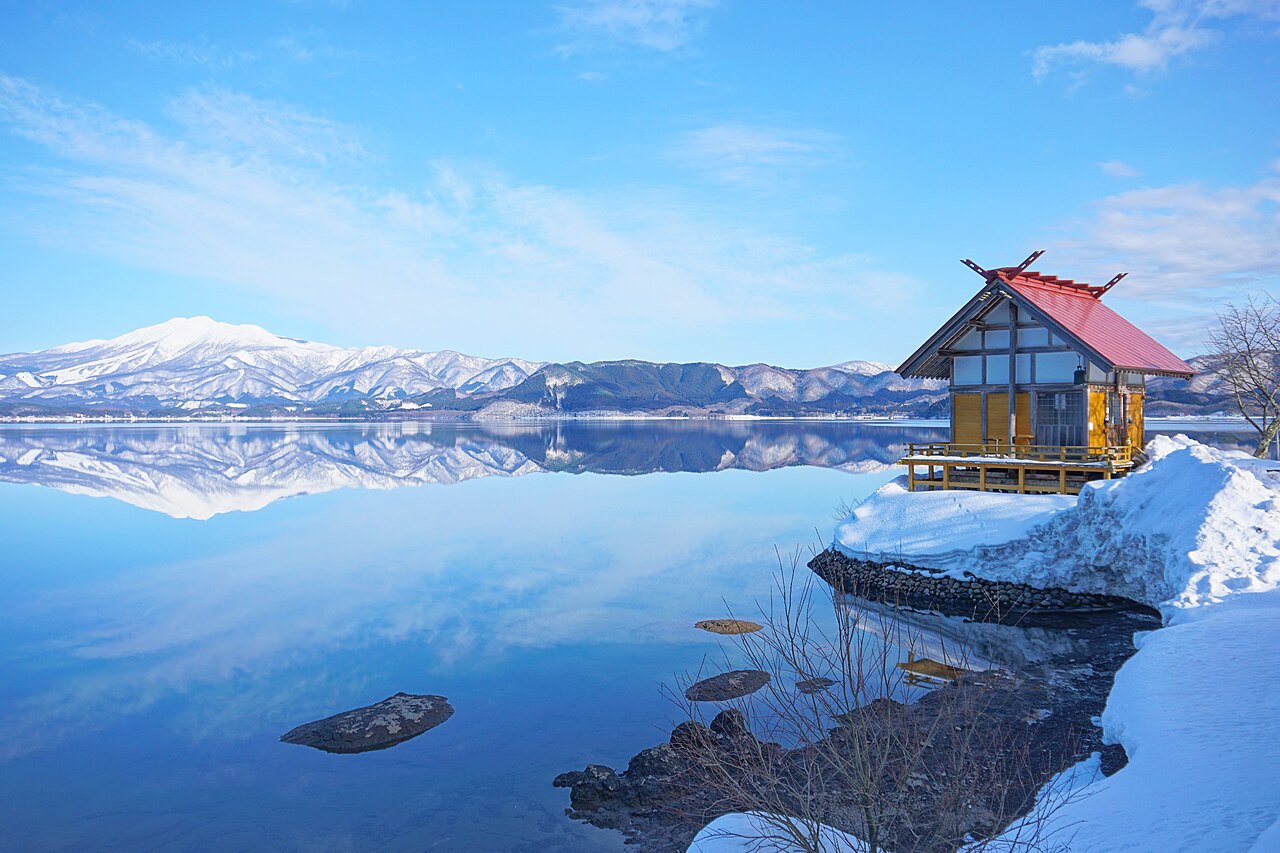
Akita City is the seat of Akita Prefecture, on the Sea of Japan side of northern Honshu. It is a cold, snow-heavy place — long winters that historically kept rural households indoors and gave rise to the kind of patient handwork, weaving among it, that fills the off-season. The hills around the prefecture supplied the raw dye material: kariyasu grass for yellow, and the barks and roots that yield the reddish-brown grade.
The craft’s patron was the Satake clan. After relocating to the Kubota domain in the early 1600s, the Satake encouraged sericulture across Akita, and silk weaving took root in domain households. Akita Hachijo borrowed its name from the renowned yellow silk of Hachijōjima far to the south, but its color chemistry is entirely local — kariyasu yellow and bark-brown, set with ash lye and iron-rich mud as mordants.
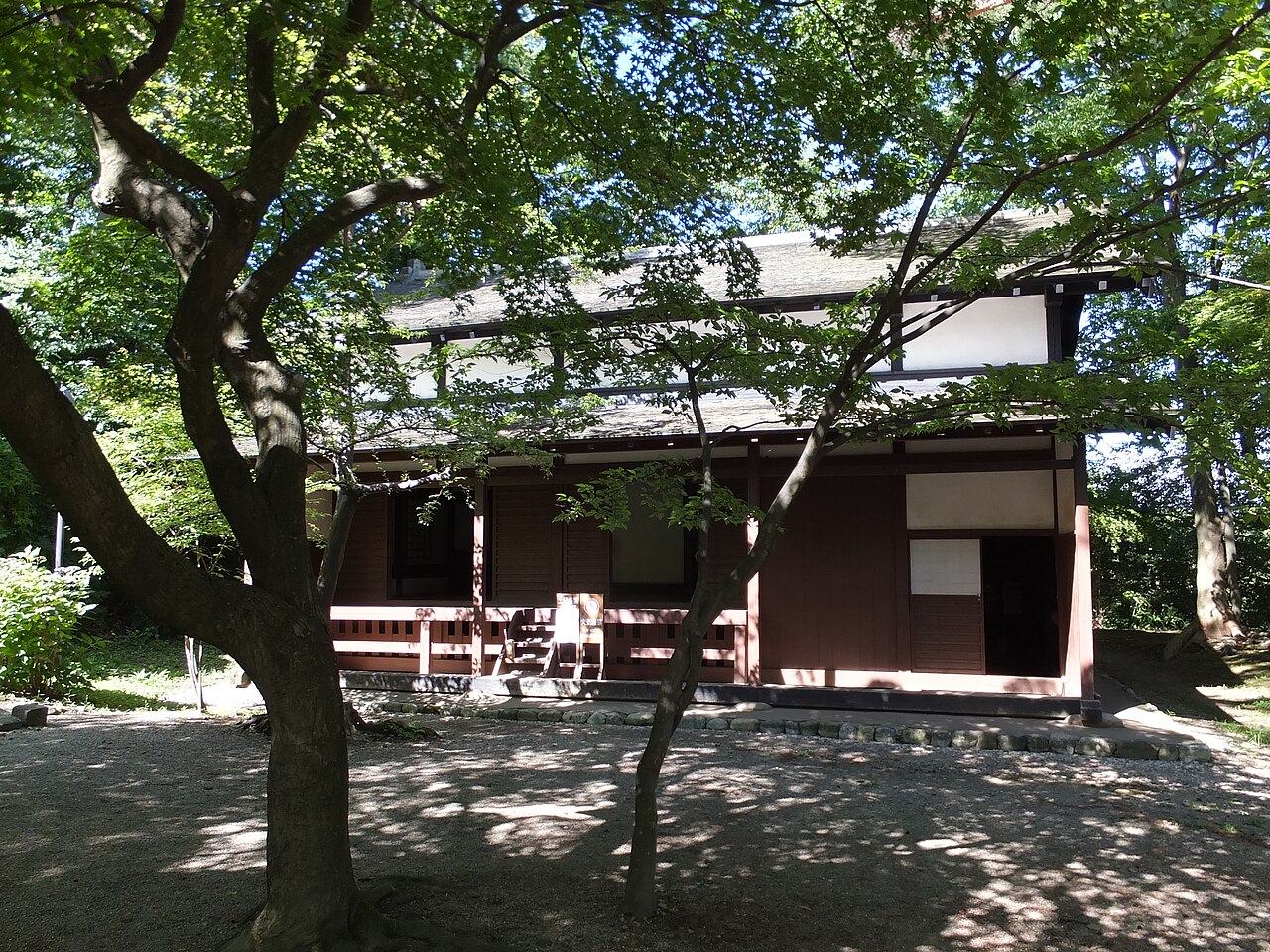
- Early 1600s — The Satake clan relocates to the Kubota (Akita) domain and begins promoting sericulture.
- Edo period — Plant-dyed silk is woven widely by domain households; the kihachijo yellow and tobihachijo brown grades take shape.
- 19th century — The name “Akita Hachijo” distinguishes the Tōhoku silk from Hachijōjima’s southern yellow silk.
- 20th century — Industrial textiles and chemical dyes push hand-woven plant-dyed silk into steep decline.
- Present (2026) — Naraya in Akita City carries the tradition forward as effectively its last workshop.
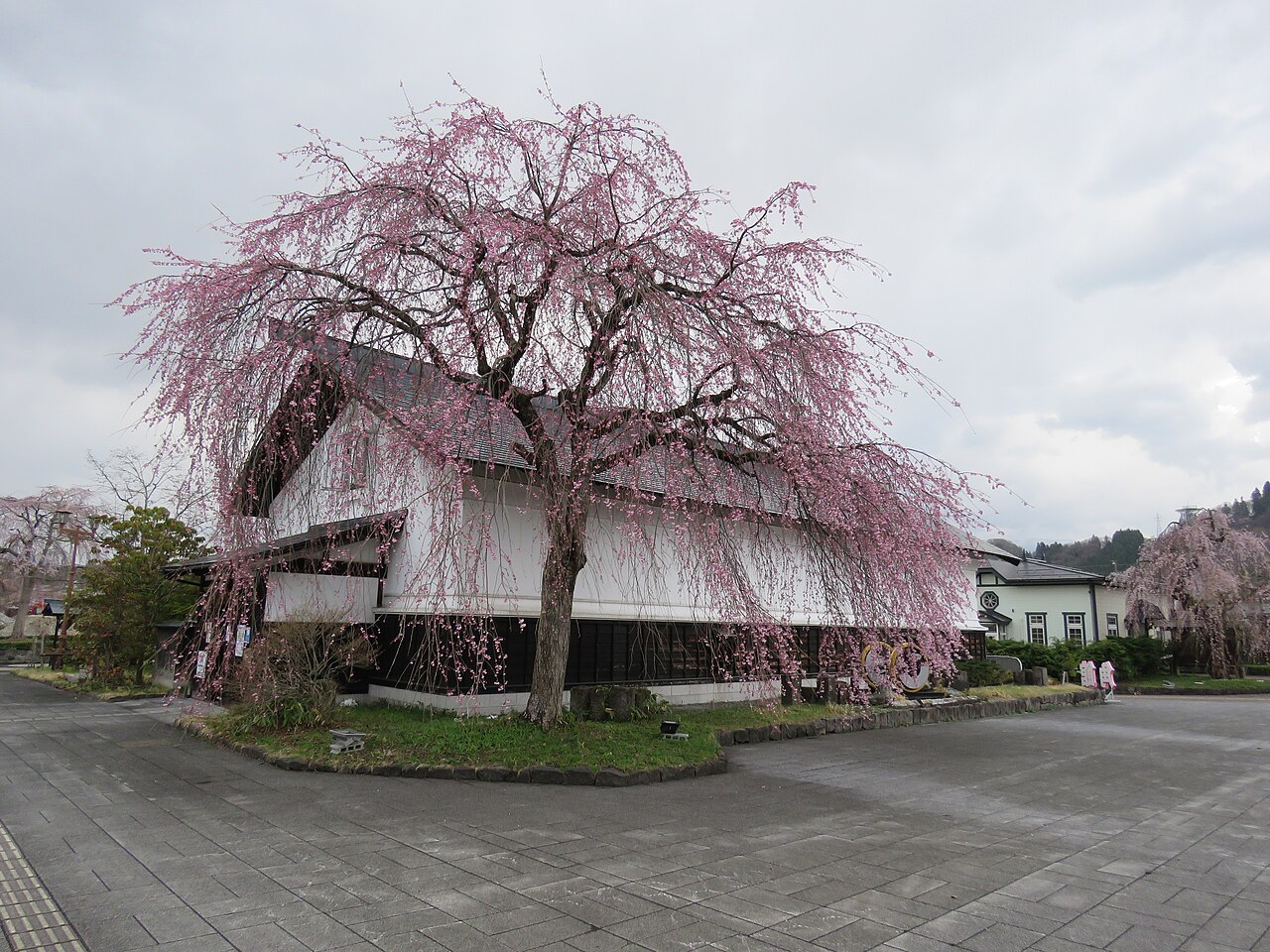
What “still being made here” means in practice is sobering and worth stating plainly. Where Akita Hachijo was once a domain-wide household craft, the active production today narrows to essentially a single workshop. That is what makes a Naraya necktie more than an accessory — it is one of the few continuing outputs of a craft that nearly disappeared.
The dye method is the heart of the object. Kariyasu grass is gathered and boiled to release a clear yellow; the silk is steeped, then fixed with ash lye to lock the color. The reddish-brown tobihachijo grade comes from bark and root decoctions, mordanted in iron-rich mud. None of this is fast, and none of it is exactly repeatable — which is why two Akita Hachijo ties in “the same” yellow will never be quite identical.
❓ Frequently Asked Questions
Is the yellow really from a plant, or is it dyed with chemicals?
The signature kihachijo yellow comes from kariyasu grass gathered locally and fixed with ash-lye mordant. The reddish-brown grade comes from bark and root dyes set in iron-rich mud. These are natural dyes, not chemical pigment print.
Does Amazon JP ship this internationally?
Akita Hachijo silk neckties are generally available from regional silk cooperatives in Akita, from specialty menswear retailers in Japan, and through larger Japanese craft platforms that carry plant-dyed textiles. International shipping time and customs duties depend on your country’s threshold, so factoring those into the landed cost is wise. For US-based buyers, an Akita-silk-specific search on the major US platforms is often the more convenient starting point.
Why are some product details unavailable?
Hand-dyed Hachijo silk ties vary in price with weave density, dye lot, and whether the silk is plant-dyed at the Naraya workshop or by another Akita maker. As a rough guide, plain weave-dyed silk sits below fully patterned pieces, while a limited-lot plant-dyed tie lands noticeably higher. Treat any listed figure as the seller’s current quote rather than a fixed market price.
How should I care for a plant-dyed silk necktie?
Treat it as dry-clean only and store it away from direct sunlight. Natural dyes can be light-sensitive over time, and silk is not machine-washable. Gentle handling preserves both the color and the weave.
Will two ties in the same yellow look identical?
Not exactly. Because the color is drawn from gathered grass and fixed by hand, the shade shifts slightly between dye lots. If you need a precise, repeatable color match, this craft category is not the right choice.
How is this different from a Kiryu-ori or Yuki Tsumugi silk tie?
Those are distinct regional silks with their own weaving traditions and color methods. Akita Hachijo’s defining trait is its locally gathered plant dye — kariyasu yellow in particular — and its Satake-domain Tōhoku origin. See the comparison box above for links to each.
Is it really made by only one workshop?
Production has narrowed sharply. Naraya in Akita City is today effectively the last workshop carrying Akita Hachijo forward, which is part of why each piece is considered rare among surviving domain-era silks in Tōhoku.
jpmono.com is curated by a Japan-based editorial team (working out of Toyama in the Hokuriku region and Nara in Kansai) and is independent. We do not take payment from the makers we feature; income comes from affiliate links. Read more about our editorial standards.
This article was prepared with AI assistance and reviewed against the documented craft history. Descriptions of the textile and dyeing tradition are based on the available craft record; details vary between weavers and dye lots.
Affiliate disclosure: jpmono.com may earn a commission on qualifying purchases made through links on this page, at no additional cost to you.