![Katsuyama Takezaiku Bamboo Zaru: Okayama Madake Colander [2026]](https://jpmono.com/wp-content/uploads/2026/05/japan-map-regions-and-prefectures-800x1050.png)
The Katsuyama Takezaiku (勝山竹細工, “Katsuyama bamboo work”) zaru is a hand-woven bamboo colander made in Katsuyama, a former castle town in Maniwa City in the cold uplands of northern Okayama Prefecture. It is not decorative basketry. It is a draining and washing tool, woven from highland madake bamboo in a tradition that took shape during the Edo period and was named a nationally designated Traditional Craft in 1979.
For an international reader, the appeal is specific and unromantic. This is one of the few bamboo colanders still made by hand in a designated craft district, with thick splints, a chamfered “men-tori” weave, and no lacquer or dye to wear off. It is built to be used wet, every day, and to outlast the cook who buys it. That durability — rather than ornament — is the reason it has a reputation among Japanese home cooks.
This guide is written for readers shopping from outside Japan who want to understand what they are actually buying, where it comes from, how to buy it across borders, and where it sits against other Japanese basketry and kitchen tools. We cover the place and its history, the practical strengths and the honest caveats, and the buying paths — Amazon US, Amazon JP Global Store, and proxy services.
🔄 Updated: June 5, 2026
⏱ Read time: ~11 min
Who this is for — and who should skip it
- Want a daily kitchen colander for rinsing rice, draining noodles, or washing vegetables
- Prefer a natural, un-lacquered, un-dyed tool that ages with use
- Value a designated traditional craft made by hand rather than a mass-molded plastic strainer
- Are willing to hand-wash and air-dry a natural-material item
- Appreciate buying directly from a small designated craft district
- Want a dishwasher-safe, set-and-forget plastic or stainless colander
- Will leave it sitting wet — natural bamboo can mildew if never dried
- Need a guaranteed exact diameter; hand-woven sizing varies slightly
- Expect a uniform, machine-perfect finish with no natural variation
- Are unwilling to wait for international shipping or verify live stock
Product overview (from published specs)
Prices and stock can change over time, so they may not be confirmed here. The descriptive attributes below are drawn from the craft’s published characteristics; verify exact dimensions and current price with a seller before purchasing.
| Attribute | Detail | Source |
|---|---|---|
| Craft | Katsuyama Takezaiku (Katsuyama bamboo work) | Maker / craft designation |
| Item type | Zaru — draining / washing colander | Product title |
| Material | Highland madake (真竹) bamboo, un-lacquered, un-dyed | Craft characteristics |
| Weave | Men-tori (面取り, chamfered) weave with thick splints | Craft characteristics |
| Origin | Katsuyama, Maniwa City, Okayama Prefecture (old Mimasaka province) | Maker location |
| Designation | Nationally designated Traditional Craft (1979) | METI designation |
| Dimensions | Unconfirmed — hand-woven sizes vary | — |
| Price | Not stated at the time of writing — confirm before buying | — |
Spec sources, in order of priority: Amazon US search (primary, moonill-20) → Amazon JP Global Store (secondary, moonill-22) → maker direct → proxy services. Where a value is not confirmed in the available material or a linked article, it is marked “Unconfirmed.”
📖 Glossary — key terms
- Zaru (笊) — a woven bamboo basket-colander used to drain, rinse, or serve food; a staple of the Japanese kitchen.
- Soke (箕) — a flat winnowing basket historically used to separate grain from chaff; the older utility ware of the Katsuyama district.
- Madake (真竹) — “true bamboo,” a dense, springy species prized for tools; the cold Okayama uplands grow especially firm stock.
- Men-tori (面取り) — “chamfering,” the technique of beveling the edges of each splint so the weave is smooth, strong, and comfortable to handle.
- Shokunin (職人) — a craftsperson or artisan trained in a specific trade through long apprenticeship.
- Dentō Kōgeihin (伝統工芸品) — a craft formally designated “Traditional Craft” by Japan’s Ministry of Economy, Trade and Industry (METI).
Related guides on jpmono.com — other Okayama crafts, Japanese basketry, and kitchen tools worth comparing before you decide.
Where this comes from

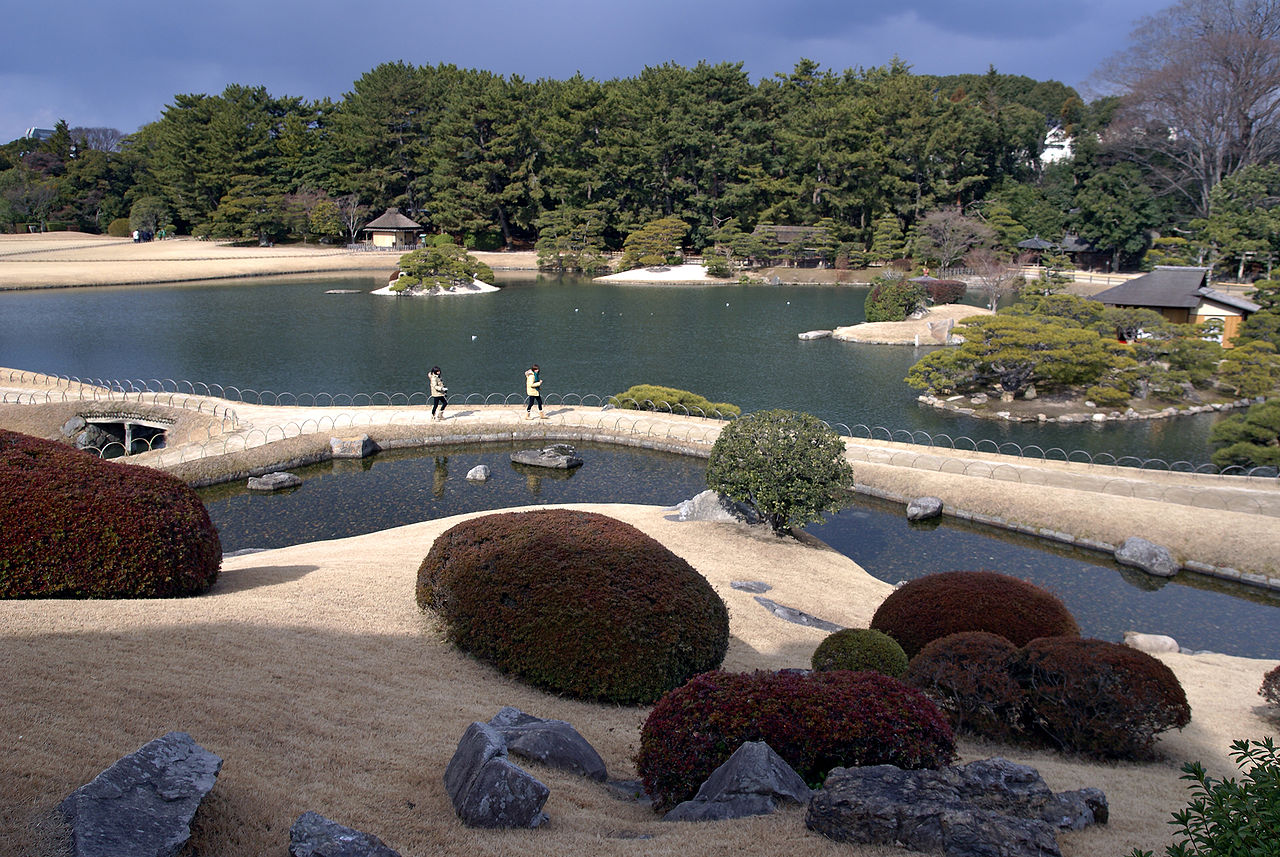
Okayama is a Chūgoku-region prefecture on the western half of Honshu, facing the Seto Inland Sea to the south and rising into mountains to the north. Its lowlands are mild and famous for fruit and for Korakuen, ranked among Japan’s three great gardens. But Katsuyama is not in those lowlands. It sits in the cold, snowy uplands of the prefecture’s north, in old Mimasaka province, near the Hiruzen highlands that straddle the border with Tottori.
That climate is the reason the craft exists. The cold uplands grow dense, springy madake bamboo — stock that is firmer and more resilient than bamboo from warmer regions, and therefore better suited to tools that must take daily stress.
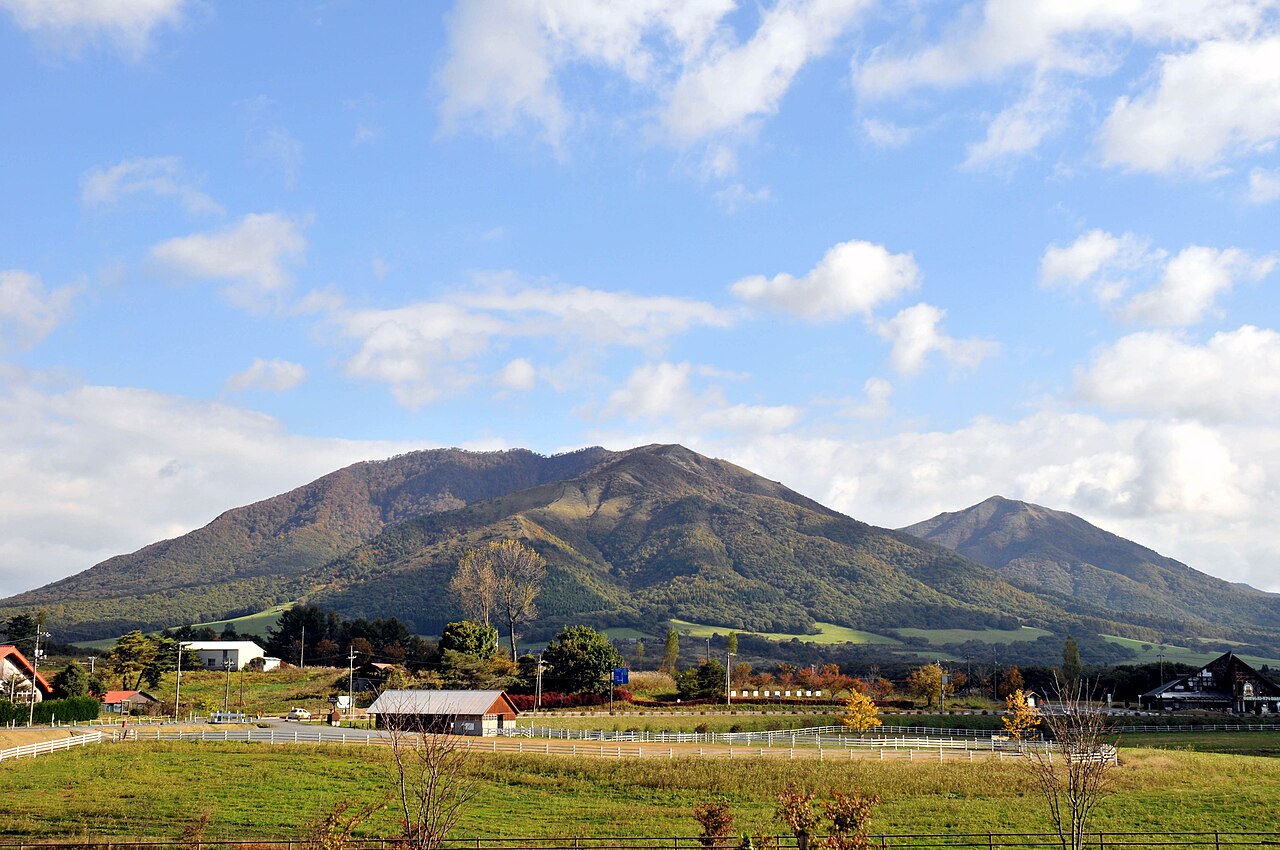
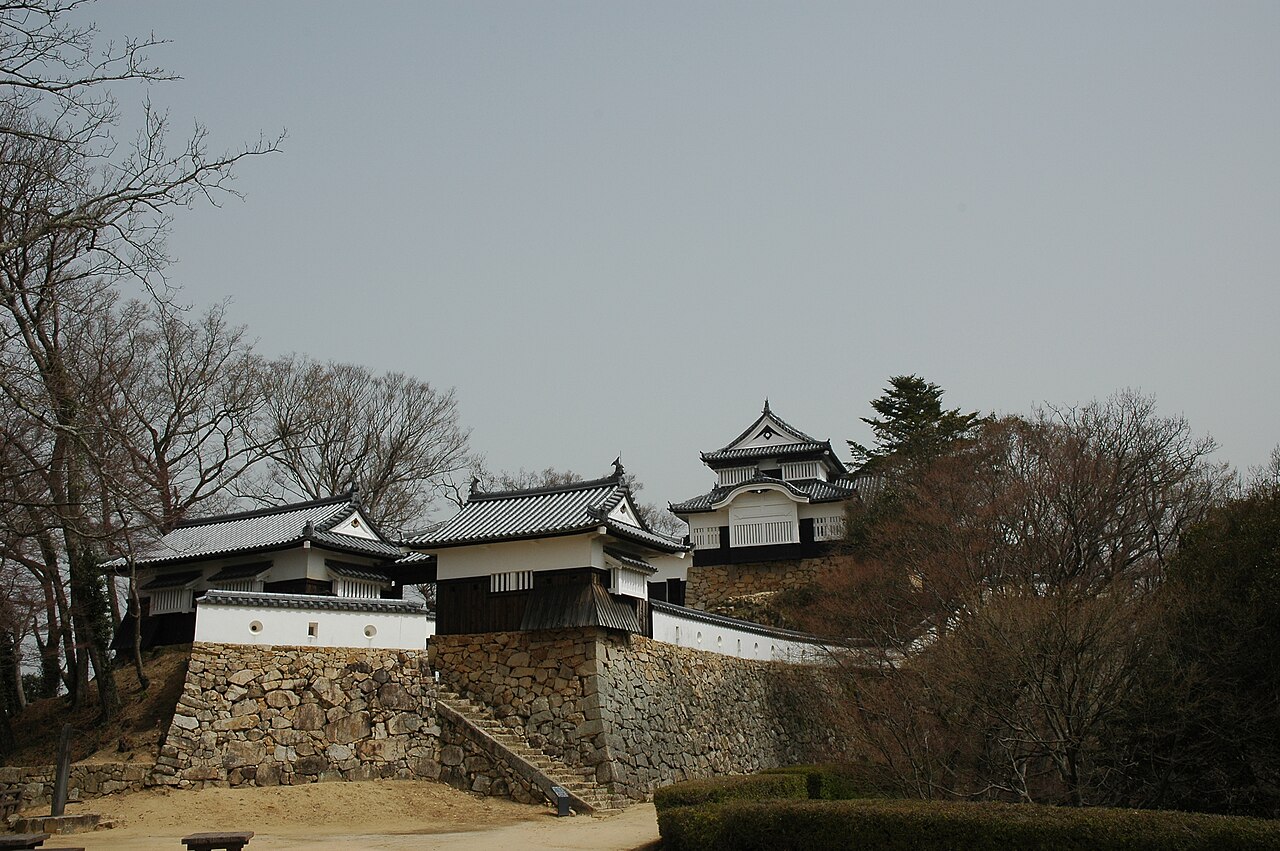
Katsuyama itself was an Edo-period castle town, the seat of the Katsuyama domain under the Miura clan. Around the castle, farmers and artisans wove everyday utility ware from the local bamboo: soke (flat winnowing baskets) for handling grain, and zaru for washing rice and draining food. These were working tools, not art objects, and they were sold across the Chūgoku region as ordinary household goods.

- 1603 — The Edo period begins; sustained peace spurs domestic production of utility and household ware.
- Edo period — Katsuyama develops as a castle town under the Miura clan; farmers weave madake soke and zaru as everyday utility ware.
- 17th–19th c. — Katsuyama bamboo ware is sold across the Chūgoku region as ordinary kitchen and farm tools.
- 1868 — The Meiji era opens; hand utility ware persists alongside industrialization.
- 1979 — Katsuyama Takezaiku is named a nationally designated Traditional Craft (Dentō Kōgeihin) by METI.
- 2005 — Katsuyama becomes part of the newly formed Maniwa City through municipal merger.
- 2026 — The zaru is still hand-woven from highland madake in Maniwa workshops.
In 1979, Katsuyama Takezaiku was named a nationally designated Traditional Craft. That recognition matters less as a marketing label than as a marker of continuity: the weave, the material, and the everyday-utility character were judged consistent enough with the historical practice to merit protection.
“No lacquer, no dye, no decoration — a Katsuyama zaru is built to be used wet, every day, and to outlast the cook who buys it.”
What “still being made here” means in practice is plain utility, made by hand. The signature of the craft is not ornament but construction: thick splints, the men-tori (chamfered) weave that smooths and strengthens each edge, and a deliberate refusal to coat the bamboo in lacquer or dye. The result is a tool meant to be wetted daily, dried, and used for a very long time.
Where to buy across stores
JPY is the usual reference currency for Japan-sourced pieces; USD figures are approximate estimates at a ¥150/USD baseline (mid-2026). Prices can change, so confirm the current amount with a seller before buying.
| Store | Item / Variant | Price (JPY + USD est.) | Notes |
|---|---|---|---|
| 🇺🇸 Amazon US (search) | Browse Japanese bamboo zaru & colanders | varies (USD) | Best if you are shopping from the US — Prime shipping, USD pricing, no international customs. Amazon US carries Japanese bamboo and kitchen colanders from various makers; the exact Katsuyama piece ships from Japan (next row). |
| 🇯🇵 Amazon JP Global Store | Katsuyama Takezaiku madake zaru | Price not stated — confirm before buying | This Japan-based store option ships internationally from Japan to most major destinations. |
| Maker direct | Katsuyama craft workshops / cooperative | Unconfirmed — check maker site | Small workshops may sell domestically; international shipping is not guaranteed. |
| Proxy services (Buyee / Tenso) | Forwarding from Japanese retailers | Item price + forwarding fee | Useful if a seller ships only within Japan; adds a service fee and consolidated international shipping. Expect customs duties over local thresholds. |
International shipping and current stock can change over time. The Amazon JP Global Store ships many household items internationally, typically in the $15–$40 range to the US and EU, with higher costs elsewhere; customs duties may apply over local thresholds.
What it does well
Dense, springy madake from the cold Okayama uplands resists daily wet-and-dry stress better than softer, warm-region bamboo.
No lacquer or dye to flake off; the bamboo darkens naturally with use rather than wearing through a surface coating.
Beveled splint edges make the weave smooth to handle and structurally tight, the signature of the Katsuyama tradition.
A 1979 nationally designated Traditional Craft, still woven by hand in its home district rather than mass-molded.
Weaknesses and things to verify before buying
- Natural material needs care. Un-lacquered bamboo can mildew if stored wet. It must be rinsed, shaken out, and air-dried; it is not a leave-it-in-the-sink tool.
- Not dishwasher-safe. Hand-washing only. High heat and harsh detergents shorten the life of natural bamboo.
- Sizing varies. Hand-woven pieces are not machine-uniform. Confirm the fit for your intended use before buying.
- Price and stock are unconfirmed here. Verify current availability before ordering; small craft stock can sell out.
- Appearance varies by piece. Color, grain, and small irregularities differ between hand-woven items; this is expected, not a defect.
- International shipping adds cost and time. Cross-border orders carry shipping fees and possible customs duties, and arrive more slowly than a domestic plastic colander.
Conclusion — which buyer type are you?
You want a designated traditional craft made by hand and will care for it. This is squarely for you — buy the genuine Katsuyama piece.
You want a daily rice-rinsing and noodle-draining tool with character. A good fit, provided you are happy to hand-wash and air-dry.
If cost-per-use and convenience drive you, a plastic or stainless colander is cheaper. Choose this only if the craft itself is the point.
If you want dishwasher-safe convenience and never want to dry a natural item, skip this and buy a synthetic colander.
Other ways to approach this purchase
Amazon JP Global Store pricing fluctuates; watch market prices across a few weeks if you are not in a hurry.
Katsuyama workshops and the local cooperative may sell domestically; international shipping is not guaranteed, so confirm first.
If you already buy through Amazon, points and reward balances can offset the cost on either the US or JP path.
Buyee or Tenso can forward Japan-only stock abroad for a service fee — useful if a seller does not ship internationally.
❓ Frequently Asked Questions
Does Amazon JP ship the Katsuyama zaru internationally?
Amazon JP Global Store ships many household items internationally to most major destinations. Confirm eligibility and shipping cost with the retailer, since they vary by item and address; costs are typically $15–$40 to the US and EU and higher elsewhere. If a seller ships only within Japan, a proxy service such as Buyee or Tenso can forward it for you.
How do I care for a natural bamboo zaru?
Hand-wash with mild soap, rinse, shake out excess water, and air-dry fully before storing. Because the bamboo is un-lacquered, it can mildew if left wet, so do not leave it sitting in the sink. Avoid the dishwasher, prolonged soaking, and high heat.
What is the difference between a zaru and a soke?
A zaru (笊) is a woven bamboo colander for draining, rinsing, and serving food. A soke (箕) is a flat winnowing basket historically used to separate grain from chaff. Both are part of the Katsuyama tradition; the kitchen zaru is the everyday tool most international buyers want.
Why does the price not appear in this guide?
Prices and stock can change over time, so check current availability and the price directly with the retailer before ordering.
Is this a genuine designated traditional craft?
Katsuyama Takezaiku was named a nationally designated Traditional Craft (Dentō Kōgeihin) by Japan’s METI in 1979. The pieces are hand-woven from highland madake bamboo in Katsuyama, Maniwa City, Okayama, in the men-tori weave that defines the tradition.
Will customs duties apply when I import it?
Possibly. Orders above your country’s de minimis threshold can attract customs duties and import taxes, which are separate from the item price and shipping. Check your local import rules before ordering so the total cost does not surprise you.
jpmono.com is curated by a Japan-based editorial team (working out of Toyama in the Hokuriku region and Nara in Kansai) and is independent. We do not take payment from the makers we feature; income comes from affiliate links. We do not physically test every product — we read maker specifications and craft sources.
This article was prepared with AI assistance and reviewed against maker specifications and craft references. Specifications, pricing, and availability can change after publication; confirm current details with the retailer.
Affiliate disclosure: jpmono.com may earn a commission on qualifying purchases made through links on this page, at no additional cost to you.