![Usa Hachiman Cast Brass Orin Bell: Oita Ritual Metalcraft [2026]](https://jpmono.com/wp-content/uploads/2026/05/japan-map-regions-and-prefectures-800x1050.png)
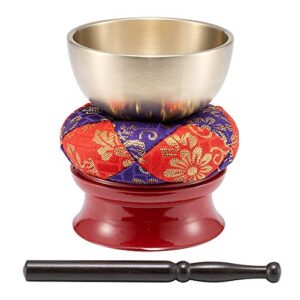
An orin (おりん, a struck Buddhist altar bell) is one of the few household objects whose entire value lives in a single quality: the tone. Strike a good one and a clear note rises, then hangs in the air for many seconds, slowly thinning to silence. This particular orin is cast in brass and comes out of Oita Prefecture in northeastern Kyushu — a region whose ritual-metal tradition was shaped not by a famous craft brand but by something deeper, the centuries-long temple-and-shrine economy of Bungo and Buzen.
That economy has a head. Usa Jingu (宇佐神宮), in northern Oita, is the head shrine of roughly 40,000 Hachiman shrines nationwide and the cradle of shinbutsu-shūgō (神仏習合, the syncretic fusion of Shinto and Buddhism). Where shrines and temples concentrate, metalworkers follow — to cast the altar fittings, the decorative mounts, and the bells that ritual life consumes. The orin sits squarely in that lineage.
This guide is written for readers shopping from outside Japan who want to understand a brass orin: where the form comes from, how its sound compares with bronze or sahari alloys, what to look for in its construction, and the cleanest path to purchase from abroad. Oita is not a name most international buyers associate with metalcraft — and that is precisely why the place is worth a few minutes before the price.
🔄 Updated: June 12, 2026
⏱️ Read time: ~9 min
- Who this is for — and who should skip it
- Product overview (from published specs)
- Where this comes from — Usa, Kunisaki, and Bungo ritual metal
- 📌 How does it compare?
- Price information
- What it does well
- Weaknesses and things to verify before buying
- Conclusion — which buyer type are you?
- Other ways to approach this purchase
- ❓ Frequently Asked Questions
Who this is for — and who should skip it
- Want a home butsudan (仏壇, Buddhist altar) bell with a warm, long-sustaining tone
- Value a regional ritual-metal lineage over a mass-market brand
- Use a struck bell for meditation, breathwork, or marking time in zazen
- Prefer brass’s softer, rounder voice to the brighter ring of higher alloys
- Are comfortable confirming the workshop before buying
- Need a specific certified traditional-craft (伝統的工芸品) designation — Oita’s METI craft is not metal
- Want a guaranteed named-master maker stated up front
- Expect a precise pitch, decibel level, or sustain time printed in the spec
- Dislike routine metal care — brass tarnishes and needs occasional polishing
- Are buying purely as décor and do not care about tone at all
Product overview (from published specs)
A brass orin’s dimensions, included accessories, and workshop details vary by maker. The table records only general characteristics of the form and leaves unconfirmed points open rather than guessing.
| Attribute | Detail | Source |
|---|---|---|
| Item type | Orin (rin) struck Buddhist altar bell, with cushion and striker | General description |
| Material | Cast brass (shinchū, 真鍮 — copper-zinc alloy) | General description |
| Tonal character | Hand-tuned for a clear, long-sustaining note | General recommendation |
| Region | Oita Prefecture (Bungo/Buzen ritual-metal tradition), Kyūshū | Editorial / data notes |
| Diameter / height | Not confirmed | — |
| Weight | Not confirmed | — |
| Workshop / maker | Not confirmed | — |
International buyers may encounter Japanese ritual bells through US-facing searches, Japanese retail channels, maker-direct shops, or proxy services. Specifications and availability vary by maker.
📖 Glossary — key terms
- Orin / rin (おりん・鈴) — a small bowl-shaped struck bell used on a Buddhist altar; prized for a clear, long-sustaining tone.
- Shinchū (真鍮, “brass”) — a copper-zinc alloy. In bells it gives a warm, rounded voice, between bronze and higher tin alloys.
- Sahari (佐波理) — a high-tin bronze used for some premium bells and singing bowls; brighter, with very long sustain.
- Butsudan (仏壇) — the home Buddhist altar cabinet; the orin lives here alongside other butsugu.
- Butsugu (仏具) — Buddhist ritual implements and altar fittings, historically a major product of regional metalworkers.
- Kazari-kanagu (錺金具) — decorative metal mounts and fittings used on shrines, temples, and furniture.
- Shinbutsu-shūgō (神仏習合) — the syncretic fusion of Shinto and Buddhism; Usa Jingu is regarded as its cradle.
- Rokugo Manzan (六郷満山) — the syncretic Buddhist temple culture of the Kunisaki Peninsula.
Where this comes from — Usa, Kunisaki, and Bungo ritual metal

Oita occupies the northeastern corner of Kyūshū, Japan’s southwestern main island, facing the Bungo Channel toward Shikoku and the Seto Inland Sea toward Honshu. Most of the prefecture corresponds to the old province of Bungo, with the north belonging to Buzen — names that still carry weight in the world of butsugu and ritual casting. This is not a coast that grew rich on a single craft brand. It grew a metal tradition the slow way: by being, for over a thousand years, one of the most religiously dense landscapes in Japan.
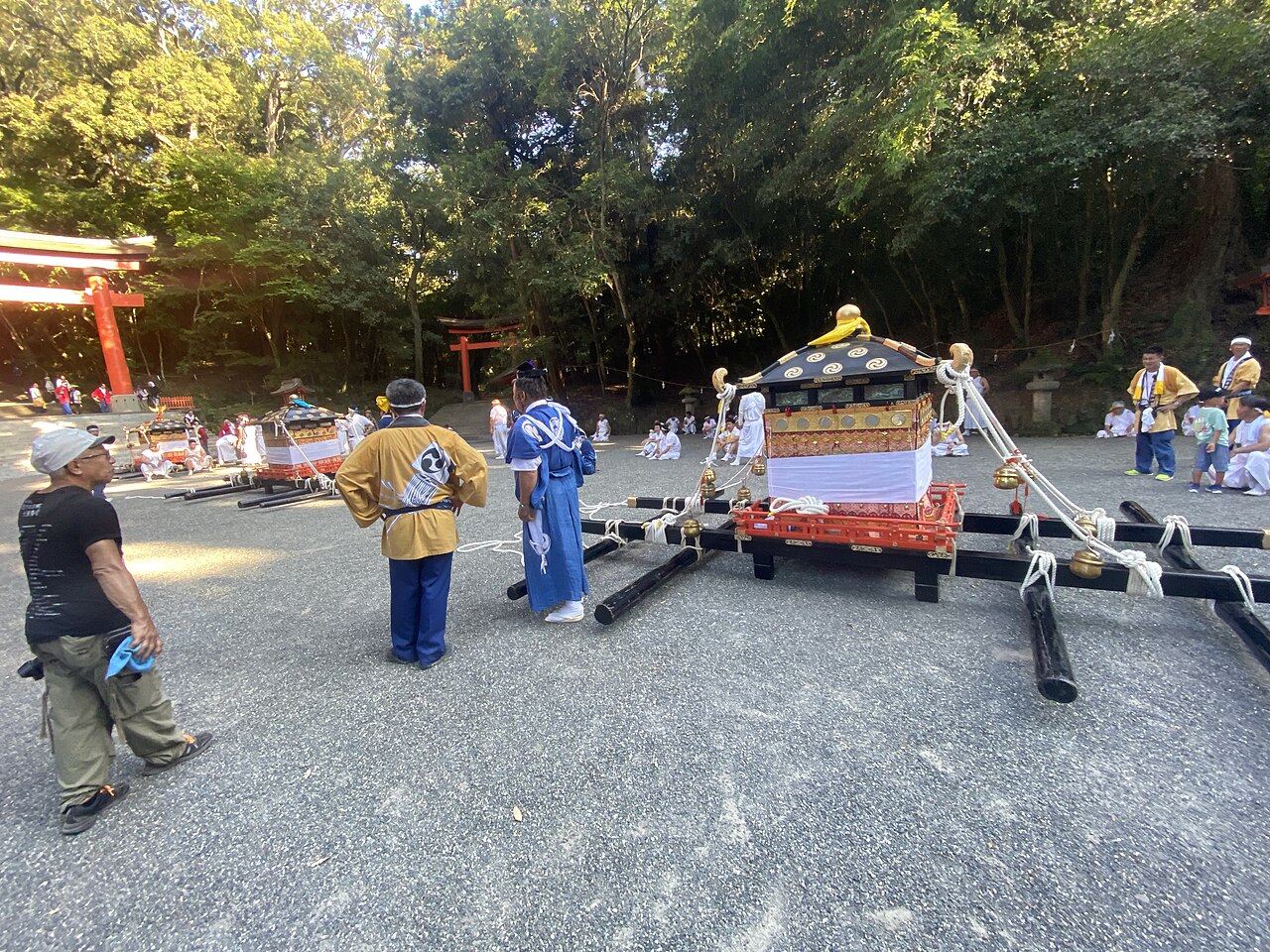
The center of gravity is Usa Jingu, in northern Oita. It is the head shrine of roughly 40,000 Hachiman shrines across Japan, and it is regarded as the cradle of shinbutsu-shūgō — the centuries-long fusion of Shinto worship and Buddhist practice. The attached Mirokuji temple complex stood beside the shrine and was active for centuries, making Usa one of the earliest and most important sites where the two religions were physically and ritually intertwined.
“Where shrines and temples concentrate for a thousand years, the casters who make their bells and fittings concentrate too — and they do not leave.”
- 725 (traditional) — Usa Jingu established as the head Hachiman shrine in northern Oita.
- 718 (traditional) — Rokugo Manzan temple culture founded across the Kunisaki Peninsula.
- 8th c. — Mirokuji built beside Usa Jingu; an early home of shinbutsu-shūgō.
- Late Heian (12th c.) — Fukiji Odo built; now the oldest wooden building in Kyushu.
- Edo period — Temple-and-shrine economy across Bungo/Buzen sustains butsugu, kazari-kanagu, and bell casting.
- 2026 — Cast brass orin still produced in the Oita ritual-metal lineage.
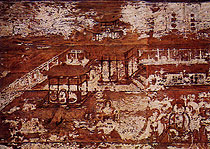
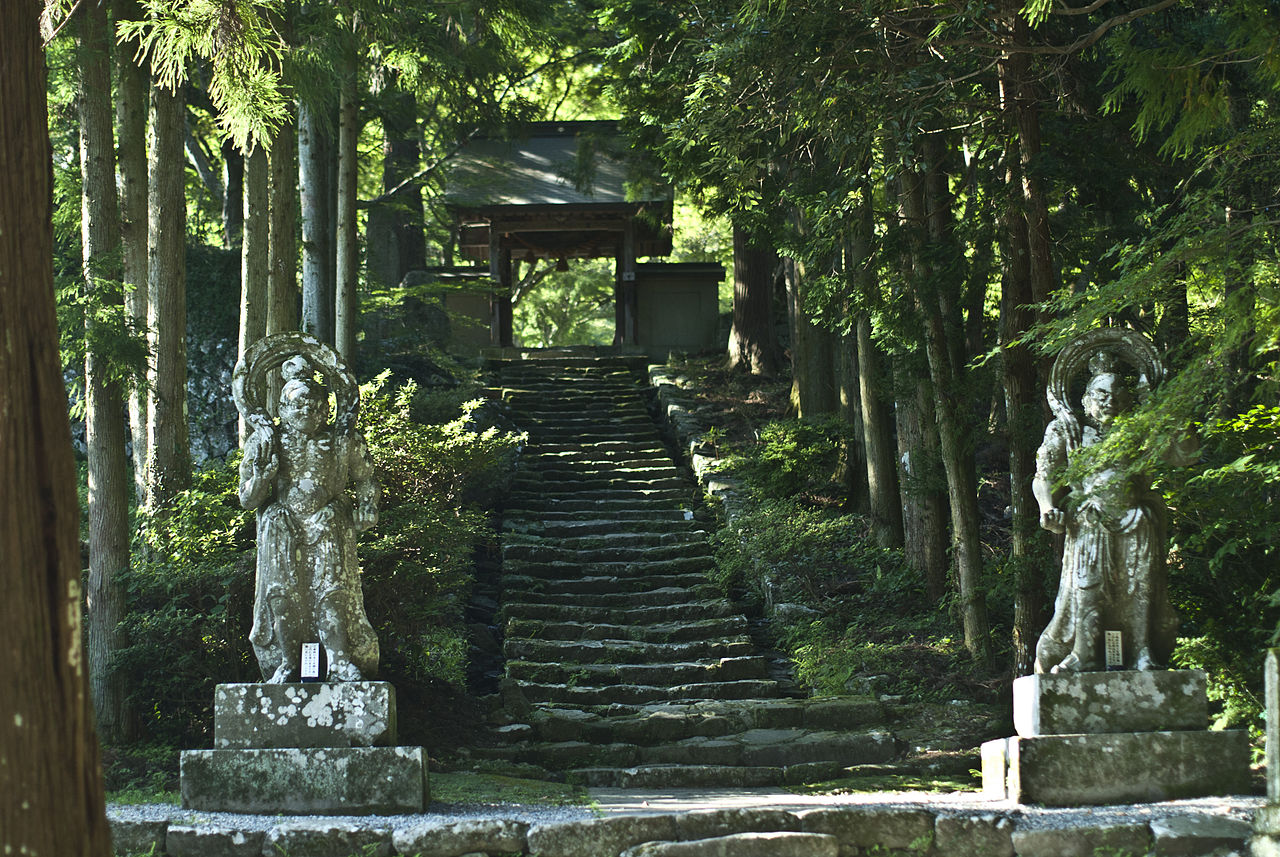
East of Usa rises the Kunisaki Peninsula, a rounded volcanic mass cut by radiating valleys. Here developed Rokugo Manzan, a distinctive syncretic Buddhist culture of mountain temples. Two survive as touchstones: Fukiji, whose Odo (main hall) is the oldest wooden building in Kyushu, and Futagoji, guarded by its famous stone Niō. Together with Usa, they anchored a temple-and-shrine economy that ran across Bungo and Buzen for centuries — and a temple economy is, among other things, a standing order for metal.
Altars, halls, and processions consume metal continuously: butsugu (altar implements), kazari-kanagu (decorative mounts), and the cast bronze and brass bells that mark every service. That steady demand is what kept casters in Bungo and Buzen, generation after generation, and it is the soil this orin grows from. The bell you strike at home is the small, domestic end of a very long supply line.

One point of honesty matters here. Oita’s officially designated traditional craft (under METI) is not a metal product, and brass bell-casting in the prefecture is best understood as a secondary, temple-driven tradition rather than a famous named brand like Takaoka bronze or Nambu ironware. The case for this orin is not a certification stamp — it is the genuine, documented religious landscape that made ritual metalwork necessary in Bungo for over a millennium. We present it on that basis, plainly.
📌 How does it compare?
Related jpmono guides — other orin, other Oita makers, and the wider Japanese metal world:
Price information
Prices for brass orins vary with alloy, size, tuning, and included accessories. USD conversions are approximate and depend on the exchange rate.
| Store | Item / Variant | Price (JPY + USD est.) | Notes |
|---|---|---|---|
| 🇺🇸 Amazon US (search) | Browse Japanese orin & altar bells | varies (USD) | Best if you are shopping from the US — Prime shipping, USD pricing, no international customs. Amazon US carries Japanese orin and singing bowls from various makers for comparison; this exact Oita piece ships from Japan (next row). |
| 🇯🇵 Amazon JP Global Store | This cast brass orin set | Not confirmed | International shipping from Japan may involve customs or duties. |
| Maker direct | Workshop to be confirmed | — | No verified direct storefront; maker not confirmed. |
| Proxy services (Buyee / Tenso) | Same item via JP marketplaces | Proxy fee may apply | Useful if the Global Store will not ship to your country; adds a forwarding fee and customs handling. |
What it does well
Brass gives a rounded, mellow voice with a long decay; careful tuning can emphasize a clear, lingering note.
Tied to the Usa Hachiman and Kunisaki temple economy — a documented lineage, not heritage marketing.
Equally at home in meditation, breathwork, or yoga practice as a clean start/stop sound cue.
Arrives with cushion and striker when sold as a set, and the Amazon JP Global Store delivers to most major countries.
Weaknesses and things to verify before buying
- Fit matters. Choose a size that suits your altar or shelf.
- Workshop not stated up front. If a named artisan matters to you, contact the seller before buying.
- No certification stamp. Oita’s METI-designated traditional craft is not metal; this is a temple-driven secondary tradition, not a branded designated craft.
- Brass needs care. Brass tarnishes over time and benefits from occasional gentle polishing; fingerprints show on bright finishes.
- Tone is not quantified. No pitch, decibel, or sustain-time figure is published — “clear and long-sustaining” is qualitative.
- Stock can shift. Small-batch craft items may sell through.
Conclusion — which buyer type are you?
Wants a named master and certified craft. Pieces in this category may not satisfy you — confirm the workshop with the seller first, or consider a designated-craft bell.
Wants a good-sounding home altar bell with a real story. This is your lane — strong tone, honest heritage, ships abroad.
Just needs a working orin sound. Compare the Amazon US search results first; basic bells may cost less, with shorter sustain.
Buying for pure décor and indifferent to tone, or unwilling to do any metal care. Your money is better spent elsewhere.
Other ways to approach this purchase
Seasonal sales can change prices for Japanese ritual goods; if you are not in a hurry, compare offers over time.
Brass bells age gracefully; a gently used orin from a JP marketplace via proxy can be a sound value if condition is described.
If you already hold Amazon balance or card points, an altar bell is a low-risk way to use them on a lasting object.
If dimensions or workshop details matter, choose a version with clearly stated specifications or ask the seller before ordering.
❓ Frequently Asked Questions
Is this orin actually made in Oita?
It is presented as part of Oita’s Bungo/Buzen ritual-metal tradition, the temple-driven casting lineage anchored on Usa Jingu and the Kunisaki Peninsula. Because workshop details vary, buyers who care about precise origin should check the maker’s information.
Does it ship internationally?
Yes. Usa Hachiman brass orin are typically stocked by the Amazon JP Global Store, which delivers to most major destinations. If your country is not served directly, a proxy service such as Buyee or Tenso can forward a Japanese-side purchase for an added fee. Customs duties may apply above your local threshold.
What is included in the set?
A common orin set includes the brass bell, a cushion (rin-buton), and a striker (rin-bō), though contents and stands vary by maker.
How does brass compare with bronze or sahari for tone?
Brass (shinchū) tends toward a warm, rounded voice with a long decay. Bronze can sound slightly darker, while high-tin sahari alloys are brighter with very long sustain and usually cost more. None is objectively best; it is a matter of the voice you prefer.
How do I care for a brass orin?
Wipe it with a soft, dry cloth and keep it away from moisture. Brass tarnishes naturally; a gentle metal polish restores brightness if you prefer a shiny finish, though many owners let it patina. Avoid abrasive cleaners that could dull the tone.
Can I use it for meditation rather than a Buddhist altar?
Yes. A struck orin gives a clean, sustained tone that works well as a start and end cue for meditation, breathwork, or yoga, independent of any religious use.
How is this different from the Tokushima or Iiyama orin you cover?
The Awa (Tokushima) piece is cast bronze and the Iiyama piece is brass tied to butsudan-making, while the Odawara version uses a sahari alloy. This one is distinguished by its Oita anchor — the Usa Hachiman and Kunisaki ritual landscape — and is the site’s first metal entry from the prefecture.
jpmono.com is curated by a Japan-based editorial team (working out of Toyama in the Hokuriku region and Nara in Kansai) and is independent. We do not take payment from the makers we feature; income comes from affiliate links. We do not physically test every product — we read maker specifications and published craft information, and flag thin details plainly when they occur.
Affiliate disclosure: jpmono.com may earn a commission on qualifying purchases made through links on this page, at no additional cost to you.