![Sanuki Cast Bronze Waniguchi Temple Gong: Where to Buy & History [2026]](https://jpmono.com/wp-content/uploads/2026/05/japan-map-regions-and-prefectures-800x1050.png)
The waniguchi (鰐口, “alligator mouth”) is one of the quieter objects in a Japanese temple. It is a flat, hollow bronze gong, hung over the offering box at the entrance, sounded by swinging a thick rope against its lipped slot before a visitor prays. The name comes from that wide, split mouth. The sound is the opposite of sharp: a low, round tone that spreads and then takes its time to fade.
This guide covers a small, home-altar version of that gong, cast in bronze and attributed to the metal trades of Takamatsu in Kagawa Prefecture, on the island of Shikoku. The piece sits in a longer story — the altar-fitting and ritual-bronze workshops that once served Shikoku’s pilgrimage temples and the merchant households along the routes to them. It is sold through Amazon’s Japan Global Store and ships internationally to most major destinations.
Written from a Japan-based editor’s desk, this article is for readers weighing a cast-bronze gong for a home altar (butsudan), a meditation or tea space, or an entryway. We cover the regional and historical context, where small ritual bronzes are cast today, the gong’s use, and practical ways to obtain one from outside Japan.
🔄 Last updated: June 13, 2026
⏱️ Read time: ~11 min
- Who this is for — and who should skip it
- Product overview (from published specs)
- Where this comes from — place, era, and the craft tradition
- Where to buy
- 📦 Shipping & where to buy from outside Japan
- What it does well
- Weaknesses and things to verify before buying
- Conclusion — which buyer type are you?
- Other ways to approach this purchase
- ❓ Frequently Asked Questions
Who this is for — and who should skip it
- Want a deep, slow-fading tone for a home altar, a meditation corner, or a tea space
- Prefer the flat temple-entrance waniguchi form over a bowl-shaped orin rin-gong
- Value cast bronze and the altar-fitting craft lineage behind it as an object, not only as a sound source
- Are comfortable buying through Amazon JP Global Store and verifying the foundry and stock before you order
- Are shopping for a quiet ritual or ceremonial gift rather than a loud signaling instrument
- Need a certified, METI-designated regional metal brand — this is framed here as a secondary craft, not a famous-craft flagship
- Want a loud, bright, carrying signal (a service bell or a dinner gong) rather than a soft ritual tone
- Expect a documented maker biography and full specification sheet — the available details are limited.
- Need it fast and cheaply with domestic shipping — this ships from Japan, with the customs and lead time that implies
- Assume “Sanuki/Takamatsu” guarantees the casting location — most small ritual bronzes today are cast in Takaoka, Toyama (we explain this honestly)
Product overview (from published specs)
A note on scope, stated plainly: the exact foundry, dimensions, weight, finish, and price of a small ritual bronze vary by workshop. The table below describes the waniguchi form and its craft context, not a single manufacturer’s fixed specification sheet. Ask the seller or workshop about the individual piece before purchasing.
| Field | What the craft type indicates |
|---|---|
| Object | Waniguchi (鰐口) gong — flat, hollow temple-entrance form, home-altar scale |
| Material | Cast bronze (copper-tin alloy) |
| Method | Lost-wax / mold casting (ikomi); finished by hand |
| Attributed origin | Takamatsu / Sanuki, Kagawa Prefecture, Shikoku — see honesty note below |
| Use | Home altar (butsudan), meditation/tea space, or entry; struck or rope-sounded |
| Dimensions / weight | Unconfirmed |
| Price | Unavailable at time of writing — verify on Amazon JP Global Store |
📖 Glossary — key terms in this article
Waniguchi (鰐口, “alligator mouth”) — a flat, hollow bronze gong hung over the offering box at a temple or shrine entrance. The wide horizontal slot along its base is the “mouth” that gives it the name; worshippers sound it with a hanging rope before praying.
Orin / rin (おりん・鈴) — by contrast, the bowl-shaped bell used on a Buddhist altar, struck with a small stick. A different form and a different tone from the waniguchi.
Butsudan (仏壇) — a household Buddhist altar. Small ritual bronzes (bells, incense burners, candle stands) are its fittings.
Kazari-kanagu (飾り金具) — decorative metal fittings, historically made by the same metalworking trades that produced altar bronzes and tansu (chest) hardware.
Ikomi / rōgata (鋳込み・蝋型) — casting by pouring molten metal into a mold; lost-wax casting uses a wax model burned out of the mold. The standard method for ritual bronzes.
Kūkai / Kōbō Daishi (空海・弘法大師) — the monk (traditionally born 774) who founded the Shingon school of Buddhism and is the figure at the center of the Shikoku 88-temple pilgrimage. Traditionally associated with Sanuki (Kagawa).
Henro (遍路) — a pilgrim walking the Shikoku 88-temple circuit; the pilgrimage economy that fed Sanuki’s altar-and-bronze trades.
Related jpmono guides — other ritual bronzes, other Kagawa crafts, and comparable Japanese metalwork worth weighing alongside this gong.
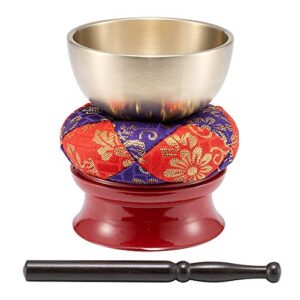 Awa Tokushima Bronze Orin Bell
The bowl-shaped altar bell, for comparison
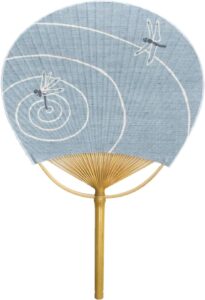 Marugame Uchiwa (Kagawa)
Another Kagawa craft tradition
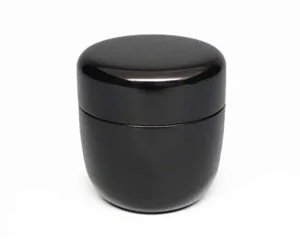 Sanuki Kinma Lacquer Caddy (Kagawa)
Sanuki’s lacquer side
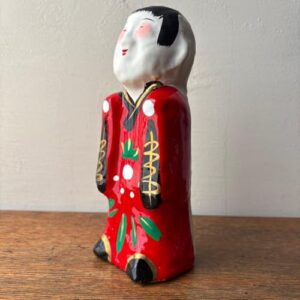 Takamatsu Hariko Hoko-san (Kagawa)
A Takamatsu folk craft
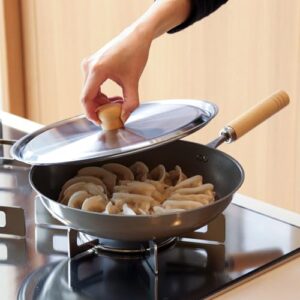 Kuwana Cast Iron Skillet
Cast-metal craft, different alloy
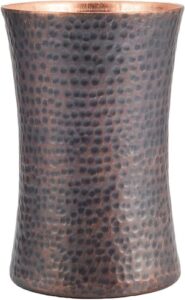 Tsubame Tsuiki Copper Tumbler
Hammered copper, another metal trade
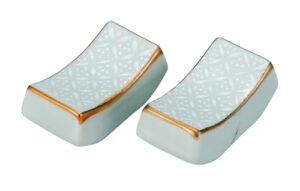 Owari Shippo Cloisonné Set
Decorative metalwork, enamel finish
Where this comes from — place, era, and the craft tradition

Kagawa is the smallest of Japan’s 47 prefectures, occupying the northeast corner of Shikoku, the smallest of the four main islands. Its old provincial name is Sanuki (讃岐). The prefecture faces the Seto Inland Sea, a calm, island-studded waterway that for centuries served as a highway between western Honshu, Shikoku, and Kyushu. That sheltered sea mattered: it made Sanuki’s ports accessible to traders and pilgrims arriving from Osaka and Kyoto, and it gave local craft trades a route to wider markets.
The reason a metalworking and altar-fitting trade took root here is not mineral wealth — it is religion and the traffic it generated. Two anchors stand out. One is Kotohira-gū, the great shrine known affectionately as Konpira-san, which in the Edo period drew waves of travelers from across Japan; a pilgrimage to Konpira was, for many, the trip of a lifetime. The other is the Shikoku 88-temple pilgrimage, the island-wide Buddhist circuit traditionally associated with the monk Kūkai (Kōbō Daishi).
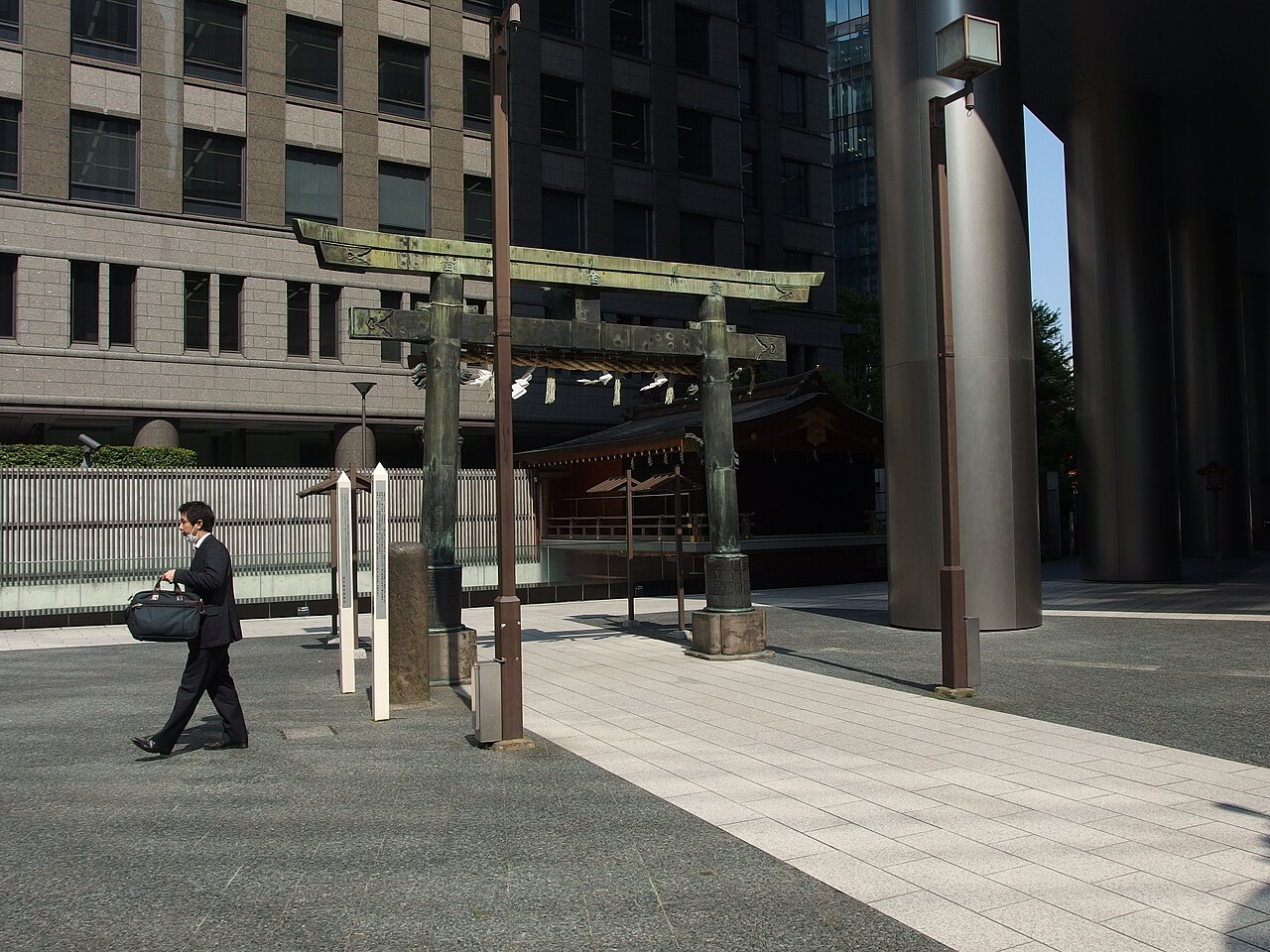
Zentsū-ji, the 75th of the 88 temples and the reputed birthplace of Kūkai, sits in western Kagawa and anchors the temple demand that a metal trade exists to serve. Temples and the households around them need ritual bronze: gongs, bells, incense burners, candle stands, and the small altar fittings that wear out and are replaced across generations. A steady stream of pilgrims keeps that demand alive, and merchant households prosperous enough to maintain handsome altars of their own.
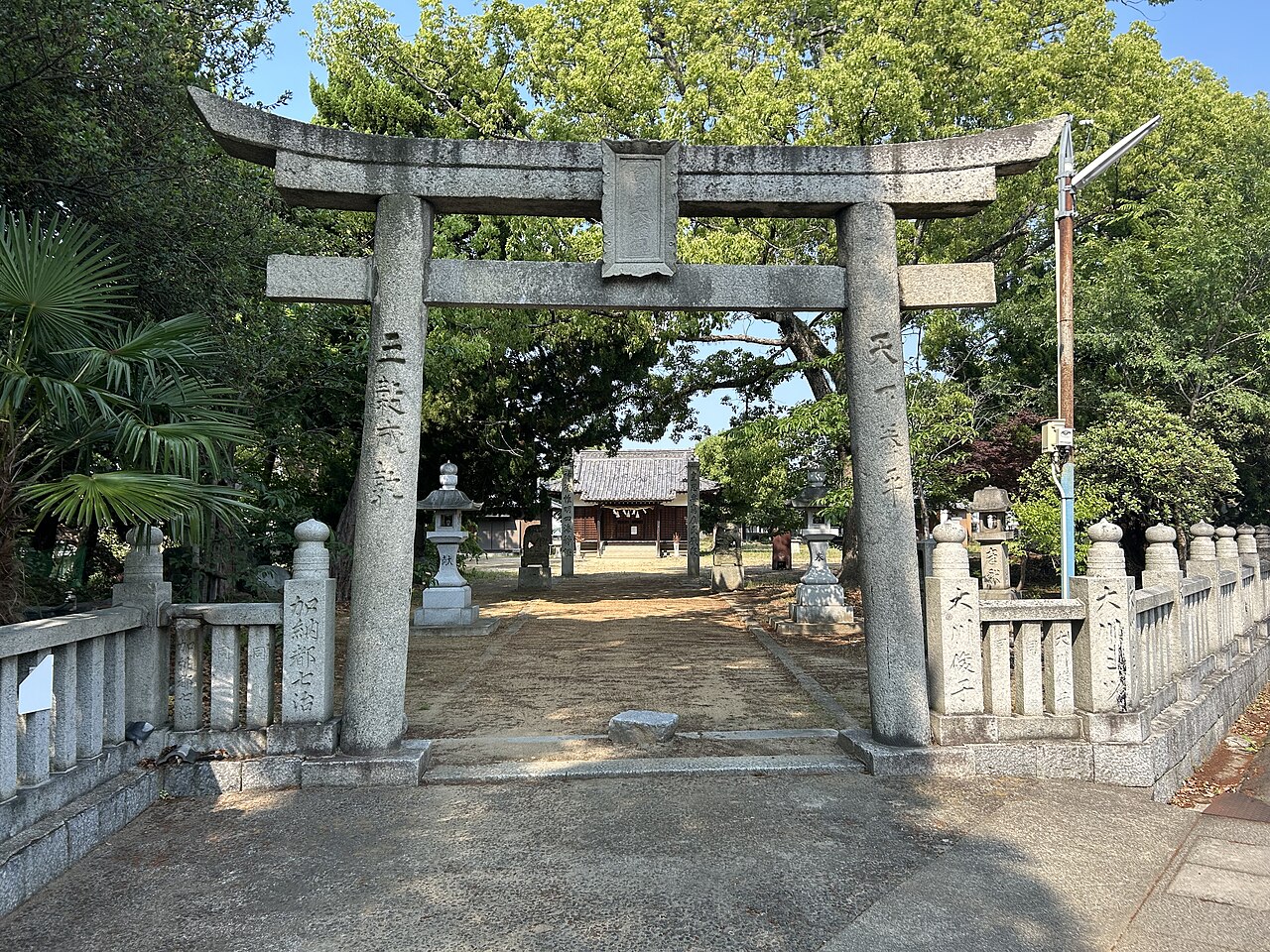
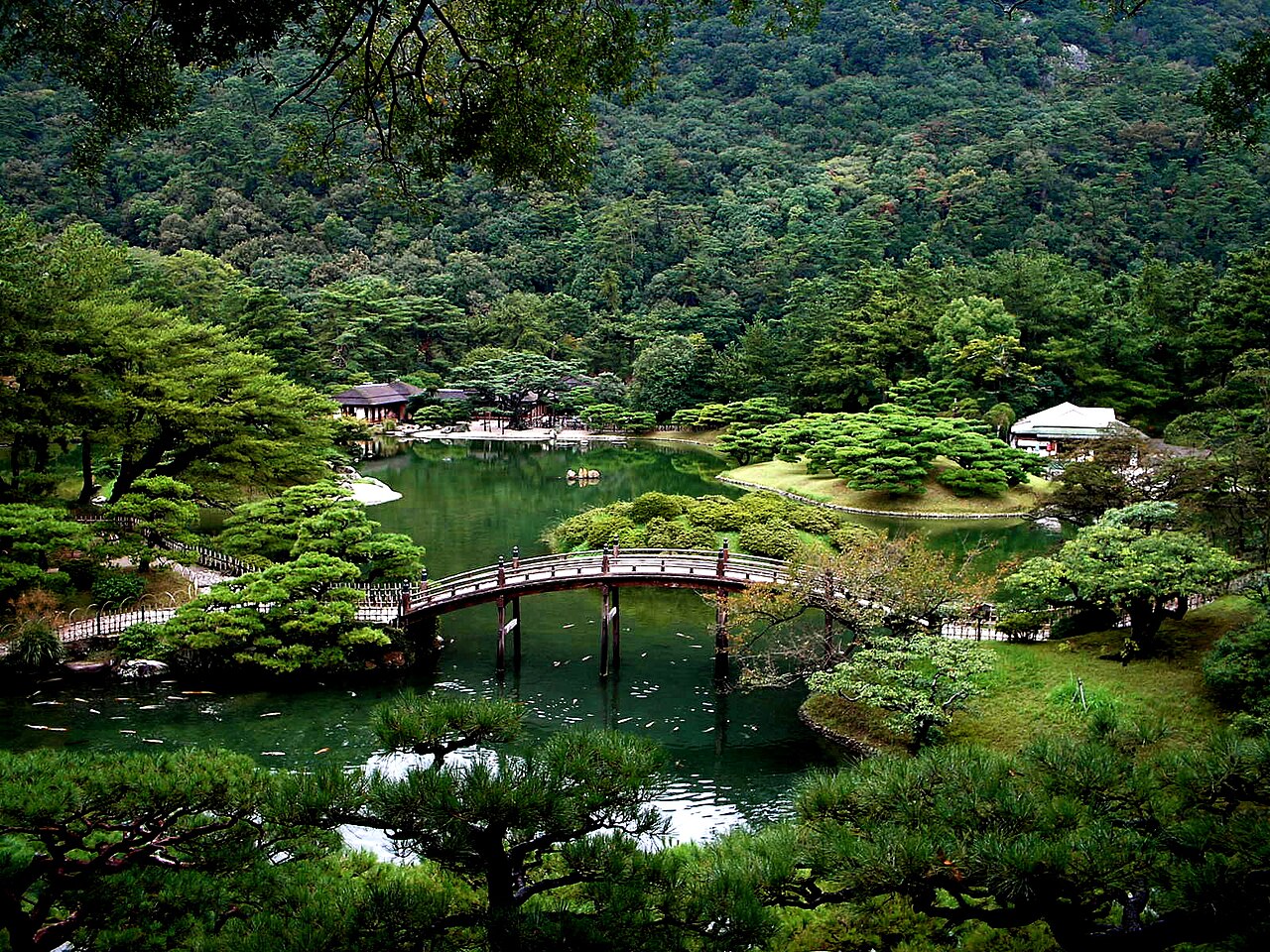
Takamatsu itself was a castle town. After the Ikoma family built Takamatsu Castle in the late 16th century, the domain passed in 1642 to Matsudaira Yorishige — a branch of the Mito Tokugawa house, and thus close kin to the ruling shogunal line. Under the Matsudaira lords, Takamatsu cultivated the dense urban trades that castle towns supported: lacquerers, fan-makers, and the metalworkers who produced kazari-kanagu (decorative fittings), altar hardware, and cast-bronze ritual ware for the local Buddhist-altar (Sanuki butsudan) industry. The same hands that chased a tansu fitting could chase the lip of a small gong.
- 774 — Kūkai (Kōbō Daishi) traditionally born in Sanuki (present-day Zentsū-ji area).
- 807 — Zentsū-ji traditionally founded near his birthplace; later the 75th of the Shikoku 88-temple circuit.
- 1588 — Takamatsu Castle established by the Ikoma family; the castle town begins to take shape.
- 1642 — Matsudaira Yorishige, of the Mito-Tokugawa branch, installed as lord of Takamatsu domain; craft patronage deepens.
- Edo period — Konpira-san pilgrimage draws nationwide crowds, sustaining demand for altar bronzes and ritual gongs.
- 1745 — Ritsurin Garden largely completed under the Matsudaira lords, emblem of the town’s craft patronage.
- 2026 — Most small ritual bronzes are now cast in Takaoka (Toyama); Sanuki cast bronze stands on its pilgrimage-and-altar heritage.
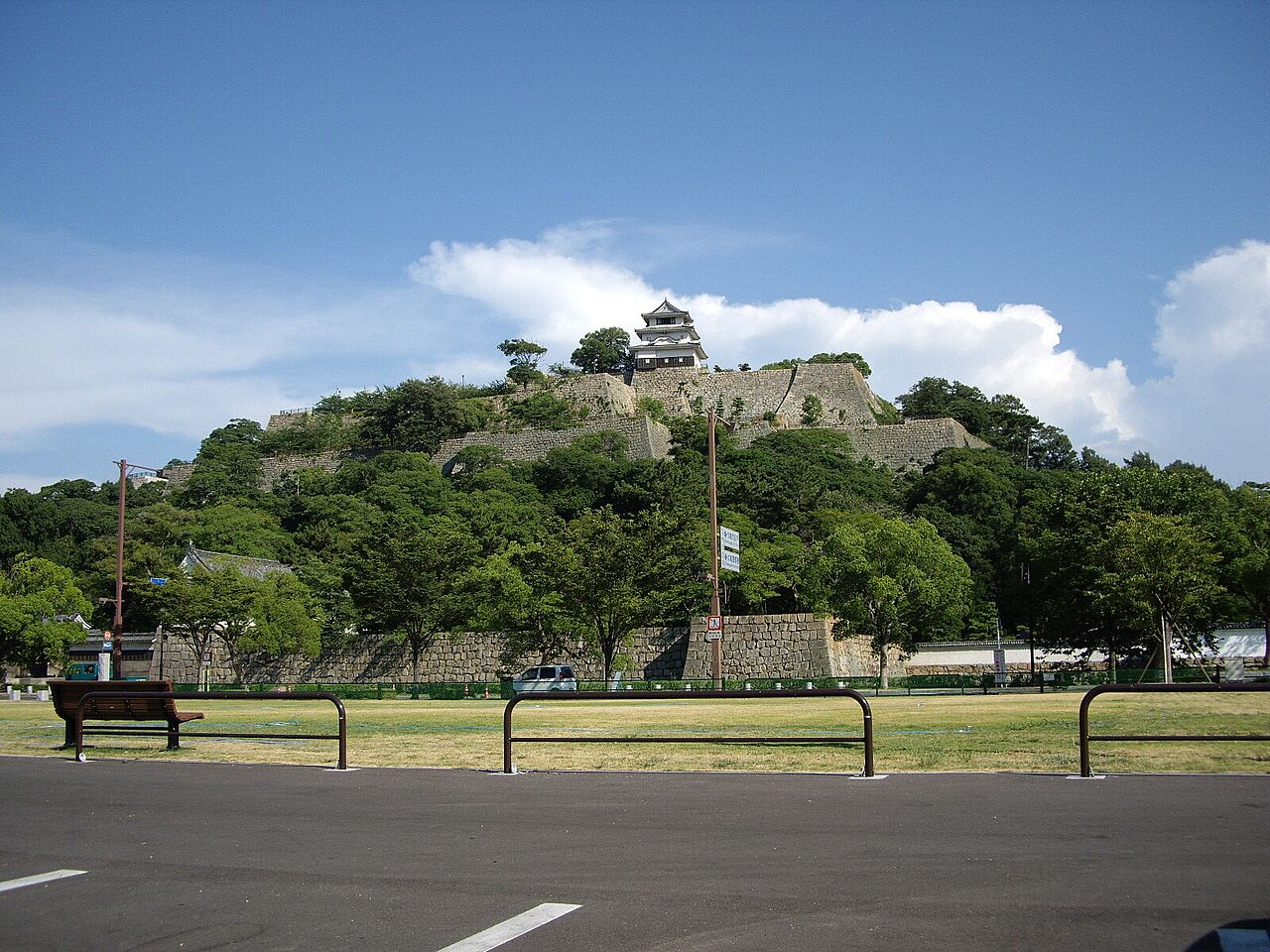
Takamatsu was not the only Sanuki castle town. Marugame, to the west, had its own keep and its own concentration of trades, and altar-and-fitting work paralleled Takamatsu’s along the same pilgrimage corridors. The two towns together give a sense of the density of metal and lacquer craft that the small prefecture once supported.
An honest qualification belongs here, and it belongs in the open rather than the footnotes. Kagawa is not a METI-designated metal brand the way Takaoka (Toyama) or Nambu (Iwate) are. In fact, the great majority of small ritual bronzes sold in Japan today — orin bells, incense burners, and gongs alike — are cast in Takaoka, which dominates the trade. So the “Sanuki / Takamatsu” attribution on a piece like this is best read as an editorial anchor in the prefecture’s pilgrimage-and-altar heritage rather than a guarantee of where the metal was poured.
“The demand engine for Sanuki’s altar bronzes was never the mine — it was the pilgrimage. Crowds at Konpira-san and the 88 temples kept the gongs ringing and the foundries fed.”
The practical upshot for a buyer: treat this as a well-formed object in a living tradition, and ask the seller or workshop about the specific foundry if provenance matters to you. The craft is real; the attribution deserves a clear eye.
Where to buy
Prices for small cast-bronze ritual goods vary by foundry, size, alloy, and finish. Any USD conversion is approximate and changes with the exchange rate, so compare the current yen price with shipping and customs.
| Store | Item / Variant | Price (JPY → USD est.) | Notes |
|---|---|---|---|
| 🇺🇸 Amazon.com (US) | Browse Japanese altar bronzes & gongs | varies (USD) | Best if you are shopping from the US — Prime shipping, USD pricing, no international customs. Amazon US carries Japanese orin bells, incense burners, and altar bronzes from various makers; this specific Sanuki waniguchi ships from Japan (next row). |
| 🇯🇵 Amazon JP Global Store | Sanuki cast bronze waniguchi (this item,) | — | Amazon JP Global Store; international shipping may be available. |
| Maker direct | Foundry / altar-goods shop | — | Foundry not confirmed in the data; if provenance matters, identify the specific maker before buying. |
| Proxy services (Buyee / Tenso) | Domestic JP options forwarded abroad | Product + forwarding fees | Useful if the item appears only on a Japan-domestic shop; adds a forwarding fee and a second shipping leg. |
Prices in USD are approximate and depend on the current exchange rate. Always verify the current price and stock at the retailer before purchasing.
📦 Shipping & where to buy from outside Japan
When buying a small bronze object from outside Japan, international shipping depends on weight, destination, and carrier. Specialist altar-goods sellers and workshops may use different delivery arrangements, so compare the total cost and care instructions.
For buyers in the US, the simplest first step is to browse comparable Japanese altar bronzes on Amazon US (Prime shipping, USD pricing, no customs paperwork); to source a Sanuki-style waniguchi from the craft region, order through the Japan Global Store or check the workshops in Kagawa Prefecture. If at any point the item is found only on a Japan-domestic shop, a proxy service such as Buyee or Tenso can forward it, at the cost of an extra fee and a second shipping leg. Orders above your country’s duty threshold may incur customs charges on arrival — budget for that before committing.
What it does well
Weaknesses and things to verify before buying
- Attribution vs. casting location. Most small ritual bronzes today are cast in Takaoka (Toyama). “Sanuki / Takamatsu” here is an editorial heritage anchor, not a guarantee of where the metal was poured — confirm the foundry if it matters to you.
- Product details are limited. Confirm the relevant product information before ordering.
- Not a certified famous-craft flagship. This is framed as a secondary craft; there is no METI metal-craft designation behind it the way there is for some other regional metalwork.
- Soft tone, not a loud signal. The waniguchi sound is meant to be quiet and ritual. If you need a carrying signal — a dinner gong or a service bell — this is the wrong instrument.
- International shipping and customs. It ships from Japan, so expect $15–$40 shipping, possible customs duties above your local threshold, and longer lead times than a domestic purchase.
- Maker biography unconfirmed. The data does not name a specific artisan or workshop lineage. If you want documented provenance, ask the seller or look for a maker-direct source.
Conclusion — which buyer type are you?
Other ways to approach this purchase
❓ Frequently Asked Questions
What is a waniguchi, and how is it different from an orin bell?
Is this really made in Kagawa?
Does it ship outside Japan?
How much does it cost?
How do I care for cast bronze?
Is it a good gift?
jpmono.com is curated by a Japan-based editorial team (working out of Toyama in the Hokuriku region and Nara in Kansai) and is independent. We do not take payment from the makers we feature; income comes from affiliate links. We do not physically test every product, and we review maker specifications and public craft references. Read more about our editorial standards.
This article was produced with AI assistance and reviewed against public craft references. Specifications, prices, and provenance vary by workshop and should be confirmed with the seller or maker.
Affiliate disclosure: jpmono.com may earn a commission on qualifying purchases made through links on this page, at no additional cost to you.