![Awa Shijira-ori Indigo Cotton Stole: Tokushima Crepe Weave [2026]](https://jpmono.com/wp-content/uploads/2026/07/awa-shijira-ori-indigo-cotton-stole-where-to-buy-2026-featured.jpg)
- What it is: A lightweight indigo cotton stole woven in the Awa Shijira technique — a rippled, puckered crepe surface that lifts the cloth off the skin.
- Made in: Tokushima, Tokushima Prefecture (Shikoku) — a METI-designated traditional craft rooted in Awa’s indigo (aizome) heritage.
- Price band: Mid-range for artisan cotton accessories — see the live listing for the current figure (not in our snapshot).
- Best for: Hot, humid summers and travelers who want one packable, breathable layer with real craft provenance.
- Skip if: You need winter warmth, or you want a colorfast fabric that never transfers dye.
- Shipping: ships internationally from Amazon Japan — jump to our pick ↓
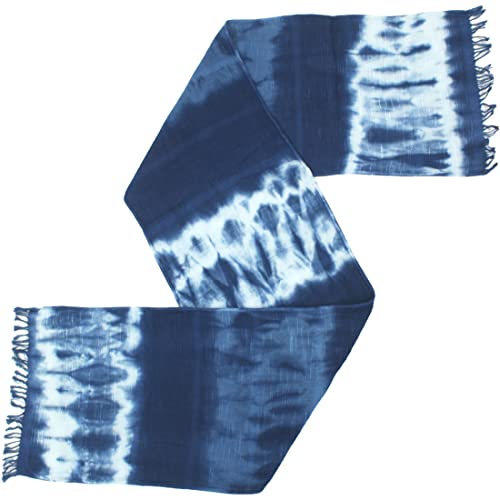
Kaifu Hana, so the tradition goes, watched cotton cloth soak in a sudden Tokushima rain and pucker as it dried — and instead of ironing the wrinkles out, she figured out how to weave them in. That deliberate ripple is the whole point of Awa Shijira-ori (阿波しじら織, “Awa crepe weave”): a cotton cloth patterned not by print but by texture, its surface raised into fine, uneven crinkles called shibo. The stole covered here takes that puckered cloth, dyes it in Awa’s famous indigo, and turns it into a single breathable summer layer.
What makes Shijira notable outside Japan is that the texture does real work. The shibo holds most of the fabric off the skin, leaving tiny air channels between cloth and body — which is exactly what you want in the sticky heat of a Shikoku summer. It is a piece of engineering disguised as a wrinkle, and it comes from Tokushima, the old province of Awa, whose Yoshino River plain was once the dominant source of indigo dye for the whole country.
This guide is for readers weighing a genuine artisan indigo stole against a mass-market scarf, and for gift-buyers who want provenance they can explain. We cover what the cloth is and how it behaves, who it suits and who should pass, how to buy it from outside Japan, and where the Awa Shijira tradition actually comes from.
🔄 Updated:
⏱️ Read time: ~11 min
ℹ️ Live pricing and some specs weren’t in our snapshot — the linked listing is authoritative; unconfirmed attributes are marked below.
- Who this is for — and who should skip it
- Product overview (from published specs)
- 📍 Where this comes from — Awa, indigo, and the puckered cloth
- Which finish should you choose?
- Price snapshot across stores
- What it does well
- Weaknesses and things to verify before buying
- Conclusion — which buyer type are you?
- Other ways to approach this purchase
- 🏆 Editor’s Pick
- ❓ Frequently Asked Questions
Who this is for — and who should skip it
- Live with — or travel through — hot, humid summers and want one packable, breathable layer.
- Value woven texture and real craft provenance over a printed pattern.
- Like indigo (aizome) and accept that natural indigo deepens and softens with age.
- Want a lightweight, machine-friendly cotton rather than delicate silk.
- Are buying a gift you can explain — a named regional tradition, not an anonymous scarf.
- Need real winter warmth — cotton crepe is a summer weight, not a wool muffler.
- Want a colorfast fabric that will never transfer dye onto a white shirt.
- Prefer a perfectly smooth, flat finish — the shibo pucker is intentional and permanent.
- Expect deep-discount pricing; artisan cloth costs more than commodity scarves.
- Dislike hand-washing or air-drying delicate-ish indigo cottons.
Product overview (from published specs)
Based on the listing and the maker tradition, the table below summarizes what is known. Where a value was not in our snapshot, it is marked rather than guessed.
Awa Shijira-ori Indigo Cotton Stole
阿波藍染め 通年用 マフラー コットン100% 日本製 ストール 徳島伝統工芸品 阿波藍染 変わり織りマフラー (B)
通常2~3日以内に発送します。 · Sold by ふだんきものハイムラヤ · ASIN B0BPLWTF5Y
Price and availability as of 2026-08-31 02:30 JST. The Amazon listing at the time of purchase is authoritative. jpmono.com earns a commission on qualifying purchases at no extra cost to you.
| Attribute | Detail | Source |
|---|---|---|
| Craft | Awa Shijira-ori (阿波しじら織) — woven cotton crepe with raised shibo | Maker tradition |
| Material | Cotton | Amazon listing |
| Dye | Indigo (Awa aizome tradition) | Amazon listing / maker tradition |
| Form | Stole / shawl (long rectangular wrap) | Amazon listing |
| Origin | Tokushima, Tokushima Prefecture (Shikoku) | Maker tradition |
| Designation | METI-designated traditional craft (dentō kōgeihin) | Maker tradition |
| Dimensions / weight | Unconfirmed — check the listing | — |
| Price | Not in snapshot — see live listing (JPY authoritative) | — |
| ASIN (JP Global Store) | B0BPLWTF5Y | Amazon JP |
📖 Glossary — key terms in this article
- Shijira-ori (しじら織) — a woven cotton crepe. Warp threads are set at uneven tension so that, once the cloth is shrunk in hot water, the surface puckers into fine ridges.
- Shibo (しぼ) — the raised pucker or crinkle on the cloth surface. It is the defining texture of Shijira and the reason the fabric holds itself off the skin.
- Aizome (藍染, “indigo dyeing”) — the traditional Japanese method of dyeing cloth with fermented indigo.
- Awa-ai (阿波藍) — indigo from Awa (old Tokushima), historically Japan’s premier dyestuff.
- Sukumo (蒅) — composted, fermented indigo-leaf that serves as the raw material for the dye vat; Tokushima was the country’s dominant producer.
- Awa Odori (阿波踊り) — Tokushima’s summer dance festival, Japan’s largest, whose indigo cotton yukata share the same aizome tradition as Shijira.
- Dentō kōgeihin (伝統的工芸品) — a traditional craft officially designated by Japan’s Ministry of Economy, Trade and Industry (METI).
📍 Where this comes from — Awa, indigo, and the puckered cloth

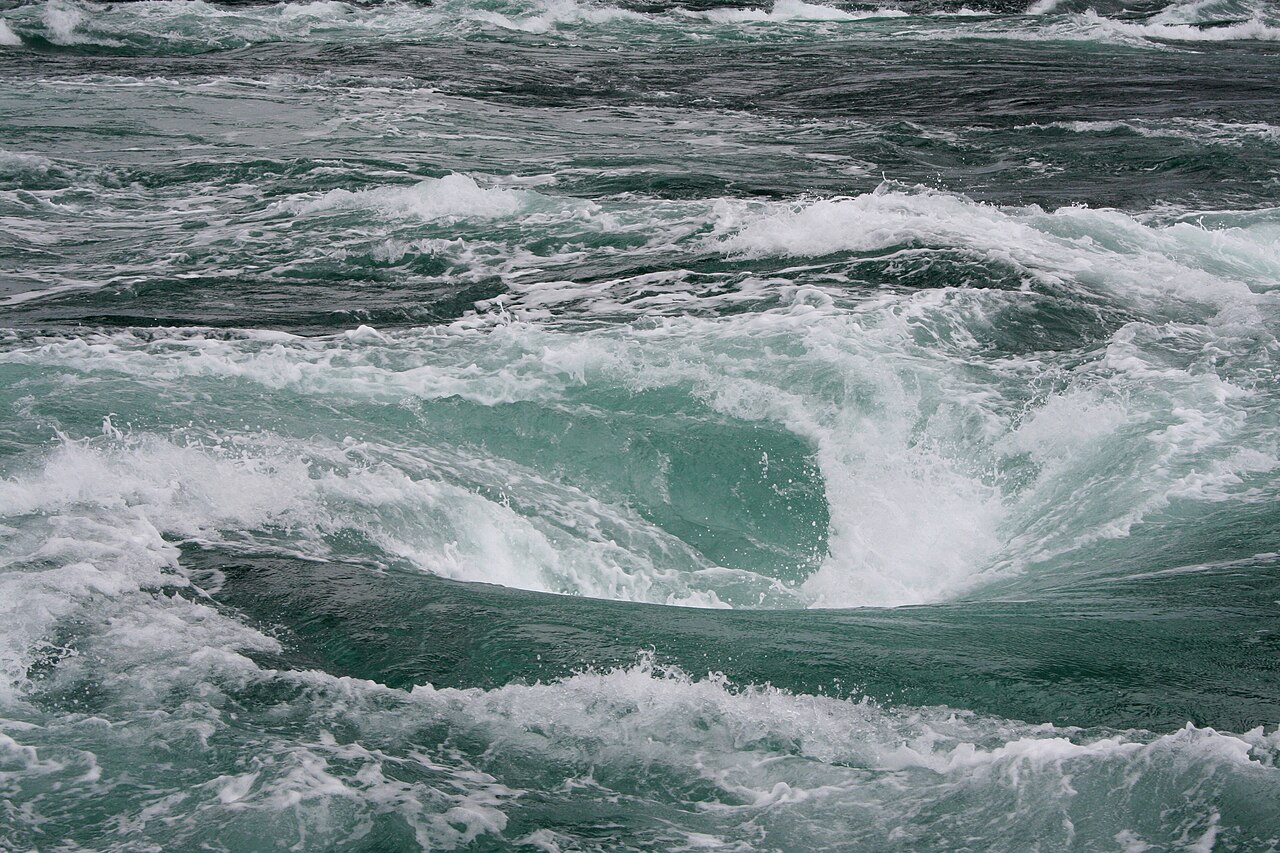
Tokushima sits in the northeast corner of Shikoku, Japan’s smallest main island, across the water from Osaka and the Kii Peninsula. Its defining feature is the Yoshino River, which drains a wide, fertile floodplain before reaching the sea near Tokushima City. Off the coast, the tidal race of the Naruto Strait produces the whirlpools the region is best known for — but the cloth in this guide owes far more to the river than to the sea.
That floodplain is the reason Awa became Japan’s indigo heartland. Regular flooding left rich, well-drained soil ideal for the indigo plant (tade-ai), and the mild climate supported the labor-intensive cycle of growing the leaves and composting them into sukumo, the fermented raw material of the dye vat.
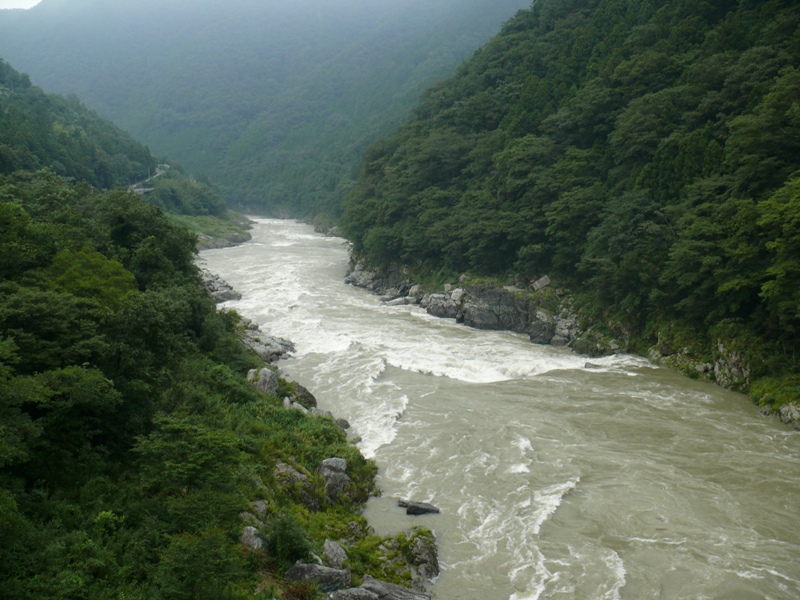
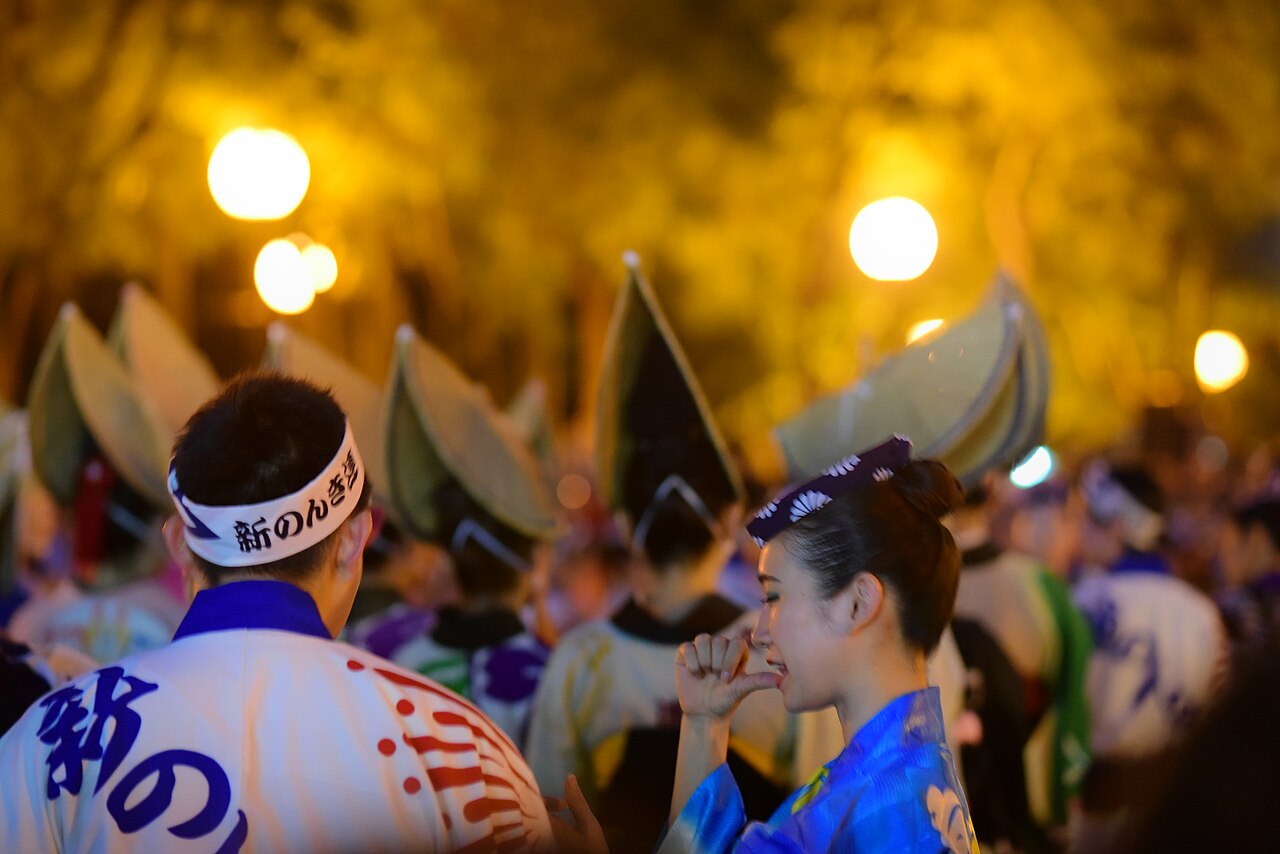
Through the Edo period, Awa-ai (阿波藍, “Awa indigo”) became the dominant dyestuff in Japan, shipped out of Tokushima to dyers across the country. Indigo money built the merchant houses of the castle town, and indigo culture soaked into everyday life — most visibly in the indigo-dyed cotton yukata worn to the Awa Odori, the summer dance festival that still fills the streets of Tokushima each August.
The Shijira weave itself is younger than the dye. It emerged in the late Edo and early Meiji era, around the 1860s to 1870s. Tradition credits a weaver named Kaifu Hana, who is said to have noticed how rain-soaked cotton wrinkled as it dried, then reproduced the effect on purpose: by setting warp threads at deliberately uneven tension and shrinking the finished cloth in hot water, she raised the shibo ridges permanently into the fabric.
“The genius of Shijira is that it turns a flaw — cotton wrinkling in the rain — into a feature. The pucker is not damage to iron out; it is the whole design.”
- 1585 — The Hachisuka clan is installed as lords of Awa; the domain promotes indigo cultivation on the Yoshino River plain.
- Edo period — Awa-ai (sukumo indigo) becomes Japan’s dominant dyestuff, shipped nationwide from Tokushima.
- 1860s–1870s — Awa Shijira-ori emerges; tradition credits Kaifu Hana, who reproduces rain-puckered cotton by uneven warp tension.
- Meiji era — Imported synthetic indigo undercuts natural aizome; production contracts, but Shijira weaving continues in Tokushima.
- 20th century — Awa Shijira-ori is recognized as a METI-designated traditional craft (dentō kōgeihin).
- Today — Shijira is still woven in and around Tokushima City; the indigo yukata of Awa Odori keep the tradition visible each summer.
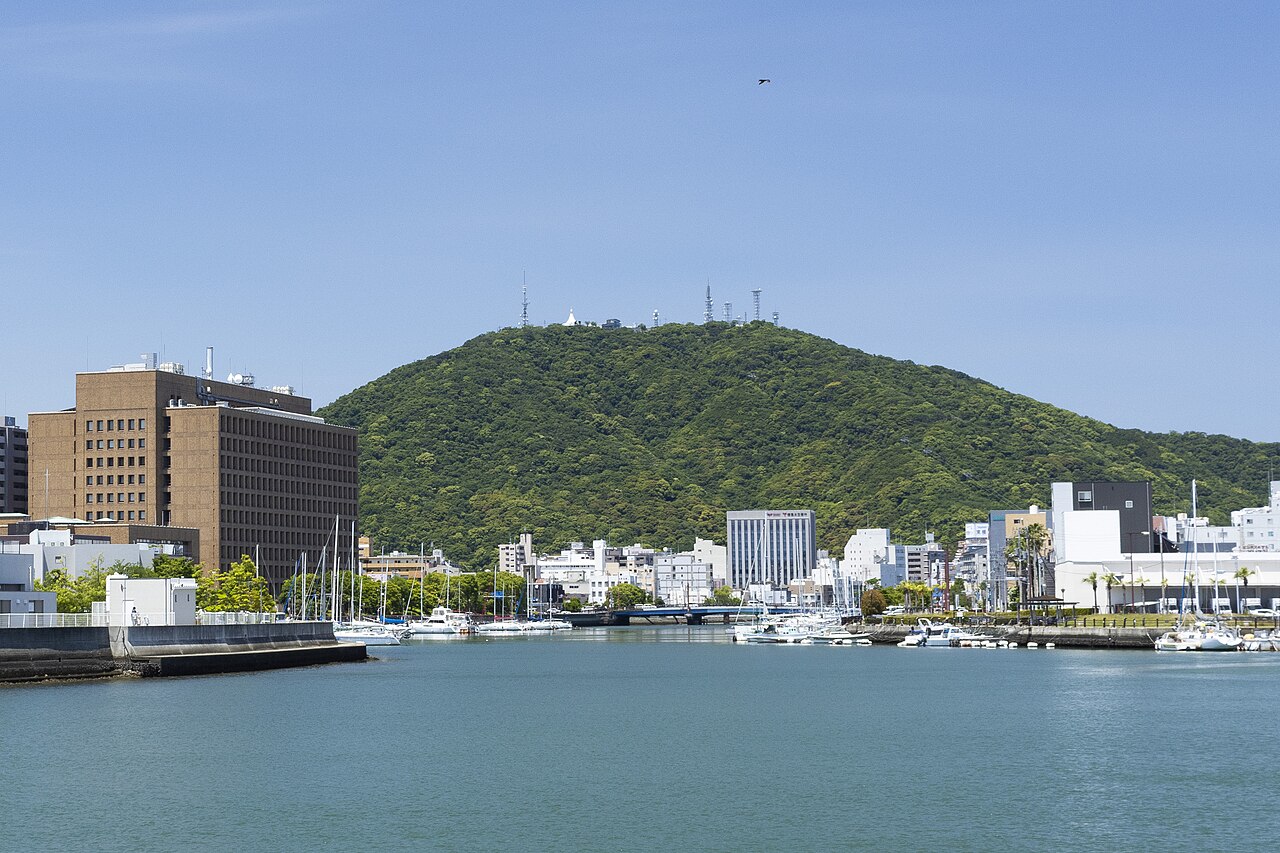
What “still being made here” means is modest but real: Shijira is woven by a small number of workshops in and around Tokushima City, using the same principle Kaifu Hana is said to have worked out — uneven warp tension plus hot-water shrinkage to raise the pucker. It is a living regional craft rather than a museum piece, and the same indigo culture that surrounds the festival still colors the cloth.
Which finish should you choose?
This piece is listed in 3 colours. The photos below are the actual colour options on the listing right now — pick the one you want and confirm it on the product page before ordering, since hand-finished wares vary slightly piece to piece.
![Awa Shijira-ori Indigo Cotton Stole: Tokushima Crepe Weave [2026] — A finish](https://m.media-amazon.com/images/I/413zlLNfUpL._SL500_.jpg)
![Awa Shijira-ori Indigo Cotton Stole: Tokushima Crepe Weave [2026] — C finish](https://m.media-amazon.com/images/I/41wRbg+9cNL._SL500_.jpg)
Related indigo, cotton, and regional-textile guides on jpmono.com — useful for placing this stole against other Japanese cloth traditions:
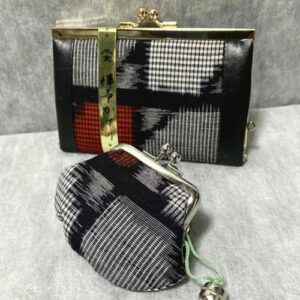 👛 Iyo-Gasuri Indigo Coin Purse
🧵 Yumihama-gasuri Table Runner
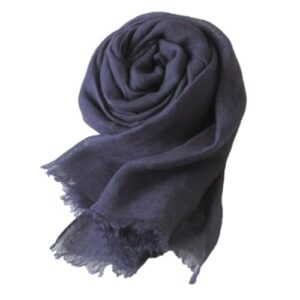 🌾 Omi-Jofu Ramie Stole
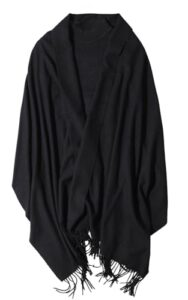 🧣 Kishu Nel Cotton Muffler
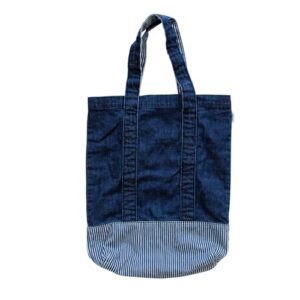 👖 Kojima Denim Tote
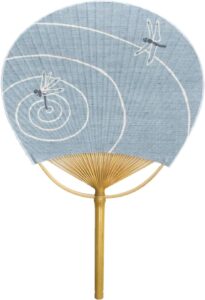 🎐 Marugame Uchiwa Fan
Price snapshot across stores
ℹ️ Live pricing was not in our snapshot; the JPY figure on the JP Global Store listing is authoritative. USD figures elsewhere would be approximate at a ¥150/USD baseline. Verify at the retailer before buying.
| Store | Item / Variant | Price | Notes |
|---|---|---|---|
| 🇺🇸 Amazon US (search) | Browse Japanese indigo cotton stoles & scarves | varies (USD) | Best if you’re shopping from the US — Prime shipping, USD pricing, no international customs. Amazon US carries Japanese indigo (aizome) cotton scarves and stoles from various makers; this exact Awa Shijira piece is sourced from Japan (next row). |
| 🇯🇵 Amazon JP Global Store | Awa Shijira-ori indigo cotton stole (ASIN B0BPLWTF5Y) | See live listing (JPY authoritative) | Ships internationally from Japan to 65+ countries — including Canada, the UK and Australia — with import fees estimated at checkout. This is the sourced listing for the specific item. |
| Maker direct | Tokushima Shijira workshops | Varies | Some Tokushima weavers sell direct or through craft galleries; most maker sites are Japanese-language and may not ship abroad. |
| Proxy services (Buyee / Tenso) | Any JP listing | Item + forwarding fee | Useful for JP-only listings not on the Global Store; adds a service fee and a second shipping leg. |
What it does well
The woven shibo holds most of the cloth off the skin, leaving air channels that make it genuinely comfortable in humid heat.
Thin summer-weight cotton folds down small — an easy layer for travel, air-conditioned interiors, or evening cover.
The pattern is woven into the structure of the cloth, so it will not crack, peel, or wash out the way a surface print can.
A METI-designated craft from a specific place and tradition — an explainable gift, not an anonymous scarf.
- 🧺 Washing: indigo-dyed cotton is best hand-washed cold and separately at first — natural indigo can transfer, especially early on.
- 🌤️ Drying: dry in the shade; direct sun and tumble-drying can fade indigo and stress the crepe.
- 🧴 Daily care: no bleach; the color softening and slight fading over time is part of aizome’s character, not a defect.
Weaknesses and things to verify before buying
- It is a summer weight. Thin crepe cotton gives airflow, not warmth — do not expect it to replace a wool muffler in cold weather.
- Indigo can transfer. Natural aizome may rub off onto light-colored clothing or bags, particularly before the first few washes. Verify whether the listing states it is colorfast.
- Dimensions were not in our snapshot. Stole length and width vary; confirm the measurements on the listing so the drape matches how you intend to wear it.
- Shade and pattern vary. Indigo depth and the exact stripe/check differ between production runs and listings; the photo you see may not be the piece you receive.
- Price was not in our snapshot. Artisan cloth is priced above commodity scarves; check the live figure before committing.
- The pucker is permanent. If you prefer a smooth, flat, ironed finish, the shibo texture will not press out — that is the design working as intended.
Conclusion — which buyer type are you?
You want documented craft heritage and are happy to pay for a named, METI-designated tradition. Buy the Awa Shijira stole and consider a maker-direct or gallery piece.
You want one good, breathable summer stole with real provenance. The Amazon JP Global Store listing is the straightforward path — order it and go.
You like the look but the price stretches you. Watch the listing for restocks, or browse Japanese indigo cotton scarves on Amazon US for a lower entry point.
You need winter warmth or a fully colorfast fabric that never transfers dye. A wool muffler or a printed synthetic scarf will serve you better.
Other ways to approach this purchase
Seasonal cloth often moves on price at the end of summer; if you are flexible on timing, watch the listing.
Tokushima Shijira workshops and craft galleries may offer wider patterns; expect Japanese-language sites and limited overseas shipping.
If you already use Amazon, stacking points or gift-card balance offsets the cost without changing where you buy.
If breathability matters more than provenance, a plain gauze or linen scarf covers the same use for less.
🏆 Editor’s Pick
❓ Frequently Asked Questions
Does Awa Shijira-ori bleed indigo or shrink?
Natural indigo-dyed cotton can transfer color, especially in the first few washes, so hand-wash it cold and separately at first. The cloth is deliberately shrunk during manufacture to raise the pucker, so ordinary washing should not shrink it much further, but check the listing’s care notes.
Is it machine washable?
It is cotton rather than silk, so it is more forgiving than delicate fabrics, but indigo pieces are safest hand-washed cold and dried in the shade. Follow the specific care instructions on the listing if they differ.
Can I have it shipped outside Japan?
Yes. The Amazon Japan Global Store ships internationally to 65+ countries, including Canada, the UK, and Australia, with import fees estimated at checkout. Proxy services such as Buyee or Tenso can forward Japan-only listings.
Is the indigo natural or synthetic?
Awa is historically the home of natural indigo (aizome), but individual products vary — some use natural Awa-ai, others use synthetic indigo. If natural dye matters to you, confirm it explicitly on the listing rather than assuming.
What season is a Shijira stole for?
It is a summer-weight cloth. The puckered surface is designed to keep fabric off the skin for airflow in humid heat, so it works best from late spring through early autumn and as light indoor or evening cover — not as a winter warmer.
How is Shijira different from ordinary cotton gauze?
Both aim for breathability, but Shijira gets its airflow from a woven three-dimensional pucker created by uneven warp tension and hot-water shrinkage, whereas gauze relies on a loose open weave. The shibo ridges are structural and permanent.
Is it a good gift?
Yes. It is lightweight, unisex-leaning, and comes with an explainable story — a named Tokushima craft tied to the Awa indigo tradition and the Awa Odori festival — which makes it easy to present without needing to know the recipient’s size.
jpmono.com is curated by a Japan-based editorial team (working out of Toyama in the Hokuriku region and Nara in Kansai) and is independent. We don’t take payment from the makers we feature; income comes from affiliate links. Read more about our editorial standards.
Note: This article was researched and drafted with AI assistance and reviewed against the source listing and maker tradition before publication. Specifications, pricing, and availability should be verified on the retailer’s page before buying.
Affiliate disclosure: jpmono.com may earn a commission on qualifying purchases made through links on this page, at no additional cost to you.