![Kaga Yuzen Silk Scarf — Where to Buy Kanazawa’s Hand-Painted Silk [2026]](https://jpmono.com/wp-content/uploads/2026/05/japan-map-regions-and-prefectures-800x1050.png)
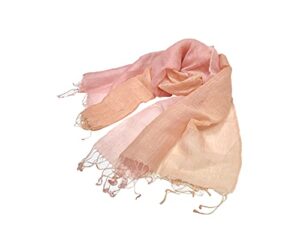
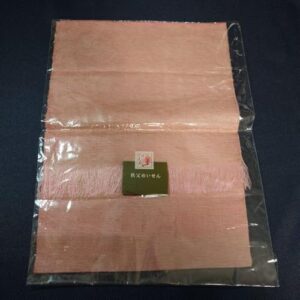
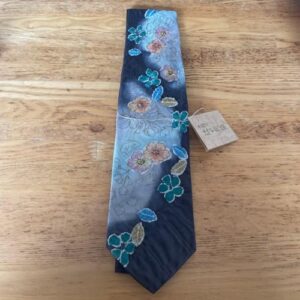
- What it is: A hand-painted 100% silk scarf/stole dyed in the Kaga Yuzen tradition — naturalistic flowers in five earthy Kaga colors, with soft outward-to-inward shading.
- Made in: Kanazawa, Ishikawa — Kaga Yuzen is a METI-designated National Traditional Craft.
- Price band: Premium for a hand-dyed silk accessory — hand-work commands a higher tier than printed silk.
- Best for: a buyer who wants a wearable piece of hand-dyeing, not a mass-printed souvenir scarf.
- Skip if: you need machine-washable everyday silk or a fixed-motif “matching set” — hand-dyed pieces vary.
- Shipping: ships internationally from Amazon Japan — jump to our pick ↓
ℹ️ Kaga Yuzen silk scarves are hand-dyed; size, care details, and other specifications vary by maker.
Look closely at a genuine Kaga Yuzen leaf and you may find a small brown hole eaten into it, as if an insect had been at the plant before the dyer arrived. It is deliberate. That “insect-bitten” leaf — mushikui (虫喰い) — is one of the signatures that separates Kanazawa’s hand-painted silk from the stylized, gold-bright dyeing of Kyoto, and it is the kind of detail a hand-dyed Kaga Yuzen scarf is built around.
Kaga Yuzen (加賀友禅, “Kaga yuzen dyeing”) is the hand-dyeing tradition of Kanazawa, in Ishikawa Prefecture. Its refinement is credited to Miyazaki Yuzensai, an itinerant fan painter who settled in Kanazawa in the early 18th century under the patronage of the Maeda clan’s wealthy Kaga domain — the domain nicknamed Kaga hyakumangoku for its million-koku rice yield. Where Kyo Yuzen leans on gold leaf and embroidery, Kaga Yuzen is defined by five earthy colors, realistic botanical motifs, and shading that runs from the outer edge of a petal inward. It is understated on purpose.
This guide is for a reader deciding whether a hand-dyed Kaga Yuzen scarf is worth its premium over a printed silk scarf, and how to buy one from outside Japan. We cover how to read a genuine hand-dyed piece, what the five Kaga colors and the shading actually look like, where the craft comes from, and the practical shipping and price picture across stores.
🗓️ Published:
🔄 Updated:
⏱️ Read time: ~9 min
- Who this is for — and who should skip it
- Product overview (from published specs)
- Where to buy
- What it does well
- Weaknesses and things to verify before buying
- Conclusion — which buyer type are you?
- Other ways to approach this purchase
- 📍 Where this comes from — place, era, and the craft tradition
- 📦 Shipping & where to buy from outside Japan
- ❓ Frequently Asked Questions
Who this is for — and who should skip it
- Want a hand-dyed piece, not a mass-printed pattern, and can see the difference in person or in close-up photos.
- Appreciate restrained, earthy color over gold-and-glitter brilliance.
- Like the idea of naturalistic botanical motifs — real flowers and leaves rather than abstract geometry.
- Are buying a lasting accessory or a considered gift with a documented craft tradition behind it.
- Are comfortable with hand-wash or dry-clean care for silk.
- Need a machine-washable, throw-in-a-bag everyday scarf.
- Want the bright metallic-gold look of Kyo Yuzen — Kaga Yuzen is deliberately quieter.
- Expect two pieces to match exactly; hand-dyeing varies piece to piece.
- Are shopping strictly on price against printed silk scarves.
- Need guaranteed same-day delivery — this ships from Japan.
Product overview (from published specs)
| Attribute | Detail (craft tradition) |
|---|---|
| Item | Kaga Yuzen hand-dyed silk scarf / stole |
| Material | 100% silk (hand-dyed) |
| Motif | Naturalistic floral, in the Kaga gosai five colors with bokashi (ぼかし) shading |
| Origin | Kanazawa, Ishikawa Prefecture, Japan |
| Tradition | Kaga Yuzen — METI-designated National Traditional Craft |
| Dimensions / weight | — |
Kaga Yuzen is a designated traditional craft. The notes below separate established craft characteristics from details that vary by maker.
📖 Glossary — key Kaga Yuzen terms
- Kaga Yuzen (加賀友禅) — the hand-painted silk dyeing of Kanazawa, Ishikawa.
- Kaga gosai (加賀五彩, “Kaga five colors”) — the earthy palette at the tradition’s core: indigo, crimson, ochre, dark green, and royal purple.
- Mushikui (虫喰い, “insect-bitten”) — the signature realistic touch of drawing leaves as if nibbled by insects.
- Sakihou-bokashi (先暈し) — shading that grades from the outer edge of a motif inward, the reverse of Kyo Yuzen’s inside-out shading.
- Yuzen-nagashi (友禅流し) — the traditional rinsing of dyed cloth in a clear river.
- Kaga hyakumangoku (加賀百万石) — the “million-koku Kaga domain,” the Maeda clan’s wealthy fief that patronized the craft.
Related hand-craft guides on jpmono — other Ishikawa/Kanazawa crafts, and other Japanese silk textiles worth weighing against a hand-dyed Kaga Yuzen scarf.
Where to buy
| Store | Item / Variant | Price (JPY / USD est.) | Notes |
|---|---|---|---|
| 🇺🇸 Amazon.com (US) | Browse Japanese silk scarves | varies (USD) | Best if you’re shopping from the US — Prime shipping, USD pricing, no international customs. Amazon US carries Japanese silk scarves and stoles from various makers, useful for comparing price tiers; this exact Kaga Yuzen piece is sourced from Japan (next row). |
| 🇯🇵 Amazon JP Global Store | This exact hand-dyed scarf | Current store information | Ships internationally from Japan to 65+ countries — including Canada, the UK and Australia — with import fees estimated at checkout. |
| Maker direct | Kaga Yuzen ateliers (Kanazawa) | varies — check maker site | Some Kanazawa dyers and craft-association shops sell directly; selection and international shipping vary by workshop. |
| Proxy services (Buyee / Tenso) | Any JP-only product | item price + forwarding fee | Useful when a piece is on a Japan-only shop; adds a forwarding fee and a second shipping leg. |
USD amounts are approximate and depend on the current exchange rate; use the rate at the time of comparison.
What it does well
Painted by hand rather than machine-printed — the reason a Kaga Yuzen piece sits in a higher tier than commodity silk scarves.
Real flowers and leaves — including the deliberate insect-bitten mushikui leaf — instead of abstract, stylized pattern.
The five Kaga colors with soft bokashi shading read as refined and quiet — easy to wear, less costume-like than metallic-gold silk.
Kaga Yuzen is a METI-designated National Traditional Craft with a lineage traced to Miyazaki Yuzensai in the early 18th century.
General guidance for hand-dyed silk: follow the maker’s care instructions, protect the fabric from strong sunlight, and avoid rough handling.
- 🧺 Machine wash: no — hand-dyed silk is typically dry-clean or gentle hand-wash only.
- ☀️ Daily care: store away from direct sunlight to protect the natural-dye colors; air rather than press hard.
- 💧 If wetted: blot, do not wring — silk weakens when wet and hard rinsing can shift hand-applied dye.
Weaknesses and things to verify before buying
- Availability varies over time. Check current store information before committing.
- Scarf and stole formats differ. Choose the format that suits how you plan to wear it.
- Each piece varies. Hand-dyeing means the exact motif placement and shading differ; the photo is representative, not a guarantee of an identical piece.
- Care is more demanding than printed silk. Expect dry-clean or careful hand-wash, and keep it out of prolonged sun.
- “Kaga Yuzen style” is not the same as certified Kaga Yuzen. If provenance matters to you, confirm that the item describes genuine hand-dyeing (and any certification) rather than “Yuzen-inspired” printing.
- International shipping adds time and possible duties. Import fees are estimated at checkout for most destinations, but delivery is slower than a domestic Prime item.
Conclusion — which buyer type are you?
You want certified hand-dyeing and provenance. Verify the piece is genuine Kaga Yuzen, and consider a maker-direct atelier for the top tier.
You want a real hand-dyed scarf without the hassle. The Amazon JP Global Store is the straightforward path — search for Kaga Yuzen silk scarves from Kanazawa makers; many ship worldwide.
Hand-dyeing carries a premium. If price is the priority, compare printed Japanese silk scarves on Amazon US first and treat this as an aspirational pick.
You need machine-washable, everyday, low-maintenance silk. A hand-dyed piece with dry-clean care is not the right tool for that job.
Other ways to approach this purchase
Hand-dyed craft rarely drops in price, but Amazon JP Global Store occasionally runs promotions; add it to a list and watch.
Kanazawa Kaga Yuzen ateliers and craft-association shops sell certified pieces; best for provenance and one-of-a-kind motifs.
For pieces on Japan-only shops, a forwarding service ships to you — factor in the extra fee and shipping leg.
If hand-dyeing isn’t the point for you, a printed silk scarf covers the look at a lower price without the care demands.
“Kaga Yuzen’s boldest move is a small one: painting a leaf as if an insect had already eaten part of it — realism where other dyers would reach for gold.”
📍 Where this comes from — place, era, and the craft tradition

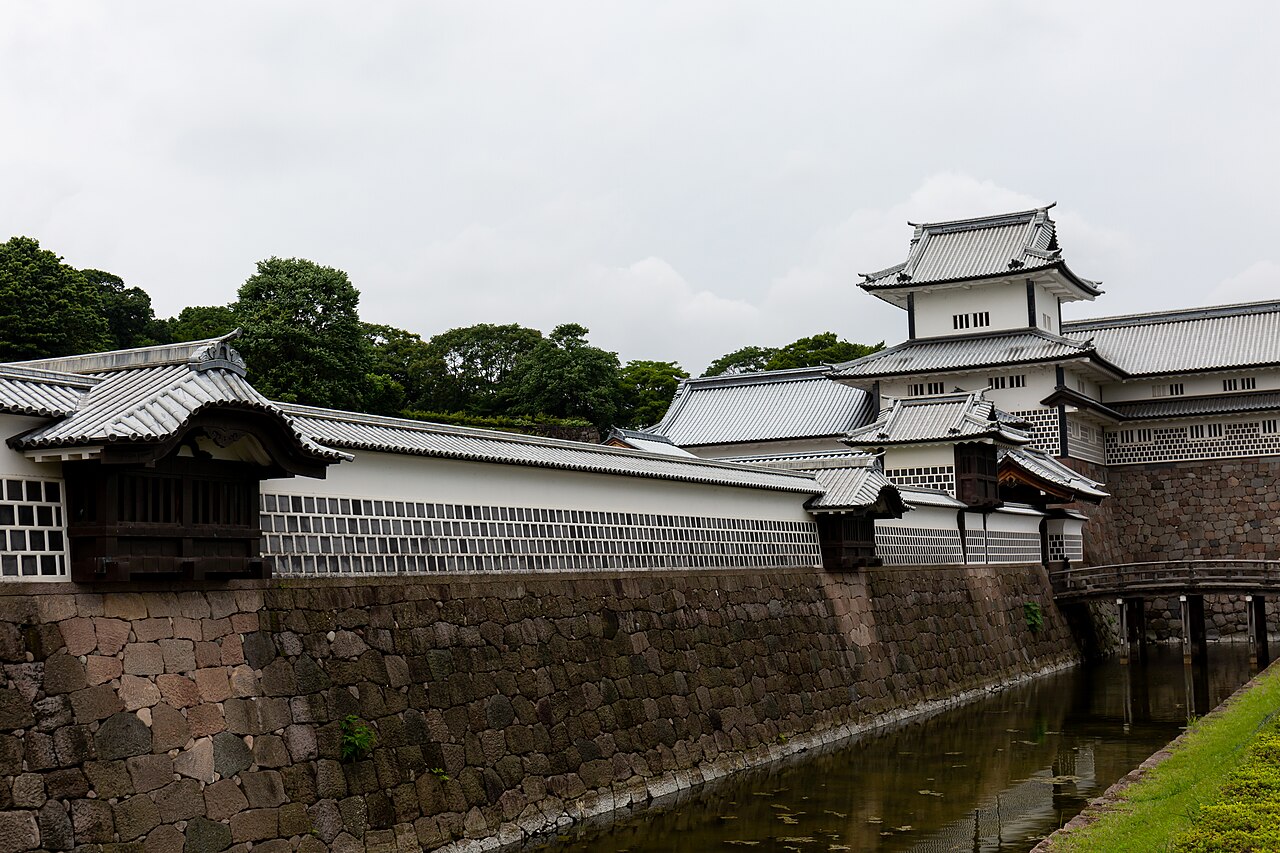
Kaga Yuzen is the hand-dyeing of Kanazawa, the capital of Ishikawa Prefecture on the Sea of Japan coast in the Hokuriku region. Kanazawa sits between the mountains and the sea, threaded by two clear rivers — the Asano to the north and the Sai to the south — and it is that clean, abundant river water, as much as any workshop, that let a dyeing industry take root here.
The city’s fortune is tied to one family. In the late 16th century the Maeda clan took control of the region, and their domain — the Kaga domain — grew into the wealthiest fief in all of Japan, rated at over a million koku of rice and nicknamed Kaga hyakumangoku. Unable to challenge the Tokugawa shogunate militarily, the Maeda lords poured that wealth into culture and craft instead, deliberately building Kanazawa into a center of gold leaf, lacquer, ceramics, and dyeing.
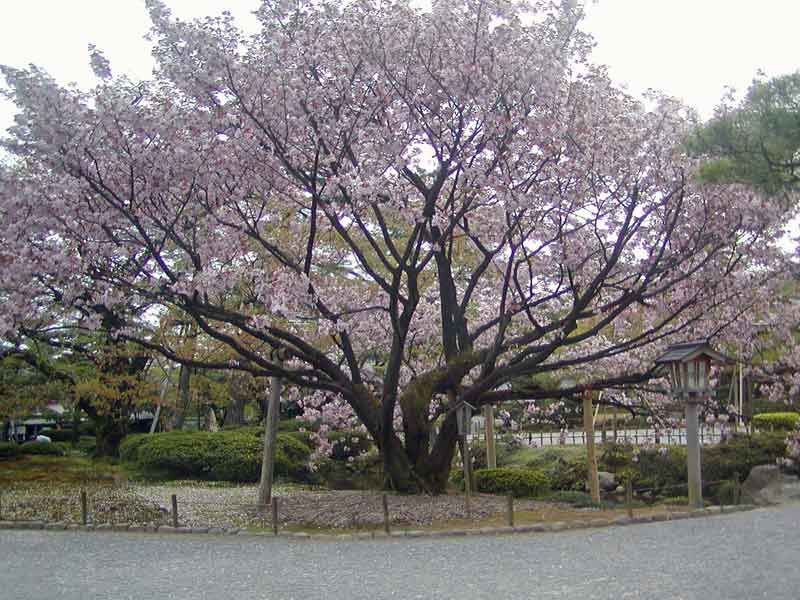
Into this well-funded craft city came Miyazaki Yuzensai, an itinerant fan painter, in the early 18th century. His name is the root of the word “Yuzen” itself, and his refinement of an existing local dyeing tradition is credited with turning Kaga’s dyeing into the distinct style we know today. Where Kyoto’s Kyo Yuzen developed toward gold leaf, embroidery, and stylized brilliance, Kaga Yuzen went the other way — toward realism and restraint.
- 1583 — Maeda Toshiie enters Kanazawa; the Maeda clan begins building the Kaga domain.
- 17th c. — Local plain-dyeing traditions (umezome, kaga-zome) develop under domain patronage.
- early 1700s — Miyazaki Yuzensai settles in Kanazawa and refines the local dyeing into Kaga Yuzen.
- 18th–19th c. — The Kaga gosai palette, realistic motifs, and mushikui leaves become the style’s signatures.
- Edo–Shōwa — Dyed cloth is rinsed in the Asano and Sai Rivers — yuzen-nagashi, a Kanazawa seasonal sight.
- 1975 — Kaga Yuzen is designated a National Traditional Craft (METI).
- Today — Certified Kaga Yuzen artisans continue hand-dyeing kimono and accessories in and around Kanazawa.
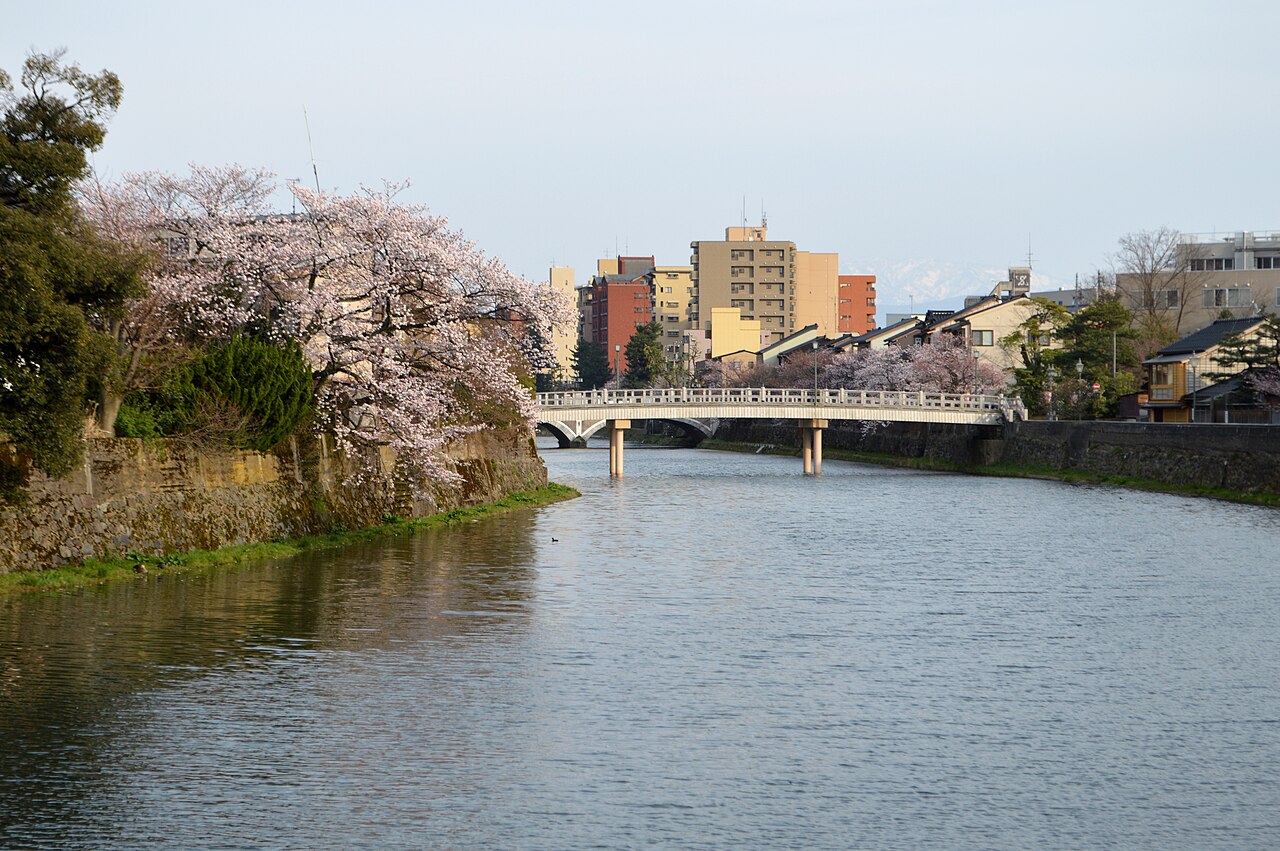
The making itself is what the word “hand-dyed” is hiding. A design is drawn, outlined with a resist paste so the dyes stay within their borders, and then brushed in color by color, with the bokashi shading graded by hand from the outer edge of each motif inward. Historically the finished cloth was carried down to the Asano and Sai Rivers and rinsed in the running water — yuzen-nagashi — to wash out the excess dye and paste, a scene that became one of Kanazawa’s seasonal images.
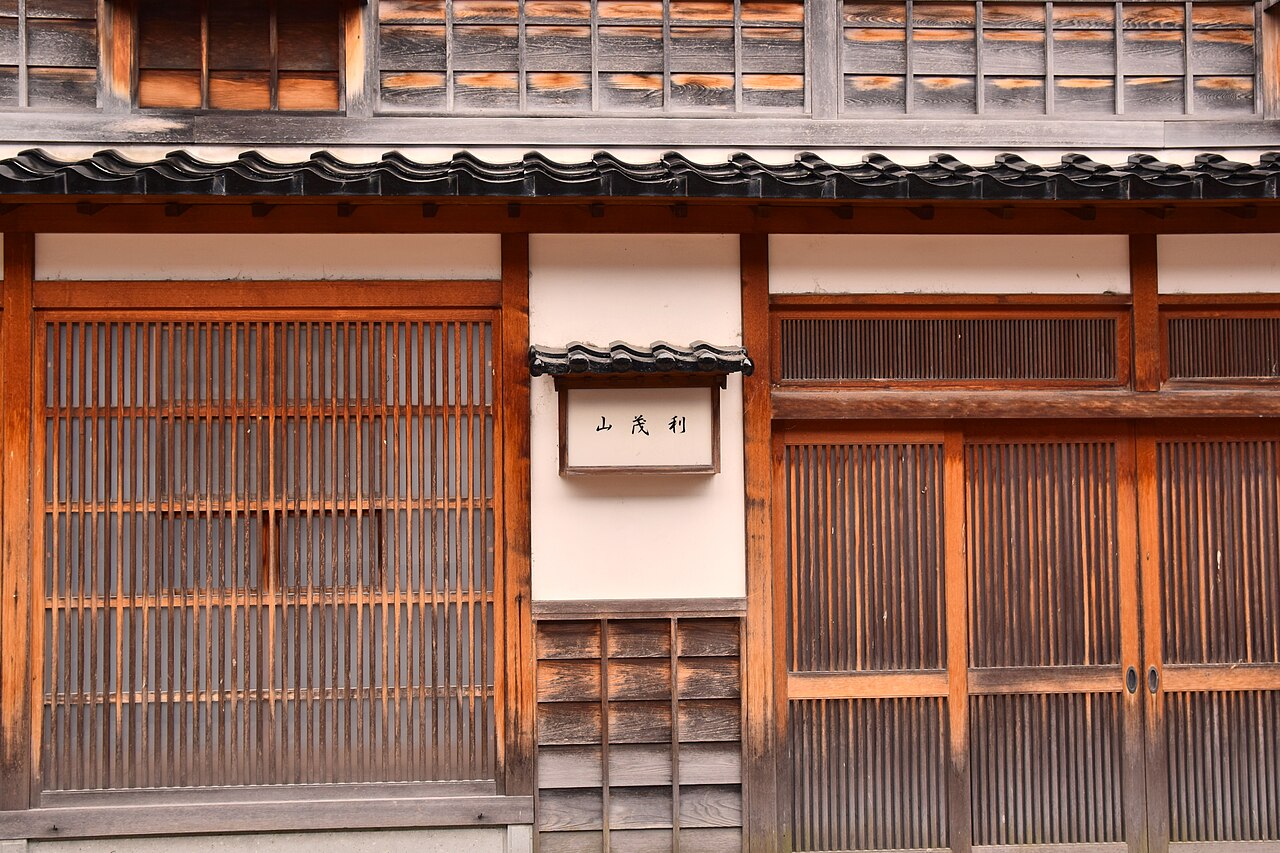
That restraint is not an accident of taste; it is the aesthetic of a merchant-and-samurai city that prized quiet refinement over display. Walk Kanazawa’s preserved teahouse districts and the same sensibility is everywhere — considered, earthy, unshowy. A Kaga Yuzen scarf carries that culture on a small, wearable scale: five muted colors, a realistic spray of flowers, and a leaf with a hole eaten in it.
📦 Shipping & where to buy from outside Japan
When sending a hand-dyed silk scarf abroad, shipping and import charges vary by destination, carrier, and service speed. Check the customs rules for your country before ordering.
Expect international shipping in roughly the $15–$40 range to the US, EU, Canada, the UK, and Australia, with delivery slower than a domestic Prime item. If a Kaga Yuzen piece you want is on a Japan-only shop rather than the Global Store, a proxy/forwarding service such as Buyee or Tenso can receive and re-ship it for an added fee. Duties may apply on orders above your country’s de minimis threshold; Amazon’s checkout estimate is the figure to trust.
❓ Frequently Asked Questions
What is the difference between Kaga Yuzen and Kyo Yuzen?
Kyo Yuzen, from Kyoto, tends toward stylized designs, gold leaf, and embroidery for a bright, ornate look. Kaga Yuzen, from Kanazawa, is defined by the earthy Kaga five-color palette, realistic botanical motifs, outer-to-inner shading, and the signature insect-bitten leaf — quieter and more naturalistic.
Why does one of the leaves look damaged?
That is intentional. The “insect-bitten” leaf, called mushikui, is a hallmark of Kaga Yuzen’s realism — the dyer paints a leaf as if an insect had nibbled it, rather than idealizing every motif.
How do I care for a hand-dyed silk scarf?
Treat it as delicate silk: dry-clean or gentle hand-wash rather than machine wash, blot instead of wringing if it gets wet, and store it away from direct sunlight to protect the colors. Follow the maker’s care instructions.
Can I buy this from outside Japan?
Yes. Kaga Yuzen silk scarves from Kanazawa makers are commonly sourced through the Amazon Japan Global Store, which ships to 65+ countries including Canada, the UK, and Australia, with import fees estimated at checkout. Amazon US also carries Japanese silk scarves if you prefer domestic Prime shipping.
Will my scarf look exactly like the photo?
Because each piece is dyed by hand, motif placement and shading vary slightly from one scarf to the next. A photograph cannot guarantee an identical piece — part of the appeal of hand-work.
Is Kaga Yuzen an officially recognized craft?
Yes. Kaga Yuzen is a National Traditional Craft designated by Japan’s Ministry of Economy, Trade and Industry (METI), with a lineage traced to Miyazaki Yuzensai in the early 18th century under the Maeda clan’s Kaga domain.
Does it make a good gift?
A hand-dyed scarf with a documented craft tradition travels well as a gift, especially for someone who appreciates understated, natural design over flashy pattern. Gift suitability depends on the scarf’s size, color, and intended use.
jpmono.com is curated by a Japan-based editorial team (working out of Toyama in the Hokuriku region and Nara in Kansai) and is independent. We don’t take payment from the makers we feature; income comes from affiliate links. Read more about our editorial standards.
🤖 This article was drafted with AI assistance and reviewed against the Kaga Yuzen craft tradition by the jpmono editorial team. Details such as size and care can vary by maker.
Affiliate disclosure: jpmono.com may earn a commission on qualifying purchases made through links on this page, at no additional cost to you.