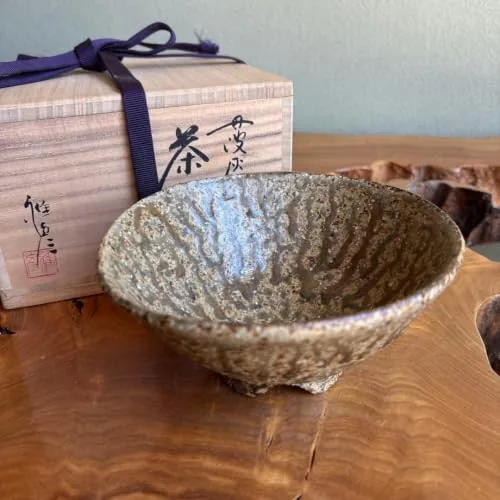
- What it is: a new, ash-glazed Tamba-yaki matcha tea bowl (chawan) signed to a named potter, sold with its tomobako wooden box
- Made in: the Tamba-Sasayama area, Hyogo — one of Japan’s Six Ancient Kilns and a METI-designated Traditional Craft of Japan
- Price band: collector / tea-practice tier, well above everyday tableware — ¥20,980 on Amazon JP (as of 2026-09-28; verify on the listing)
- Best for: matcha drinkers and tea-ceremony students who want a named-potter bowl from a historic kiln region
- Skip if: you want a dishwasher-safe everyday mug, or you need exact dimensions before buying
- Shipping: ships internationally from Amazon Japan — jump to our pick ↓
The glaze on a Tamba tea bowl begins as ash. For centuries, potters in the hills of eastern Hyogo have fired their wares with pine wood, and the ash that settles on the clay during long firings melts into glossy runs and speckles that no two pieces share. The bowl featured here — listed on Amazon Japan as 丹波焼灰釉茶碗 市野雅彦 大雅窯 共箱 抹茶碗 — is an ash-glazed (haiyu) matcha chawan attributed by the listing to the potter Masahiko Ichino of the Taiga kiln (大雅窯), sold new with its tomobako (共箱, the potter’s own wooden box).
Tamba-yaki (丹波焼, “Tamba ware”) is one of the Six Ancient Kilns of Japan (六古窯, Rokkoyō), the group of pottery centers — Seto, Tokoname, Echizen, Shigaraki, Bizen, and Tamba — generally said to have operated continuously since before the Momoyama period. For international readers, that matters because a Tamba chawan is not a decorative souvenir style: it belongs to the same family of stoneware that Japanese tea practitioners have used and collected for generations.
This guide is written from a Japan-based editorial desk working out of Toyama and Nara. It is for readers deciding whether a mid-to-upper-price Tamba bowl is the right first (or next) chawan, and covers the listing’s stated details, how Tamba compares with other Japanese ceramics we have covered, shipping from Japan, and the honest caveats.

- Who this is for — and who should skip it
- Product overview (from published specs)
- 📍 Where this comes from — place, era, and the craft tradition
- 📦 Shipping & where to buy from outside Japan
- Price snapshot across stores
- What it does well
- Weaknesses and things to verify before buying
- Conclusion — which buyer type are you?
- Other ways to approach this purchase
- 🏆 Editor’s Pick
- ❓ Frequently Asked Questions
Who this is for — and who should skip it
- Whisk matcha regularly and want a proper chawan rather than a cereal bowl
- Study or practice sadō (the Way of Tea) and value a named potter and a signed box
- Collect Six Ancient Kilns stoneware, or already own Bizen or Shigaraki pieces
- Prefer earthy, irregular glazes over polished porcelain
- Want a considered gift with clear provenance (listing names potter, kiln, and box)
- Need a dishwasher- or microwave-safe everyday cup
- Require exact dimensions, weight, or capacity before ordering (not stated in the listing title)
- Are buying your first matcha set on a tight budget
- Expect the piece to match the product photo exactly — glazes vary
- Specifically want a wood-fired natural-ash (shizen-yu) piece — the listing says applied ash glaze
Product overview (from published specs)
ℹ️ Only the Amazon JP listing snapshot is available; live pricing may have shifted since the writing date. Size, weight, and firing method are not in our snapshot and are marked unconfirmed below.
Tamba-yaki Chawan
丹波焼灰釉茶碗 市野雅彦 大雅窯 共箱 抹茶碗
通常6~7日以内に発送します。 · Sold by タナカショップ! · ASIN B0HK4TFRNS
Price and availability as of 2026-09-28 00:18 JST. The Amazon listing at the time of purchase is authoritative. jpmono.com earns a commission on qualifying purchases at no extra cost to you.
| Attribute | Per the listing / published data | Source |
|---|---|---|
| Item | Matcha chawan (抹茶碗), single tea bowl | Amazon JP Global Store |
| Craft | Tamba-yaki (丹波焼) | Amazon JP Global Store |
| Glaze | Ash glaze (灰釉, haiyu) | Amazon JP Global Store |
| Potter / kiln | Masahiko Ichino (市野雅彦) / Taiga kiln (大雅窯) | Amazon JP Global Store |
| Box | Tomobako (共箱) included | Amazon JP Global Store |
| Condition | New | Amazon JP Global Store |
| Size / weight / capacity | Unconfirmed — check the listing | — |
| Price | ¥20,980 (≈ $140 USD) as of 2026-09-28; verify on the listing | Amazon JP Global Store |
| Seller / dispatch | タナカショップ! — “usually ships within 6–7 days” | Amazon JP Global Store |
📖 Glossary — Japanese terms used in this guide
- Chawan (茶碗) — a tea bowl; in tea practice, the bowl in which matcha is whisked and drunk.
- Tamba-yaki (丹波焼) — stoneware from the Tamba-Sasayama area of Hyogo Prefecture.
- Rokkoyō (六古窯) — the Six Ancient Kilns: Seto, Tokoname, Echizen, Shigaraki, Bizen, and Tamba.
- Shizen-yu (自然釉) — natural ash glaze that forms when wood ash lands on pots inside the kiln and melts.
- Haiyu (灰釉) — an ash glaze prepared from wood ash and applied by the potter before firing; the term used in this listing.
- Tomobako (共箱) — the wooden storage box that accompanies a piece, conventionally inscribed by the maker.
- -gama / kiln (窯) — a pottery studio’s name, here Taiga-gama (大雅窯).
- Sadō (茶道) — the Way of Tea, Japan’s formal tea practice.
📍 Where this comes from — place, era, and the craft tradition

Hyogo Prefecture stretches across western Japan from the Seto Inland Sea on the south to the Sea of Japan on the north. Tamba-Sasayama sits away from both coasts, in the inland eastern part of the prefecture, among forested hills and farmland north of the Osaka–Kobe metropolitan area. That setting explains a good deal about the pottery: the area had workable local clay, and its forests supplied the pine wood that fueled the kilns.

The local economy here has historically rested on agriculture, forestry, and crafts, and the Tamba-Sasayama area has long served as a regional cultural center for eastern Hyogo. Pottery is one of the threads that runs through all three: the fields, the woodland, and the workshops.
Tamba ware is generally said to have originated in the late Heian period, and kiln activity has continued in the area for centuries since.

The turning point for tea wares came in the Momoyama period, when Tamba rose to prominence alongside the development of tea-ceremony culture. Tea practitioners of that era favored stoneware with visible character — irregular forms, kiln marks, and glazes produced by fire rather than by decoration — and the ash-streaked surfaces of the old kilns fit that taste.
- Late Heian period — Pottery production in the Tamba area is generally said to begin.
- Medieval centuries — Wood-fired kilns continue in the hills, building the natural-ash-glaze character.
- Momoyama period — Tamba rises to prominence as tea-ceremony culture develops.
- Modern era — Counted among the Six Ancient Kilns with Seto, Tokoname, Echizen, Shigaraki, and Bizen.
- METI designation — Recognized as a Traditional Craft of Japan.
- Today — Output ranges from tea vessels (chawan, mizusashi water jars) to daily tableware.
- 2026 — A new Taiga-kiln chawan listed on Amazon Japan at ¥20,980 (September 28).
The defining technical signature is natural ash glaze, or shizen-yu (自然釉). During long wood firings, ash from the burning pine drifts through the kiln and settles on the shoulders and rims of the pots, where it melts into glassy greens, drips, and flecks. The local clay adds warm grey, pink, and amber tones beneath. Because the result depends on where each piece sat in the kiln, no two surfaces come out alike.

“In a wood-fired kiln, the fuel is also the glaze — the pine that heats the pots leaves its ash on them.”
One distinction matters for this particular bowl. The listing describes it as haiyu (灰釉), an ash glaze that the potter prepares and applies, rather than shizen-yu that forms spontaneously in the kiln. Both draw on wood ash and both belong to the Tamba vocabulary, but the listing does not state how or in what kind of kiln this piece was fired, so this guide does not claim it was wood-fired.
In tea practice, a chawan is held in both hands, turned, and looked at closely, so a bowl’s surface and weight are part of the experience. That is why the Momoyama-era taste for kiln-made character still shapes how Tamba chawan are made and chosen, and why a signed box often accompanies a bowl intended for tea use or gifting.

Tamba-yaki is still being made here, from tea vessels to plates and cups for the kitchen table.
Other Japanese crafts we have covered — Bizen is a fellow Six Ancient Kiln, the Kyoto and Nara cups share the Kansai tea-and-ceramics tradition, and Miki sits in the same prefecture.
 Bizen-yaki Guinomi Sake Cup
Okayama · another of the Six Ancient Kilns, unglazed and wood-fired
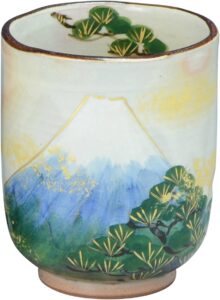 Aito Kyoyaki Shunzan Yunomi
Kyoto · refined everyday teacup from the tea capital
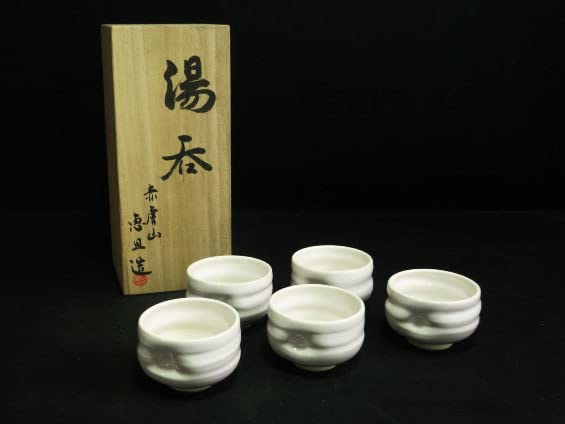 Akahada-yaki Nara-e Yunomi
Nara · painted teacup from a Kansai tea-ware kilnKutani Ware Overglaze Teapot
Ishikawa · colorful enamel decoration, the opposite of ash glaze
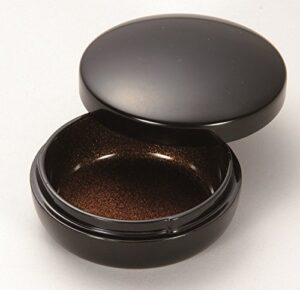 Kyo Shikki Maki-e Kogo
Kyoto · lacquered incense container used in tea settings
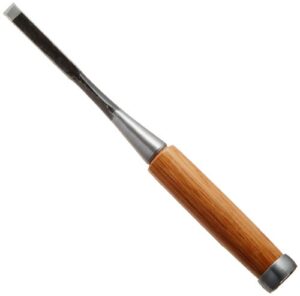 Miki Uchihamono Bench Chisel
Hyogo · forged tools from the same prefectureNara Setta Sandals
Nara · traditional footwear, a Kansai craft companion
📦 Shipping & where to buy from outside Japan
Per the Amazon JP listing as of September 28, 2026, the bowl is sold new by the third-party seller タナカショップ! with a dispatch estimate of 6–7 days. Amazon Japan’s Global Store ships many household items to 65+ countries, including the US, Canada, the UK, and Australia. Whether a specific third-party listing ships to your address is confirmed only at checkout.
Prices in USD are approximate and depend on the current exchange rate.
Price snapshot across stores
| Store | Item / variant | Price | Notes |
|---|---|---|---|
| 🇺🇸 Amazon.com (US) | Browse Japanese matcha bowls & tea ware | varies (USD) | Best if you are shopping from the US — Prime shipping, USD pricing, no international customs. Amazon US carries matcha chawan and tea sets from various Japanese makers; the Taiga-kiln bowl in this guide ships from Japan (next row). |
| 🇯🇵 Amazon JP Global Store | 丹波焼灰釉茶碗 市野雅彦 大雅窯 共箱 抹茶碗 (new) | ¥20,980 (≈ $140 USD) — as of 2026-09-28; verify on the listing | Ships internationally from Japan to 65+ countries — including Canada, the UK and Australia — with import fees estimated at checkout. Seller: タナカショップ!; ships in 6–7 days. |
| Maker direct | Taiga kiln (大雅窯) | Unconfirmed — check maker | We could not confirm an English-language online shop in our snapshot. |
| Proxy services (Buyee / Tenso) | Same Japanese listing, forwarded | Listing price + service & shipping fees | Useful when a listing does not ship to your country directly. |
What it does well
Weaknesses and things to verify before buying
- Size and weight are not stated in the listing title. Check the full listing or ask the seller before ordering, especially if you whisk with a specific chasen.
- Applied ash glaze, not confirmed wood-fired. The listing says haiyu; buyers specifically seeking kiln-formed shizen-yu should look for that term.
- Each piece is individual. Glaze runs and tones vary; the photo may not match the exact bowl shipped.
- Third-party seller. The piece is sold by タナカショップ!, not Amazon itself, with a 6–7 day dispatch window before international transit begins.
- Care is hand-wash territory. Care instructions are not in our snapshot; treat a signed tea bowl as hand-wash only unless the seller says otherwise.
- Price tier. At ¥20,980 (≈ $140 USD), this costs several times more than a mass-produced matcha bowl.
Conclusion — which buyer type are you?
Other ways to approach this purchase
🏆 Editor’s Pick
❓ Frequently Asked Questions
How much does this Tamba-yaki chawan cost?
The Amazon JP listing showed ¥20,980 (about $140 USD) as of September 28, 2026. Prices change, so verify on the listing before buying; shipping and import fees are added at checkout.
Does it ship outside Japan?
Amazon Japan’s Global Store ships to 65+ countries, including the US, Canada, the UK, and Australia. This item is sold by a third-party seller, so confirm your address is eligible at checkout; a proxy service such as Buyee or Tenso is the fallback.
Is the glaze natural ash glaze?
The listing describes it as haiyu, an applied ash glaze. Tamba is also known for shizen-yu, natural ash glaze formed in wood-fired kilns, but the listing does not state that this bowl was wood-fired.
What is a tomobako?
A tomobako is the wooden box that accompanies a piece, conventionally inscribed by the maker. It protects the bowl and is part of how tea wares are stored and presented.
What size is the bowl?
Dimensions and weight are not stated in the listing title we captured. Check the full Amazon JP listing or contact the seller before ordering.
Can I put it in the dishwasher?
Care instructions were not in our snapshot. For a signed, handmade tea bowl, hand-washing and air-drying is the cautious choice unless the seller states otherwise.
jpmono.com is curated by a Japan-based editorial team (working out of Toyama in the Hokuriku region and Nara in Kansai) and is independent. We don’t take payment from the makers we feature; income comes from affiliate links. We read maker specs and source listings rather than physically testing every product. Read more about our editorial standards.
This article was drafted with AI assistance and reviewed against the source listing and published craft data. Facts are limited to what those sources state.
Affiliate disclosure: jpmono.com may earn a commission on qualifying purchases made through links on this page, at no additional cost to you.