![Satsuma Suzuki Tin Tumbler by Iwakiri Bikodo: Where to Buy Kagoshima Pure-Tin Cups [2026]](https://jpmono.com/wp-content/uploads/2026/06/satsuma-suzuki-iwakiri-tin-tumbler-where-to-buy-2026-featured.jpg)
A Satsuma Suzuki (薩摩錫器, “Satsuma tin ware”) tumbler is one of those objects whose appeal is hard to grasp from a photo and obvious the moment you hold it. Pure tin is dense and cool to the touch, and it conducts heat so readily that a chilled cup fogs over within seconds of a cold pour. The maker here is Iwakiri Bikodo (岩切美巧堂), a Kagoshima workshop that, per the maker’s own history, was founded in 1830 and still hand-finishes each cup by spinning and hammering soft tin into shape.
What makes this notable for an international reader is the lineage. Tin tableware in Kagoshima is not a recent revival — it grew out of the Shimazu (Satsuma) domain’s promotion of metalworking from the late 18th century, fed by the Taniyama (谷山) tin mine just south of the castle town. The same domain patronage that built the white Satsuma ceramics and the famous Satsuma Kiriko cut glass also kept a line of tinsmiths working. Tin is soft, lead-free, antibacterial, and chemically inert, and it is traditionally believed to round off the harsh edges of sake and water.
This guide is written for buyers weighing a pure-tin cup as a daily drinking vessel or a gift, and for readers who want to understand the place and craft before the price. We cover what the published listing data does and does not confirm, how tin behaves versus glass, who should skip it, and the realistic paths to buy one from outside Japan.
🔄 Updated:
⏱️ Read time: ~12 min

- Who this is for — and who should skip it
- Product overview (from published specs)
- Where this comes from — place, era, and the craft tradition
- Price snapshot across stores
- What it does well
- Weaknesses and things to verify before buying
- Conclusion — which buyer type are you?
- Other ways to approach this purchase
- 🏆 Editor’s Pick
- ❓ Frequently Asked Questions
Who this is for — and who should skip it
- Drink cold beer, highballs, or chilled sake and want a cup that gets frosty fast
- Appreciate hand-finished metal with visible hammer or spinning marks
- Want a lasting gift tied to a documented regional craft tradition
- Are comfortable with hand-washing and gentle care
- Like the weight and cold heft of solid tin in the hand
- Want a dishwasher- and microwave-safe everyday cup (tin is neither)
- Need hot drinks — tin is very soft and not made for boiling-hot use
- Are shopping to a tight budget; hand-finished tin carries a craft premium
- Dislike metal that dents or scratches with rough handling
- Expect a precise factory finish rather than slight hand variation
Product overview (from published specs)
Based on the available listing data for ASIN B08DCHXZ3T, this is a single pure-tin tumbler / beer cup from Iwakiri Bikodo in the Satsuma Suzuki tradition. The fetched Amazon US and eBay searches returned no rows for this exact item, and no live price snapshot was captured, so several fields below are marked unconfirmed rather than guessed.
Satsuma Suzuki Tin Tumbler by Iwakiri Bikodo
薩摩錫器 錫 タンブラー 清流加工 190ml 79 岩切美巧堂 代引不可
通常4~5日以内に発送します。 · Sold by お酒・食品の専門店オーリック※1.8Lは8本まで、900mlは12本まで同梱可能 · ASIN B08DCHXZ3T
Price and availability as of 2026-08-31 02:30 JST. The Amazon listing at the time of purchase is authoritative. jpmono.com earns a commission on qualifying purchases at no extra cost to you.
| Attribute | Detail (per available data) |
|---|---|
| Craft | Satsuma Suzuki (薩摩錫器) — Kagoshima pure-tin ware, a designated traditional craft |
| Maker | Iwakiri Bikodo (岩切美巧堂), founded 1830, Kagoshima |
| Material | Pure tin (純錫, lead-free), hand-spun and hammer-finished |
| Form | Tumbler / beer cup |
| Capacity / dimensions | Unconfirmed — check the live listing |
| Weight | Unconfirmed — check the live listing |
| ASIN | B08DCHXZ3T |
| Price | Unavailable at time of writing — verify on the listing |
Spec sheets indicate the broad facts above; specific capacity, height, and weight were not present in the fetched data. Verify dimensions on the listing before buying if exact size matters to you.
📖 Glossary — key terms
- Satsuma Suzuki (薩摩錫器) — Kagoshima’s pure-tin tableware craft; “Satsuma” is the old name of the domain, “suzu (錫)” is tin.
- Suzu (錫) — tin; a soft, low-melting, lead-free metal prized for not imparting metallic taste.
- Shimazu (島津) — the clan that ruled the Satsuma domain for some 700 years and patronized its crafts.
- Shuseikan (集成館) — the Shimazu industrial complex at Iso, where Western and craft industries were developed in the mid-19th century.
- Sengan-en / Iso (仙巌園・磯) — the Shimazu villa and garden in Kagoshima, center of that industrial and craft patronage.
- Satsuma Kiriko (薩摩切子) — Satsuma cut glass, a parallel domain-sponsored craft.
- Taniyama (谷山) — the tin mine south of central Kagoshima that supplied the raw metal.
Related jpmono guides — other Japanese metal, ceramic, and Kagoshima crafts worth weighing against this tin tumbler.
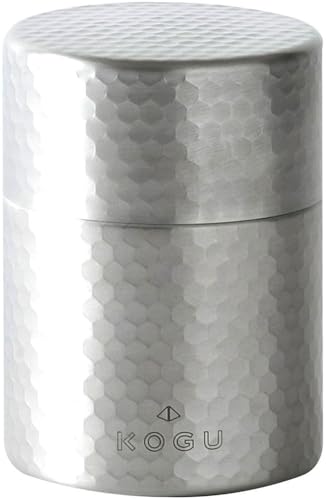 Kaikado tin caddyKyoto pure-tin tea caddy — tin in a different form
 Akita silver filigreeAnother hand-worked soft-metal craft
 Kanazawa gold leafHokuriku precious-metal craft
 Shiro-Satsuma sake cupSame Kagoshima domain, white ceramic line
 Satsuma Kiriko cupThe domain’s parallel cut-glass craft
Bizen beer mugCeramic alternative for a frothy pour
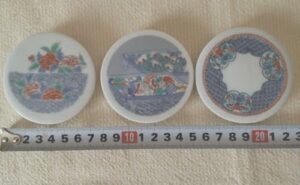 Iro-Nabeshima plateKyushu domain porcelain, for the table set
Where this comes from — place, era, and the craft tradition


Kagoshima is the southernmost major city on Kyūshū, Japan’s third-largest island, set on the western shore of Kinko Bay with the smoking cone of Sakurajima directly across the water. It is far from the old capitals — about 950 km southwest of Tokyo and well south of Kyoto and Nara — and that distance is part of the story. As the seat of the Shimazu clan, Satsuma was an outward-looking domain with its own trade links southward, and its volcanic, mineral-bearing terrain supported ceramics, glass, and metalworking long before the modern era.
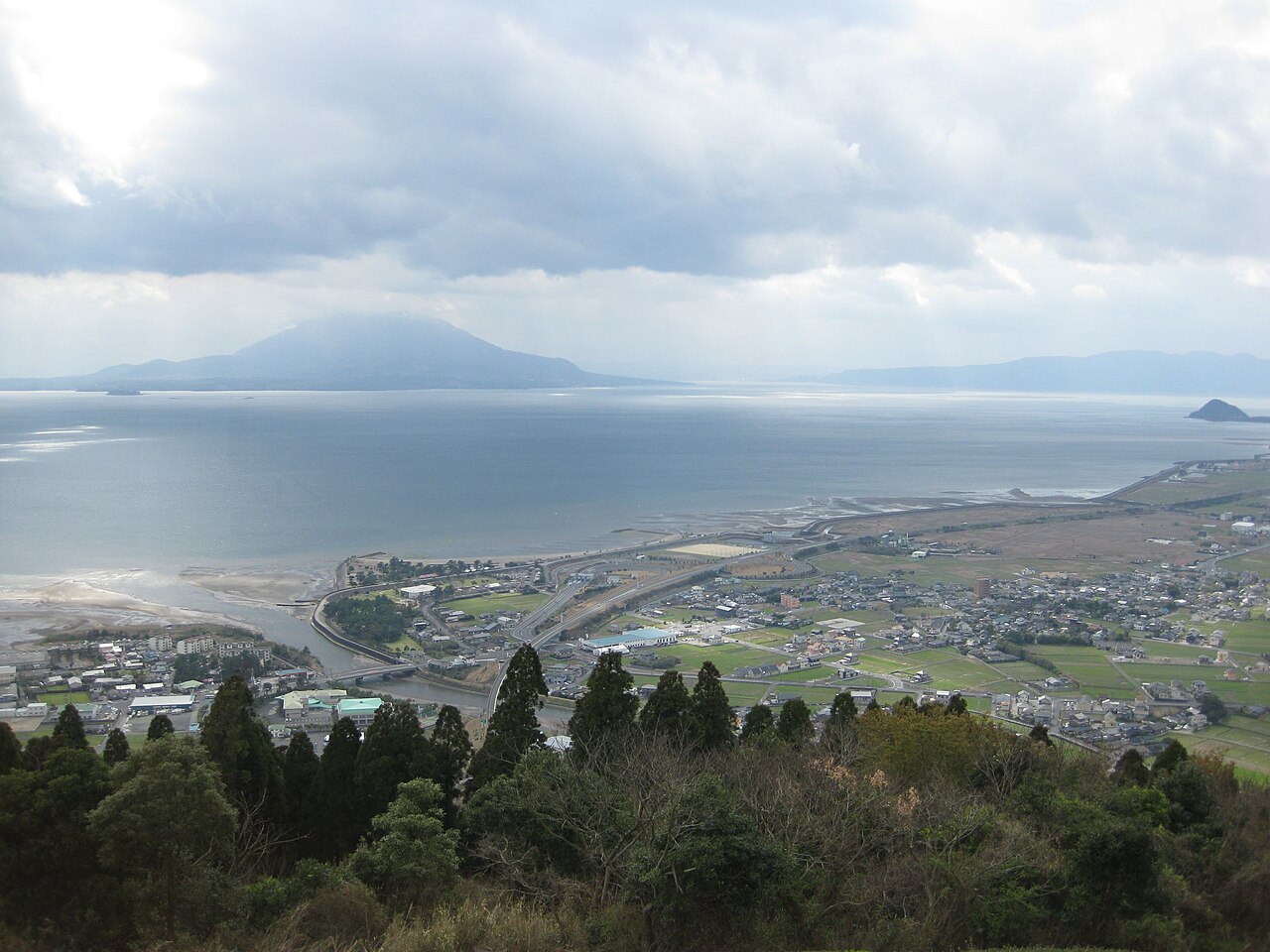
The material itself was local. Tin was mined at Taniyama, just south of the castle town, and this was one of Edo-period Japan’s important domestic tin sources. A port town with its own metal supply is exactly the setting in which fine tinsmithing becomes economically viable, and from the late 18th to early 19th century the Shimazu domain actively promoted tin-working alongside its other crafts.
“A domain with its own tin mine, its own port, and a ruling clan that prized refined tableware is the rare set of conditions under which a tin-cup tradition takes root and lasts two centuries.”
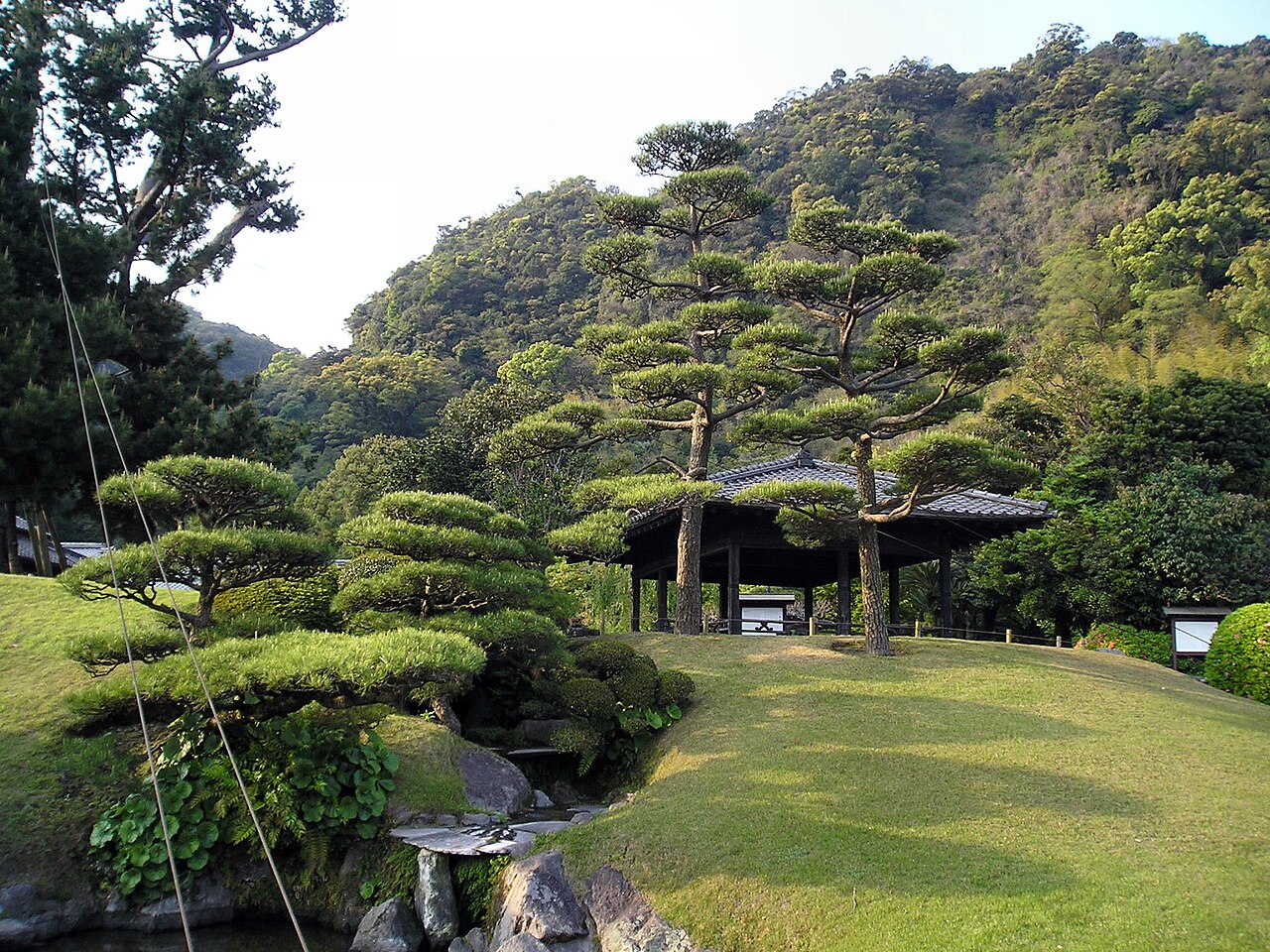
The clearest window onto that patronage is Sengan-en (the Iso garden), the Shimazu villa on the bay. In the mid-19th century the clan built the Shuseikan industrial complex on these grounds, developing Western and traditional industries side by side. It is the same environment that nurtured the white Satsuma ceramics and the jewel-like Satsuma Kiriko cut glass — and the lords’ taste for refined tableware is what kept skilled tinsmiths supplied with work.
- Late 18th c. — The Shimazu (Satsuma) domain promotes tin-working, drawing on the Taniyama tin mine south of the castle town.
- 1830 — Iwakiri Bikodo is founded in Kagoshima (per the maker’s history).
- 1850s — The Shuseikan industrial works rise at Iso / Sengan-en; Satsuma Kiriko cut glass and white Satsuma ceramics flourish under domain patronage.
- Modern era — Satsuma Suzuki is recognized as a designated traditional craft of Kagoshima.
- 2015 — The Sengan-en / Shuseikan works are inscribed as part of UNESCO’s “Sites of Japan’s Meiji Industrial Revolution.”
- 2026 — Iwakiri Bikodo continues hand-finishing pure-tin tableware in Kagoshima.
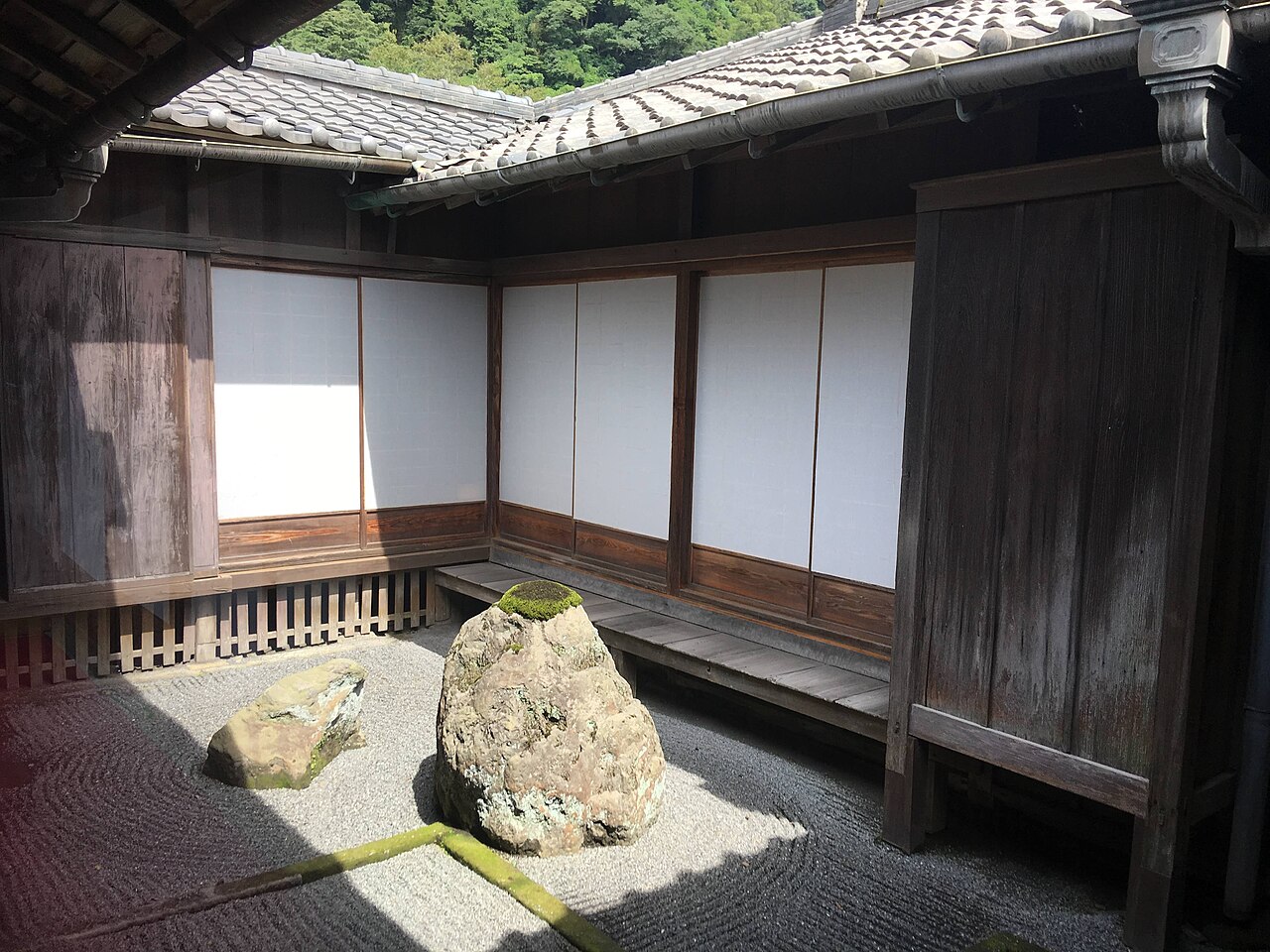
What “still being made here” means in practice is continuity of method rather than scale. Iwakiri Bikodo traces its founding to 1830, and the cups are still shaped by hand — tin is spun and hammered rather than stamped out on a press. The metal’s softness is the reason: pure tin cannot be worked hard or fast, so the craft resists full automation. That same softness is what gives the surface its hand-marked character and what makes the cup vulnerable to denting, a trade-off worth understanding before you buy.
Seasonally, a tin tumbler belongs to summer. Tin’s high thermal conductivity pulls heat out of the cup wall quickly, so a cold beer or mugi-shōchū — Kyūshū’s local distilled spirit — frosts the surface within seconds. The metal is also chemically inert and is traditionally believed to mellow sake and water, a folk claim rather than a laboratory-proven one. Either way, the behavior you can verify yourself is the cold: tin chills fast and holds it briefly.
Price snapshot across stores
JPY (¥) is the authoritative price for the specific listed item; USD figures, where shown, are approximate at a ¥150/USD baseline. No live price was captured in the fetched data, so cells below direct you to verify on the listing.
| Store | Item / variant | Price (JPY + USD est.) | Notes |
|---|---|---|---|
| 🇺🇸 Amazon.com (US) (search) | Browse Japanese tin tumblers & cups | varies (USD) | Best if you are shopping from the US — Prime shipping, USD pricing, no international customs. Amazon US carries comparable Japanese tin and metal drinkware from various makers; Iwakiri Bikodo’s exact piece is sourced from Japan (next row). |
| 🇯🇵 Amazon JP Global Store | Iwakiri Bikodo Satsuma Suzuki tumbler (ASIN B08DCHXZ3T) | Live price — verify on listing | The sourced listing for this exact item. Ships internationally from Japan to most major destinations. |
| Maker direct (Iwakiri Bikodo) | Full Satsuma Suzuki line | — | The maker’s own catalog may list sizes and finishes not on Amazon; overseas shipping support varies. |
| Proxy services (Buyee / Tenso) | Any Japan-only listing | item + forwarding fee | Use when a seller does not ship abroad directly; adds a forwarding markup and a customs step. |
The data suggests no captured price at the time of writing; live pricing may differ. Prices in USD are approximate and depend on the current exchange rate. International shipping to the US or EU via Amazon JP Global Store typically runs in the rough range of $15–$40, and orders over local thresholds may incur customs duties.
What it does well
Weaknesses and things to verify before buying
- Soft and dentable. Pure tin is a soft metal; it scratches and dents with rough handling or a hard knock. This is inherent to the material, not a defect.
- Not for hot drinks. Tin has a low melting point and high conductivity, so it is unsuited to boiling-hot liquids. Treat it as a cold-drink vessel.
- Hand-wash only. Avoid the dishwasher and microwave; gentle hand-washing and drying are expected for tinware.
- Dimensions unconfirmed. Capacity, height, and weight were not present in the fetched data — verify exact size on the listing if it matters for your use.
- Price unverified at writing. No live price was captured; confirm the current figure and stock before ordering, as both fluctuate.
- Craft premium. Hand-finished tin costs more than a mass-produced cup; budget shoppers may find it hard to justify.
- International shipping and customs. Buying from Japan adds shipping cost and a possible customs step depending on your country’s thresholds.
Conclusion — which buyer type are you?
Other ways to approach this purchase
🏆 Editor’s Pick
❓ Frequently Asked Questions
Does a tin tumbler really keep drinks colder?
Tin conducts heat very well, so a chilled cup frosts and cools a cold pour within seconds. It transfers cold quickly rather than insulating, so it excels at the initial chill rather than long-term temperature holding.
Is the tin safe — does it contain lead?
Satsuma Suzuki is made from pure tin, which is lead-free, antibacterial, and chemically inert. It is traditionally believed to mellow sake and water, though that flavor claim is folk wisdom rather than a proven effect.
Can I put it in the dishwasher or use it for hot drinks?
No. Tin is soft with a low melting point, so it should be hand-washed and used for cold or room-temperature drinks, not boiling-hot liquids, the dishwasher, or the microwave.
Can I buy it from outside Japan?
Yes. The specific item is sourced from the Amazon JP Global Store, which ships internationally to most major destinations. Amazon US is the easier path for comparable Japanese tin drinkware, and proxy services like Buyee or Tenso can forward Japan-only listings.
Will it dent or scratch easily?
Pure tin is soft, so it can dent or scratch with rough handling or a hard knock. This is inherent to the material; gentle handling keeps it in good shape for years.
What is the difference between this and Satsuma Kiriko or Shiro-Satsuma?
All three are Kagoshima crafts nurtured under Shimazu domain patronage, but the materials differ: Satsuma Suzuki is pure tin, Satsuma Kiriko is cut glass, and Shiro-Satsuma is white ceramic. See the linked guides to compare them directly.
jpmono.com is curated by a Japan-based editorial team (working out of Toyama in the Hokuriku region and Nara in Kansai) and is independent. We don’t take payment from the makers we feature; income comes from affiliate links. We don’t physically test every product — we read maker specs and source listings.
This article was prepared with AI assistance and reviewed against the available listing data. Facts about the craft and region are drawn from the spec’s data notes; where data was thin, that is stated plainly rather than filled in.
Affiliate disclosure: jpmono.com may earn a commission on qualifying purchases made through links on this page, at no additional cost to you.