![Beppu Bamboo Flower Basket: Oita Hand-Woven Takezaiku Craft [2026]](https://jpmono.com/wp-content/uploads/2026/06/beppu-bamboo-hand-woven-flower-basket-where-to-buy-2026-featured.jpg)
Beppu Takezaiku (別府竹細工, “Beppu bamboo work”) is the only bamboo craft in Japan to hold a national traditional-craft designation, and a hand-woven hanakago (花籠, “flower basket”) is one of its clearest expressions. The basket in this guide is woven from local madake (真竹, “giant timber bamboo”) by hand, using the base weaving techniques that Oita’s spa-town weavers refined over generations. It is a working object — a flower vessel, a fruit or storage basket — that happens to carry an unusually deep craft lineage.
What makes Beppu notable internationally is not exoticism but concentration. Japan’s largest volume of hot-spring water surfaces here, and the centuries-long onsen economy that grew around it created a steady local demand for bamboo wares. That demand drew weavers together, standardized their methods into eight base weaves, and eventually produced a Living National Treasure. Few craft towns can show that tight a loop between a local industry and the object on your shelf.
This guide is for international readers weighing a genuine hand-woven Japanese basket over a mass-market import. We cover what the listing actually states, how to read the weave, where Beppu sits in Japan, how it compares to other bamboo crafts we have reviewed, and the realistic paths to buy it from outside Japan. Where the data is thin, we say so rather than guessing.
🔄 Updated:
⏱️ Read time: ~10 min

- Who this is for — and who should skip it
- Product overview (from published specs)
- Price snapshot across stores
- What it does well
- Weaknesses and things to verify before buying
- Where this comes from
- Conclusion — which buyer type are you?
- Other ways to approach this purchase
- 🏆 Editor’s Pick
- ❓ Frequently Asked Questions
Who this is for — and who should skip it
- Want a genuine hand-woven Japanese basket rather than a machine-made import
- Appreciate visible craft structure — the geometry of yotsume and gozame weaves
- Need a versatile vessel for ikebana, dried arrangements, fruit, or open storage
- Value provenance: a craft with a documented regional lineage and METI status
- Are comfortable buying internationally and verifying current price and stock
- Want a sealed, watertight vase — bamboo baskets are not waterproof on their own
- Expect uniform, factory-perfect symmetry; hand weaves vary slightly
- Need exact dimensions before buying and cannot verify them on the live listing
- Prefer the lowest possible price over craft provenance
- Plan to leave it permanently in direct sun or damp without any care
Product overview (from published specs)
The fetched dataset for this item is thin: at the time of writing, the live Amazon US search returned no individual listing, and only the Amazon JP Global Store sourced listing (ASIN B09Z6957WZ) was available, without a confirmed price snapshot. Live pricing may have shifted since the writing date, so treat the table below as a structural summary and verify figures at the listing. We have not invented specifications absent from the source.
Beppu Bamboo Flower Basket
竹 花籠 「しらさぎ 掛花籠 箱無し 」15-016 国産 大分県 別府竹細工 日本製
残り4点 ご注文はお早めに · Sold by 竹工芸 朱竹堂 · ASIN B09Z6957WZ
Price and availability as of 2026-09-01 05:22 JST. The Amazon listing at the time of purchase is authoritative. jpmono.com earns a commission on qualifying purchases at no extra cost to you.
| Attribute | Detail (per listing / data_notes) | Source |
|---|---|---|
| Craft | Beppu Takezaiku (hand-woven bamboo work) | Maker direct / data_notes |
| Material | Local madake (giant timber bamboo) | data_notes |
| Form | Hanakago — flower / fruit / storage basket | Listing title |
| Technique | Hand weaving from the eight base weaves (yotsume, mutsume, gozame, etc.) | data_notes |
| Origin | Beppu, Oita Prefecture, Kyushu | data_notes |
| Designation | National traditional craft (METI), designated 1979 | data_notes |
| Dimensions / weight | Unconfirmed — check the live listing | — |
| Price | Unavailable in dataset at time of writing — verify at listing | — |
Sources for this overview: Amazon US search (primary, moonill-20), Amazon JP Global Store (secondary, moonill-22, sourced listing), maker direct, and proxy services where relevant.
📖 Glossary — key terms
- Takezaiku (竹細工) — “bamboo work,” the craft of splitting, planing, and weaving bamboo into baskets and utensils.
- Madake (真竹) — giant timber bamboo, valued for long, straight, splittable fibers; the preferred Beppu material.
- Hanakago (花籠) — a flower basket, used in ikebana and tea-room display; often doubles as a fruit or storage basket.
- Meshi-zaru (飯笊) — a woven rice basket; the everyday Edo-era item that seeded Beppu’s industry.
- Yotsume / mutsume / gozame (四つ目 / 六つ目 / ござ目) — three of the eight base weaves: square-eye, hexagonal-eye, and mat weave.
- Shokunin (職人) — a trained craftsperson; in Beppu, many train at the prefectural bamboo-crafts center.
- METI — Japan’s Ministry of Economy, Trade and Industry, which designates official traditional crafts (dentō kōgeihin).
- Living National Treasure (人間国宝) — a holder of important intangible cultural property; Beppu produced one in bamboo art, Shōno Shōunsai.
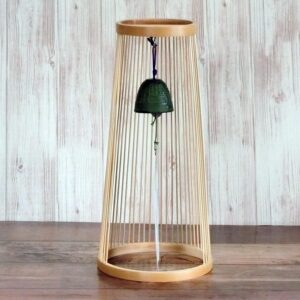
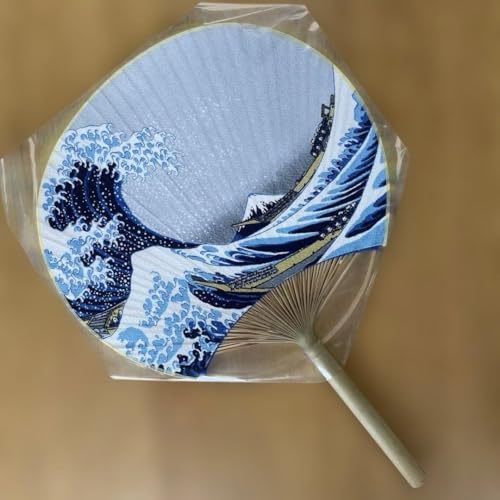
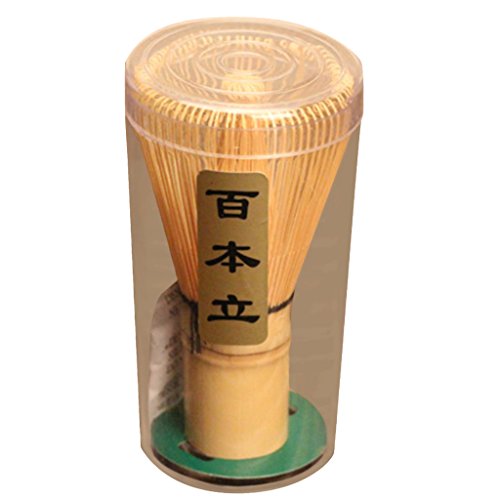
Related crafts we have covered — other bamboo work, and other Oita / Kyushu makers worth weighing against this basket.
Price snapshot across stores
JPY is the authoritative price for the specific listed item; USD figures are approximate estimates at a ¥150/USD baseline as of mid-2026. At the time of writing, no confirmed price was returned in the dataset for ASIN B09Z6957WZ, so verify the current figure at the listing before purchasing.
| Store | Item / Variant | Price (JPY + USD est.) | Notes |
|---|---|---|---|
| 🇺🇸 Amazon US (search) | Browse Japanese bamboo baskets & takezaiku | varies (USD) | Best if you are shopping from the US — Prime shipping, USD pricing, no international customs. Amazon US carries Japanese bamboo baskets and home goods from various makers, useful for comparing weave styles and price tiers. This Beppu piece is sourced from Japan (next row). |
| 🇯🇵 Amazon JP Global Store | Beppu Takezaiku hanakago (ASIN B09Z6957WZ) | Check listing (USD est. varies) | The sourced listing for the specific item. Ships internationally from Japan to most major destinations. |
| Maker direct | Beppu workshop / cooperative pieces | Varies | Individual Beppu workshops sell directly; selection and pricing vary, and overseas shipping is not always offered. |
| Proxy services (Buyee / Tenso) | Any JP-domestic listing forwarded abroad | Item + forwarding fee | Useful for JP-only listings; adds a handling fee and a second shipping leg. Factor in customs for orders over local thresholds. |
What it does well
Woven by hand from split madake, with the structural variation that distinguishes craft work from molded imports.
Japan’s only nationally designated bamboo craft (METI, 1979), with a clear regional history rather than vague heritage claims.
A hanakago works for ikebana, dried arrangements, fruit, bread, or open shelf storage — one object, many uses.
Well-seasoned madake is light yet resilient; a cared-for bamboo basket can serve for many years.
“Beppu is the only bamboo craft in Japan to carry a national traditional-craft designation — the weave on your shelf is the same vocabulary the spa-town basket-makers standardized into eight base patterns.”
Weaknesses and things to verify before buying
- Not watertight. A bamboo hanakago is not a sealed vase. For fresh flowers, use a glass or metal insert (otoshi) to hold water — do not pour water directly into the basket.
- Dimensions unconfirmed in the dataset. Size and weight were not in the fetched data. If exact dimensions matter for your shelf or arrangement, confirm them on the live listing first.
- Price not captured. No confirmed price was returned at the time of writing. Verify the current figure before checkout; hand-woven traditional craft typically commands a premium over machine-made baskets.
- Hand-made variation. Slight differences in weave tension, color, and symmetry are normal and expected. Buyers wanting factory-identical uniformity may be disappointed.
- Care required. Keep it out of prolonged direct sun and standing damp; wipe with a dry or barely damp cloth and let it air-dry. Neglect can lead to drying, fading, or mold.
- International shipping and customs. Shipping from Japan adds cost and time, and orders above local thresholds may incur duties. Confirm the Global Store ships to your country.
Where this comes from

Beppu sits on the eastern coast of Kyūshū, Japan’s southwesternmost main island, in Oita Prefecture. The city faces Beppu Bay and backs onto a steaming volcanic basin shared with the resort town of Yufuin. It is built directly on top of Japan’s largest volume of hot-spring water, and that single geological fact shaped everything downstream — the tourism, the trade, and the craft.
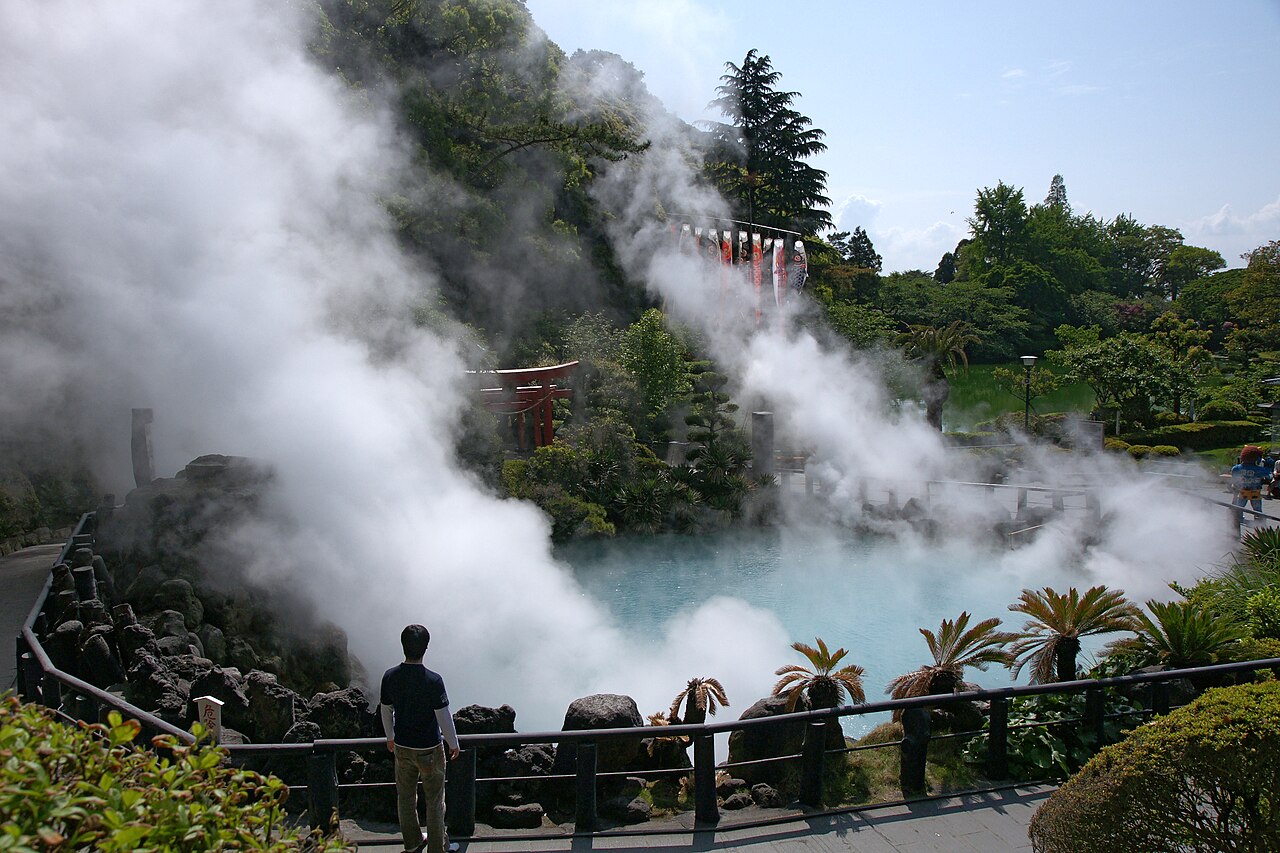
The onsen economy is the engine of the craft. From the Edo period onward, bathers came to Beppu for extended cures (tōji), staying weeks at a time. They needed everyday woven goods — above all the meshi-zaru, the bamboo rice basket — and they bought bamboo wares to carry home as souvenirs. That steady, year-round demand pulled weavers into the spa town and kept them busy, concentrating the trade in one place in a way few crafts achieve.
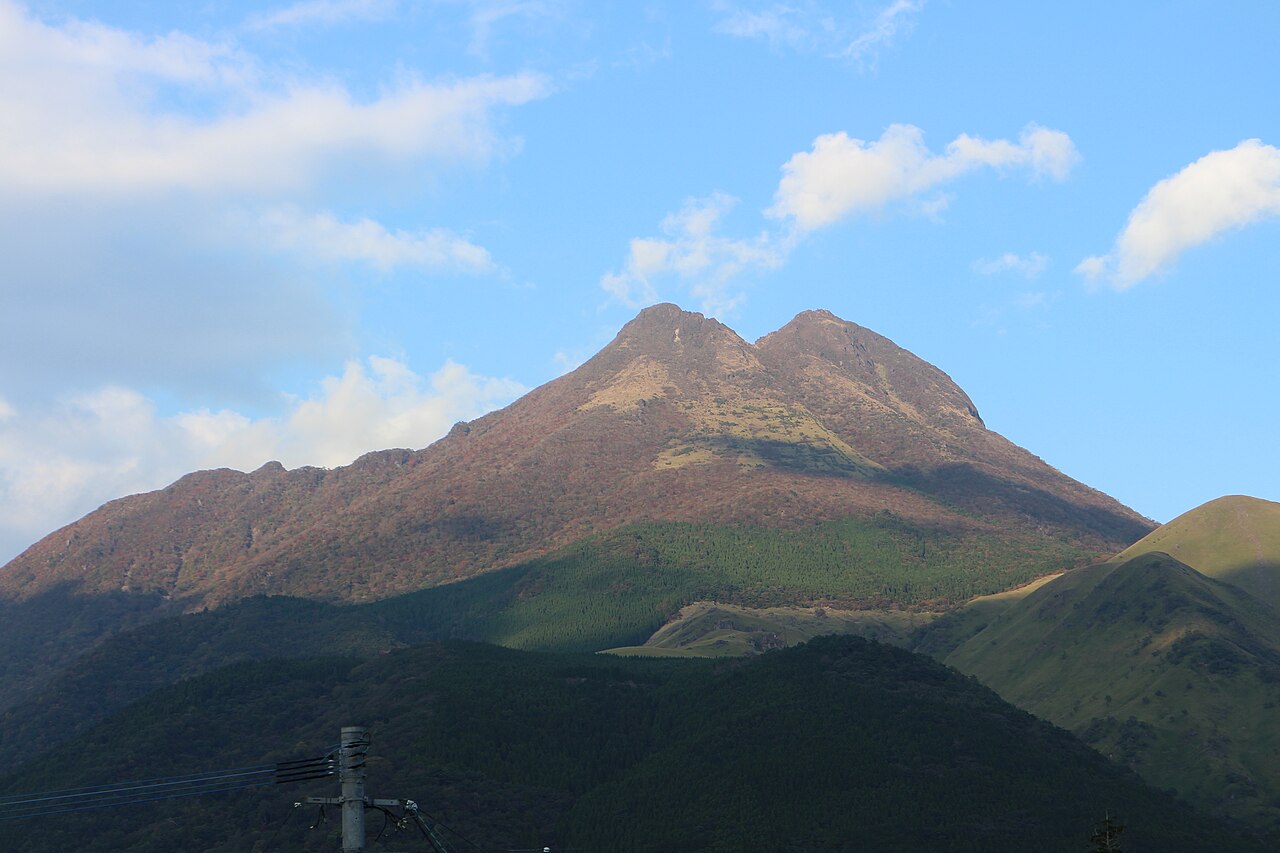
The raw material was right at hand. The forested slopes of the Beppu–Yufuin basin, beneath peaks like Mount Yufu, grow madake — the long, straight, splittable giant timber bamboo that hand weaving demands. Abundant local madake plus concentrated local demand is the classic recipe for a craft taking root, and in Beppu it did.
Oita’s craft and devotional heritage runs far deeper than the bamboo trade itself. The Usuki Stone Buddhas, carved into volcanic tuff in the Heian period, show the province as a center of skilled handwork and religious patronage centuries before basketry was formalized. That long backdrop matters: Beppu Takezaiku did not appear from nowhere, but within a region with an established habit of demanding, patient craft.
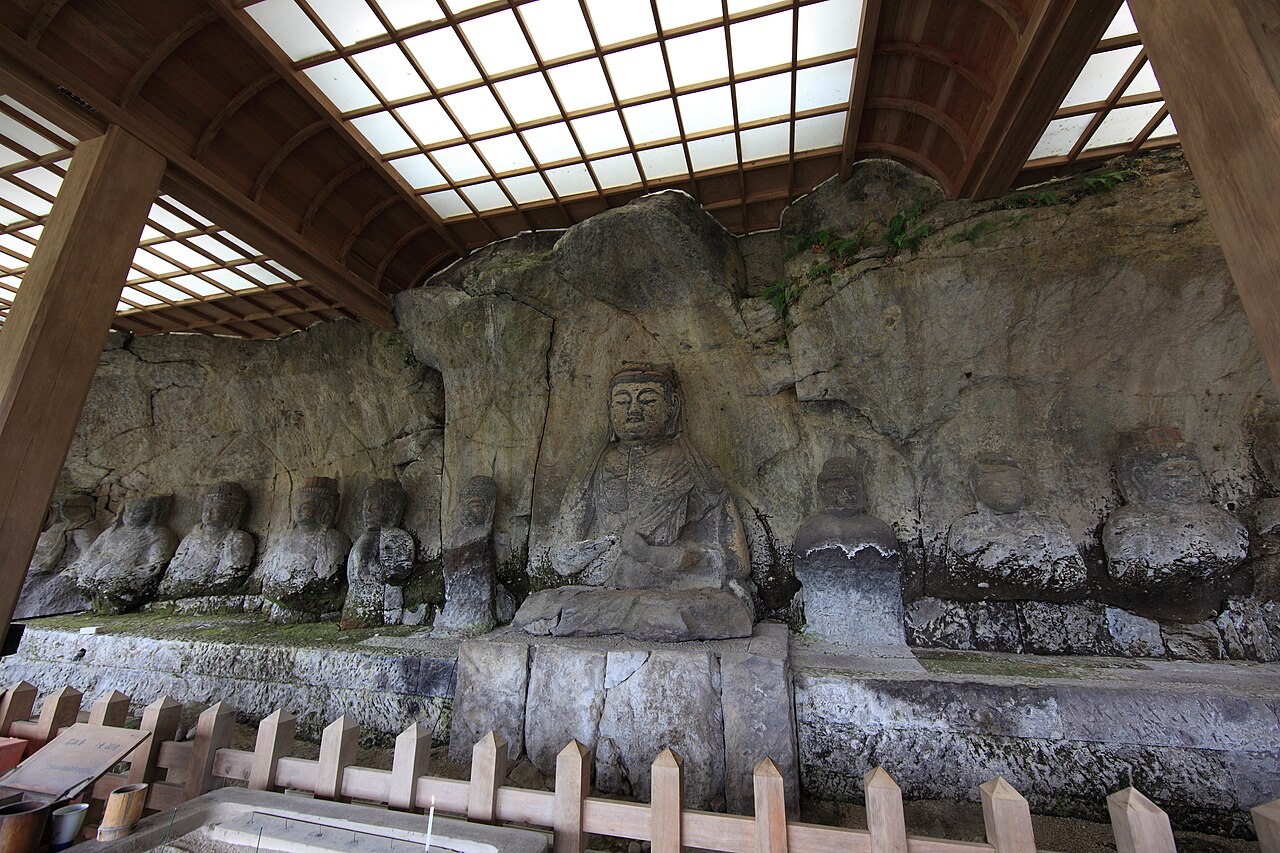
- 794–1185 — Heian period: the Usuki Stone Buddhas are carved in Oita, marking deep regional craft and devotional heritage.
- 1603–1868 — Edo period: hot-spring bathers on long cures buy meshi-zaru rice baskets and bamboo souvenirs, concentrating weavers in Beppu.
- 19th century — The craft systematizes into eight base weaving techniques (yotsume, mutsume, gozame, and others).
- Shōwa era — Beppu produces Shōno Shōunsai, recognized as a Living National Treasure in bamboo art.
- 1979 — Beppu Takezaiku is designated by METI as the only bamboo craft to hold national traditional-craft status.
- 2026 — The Oita Prefectural Bamboo Crafts Training Center continues to train new weavers in Beppu.
What “still being made here” means is concrete. Beppu’s standardized eight base weaves remain the working vocabulary of the craft, and the Oita Prefectural Bamboo Crafts Training Center still teaches them to new weavers today — a rare case of a craft town maintaining a formal pipeline for succession rather than relying on aging individual masters alone. The town’s history culminated in a Living National Treasure, Shōno Shōunsai, and the techniques behind that recognition are the same ones a hanakago like this one is built from.
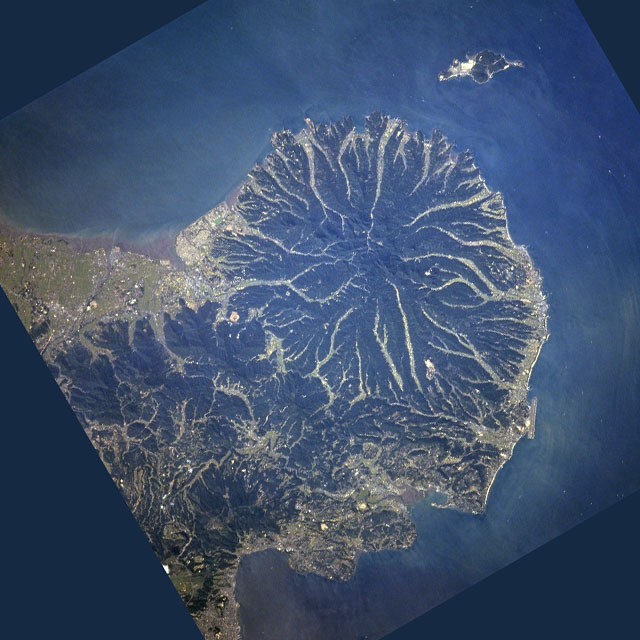
Set against the wider Oita landscape — the terraced ridges of the Kunisaki Peninsula, the bamboo groves of the hills inland from the bay — the basket reads less as a generic souvenir and more as a compact record of place: volcanic water, spa-town trade, hillside madake, and a documented line of hands.
Conclusion — which buyer type are you?
You want documented provenance and hand weaving. This Beppu hanakago, a METI-designated craft, fits — buy the sourced JP listing and verify the current price.
You want a good Japanese basket without overthinking it. Browse Japanese bamboo baskets on Amazon US first for convenience, then compare against this Beppu piece.
If price is the main driver, a hand-woven traditional craft may stretch your budget; consider a simpler bamboo basket or wait for a sale.
If you need a watertight vase, exact pre-confirmed dimensions, or factory uniformity, this is not the right object for you.
Other ways to approach this purchase
Craft items rarely discount deeply, but Amazon JP Global Store prices do move. Track the listing and buy when the figure suits you.
Older Beppu baskets surface on Japanese resale platforms; a proxy service can forward them. Inspect photos for splits or mold first.
If you hold Amazon points or card rewards, applying them offsets the international price. Check eligibility on the Global Store listing.
If a basket is not central to your need, a simpler home-storage option may serve just as well at lower cost.
🏆 Editor’s Pick
❓ Frequently Asked Questions
Is Beppu Takezaiku really the only nationally designated bamboo craft in Japan?
Yes. According to the craft’s history, Beppu Takezaiku was designated by Japan’s Ministry of Economy, Trade and Industry (METI) in 1979 and is the only bamboo craft to hold national traditional-craft status.
Can I put fresh flowers and water directly in the basket?
No. A bamboo hanakago is not watertight. Use a separate glass or metal water container (otoshi) inside the basket to hold the flowers and water.
Does Amazon JP Global Store ship this basket internationally?
Amazon JP Global Store ships many household items internationally to most major destinations. Confirm on the listing that it ships to your country, and budget for shipping and any customs duties over your local threshold.
How do I care for a Beppu bamboo basket?
Keep it out of prolonged direct sunlight and standing damp. Wipe with a dry or barely damp cloth and let it air-dry fully. With basic care, well-seasoned madake can last for many years.
Why does the price look uncertain in this guide?
At the time of writing, no confirmed price was returned in our dataset for this listing. JPY is the authoritative price for the specific item; please verify the current figure on the Amazon JP Global Store listing before purchasing.
Will each basket look exactly like the photo?
Not exactly. Because it is hand-woven from natural madake, slight variation in weave tension, color, and symmetry is normal — that variation is a hallmark of genuine craft work rather than a defect.
jpmono.com is curated by a Japan-based editorial team (working out of Toyama in the Hokuriku region and Nara in Kansai) and is independent. We don’t take payment from the makers we feature; income comes from affiliate links. Read more about our editorial standards.
🤖 This article was prepared with AI assistance and reviewed against the source listing and verified craft history. Specifications, prices, and availability should be confirmed at the retailer before purchase.
Affiliate disclosure: jpmono.com may earn a commission on qualifying purchases made through links on this page, at no additional cost to you.