![Matsusaka Momen Indigo Stripe Eyeglass Case: Where to Buy [2026]](https://jpmono.com/wp-content/uploads/2026/05/japan-map-regions-and-prefectures-800x1050.png)
A Matsusaka Momen (松阪木綿, “Matsusaka cotton”) eyeglass case is a small, unassuming object that carries an outsized story. The cloth is a narrow-striped, indigo-dyed cotton woven in the merchant town of Matsusaka, in central Mie Prefecture — the same cotton that clothed the townspeople of Edo three and four centuries ago. Sewn into a slim, padded sleeve, it becomes a quiet everyday companion for a pair of reading glasses or sunglasses.
What makes this cloth worth a second look is not loud pattern or bright color. It is the opposite: a subdued, layered stripe — what was once called Matsusaka-jima — that became a badge of refined taste in an era when showy dress was banned by law. The hand of the fabric is soft and supple, the indigo dyed from natural plant sources, and the whole thing fits in a pocket. This is understatement as a design philosophy.
This guide is written for international readers who want to understand what they are buying before they buy it: where Matsusaka Momen comes from, why the stripe matters, how an eyeglass case made from it compares to other Japanese textile small goods, and the realistic paths to purchase from outside Japan. Sourcing data for this craft category is thin, so we flag every place the record is incomplete rather than filling gaps with guesswork.
📅 Published:
🔄 Updated:
⏱️ Read time: ~11 min
- Who this is for — and who should skip it
- Product overview (from published specs)
- Where this comes from — place, era, and the craft tradition
- Where to buy
- What it does well
- Weaknesses and things to verify before buying
- Conclusion — which buyer type are you?
- Other ways to approach this purchase
- ❓ Frequently Asked Questions
Who this is for — and who should skip it
- Prefer understated, traditional indigo stripes over bright modern prints
- Want a soft, lightweight fabric case rather than a hard clamshell
- Appreciate craft textiles with a documented regional history
- Are shopping for a modest, packable gift with a real story behind it
- Like the idea of carrying a piece of Edo-era merchant culture day to day
- Need rigid crush protection for glasses in a bag or backpack
- Want a wipe-clean, water-resistant material — this is natural cotton
- Expect machine-washing without risk to natural indigo dye
- Are buying for oversized or wraparound sport frames (check inner dimensions)
- Require fast domestic delivery and dislike international shipping waits
Product overview (from published specs)
Sourcing data for Matsusaka Momen eyeglass cases in this style is limited. The fetched record returned no live price, dimensions, or weight, so the table below marks every unverified field plainly. Treat the material and origin descriptions as category-level facts about Matsusaka Momen rather than measured specifications of this individual case.
| Attribute | Detail | Source |
|---|---|---|
| Item | Eyeglass / glasses case (megane case), padded sleeve form | Product title |
| Material | Matsusaka Momen — hand-loomed cotton, natural indigo, narrow stripes | Craft category fact |
| Origin | Matsusaka, Mie Prefecture, Japan | Craft category fact |
| Dimensions | Unconfirmed | — |
| Weight | Unconfirmed | — |
| Care | Natural indigo cotton — hand-wash cold recommended; expect gentle fading over time | Material best practice |
Matsusaka Momen is a traditional cotton textile, and the article prioritizes its weave, indigo stripe pattern, and use as a soft eyeglass case. Dimensions and price vary by maker and size.
📖 Glossary — key terms
- Matsusaka Momen (松阪木綿) — the indigo-striped cotton woven in Matsusaka, Mie; “momen” simply means cotton.
- Matsusaka-jima (松阪縞) — “Matsusaka stripes,” the fine, narrow striping that became fashionable in Edo.
- Iki (粋) — an Edo-period aesthetic of refined, understated chic; the opposite of gaudy display.
- Ai-zome (藍染) — natural indigo dyeing, producing the deep blues this cloth is known for.
- Rakuichi-rakuza (楽市楽座) — “free markets, open guilds,” a policy that abolished trade monopolies to spur commerce.
- Megane case (眼鏡ケース) — eyeglass case; “megane” is the everyday Japanese word for glasses.
Related Japanese craft guides on jpmono.com — neighboring Mie crafts, other indigo and cotton textiles, and the wider Gamō Ujisato legacy that links Mie and Aizu.
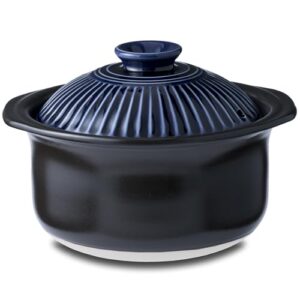 Banko-yaki Donabe (Mie pottery)
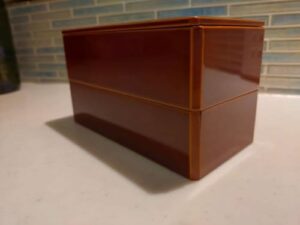 Ise Shunkei Bento (Mie lacquer)
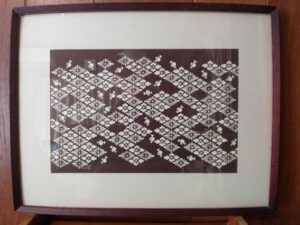 Ise Katagami Panel (Mie)
Aizu Momen Cotton Tote (Gamō legacy)
Kurume Kasuri Indigo Pouch
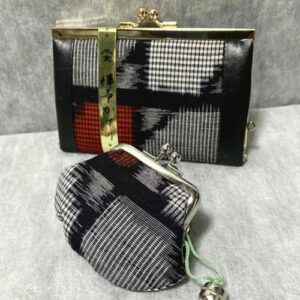 Iyo-Gasuri Gamaguchi
 Kishu Nel Cotton Muffler (Wakayama)
 Nishijin Silk Card Case
Where this comes from — place, era, and the craft tradition

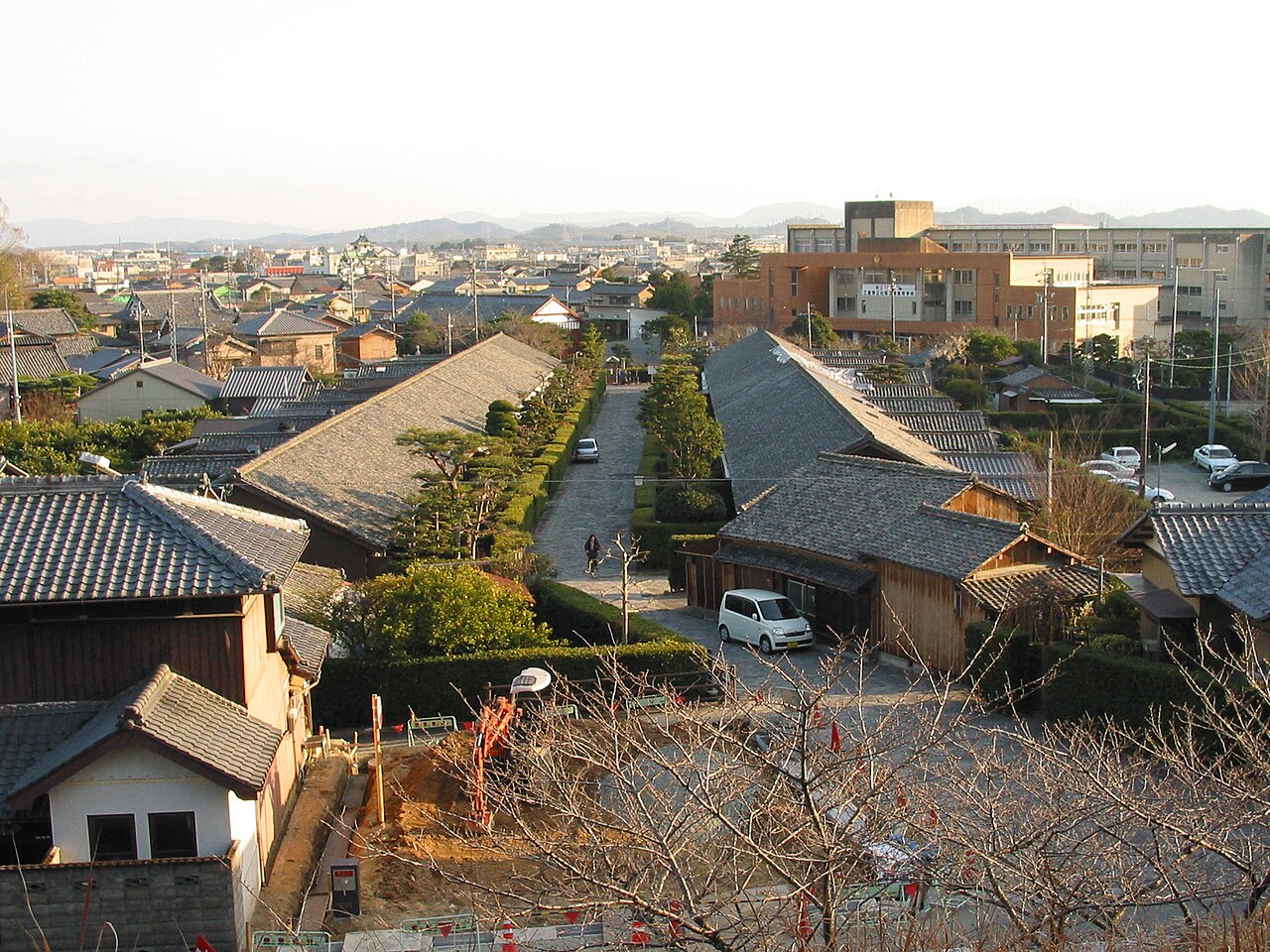
Matsusaka sits in central Mie Prefecture, on the western shore of Ise Bay, where the rivers running down from the Kii mountains meet the warm, flat lowlands of the Ise plain. The combination mattered for cotton: temperate climate, abundant water for dyeing, and a position astride the old road that funneled pilgrims toward Ise Grand Shrine. Goods, money, and people moved through Matsusaka constantly, and the town learned early how to turn that traffic into trade.
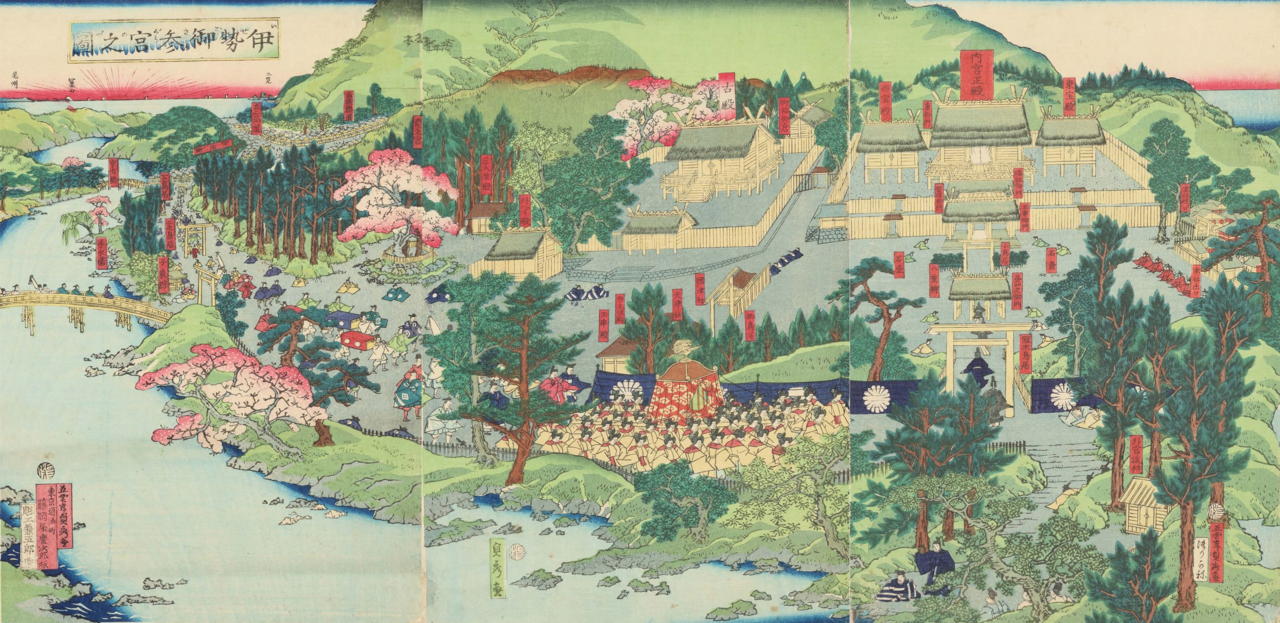
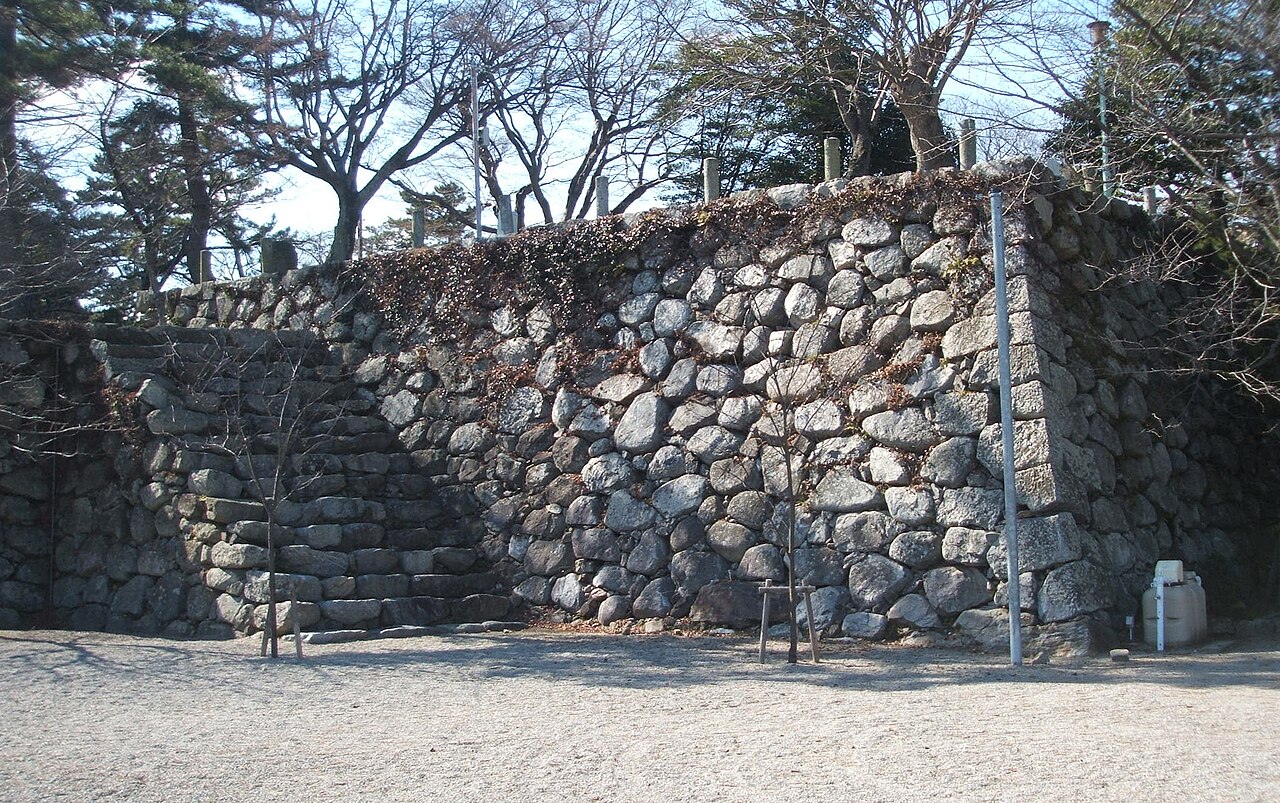
The town as a commercial entity was deliberately built. In 1588, the warlord Gamō Ujisato (蒲生氏郷) laid out Matsusaka Castle and the town beneath it, and — crucially — he promoted rakuichi-rakuza (楽市楽座), the “free markets, open guilds” policy that abolished trade monopolies and invited the Ise merchants to settle. That single decision seeded one of the most formidable merchant cultures in Japanese history.
Gamō Ujisato is a connective figure in Japanese craft history. After Matsusaka, he was transferred north to Aizu (in present-day Fukushima), where the same instinct for industrial patronage helped seed Aizu’s own crafts — including Aizu Momen, the striped cotton cousin of the Matsusaka cloth. The two regions, Mie and Fukushima, are linked by a single career.
The most famous of the Matsusaka merchants was Mitsui Takatoshi (三井高利), who founded the Echigoya dry-goods house in Edo — the ancestor of today’s Mitsukoshi department store. Houses like Mitsui moved staggering quantities of Matsusaka cotton to the capital, where it met a peculiar piece of social history.
- 1588 — Gamō Ujisato lays out Matsusaka Castle and town, opening free markets (rakuichi-rakuza).
- 1590s — Ujisato is transferred to Aizu, carrying his patronage of crafts north and linking Mie to Fukushima textile history.
- 1673 — Matsusaka native Mitsui Takatoshi opens the Echigoya dry-goods house in Edo, ancestor of Mitsukoshi.
- Edo period — Under sumptuary laws banning showy dress, the subdued “Matsusaka-jima” stripe becomes a mark of refined Edo taste (iki).
- Modern era — Hand-loom weaving of Matsusaka Momen continues in Mie as a regional craft textile, dyed with natural indigo.
- 2026 — Small goods such as eyeglass cases keep the cloth in everyday circulation, including for international buyers.
Edo had sumptuary laws — rules that restricted commoners from wearing flashy silks and bright patterns. The townspeople responded not with rebellion but with refinement. The fine, narrow stripe of Matsusaka cotton, in quiet indigo blues, slipped under the rules while signaling exactly the kind of understated cool the Edo aesthetic prized. That sensibility had a name: iki (粋) — chic that whispers rather than shouts.
“Under laws that forbade display, the people of Edo made a virtue of restraint — and a narrow indigo stripe from Matsusaka became the most fashionable thing a commoner could wear.”
What “still being made here” means today is modest but real. Matsusaka Momen is woven on hand looms in Mie as a regional craft textile, and the cloth is finished into kimono, accessories, and small goods like this eyeglass case. The indigo is dyed from natural plant sources, the stripes are kept narrow and quiet in the traditional manner, and the hand of the fabric — soft, slightly slubbed, supple — is the feature buyers notice first. An eyeglass case is one of the smallest and most affordable ways to own a piece of it.
Where to buy
Prices for Matsusaka Momen eyeglass cases vary with fabric, lining, size, and handwork. USD conversions are approximate and change with exchange rates.
| Store | Item / variant | Price (JPY / USD est.) | Notes |
|---|---|---|---|
| 🇺🇸 Amazon.com (US) | Browse Japanese cotton textile goods & eyeglass cases | varies (USD) | Best if you are shopping from the US — Prime shipping, USD pricing, no international customs. Amazon US carries Japanese indigo and sashiko cotton goods for comparison; this specific Matsusaka Momen case is sourced from Japan (next row). |
| 🇯🇵 Amazon JP Global Store | Matsusaka Momen indigo-stripe eyeglass case | Unconfirmed | International availability depends on the seller. |
| Maker direct | Matsusaka Momen accessories | Varies | Matsusaka workshops and the local cotton center sell small goods directly; most pages are Japanese-only and may not ship abroad. |
| Proxy services (Buyee / Tenso) | Any Japan-only store | Item price + fees | Forwarding services let you buy from Japan-only shops; expect service fees plus international shipping and possible customs duty. |
What it does well
Weaknesses and things to verify before buying
- No confirmed dimensions. The fetched data did not include inner measurements. Verify the case fits your frames — especially larger or wraparound styles — before purchasing.
- No crush protection. A padded fabric sleeve guards against scratches and dust, not against being sat on or crushed in a bag.
- Natural indigo behaves like natural indigo. Expect gradual, gentle fading and the small chance of color transfer onto very light surfaces, particularly when new or damp.
- Care is hand-wash, not machine. Natural-dye cotton should be hand-washed cold; machine cycles risk fading and shrinkage.
- Price and stock were unconfirmed at writing. Confirm current availability before buying.
- International shipping adds time and possibly duty. Buying via Amazon JP Global Store or a proxy means longer transit and the possibility of customs charges over your local threshold.
Conclusion — which buyer type are you?
Other ways to approach this purchase
❓ Frequently Asked Questions
What is Matsusaka Momen?
Matsusaka Momen is an indigo-dyed, narrow-striped cotton woven in Matsusaka, Mie Prefecture. In the Edo period it was traded in huge quantities to the capital, where its understated stripe became a mark of refined taste under sumptuary laws that banned showy dress.
Does it ship internationally?
Cotton textile cases are light and easy to carry, but international delivery and customs costs vary by destination. A proxy service can help when a maker sells only within Japan.
How do I care for the indigo cotton?
Hand-wash cold and avoid harsh detergents. Natural indigo fades gently with time and can transfer slightly onto very light surfaces when new or damp, so keep it away from pale leather until the dye settles. Machine washing risks fading and shrinkage.
Will it fit large or sport sunglasses?
As a soft padded sleeve, it suits standard eyeglass and reading-glass frames better than oversized wraparound sport styles. Check the inner dimensions against your frames before buying.
Is it a good gift?
It works well as a modest, packable gift with a genuine story: a hand-loomed cloth tied to Gamō Ujisato’s merchant town and Edo’s iki aesthetic. The quiet indigo stripe suits most ages and tastes and does not read as a tourist souvenir.
How is it different from Aizu Momen?
Both are striped indigo cottons, and they share a historical thread: Gamō Ujisato, who built Matsusaka’s merchant town, was later transferred to Aizu and helped seed its crafts. Matsusaka Momen is associated with fine, narrow Edo-fashion stripes; Aizu Momen developed its own striped tradition in Fukushima. They are cousins, not the same cloth.
jpmono.com is curated by a Japan-based editorial team (working out of Toyama in the Hokuriku region and Nara in Kansai) and is independent. We do not take payment from the makers we feature; we read maker specifications and craft references, and we flag details that vary by maker rather than guessing.
This article was prepared with AI assistance and reviewed against craft references. Price, dimensions, and weight vary by maker and format.
Affiliate disclosure: jpmono.com may earn a commission on qualifying purchases made through links on this page, at no additional cost to you.