![Odawara Sahari Bronze Wind Chime: Hand-Cast Hojo-Era Furin from Kanagawa [2026]](https://jpmono.com/wp-content/uploads/2026/07/odawara-imono-sahari-bronze-furin-wind-chime-where-to-buy-2026-featured.jpg)
- What it is: a hand-cast sahari (high-tin bronze) wind chime, tuned by hand for a long, clear ring.
- Made in: Odawara, Kanagawa Prefecture — a casting tradition seeded under the Later Hōjō clan in the Muromachi period.
- Price band: cast-bronze furin sit well above pressed-metal chimes; a current figure was not in our snapshot — see the live listing.
- Best for: a buyer who wants sustain and provenance, not the cheapest chime that makes a noise.
- Skip if: you want an inexpensive glass or pressed-metal furin, or need a guaranteed exact pitch today.
- Shipping: ships internationally from Amazon Japan — jump to our pick ↓
Strike a thin pressed-metal wind chime and the sound taps flat almost as fast as it starts. Strike a properly cast sahari (砂張, a copper alloy high in tin) chime and the note opens out and hangs in the air, decaying slowly rather than dying on contact. That long, clear ring is the entire reason Odawara’s foundries have tuned this particular brittle, high-tin bronze for centuries — and it is what separates an Odawara sahari furin (風鈴, “wind chime”) from the mass-market chimes it sits beside online.
The craft is Odawara Imono (小田原鋳物, “Odawara casting”), which traces to itinerant casters — imoji — who settled around the town in the Muromachi period. Under the Later Hōjō clan, who ruled the Kantō plain from Odawara Castle between 1495 and 1590, those foundries cast matchlock guns, cannon, temple bells, and tea kettles for the Sengoku warlords. The same hand-pouring discipline, applied to a small tuned bell rather than a war bronze, is what produces the furin covered here.
This guide is written from a Japan-based editor’s perspective for international readers who want one good bronze wind chime — for a veranda, a doorway, or simply for the sound — and need to understand what they are buying, where it sits in Japan, and how to get it shipped abroad. We cover the material and method, who should and should not buy it, the verifiable specifications, store-by-store buying paths, and the honest caveats.
🔄 Updated: July 3, 2026
⏱️ Read time: ~10 min

ℹ️ Live pricing and some specs were not in our snapshot — the linked listing is authoritative, and unconfirmed attributes are marked below.
- Who this is for — and who should skip it
- Product overview (from published specs)
- Price snapshot across stores
- Where this comes from — place, era, and the craft tradition
- What it does well
- Weaknesses and things to verify before buying
- Conclusion — which buyer type are you?
- Other ways to approach this purchase
- 🏆 Editor’s Pick
- ❓ Frequently Asked Questions
Who this is for — and who should skip it
- Want a long, pure ring rather than a short tap — the central reason to buy cast sahari over pressed metal or glass.
- Value hand-casting and hand-tuning by a workshop with a documented regional tradition.
- Want a furin with real provenance — a Hōjō-era casting lineage, not anonymous mass production.
- Appreciate that bronze develops a patina over time and see that as part of the object.
- Are comfortable buying from Japan and verifying current price and stock before checkout.
- Just want the cheapest chime that makes a sound — glass and pressed-metal furin cost far less.
- Need a guaranteed exact diameter or pitch — listing specs for this item are thin (see caveats).
- Want same-day domestic shipping — this ships from Japan, with the lead time that implies.
- Need a fixed budget figure today — pricing was not captured in our data snapshot.
- Plan to hang it in constant sea spray or heavy weather without any shelter.
Product overview (from published specs)
The data snapshot for this item is thin. Only the Amazon JP listing reference (ASIN B08BNPD34V) and the maker’s craft tradition were available at the time of writing; live pricing and exact dimensions were not captured. Where a field is not confirmed, we mark it plainly rather than guessing.
Odawara Sahari Bronze Wind Chime
【小田原風鈴】砂張 御殿風鈴 寄木短冊付き 掛台セット
現在在庫切れです。 · ASIN B08BNPD34V
Price and availability as of 2026-08-31 02:30 JST. The Amazon listing at the time of purchase is authoritative. jpmono.com earns a commission on qualifying purchases at no extra cost to you.
| Attribute | Detail | Source |
|---|---|---|
| Item | Sahari cast-bronze furin (wind chime) | Listing + maker |
| Craft | Odawara Imono (Odawara casting) | Craft tradition |
| Material | Sahari — high-tin copper (bronze) alloy | Craft tradition |
| Method | Hand-cast (imono), individually tuned | Craft tradition |
| Origin | Odawara, Kanagawa Prefecture, Kantō | Maker location |
| Diameter / weight | Unconfirmed — check listing | — |
| Pitch / note | Unconfirmed — check manufacturer site | — |
| Price | Not captured at time of writing — verify on listing | — |
| ASIN | B08BNPD34V | Amazon JP Global Store |
Spec sheets indicate sahari is prized for resonance rather than hardness. Where a field reads “Unconfirmed,” the data suggests checking the live listing or the maker before purchase rather than relying on a stated number.
- 🧴 Daily care: wipe dry with a soft cloth; bronze develops a patina over time, which is normal for cast metal and not a defect.
- 🌬️ Placement: hang where a breeze reaches it; shelter it from constant salt spray or heavy weather to slow corrosion.
- 🍽️ Food contact: none — a furin is a decorative sounding object, not tableware, so no dishwasher or microwave use applies.
📖 Glossary — key terms in this article
- furin (風鈴) — a wind chime; a small bell with a clapper and a paper or fabric strip (tanzaku) that catches the breeze, traditionally hung out in summer.
- sahari (砂張) — a copper alloy high in tin, traditionally chosen for an unusually long, clear resonance; its brittleness is a trade-off for that ring.
- imono (鋳物) — cast metal; objects formed by pouring molten alloy into molds, as opposed to pressing or spinning sheet metal.
- imoji (鋳物師) — a caster; historically an itinerant metal-casting trade that settled in castle towns under domain patronage.
- bonshō (梵鐘) — a large hanging temple bell; among the heavy bronzes Odawara foundries cast in the Sengoku era.
- orin (おりん) — a small struck altar bell in the same sahari tradition; Odawara casters produce both orin and furin.
- shokunin (職人) — a craftsperson who has trained in a specific trade over years.
Related jpmono guides — other Japanese metal-casting and metalwork traditions, plus nearby Kantō crafts, worth reading alongside this one.
 🫖 Nambu iron casting
🔥 Hand-forged iron trivet
 🥈 Tokyo silver metalwork
🍴 Tsubame metalware
 🎨 Owari cloisonné metal
📘 Chiba (Kantō neighbor)
 🧣 Saitama Kantō craft
 🏺 Takaoka casting town
Price snapshot across stores
Pricing for this specific item was not captured in our data snapshot. Figures below are therefore left as “verify on listing” rather than estimated; JPY (¥) is the authoritative currency for the sourced item, and any USD figure on Amazon US is a separate consumer price in dollars. Prices in USD are approximate and depend on the current exchange rate.
| Store | Item / variant | Price | Notes |
|---|---|---|---|
| 🇺🇸 Amazon US (search) | Browse Japanese wind chimes & furin | varies (USD) | Best if you are shopping from the US — Prime shipping, USD pricing, no international customs. Amazon US carries Japanese furin, cast-bronze bells, and metal wind chimes from various makers for comparison; the Odawara sahari piece is sourced from Japan (next row). |
| 🇯🇵 Amazon JP Global Store | Odawara sahari furin (ASIN B08BNPD34V) | ¥ — verify on listing | The sourced listing for this exact item. Ships internationally from Japan to most major destinations. JPY is the authoritative price. |
| Maker direct | Odawara casting workshop | Unconfirmed — check maker site | Odawara foundries produce sahari furin and orin; direct availability and overseas shipping vary by workshop. |
| Proxy services (Buyee / Tenso) | Forwarded Japan-domestic listing | item + forwarding fee | Useful if a domestic-only seller has it cheaper; adds a forwarding and consolidation fee on top of the item price. Watch customs thresholds in your country. |
Where this comes from — place, era, and the craft tradition


Odawara is a castle-and-port town at the western edge of Kanagawa Prefecture, where the Kantō plain meets the Hakone mountains and the Sagami Bay coast. The old province of Sagami gave it a working economy of fishers, highway merchants, and metal casters. Mountains behind it, sea in front of it, and the Tōkaidō — Japan’s great Edo-to-Kyoto highway — running straight through it: the geography kept goods and travelers in constant motion past the foundries.
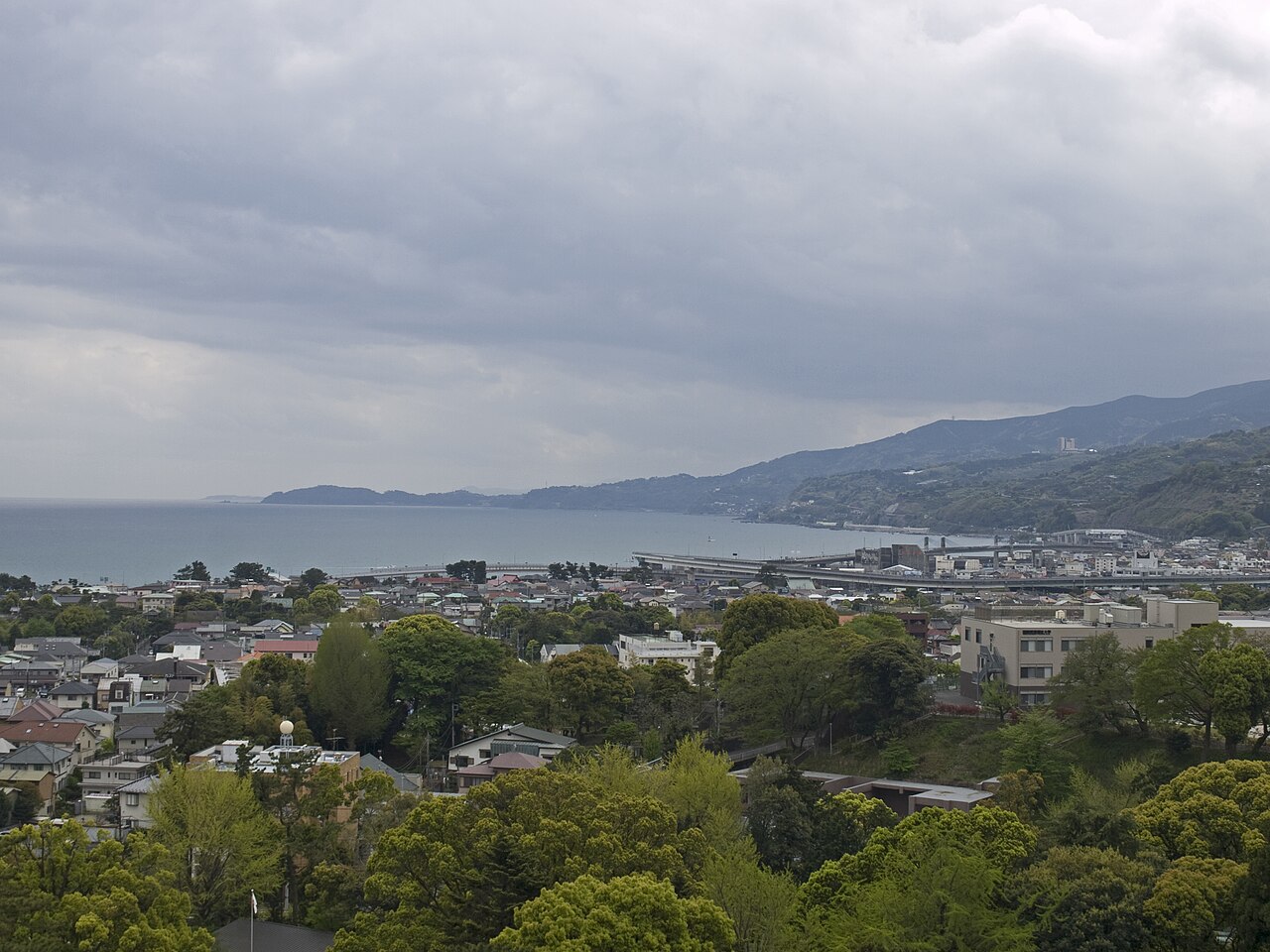
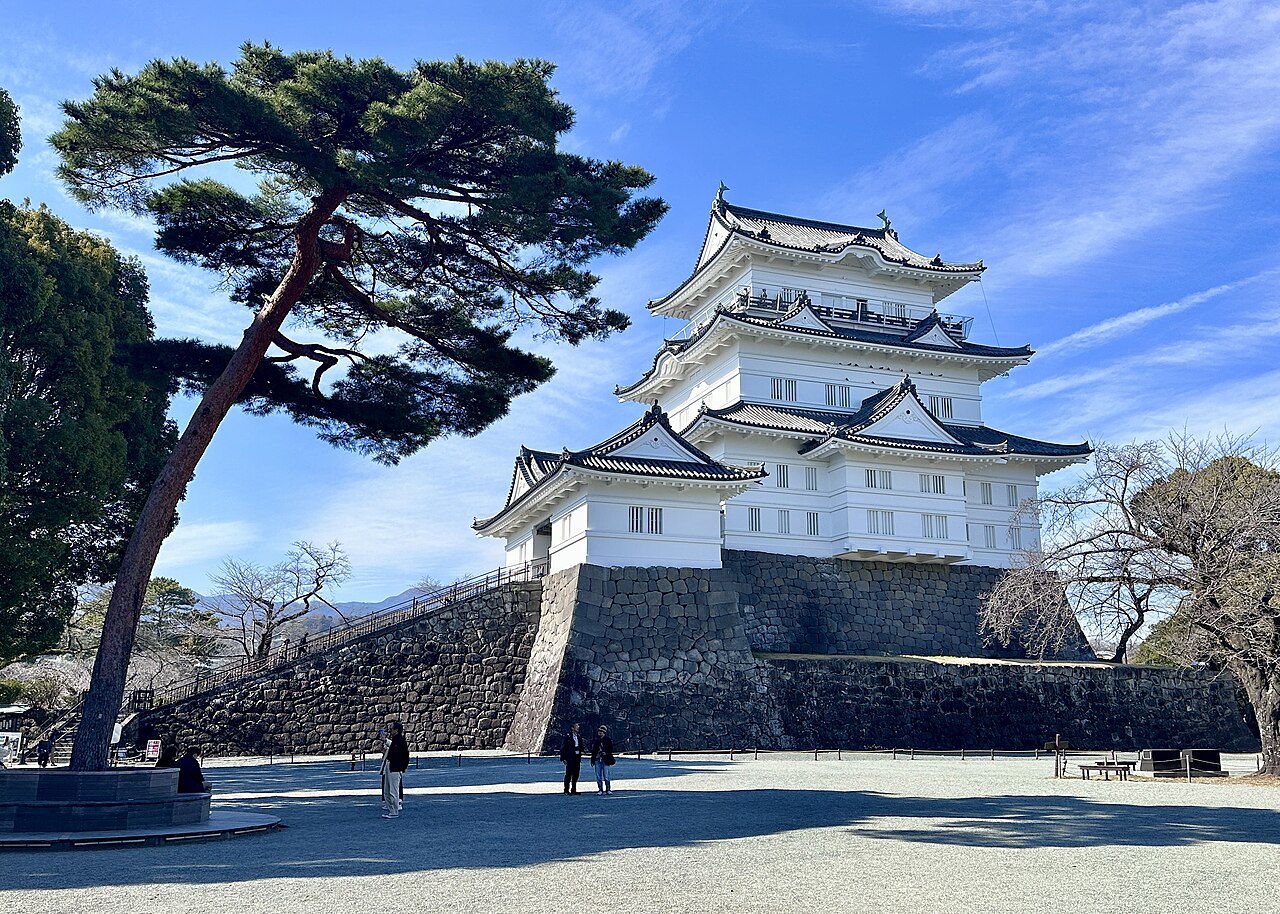
The historical anchor is the Later Hōjō clan (後北条氏). From Hōjō Sōun to his descendant Ujimasa, the clan held Odawara Castle between 1495 and 1590 as their seat of power over the Kantō. To supply Sengoku warfare and ritual, they patronized the local foundries to cast matchlock guns, cannon, temple bells (bonshō), and tea kettles. That concentration of casting work under a single powerful domain is the seed of Odawara Imono — a lineage of casters, or imoji, who had settled the town in the Muromachi period.
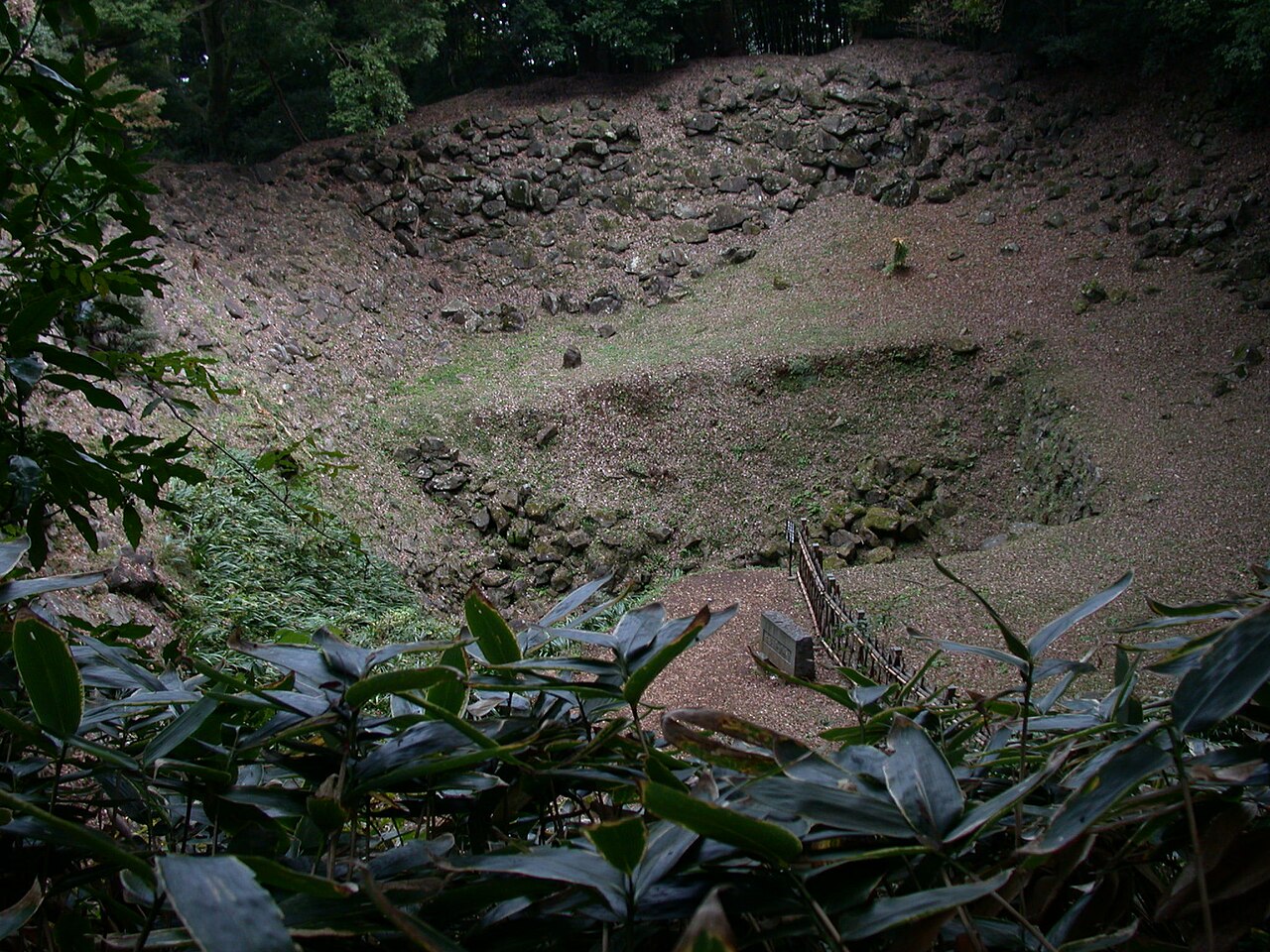
That chapter ended in 1590, when Toyotomi Hideyoshi laid siege to Odawara and broke Hōjō rule over the Kantō. To press the siege he raised the Ishigakiyama “one-night castle” in the hills above the town — a show of overwhelming force. Hōjō patronage was gone, but the casters were not: under the succeeding Ōkubo domain, Odawara continued as a major post town on the Tōkaidō, and the foundries carried their skills forward into peacetime work — including the lighter, tuned pieces that a highway of travelers might buy.
- 1336–1573 — Muromachi period; itinerant casters (imoji) settle around Odawara and small-scale bronze casting takes root.
- 1495 — The Later Hōjō clan establishes Odawara Castle as its seat over the Kantō plain.
- 16th century — Under Hōjō patronage, foundries cast matchlock guns, cannon, temple bells, and tea kettles.
- 1590 — Hideyoshi’s siege of Odawara, aided by the Ishigakiyama “one-night castle,” ends Hōjō rule.
- Edo period — Under the Ōkubo domain, Odawara becomes a major Tōkaidō post town; casting broadens to furin wind chimes and sahari orin bells.
- 2026 — Sahari furin are still hand-cast and hand-tuned in Odawara, hung for their long ring at home and shipped abroad.
The signature of Odawara casting is the material: sahari, a copper alloy high in tin, traditionally chosen because it rings with an unusually long, clear sustain. The same brittleness that makes it a poor choice for a struck tool makes it an excellent one for a bell. Struck once, a sahari furin releases a note that decays slowly, measured in seconds rather than a fraction of one — and each piece is tuned by hand, so the ring is a made decision, not an accident of the mold.
“A furin is judged not by how it looks in still air but by how long it keeps ringing after the breeze has passed.”
What “still made here” means in practice is continuity of method. Odawara’s foundries carry the line forward by hand-casting furin and orin rather than stamping them from sheet metal, and the same alloy and hand-pouring discipline that once produced temple bells now tunes a small wind chime. For an international buyer, that is the difference being paid for: not a novelty shape, but a sound with a five-century address.
What it does well
The sahari alloy is chosen specifically for resonance; the note decays slowly rather than tapping flat, which is the core reason to buy cast bronze over glass or pressed metal.
Made by casting (imono) in Odawara and individually tuned, not anonymously mass-stamped — the ring is a deliberate outcome rather than luck.
A casting tradition rooted in Hōjō-era Odawara and the Muromachi imoji — a verifiable historical thread, not heritage marketing.
Cast bronze develops a patina with time and weather; for many buyers that changing surface is part of the object rather than a flaw.
Weaknesses and things to verify before buying
- Thin listing data. Exact diameter, weight, and pitch were not captured in our snapshot. If size or note matters to you, confirm them with the seller or maker before ordering.
- Price not captured. Our data did not include a current figure. Cast sahari furin generally sit well above glass or pressed-metal chimes; verify the live price rather than assuming.
- Higher cost than mass-market chimes. If your goal is simply “a chime that makes a pleasant noise,” a glass Edo furin or a pressed-metal one delivers that for far less money.
- Ships from Japan. Via Amazon JP Global Store there is international transit time and possible customs handling; this is not a same-day domestic purchase.
- Weather exposure. Bronze left in constant sea spray or heavy weather will corrode faster; a sheltered eave or veranda suits it better than fully open exposure.
- Tanzaku and clapper vary. The paper strip and internal clapper differ between listings and can wear; confirm what the specific listing includes and whether parts are replaceable.
Conclusion — which buyer type are you?
You want the longest, purest ring and named-tradition provenance. The Odawara sahari furin is built for you — confirm size and price, then buy.
You want one good bronze chime for a veranda or doorway. This fits well; just verify dimensions and what the listing includes.
You mostly want a sound, not the alloy. A glass or pressed-metal furin costs far less; you will trade away the long sustain that defines sahari.
You need a guaranteed exact pitch today, or you will hang it in constant heavy weather. This hand-cast piece is the wrong brief for that.
Other ways to approach this purchase
Cast-bronze pricing is stable, but cross-border listings move with the yen. Watching the exchange rate can matter more than waiting for a discount.
Used furin appear on Japanese domestic markets. A proxy service can forward them, but inspect for cracks — a hairline flaw kills the ring.
If you buy through Amazon, stacking points or gift-card balance offsets the international shipping line on the invoice.
If you only want an occasional chime, a simple glass or bamboo furin may serve without the cost of cast sahari bronze.
🏆 Editor’s Pick
❓ Frequently Asked Questions
Why does sahari bronze ring longer than an ordinary wind chime?
Sahari (砂張) is a copper alloy high in tin, traditionally chosen for resonance. Cast and tuned by hand, it releases a note that decays slowly over several seconds, unlike the short tap of a thin glass or pressed-metal chime.
What is the difference between a furin and an orin?
A furin (風鈴) is a wind chime — a bell with a clapper and a paper strip that catches the breeze. An orin (おりん) is a struck altar bell. Odawara casters make both in the same sahari tradition; this article covers the furin.
Can this ship outside Japan?
The item is sourced from the Amazon JP Global Store, which ships internationally to most major destinations. Expect international transit time and possible customs handling. Amazon US also lists comparable Japanese wind chimes from various makers if you prefer domestic US shipping.
How much does it cost?
Pricing was not captured in our data snapshot at the time of writing, so we do not quote a figure. Cast sahari furin generally cost more than glass or pressed-metal chimes. JPY is the authoritative currency for the sourced item; verify the current price on the listing before purchase.
How should I care for a bronze furin?
Wipe it dry with a soft cloth and hang it where a breeze reaches it but constant salt spray and heavy weather do not. Bronze develops a patina over time; that changing surface is normal for cast metal rather than a defect.
Where exactly is it made?
In Odawara, on the Sagami Bay coast of Kanagawa Prefecture in the Kantō region. Odawara’s casting tradition dates to the Muromachi period, when itinerant casters settled the town, and it was sustained under the Later Hōjō clan who ruled the Kantō from Odawara Castle between 1495 and 1590.
jpmono.com is curated by a Japan-based editorial team (working out of Toyama in the Hokuriku region and Nara in Kansai) and is independent. We do not take payment from the makers we feature; income comes from affiliate links. We do not physically test every product — we read maker specs and source listings.
Note: This article was prepared with AI assistance for drafting and formatting, based on listing data and the maker’s regional craft tradition, then editorially reviewed. Specifications and prices should be verified at the retailer before purchase.
Affiliate disclosure: jpmono.com may earn a commission on qualifying purchases made through links on this page, at no additional cost to you.