![Takatori-yaki Matcha Chawan: Where to Buy Fukuoka’s Tea Bowl [2026]](https://jpmono.com/wp-content/uploads/2026/07/takatori-yaki-matcha-chawan-tea-bowl-where-to-buy-2026-featured.jpg)
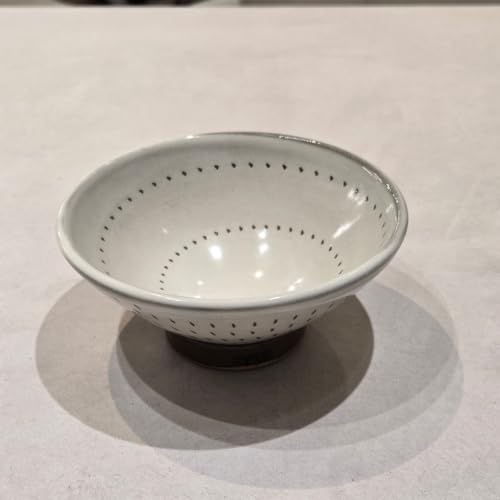
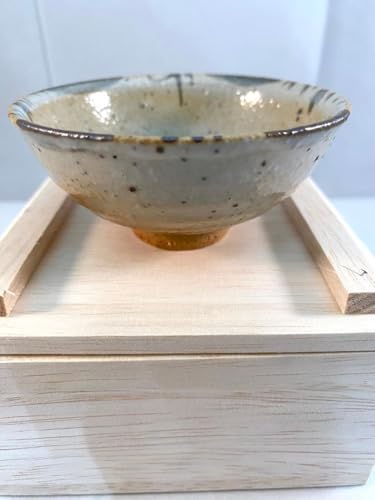
- What it is: A hand-thrown Takatori-yaki (高取焼) matcha chawan — a thin-walled stoneware tea bowl finished in warm amber and straw-ash glaze.
- Made in: the Nogata area of Fukuoka Prefecture, Kyūshū — a METI-designated Traditional Craft, and one of the “Enshu Nanagama” seven kilns favored by tea master Kobori Enshu.
- Price band: mid-range for a boxed, hand-thrown tea ceremony bowl (see the live listing) — no fixed figure was in our snapshot.
- Best for: matcha drinkers who want a working bowl with documented feudal-kiln heritage, not a mass-produced mug.
- Skip if: you want an inexpensive everyday cup or perfectly uniform, machine-made pieces.
- Shipping: ships internationally from Amazon Japan — jump to our pick ↓
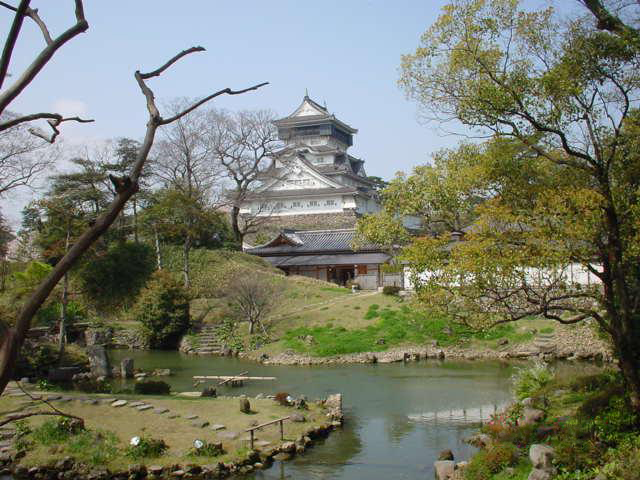
Around the year 1600, a feudal lord returning from Japan’s campaigns in Korea brought home a potter instead of plunder. Kuroda Nagamasa, newly installed as lord of the Chikuzen (Fukuoka) domain, resettled the Korean craftsman known as Palsan — later given the Japanese name Takatori Hachizō — and set him to work on the slopes of Mt. Takatori, in what is now Nogata, Fukuoka. The kiln that opened there took the mountain’s name. Four centuries on, Takatori-yaki (高取焼, “Takatori ware”) is still fired, and the matcha chawan is its most complete expression.
What sets the ware apart internationally is not surface decoration but restraint. Under the patronage of the Kuroda house, Takatori evolved from utilitarian stoneware into refined tea ceramics: unusually thin, light walls thrown to a delicacy that most stoneware never attempts, dressed in layered ash-and-iron glazes that run amber, straw-white, and occasionally cascade into green. That refinement earned it a place among the Enshu Nanagama — the seven kilns esteemed by the great tea master Kobori Enshu — which puts Takatori in the same transplanted-Korean lineage as Hagi and Satsuma.
This guide is for readers outside Japan deciding whether an authentic Takatori-yaki tea bowl is worth importing, and how to do it. We cover what the ware is, the domain-kiln history behind it, honest weaknesses, care, international shipping to the US, Canada, the UK, Australia and beyond, and a single Editor’s Pick to start from. Based on the listing sourced from Amazon Japan; prices and stock fluctuate, so treat the live link as authoritative.
🔄 Updated
⏱️ ~9 min read

ℹ️ Live pricing and some specs weren’t in our snapshot — the linked Amazon Japan listing is authoritative; unconfirmed attributes are marked below and should be verified before you buy.
- Who this is for — and who should skip it
- Product overview (from published specs)
- 📌 How does it compare?
- 📍 Where this comes from — place, era, and the craft tradition
- 📦 Shipping & where to buy from outside Japan
- Price snapshot across stores
- What it does well
- Weaknesses and things to verify before buying
- Conclusion — which buyer type are you?
- Other ways to approach this purchase
- 🏆 Editor’s Pick
- ❓ Frequently Asked Questions
Who this is for — and who should skip it
- Drink matcha at home and want a real chawan rather than a mug.
- Value documented craft heritage — a former feudal domain kiln, not a modern factory brand.
- Appreciate quiet, glaze-driven beauty over painted decoration.
- Want a piece whose thin, light walls feel deliberate in the hand.
- Are comfortable importing from Japan and reading a live listing for exact specs.
- Want an inexpensive everyday cup for coffee or tea.
- Expect every bowl to look identical — hand-thrown glaze varies piece to piece.
- Need dishwasher-and-microwave convenience above all.
- Prefer bright, painted, “obviously Japanese” imagery on your ceramics.
- Are not ready to verify price and shipping on the live listing before buying.
Product overview (from published specs)
The table below is compiled from the Amazon Japan Global Store listing this bowl is sourced from, cross-checked against what is publicly documented about the ware. Where the snapshot did not confirm a figure, the cell says so rather than guessing.
Takatori-yaki Matcha Chawan
高取焼抹茶茶碗
通常7~8日以内に発送します。 · Sold by ノゾミショップ · ASIN B0HCMRG8FJ
Price and availability as of 2026-09-01 05:22 JST. The Amazon listing at the time of purchase is authoritative. jpmono.com earns a commission on qualifying purchases at no extra cost to you.
| Attribute | Detail | Source |
|---|---|---|
| Object | Matcha chawan (tea ceremony bowl) | Amazon JP Global Store (sourced listing) |
| Ware | Takatori-yaki (Fukuoka stoneware) | Maker / METI craft record |
| Material | Stoneware, thin-thrown walls | Maker direct |
| Glaze | Layered ash-and-iron — amber / straw-white, sometimes green | Maker direct |
| Origin | Nogata area, Fukuoka Prefecture, Kyūshū | Maker / METI craft record |
| Packaging | Boxed (gift-ready) | Amazon JP Global Store |
| Dimensions / weight | Unconfirmed — check the live listing | — |
| Price | Not in snapshot — see live listing (JPY authoritative) | Amazon JP Global Store |
📖 Glossary — key terms
- Matcha chawan (抹茶茶碗) — the wide, deep bowl used to whisk and drink powdered green tea.
- Chanoyu (茶の湯) / sadō — the Japanese tea ceremony; the aesthetic frame in which tea bowls are judged.
- Kobori Enshu (小堀遠州, 1579–1647) — daimyō, garden designer, and tea master whose taste defined an era of ceramics.
- Enshu Nanagama (遠州七窯) — the “seven kilns of Enshu,” a group of kilns associated with his taste; Takatori is one.
- Go-yō-gama (御用窯) — an official kiln, working under the patronage and for the needs of a feudal domain.
- Keshiki (景色) — literally “scenery”; the glaze effects, runs, and pooling that give a bowl its individual “landscape.”
📌 How does it compare?
📍 Where this comes from — place, era, and the craft tradition

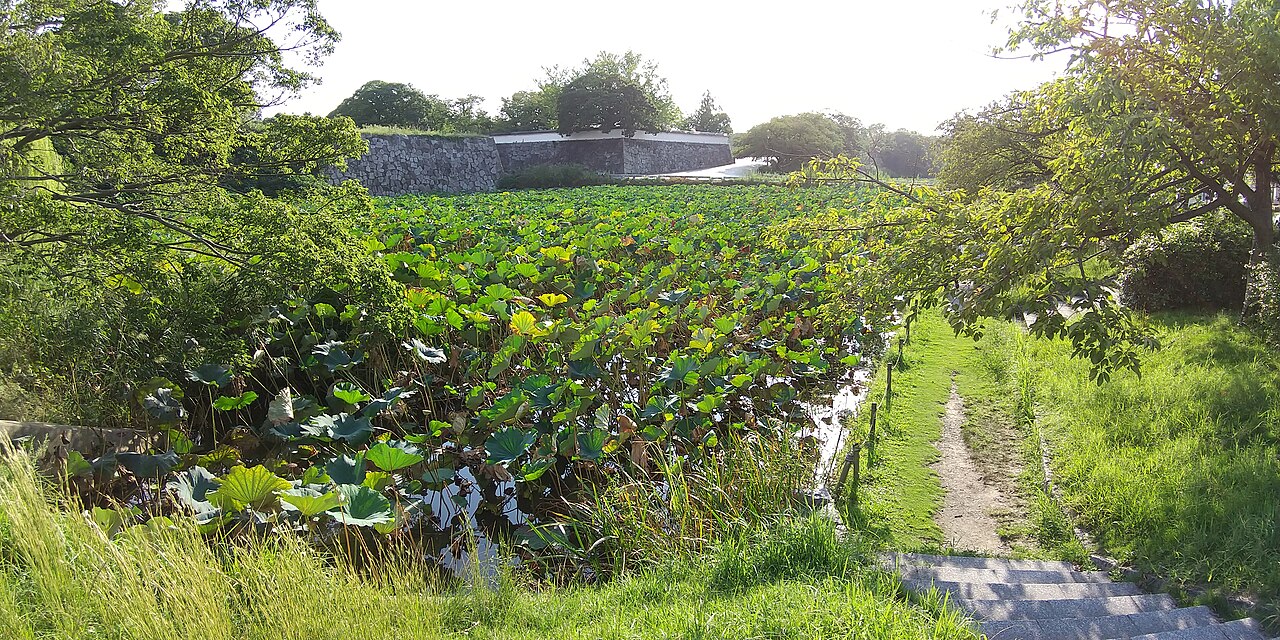
Fukuoka sits at the northern tip of Kyūshū, the southwesternmost of Japan’s four main islands and the closest to the Asian mainland. That proximity is the whole story of Takatori-yaki. Kyūshū faced the Korean peninsula across a narrow strait, and it was through this gateway that potting techniques, kilns, and — during the late-16th-century campaigns in Korea — potters themselves entered Japan. The clays and wooded hills around the old Chikuzen domain gave a transplanted kiln what it needed: workable stoneware bodies, timber for firing, and a castle-town market hungry for tea utensils.
- 1592–1598 — Japan’s campaigns in Korea; Korean potters are among those brought back to Kyūshū.
- c. 1600 — Kuroda Nagamasa resettles the Korean potter Palsan (Takatori Hachizō) in Chikuzen.
- c. 1600 — A kiln opens on Mt. Takatori in present-day Nogata; the ware takes the mountain’s name.
- Early Edo period — Takatori becomes a Kuroda go-yō (official) kiln, producing refined tea ceramics for the domain.
- 17th century — Under the taste of Kobori Enshu (1579–1647), Takatori is counted among the Enshu Nanagama, the seven esteemed kilns.
- Edo period onward — The kiln serves the domain’s tea culture for centuries, refining its thin-wall, ash-glaze signature.
- Modern era — Takatori-yaki is designated a Traditional Craft by Japan’s METI.
- 2026 — The ware is still fired, and the matcha chawan remains its defining form.
The historical anchor is patronage. Kuroda Nagamasa (1568–1623) was the founding lord of the Fukuoka domain, and a kiln under his house was not a village pottery but a domain workshop with a purpose: to supply the tea utensils that a daimyō’s status demanded. This is why Takatori matured so quickly from rough stoneware into refined tea ware. It had a court to serve.
The decisive turn came with Kobori Enshu, the daimyō, garden designer, and arbiter of tea taste whose influence shaped mid-17th-century ceramics. Kilns aligned with his aesthetic — restrained, elegant, quietly asymmetric — were grouped as the Enshu Nanagama, the seven kilns of Enshu. Takatori’s inclusion placed a Fukuoka kiln in the front rank of national tea ceramics, alongside such names as Hagi and Satsuma. All three, notably, grew from the same root: technique carried across the strait from Korea and then reworked to Japanese tea taste.
“A domain lord returned from a war and kept a potter. Four centuries later, the kiln he founded still throws the thinnest walls in the tea room.”
Continuity is what makes the object more than a souvenir. Takatori-yaki has been fired in Fukuoka across the entire Edo period and into the present, carried by lines of potters who kept the go-yō kiln’s discipline: throw thin, glaze in layers, let the ash and iron do the decorating. The signature that resulted — light, refined walls under amber and straw-white glazes that sometimes break into green — is not a marketing flourish. It is the accumulated preference of a tea culture that valued a bowl you could feel the tea’s warmth through.
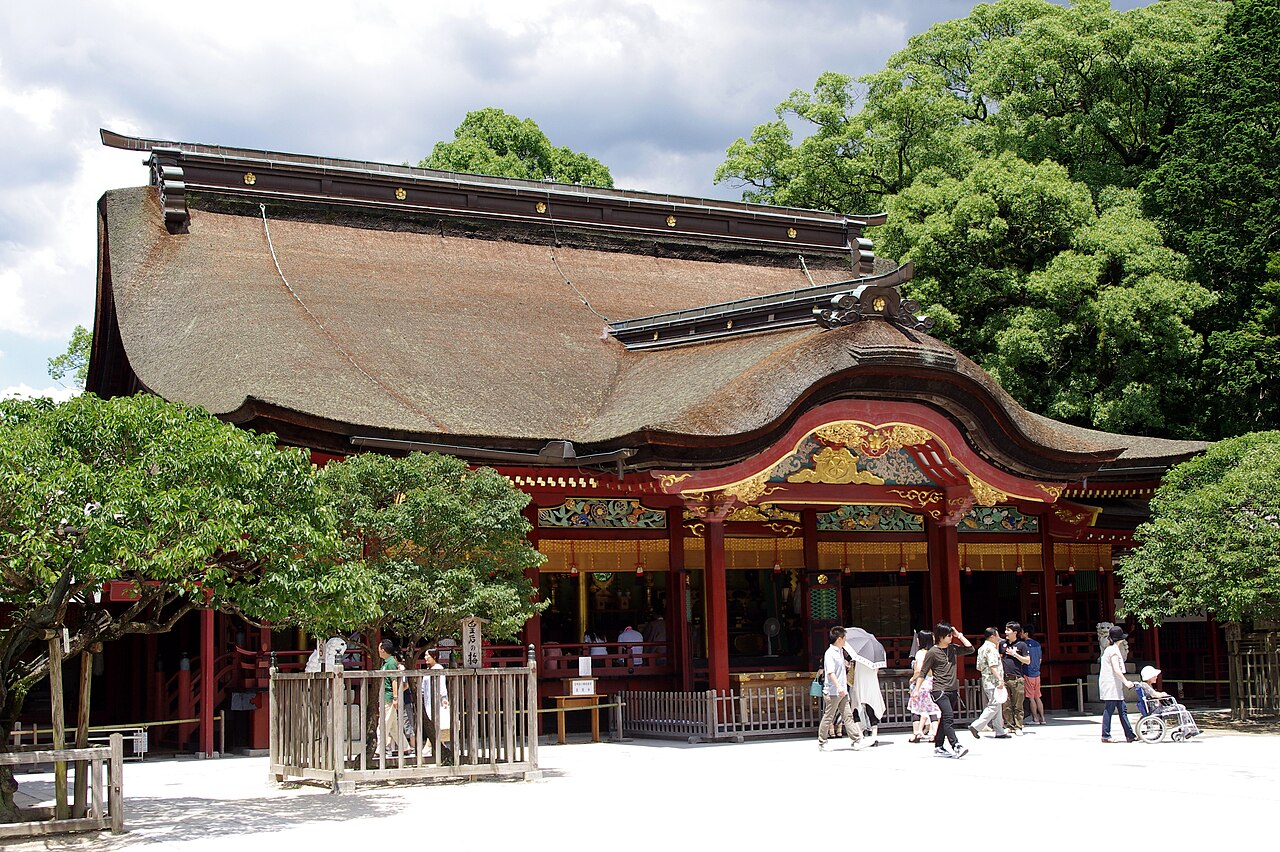
Culturally, the chawan is a seasonal and social object as much as a vessel. In chanoyu the bowl is chosen to suit the moment — deeper bowls in winter to hold warmth, shallower ones in summer — and passed hand to hand between host and guest. A Takatori bowl brings its own quiet keshiki (景色, “scenery”) to that exchange: the way the amber glaze pools and thins over the light body reads differently under changing light, which is precisely the point of an object meant to be looked at slowly.
📦 Shipping & where to buy from outside Japan
The specific bowl in this guide is sourced from the Amazon Japan Global Store, which ships internationally to 65+ countries — including Canada, the UK, and Australia — with import fees estimated and often collected at checkout. Expect shipping in roughly the $15–$40 range to the US, EU, Canada, UK, and Australia, depending on weight and speed; the live listing shows the exact figure for your address.
Because these are hand-thrown craft pieces rather than mass-market catalog goods, the JP Global Store listing is the primary international path. Two alternatives exist if a given bowl is not available to your country: buy through a proxy service such as Buyee or Tenso (which give you a Japanese forwarding address for domestic-only listings), or look for the maker’s own or a specialist gallery listing. Customs duty is usually modest on a single ceramic bowl, but orders above your country’s de-minimis threshold may attract local tax — Amazon’s import-fee deposit covers most destinations at checkout.
Price snapshot across stores
USD figures are approximate estimates at a ¥150/USD baseline (mid-2026); the JPY price on the live listing is the authoritative one. Our snapshot did not capture a confirmed price, so verify before buying.
| Store | Item / Variant | Price (JPY + USD est.) | Notes |
|---|---|---|---|
| 🇺🇸 Amazon.com (US) | Browse Japanese matcha chawan & tea-ceremony bowls | varies (USD) | Best if you’re shopping from the US — Prime shipping, USD pricing, no international customs. Amazon US carries Japanese tea bowls and matcha sets from various makers, useful for comparing shapes and price tiers; this exact Takatori-yaki piece is sourced from Japan (next row). |
| 🇯🇵 Amazon JP Global Store | Takatori-yaki matcha chawan (boxed) — the sourced listing | See live listing (JPY authoritative) | Ships internationally from Japan to 65+ countries — including Canada, the UK and Australia — with import fees estimated at checkout. |
| Maker direct | Kiln / workshop pieces | Unconfirmed — check kiln site | Some Takatori kilns sell directly or through galleries; international shipping varies by workshop. |
| Proxy services (Buyee / Tenso) | Domestic-only JP listings | Item price + forwarding fee | Use when a bowl is not offered to your country directly; adds a consolidation/forwarding step. |
- 🍽️ Dishwasher: not recommended — hand-wash, as with most hand-thrown chanoyu ware.
- ♨️ Microwave: avoid; a matcha chawan is for whisking and drinking, not heating.
- 🧴 Daily care: rinse with warm water, dry thoroughly before storing; the glaze may develop subtle character with use.
General tea-bowl care conventions — the live listing did not specify manufacturer care instructions; verify there.
What it does well
Weaknesses and things to verify before buying
- No confirmed price in our snapshot. Treat the live listing as authoritative and check it before committing.
- Dimensions and weight unconfirmed. Chawan size affects how it whisks; verify the bowl diameter on the listing if that matters to you.
- Piece-to-piece variation. Hand-thrown, ash-glazed bowls differ in glaze run and tone; the photo is representative, not exact.
- Not everyday-durable in the dishwasher sense. This is hand-wash ware; buyers wanting throw-it-in-the-machine convenience should look elsewhere.
- Import fees and shipping add to the JPY price. Budget for the estimated import deposit and $15–$40 shipping to most destinations.
- Maker/kiln attribution varies. “Takatori-yaki” covers several kilns; if provenance to a specific workshop matters, confirm it on the listing.
Conclusion — which buyer type are you?
Other ways to approach this purchase
🏆 Editor’s Pick
❓ Frequently Asked Questions
Is Takatori-yaki suitable for everyday matcha, or only formal tea ceremony?
Both. A Takatori chawan is a working tea bowl — you can whisk daily matcha in it — while its heritage also makes it appropriate for a more formal chanoyu setting. It is not, however, meant to be an everyday coffee mug.
Does Amazon Japan ship a Takatori-yaki tea bowl internationally?
Yes. The sourced listing is on the Amazon Japan Global Store, which ships to 65+ countries including Canada, the UK, and Australia, with import fees estimated at checkout. Confirm your destination and shipping cost on the live listing.
How is Takatori-yaki different from Hagi or Satsuma ware?
All three grew from Korean potting technique brought to Kyūshū and western Japan around 1600 and were reshaped for tea taste. Takatori’s distinguishing traits are unusually thin, light throwing and layered ash-and-iron glazes in amber and straw-white, and it is counted among the Enshu Nanagama.
Are the amber and straw glaze patterns the same on every bowl?
No. Because the bowls are hand-thrown and ash-glazed, glaze runs and pooling differ piece to piece. The listing photo is representative; your bowl will have its own keshiki, or glaze “scenery.”
How should I care for a Takatori-yaki chawan?
Following general chanoyu-ware convention, hand-wash with warm water and dry it thoroughly before storing rather than using a dishwasher. The live listing did not specify maker care instructions, so verify there if provided.
Is this bowl microwave and dishwasher safe?
Treat it as neither. Hand-thrown tea bowls are best hand-washed, and a matcha chawan is used for whisking and drinking, not for heating liquid. If machine convenience is essential, this is not the right object.
jpmono.com is curated by a Japan-based editorial team (working out of Toyama in the Hokuriku region and Nara in Kansai) and is independent. We don’t take payment from the makers we feature; income comes from affiliate links. We focus on items with verifiable craft heritage and clear international shipping paths, and we read maker specs and source listings rather than physically testing every product.
🤖 This article was drafted with AI assistance and edited against the Amazon listing and publicly documented craft history. Facts not confirmed in our source snapshot are marked as unconfirmed; verify price, dimensions, and shipping on the live listing before purchasing.
Affiliate disclosure: jpmono.com may earn a commission on qualifying purchases made through links on this page, at no additional cost to you.