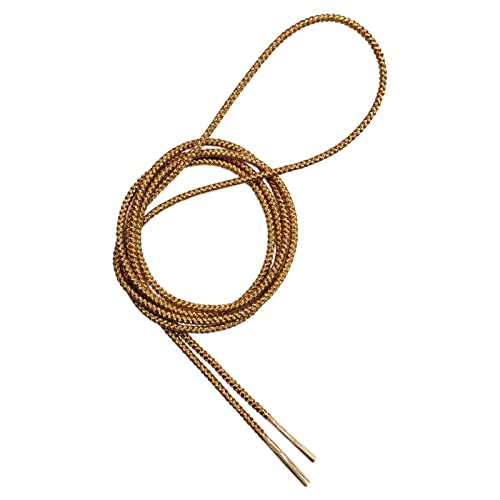
- What it is: One very thin strand of pure-silk Kyo kumihimo in gold, sold as a decorative cord for an obi or for hair.
- Made in: Japan — Kyoto braided cord (京組紐), sold by the Kyoto seller 京たまゆら.
- Price band: entry-level for a silk Kyoto braid — ¥1,100 at the time of writing (see the live listing).
- Best for: a buyer who wants a real silk Kyoto braid to finish an obi or a hair ornament.
- Skip if: you need a ready-tied obijime with clasp and tassels, or a length stated in centimeters.
- Shipping: ships internationally from Amazon Japan — jump to our pick ↓
A Kyoto braid is built one crossing at a time: dozens of fine silk threads, each weighted and moved by hand over a round stand, locking into a cord no wider than a matchstick.
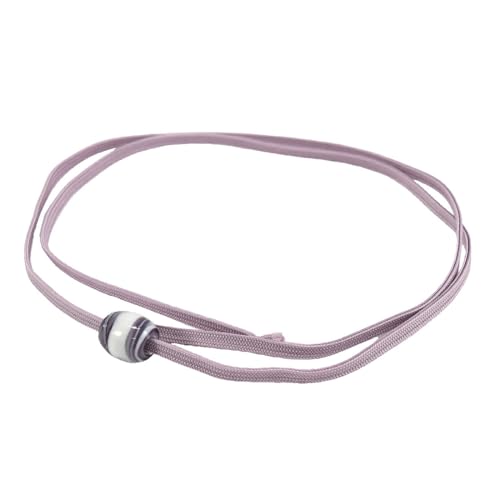
That is the object in this guide — a single, very thin strand of pure-silk Kyo kumihimo (京組紐, Kyoto braided cord), in a gold color (01 金) and sold by the Kyoto seller 京たまゆら as an okonomi himo (お好み紐, a cord of your choosing) for obi decoration or hair ornaments. It is not a mass-market tassel or a printed ribbon. The pattern lives in the structure of the braid itself, which is why the pattern cannot be separated from the cord.
Kumihimo matters internationally because it is one of the few Japanese textile crafts still made the slow way, thread by thread, on a stand. This article covers what the listing actually states, where the craft comes from, what to check before you buy a cord you cannot hold, and how it compares with the other Kyoto and Kansai crafts a kimono wardrobe tends to pull in.
🔄 Updated November 24, 2026
⏱️ About 9 min read

- Who this is for — and who should skip it
- Product overview (from published specs)
- 📍 Where this comes from — place, era, and the craft tradition
- Which finish should you choose?
- Price snapshot across stores
- 📦 Shipping & where to buy from outside Japan
- What it does well
- Weaknesses and things to verify before buying
- Conclusion — which buyer type are you?
- Other ways to approach this purchase
- 🏆 Editor’s Pick
- ❓ Frequently Asked Questions
Who this is for — and who should skip it
- You wear kimono, or dress for a tea gathering, and want a fine silk cord rather than a synthetic one.
- You are assembling a kimono accessory set piece by piece and prefer to choose the cord yourself.
- You make hair ornaments or small textile work and want a genuine Kyoto braid as a detail.
- You want an affordable entry into Kyo kumihimo before spending on a longer, heavier obijime.
- You are buying a small, light Japanese gift that travels well by post.
- You expect a complete, ready-tied obijime with a clasp and tassels. This is a single cord.
- You need a stated length in centimeters before ordering; the listing does not give one.
- You want a bold, thick cord that reads across a room.
- You are shopping purely on price and will not use silk.
- You need guaranteed immediate restock; only a few units were listed at the time of writing.
Product overview (from published specs)
ℹ️ Only the Amazon JP listing snapshot is available; live pricing may have shifted since the writing date. The linked listing is authoritative, and unconfirmed attributes are marked below.
Kyo Kumihimo Silk Obijime
京たまゆら お好み紐 金色 飾り紐 正絹 京組紐 日本製 絹 組紐 単品 (01 金) | とっても細い正絹の京組紐 帯飾りや髪飾りにお勧め
残り2点 ご注文はお早めに · Sold by 京たまゆら · ASIN B0BVFGLFMS
Price and availability as of 2026-11-24 09:13 JST. The Amazon listing at the time of purchase is authoritative. jpmono.com earns a commission on qualifying purchases at no extra cost to you.
| Attribute | What the listing states |
|---|---|
| Material | 正絹 — pure silk |
| Craft | 京組紐 — Kyo kumihimo; 日本製 — made in Japan |
| Color | 01 金 — gold |
| Contents | 単品 — one cord, not a set |
| Thickness | とっても細い — described as “very thin”; exact width not stated |
| Length | Not stated in the listing |
| Clasp / tassel | Not stated in the listing |
| Suggested use | 帯飾り (obi decoration) and 髪飾り (hair ornament) |
| Seller | 京たまゆら |
| Price | ¥1,100 (≈ $7 USD as of 2026-11-24; verify on the listing) |
| Availability | 残り2点 — two units left at the time of writing; New |
📖 Glossary — the Japanese terms in this article
- Kumihimo (組紐)
- Braided cord. Threads are crossed over one another in a set order, so the pattern is built into the cord’s structure.
- Kyo kumihimo (京組紐)
- Kumihimo made in Kyoto, the city’s own silk braiding tradition.
- Obijime (帯締め)
- The cord tied over the obi to hold a kimono’s sash in place. A small, functional accessory that also carries color and formality.
- Obi (帯)
- The wide sash wrapped around the waist of a kimono.
- Marudai / kakudai (丸台 / 角台)
- The round (maru) and square (kaku) braiding stands on which weighted threads are set and crossed by hand.
- Shōken (正絹)
- Pure silk, as opposed to a silk blend or synthetic fiber.
- Tanpin (単品)
- A single item — here, one cord rather than a matched set.
📍 Where this comes from — place, era, and the craft tradition
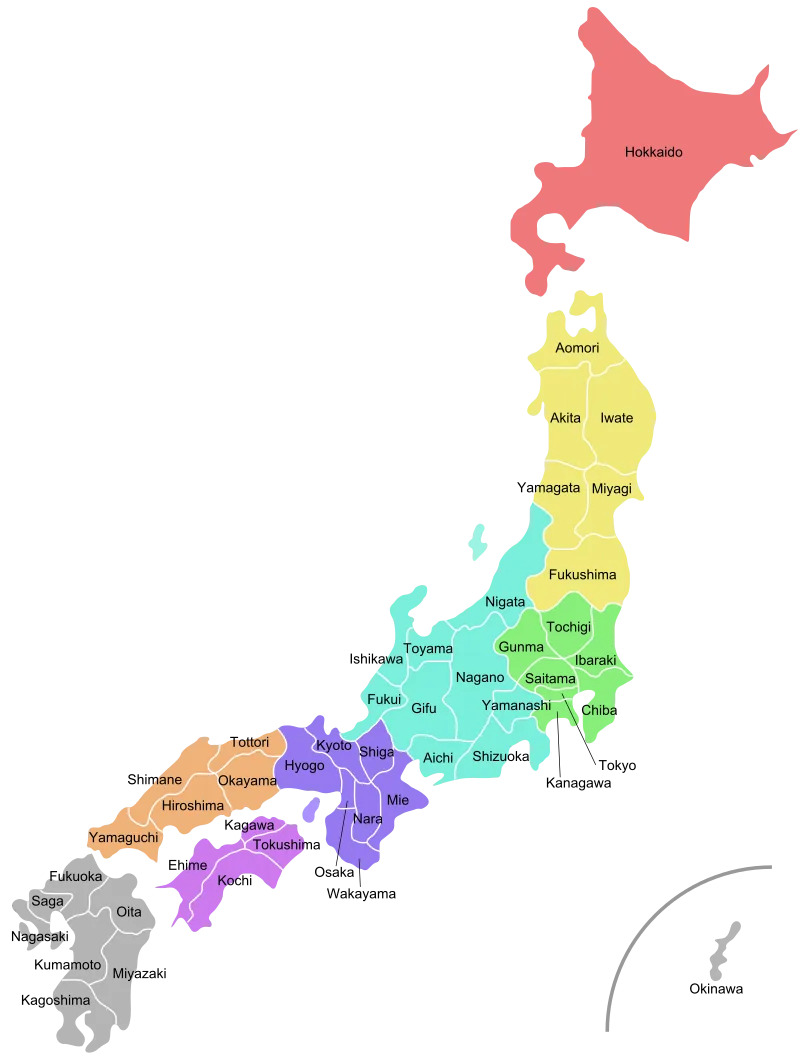
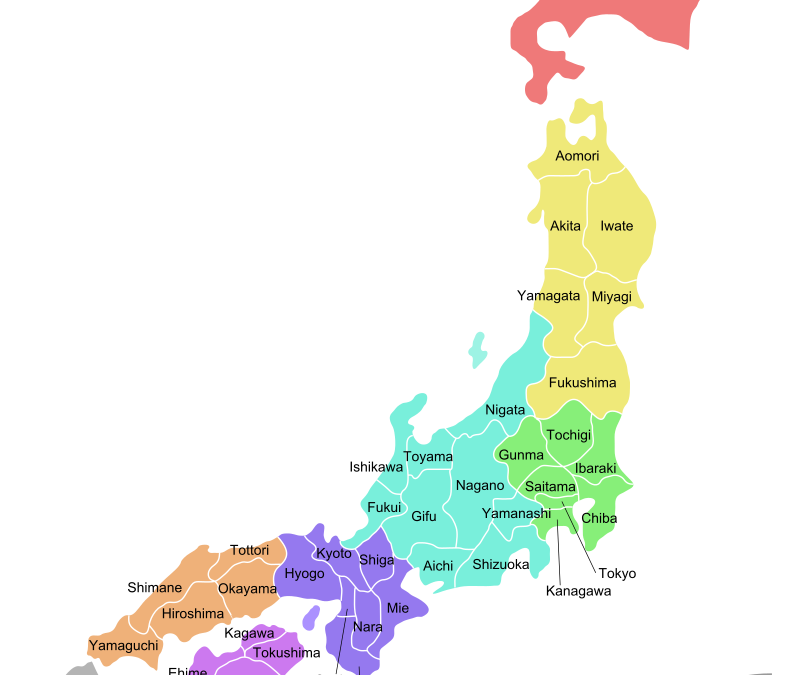
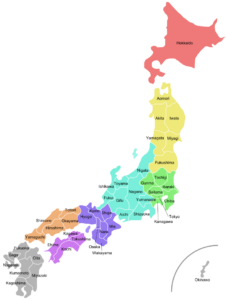
Kyoto sits in a basin in the Kansai region of western Japan, about 450 km west of Tokyo and roughly 40 km northeast of Osaka. Hills close it on three sides — Higashiyama to the east, Kitayama to the north, Nishiyama to the west — and the Kamo River runs through the city. That geography matters for a textile craft: a settled, well-watered basin with a dense population of courtiers, monks and merchants could support specialists who did nothing but braid.

Kyoto was Japan’s imperial capital from 794 until the capital moved to Tokyo in the Meiji era, and the court, temples and tea schools there created steady demand for braided cord. Kumihimo is generally explained as having reached Japan from the continent together with Buddhist ritual goods, and Kyoto became the center of fine silk braiding because its temples and court workshops needed cords for sutra boxes, altar fittings and tea utensils.

Demand came from more than one direction, and that is the reason the craft survived. A temple needs cord for a sutra box; a tea school needs cord for a utensil wrapper; a court ritual needs cord for a furnishing. None of these is a large order, but together they kept braiders in work through centuries in which fashion alone would not have.
Braided cord was also used to lace samurai armor and to hang swords, and by the Edo period the obijime had become the standard cord tied over a kimono’s obi. Armor lacing is the part international readers tend to underestimate: a single suit of armor could consume great lengths of braid, and the cord had to be strong, even and resistant to stretch. Sword hanging asked for a different balance — a cord that holds a scabbard securely without abrading it.

-
Early centuries — Braided cord is commonly explained as arriving from the continent with Buddhist ritual goods. -
794 — The imperial capital moves to Kyoto, anchoring court and temple demand for fine cord. -
Edo period (1603–1868) — The obijime becomes the standard cord over the obi; armor lacing and sword hanging keep braiders busy. -
Meiji era — The capital moves to Tokyo; Kyoto’s braiders carry on through temples, tea schools and the kimono trade. -
2026 — Kyoto braiders still set weighted threads on marudai and kakudai stands and cross them by hand.
Continuity here is a working method rather than a slogan. Kyoto braiders still work the same way: threads are set on a marudai or kakudai stand and woven by hand, so the structure of the braid — not a printed pattern — creates the design. Nothing in that sentence depends on nostalgia. It is simply how the object is made, and it is why two cords in the same colorway can differ slightly in surface and hand.
“The structure of the braid — not a printed pattern — is the design.”
For a kimono wearer, the obijime is the last thing tied and the first thing noticed at close range. It sits over the obi, holds the sash in place, and answers the question of how formal the outfit is. The cord in this article is thinner than a formal obijime, which is exactly why the listing suggests it for obi decoration and hair — a fine accent rather than the structural tie.

Gion is the clearest place to see the demand side of the craft. Kimono is worn there daily for work, not only for festivals, and the accessories that go with it are chosen with the same care as the fabric. A Kyoto braid sold at ¥1,100 sits at the accessible end of that world: a real silk cord, made in the same tradition as the formal pieces, at a price that lets a buyer try the material before committing to a longer, heavier obijime.
Which finish should you choose?
This piece is listed in 10 colours. The photos below are the actual colour options on the listing right now — pick the one you want and confirm it on the product page before ordering, since hand-finished wares vary slightly piece to piece.


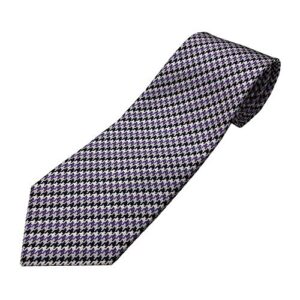
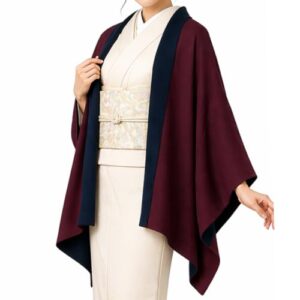
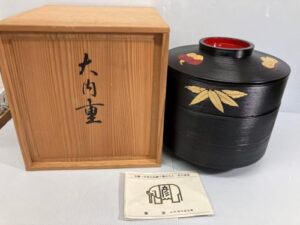
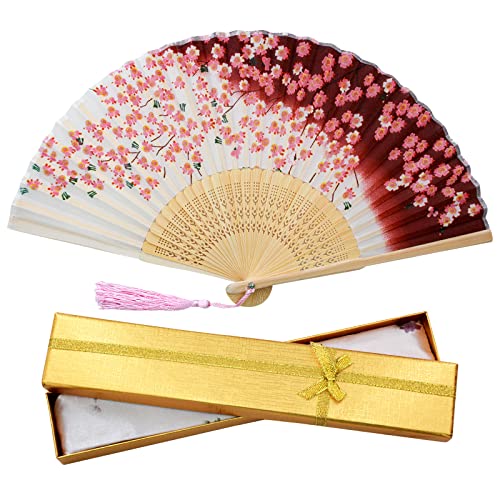
Other Kyoto and Kansai crafts that sit in the same wardrobe or gift set — silk, lacquer, paper and cord.
Price snapshot across stores
The cord itself is inexpensive; the variables are shipping, import fees and whether a seller will post to your country. JPY is the authoritative price below, and USD figures are approximate at a ¥150/USD baseline.
| Store | Item | Price | Notes |
|---|---|---|---|
| 🇺🇸 Amazon US (search) | Browse Japanese silk braided cord and kimono accessories | varies (USD) | Best if you are shopping from the US — Prime shipping, USD pricing, no international customs. Amazon US carries a wide range of kimono accessories and Japanese textiles; this exact Kyoto braid ships from Japan (next row). |
| 🇯🇵 Amazon JP Global Store | 京たまゆら お好み紐 金色 正絹 京組紐 単品 (01 金) | ¥1,100 (≈ $7 USD as of 2026-11-24) | Ships internationally from Japan to 65+ countries — including Canada, the UK and Australia — with import fees estimated at checkout. Two units were listed at the time of writing; verify on the listing. |
| Maker direct | 京たまゆら (Kyotamayura) — Kyoto seller | Unconfirmed — check the seller’s page | A direct route can suit buyers who want a specific length or color; international shipping terms are not stated in the listing and should be confirmed in advance. |
| Proxy services (Buyee / Tenso) | Any Amazon JP or Japanese retail listing | Item price + proxy fee | Useful when a listing will not ship to your country. Budget for forwarding, consolidation and possible customs; on a ¥1,100 cord the fees can exceed the item. |
📦 Shipping & where to buy from outside Japan
Amazon JP Global Store ships internationally from Japan to 65+ countries, including Canada, the UK and Australia. Shipping on a small, light parcel like this typically lands in the $15–$40 range depending on destination and speed, and import fees are usually estimated at checkout for most destinations. That means the shipping can cost several times the cord — worth knowing before you order a single strand.
If the Global Store will not deliver to your address, a proxy service such as Buyee or Tenso can forward a Japanese order, but you pay the domestic leg, the international leg and a service fee. For a buyer outside Japan, the practical sequence is: check the Global Store first, then a proxy only if the listing is otherwise unreachable.
What it does well
Weaknesses and things to verify before buying
- It is one thin cord, not an obijime set. No clasp and no tassel are stated, so do not expect a ready-tied accessory.
- Length is not listed. Confirm the centimeter length before buying for a specific obi or hairstyle; the listing describes the cord only as “very thin.”
- Stock was thin. Two units were listed at the time of writing, and restock timing is unknown.
- Gold can read differently on screen. Ask for a photo in daylight if the exact tone matters to a planned outfit.
- Shipping may cost more than the cord. On a ¥1,100 item, international postage and import fees dominate the total.
- No care instructions in the listing. Silk cord needs considered handling; get the seller’s guidance before washing or long storage.
Conclusion — which buyer type are you?
Other ways to approach this purchase
🏆 Editor’s Pick
The 京たまゆら お好み紐 is the cord we would start with for a first Kyo kumihimo purchase. It is a single very thin strand of pure silk, gold (01 金), made in Japan and sold as Kyo kumihimo by a Kyoto seller, at ¥1,100 (≈ $7 USD as of 2026-11-24; verify on the listing). Three reasons it earns the pick: the material is silk rather than a blend, the braid is the design rather than a print, and the seller suggests it for both obi decoration and hair, so it works across two uses. It is not a ready-tied obijime — check the length before ordering.
Availability at the time of writing: 残り2点 (two units left), condition New. Prices and stock move; the listing is authoritative.
❓ Frequently Asked Questions
What is Kyo kumihimo?
Kyo kumihimo (京組紐) is Kyoto’s silk braided cord. Threads are set on a marudai or kakudai stand and crossed by hand, so the structure of the braid — not a printed pattern — creates the design.
Is this item an obijime or a decorative cord?
The listing calls it an okonomi himo (お好み紐, a cord of your choice) and a decorative cord, and recommends it for obi decoration and hair ornaments. It is a single strand rather than a ready-tied obijime with clasp and tassels.
What is it made of, and where is it made?
The listing states pure silk (正絹) and made in Japan (日本製), sold as Kyo kumihimo by the seller 京たまゆら. Length, width in millimeters and braid structure are not stated.
How much does it cost?
¥1,100 at the time of writing, as of 2026-11-24; verify on the listing. That is roughly $7 USD at a ¥150/USD baseline, and international shipping and import fees are separate.
Does Amazon Japan ship this to the US, Canada, the UK and Australia?
Amazon JP Global Store ships internationally from Japan to 65+ countries, including Canada, the UK and Australia, with import fees estimated at checkout. Availability can change, so check the listing for your destination.
How should I care for a silk braided cord?
The listing does not include care instructions. Ask the seller before washing, reshaping or storing it long term.
Is it in stock?
The listing showed 残り2点 (two units left) at the time of writing on 2026-11-24. Stock moves quickly, and the listing is authoritative.
jpmono.com is curated by a Japan-based editorial team, working out of Toyama in the Hokuriku region and Nara in Kansai, and is independent. We do not take payment from the makers we feature; income comes from affiliate links. The site focuses on objects with verifiable craft heritage and a clear path to international shipping, and we read maker’s specifications and source listings rather than physically testing every product.
This article was drafted with AI assistance and reviewed by the editorial team. Product facts come from the published listing at the time of writing; unconfirmed attributes are noted in the text.
Affiliate disclosure: jpmono.com may earn a commission on qualifying purchases made through links on this page, at no additional cost to you.