![Kyo Kanaami Hand-Woven Copper Tea Strainer: Where to Buy [2026]](https://jpmono.com/wp-content/uploads/2026/07/kyo-kanaami-copper-tea-strainer-where-to-buy-2026-featured.jpg)
- What it is: a hand-woven copper (aka-do) tea strainer, its bowl braided in a hexagonal kikko mesh entirely by hand.
- Made in: Kyoto, Kyoto Prefecture — Kyo Kanaami (京金網, Kyoto wire-netting), a craft rooted in the Heian capital.
- Price band: mid-range for hand-woven metal tea utensils — see the live listing (no fixed figure in our snapshot).
- Best for: drinkers of leaf sencha and gyokuro who want a clean, sediment-free pour.
- Skip if: you brew mostly teabags, or you need a dishwasher-safe stainless strainer.
- Shipping: ships internationally from Amazon Japan — jump to our pick ↓
A single wire is anchored at the center of a small copper bowl, and from that one point the weave radiates outward — hexagon after hexagon, each junction twisted by fingers rather than stamped by a machine. That hexagonal figure has a name in Japanese: kikkō (亀甲, “tortoiseshell”). On a Kyo Kanaami (京金網, “Kyoto wire-netting”) tea strainer, the whole mesh is built this way, growing from the middle like a spider’s web made of soft red metal.
This is the craft of Kyoto’s wire-netting workshops, whose roots the trade traces back to the Heian capital, when court and temple kitchens needed fine metal mesh for roasting, sieving, and steaming. Kyoto’s twin food cultures kept the demand alive: the tea ceremony, which asks for a clean pour of fine-leaf sencha and gyokuro, and the yudofu tofu cuisine of Higashiyama temples, whose scoops and tofu-lifters are woven from the same wire. Workshops such as Kanaami-Tsuji have carried the trade through the Kiyomizu and Gion district for generations.
This guide is for readers outside Japan who are weighing a hand-woven copper chakoshi (茶漉し, “tea strainer”) against a mass-market stainless one, and who want to understand what they are actually paying for before they buy. We cover what the object is, how to care for copper, where it comes from, its honest weaknesses, and how to buy it from abroad. Note that our data snapshot for this specific listing was thin, so we flag unconfirmed details plainly and point you to the live listing for authoritative pricing.
🔄 Updated:
⏱️ Read time: ~9 min

ℹ️ Live pricing and some specs weren’t in our snapshot — the linked listing is authoritative; unconfirmed attributes are marked below.
- Who this is for — and who should skip it
- Product overview (from published specs)
- Price snapshot across stores
- 📦 Shipping & where to buy from outside Japan
- 📍 Where this comes from — Kyoto and the wire-netting trade
- What it does well
- Weaknesses and things to verify before buying
- Conclusion — which buyer type are you?
- Other ways to approach this purchase
- 🏆 Editor’s Pick
- ❓ Frequently Asked Questions
Who this is for — and who should skip it
- Brew loose-leaf sencha or gyokuro and dislike fine sediment in the cup.
- Want a hand-made utensil with a maker’s tradition behind it, not a stamped-metal commodity.
- Appreciate that copper darkens into a warm patina and consider that a feature.
- Are buying a considered gift for a tea drinker or a Japanese-craft enthusiast.
- Are comfortable hand-washing and drying a delicate object after each use.
- Drink mostly teabags or ground/powdered tea, where a strainer adds little.
- Need a dishwasher-safe, throw-in-the-drawer stainless tool.
- Want the metal to stay bright forever — copper will not.
- Are shopping purely on lowest price; mass-market strainers cost far less.
- Handle utensils roughly — hand-woven mesh is not built for abuse.
Product overview (from published specs)
The table below reflects what could be confirmed from the listing snapshot and the maker context. Where the snapshot was thin, the cell reads “Unconfirmed — check listing” rather than a guessed value. Per the sourcing note, the specific item in this guide is sourced from the Amazon JP Global Store listing; USD figures elsewhere are estimates against a ¥150/USD baseline.
Kyo Kanaami Hand-Woven Copper Tea Strainer
【金網つじ】茶こし 大 銅 手編みの茶こし 銅製 2~3杯用 国産 京都 金網つじ
残り1点 ご注文はお早めに · Sold by POST DETAIL · ASIN B00828LVKU
Price and availability as of 2026-09-01 05:22 JST. The Amazon listing at the time of purchase is authoritative. jpmono.com earns a commission on qualifying purchases at no extra cost to you.
| Attribute | Detail | Source |
|---|---|---|
| Craft | Kyo Kanaami (京金網), Kyoto hand-woven wire-netting | Maker context |
| Object | Tea strainer (chakoshi) — small round bowl with wire handle | Listing |
| Material | Copper (aka-do, 赤銅) wire | Listing |
| Weave pattern | Hexagonal kikko (tortoiseshell) mesh, twisted by hand from a center point | Maker context |
| Origin | Kyoto, Kyoto Prefecture (Kiyomizu / Gion district workshops) | Maker context |
| Dimensions / weight | Unconfirmed — check listing | — |
| Price | Unconfirmed in snapshot — see live listing | — |
📖 Glossary — key terms in this article
- Kyo Kanaami (京金網, “Kyoto wire-netting”) — Kyoto’s hand-woven wire craft, producing strainers, scoops, tofu-lifters, and toasting nets.
- Kikko (亀甲, “tortoiseshell”) — the hexagonal weave pattern, named for its resemblance to a turtle’s shell.
- Aka-do (赤銅, “red copper”) — copper, prized here because it is soft enough to shape by hand and develops a warm patina with use.
- Chakoshi (茶漉し, “tea strainer”) — the utensil that catches leaf fragments as tea is poured.
- Sencha (煎茶) / gyokuro (玉露) — steamed Japanese green teas whose fine leaves make a strainer useful.
- Yudofu (湯豆腐) — the simmered-tofu cuisine of Higashiyama temples, whose kitchens drove demand for woven-wire scoops.
- Shokunin (職人, “artisan”) — a trained craftsperson working within a named tradition.
Price snapshot across stores
Because our snapshot did not include a confirmed price for this specific listing, the figures below are marked as “see listing” rather than invented. Always verify the current price at the retailer before purchasing.
| Store | Item / Variant | Price | Notes |
|---|---|---|---|
| 🇺🇸 Amazon.com (US) | Browse Japanese copper tea strainers & kanaami utensils | varies (USD) | Best if you’re shopping from the US — Prime shipping, USD pricing, no international customs. Amazon US carries Japanese copper and stainless tea strainers from various makers, useful for comparing mesh types and price tiers; this exact Kyo Kanaami piece is sourced from Japan (next row). |
| 🇯🇵 Amazon JP Global Store | Kyo Kanaami hand-woven copper tea strainer (this listing) | see listing (¥, JPY authoritative) | Ships internationally from Japan to 65+ countries — including Canada, the UK and Australia — with import fees estimated at checkout. |
| Maker direct | Kyoto kanaami workshops (e.g., Kanaami-Tsuji lineage) | varies | Workshops may offer made-to-order and repair; overseas shipping is not always available. |
| Proxy services (Buyee / Tenso) | Any Japan-only listing | item + forwarding fee | Useful when a workshop or shop sells only within Japan; adds a forwarding fee and a second shipping leg. |
📦 Shipping & where to buy from outside Japan
The specific item in this guide is sourced from the Amazon JP Global Store, which ships many household goods internationally to 65+ countries — including Canada, the UK and Australia. Amazon typically estimates and collects import fees at checkout, so there are usually no surprise charges on delivery. Expect shipping in a rough $15–$40 range to the US, EU, Canada, the UK, and Australia, depending on weight and speed.
If a Kyoto workshop or specialty shop lists the strainer only within Japan, a proxy service such as Buyee or Tenso can forward it abroad for the item price plus a forwarding fee. For most readers, the Amazon Japan listing is the simplest single-step path, and — because it is a light object — customs exposure is generally modest, though thresholds vary by country.
📍 Where this comes from — Kyoto and the wire-netting trade

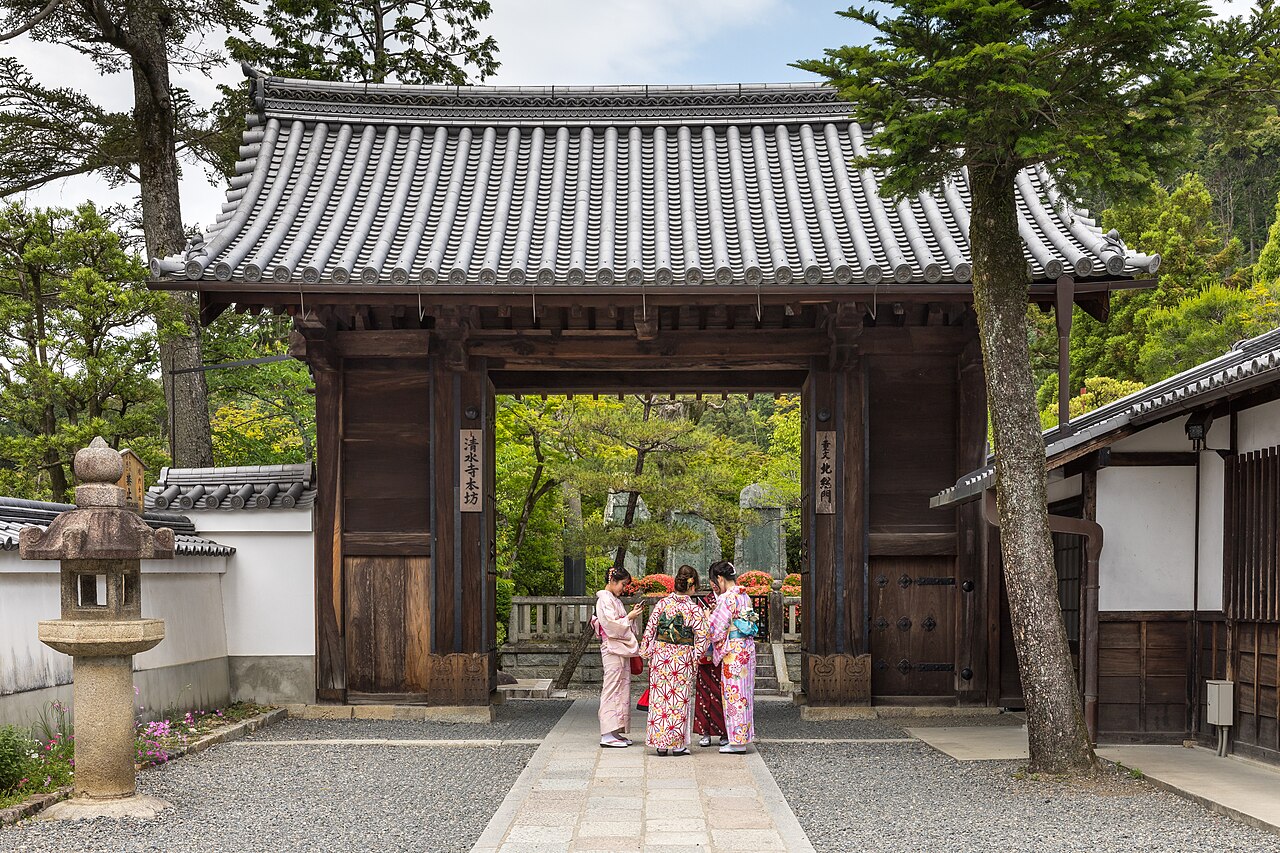
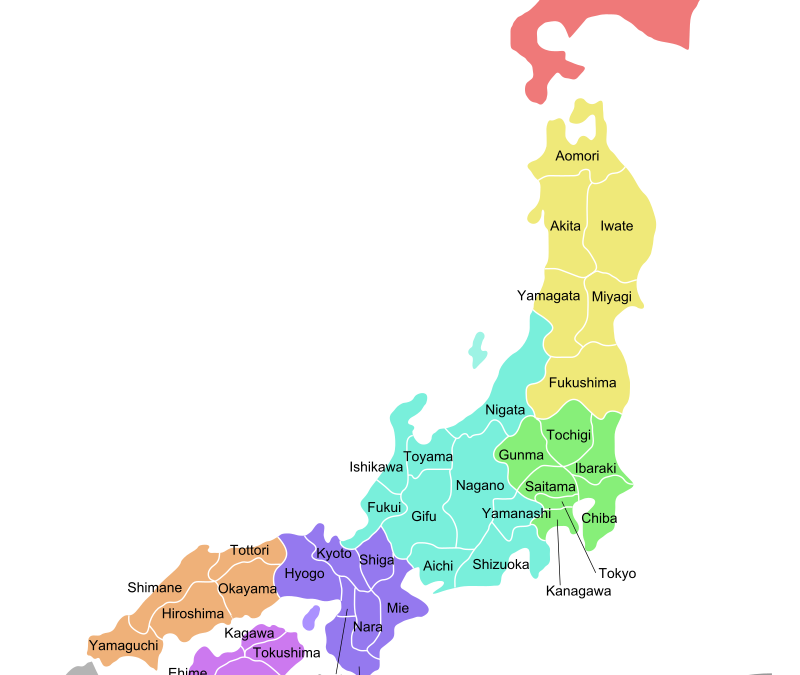
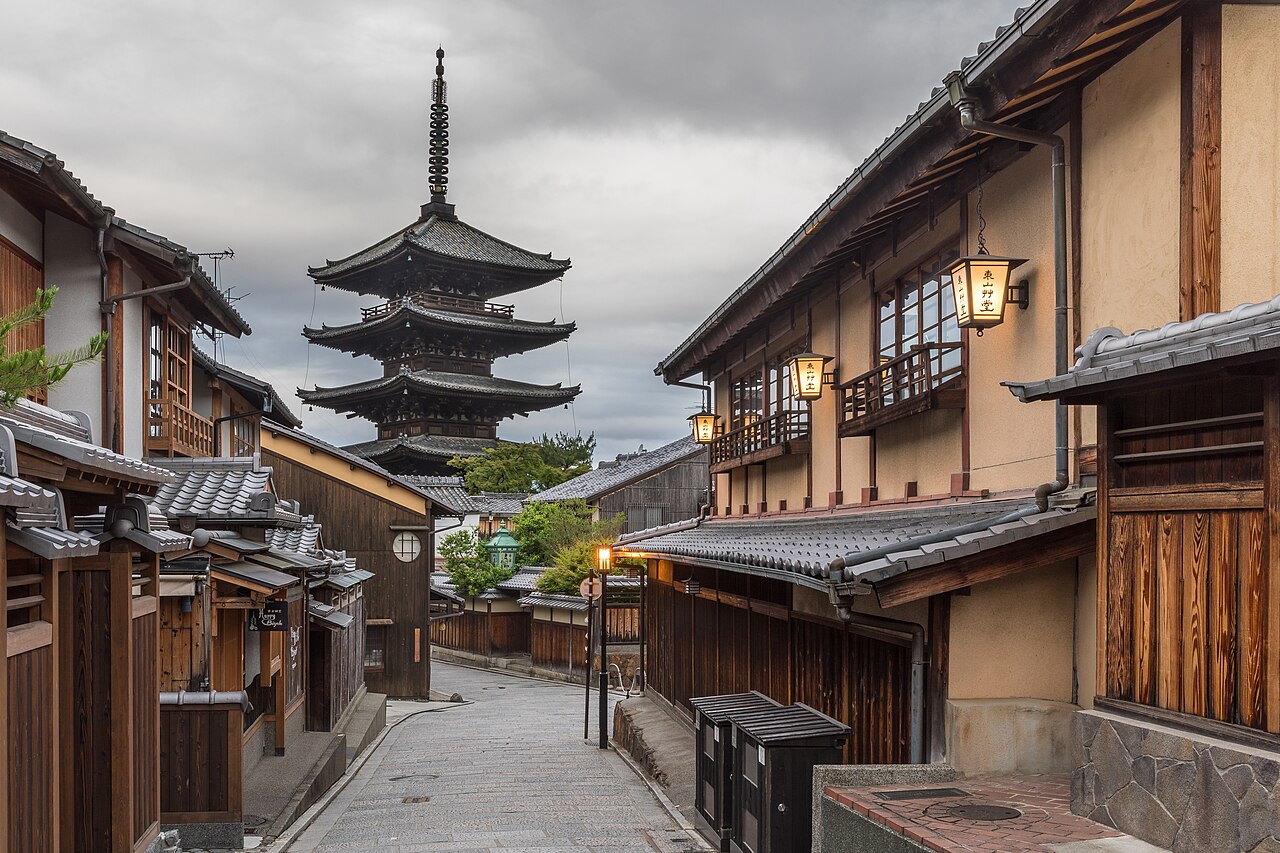
Kyoto sits in the Kansai region of western Japan, in a river basin ringed by hills — a landlocked bowl that became the seat of the imperial court. It was the capital from 794, when the Heian court settled here, until 1869, when the capital function moved to Tokyo. That long tenure as the center of court and temple life is the reason so many refined crafts concentrated in the city and never left.
The wire-netting trade traces its roots to that Heian capital, where court and temple kitchens needed fine metal mesh for roasting, sieving, and steaming. Two Kyoto food cultures kept the craft alive long after. One is the tea ceremony, with its exacting standards for a clean pour — charcoal-toasting nori, straining fine-leaf sencha and gyokuro. The other is the yudofu tofu cuisine of Higashiyama temples such as Nanzen-ji, whose gentle scoops and tofu-lifters are woven from wire rather than pressed from sheet metal.
- 794 — Heian-kyo (Kyoto) becomes Japan’s imperial capital; court kitchens concentrate metalworking skills.
- Heian era — Court and temple kitchens need fine metal mesh for roasting, sieving, and steaming — the roots of the wire-netting craft.
- Medieval–Edo — Tea ceremony and Higashiyama yudofu cuisine drive demand for woven scoops, strainers, and tofu-lifters.
- 1869 — Capital function moves to Tokyo; Kyoto’s craft workshops remain and continue serving the tea and food trades.
- 20th c. — Workshops such as Kanaami-Tsuji keep hand-weaving alive in the Kiyomizu and Gion district for generations.
- 2026 — The mesh is still twisted by hand, radiating from a single center point, with no machines involved.
What makes the object hand-made rather than merely hand-assembled is the weave itself. Artisans twist copper (aka-do) or brass wire into a hexagonal kikko pattern entirely by hand, without machines, radiating the mesh outward from a single center point. Copper is chosen because it is soft enough to shape this way, and because it develops a warm patina with use rather than staying cold and bright.
“The entire mesh grows from one point — hexagon after hexagon, twisted by fingers, with no machine ever touching the pattern.”
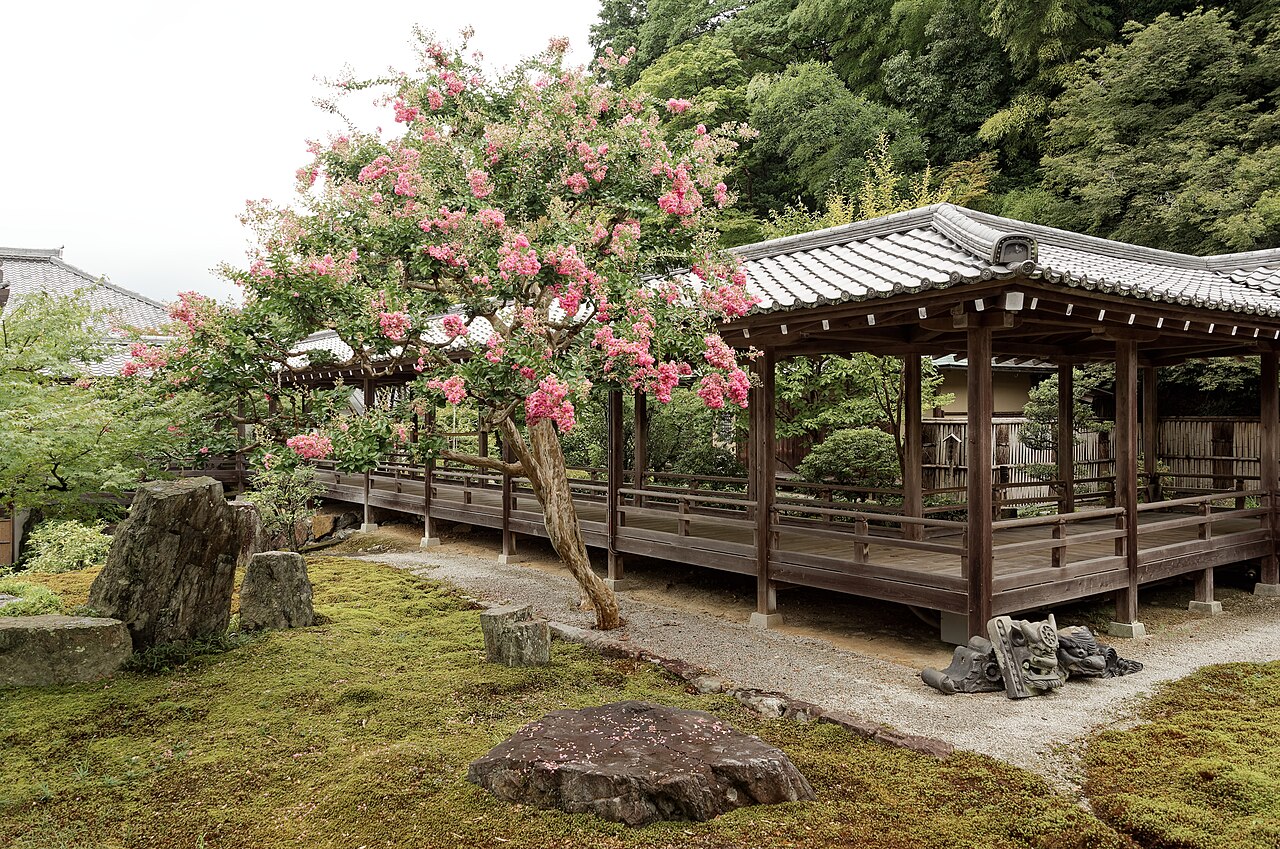
The craft sits alongside Kyoto’s other imperial-city refinements — Kyo-yaki porcelain, Kyo-shikki lacquer, and Nishijin weaving — as a utensil made for the exacting standards of Kyoto tea and cuisine. Workshops like Kanaami-Tsuji have kept the trade alive in the Kiyomizu and Gion district for generations, and the continuity is not marketing: the strainer in your hand is woven the same way the temple kitchens’ were.
- 🍽️ Dishwasher: no — hand-wash the delicate mesh and dry it promptly.
- ♨️ Microwave: no — it is metal.
- 🧴 Daily care: rinse and wipe dry after use; the copper will darken into a patina, and that is the point rather than a flaw.
What it does well
Weaknesses and things to verify before buying
- Copper does not stay bright. It darkens into a patina; if you want a permanently shiny tool, this is the wrong material.
- Not dishwasher-safe. The hand-woven mesh should be hand-washed and dried; rough handling can distort it.
- Price is unconfirmed in our snapshot. Hand-woven copper costs far more than a mass-market stainless strainer — verify the live listing before you commit.
- Dimensions and weight are unconfirmed. Check the listing for bowl diameter and handle length, especially if you want it to sit over a particular pot or cup.
- Best value only if you drink leaf tea. For teabags or powdered tea, a strainer adds little, and the craft premium is hard to justify.
- Overseas shipping and customs vary. Amazon estimates import fees at checkout, but delivery times and thresholds differ by country; confirm before ordering.
Conclusion — which buyer type are you?
Other ways to approach this purchase
🏆 Editor’s Pick
❓ Frequently Asked Questions
Is a hand-woven copper tea strainer safe for daily tea brewing?
Yes. Copper tea strainers are made for exactly this use. Rinse and dry the mesh after each use; the copper will darken into a patina over time, which is expected rather than a sign of a problem.
Does it ship outside Japan?
The specific listing is sourced from the Amazon JP Global Store, which ships many household items to 65+ countries, including Canada, the UK, and Australia. Amazon usually estimates and collects import fees at checkout.
How do I care for the hand-woven mesh?
Hand-wash it and wipe it dry promptly; do not put it in the dishwasher, and handle it gently so the woven pattern is not distorted. The copper does not need polishing to a shine — the patina is part of the object.
Will the copper change color over time?
Yes. Aka-do copper develops a warm patina with use, which is one reason it is prized for this craft. If you want a metal that stays permanently bright, a stainless strainer is the better choice.
What teas is it best for?
It is designed for fine-leaf Japanese green teas such as sencha and gyokuro, where a fine mesh catches leaf fragments for a clean pour. For teabags or powdered tea, a strainer adds little.
What is the kikko pattern?
Kikko (亀甲) means “tortoiseshell” — a hexagonal weave named for its resemblance to a turtle’s shell. On this strainer, the entire mesh is twisted by hand into that hexagonal pattern, radiating outward from a single center point.
jpmono.com is curated by a Japan-based editorial team (working out of Toyama in the Hokuriku region and Nara in Kansai) and is independent. We don’t take payment from the makers we feature; income comes from affiliate links. Read more about our editorial standards.
This article was drafted with AI assistance and reviewed against the source listing before publication. Specifications and prices reflect the data available at the time of writing and may have changed.
Affiliate disclosure: jpmono.com may earn a commission on qualifying purchases made through links on this page, at no additional cost to you.