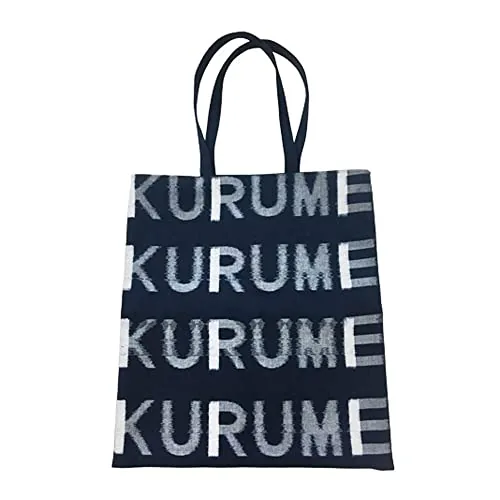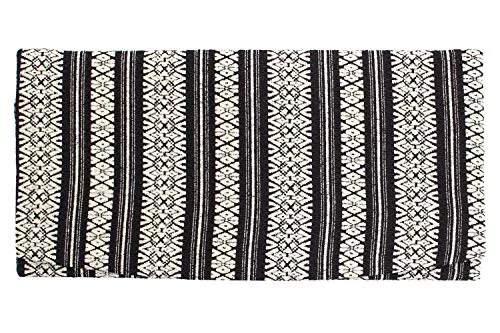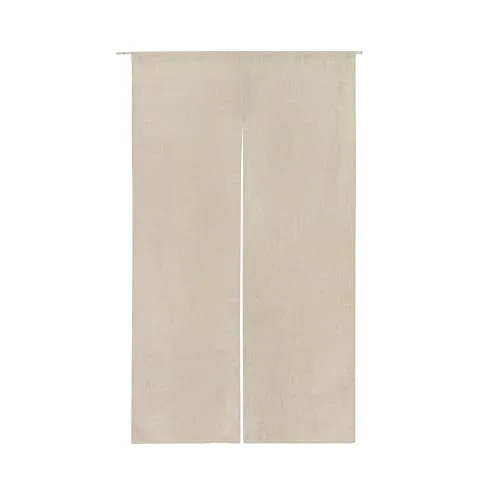
Kurume Kasuri Indigo Cotton Noren: Fukuoka’s Ikat Doorway Curtain, Reviewed [2026]
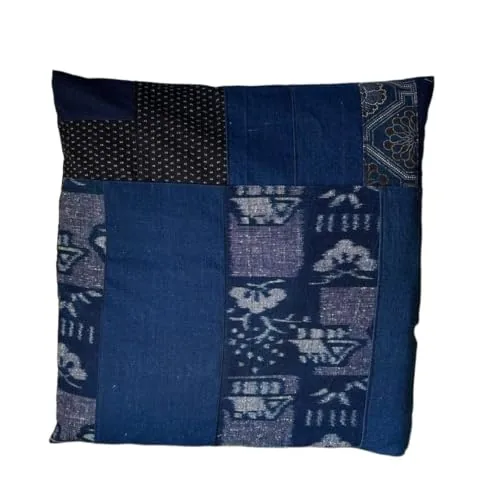
Kurume Kasuri is one of Japan's three great kasuri traditions, woven from pre-dyed indigo threads whose blurred edges…
Kurume Kasuri is one of Japan's three great kasuri traditions, woven from pre-dyed indigo threads whose blurred edges…
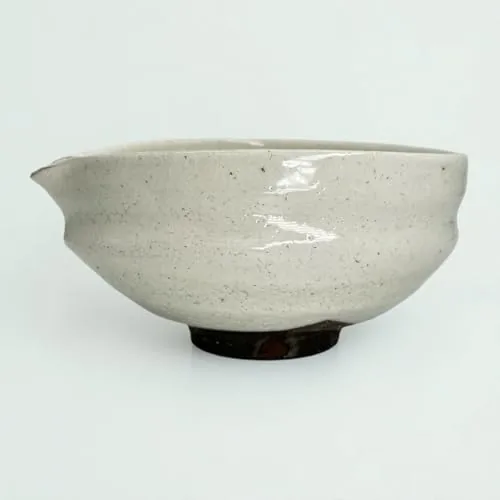
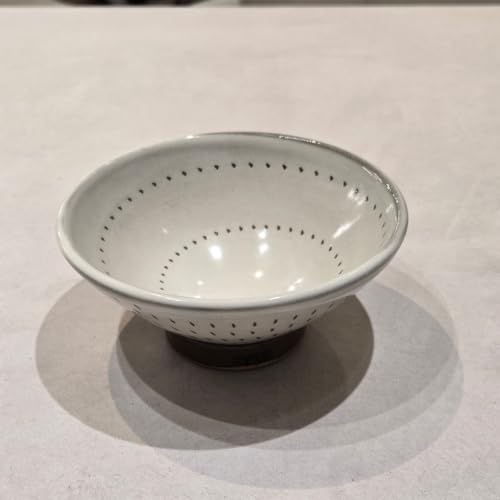
A Fukuoka kiln favored by tea master Kobori Enshu, Takatori-yaki pairs thin, refined walls with warm amber ash…
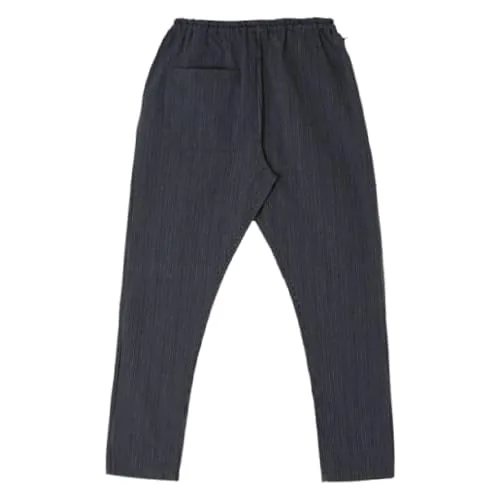
Kurume Kasuri, one of Japan's three great ikat weaves, turns hand-dyed indigo cotton into easy monpe trousers. Here's…
Kurume Kasuri is one of Japan's three great ikat weaves, hand-tied and indigo-dyed in Fukuoka's Chikugo plain since…
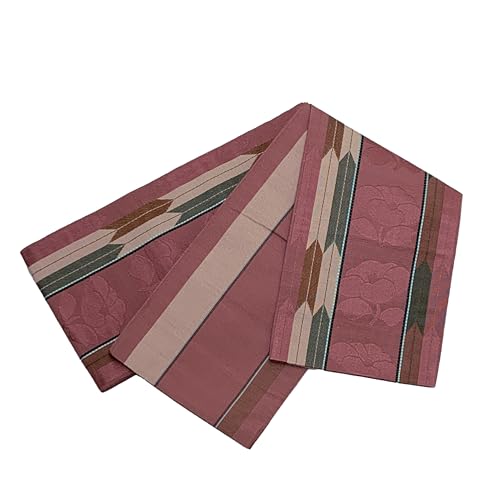
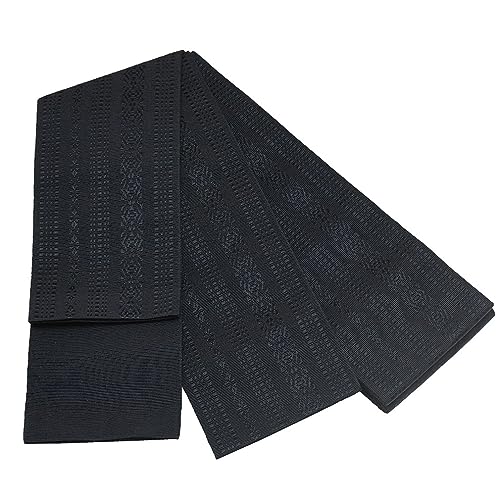
Fukuoka's Hakata-ori is a 770-year silk weave whose ridged kenjo sash was presented yearly to the Kuroda lords.…
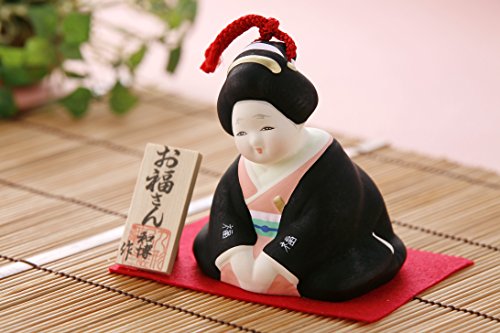
Hakata Ningyo are unglazed, bisque-fired clay figurines painted with quiet precision in Fukuoka. We sort out the real…
Kurume Kasuri is one of Japan's three great ikat traditions, hand-tied and indigo-dyed thread by thread in Fukuoka.…
Hakata-ori is Fukuoka's flagship silk weave, taut and ribbed so the sash holds its knot. Here is where…
Kurume Gasuri is the indigo cotton ikat born in Fukuoka's Chikugo plain around 1800. Here is where to…
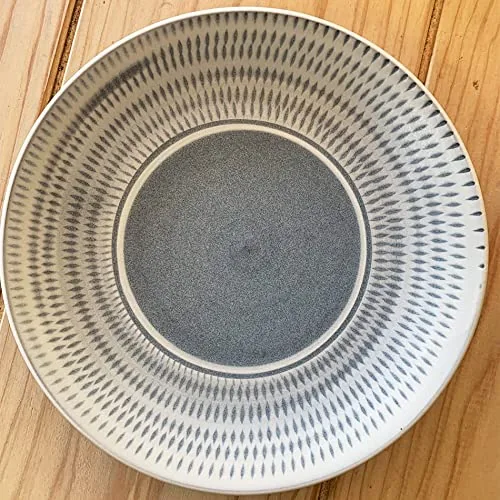
Koishiwara-yaki's tobikanna chatter-mark plates carry 340 years of Fukuoka folk-kiln craft. We break down the wheel-cut rhythm, the…
A hand-forged vegetable knife from Ōmuta's Miike blade tradition in southern Fukuoka. Rustic kurouchi black-forge finish, a thin…
Rantai shikki layers urushi over a woven bamboo body, giving Fukuoka's Chikugo-region lacquerware a feather-light feel and a…
Hand-turned wooden tops from Edo-era Hakata, banded in bright lacquer and balanced on an iron tip — a…
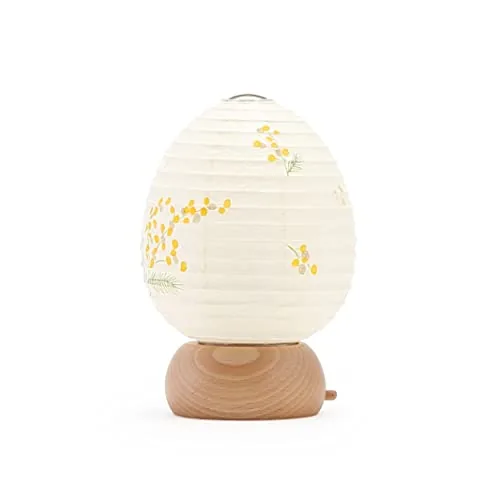
Fukuoka's Yame chochin pair hand-painted Mino washi with a single continuously spiraling bamboo frame, from one of Japan's…
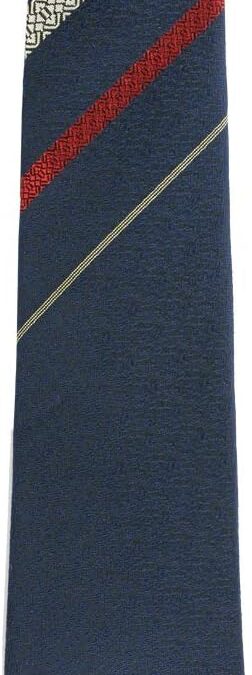
A firm, crisp silk coin purse woven in Fukuoka's 800-year Hakata-ori tradition, carrying the kenjo-gara stripe once presented…
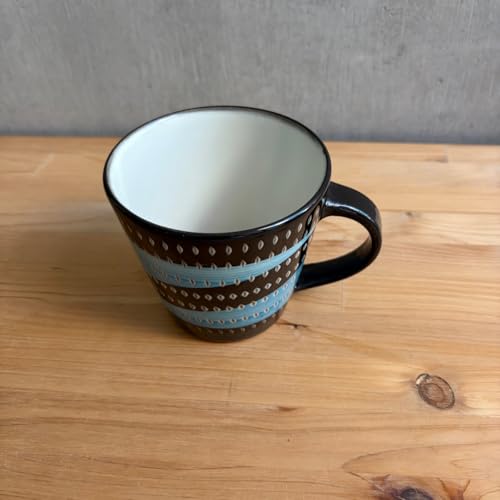
Koishiwara ware's rhythmic tobikanna chatter marks were born in a Fukuoka mountain village and praised by Japan's mingei…
Koishiwara yaki's tobikanna chatter marks turn a daily mug into a slice of Fukuoka mingei. A buyer's guide…
Hakata-ori (博多織) is the **silk-brocade weaving tradition of Hakata** in northern Fukuoka Prefecture — practiced continuously since 1241…