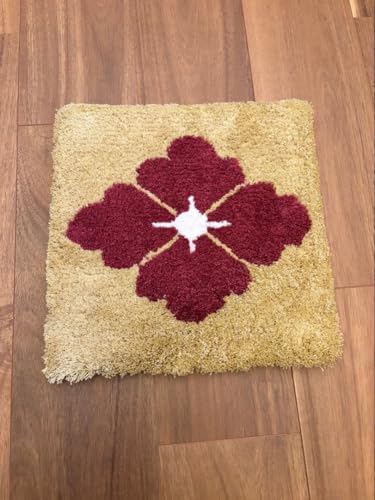
Nabeshima Dantsu Hand-Knotted Cotton Chair Pad: Where to Buy [2026]
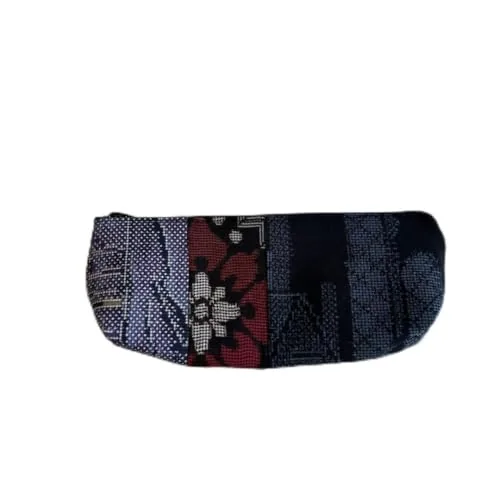
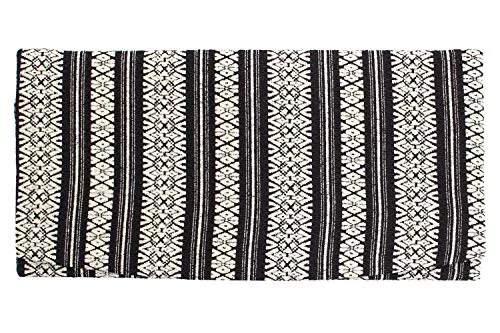
Nabeshima Dantsu is Saga's hand-knotted cotton pile weave, once a Nabeshima-domain monopoly gifted to the shogunate. A small…
Nabeshima Dantsu is Saga's hand-knotted cotton pile weave, once a Nabeshima-domain monopoly gifted to the shogunate. A small…
Honba Oshima Tsumugi is one of Japan's three great silk tsumugi, hand-woven on Amami Oshima and colored by…
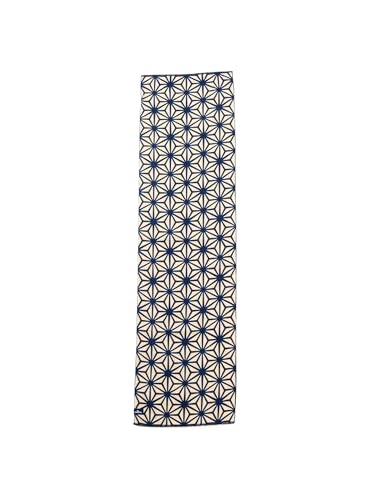
Hirose Kasuri is Shimane's bold picture-kasuri, indigo-dyed cotton woven in Yasugi since the 1820s. This table runner brings…
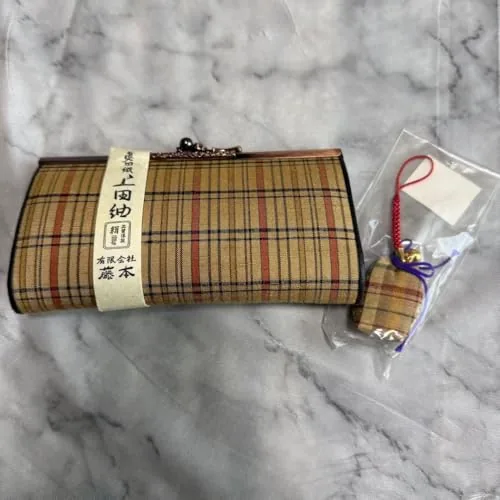
Woven in Nagano's old Sanada castle town of Ueda, this striped saki-zome silk coin purse carries one of…
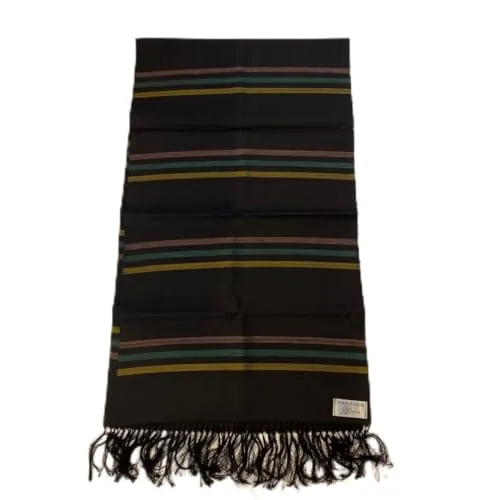
Iwate's homespun weavers card, spin, and hand-loom pure wool into soft, lightweight tweed scarves. A Tohoku craft born…
Woven at the foot of Mt. Haku from hand-drawn double-cocoon yarn, Ushikubi Tsumugi is the pongee so tough…
Oshima Tsumugi is one of the world's most labor-intensive silk weaves, dyed in Amami's iron-rich mud and woven…
A drawstring kinchaku pouch woven from Bingo Kasuri, the indigo cotton ikat of eastern Hiroshima counted among Japan's…
Chichibu Meisen is Saitama's reversible ikat silk, born from mountain sericulture and the daring patterns that dressed Taisho-era…
Ojiya Chijimi is Niigata's snow-bleached ramie crepe, a UNESCO-listed summer textile with a crisp shibo pucker that lifts…
A firm, crisp silk coin purse woven in Fukuoka's 800-year Hakata-ori tradition, carrying the kenjo-gara stripe once presented…
Banshu-ori is Japan's leading yarn-dyed cotton, woven in Nishiwaki since 1792. A soft gauze handkerchief shows why this…
Kaga Yuzen is Kanazawa's painterly silk dyeing, built on five earthy 'gosai' colors and realistic bird-and-flower motifs. A…
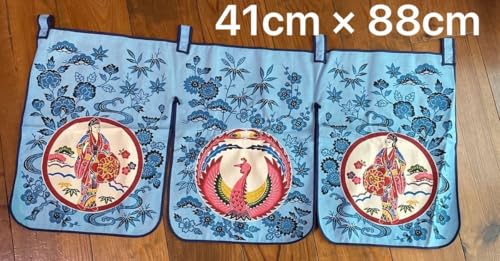
A Ryukyu Bingata noren carries Okinawa's vivid stencil-dyed motifs—hibiscus, waves, and birds—to your doorway. Here is where to…
Arimatsu-Narumi Shibori is Japan's most refined tie-dye tradition, born in 1608 along the old Tokaido. This hand-bound, indigo-dyed…
A Kyoto Yuzen-dyed furoshiki turns one square of cloth into reusable gift wrap, a bento cover, or a…
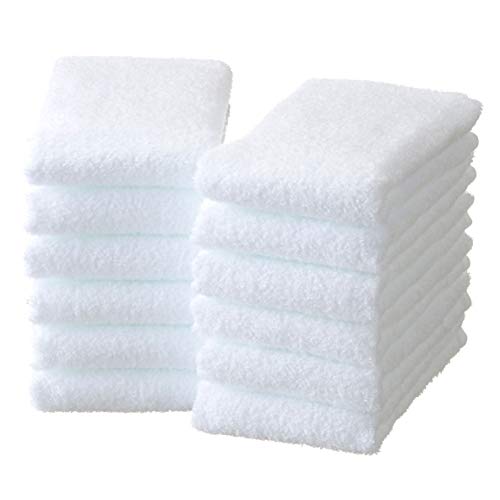
Senshu in southern Osaka is the birthplace of Japan's towel industry. Post-bleach (atozarashi) finishing gives these 100% cotton…
Omi Jofu is Shiga's ramie linen, woven near Lake Biwa where humid air keeps the bast threads supple.…
A ramie fukin from Shiga's Echi River valley, home of Omi Jofu, one of Japan's great summer hemp…
Senshu towels from Izumisano in southern Osaka—the birthplace of Japan's towel industry—use post-weave atozarashi bleaching, so the cotton…
From Tottori's Yumigahama dunes, indigo-and-white yumihama kasuri weaves pre-dyed cotton threads into picture motifs. Here is where to…
Yonezawa-ori silk neckties carry the dyed-silk weaving the Uesugi domain nurtured in snowbound Yamagata. Here is how to…
Arimatsu Narumi shibori is Japan's tie-dye heartland, born along the old Tokaido road in Owari. Here is where…
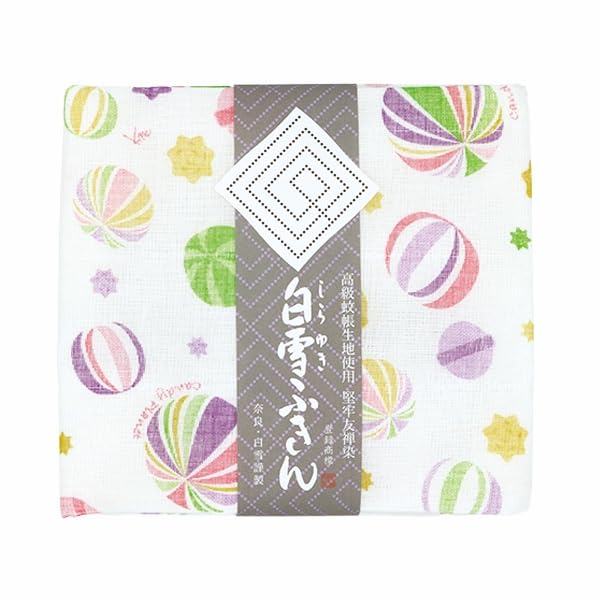
Kaya-weave dish cloths rooted in Nara's Sarashi bleaching tradition. Where US readers buy Shirakiya Snow White Fukin, and…
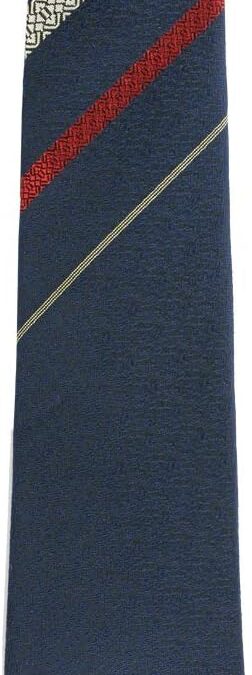
Kiryu in Gunma has woven silk since antiquity and still anchors Japan's necktie trade. A jacquard-woven Kiryu-ori tie…
Woven on vintage low-tension shuttle looms in Okayama's old cotton port of Kurashiki, Baistone hanpu canvas makes a…
Woven in Aizu for over four centuries, this indigo-striped cotton pouch carries the sturdy everyday craft of a…
From Heian-era looms to post-Onin War weavers in west Kyoto, Nishijin-ori carries 1,200 years of silk craft into…
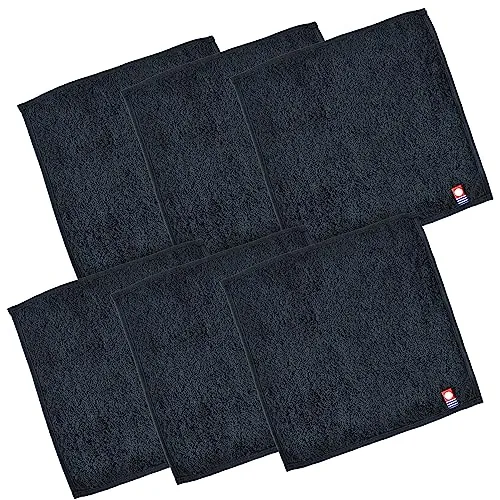
Japan-based editorial team in Toyama and Nara introduces Imabari Towel — Ehime's Setouchi soft-water cotton textile rooted in…
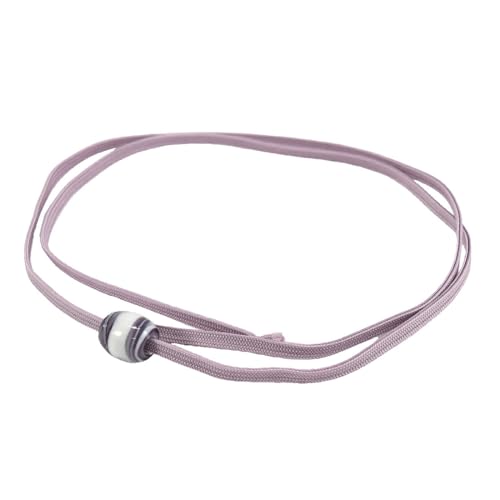
Iga Kumihimo silk obijime carries centuries of Mie braiding craft — once worn on samurai armor lacing, now…
Hakata-ori (博多織) is the **silk-brocade weaving tradition of Hakata** in northern Fukuoka Prefecture — practiced continuously since 1241…
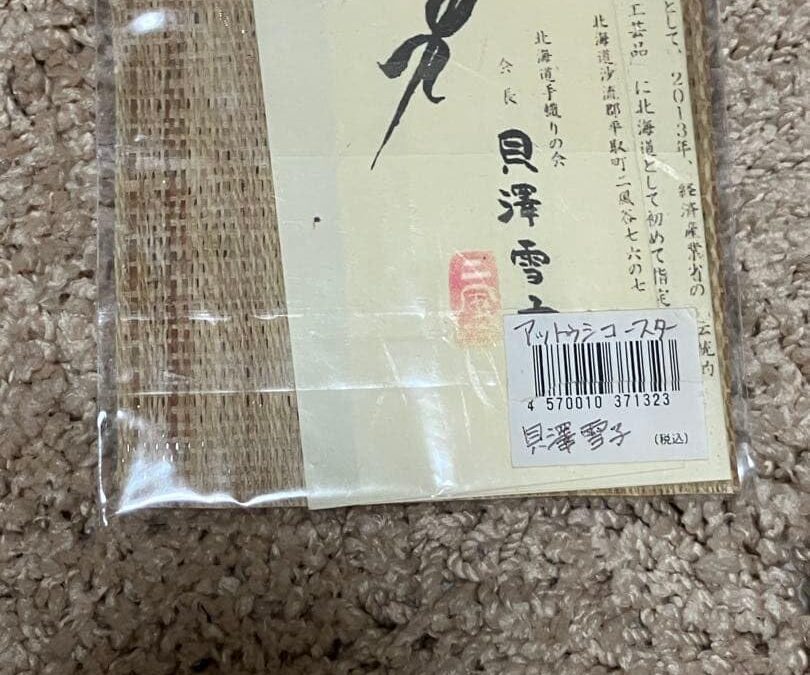
Nibutani attus (二風谷アットゥシ) is the **woven inner-bark cloth tradition of the Ainu** of Hokkaido — specifically the Saru…