Matsusaka Momen Indigo Stripe Eyeglass Case: Where to Buy [2026]
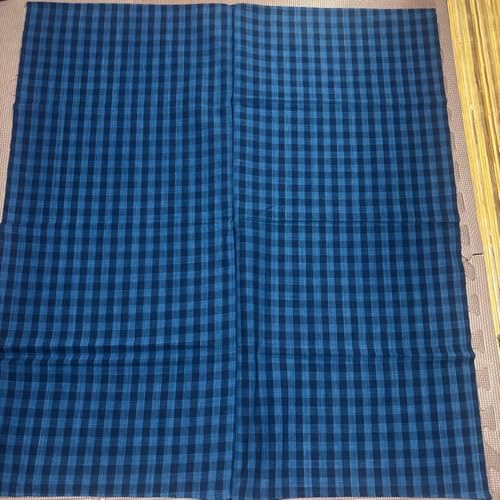
A slim eyeglass case sewn from Matsusaka Momen, the indigo-striped cotton that dressed Edo's townspeople. Soft hand-loomed cloth,…
A slim eyeglass case sewn from Matsusaka Momen, the indigo-striped cotton that dressed Edo's townspeople. Soft hand-loomed cloth,…
Kaga Yuzen is Kanazawa's hand-painted silk dyeing, defined by the muted Kaga gosai palette and realistic bird-and-flower motifs.…
Yonezawa-ori is Yamagata's samurai-domain silk, revived by reformer Uesugi Yozan and dyed with the prefecture's prized safflower. A…
Matsusaka Momen is the indigo-striped cotton that made Edo-era merchants fashionable nationwide. Hand-loomed in Mie, its quiet stripes…
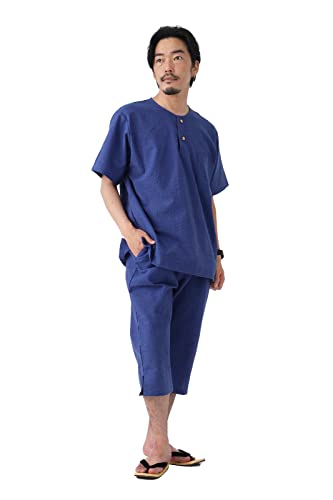
A breathable Awa Shijira-ori jinbei from Tokushima — puckered indigo cotton woven to barely touch the skin. Here…
Yonezawa-ori is the silk that saved a bankrupt domain. Woven in Yamagata and colored with Mogami safflower (benibana),…
Ojiya Chijimi is Niigata's snow-country ramie crepe, woven from hand-spun choma fiber and bleached on the snow. A…
Kurume Kasuri is one of Japan's three great ikat traditions, hand-tied and indigo-dyed thread by thread in Fukuoka.…
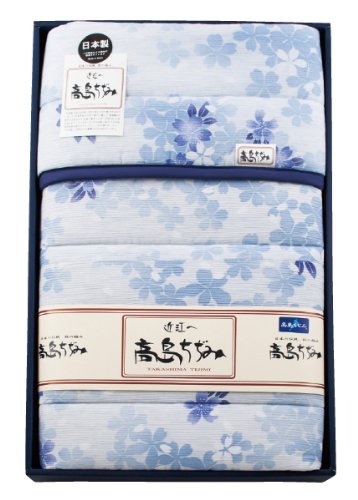
Woven on the soft water of Lake Biwa, Takashima Chijimi is Japan's foremost crepe cotton — its high-twist…
Bingo Kasuri from Fukuyama is one of Japan's three great kasuri. This indigo-dyed cotton tote turns hand-resisted ikat…
Omi Jofu is a ramie-and-hemp summer cloth woven on the humid eastern shore of Lake Biwa and carried…
Hakata-ori is Fukuoka's flagship silk weave, taut and ribbed so the sash holds its knot. Here is where…
A lightweight all-season stole woven in Nishiwaki, Hyogo from sakizome (yarn-dyed) cotton. We explain how Banshu-ori's soft-water dyeing…
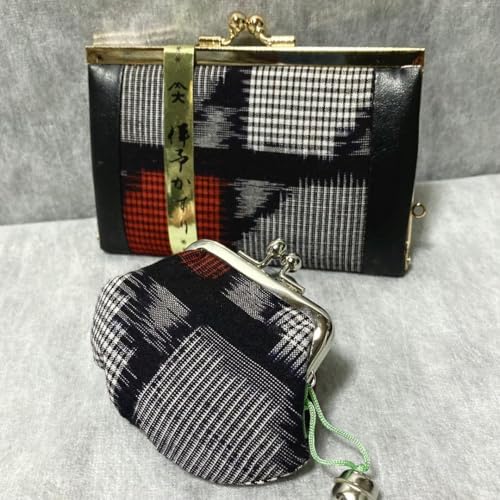
Iyo-gasuri is one of Japan's three great kasuri weaves, born in Matsuyama. This clasp-frame gamaguchi coin purse carries…
Edo Komon is Tokyo's stencil-dyed textile born from samurai kamishimo formalwear — solid from afar, ultra-fine pattern up…
Yuki Tsumugi is Ibaraki's UNESCO-listed silk, hand-spun from floss silk without twist and woven on a back-strap loom.…
Ojiya Chijimi is Niigata's snow-country ramie cloth, hand-twisted into a crinkled shibo crepe and snow-bleached on spring fields.…
Aizu Momen is the sturdy striped cotton of Fukushima's old castle town, woven since the days of lord…
Omi-jofu is Shiga's METI-designated ramie linen, woven along Lake Biwa's humid east shore and spread nationwide by the…
Kurume Gasuri is the indigo cotton ikat born in Fukuoka's Chikugo plain around 1800. Here is where to…
Edo Komon is Tokyo's samurai-era stencil-dyed silk, its tiny komon pattern born of Edo sumptuary restraint—here carried into…
Matsusaka Momen is the indigo-striped cotton that dressed Edo's townspeople, woven in Mie's old merchant city. A sober,…
Yonezawa-ori is the silk woven in Yamagata's old Uesugi castle town, dyed with benibana safflower along the Mogami…
Hand-woven on the Kunisaki Peninsula from shittoi, a triangular rush grown nowhere else in Japan, these durable coasters…
A hand-woven tote in Tosa cotton (Tosa-men), the sturdy cloth that Tosa-han once cultivated along the warm Shimanto…
Woven in Wakayama, Japan's cotton-flannel heartland, the Kishu nel muffler pairs soft brushed-cotton warmth with everyday ease. Here's…
Yanai-jima is the yarn-dyed striped cotton of Yamaguchi's old port town of Yanai, home to the goldfish-lantern tradition.…
Born from Dejima's foreign trade, Nagasaki sarasa puts stencil-dyed calico motifs on a small cotton pouch — where…
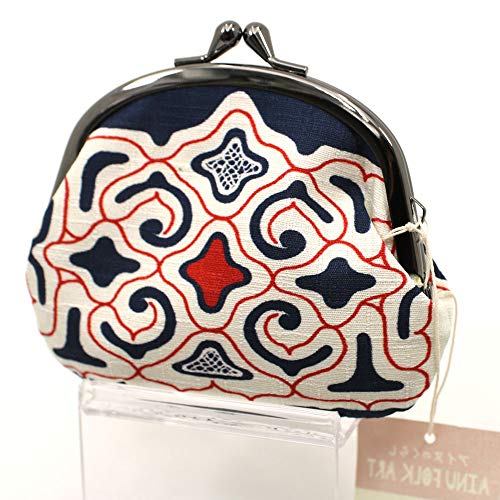
A cotton zip pouch hand-stitched with Ainu monyo — the moreu spiral and aiushi thorn motifs of Hokkaido's…
Yatsushiro in Kumamoto has grown Japan's finest igusa rush since the 1500s. Here's what sets hanagoza woven-rush placemats…
Gujo Tsumugi is a hand-woven, plant-dyed silk pongee from Gifu's Gujo-Hachiman castle town. This book cover carries its…
Akita Hachijo is a hand-woven silk dyed with local kariyasu grass for its signature glowing yellow. Woven by…
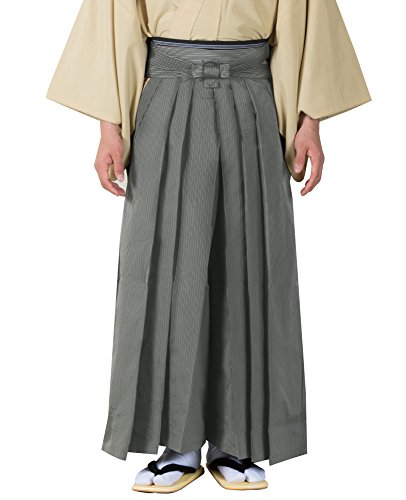
Sendai-hira is the silk hakama cloth that the Date domain raised to Japan's formal standard. Hand-woven in Miyagi…
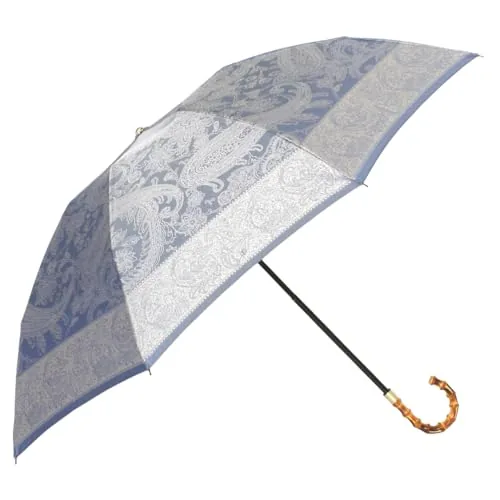
A densely woven jacquard parasol from Yamanashi's Gunnai weaving district, heir to Edo-era Kaiki lining silk. Makita Shoten's…
Edo Komon is a Tokyo stencil-dyed silk so fine it reads as a solid color until it catches…
Mooka Momen was Edo's most prized cotton, famed for its whiteness, softness, and durability. This Tochigi tenugui revives…
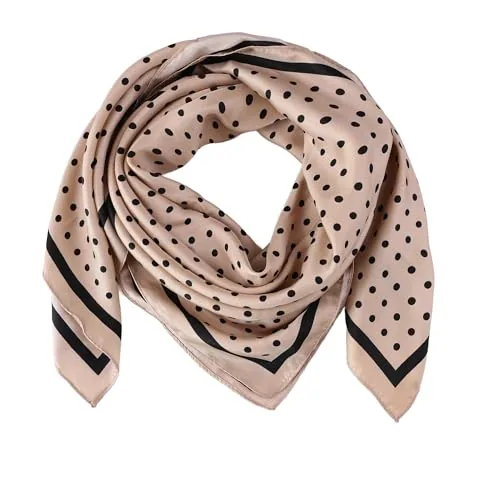
Born from the silk-export port that opened Japan in 1859, the Yokohama scarf is hand-screen nassen printing on…
Sanuki Kagari Temari are decorative thread balls hand-embroidered in Kagawa with plant-dyed cotton, geometric pattern by pattern. A…
One of Japan's three great chusen dyeing towns, Hamamatsu pours dye through stencils to color Enshu cotton on…
Bingata is the vivid paste-resist stencil dyeing once reserved for Ryukyu royalty. This coaster set brings Okinawa's tropical…