neukyosuke

Japanese Craft
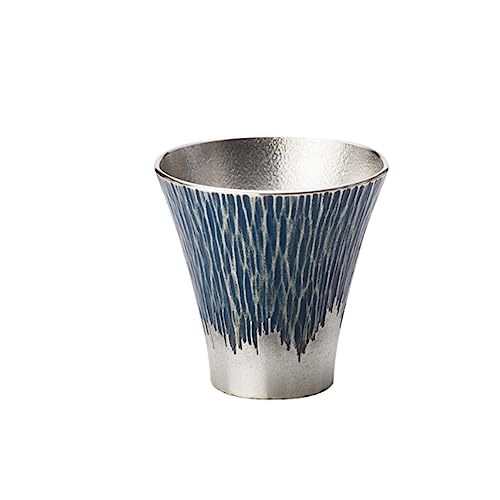
Osaka Naniwa Pewter Tin Sake Cup: Where to Buy the Merchant City’s Craft [2026]

Osaka Naniwa Suzuki tin sake cups, hand-spun in the old merchant capital, are prized for softening sake and keeping it cold. A practical guide to choosing and buying authentic Naniwa pewter ware.
Japanese Craft
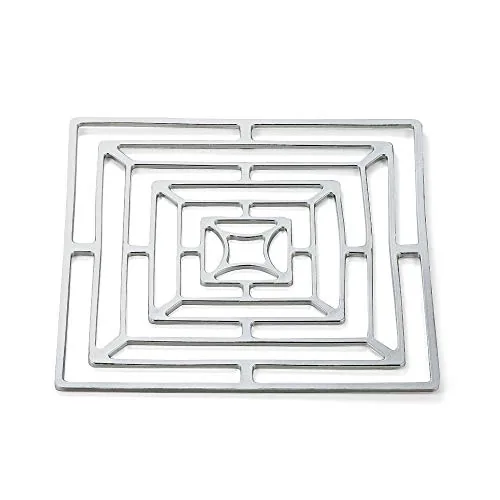
Nousaku Tin KAGO Bendable Basket — Takaoka Metalwork Guide [2026]

A 100% pure-tin basket from Takaoka you bend by hand into any shape—Nousaku turned famously soft tin into a reshapeable tabletop piece born from 400-year Toyama casting.
Japanese Craft
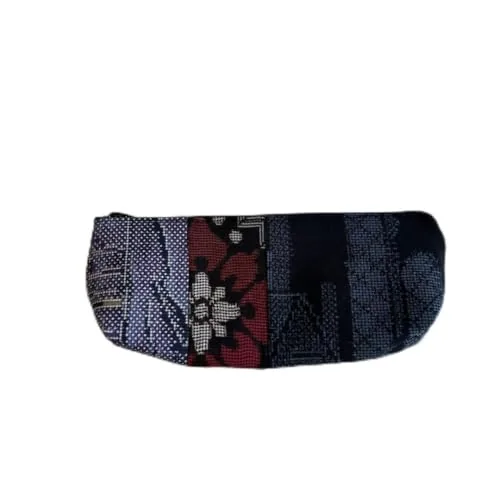
Honba Oshima Tsumugi Silk Eyeglass Case: Mud-Dyed Amami Craft [2026]

Honba Oshima Tsumugi is one of Japan's three great silk tsumugi, hand-woven on Amami Oshima and colored by doro-zome mud dyeing. This eyeglass case carries that deep, lustrous black-brown silk in a small everyday object — where to buy a genuine piece.
Japanese Craft
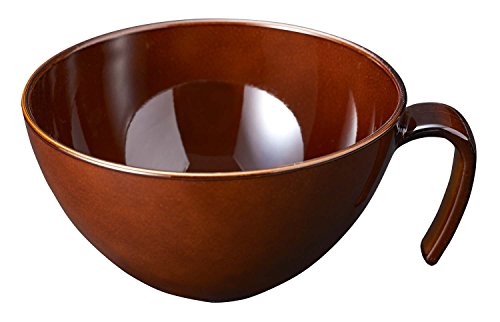
Naruko Shikki Ryusen-nuri Lacquer Cup: Miyagi Wood-Grain Ware [2026]

Naruko Shikki Ryusen-nuri lacquer cups carry the marbled wood-grain finish of Miyagi's hot-spring woodturners. Here is what the craft is, who still makes it, and where to buy a genuine piece.
Japanese Craft
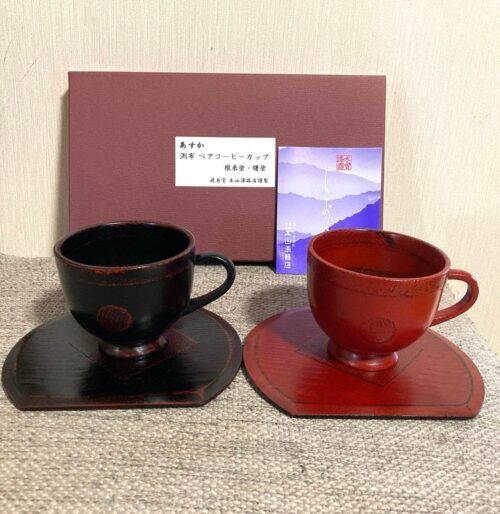
Kiso Lacquerware Pair Coffee Cup by Honyama Shikki — Negoro & Akebono Two-Tone Pair from Nagano (¥7,990 / ≈$53 USD) [2026 Buyer’s Guide]

Kiso-shikki (木曽漆器) is the **lacquerware tradition of the Kiso valley**, in southwestern Nagano Prefecture — practiced continuously since the Edo period (1600s-onward), when post-station travelers along the Nakasendō highway between Edo and Kyoto demanded portable lacquered wooden ware. Designated METI Traditional Craft Product in 1975. Distinguished by **deep iron-rich red-brown 'sabi-nuri' grounds** and the regional specialty of two-tone effects (root-rim 'negoro-nuri' and dawn-color 'akebono-nuri'). This **pair coffee cup set by Honyama Shikki (本山漆器店)**, distributed under the Asuka-dō (飛鳥堂) brand, combines the canonical Kiso negoro and akebono finishes. At ¥7,990 (≈$53 USD) it sits in the entry tier for a real Kiso lacquerware pair. This guide walks through the **400-year arc** from Nakasendō post-station roots to today's Kiso lacquer workshops.
Japanese Craft
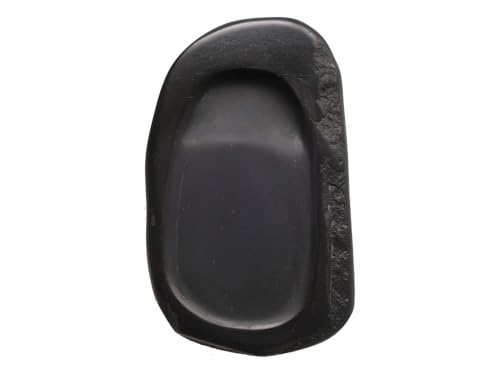
Amehata Suzuri Inkstone: Yamanashi Slate for Calligraphy [2026]

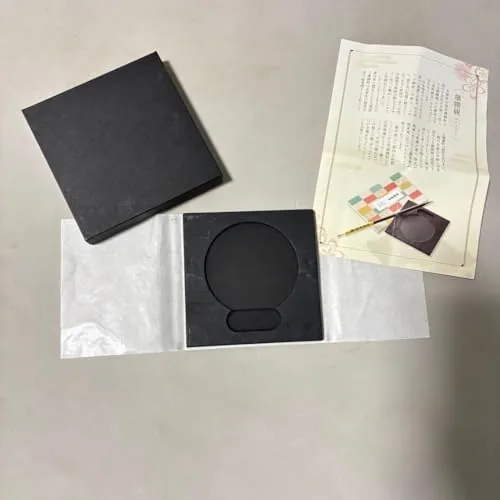
Quarried in Yamanashi's Hayakawa valley since the 1300s, Amehata suzuri is a dense, fine-grained slate inkstone that grinds sumi smoothly and holds ink without drying, made for calligraphy and sumi-e.
Ishikawa

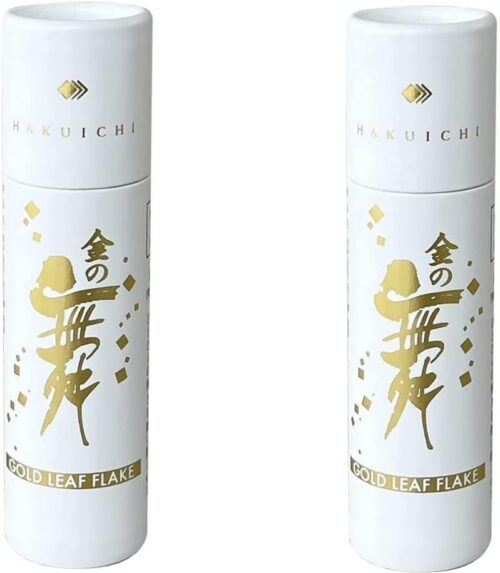
Hakuichi Kanazawa Kinpaku Gold Leaf: Where to Buy in the US [2026]

Hakuichi's Kanazawa kinpaku — gold leaf from the city that hammers over 99% of Japan's foil — carries Maeda-clan craft heritage into modern lacquer and edible arts.
Japanese Craft
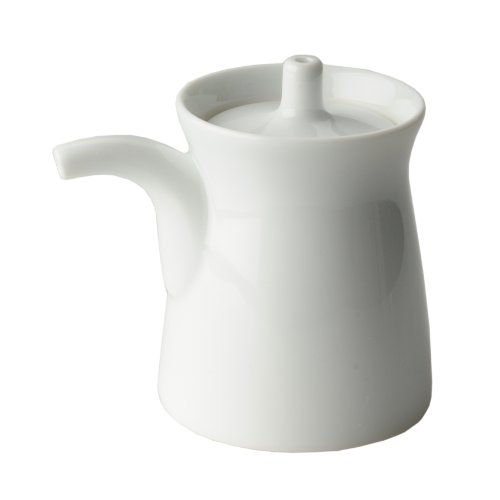
Hakusan Hasami-yaki G-Type Soy Sauce Dispenser: Where to Buy [2026]

A 1958 Masahiro Mori design still made in the 400-year porcelain town of Hasami, Nagasaki. The non-drip G-Type cruet is a Good Design classic that put Kyushu everyday porcelain on the modern table.
Japanese Craft
Ogatsu Suzuri Inkstone: Where to Buy Japan’s Slate Inkstone [2026]

Ogatsu Suzuri is the slate inkstone from coastal Miyagi that supplies most of Japan's domestic suzuri. Quarried for six centuries and protected by the Date lords of Sendai, its fine-grained stone grinds sumi ink with a quiet, even bite. Here is where to buy one.
Glass

Edo Kiriko Rocks Glass — Kikutsunagi (Chrysanthemum Chain) Cut-Glass Pattern in Paulownia Box (¥6,700 / ≈$45 USD) [2026 Buyer’s Guide]

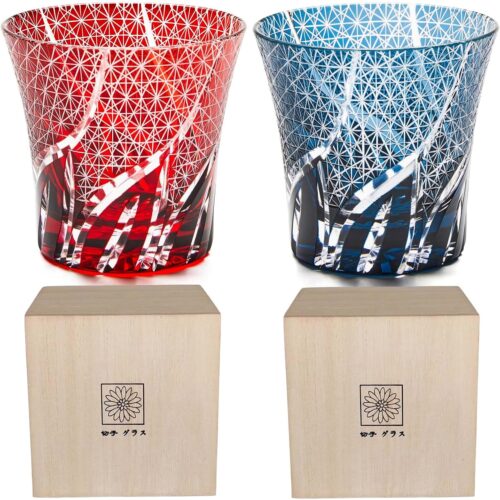
Edo Kiriko (江戸切子) is the cut-glass tradition of Tokyo — born in 1834 in the Edo-period merchant districts, transformed by Meiji-era contact with British crystal cutting, designated a national traditional craft in 2002. This rocks glass is hand-cut in the kikutsunagi (菊つなぎ, 'chrysanthemum chain') pattern — one of the eight canonical Edo Kiriko motifs — and arrives in a paulownia gift box. This guide walks through the 190-year arc of the craft from Kaga-ya Kyūbei's first workshop in Edo's Ōdenma-chō, the Sakaiya kiriko revolution of the 1880s, and how to buy this glass from outside Japan.
Japanese Craft
Sanuki Kagari Temari: Kagawa Hand-Stitched Thread Ball, Where to Buy [2026]

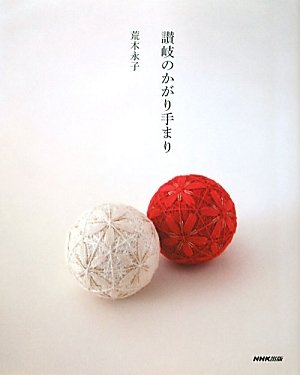
Sanuki Kagari Temari are decorative thread balls hand-embroidered in Kagawa with plant-dyed cotton, geometric pattern by pattern. A heritage gift craft born in the Takamatsu domain, now a collectible objet for the shelf or display stand.
Ibaraki

Kasama-yaki Mug: Handmade Ibaraki Pottery Coffee Cup Guide [2026]

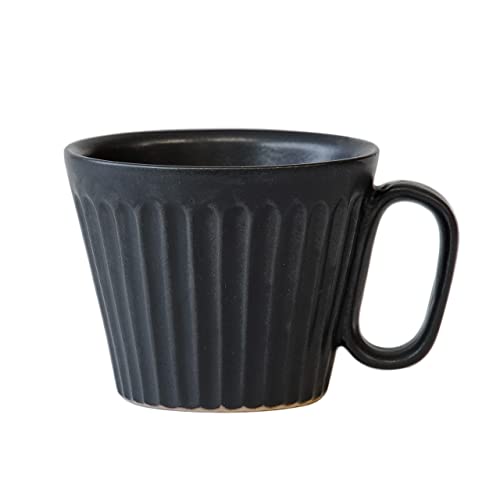
Kasama-yaki is Ibaraki's free-spirited stoneware, born in the 1770s from Shigaraki roots and now eastern Japan's most open-minded pottery hub. A guide to its handmade mugs.
Japanese Craft
Fujina-yaki Yumachi-gama Yunomi: Izumo Mingei Teacup Guide [2026]

A warm yellow-glaze teacup from Izumo's Yumachi-gama, the lakeside kiln Bernard Leach once visited — Fujina-yaki mingei pottery and where to buy it in 2026.
Fukui

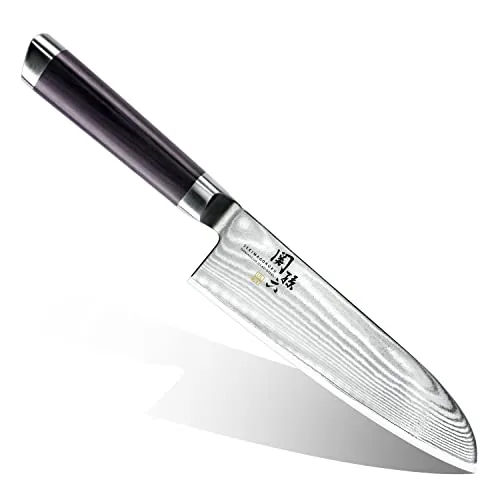
Echizen Yu Kurosaki Senko Santoku Knife: Where to Buy [2026]

A hammered-finish santoku forged in Takefu, the heart of Echizen blade country, by smith Yu Kurosaki. Where to buy this Fukui kitchen knife and what sets its 700-year cutting tradition apart.
Hyogo

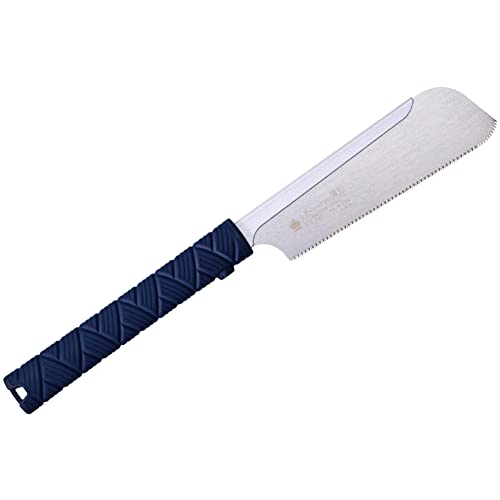
Gyokucho Razorsaw Ryoba: Banshu Miki Japanese Pull Saw Guide [2026]

A double-edged ryoba pull saw from Hyogo's Banshu Miki blacksmith tradition, cutting on the pull stroke for thin, clean kerfs. Where to buy this Japanese woodworking saw and why its steel earns its reputation.
Akita

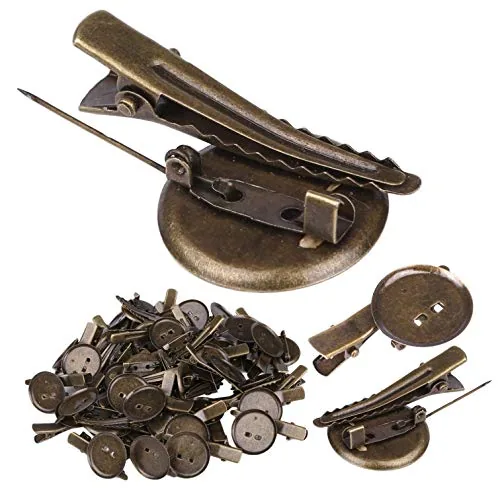
Akita Ginsen-zaiku Silver Filigree Brooch: Where to Buy [2026]

Openwork lace twisted from hair-thin pure silver wire, rooted in the Satake clan's Edo-era silver mines. A look at Akita Ginsen-zaiku filigree and where to buy a brooch.
Ceramics

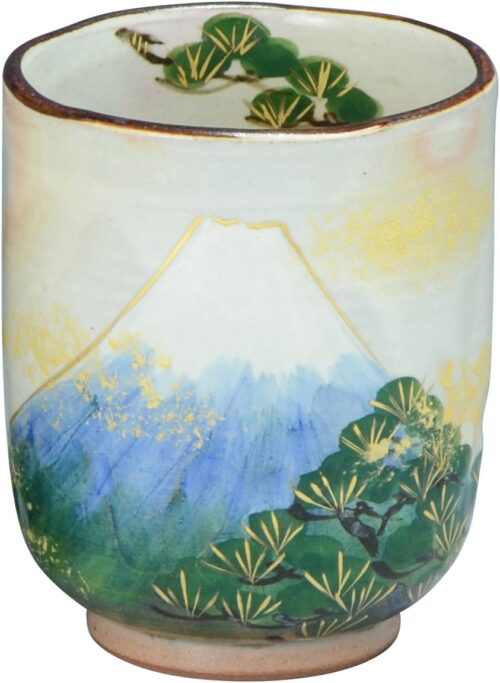
Kyō-yaki / Kiyomizu-yaki Yunomi — Shunzan-gama ‘Kisshō Fuji’ Cup from a Named Kyoto Kiln (¥2,745 / ≈$18 USD) [2026 Buyer’s Guide]

Kyō-yaki (京焼) and Kiyomizu-yaki (清水焼) are the named ceramic traditions of Kyoto — overlapping terms for the painted-porcelain wares produced in the city since the early Edo period. From Nonomura Ninsei's 17th-century Kyoto workshop through Ogata Kenzan's painted ceramics to today's hundreds of named kilns clustered in the Higashiyama hills around Kiyomizu-dera, the tradition is uncommonly continuous. This yunomi by Shunzan-gama (俊山窯) features the auspicious 'Kisshō Fuji' (吉祥富士, 'lucky Mount Fuji') motif — Mount Fuji with a rising sun, the most universally Japanese visual a foreign buyer can carry away. At ¥2,745 (≈$18 USD) it is the lowest-friction first piece of Kyoto pottery a foreign visitor can acquire. This guide walks through the 400-year arc from Nonomura Ninsei to modern Kiyomizu-zaka.
Aomori

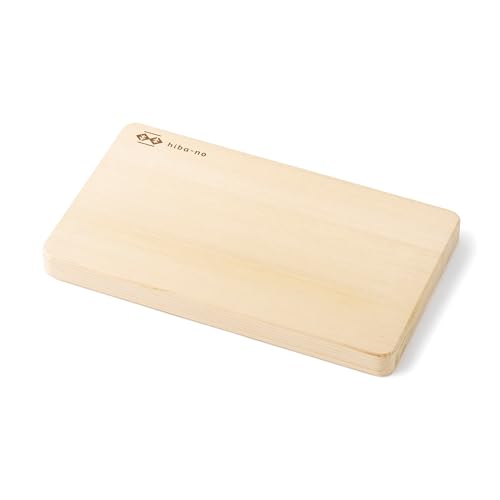
Aomori Hiba Cutting Board: Japan’s Antibacterial Kitchen Wood [2026]

The Aomori hiba cutting board pairs a naturally antibacterial Japanese cypress with everyday durability. A Tohoku-rooted look at why this wood from Japan's protected northern forests belongs beside a serious knife.
Japanese Craft
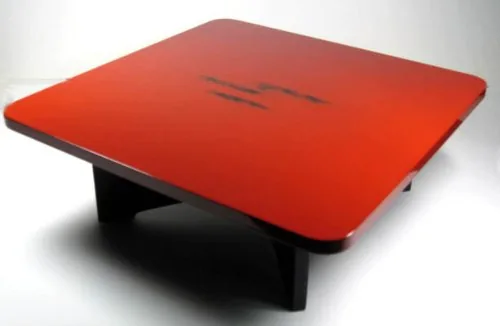
Kishu Negoro-nuri Lacquer Round Tray (Obon): Where to Buy [2026]

Wakayama's Kishu Shikki in the Negoro style layers vermilion urushi over black so it wears to reveal the dark base. A wood-based round serving tray rooted in Negoro-ji temple lacquerware.
Japanese Craft
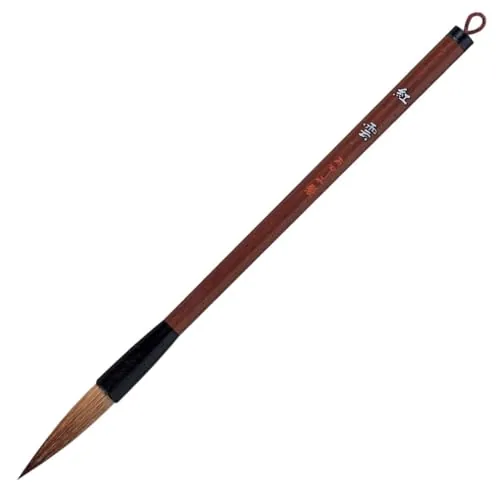
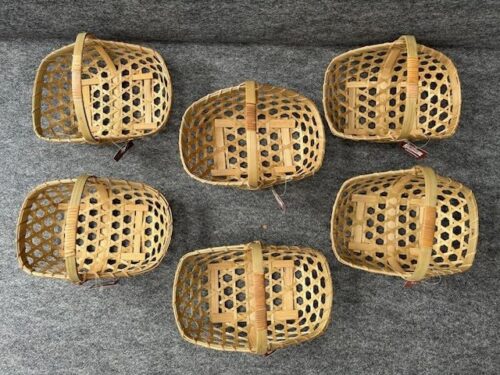
Beppu Bamboo Basket: Where to Buy Oita Takezaiku Woven Craft [2026]
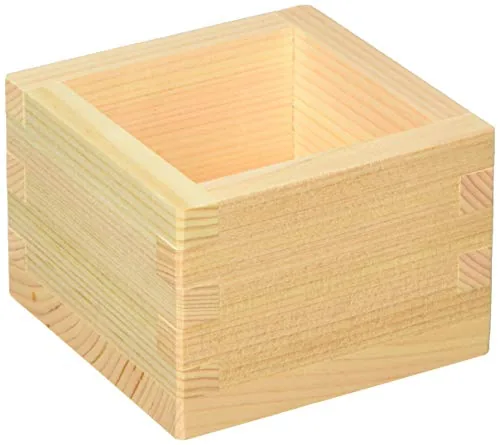
Beppu Takezaiku is Japan's only nationally designated bamboo craft, hand-woven from madake bamboo in Oita's hot-spring city. Here's where to buy an authentic woven basket.
Aichi

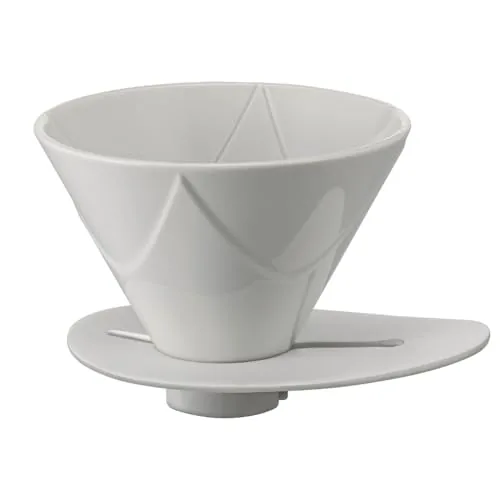
Seto-yaki Ceramic Coffee Dripper: Aichi’s Six-Kiln Pour-Over [2026]

Seto-yaki, the only glazed member of Japan's Six Ancient Kilns, shapes a ceramic pour-over dripper that carries a thousand years of Aichi pottery into daily brewing.
Japanese Craft
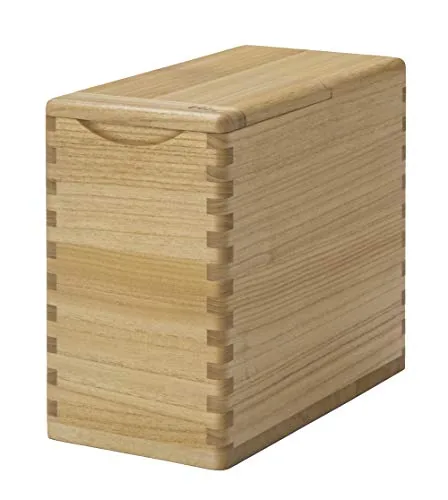
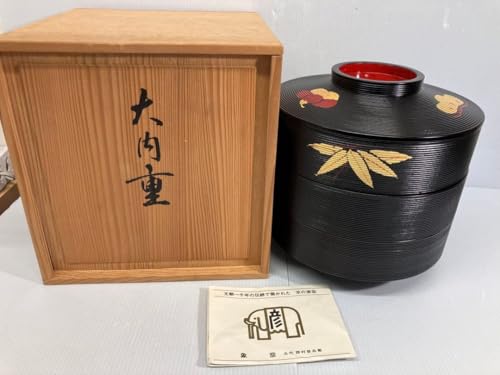
Kyo Shikki Makie Lacquer Jubako Stacking Box: Where to Buy [2026]

Kyoto's Kyo-shikki lacquer, refined in the old imperial capital, reaches its peak in maki-e gold-painted jubako stacking boxes for osechi and kaiseki dishes.
Japanese Craft
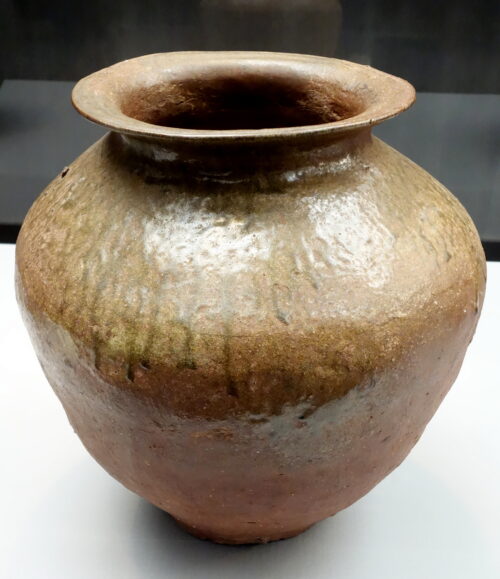
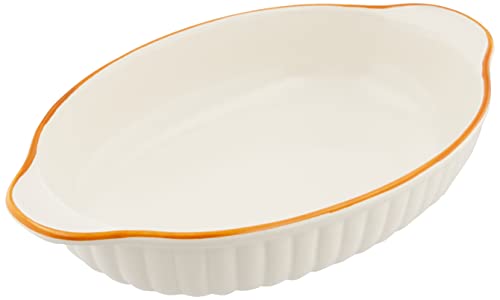
Yumachi Kiln Izumo Yellow-Glaze Egg Baker — Where to Buy [2026]

A Mingei-rooted egg baker from Shimane's Yumachi Kiln, where Fujina yellow glaze and Bernard Leach's influence meet the tea-country pottery of old Matsue.
Japanese Craft

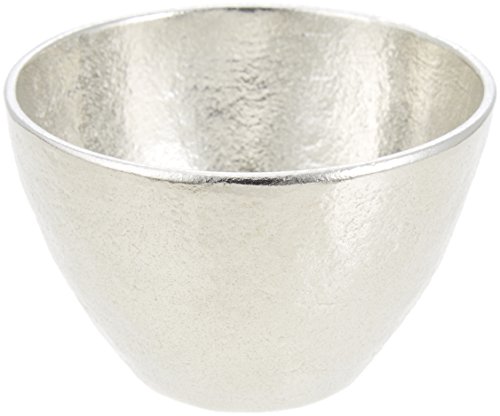
Nōsaku Gui-nomi Tin Sake Cup 90cc (501270, ¥3,927 / ≈$26 USD) — Sake in Tin, From Takaoka to Nara’s 1,300-Year Brewing Tradition [2026 Guide for International Readers]

The Nōsaku gui-nomi (model 501270, 90cc, 100% pure tin) is the smallest and most affordable entry into Nōsaku's tin tableware line — ¥3,927 (≈ $26 USD as of May 2026). But the small price hides a long story: tin sake vessels connect 17th-century Takaoka foundry tradition to a sake-brewing culture that traces back through Heian-period imperial Kyoto to Nara-period temple brewing in the 8th century. This guide walks through where the cup comes from, why tin specifically suits sake, and how to buy a 107g cup affordably from outside Japan.
Decor

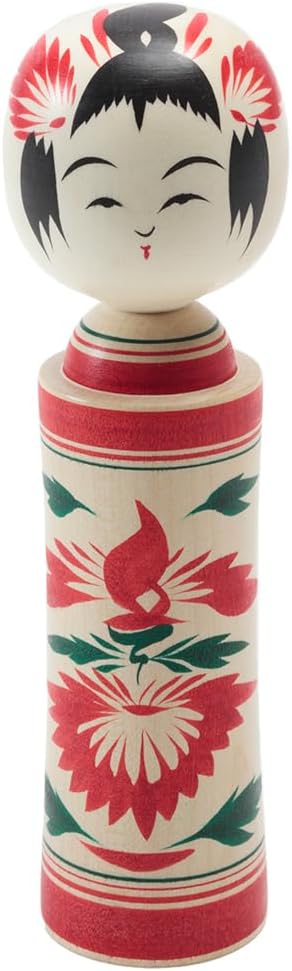
Naruko Kokeshi Doll ‘Kotohogi’ 7-Inch by Kyugetsu — Hand-Turned Wooden Folk Doll from Miyagi (¥5,500 / ≈$37 USD) [2026 Buyer’s Guide]

Naruko kokeshi (鳴子こけし) is the **wooden folk doll tradition of Naruko-onsen**, in Ōsaki City, northwestern Miyagi Prefecture — practiced continuously since the early Edo period (~1700s), when hot-spring travelers bought kokeshi as souvenirs at the Naruko onsen post-station. One of the **11 traditional kokeshi types** (each named after the onsen town that anchored its lineage). Designated METI Traditional Craft Product in 1981. Distinguished by **the unique 'squeak' (kishimi-oto キシミ音)** when the doll's head is rotated — only Naruko kokeshi have this articulated head feature. This **'Kotohogi' (寿ぎ, 'celebration') 7-inch kokeshi by Kyugetsu (久月)** — Japan's largest doll house, founded 1835 — is a modern Naruko-style kokeshi produced through partnership with Naruko craftspeople. At ¥5,500 (≈$37 USD) it sits in the entry tier. This guide walks through the 300-year arc.
Fukui

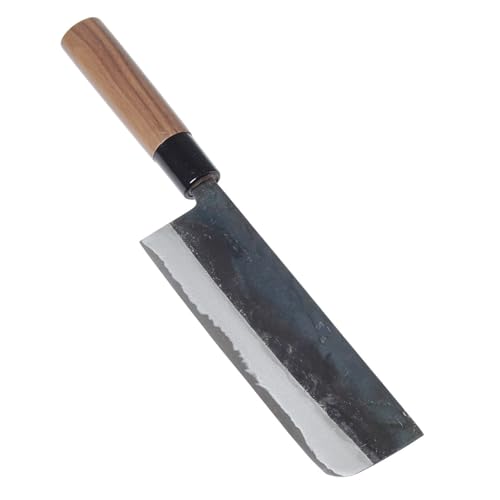
Echizen Uchihamono Kurouchi Nakiri Knife — Where to Buy [2026]

A hand-forged vegetable knife from Echizen, Fukui — Japan's first nationally designated cutlery craft. Carbon-steel kurouchi blade with a 700-year smithing lineage.
Japanese Craft

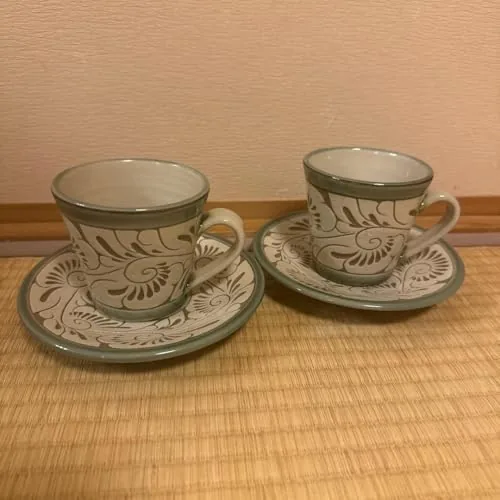
Yachimun Tsuboya Pottery Mug: Okinawa’s Ryukyu Kiln Craft Guide [2026]

Yachimun is Okinawa's Tsuboya pottery, shaped by the Ryukyu Kingdom's trading era. We cover its bold glazes, arabesque motifs, and where to buy a mug.
Japanese Craft

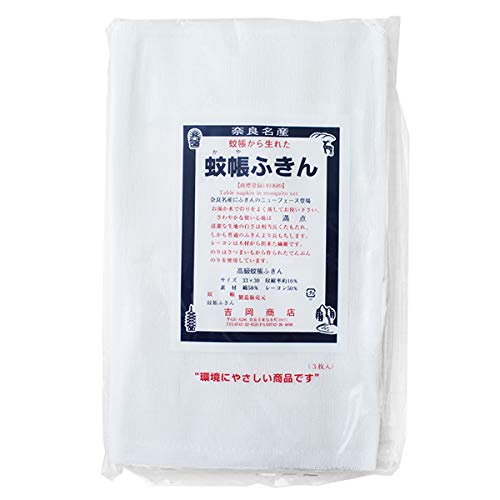
Omi Jofu Hemp Fukin: Shiga Linen Dish Cloth, Where to Buy [2026]

A ramie fukin from Shiga's Echi River valley, home of Omi Jofu, one of Japan's great summer hemp cloths—crisp, quick-drying, softer with each wash.
Decor

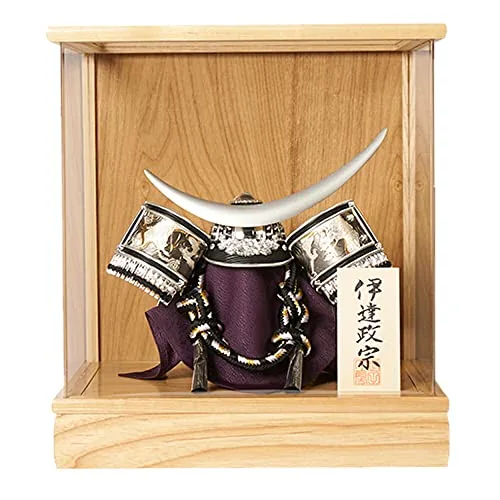
Iwatsuki Gogatsu-Ningyō Compact Kabuto Helmet — 380-Year Saitama Doll Tradition (¥29,800 / ≈$199 USD) [2026 Buyer’s Guide]

Iwatsuki ningyō (岩槻人形) is the **Japanese doll tradition of Iwatsuki** (now part of Saitama City) — practiced since the early Edo period (1640s onward) when artisans from Kyoto's doll district relocated to Iwatsuki to be closer to the Edo (Tokyo) market. **Iwatsuki produces approximately 50% of all Japanese hina-ningyō (Girls' Day) and gogatsu-ningyō (Boys' Day) dolls** — the densest single-region production of these ceremonial dolls in Japan. Designated METI Traditional Craft Product in 2007. This **Iwatsuki-Kinsei compact kabuto (helmet) gogatsu-ningyō**, sized for modern apartments (8-go format, with display case), commemorates Date Masamune's helmet. At ¥29,800 (≈$199 USD).
Japanese Craft

Odawara Chochin: Collapsible Washi Paper Lantern from Kanagawa [2026]

A hand-pasted washi-and-bamboo lantern that folds flat, the Odawara chochin once lit Edo travelers crossing the Hakone checkpoint on the Tokaido road.
Glass

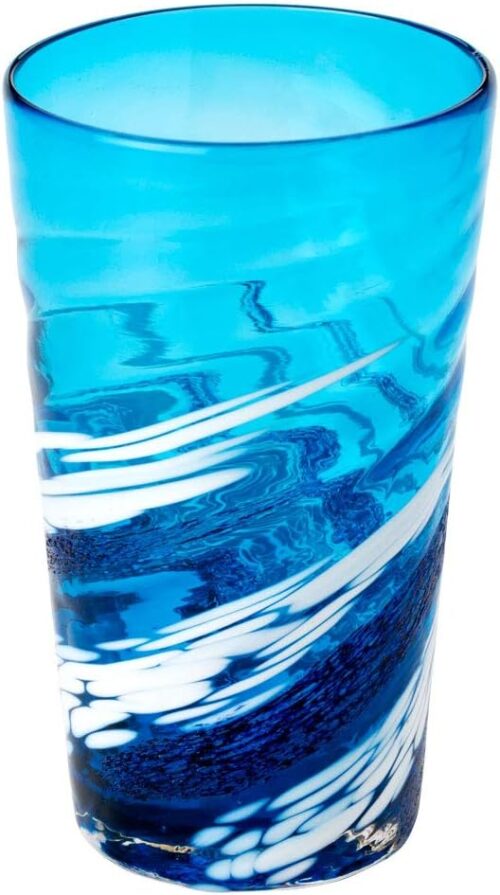
Ryūkyū Glass Aranami Cobalt Tumbler by Genka Genkichi — 450 ml Hand-Blown Okinawa Glass (¥5,288 / ≈$35 USD) [2026 Buyer’s Guide]

Ryūkyū glass (琉球ガラス) is the **hand-blown glass tradition of Okinawa** — born in the late Meiji era as a small craft, expanded dramatically after World War II by Okinawan glassblowers who recycled American military beer and soda bottles into hand-blown household ware. The result is glass with characteristic **air bubbles, vivid colors, and thick free-form shapes** unique to Okinawa. Designated **Okinawa Prefecture Traditional Craft** in 1998. **Genka Genkichi (源河源吉)** is one of the most respected modern Ryūkyū glass craftspeople, operating his own workshop in Okinawa. This **'Aranami' (荒波, 'rough waves') Series cobalt tumbler** is a 450 ml hand-blown highball-or-beer glass in his signature deep cobalt blue. At ¥5,288 (≈$35 USD) it is the practical entry to a real named-craftsperson Ryūkyū piece. This guide walks through the **80-year arc** from the postwar Okinawa-glass revival to today's named-craftsperson workshops.
Hokkaido

Otaru Glass Hand-Blown Tumbler: Where to Buy Hokkaido Glasswork [2026]

Otaru's hand-blown glass grew from herring-port lamp and float making into delicate drinkware. This guide explains where to buy an authentic Hokkaido glass tumbler and what sets Otaru's blown work apart.
Japanese Craft

Shinshu Uchihamono Nata: Hand-Forged Japanese Hatchet Guide [2026]

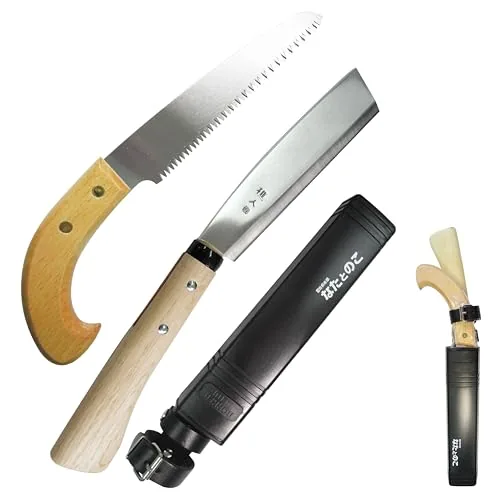
Forged in Nagano's Shinshu blade district, the single-bevel nata is a laminated carbon-steel hatchet built for splitting kindling, bushcraft and garden work. Here is where to buy an authentic Shinshu Uchihamono nata and how to choose one.
Aichi

Toyohashi Fude: Aichi’s Hand-Blended Calligraphy Brush [2026]

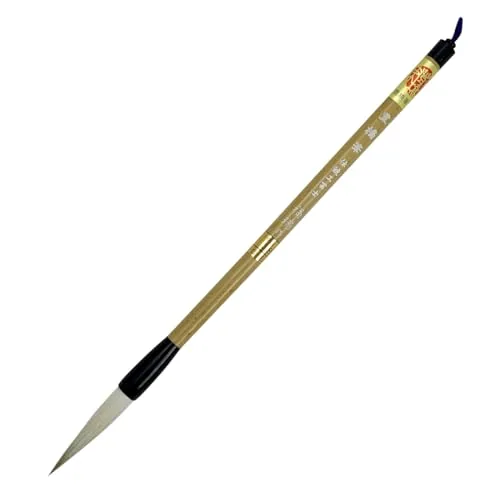
Toyohashi in Aichi is one of Japan's three great brush towns, prized for hand-blended animal-hair calligraphy brushes. Here is where to buy a quality writing brush and how it differs from Kumano and Nara fude.
Japanese Craft

Kiso Hinoki Cutting Board — Nagano Cypress Woodwork Guide [2026]

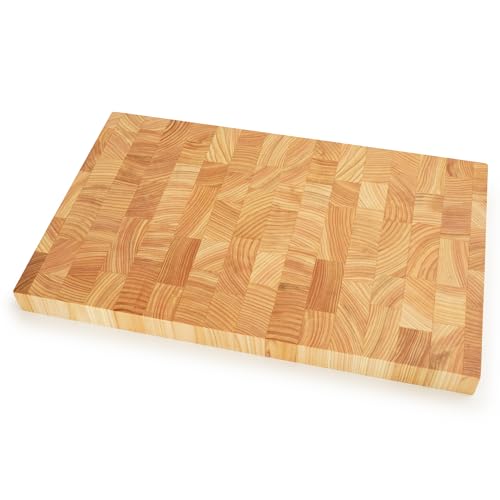
A single-piece Kiso hinoki cutting board brings Owari-domain cypress into the kitchen — light, water-shedding, gentle on knife edges, and naturally resistant to odor.
Japanese Craft

Ise-Katagami Stencil: Suzuka’s Hand-Carved Komon Dyeing Paper from Mie [2026]

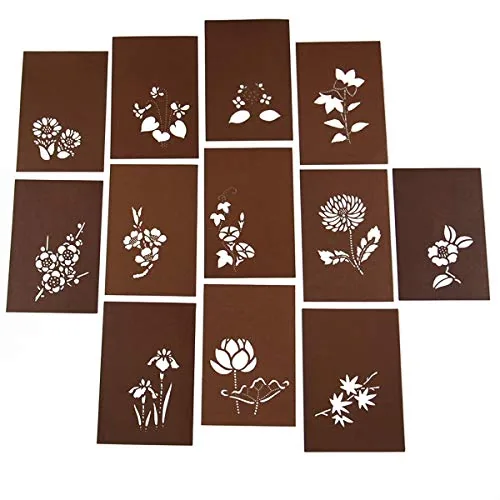
Ise-katagami are the persimmon-tanned washi stencils that gave Japan its komon and yuzen patterns. Hand-carved in Suzuka, Mie for centuries, framed katagami panels now hang as quietly graphic wall art. Here is where to buy them and why Mie holds this craft.
Japanese Craft

Akashiya Nara Fude Calligraphy Brush, From the Old Capital [2026]

A traditional Nara calligraphy brush from Akashiya, a brushmaker rooted in Japan's first capital—with notes on hair grades, sizes, and where US readers can buy one.
Iwate

Iwayado Tansu: Iwate Iron-Hardware Zelkova Chest, Where to Buy [2026]

Iwayado Tansu pairs honey-toned zelkova and lacquer with hand-forged iron hardware, a chest-making craft born in the Oshu Fujiwara's Hiraizumi and refined under Edo-era patronage in Iwate's Esashi.
Japanese Craft

Kamo Kiri Paulownia Rice Container: Echigo Woodwork Storage Box [2026]

From Kamo in Niigata, where artisans make roughly 70% of Japan's paulownia chests, comes a kiri-wood rice bin. Lightweight, moisture-regulating, and insect-resistant wood keeps rice fresh the traditional Echigo way.
Aichi

Tokoname-yaki Kyusu Teapot — Kitsusako ‘Rasen’ Spiral 330ml with Latest Ceramic Strainer (¥4,180 / ≈$28 USD) [2026 Buyer’s Guide]

Tokoname-yaki (常滑焼) is the 1,000-year-old pottery of Tokoname, in central Aichi Prefecture — one of the **Six Old Kilns (Nihon Rokkoyō, 日本六古窯)**, designated METI Traditional Craft Product in 1976, and Japan's most internationally-recognized teapot-producing region. The iron-rich clay of Chita Peninsula fires to deep red-brown 'shudei (朱泥)' or dark 'kokudei (黒泥)' tones; the resulting kyusu (急須, side-handled Japanese teapot) is the canonical vessel for brewing sencha green tea. This 'Rasen' (螺旋, 'spiral') kyusu from Kitsusako is a 330 ml dark-grey kokudei piece with an integrated ceramic strainer fine enough for the most delicate fukamushi-cha (deep-steamed sencha). At ¥4,180 (≈$28 USD) it is the practical entry point to a real Tokoname kyusu, well-priced for an international tea enthusiast. This guide walks through the 1,000-year arc from medieval ash-glazed jars to the 19th-century shudei revolution.
Next page