neukyosuke

Hyogo
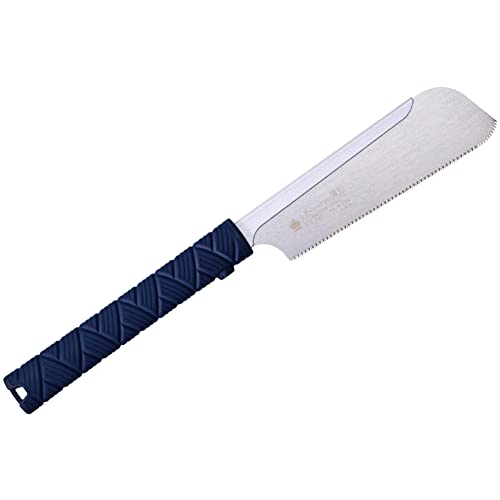
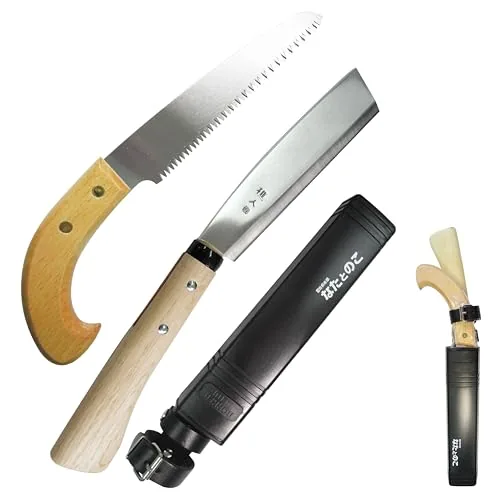
Gyokucho Razorsaw Ryoba: Banshu Miki Japanese Pull Saw Guide [2026]

A double-edged ryoba pull saw from Hyogo's Banshu Miki blacksmith tradition, cutting on the pull stroke for thin, clean kerfs. Where to buy this Japanese woodworking saw and why its steel earns its reputation.
Fukuoka

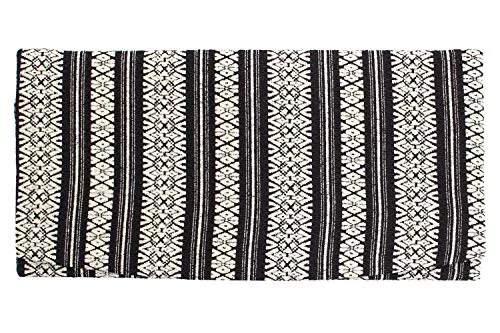
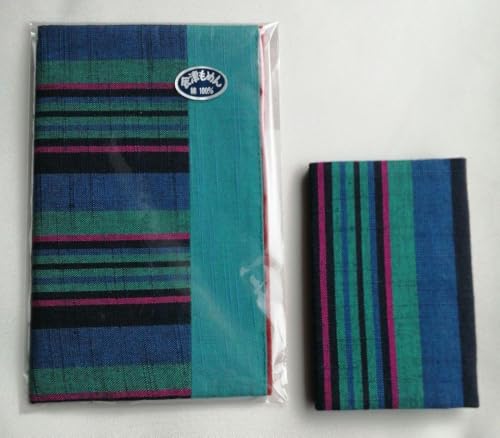
Hakata-ori Silk Gamaguchi Coin Purse: Where to Buy the Kenjo Weave [2026]

A firm, crisp silk coin purse woven in Fukuoka's 800-year Hakata-ori tradition, carrying the kenjo-gara stripe once presented to the shogunate. Why this gamaguchi rewards everyday use.
Japanese Craft

Senshu Towel Guide — Osaka Atozarashi Cotton Bath Towels [2026]

Senshu towels from Izumisano in southern Osaka—the birthplace of Japan's towel industry—use post-weave atozarashi bleaching, so the cotton drinks water from the very first wash.
Japanese Craft

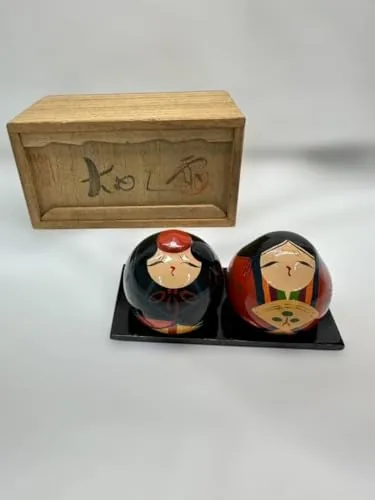
Ouchi-Nuri Lacquer Dolls: Yamaguchi’s Ouchi-Ningyo Pair to Buy [2026]

From Yamaguchi, once the 'Kyoto of the West,' Ouchi-nuri lacquer dolls pair a vermilion ground with gold autumn grasses and the Ouchi diamond crest.
Japanese Craft

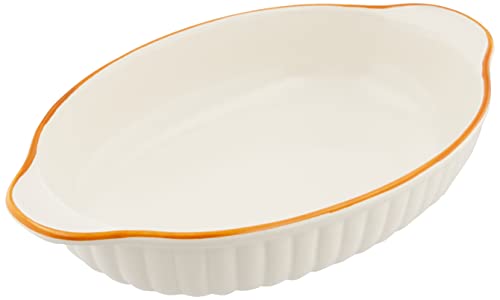
Yumachi Kiln Izumo Yellow-Glaze Egg Baker — Where to Buy [2026]

A Mingei-rooted egg baker from Shimane's Yumachi Kiln, where Fujina yellow glaze and Bernard Leach's influence meet the tea-country pottery of old Matsue.
Aichi

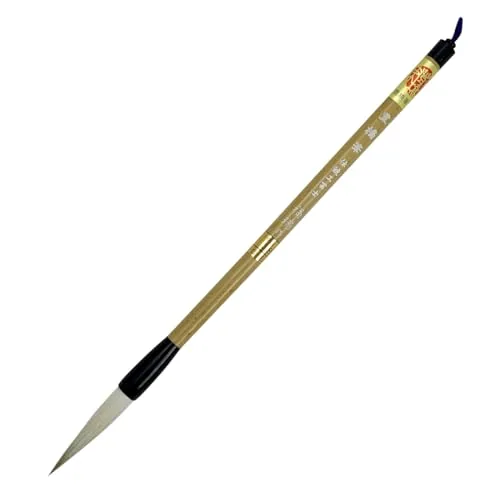
Toyohashi Fude: Aichi’s Hand-Blended Calligraphy Brush [2026]

Toyohashi in Aichi is one of Japan's three great brush towns, prized for hand-blended animal-hair calligraphy brushes. Here is where to buy a quality writing brush and how it differs from Kumano and Nara fude.
Ceramics

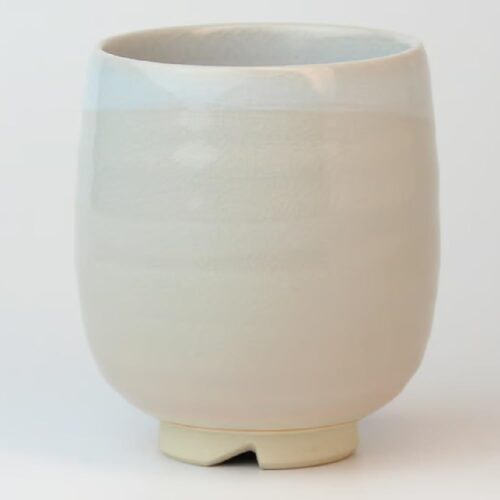
Hagi-yaki ‘Hime-Tsuchi’ Yunomi by Tsubakishu-Gama — 425-Year Yamaguchi Tea-Ceremony Pottery (¥3,650 / ≈$24 USD) [2026 Buyer’s Guide]

Hagi-yaki (萩焼) is the **tea-ceremony pottery of Hagi**, in northern Yamaguchi Prefecture — practiced continuously since 1604 when Mori Terumoto, lord of the Chōshū domain, brought Korean potters Lee Chakkō and Lee Kō to Hagi. Designated METI Traditional Craft Product in 2002. Distinguished by **soft pinkish-cream glazes and 'kannyū' (vein-crackle) patterns** that absorb tea over years of use — 'Hagi no nanabake' (萩の七化け, 'Hagi's seven transformations') describes how a Hagi piece visibly changes color through use. Ranked second behind Raku-yaki in the tea-master saying 'Ichi Raku, Ni Hagi, San Karatsu' (raku first, hagi second, karatsu third). This 'Hime-Tsuchi' (姫土, 'princess clay') 280 ml round yunomi by Tsubakishu-Gama (椿秀窯) at ¥3,650.
Japanese Craft

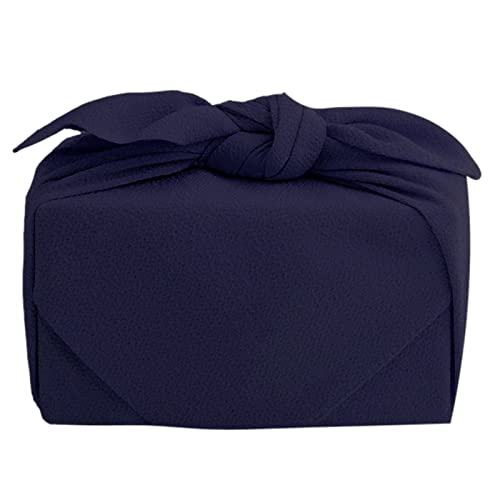
Kyo-Yuzen Furoshiki: Kyoto Wrapping Cloth, Where to Buy [2026]

A Kyoto Yuzen-dyed furoshiki turns one square of cloth into reusable gift wrap, a bento cover, or a carry bag, rooted in centuries of merchant-era wrapping culture.
Japanese Craft

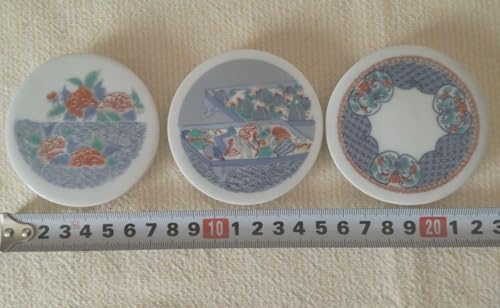
Imari Nabeshima Iro-Nabeshima Porcelain Plate: The Shogun’s Secret-Kiln Ware, Where to Buy [2026]

Iro-Nabeshima was the porcelain the Nabeshima clan made only as gifts for the shogun, fired behind guarded gates at Okawachiyama. This small overglaze plate carries that comb-foot, three-color tradition to a modern table.
Hyogo
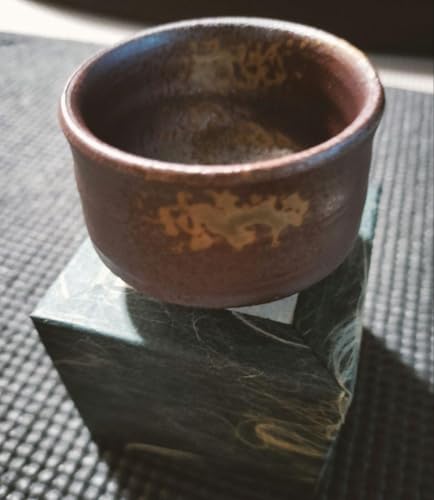
Tamba Tachikui-yaki Guinomi Sake Cup: Ash-Glazed Six-Kiln Ware [2026]

Tamba Tachikui-yaki is one of Japan's Six Ancient Kilns, fired in Sasayama, Hyogo for over 800 years. This guinomi carries the wood-fired natural ash glaze that defines the tradition.
Japanese Craft

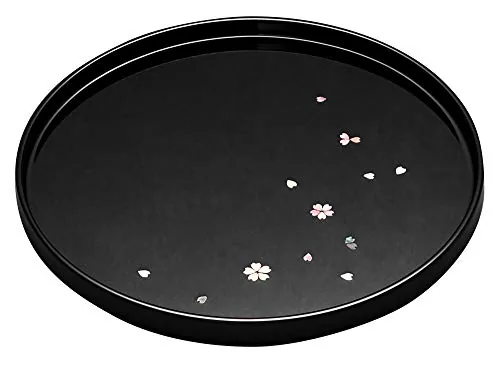
Nara Shikki Raden Lacquer Tray: Mother-of-Pearl Yamato Lacquerware, Where to Buy [2026]

Nara Shikki revives the raden mother-of-pearl inlay technique preserved in Todaiji's Shosoin treasures. This hand-lacquered tray sets shimmering shell against deep urushi black, a quiet heirloom from Japan's first capital.
Japanese Craft

Shinshu Uchihamono Nata: Hand-Forged Japanese Hatchet Guide [2026]

Forged in Nagano's Shinshu blade district, the single-bevel nata is a laminated carbon-steel hatchet built for splitting kindling, bushcraft and garden work. Here is where to buy an authentic Shinshu Uchihamono nata and how to choose one.
Fukushima

Aizu Momen Cotton Pouch: Fukushima’s Samurai-Era Striped Cloth [2026]

Woven in Aizu for over four centuries, this indigo-striped cotton pouch carries the sturdy everyday craft of a former Fukushima castle town into modern hands.
Japanese Craft

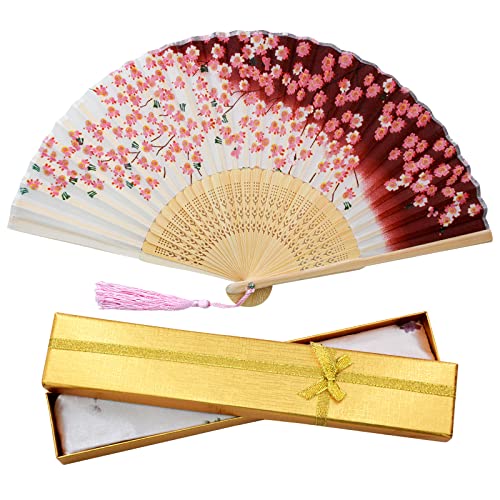
Kyo Sensu Folding Fan — Kyoto Silk Hand Fan Where to Buy [2026]

The folding fan was invented in Heian-era Kyoto, and Kyo Sensu still carries that courtly refinement—here is how to find an authentic silk hand fan.
Japanese Craft

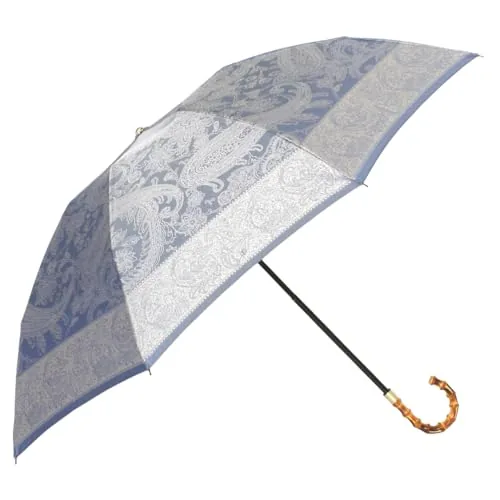
Makita Shoten Koshu-ori Jacquard Parasol: Fujiyoshida Gunnai Silk [2026]

A densely woven jacquard parasol from Yamanashi's Gunnai weaving district, heir to Edo-era Kaiki lining silk. Makita Shoten's two-ply Koshu-ori fabric blocks UV and shrugs off rain in one frame.
Ibaraki

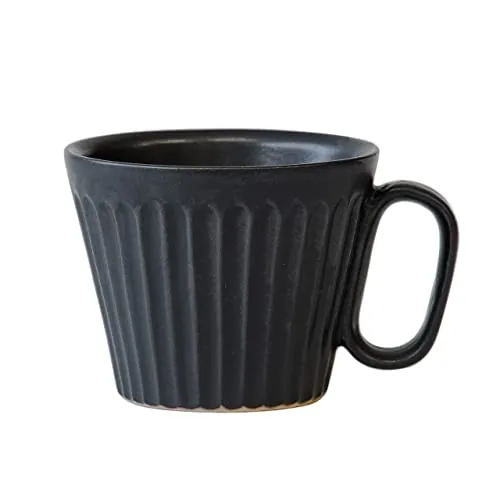
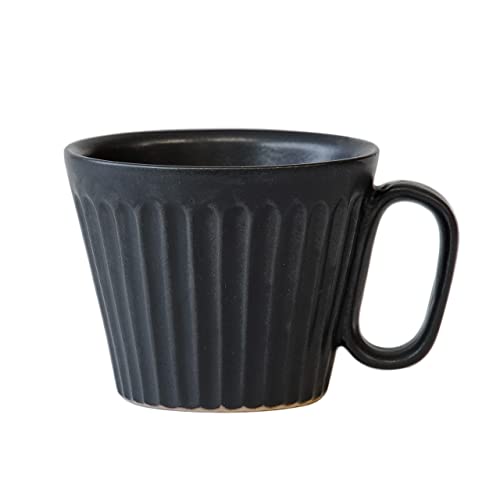
Kasama Yaki Pottery Mug: Ibaraki’s Free-Spirited Stoneware [2026]

Kasama is the Kanto region's oldest pottery town, born under Mito domain patronage. This everyday Ibaraki stoneware mug carries warm, glaze-rich character with no fixed style—the freedom that defines Kasama yaki.
Japanese Craft

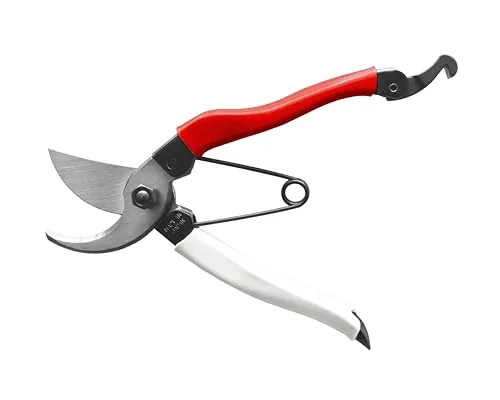
Okatsune Pruning Shears (Yasugi Steel, Shimane): Where to Buy in 2026

Forged in Yasugi, the heart of Izumo's thousand-year tatara steel tradition, Okatsune's bypass secateurs cut clean and stay sharp. A quiet evergreen tool that gardeners abroad keep returning to.
Ceramics

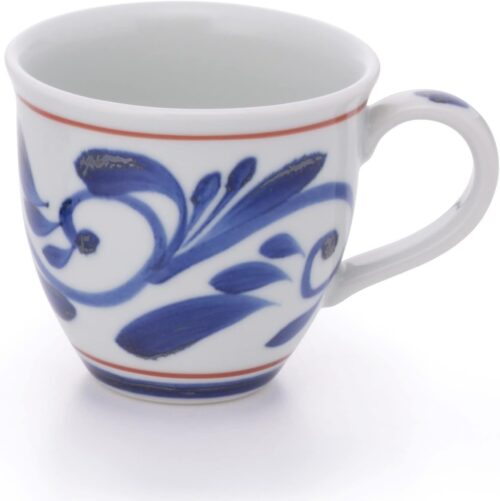
Tobe-yaki ‘Akasen Karakusa’ Mug by Senzan-Gama — 250-Year Ehime Porcelain Tradition (¥2,482 / ≈$17 USD) [2026 Buyer’s Guide]

Tobe-yaki (砥部焼) is the **white porcelain tradition of Tobe Town**, in central Ehime Prefecture on Shikoku — practiced continuously since 1777 when potter Sugino Sannosuke developed the technique using local 'tobe-tsuchi' kaolin. Designated METI Traditional Craft Product in 1976. Distinguished by **thick rugged white-porcelain bodies with bold cobalt-blue 'karakusa' (arabesque-vine) underglaze patterns** — sturdier and more rustic than refined Arita/Imari. The Tobe aesthetic is mingei-influenced. This 'Akasen Karakusa' (red-line arabesque) round mug by Senzan-Gama (千山) at ¥2,482.
Education

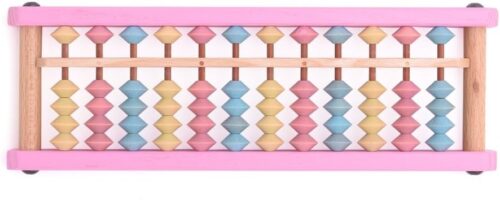
Banshū Soroban Abacus (12-Column Pastel) by Daiichi — 200-Year Hyōgo Abacus Tradition (¥2,687 / ≈$18 USD) [2026 Buyer’s Guide]

Banshū soroban (播州そろばん) is the **abacus tradition of Ono City**, in southwestern Hyōgo Prefecture — produced continuously since approximately 1830 when Banshū craftspeople refined the technique that made the region Japan's dominant abacus producer. **Banshū produces approximately 70% of all Japanese abacus**. Designated METI Traditional Craft Product in 1976. This 12-column pastel-colored 'play soroban' by Daiichi is sized for children learning the abacus. At ¥2,687 (≈$18 USD).
Ceramics

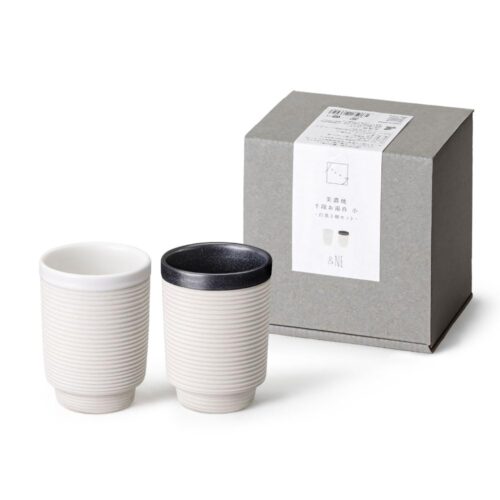
Mino-yaki Sendan Yunomi Pair by &NE — White-and-Black Modern Minimalist Cups from Japan’s Largest Pottery Region (¥2,588 / ≈$17 USD) [2026 Buyer’s Guide]

Mino-yaki (美濃焼) is the **largest pottery tradition in Japan by production volume** — producing approximately **50-60% of all Japanese ceramic tableware**. Centered in Tajimi and Toki cities in southeastern Gifu Prefecture, Mino-yaki has been produced continuously since the 7th century, with named historical styles including Setoguro, Shino, Oribe, and Kiseto. Designated METI Traditional Craft Product in 1978. This **sendan-style pair yunomi** by **&NE (and ne)** — a modern Mino-yaki brand — uses the canonical sendan-mon (千段紋, 'thousand-line') ridge texture in a black-and-white 'Hare to Ke' (晴れとケ, 'formal and everyday') pairing. At ¥2,588 (≈$17 USD) it sits in the impulse-purchase tier for real Mino-yaki. This guide walks through the **1,300-year arc** from the Heian-era Sue ware to today's modern brands.
Japanese Craft

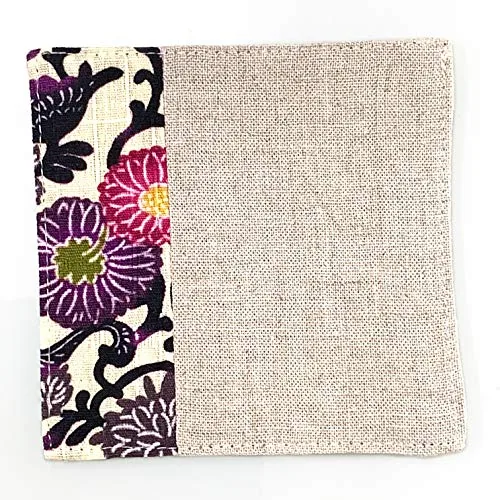
Ryukyu Bingata Coaster Set: Okinawa’s Royal Stencil-Dyed Textile, Where to Buy [2026]

Bingata is the vivid paste-resist stencil dyeing once reserved for Ryukyu royalty. This coaster set brings Okinawa's tropical color tradition to the table, hand-dyed in Shuri.
Ceramics

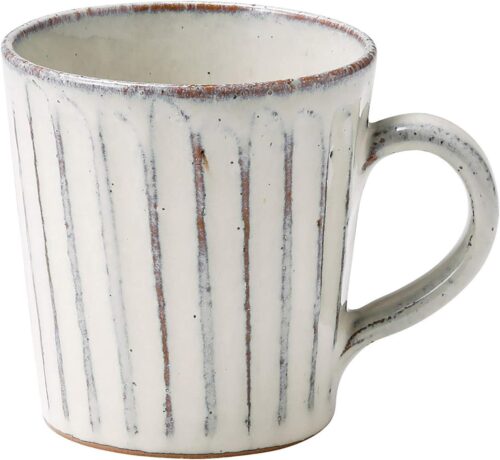
Shigaraki-yaki ‘Hechimon’ Mug by Marui Seitou — 1,250-Year Six-Old-Kiln Stoneware from Shiga (¥2,300 / ≈$15 USD) [2026 Buyer’s Guide]

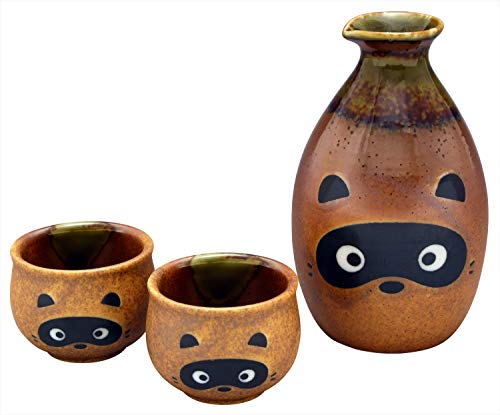
Shigaraki-yaki (信楽焼) is the **stoneware tradition of Shigaraki**, in southern Shiga Prefecture — one of the **Six Old Kilns (Nihon Rokkoyō, 日本六古窯)** that anchor Japanese ceramic history, with continuous production since approximately the 8th century (Nara period). Internationally famous for the **tanuki (raccoon-dog) statue** — the comical sake-loving folk figure that decorates restaurant entrances across Japan — but Shigaraki's serious work is the unglazed reduction-fired stoneware in the tea-ceremony tradition. Designated METI Traditional Craft Product in 1976. This **'Hechimon' mug by Marui Seitou (丸伊製陶)** features a white-glaze carved (hori) surface on a 330ml mug body. At ¥2,300 (≈$15 USD) it sits in the impulse-purchase tier for real Shigaraki. This guide walks through the **1,250-year arc** from Nara-era tile production to today's named Shigaraki workshops.
Japanese Craft

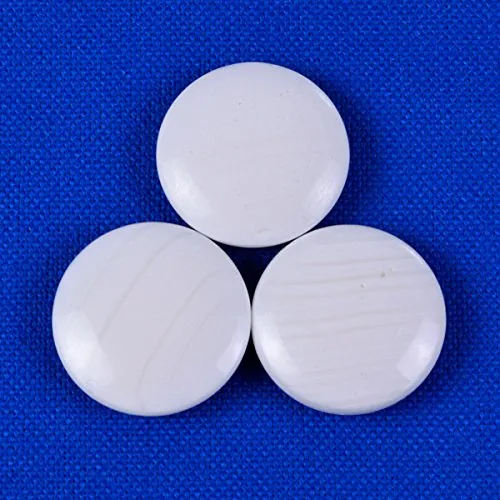
Hyuga Hamaguri Clam Shell Go Stones: Miyazaki’s White Igo Set [2026]

From the clam-rich coast of Hyuga in Miyazaki come Japan's finest white go stones, sliced from thick hamaguri shells and paired with Nachiguro slate for a complete igo set.
Japanese Craft

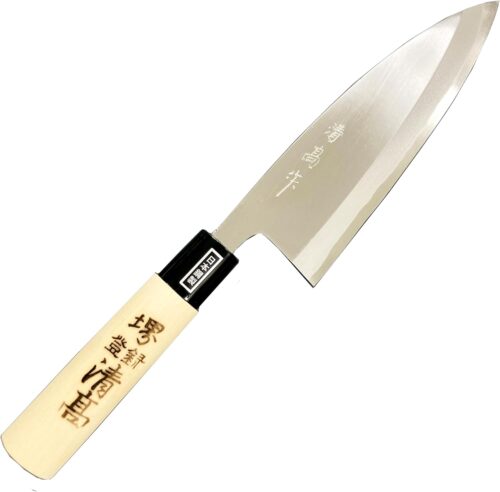
Sakai Deba Knife by Takumi-Saku ‘Seikō-jirushi’ — Single-Bevel 180mm Hand-Forged Japanese Steel (¥9,580 / ≈$64 USD) [2026 Buyer’s Guide]

Sakai uchihamono (堺打刃物) is the **single-bevel forged-blade tradition of Sakai, Osaka** — Japan's most important professional-knife forging town since the 16th century. Designated METI Traditional Craft Product in 1982. Sakai-forged blades dominate the Japanese professional kitchen: **roughly 90% of all single-bevel knives used by professional Japanese chefs come from Sakai**. This deba (出刃) — the single-bevel fish-cleaver knife — by Takumi-Saku 'Seikō-jirushi' is a 180 mm hand-forged Japanese-steel piece at ¥9,580. The deba is the canonical Japanese fish-prep knife, used to break down whole fish into fillets. This guide walks through the **450-year arc from Sakai's gun-barrel forging origins to today's named-workshop tradition**, and how it complements (or differs from) the Echizen-Saji two-bevel santoku we covered earlier.
Japanese Craft

Shodai-yaki Nagashigake Guinomi: Kumamoto Folk Sake Cup [2026]

A Shodai-yaki guinomi from northern Kumamoto: nagashi-gake straw-ash streaks poured over an iron-dark stoneware body, the rustic Higo folk pottery rooted in the Hosokawa domain.
Ibaraki

Kasama-yaki Mug: Handmade Ibaraki Pottery Coffee Cup Guide [2026]

Kasama-yaki is Ibaraki's free-spirited stoneware, born in the 1770s from Shigaraki roots and now eastern Japan's most open-minded pottery hub. A guide to its handmade mugs.
Japanese Craft

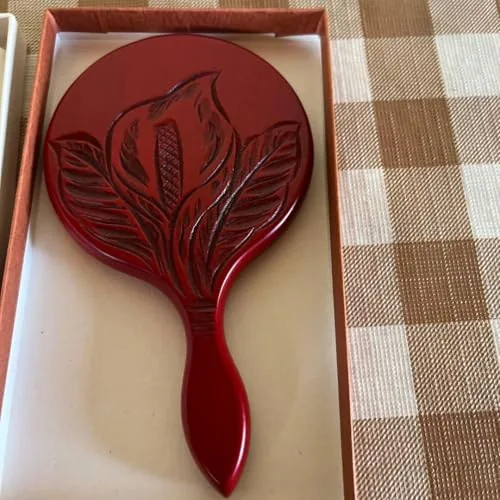
Nikko-bori Carved Lacquer Hand Mirror: Tochigi Peony Te-kagami, Where to Buy [2026]

Born from the master carvers who built Nikko Toshogu, Nikko-bori lacquerware uses the signature hikkaki gouge to raise peony reliefs. A guide to buying an authentic carved hand mirror.
Japanese Craft

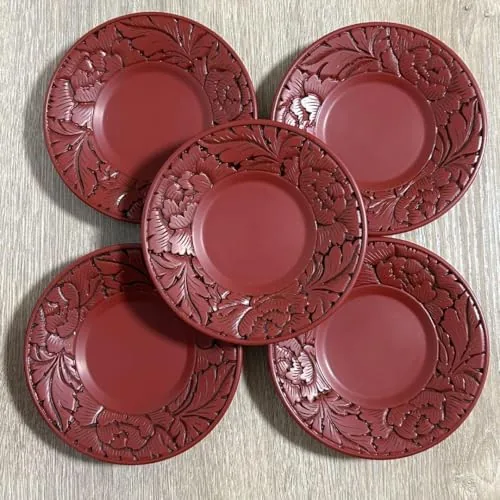
Murakami Kibori Tsuishu Carved Lacquer Tea Saucer (Chataku): Where to Buy [2026]

Murakami Kibori Tsuishu is Niigata's carved-and-lacquered wood craft, where the grain is chiseled before layer upon layer of urushi is built up. This chataku tea saucer brings a castle-town heirloom under your teacup.
Japanese Craft

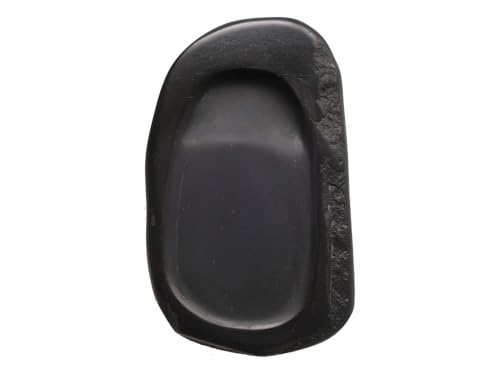
Amehata Suzuri Inkstone: Yamanashi Slate for Calligraphy [2026]

Quarried in Yamanashi's Hayakawa valley since the 1300s, Amehata suzuri is a dense, fine-grained slate inkstone that grinds sumi smoothly and holds ink without drying, made for calligraphy and sumi-e.
Ishikawa

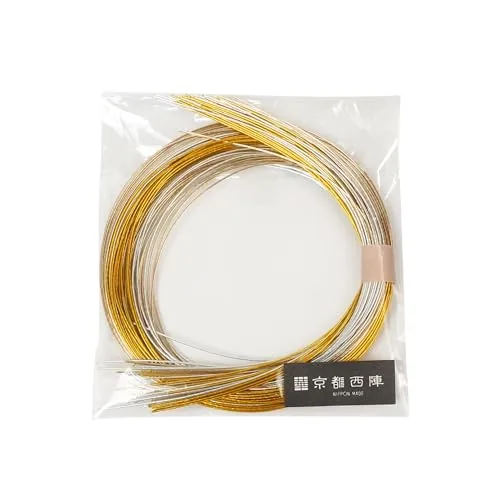
Kaga Mizuhiki Knot Ornament: Where to Buy Kanazawa’s Paper Cord Art [2026]

Kaga Mizuhiki turns twisted washi cords into sculptural three-dimensional knots, a Kanazawa gift-culture craft refined under the Maeda clan. Here is what to know before buying an authentic decorative ornament set.
Japanese Craft

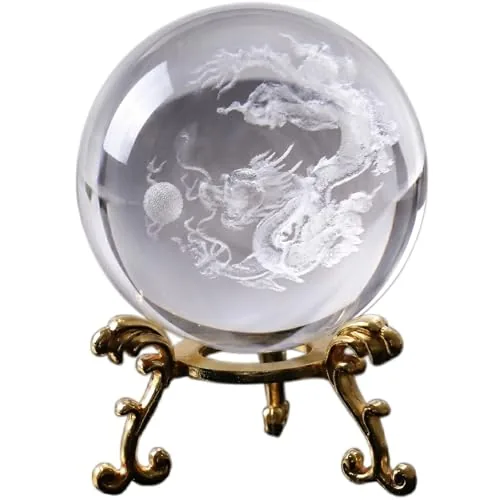
Koshu Crystal Hand-Polished Sphere: Yamanashi Suisho Okimono Where to Buy [2026]

A hand-polished clear-quartz sphere from Kofu, Yamanashi — heart of Japan's only historic crystal-mining district and its jewelry capital. Centuries of gem-polishing craft (kessho kenma) in one flawless desk okimono with a turned wooden stand.
Japanese Craft

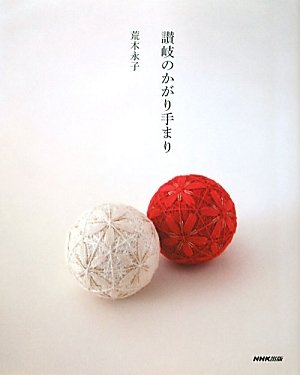
Sanuki Kagari Temari: Kagawa Hand-Stitched Thread Ball, Where to Buy [2026]

Sanuki Kagari Temari are decorative thread balls hand-embroidered in Kagawa with plant-dyed cotton, geometric pattern by pattern. A heritage gift craft born in the Takamatsu domain, now a collectible objet for the shelf or display stand.
Japanese Craft

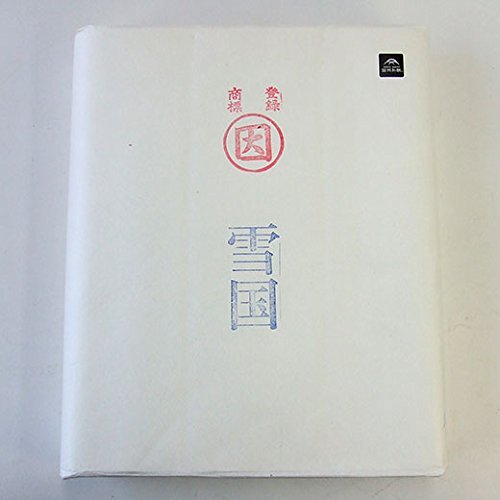
Inshu Washi Shodo Calligraphy Paper from Tottori: Where to Buy [2026]

Tottori's Inshu Washi has been Japan's standard shodo calligraphy paper since the 8th century — light, even ink absorption born of the Sendai River valley.
Hyogo
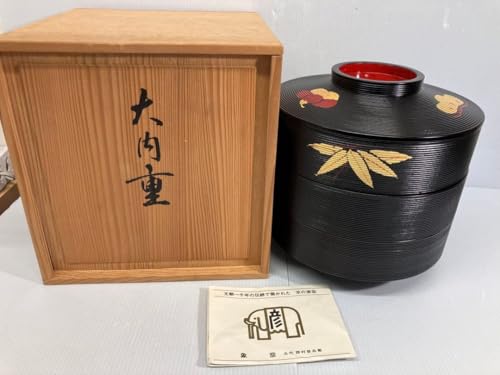
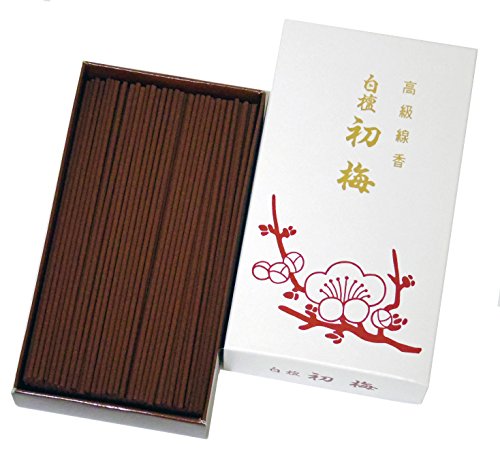
Awaji-ko Sandalwood Incense Sticks: Where to Buy Japan’s Senko [2026]

Awaji Island has perfumed Japan since agarwood drifted ashore in 595 AD. Here's where US readers can buy Awaji-ko sandalwood incense sticks worth burning.
Japanese Craft

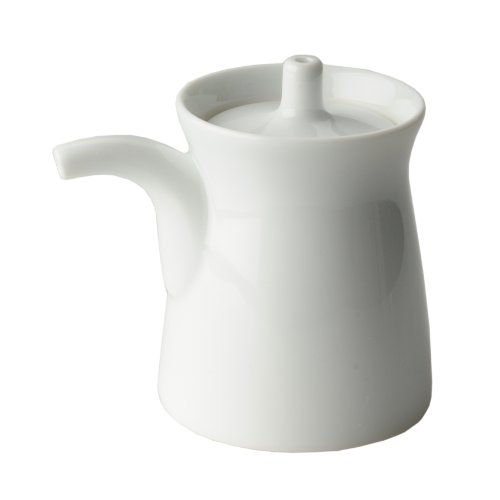
Hakusan Hasami-yaki G-Type Soy Sauce Dispenser: Where to Buy [2026]

A 1958 Masahiro Mori design still made in the 400-year porcelain town of Hasami, Nagasaki. The non-drip G-Type cruet is a Good Design classic that put Kyushu everyday porcelain on the modern table.
Japanese Craft

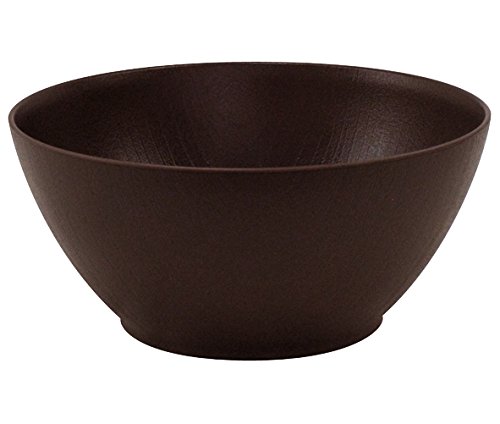
Odawara Hikimono Turned Wooden Bowl: Where to Buy Sonobe Meguru [2026]

Odawara hikimono is one of Japan's oldest woodturning traditions, born in the Hojo castle town beside Hakone's forests. Sonobe Sangyo's lathe-turned, urushi-finished zelkova bowls bring that craft to the daily table.
Japanese Craft

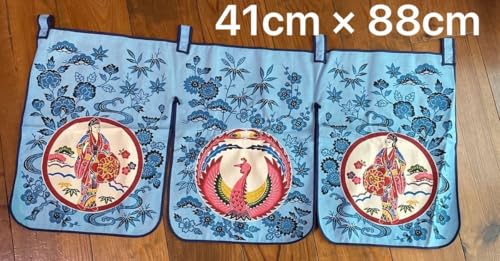
Ryukyu Bingata Noren: Where to Buy Okinawa’s Dyed Door Curtain [2026]

A Ryukyu Bingata noren carries Okinawa's vivid stencil-dyed motifs—hibiscus, waves, and birds—to your doorway. Here is where to buy one and what to weigh first.
Japanese Craft

Kyo Shikki Makie Lacquer Jubako Stacking Box: Where to Buy [2026]

Kyoto's Kyo-shikki lacquer, refined in the old imperial capital, reaches its peak in maki-e gold-painted jubako stacking boxes for osechi and kaiseki dishes.
Hiroshima

Bingo Kasuri Indigo Cotton Kinchaku Pouch: Where to Buy Hiroshima’s Heirloom Ikat [2026]
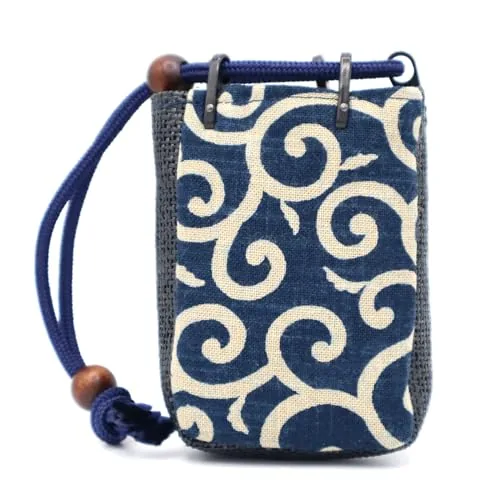
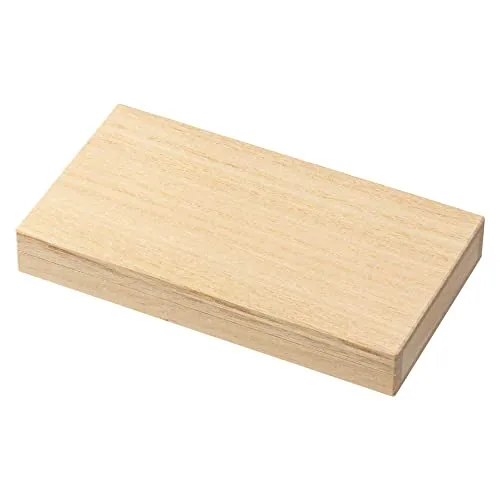
A drawstring kinchaku pouch woven from Bingo Kasuri, the indigo cotton ikat of eastern Hiroshima counted among Japan's three great kasuri. Resist-tied warp and weft yarns bloom into the soft, blurred white patterning that once clothed a whole region.
Japanese Craft

Kasukabe Kiri Paulownia Wood Accessory Box: Saitama Woodwork Buying Guide [2026]

Kasukabe's nationally designated paulownia (kiri) woodwork turns Saitama's lightest wood into a moisture-regulating, fire-resistant box—ideal for storing kimono accessories, documents, and valuables for generations.
Next page