Oita
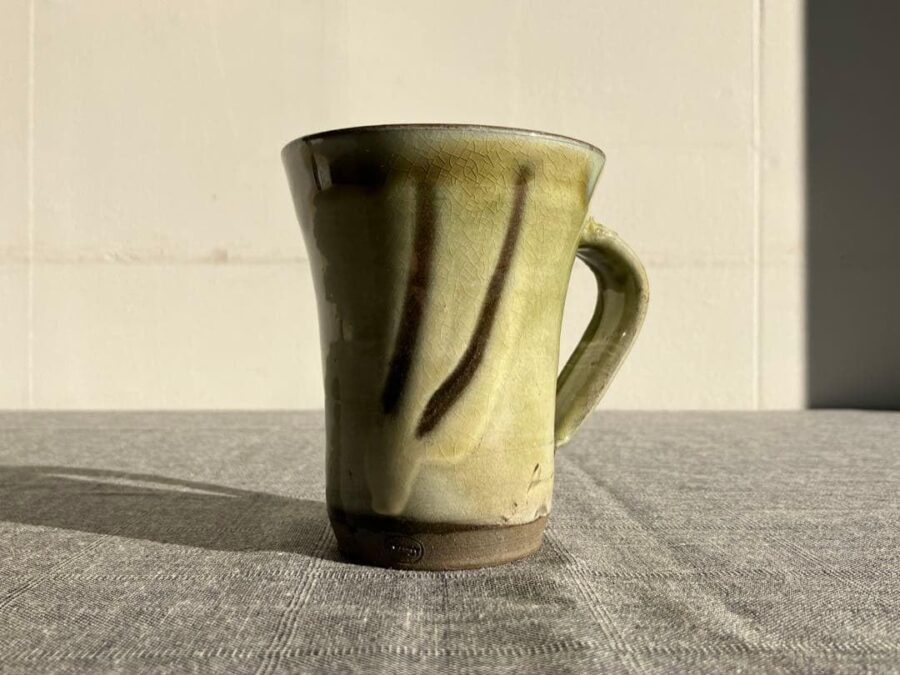
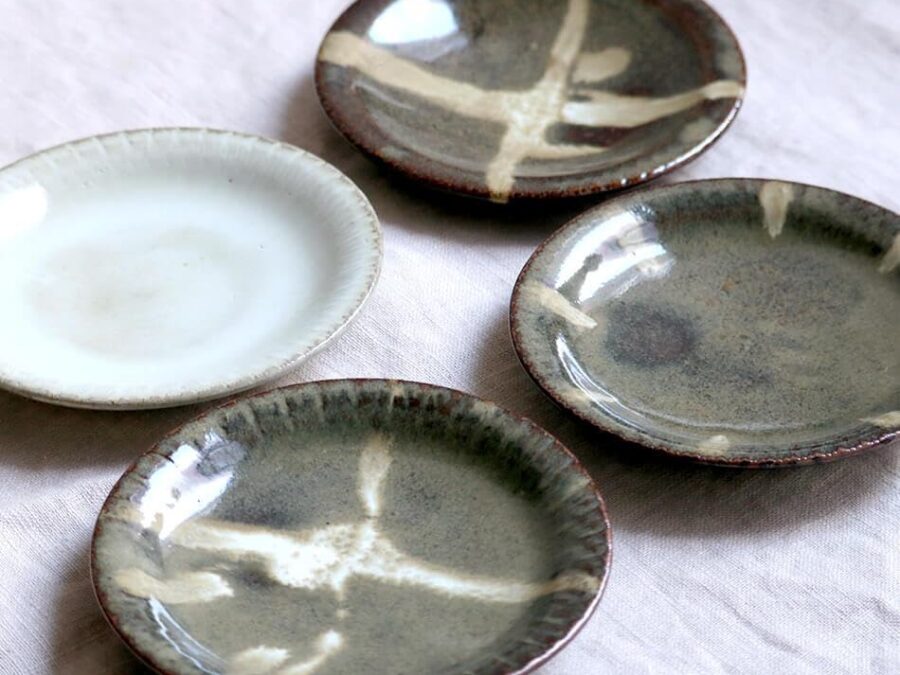
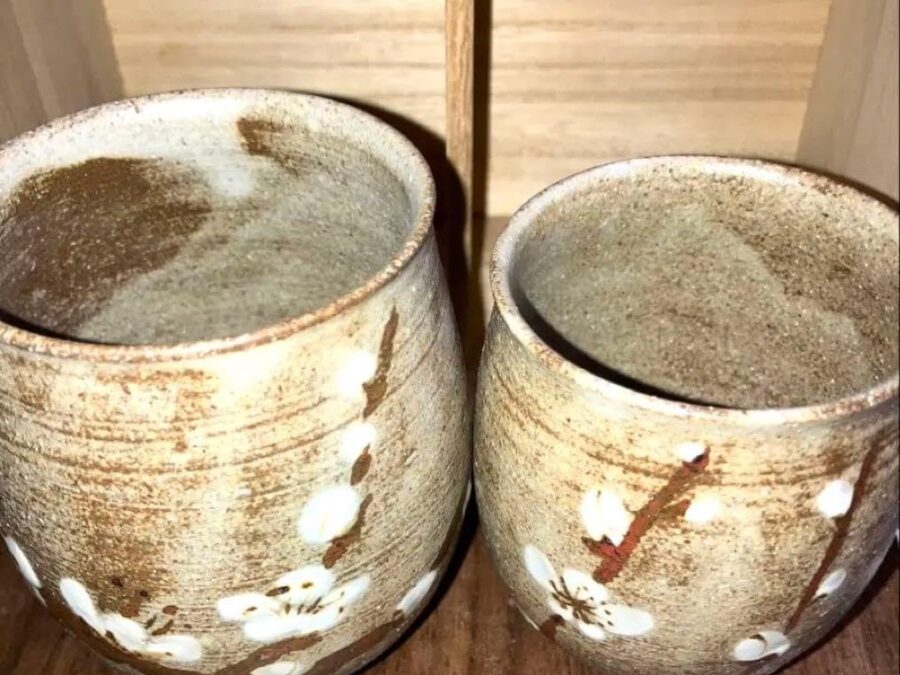
Onta-yaki (小鹿田焼) is the **mountain-village mingei pottery tradition of Sarayama**, in Hita City, northwestern Ōita Prefecture — practiced…
Tochigi
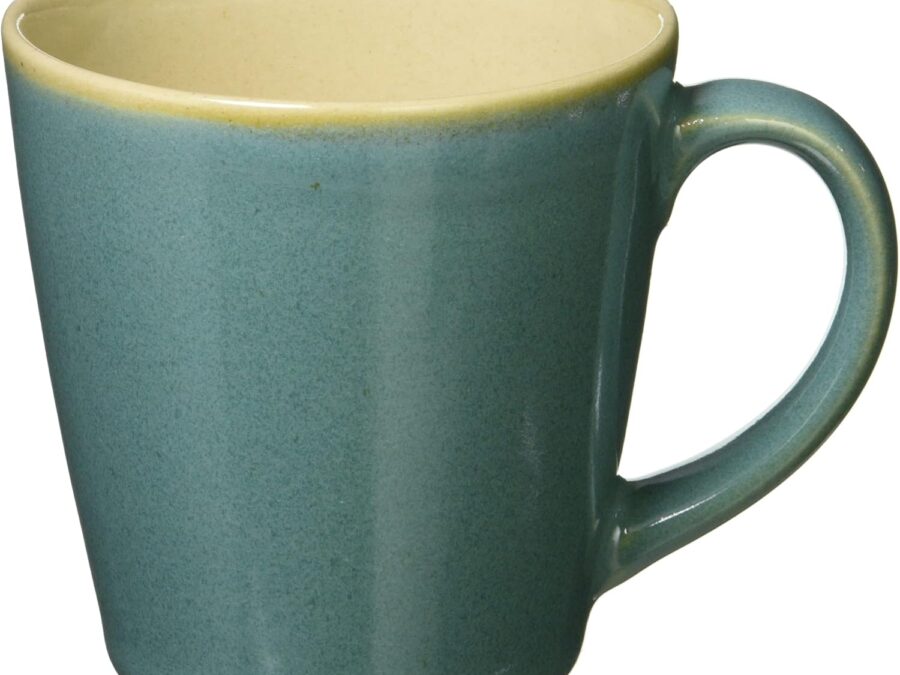
Mashiko-yaki (益子焼) is the **mingei-tradition pottery of Mashiko**, in southeastern Tochigi Prefecture — a Kasama-yaki daughter kiln founded…
Yamaguchi
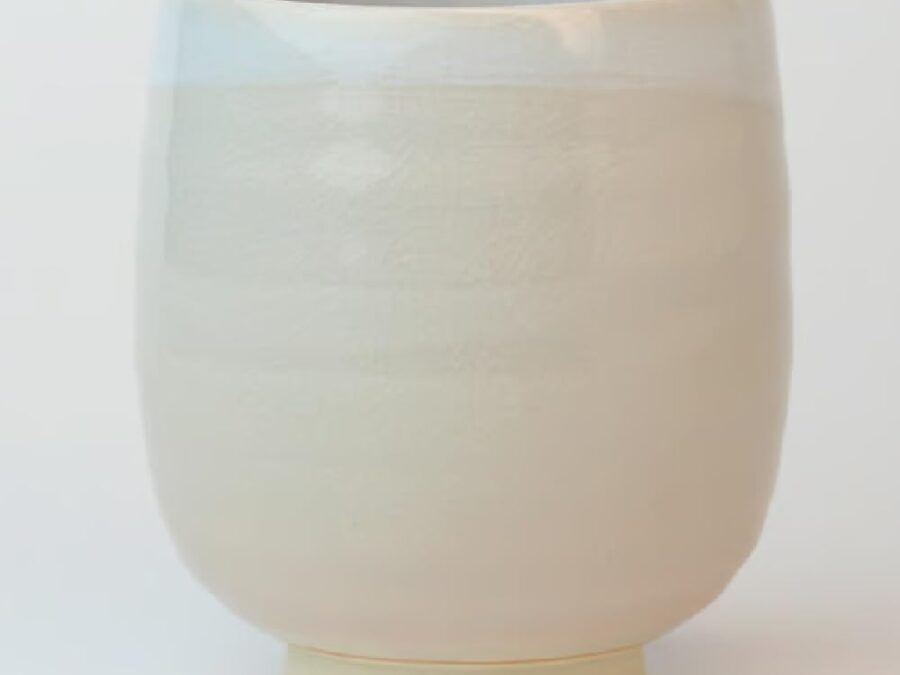
Hagi-yaki (萩焼) is the **tea-ceremony pottery of Hagi**, in northern Yamaguchi Prefecture — practiced continuously since 1604 when…
Kochi
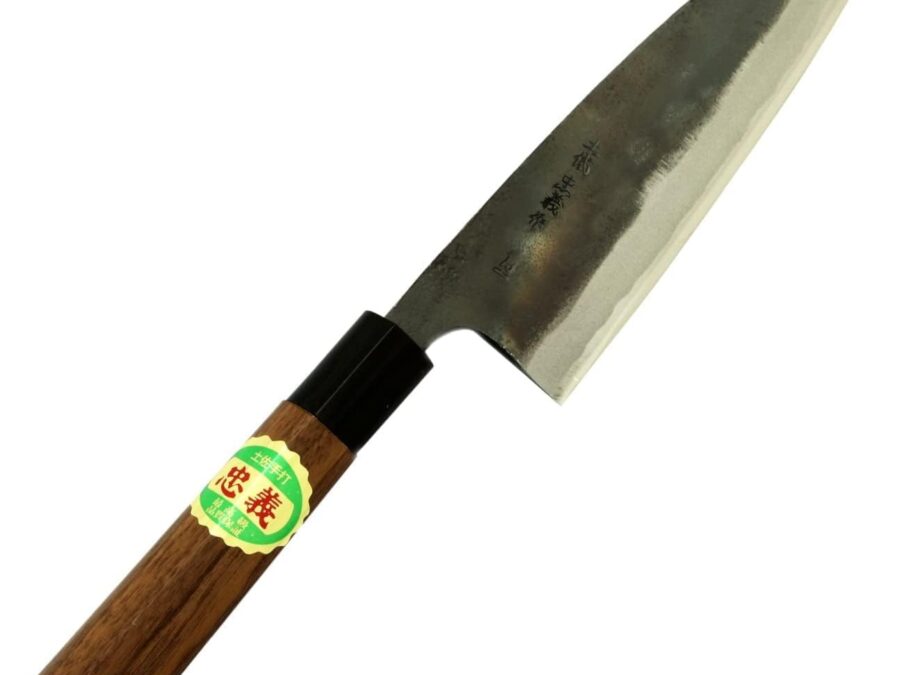
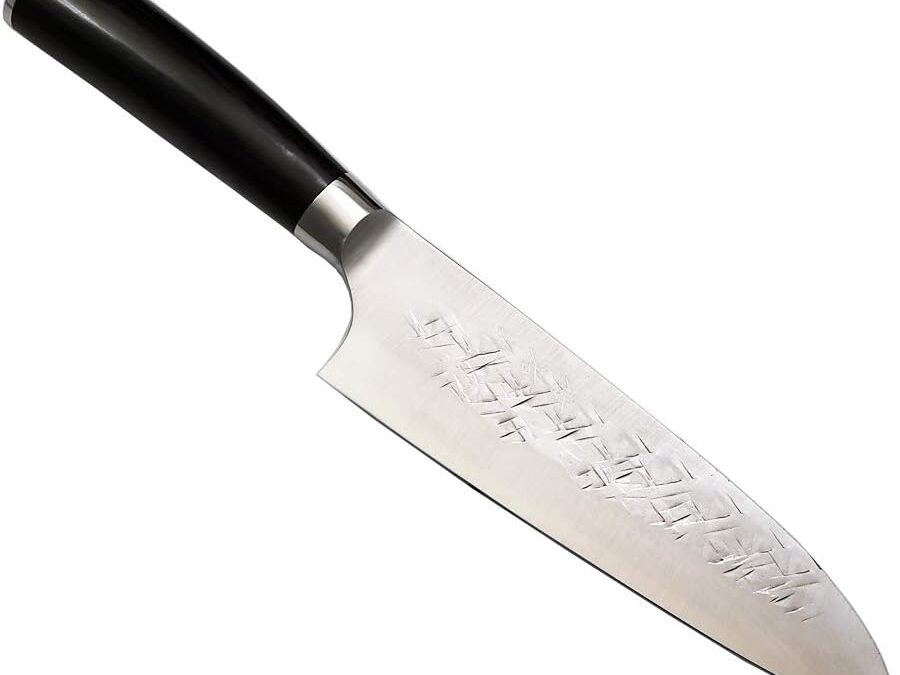
Tosa uchihamono (土佐打刃物) is the **forged-blade tradition of Kōchi Prefecture** on Shikoku — practiced continuously since the 16th…
Wakayama
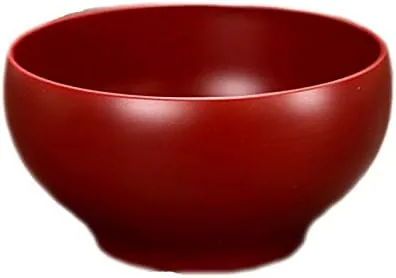
Kishū-shikki (紀州漆器) is the **lacquerware tradition of Kuroe, in northern Wakayama Prefecture** — practiced continuously since the late…
Kumamoto
Shōdai-yaki (小代焼) is the **reduction-fired stoneware tradition of Arao** in northwestern Kumamoto Prefecture — practiced continuously since 1632…
Ehime
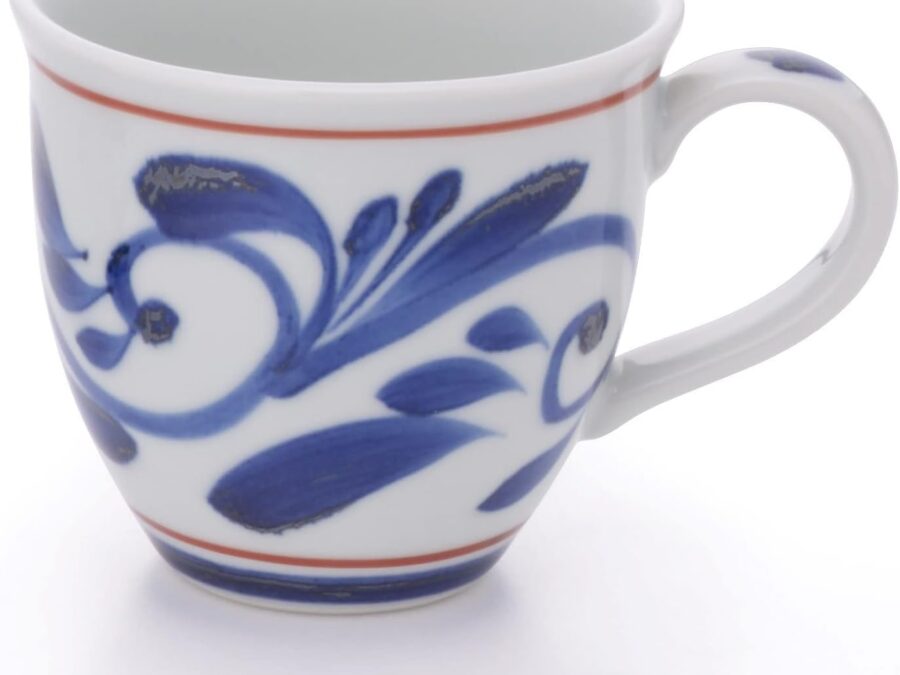
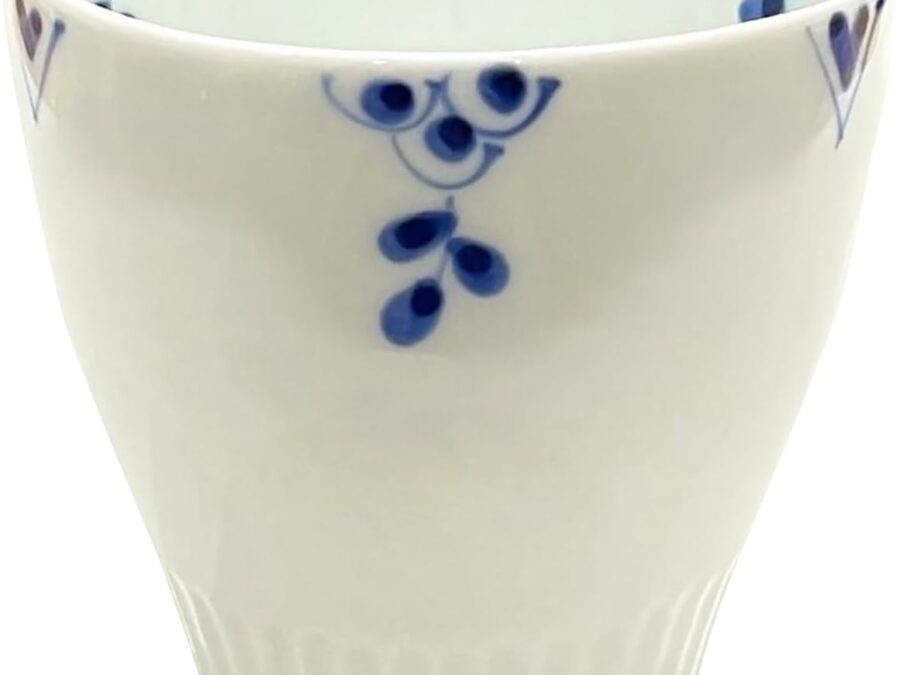
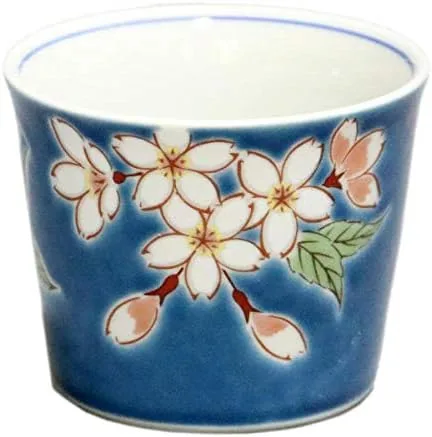
Tobe-yaki (砥部焼) is the **white porcelain tradition of Tobe Town**, in central Ehime Prefecture on Shikoku — practiced…
Fukushima
Aizu-nuri (会津塗) is the **lacquerware tradition of the Aizu region** in western Fukushima Prefecture — practiced continuously since…
Aomori
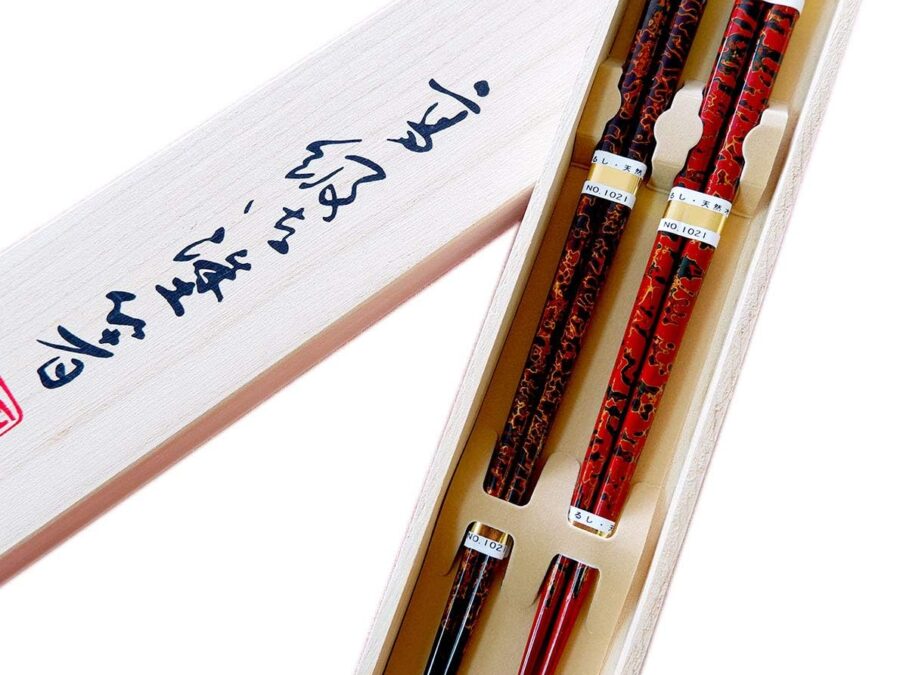
Tsugaru-nuri (津軽塗) is the **multi-layer lacquer tradition of Hirosaki**, in western Aomori Prefecture — practiced continuously since 1685…
Nagano
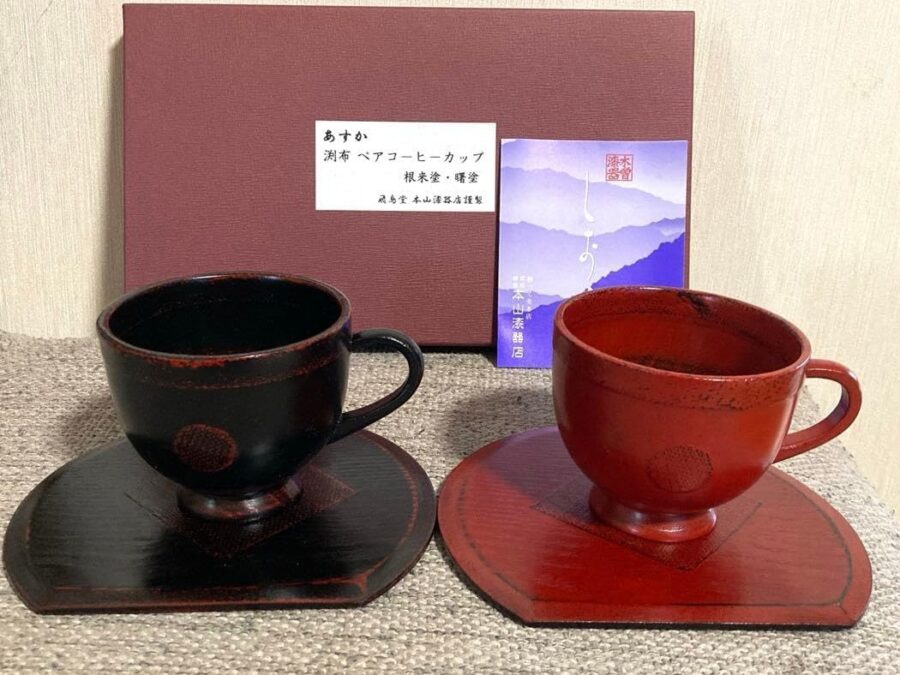
Kiso-shikki (木曽漆器) is the **lacquerware tradition of the Kiso valley**, in southwestern Nagano Prefecture — practiced continuously since…
Shiga
Shigaraki-yaki (信楽焼) is the **stoneware tradition of Shigaraki**, in southern Shiga Prefecture — one of the **Six Old…
Gifu
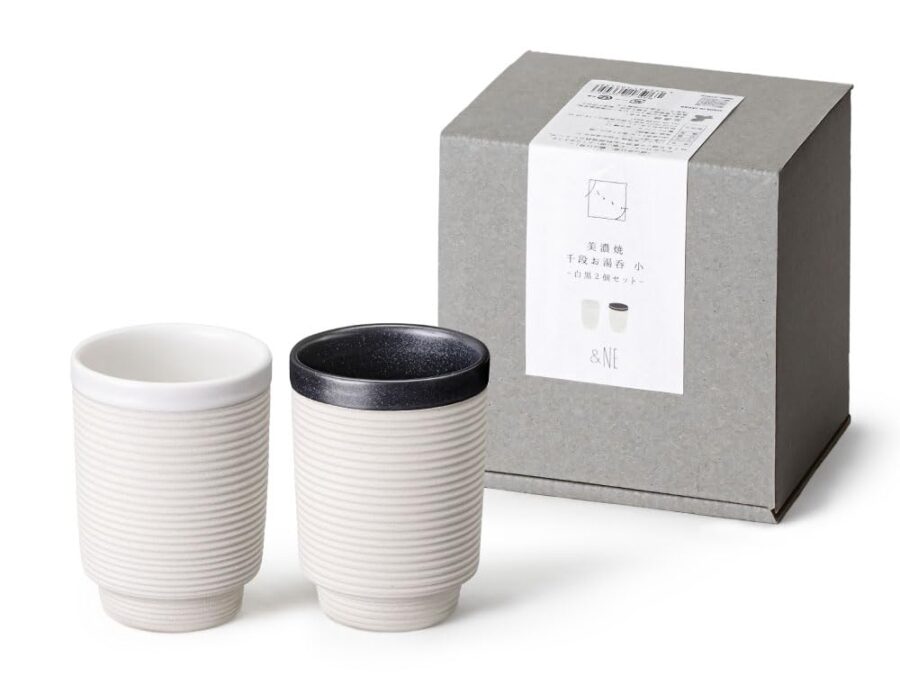
Mino-yaki (美濃焼) is the **largest pottery tradition in Japan by production volume** — producing approximately **50-60% of all…
Niigata
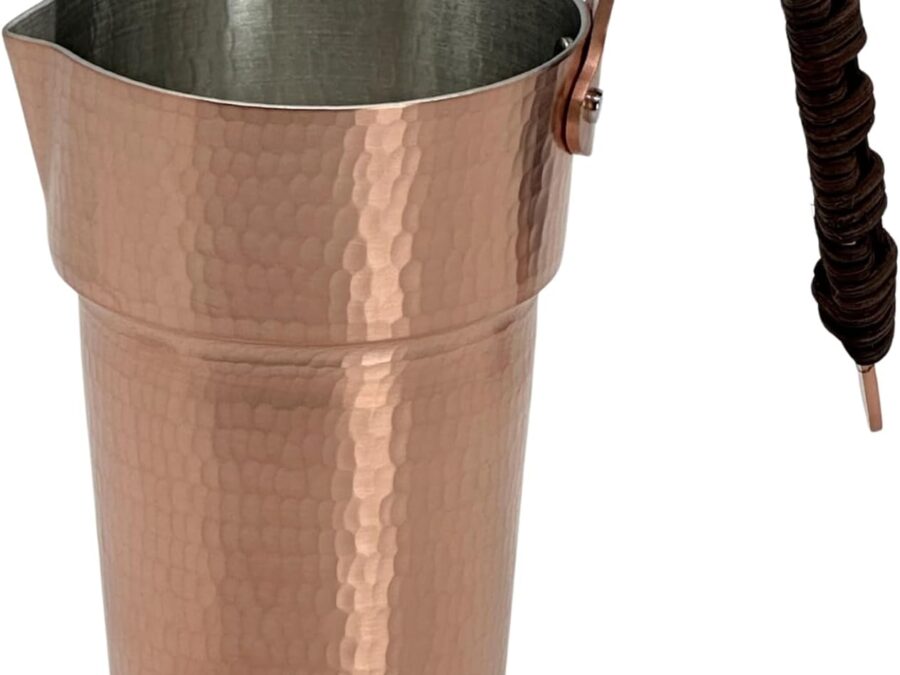
Tsubame tsuiki dōki (燕鎚起銅器) is the **hand-hammered copperware tradition of Tsubame**, in central Niigata Prefecture — practiced continuously…
Osaka
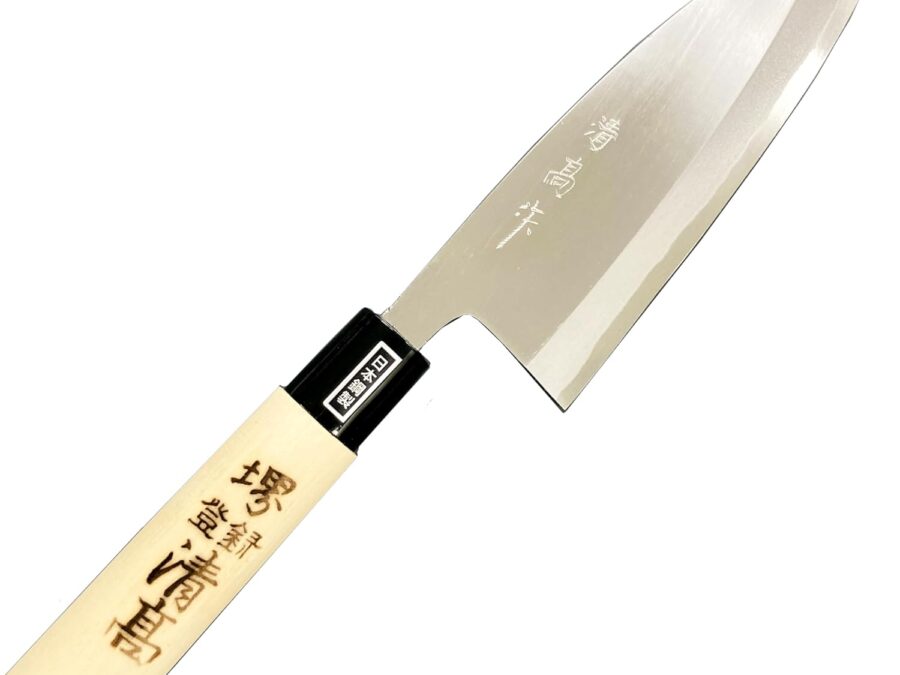
Sakai uchihamono (堺打刃物) is the **single-bevel forged-blade tradition of Sakai, Osaka** — Japan's most important professional-knife forging town…
Okayama
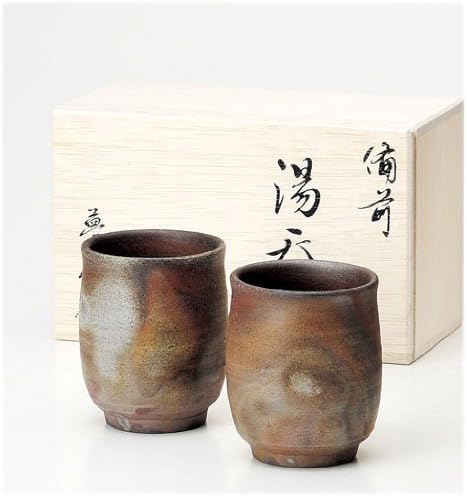
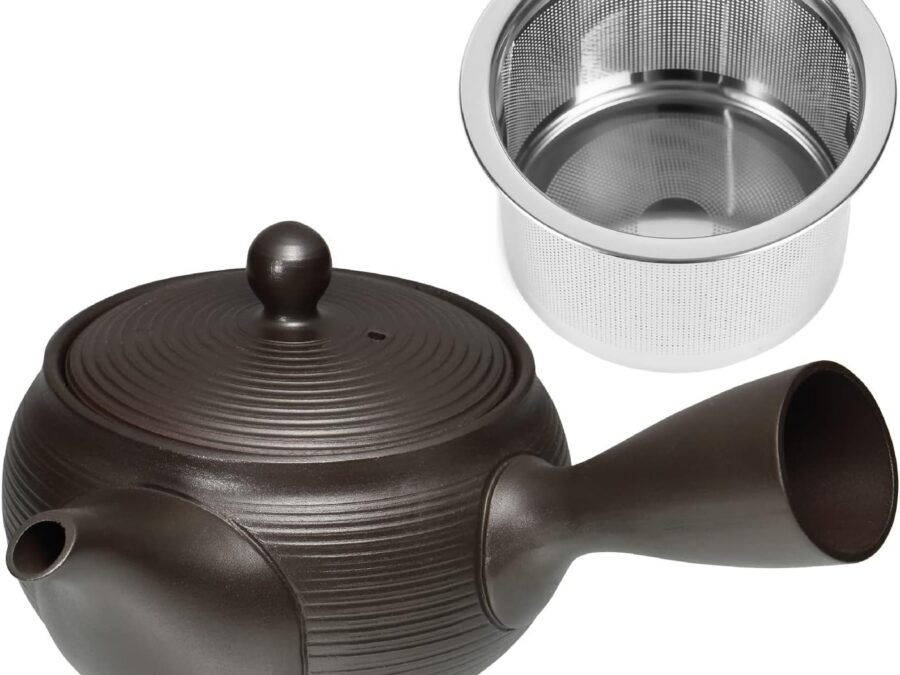
Bizen-yaki (備前焼) is the **unglazed reduction-fired stoneware tradition of Bizen, in southeastern Okayama Prefecture** — one of the…
Okinawa
Ryūkyū glass (琉球ガラス) is the **hand-blown glass tradition of Okinawa** — born in the late Meiji era as…
Akita
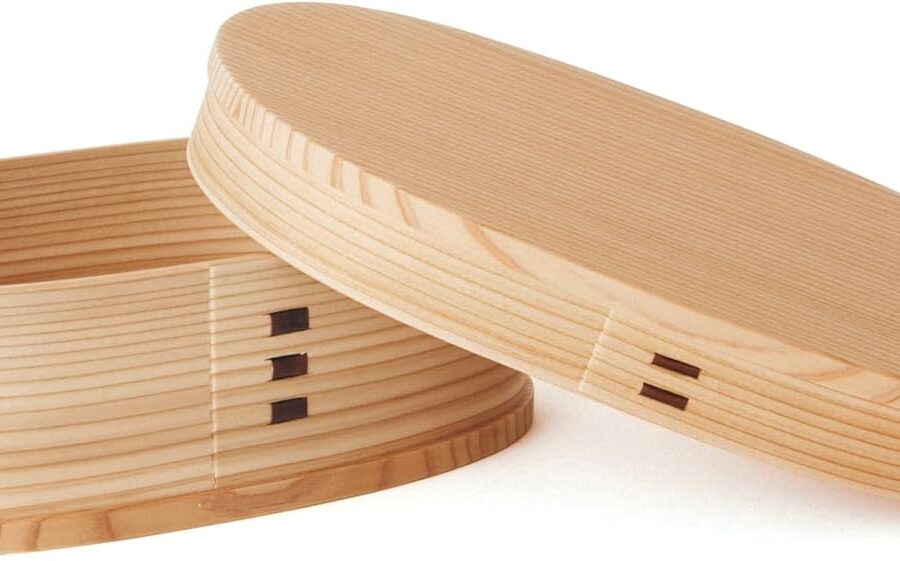
Ōdate magewappa (大館曲げわっぱ) is the **hand-bent cedar tradition** of Ōdate, in northern Akita Prefecture — splitting boards of…
Kagoshima
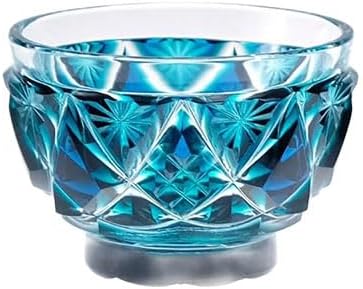
Authentic Shimazu-direct Satsuma Kiriko sake cup. The luxury Kagoshima cut-glass tradition founded in 1851 by Lord Shimazu Nariakira,…
Nagasaki
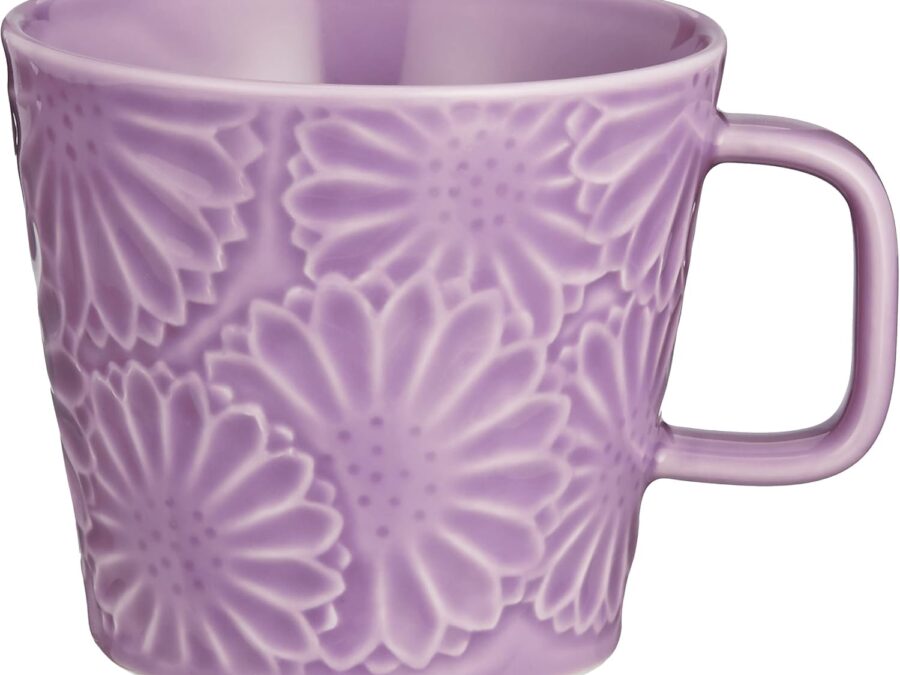
Modern HASAMI Porcelain mug by Ishimaru Tōgei, one of the named workshops that produces the iconic line. 210…
Saga
Arita-yaki (有田焼) is the **founding tradition of Japanese porcelain** — born in 1616 when the Korean-born potter Yi…
Ibaraki
Kasama-yaki (笠間焼) is the Ibaraki Prefecture pottery tradition founded in 1772 — the earliest pottery center on the…
Aichi
Tokoname-yaki (常滑焼) is the 1,000-year-old pottery of Tokoname, in central Aichi Prefecture — one of the **Six Old…
Kyoto
Kyō-yaki (京焼) and Kiyomizu-yaki (清水焼) are the named ceramic traditions of Kyoto — overlapping terms for the painted-porcelain…
Tokyo
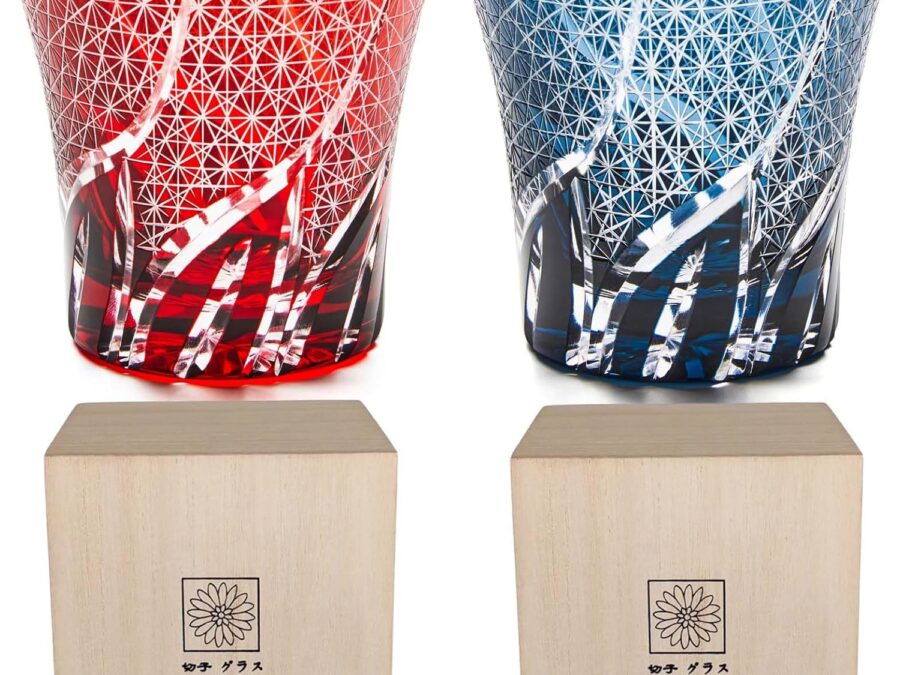
Edo Kiriko (江戸切子) is the cut-glass tradition of Tokyo — born in 1834 in the Edo-period merchant districts,…
Ishikawa
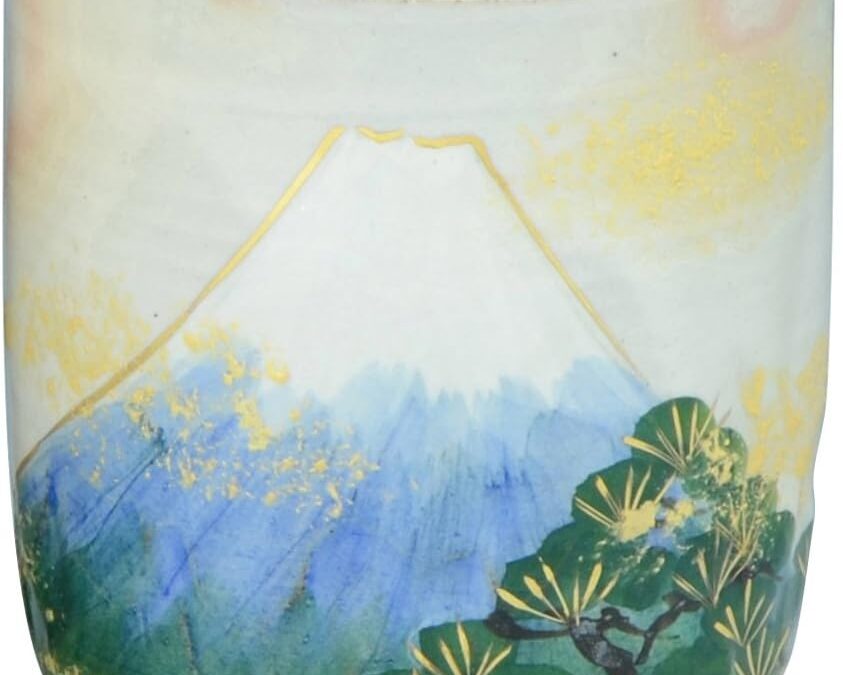
Kutani-yaki (九谷焼) is the five-color overglaze porcelain of the Kaga region in Ishikawa Prefecture — produced continuously since…
Fukui
Echizen Uchihamono (越前打刃物) is the 690-year-old forged-blade tradition of Takefu, Fukui — a five-minute drive from the Echizen…