neukyosuke

Ceramics

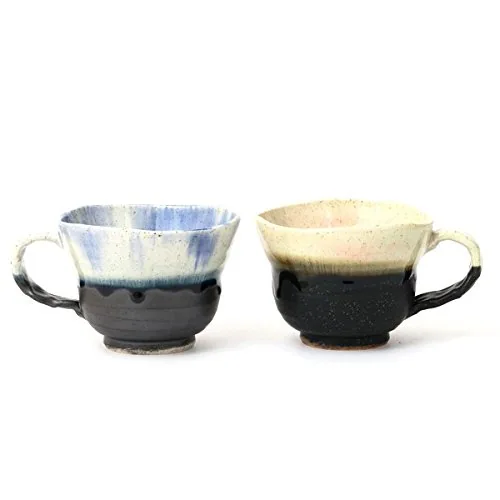
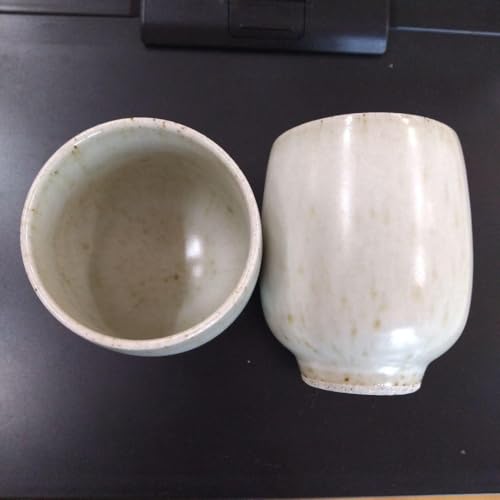
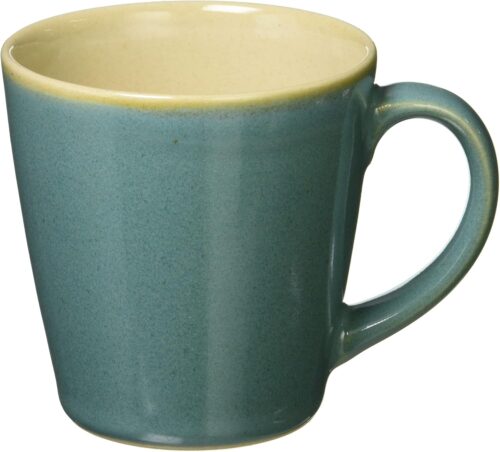
Mashiko-yaki Seiji-Glaze Mug by Tsukamoto — 175-Year Mingei Pottery from Tochigi (¥2,090 / ≈$14 USD) [2026 Buyer’s Guide]

Mashiko-yaki (益子焼) is the **mingei-tradition pottery of Mashiko**, in southeastern Tochigi Prefecture — a Kasama-yaki daughter kiln founded 1853 that became internationally famous when Living National Treasure **Hamada Shōji (浜田庄司)** settled there in 1924 and worked with Bernard Leach to put Japanese folk pottery on the world map. Designated METI Traditional Craft Product in 1979. This **'Mashiko-seiji' (益子青磁) celadon-glaze mug by Tsukamoto (つかもと)** — one of Mashiko's largest established kilns — is a 260 ml everyday mug in the traditional Mashiko celadon palette. At ¥2,090 (≈$14 USD) it sits at the impulse-purchase entry tier.
Japanese Craft

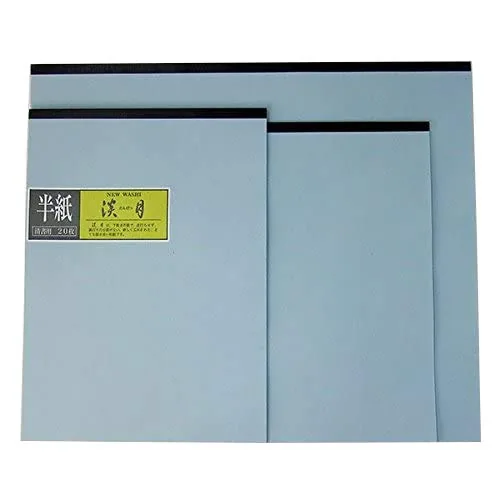
Tosa Washi Calligraphy Paper: Kochi’s Museum-Grade Sheets [2026]

Tosa washi from Kochi ranks among Japan's three great papers; its tengujo tissue is trusted by museums for art conservation. Here is where to buy it.
Aichi

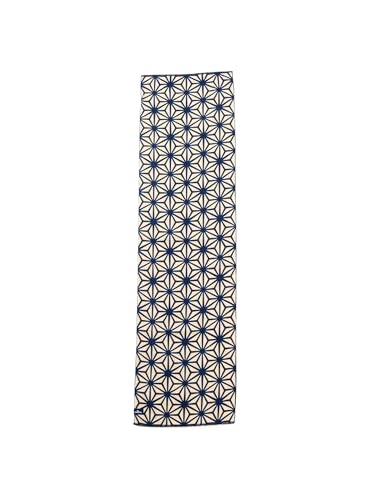
Arimatsu Narumi Shibori Tenugui: Owari’s 400-Year Tie-Dye Craft [2026]

Arimatsu Narumi shibori is Japan's tie-dye heartland, born along the old Tokaido road in Owari. Here is where to buy a hand-bound shibori tenugui, what the indigo binding patterns mean, and how to judge real Aichi work.
Aichi

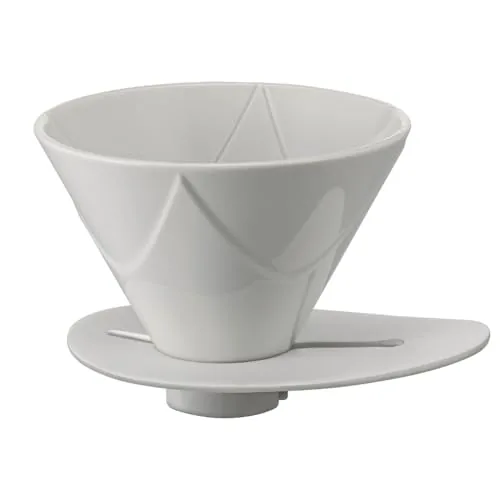
Seto-yaki Ceramic Coffee Dripper: Aichi’s Six-Kiln Pour-Over [2026]

Seto-yaki, the only glazed member of Japan's Six Ancient Kilns, shapes a ceramic pour-over dripper that carries a thousand years of Aichi pottery into daily brewing.
Japanese Craft

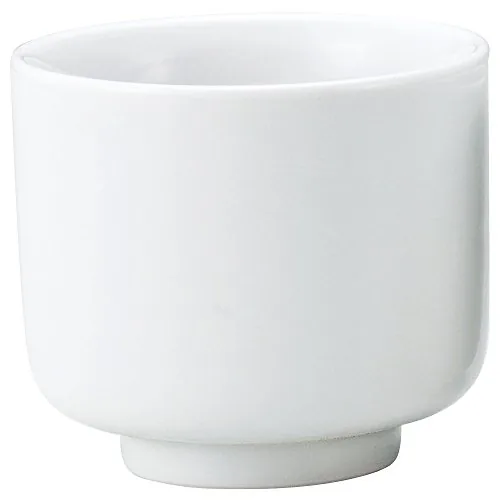
Satsuma Ware Sake Cup: Where to Buy Shiro-Satsuma Guinomi [2026]

Shiro-Satsuma's ivory crackle glaze, born under the Shimazu domain, once charmed Meiji export buyers. Here's where to buy a Satsuma-yaki sake cup.
Japanese Craft

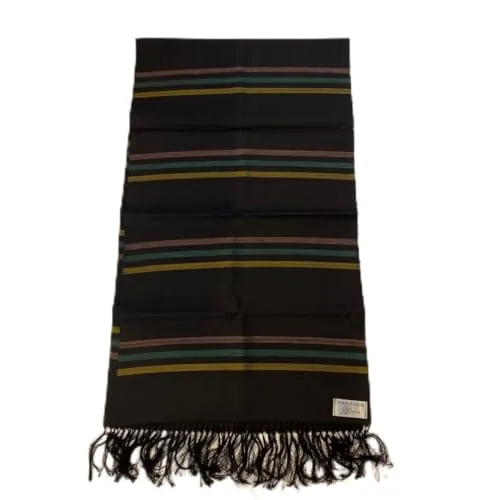
Oshima Tsumugi Silk Stole: Amami’s Mud-Dyed Kasuri Weave Guide [2026]

Oshima Tsumugi is one of the world's most labor-intensive silk weaves, dyed in Amami's iron-rich mud and woven with shimebata kasuri. A clear guide to choosing an authentic mud-dyed silk stole and where to buy it.
Japanese Craft

Tsutsumi-yaki Namako Glaze Tumbler: Sendai’s Oldest Folk Kiln, Where to Buy [2026]

A blue-and-white namako-glazed tumbler from Tsutsumi-yaki Kenba-gama, the last surviving folk kiln of Sendai's 330-year Date-domain pottery tradition. Where to buy this Tohoku stoneware online.
Japanese Craft

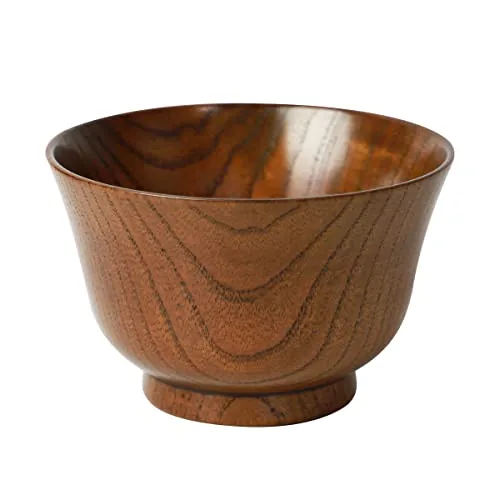
Kiso Shikki Lacquer Soup Bowl: Kiso-Hirasawa Owan, Where to Buy [2026]

A Kiso-Hirasawa lacquered miso soup bowl from Nagano's Nakasendo valley, built up in durable urushi over native cypress for daily use at the Japanese table.
Ceramics

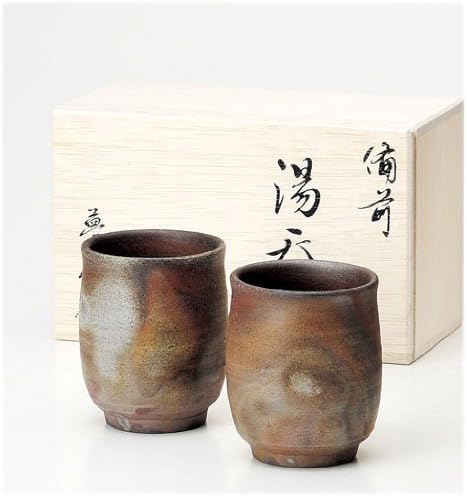
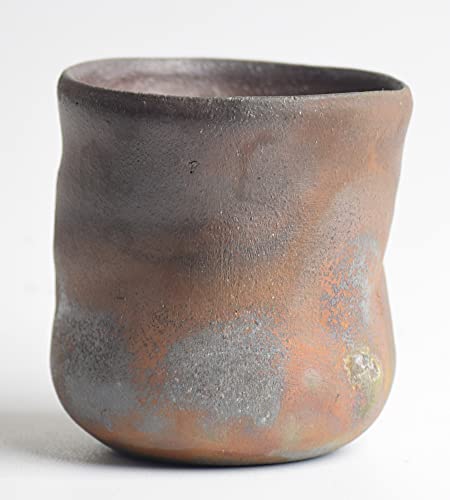
Bizen-yaki Yunomi Pair by Mugen-kobō — 1,000-Year Unglazed Reduction-Fired Stoneware from Okayama (¥7,550 / ≈$50 USD) [2026 Buyer’s Guide]

Bizen-yaki (備前焼) is the **unglazed reduction-fired stoneware tradition of Bizen, in southeastern Okayama Prefecture** — one of the **Six Old Kilns (Nihon Rokkoyō, 日本六古窯)** that anchor Japanese ceramic history, producing pottery continuously for **over 1,000 years**. Distinguished by its **rejection of glaze entirely** — every Bizen piece's surface character comes from the wood-firing process: ash deposits, flame patterns, kiln-position color variation. Designated METI Traditional Craft Product in 1982. This pair yunomi by Mugen-kobō (夢幻工房) features the characteristic Bizen iron-red and hidasuki (火襷, 'fire cord') surface effects. At ¥7,550 (≈$50 USD) it sits in the entry tier for a real Bizen-yaki pair. This guide walks through the **1,000-year arc** from the medieval Sue-ware tradition to today's named-kiln workshops in Imbe town.
Ehime

Ozu Washi Calligraphy Paper: Ehime’s Handmade Hanshi Guide [2026]

Ozu Washi is Ehime's handmade kozo paper, drawn from the clear Hiji River since the Edo period. This guide explains its calligraphy hanshi, history, and where to buy it.
Japanese Craft

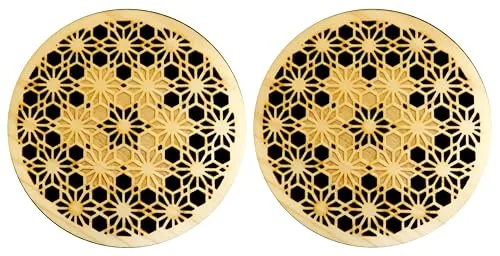
Edo Kumiko Coaster Set: Tokyo’s Nail-Free Wood Lattice, Where to Buy [2026]

Edo Kumiko coasters lock dozens of tiny cypress slats into a geometric asanoha hemp-leaf lattice with no nails or glue—an Edo-era joinery art reworked for the modern table.
Accessories

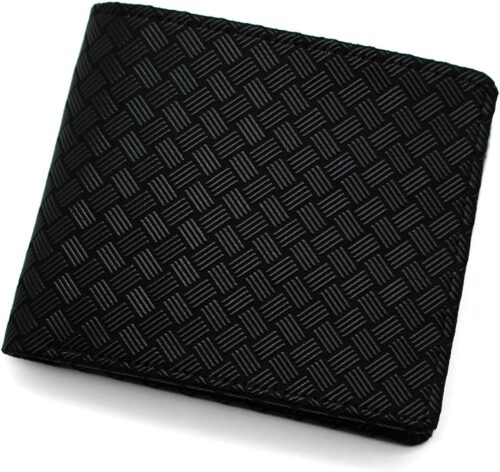
Kōshū Inden Bifold Wallet by Inden-ya — 400-Year Lacquered Deer-Leather from Yamanashi (¥14,850 / ≈$99 USD) [2026 Buyer’s Guide]

Kōshū inden (甲州印伝) is the **lacquered-deerskin tradition of Yamanashi Prefecture** — practiced continuously since the 17th century when techniques arrived via the Indo-Portuguese 'indo-den' (印伝 = 'Indian transmission') trade routes. Designated METI Traditional Craft Product in 1987. Distinguished by **stenciled urushi-lacquer patterns on chrome-tanned deer leather** (tonbo dragonfly, asanoha hemp-leaf, ume plum blossom, kiku chrysanthemum). **Inden-ya (印傳屋, founded 1582)** is the oldest and most prestigious Kōshū inden maker — 440+ years of family continuity. This bifold wallet (model 2006, black-on-black 'amime' net pattern) is one of Inden-ya's classic everyday designs. At ¥14,850 (≈$99 USD).
Japanese Craft

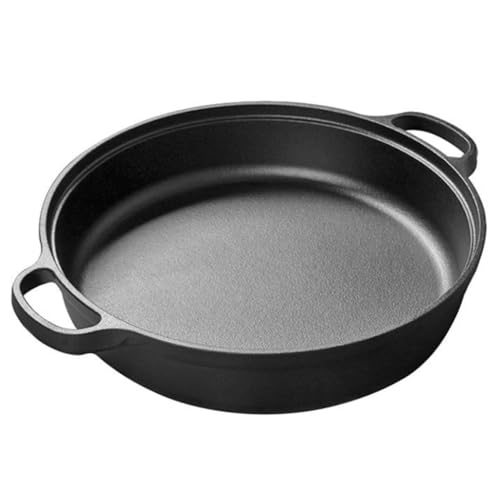
Kawaguchi Imono Cast Iron Sukiyaki Nabe: Saitama Iron Casting, Where to Buy [2026]

Forged in Kawaguchi, Saitama's Edo-era iron-casting town on the Arakawa, this cast iron sukiyaki nabe holds heat evenly for tabletop hot pots and searing — a maker's-mark piece built to outlast its owner.
Aomori

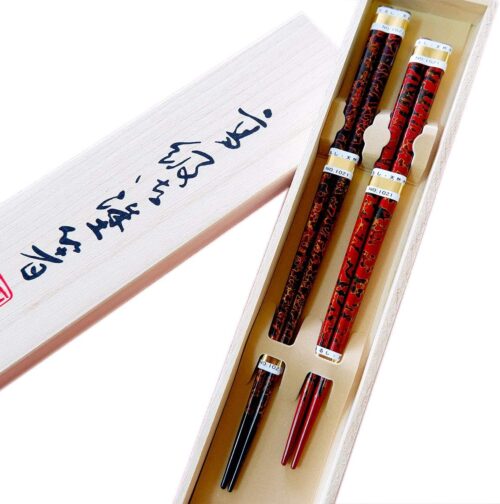
Tsugaru-nuri Lacquer Chopsticks (Husband-and-Wife Pair) in Paulownia Box — Hand-Lacquered Aomori Tradition (¥7,480 / ≈$50 USD) [2026 Buyer’s Guide]

Tsugaru-nuri (津軽塗) is the **multi-layer lacquer tradition of Hirosaki**, in western Aomori Prefecture — practiced continuously since 1685 when Ikeda Genbei, a lacquer master invited by the Hirosaki Domain, established the workshop that became the foundation of modern Tsugaru-nuri. Designated METI Traditional Craft Product in 1975. Distinguished by its **48-step layering process** (the most labor-intensive of all Japanese lacquerware traditions) that produces the characteristic mottled-pattern surfaces — Karanuri (唐塗, 'Chinese-paint'), Nanakonuri (七々子塗, 'rapeseed-grain'), Kinmanuri (錦塗, 'brocade'), and Monsha-nuri (紋紗塗, 'crest-fine-mesh'). This meoto-bashi (夫婦箸, husband-and-wife) chopsticks pair from **Harimaya (はりま屋)** comes in a paulownia gift box. At ¥7,480 (≈$50 USD) it is the practical entry to real Tsugaru-nuri. This guide walks through the 340-year arc.
Japanese Craft

Imari Nabeshima Iro-Nabeshima Porcelain Plate: The Shogun’s Secret-Kiln Ware, Where to Buy [2026]

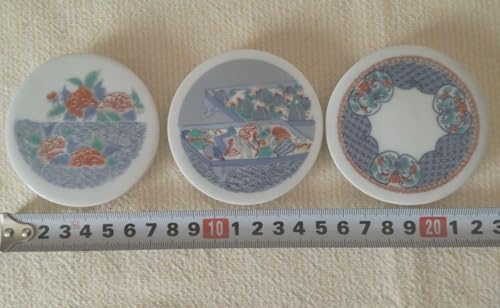
Iro-Nabeshima was the porcelain the Nabeshima clan made only as gifts for the shogun, fired behind guarded gates at Okawachiyama. This small overglaze plate carries that comb-foot, three-color tradition to a modern table.
Hyogo

Toyooka Willow Basket (Tajima Kiryu-zaiku): Where to Buy [2026]

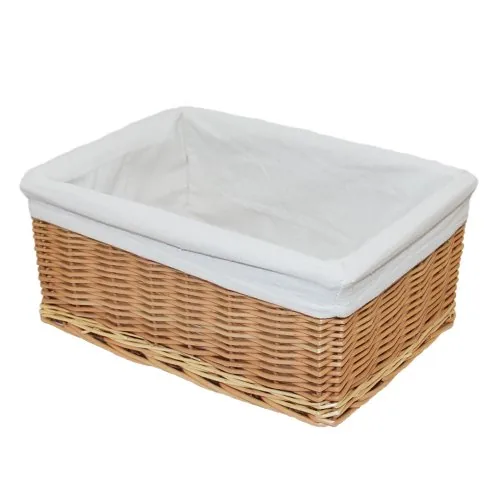
Hyogo's Tajima region wove willow along the Maruyama River for over a thousand years. This hand-plaited Toyooka willow basket carries that heritage into a light, durable storage piece for the modern home.
Hyogo

Banshu-ori Cotton Handkerchief: Where to Buy Nishiwaki Gauze [2026]

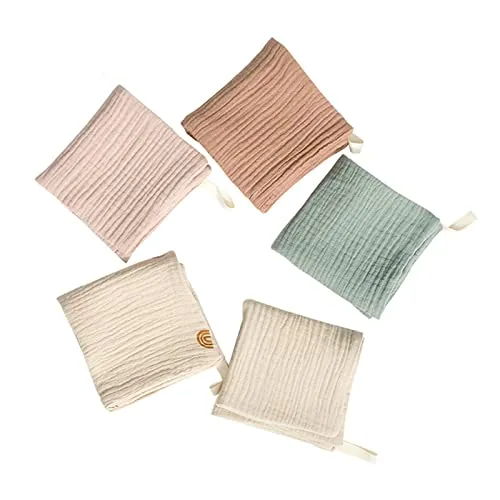
Banshu-ori is Japan's leading yarn-dyed cotton, woven in Nishiwaki since 1792. A soft gauze handkerchief shows why this Hyogo cloth dresses global apparel brands.
Fukushima

Aizu-Nuri Maki-e Jubako Lacquer Stacking Box: Where to Buy [2026]

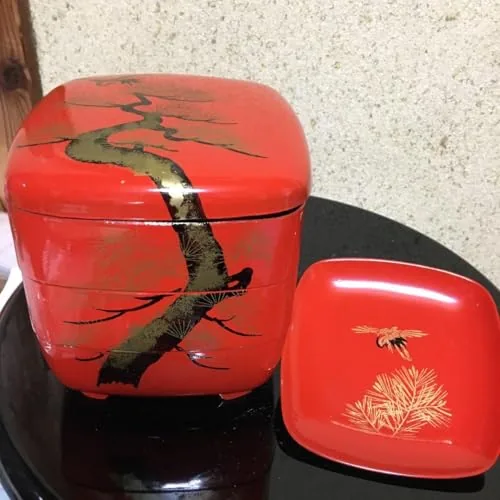
A two-tier Aizu lacquer jubako finished with auspicious pine-bamboo-plum maki-e, the New Year food box from a craft Gamo Ujisato seeded in 1590s Fukushima.
Japanese Craft

Hirashimizu-yaki Zankin Glaze Yunomi: Yamagata Pottery Tea Cup [2026]

Hirashimizu-yaki from Yamagata City fires local iron-rich clay into a nashiji 'pear-skin' celadon, its dark speckles surfacing through pale glaze like lingering snow. A late-Edo kiln's everyday yunomi.
Gifu

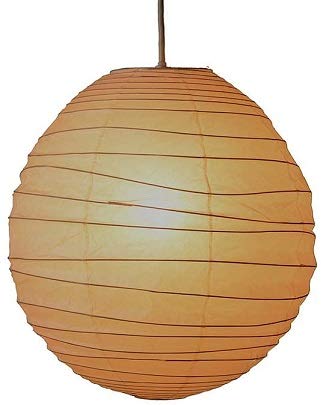
Gifu Chochin Mino Washi Lantern: Where to Buy the Ozeki Akari [2026]

Gifu chochin lanterns stretch Mino washi over slender split-bamboo ribs—the craft behind Isamu Noguchi's Akari lights. Here is where to buy one, and why it endures.
Aomori

Tsugaru Kanayama-yaki Yakishime Beer Cup: Where to Buy [2026]

Unglazed wood-fired stoneware from Goshogawara, Aomori. The rough yakishime surface of this Tsugaru Kanayama-yaki cup breaks beer into a fine, creamy head sip after sip.
Japanese Craft

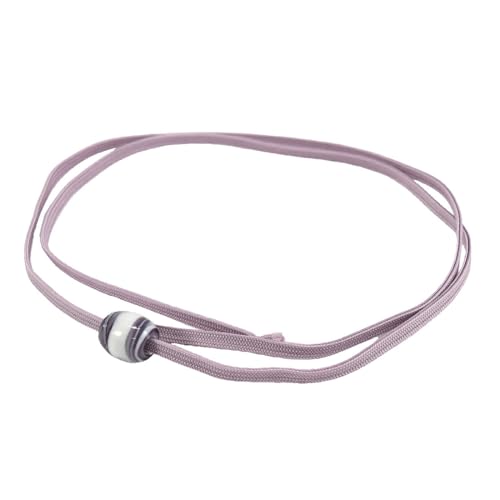
Iga Kumihimo Silk Obijime: Where to Buy Mie Braided Cord [2026]

Iga Kumihimo silk obijime carries centuries of Mie braiding craft — once worn on samurai armor lacing, now hand-twisted on the marudai stand for kimono cords and modern accessories.
Ishikawa

Yamanaka Lacquer Natural Wood Free Cup: Where to Buy Turned Kaga Urushi [2026]

A free cup turned from vertical-grain wood and finished in wiped urushi by Yamanaka, the Kaga region whose woodturners supply Japan's finest lacquer bases. Here is where to buy it.
Fukui

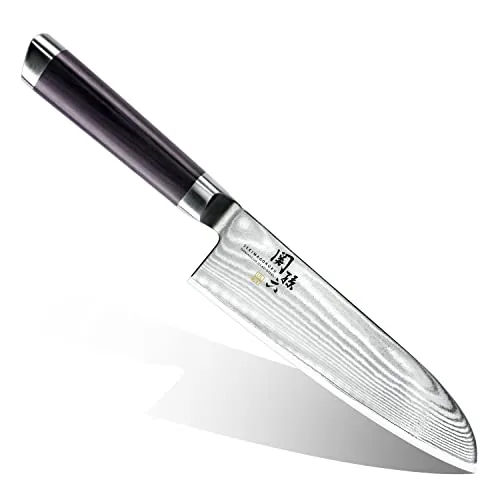
Echizen Yu Kurosaki Senko Santoku Knife: Where to Buy [2026]

A hammered-finish santoku forged in Takefu, the heart of Echizen blade country, by smith Yu Kurosaki. Where to buy this Fukui kitchen knife and what sets its 700-year cutting tradition apart.
Aomori

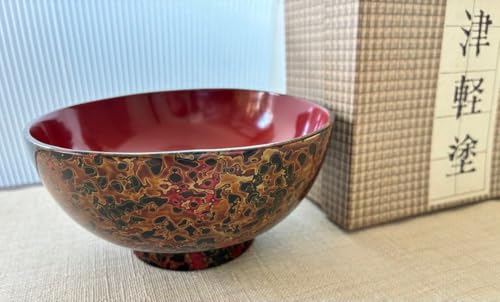
Tsugaru-Nuri Lacquer Soup Bowl: Hirosaki’s Kara-Nuri Owan [2026]

Tsugaru-Nuri is Aomori's only designated lacquerware, built from dozens of polished coats. This kara-nuri owan adds marbled, jewel-like depth to daily miso soup.
Japanese Craft

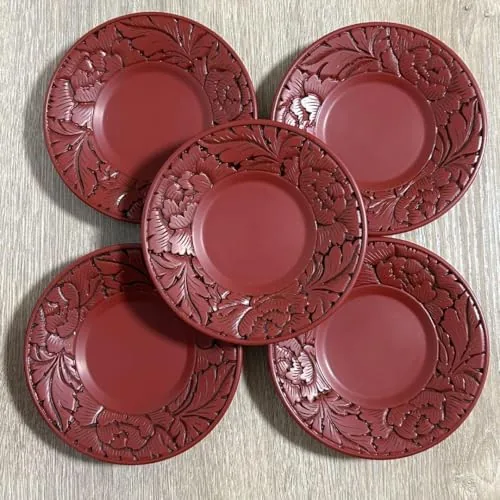
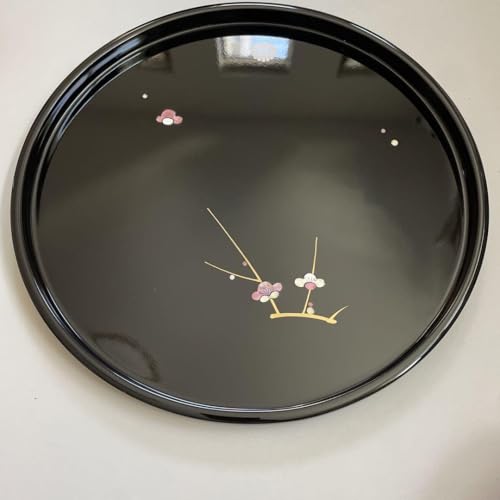
Murakami Kibori Tsuishu Carved Lacquer Tea Saucer (Chataku): Where to Buy [2026]

Murakami Kibori Tsuishu is Niigata's carved-and-lacquered wood craft, where the grain is chiseled before layer upon layer of urushi is built up. This chataku tea saucer brings a castle-town heirloom under your teacup.
Ceramics

Hagi-yaki ‘Hime-Tsuchi’ Yunomi by Tsubakishu-Gama — 425-Year Yamaguchi Tea-Ceremony Pottery (¥3,650 / ≈$24 USD) [2026 Buyer’s Guide]

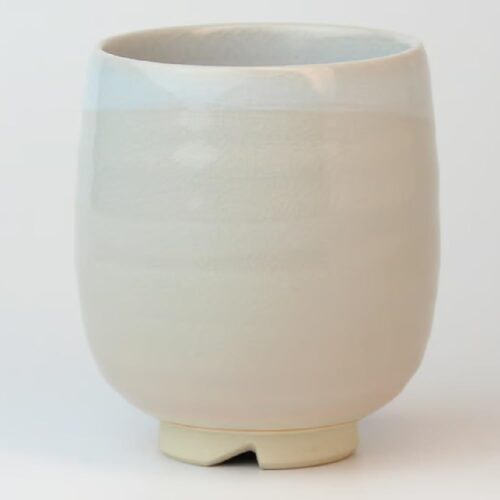
Hagi-yaki (萩焼) is the **tea-ceremony pottery of Hagi**, in northern Yamaguchi Prefecture — practiced continuously since 1604 when Mori Terumoto, lord of the Chōshū domain, brought Korean potters Lee Chakkō and Lee Kō to Hagi. Designated METI Traditional Craft Product in 2002. Distinguished by **soft pinkish-cream glazes and 'kannyū' (vein-crackle) patterns** that absorb tea over years of use — 'Hagi no nanabake' (萩の七化け, 'Hagi's seven transformations') describes how a Hagi piece visibly changes color through use. Ranked second behind Raku-yaki in the tea-master saying 'Ichi Raku, Ni Hagi, San Karatsu' (raku first, hagi second, karatsu third). This 'Hime-Tsuchi' (姫土, 'princess clay') 280 ml round yunomi by Tsubakishu-Gama (椿秀窯) at ¥3,650.
Calligraphy

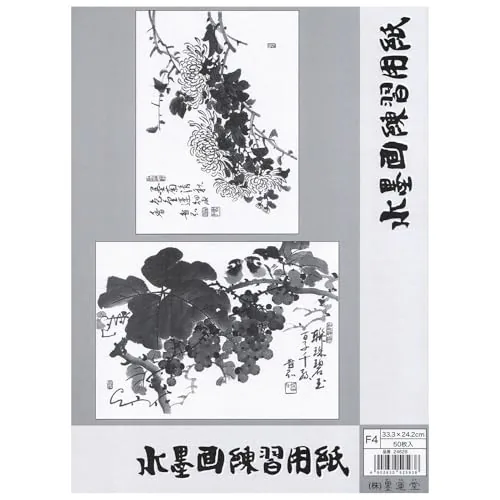
Kobaien Gosei Beni-bana Sumi Inkstick (五星 紅花墨, ¥4,400 / ≈$29 USD) — 450 Years of Nara Sumi from a 1577-Founded Maker, From Heijō-kyō to Your Calligraphy Desk [2026 Buyer’s Guide]

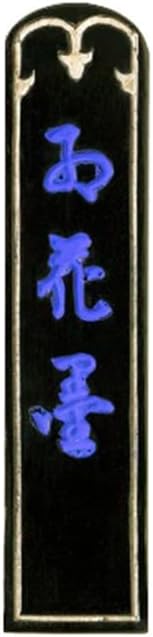
Kobaien (古梅園), founded in 1577 in Nara, is the oldest continuously-operating sumi-ink maker in Japan — and the kiln behind a craft that dates to the 7th-8th century Buddhist temples of Nara. The 'Gosei Beni-bana' (五星 紅花墨, 'Five-Star Safflower') ink is one of their best-known mid-range sticks: an oil-soot ink with safflower extract that produces a slightly red-warm black tone favored by Japanese calligraphers. This guide walks through 1,300 years of Nara craft, why sumi inksticks still matter to international calligraphers, and how to actually buy this 27.5 g stick from outside Japan.
Hokkaido

Nibutani Attus Ainu Woven Bark Coaster by Kaizawa Yukiko — Hand-Loomed Elm Inner-Bark from Hokkaido (¥4,980 / ≈$33 USD) [2026 Buyer’s Guide]

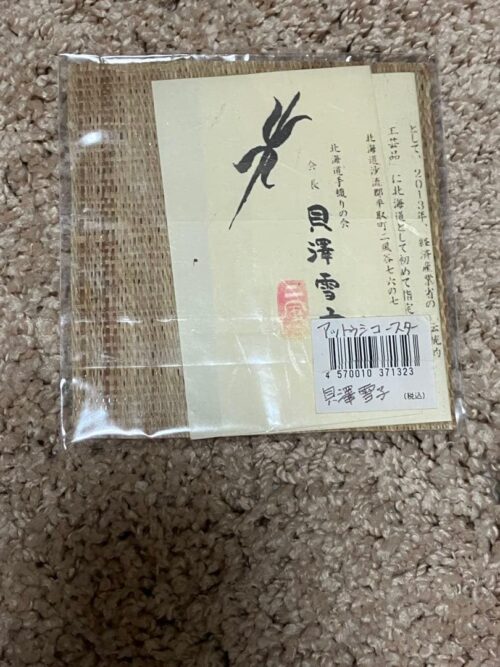
Nibutani attus (二風谷アットゥシ) is the **woven inner-bark cloth tradition of the Ainu** of Hokkaido — specifically the Saru River valley in Nibutani village, Biratori Town. Designated METI Traditional Craft Product in 2013 (the first Ainu craft to receive national traditional-craft designation). The technique: harvest the inner bark of the Japanese elm (Ulmus laciniata, ohyō / オヒョウ) in early summer, soften through repeated soaking and boiling, separate into fine threads, then hand-loom into stiff cloth. The resulting fabric — beige-to-tan, slightly stiff, with the characteristic wood-grain visual — was the everyday textile of the Ainu before cotton became widely available. This **coaster by Kaizawa Yukiko (貝澤雪子)** is a small entry-piece woven by one of Nibutani's named Ainu craftspeople. At ¥4,980 (≈$33 USD) it is the most accessible introduction to attus — a real Ainu hand-woven object at impulse-purchase pricing. This guide walks through the centuries-deep Ainu textile tradition and the post-1869 history of Nibutani as the cultural center of Ainu craft preservation.
Ibaraki

Kasama Yaki Pottery Mug: Ibaraki’s Free-Spirited Stoneware [2026]

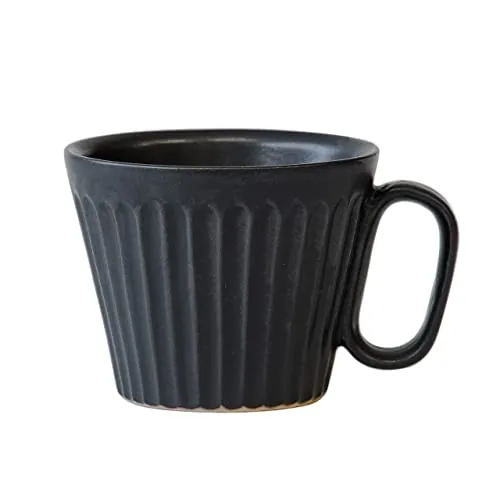
Kasama is the Kanto region's oldest pottery town, born under Mito domain patronage. This everyday Ibaraki stoneware mug carries warm, glaze-rich character with no fixed style—the freedom that defines Kasama yaki.
Japanese Craft

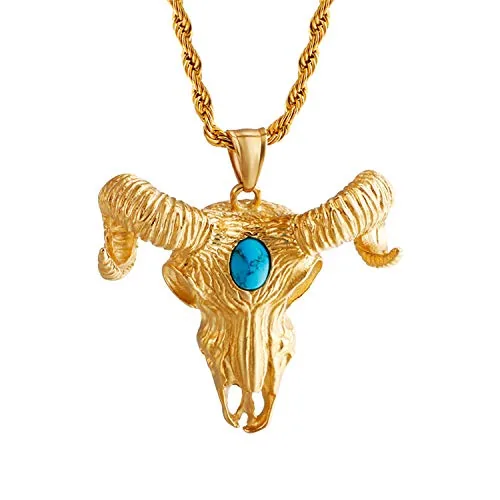
Higo Zogan Damascene Pendant Necklace: Where to Buy Kumamoto’s Gold-Inlaid Iron Craft [2026]

Higo Zogan inlays pure gold and silver into rust-blackened iron, a samurai-era damascening craft from Kumamoto. This pendant turns the Hosokawa clan's sword-fitting technique into a wearable heirloom for everyday use.
Hyogo

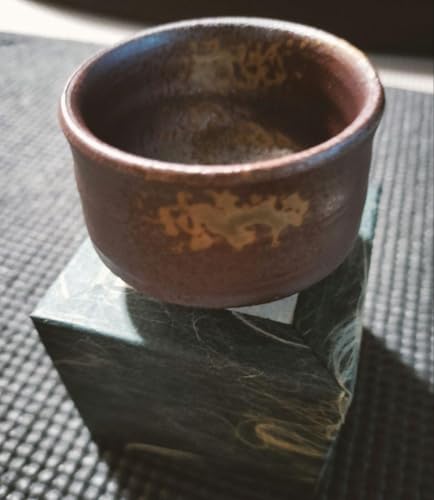
Tamba Tachikui-yaki Guinomi Sake Cup: Ash-Glazed Six-Kiln Ware [2026]

Tamba Tachikui-yaki is one of Japan's Six Ancient Kilns, fired in Sasayama, Hyogo for over 800 years. This guinomi carries the wood-fired natural ash glaze that defines the tradition.
Japanese Craft

Takaoka Shikki Aogai Raden Lacquer Box: Toyama Mother-of-Pearl Inlay [2026]

Toyama's Takaoka lacquer tradition shines in aogai raden — iridescent mother-of-pearl shell inlaid into deep urushi. A small accessory box that turns a 400-year castle-town craft into everyday luxury.
Japanese Craft

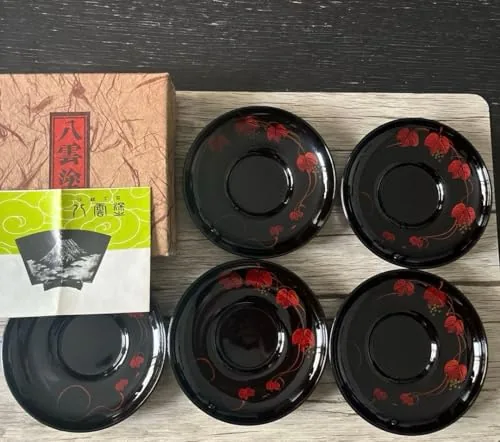
Yakumo Nuri Lacquer Chataku Tea Saucer Set: Matsue’s Living Lacquer [2026]

Yakumo Nuri from Matsue layers translucent lacquer over painted motifs so the colors deepen and surface with years of use. A set of hand-finished chataku tea saucers from Shimane's castle-town craft.
Fukui

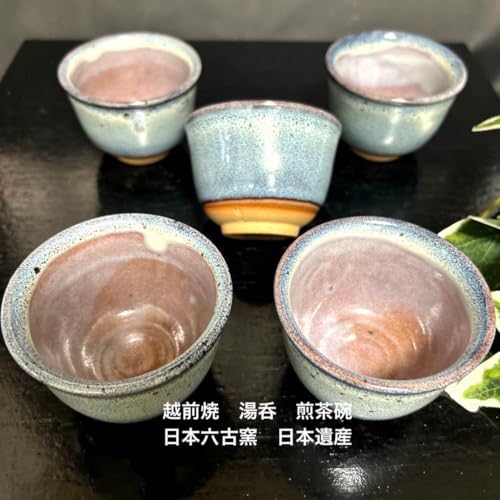
Echizen Yaki Yunomi: One of Japan’s Six Ancient Kilns [2026]

Echizen ware from Fukui is one of Japan's Six Ancient Kilns. This iron-rich stoneware yunomi shows natural ash-glaze drips and 850 years of unbroken firing.
Japanese Craft

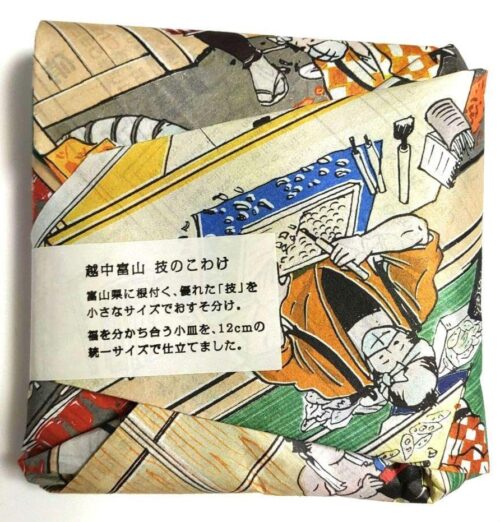
Keijusha Etchu Yatsuo Washi Katazome Card Case: Where to Buy [2026]

A stencil-dyed (katazome) business card case made from Etchu Yatsuo washi, the Toyama paper once used to wrap the region's famous traveling medicine. Folk-craft paper goods from Keijusha, in the lineage of Yanagi Soetsu's mingei and Serizawa Keisuke's dyeing.
Gifu

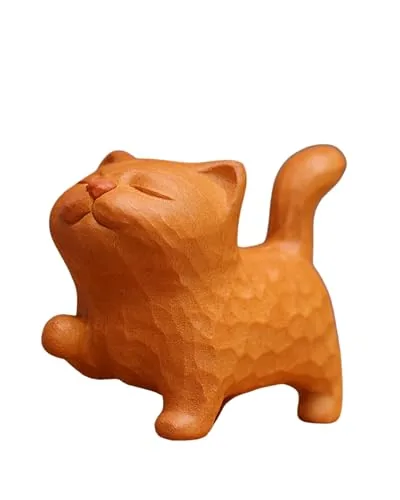
Hida Ichii Ittobori Yew Wood Okimono Carving: Where to Buy [2026]

Hand-carved from Japanese yew (ichii) in Takayama, this Hida Ittobori okimono needs no paint — the wood's natural two-tone grain darkens with age into a living ornament shaped by the Hida no Takumi carving tradition.
Japanese Craft

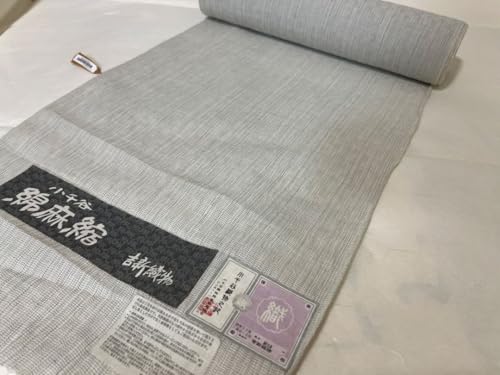
Ojiya Chijimi Ramie Stole: Niigata Snow-Country Crepe Linen, Where to Buy [2026]

Ojiya Chijimi is Niigata's snow-bleached ramie crepe, a UNESCO-listed summer textile with a crisp shibo pucker that lifts off the skin. This lightweight stole carries Echigo snow-country weaving into a wearable everyday piece.
Japanese Craft

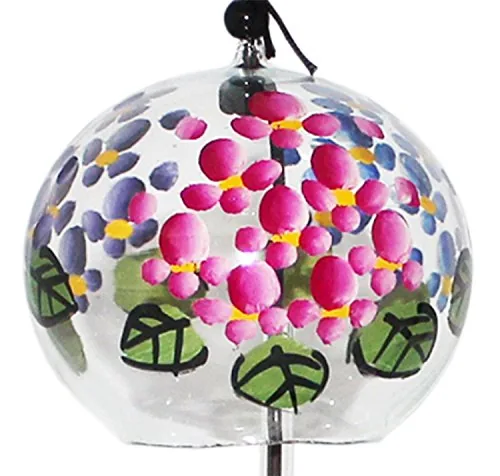
Edo Furin Hand-Blown Glass Wind Chime: Tokyo’s Summer Sound, Where to Buy [2026]

Each Edo Furin is blown without a mold and painted from the inside, its deliberately rough rim giving Tokyo's classic summer wind chime a clear, lingering glass tone you can't mass-produce.
Bamboo

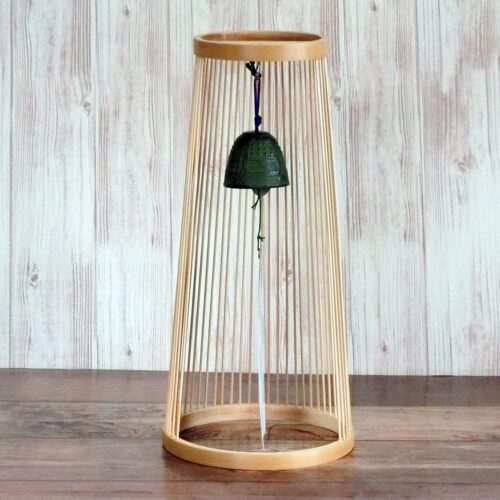
Suruga Take-Sensuji-Zaiku Bamboo Wind Chime ‘Hatsukaze 25’ — 200-Year Shizuoka Bamboo Tradition (¥5,500 / ≈$37 USD) [2026 Buyer’s Guide]

Suruga take-sensuji-zaiku (駿河竹千筋細工) is the **fine bamboo basketry tradition of Shizuoka City** — practiced since the early 19th century when artisan Sugayama Kihachi (菅山喜八) developed the distinctive 'thousand-strip' bamboo technique using slender round bamboo rods rather than the flat strips used in most other Japanese bamboo basketry. Designated METI Traditional Craft Product in 1976. This 'Hatsukaze' (初風, 'first wind') wind chime is a 25 cm hanging bamboo piece. At ¥5,500 (≈$37 USD).
Next page