Hagi-yaki Matcha Chawan Tea Bowl: Where to Buy a Choshu Classic [2026]
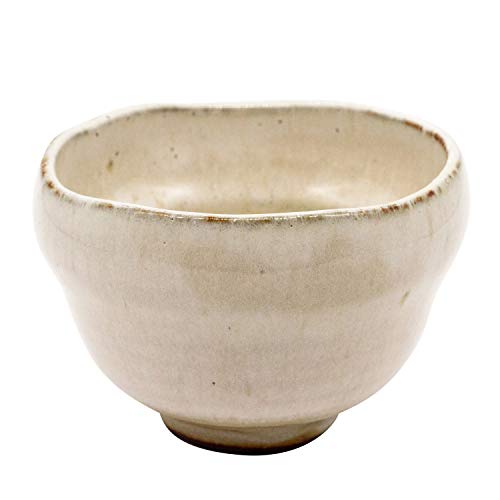
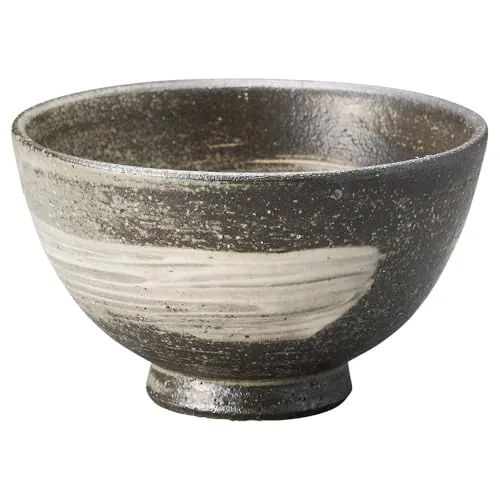
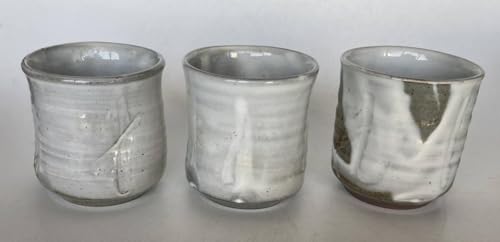
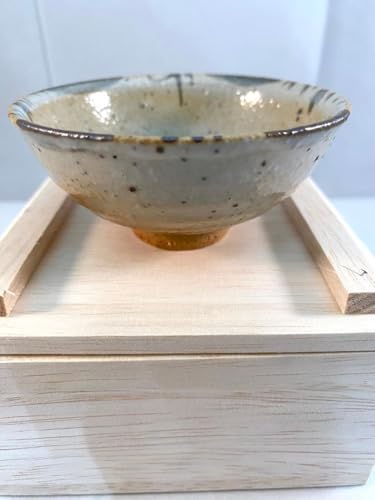
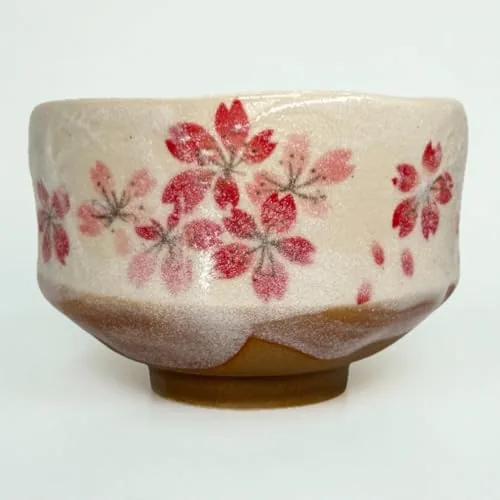
Hagi-yaki, the Mori clan's domain pottery founded by Korean potters in 1604, shapes matcha bowls whose soft, porous…
Hagi-yaki, the Mori clan's domain pottery founded by Korean potters in 1604, shapes matcha bowls whose soft, porous…
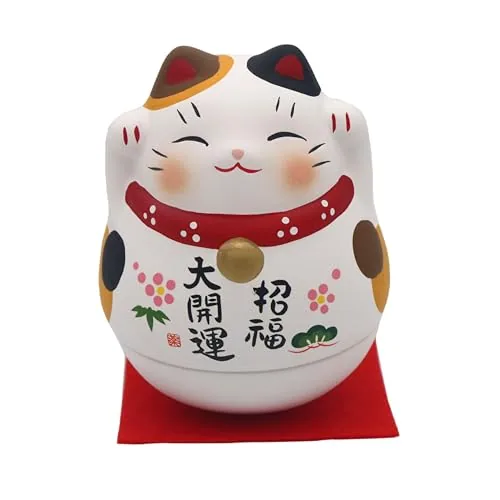
Imado-yaki is the Edo-period earthenware credited with the very first maneki-neko. A hand-shaped, hand-painted beckoning cat from the…
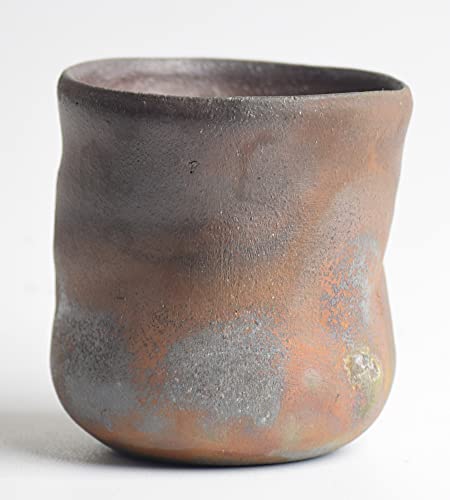
Unglazed wood-fired stoneware from Goshogawara, Aomori. The rough yakishime surface of this Tsugaru Kanayama-yaki cup breaks beer into…
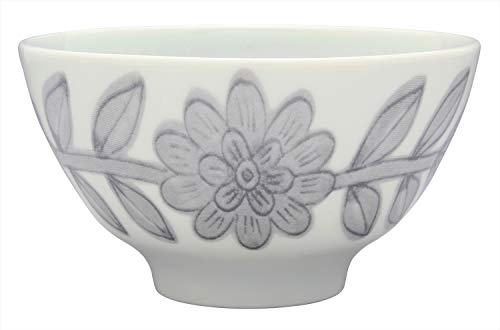
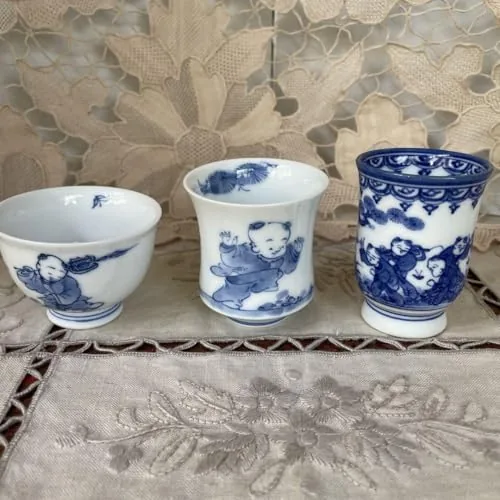
Born in Ehime's Ozu domain in 1777, Tobe-yaki is thick white porcelain hand-painted in cobalt blue. Baizan-gama's karakusa…
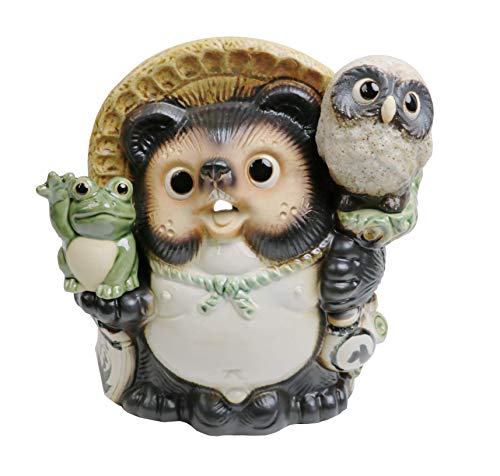
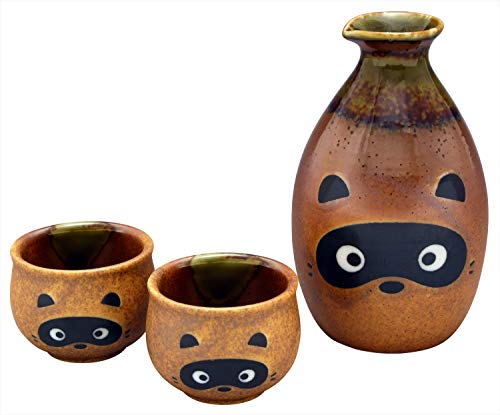
From one of Japan's Six Ancient Kilns, the Shigaraki tanuki is a hand-built ceramic raccoon dog placed at…
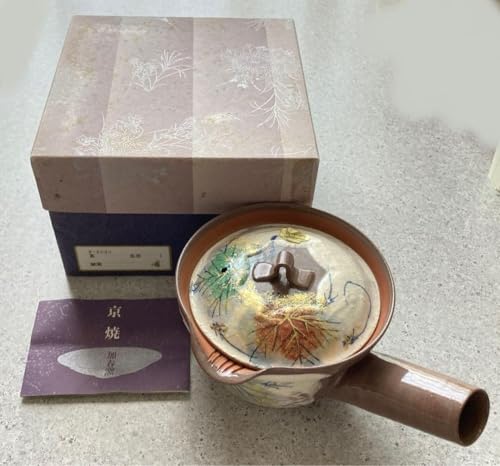
A hand-painted Kiyomizu-yaki side-handle kyusu from Kyoto's Gojozaka kiln district, built for brewing sencha and gyokuro. Here is…
Fired in the Tateyama foothills since the late 16th century, Etchu Seto-yaki is Toyama's oldest ceramic tradition. This…
Shodai-yaki is one of Kyushu's oldest folk kilns, founded around 1632 under Kumamoto's Hosokawa lords. This yunomi shows…
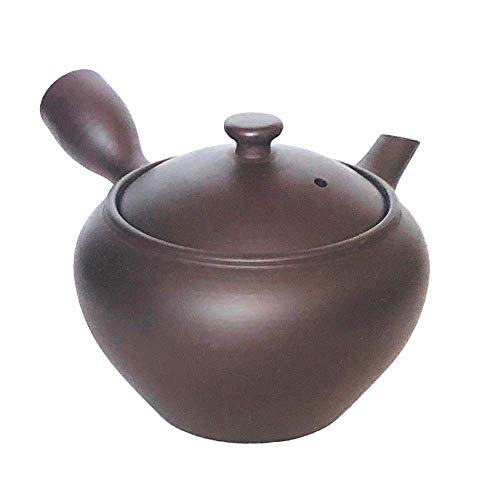
A thick, earthy Mashiko-yaki kyusu glazed in kaki iron or nuka ash — the mingei teapot Hamada Shoji's…
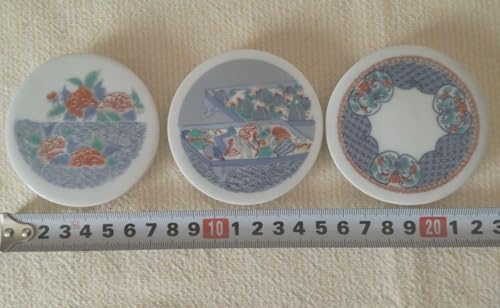
Iro-Nabeshima was the porcelain the Nabeshima clan made only as gifts for the shogun, fired behind guarded gates…
Ohi ware is Kanazawa's hand-formed, amber-glazed raku pottery, born from the Maeda domain's tea culture. This guide explains…
Kasama-yaki is one of the Kanto region's oldest ceramic traditions, born under the Kasama domain in the 1770s…
Hasami ware has set Japan's everyday tables for 400 years. This porcelain gohan chawan pairs Edo-born, mass-craft heritage…
Shiraiwa-yaki is Akita's oldest ceramic, born in 1771 under the Satake clan's Kubota domain. Its signature namako-yu glaze…
Hirashimizu-yaki from Yamagata City fires local iron-rich clay into a nashiji 'pear-skin' celadon, its dark speckles surfacing through…
Tamba Tachikui-yaki is one of Japan's Six Ancient Kilns, fired in Sasayama, Hyogo for over 800 years. This…
Fired in Kanaya since the 1500s, Shitoro-yaki is one of Kobori Enshu's Seven Kilns. Its iron-glazed stoneware makes…
A yellow-glazed stoneware egg baker from Shimane's Yumachi kiln, shaped on advice from Bernard Leach himself. Izumo mingei…
A natural ash-glaze teacup from Tachikui in Hyogo, one of Japan's Six Ancient Kilns. Eight centuries of anagama…
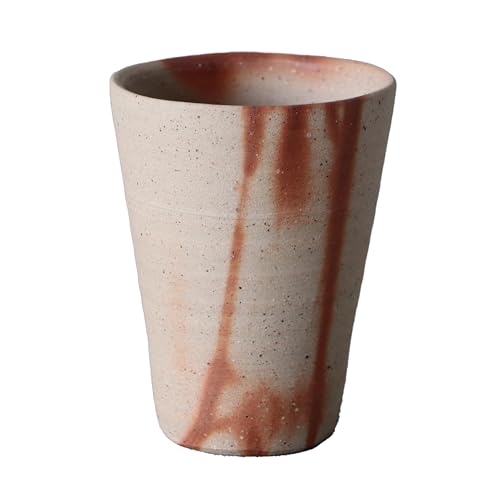
A wood-fired, glaze-free Bizen stoneware tumbler from Okayama's Inbe village. Its microscopically rough surface breaks beer into a…
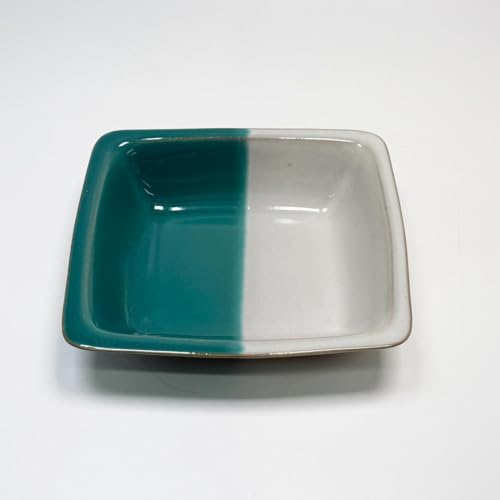
Ushinoto-yaki's green-and-black somewake glaze is a landmark of Tottori folk pottery, revived by the local Mingei movement. Where…
Kasama-yaki is Ibaraki's free-spirited stoneware, born in the 1770s from Shigaraki roots and now eastern Japan's most open-minded…
One of Japan's Six Ancient Kilns, Seto gave its name to 'setomono.' This hand-painted blue-and-white sometsuke rice bowl…
Mikawachi ware is the fine white porcelain of Nagasaki's old Hirado domain, prized for delicate karako blue-and-white painting…
Seto-yaki, the only glazed member of Japan's Six Ancient Kilns, shapes a ceramic pour-over dripper that carries a…
A warm yellow-glaze teacup from Izumo's Yumachi-gama, the lakeside kiln Bernard Leach once visited — Fujina-yaki mingei pottery…
Yokkaichi's Banko-yaki shidei kyusu makes most of Japan's clay teapots. Its unglazed purple clay reacts with tannins to…
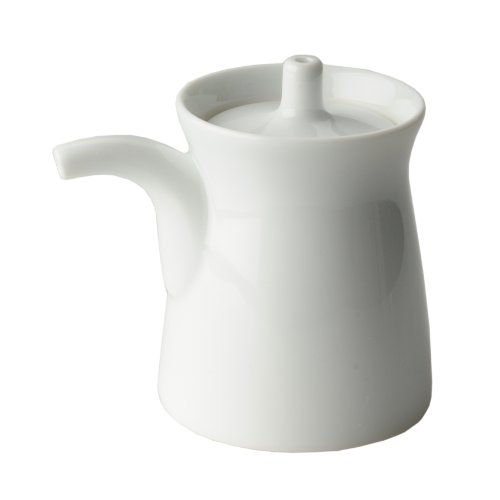
A 1958 Masahiro Mori design still made in the 400-year porcelain town of Hasami, Nagasaki. The non-drip G-Type…
A Mingei-rooted egg baker from Shimane's Yumachi Kiln, where Fujina yellow glaze and Bernard Leach's influence meet the…
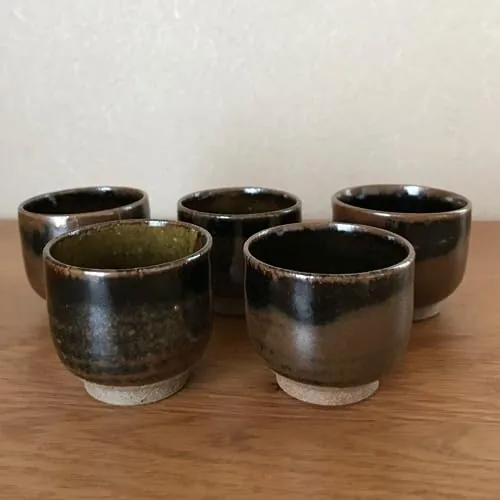
A Shodai-yaki guinomi from northern Kumamoto: nagashi-gake straw-ash streaks poured over an iron-dark stoneware body, the rustic Higo…
Koishiwara ware's rhythmic tobikanna chatter marks were born in a Fukuoka mountain village and praised by Japan's mingei…
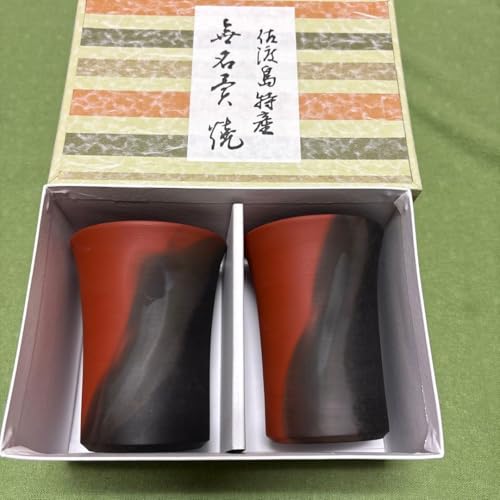
Sado Island's Mumyoi-yaki is fired from iron-rich red clay dug near the Sado gold mine, polished to a…
Tohoku's oldest pottery, Aizu Hongo-yaki has been fired since the 1640s. This amber-glazed yunomi carries the mingei warmth…
Saga's Karatsu ware is rustic, iron-painted stoneware shaped by Korean potters who settled after the 1590s—this e-garatsu guinomi…
Otani-yaki from Naruto, Tokushima is robust ash-glazed stoneware once shaped into giant indigo-dye vats. Here is how to…
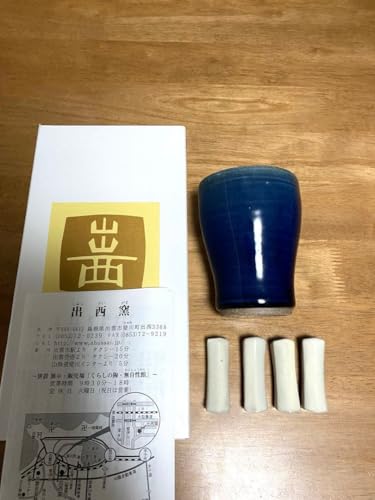
A hand-thrown mug from Izumo's Shussai Kiln in the cobalt glaze known as Shussai Blue. Where to buy…
Shiro-Satsuma's ivory crackle glaze, born under the Shimazu domain, once charmed Meiji export buyers. Here's where to buy…
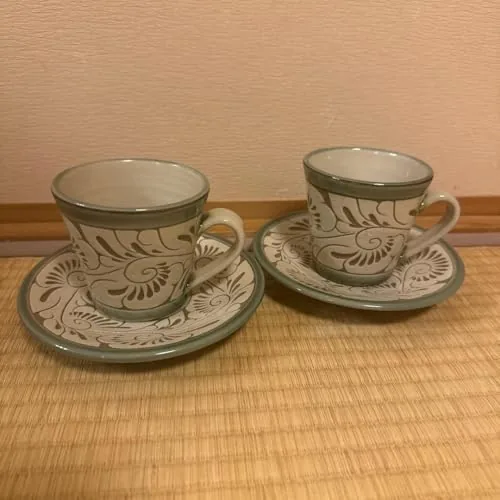
Yachimun is Okinawa's Tsuboya pottery, shaped by the Ryukyu Kingdom's trading era. We cover its bold glazes, arabesque…
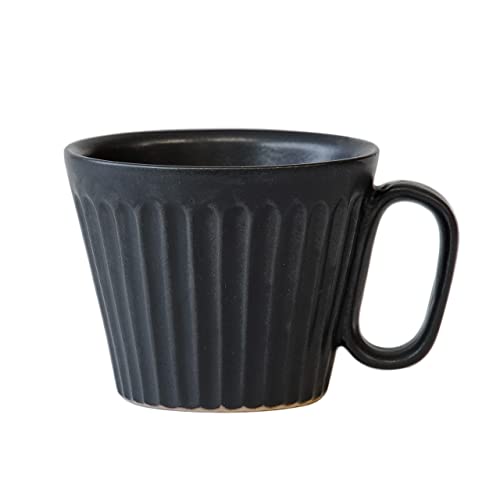
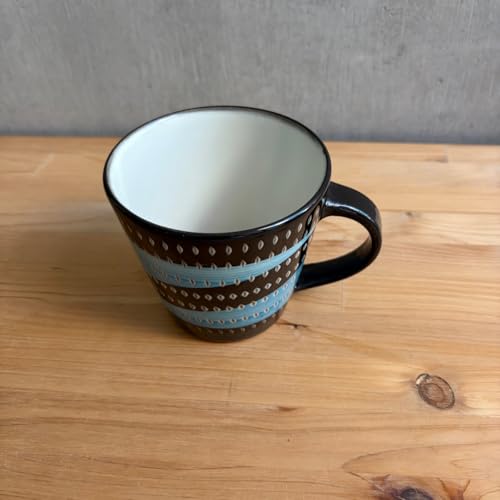
Koishiwara yaki's tobikanna chatter marks turn a daily mug into a slice of Fukuoka mingei. A buyer's guide…
Echizen ware from Fukui is one of Japan's Six Ancient Kilns. This iron-rich stoneware yunomi shows natural ash-glaze…