neukyosuke

Japanese Craft
Uchiyama-gami Snow-Bleached Washi: Iiyama Kozo Paper Guide [2026]

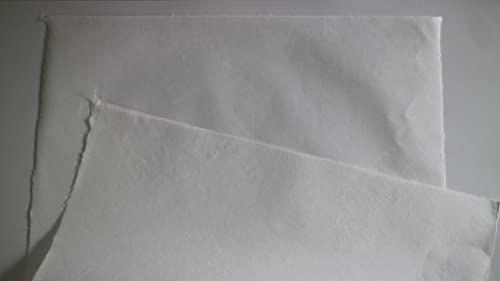
Uchiyama-gami is snow-bleached kozo washi from Iiyama in Nagano's deep snow country, handmade for over 300 years for shoji screens, lamps, art, and calligraphy.
Japanese Craft
Akama Suzuri Inkstone: Yamaguchi’s Stone of the Four Treasures [2026]

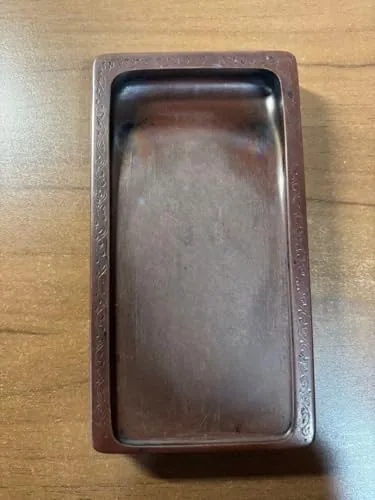
A fine-grained inkstone quarried near Shimonoseki and prized by calligraphers since the Kamakura era, the Akama suzuri completes the Four Treasures of the study.
Aichi

Toyohashi Fude: Aichi’s Hand-Blended Calligraphy Brush [2026]

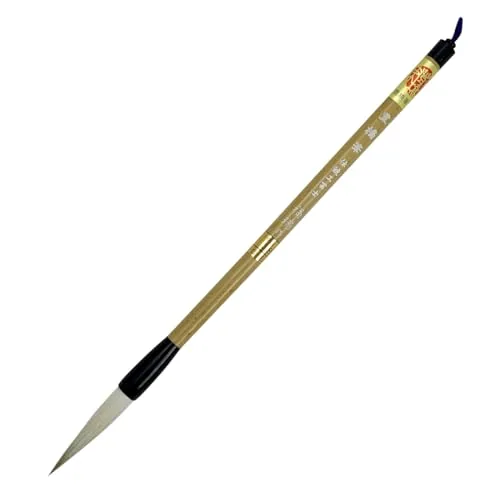
Toyohashi in Aichi is one of Japan's three great brush towns, prized for hand-blended animal-hair calligraphy brushes. Here is where to buy a quality writing brush and how it differs from Kumano and Nara fude.
Japanese Craft
Kyo-Yuzen Furoshiki: Kyoto Wrapping Cloth, Where to Buy [2026]

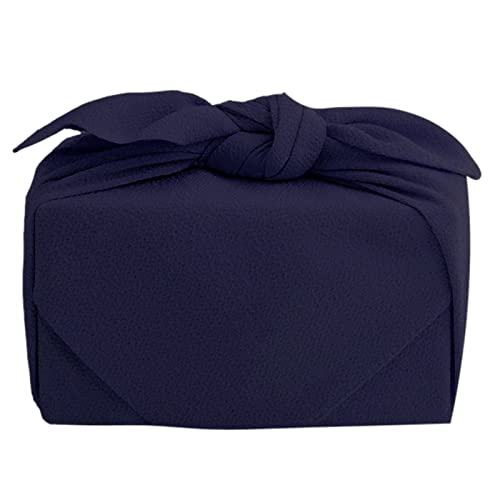
A Kyoto Yuzen-dyed furoshiki turns one square of cloth into reusable gift wrap, a bento cover, or a carry bag, rooted in centuries of merchant-era wrapping culture.
Gifu

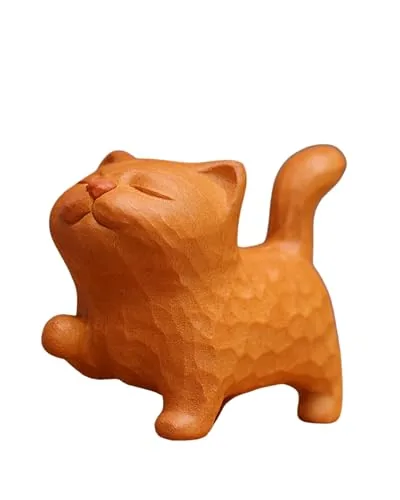
Hida Ichii Ittobori Yew Wood Okimono Carving: Where to Buy [2026]

Hand-carved from Japanese yew (ichii) in Takayama, this Hida Ittobori okimono needs no paint — the wood's natural two-tone grain darkens with age into a living ornament shaped by the Hida no Takumi carving tradition.
Japanese Craft
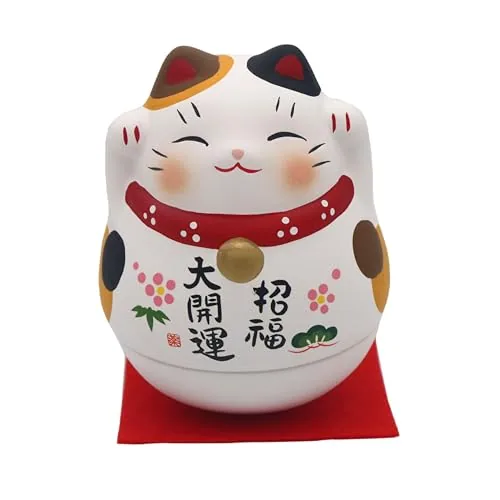
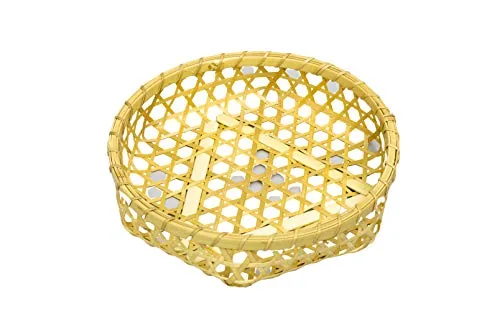
Beppu Bamboo Basket (Beppu Takezaiku): Oita’s Hand-Woven Madake Kago [2026]

Beppu Takezaiku is Japan's only nationally designated bamboo craft, born from the rice and market baskets of Oita's hot-spring town. A hand-woven madake kago for fruit, bread, or display, made by artisans descended from a Living National Treasure lineage.
Japanese Craft
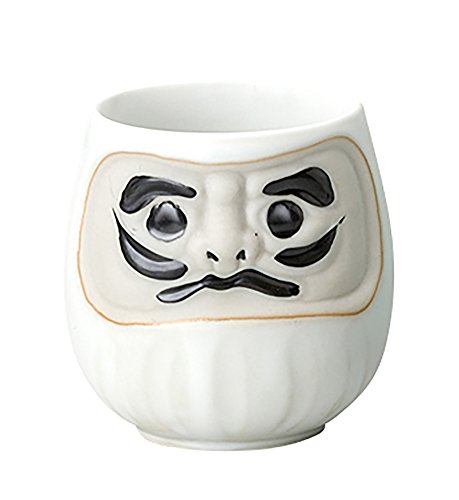
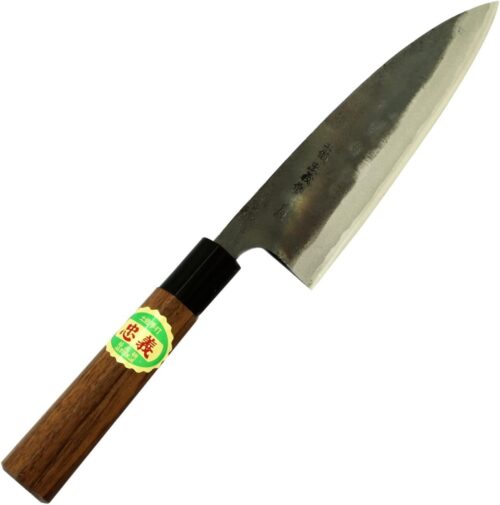
Tosa Funayuki Knife — Kurouchi Black-Finish Aogami Carbon-Steel 165mm (¥5,709 / ≈$38 USD) [2026 Buyer’s Guide]

Tosa uchihamono (土佐打刃物) is the **forged-blade tradition of Kōchi Prefecture** on Shikoku — practiced continuously since the 16th century, with the Edo-period Tosa domain ranking it alongside Sakai and Echizen among Japan's major blade-forging regions. Designated METI Traditional Craft Product in 1998. Distinguished by **'kurouchi' (黒打, 'black hammer finish')** — the carbon-steel blade retains its rough forge-black scale rather than being polished smooth, producing a distinctive rustic aesthetic. This Tosa **funayuki (舟行) all-purpose knife by Tosa Hamono Ryūtsū Center** uses Aogami #1 carbon steel with a walnut handle. At ¥5,709 (≈$38 USD).
Japanese Craft
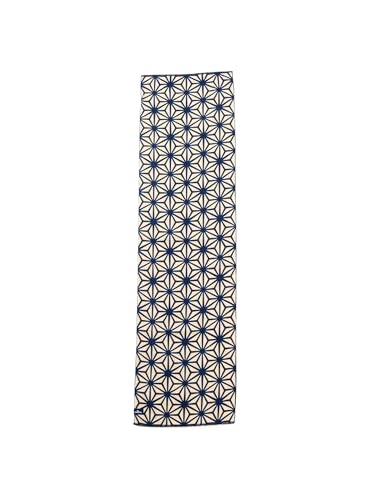
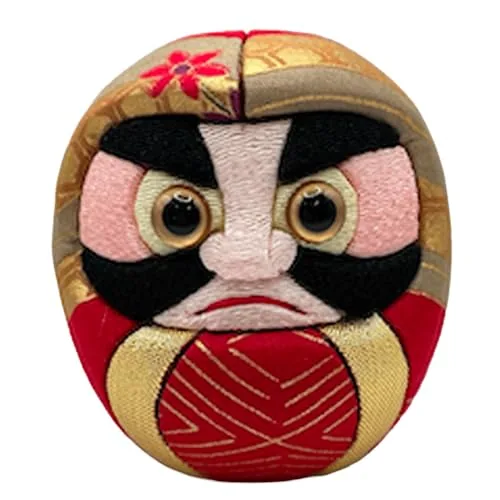
Iwatsuki Edo Kimekomi Doll: Saitama’s Doll-Town Ningyo, Where to Buy [2026]

Iwatsuki in Saitama is Japan's largest doll-making town. Edo Kimekomi ningyo wrap paulownia-paste bodies in washi and silk, their patterns tucked into hand-carved grooves — a compact heirloom from a craft born along the Nikko Kaido.
Japanese Craft
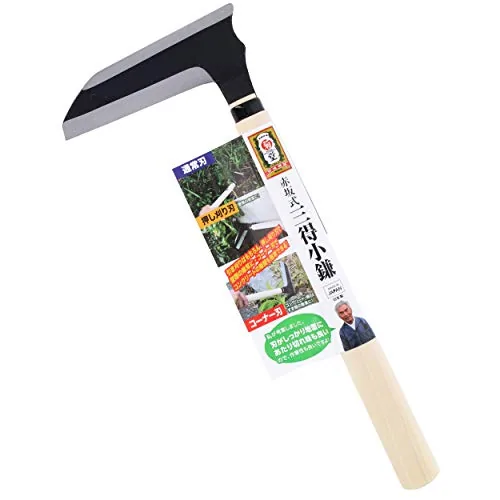
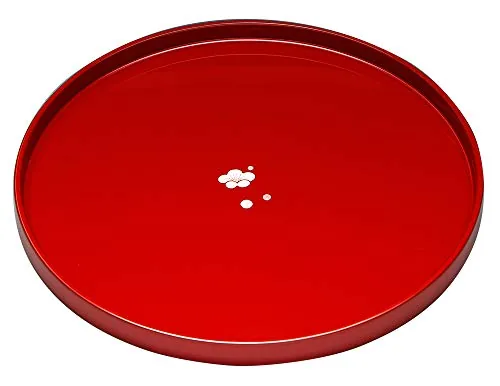
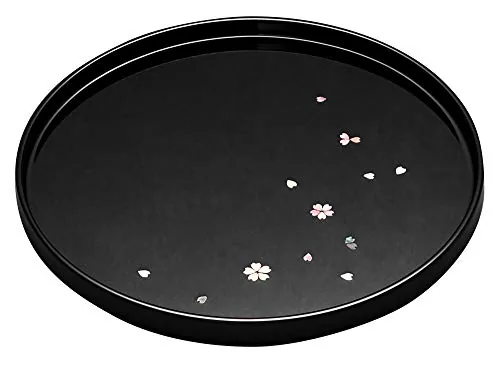
Takaoka Shikki Raden Lacquer Tray: Where to Buy Toyama’s Urushi Craft [2026]

Takaoka Shikki pairs urushi lacquer with raden mother-of-pearl inlay, born in the same 1609 castle town that gave Toyama its famous metal casting. A quiet serving tray with iridescent shell that catches the light at every angle.
Ibaraki

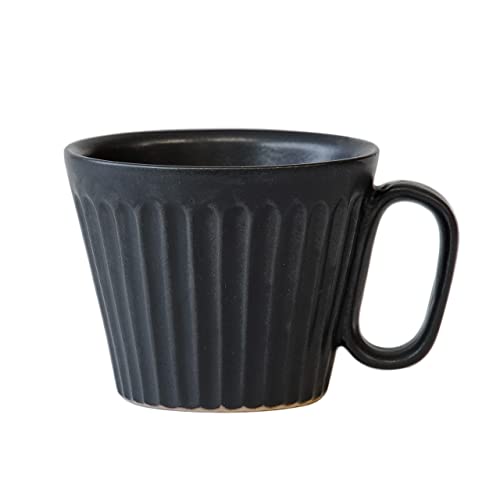
Kasama-yaki Mug: Handmade Ibaraki Pottery Coffee Cup Guide [2026]

Kasama-yaki is Ibaraki's free-spirited stoneware, born in the 1770s from Shigaraki roots and now eastern Japan's most open-minded pottery hub. A guide to its handmade mugs.
Japanese Craft

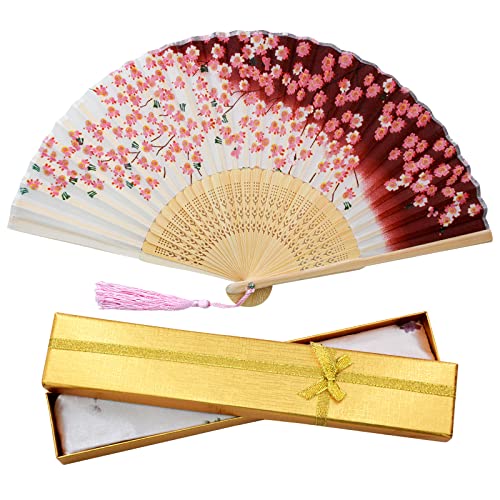
Kyo Sensu Folding Fan — Kyoto Silk Hand Fan Where to Buy [2026]

The folding fan was invented in Heian-era Kyoto, and Kyo Sensu still carries that courtly refinement—here is how to find an authentic silk hand fan.
Japanese Craft
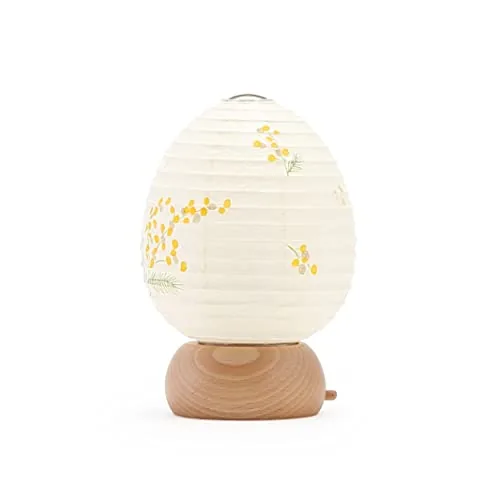
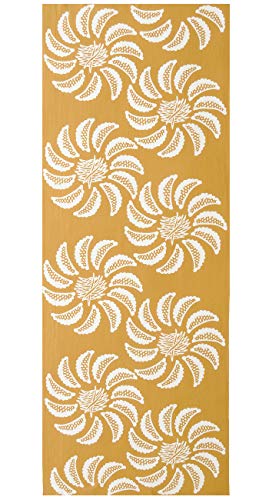
Hamamatsu Chusen Tenugui: Enshu Cotton Hand-Dyed Cloth Guide [2026]

One of Japan's three great chusen dyeing towns, Hamamatsu pours dye through stencils to color Enshu cotton on both sides. Where to buy an authentic, reversible tenugui.
Japanese Craft
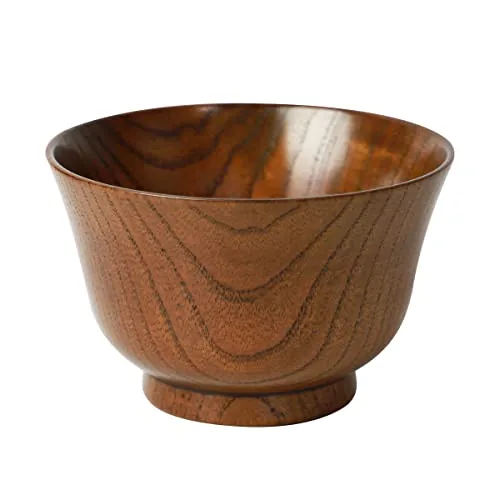
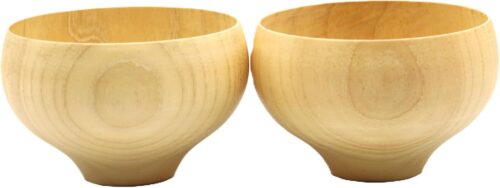
Kishū Lacquerware Soup Bowl Pair (B.C. TSUBO Natural) by Sumida Kihei — 400-Year Kuroe-Nuri Tradition (¥7,920 / ≈$53 USD) [2026 Buyer’s Guide]

Kishū-shikki (紀州漆器) is the **lacquerware tradition of Kuroe, in northern Wakayama Prefecture** — practiced continuously since the late 16th century, when the Kishū domain (under the Tokugawa Yorinobu branch) attracted Wakasa lacquer craftspeople. Designated METI Traditional Craft Product in 1978. Distinguished by **Kuroe-nuri (黒江塗)** — a tough negoro-style red-over-black finish optimized for daily use. This **B.C. TSUBO modern minimalist soup-bowl pair by Sumida Kihei Shōten (角田清兵衛商店)** is dishwasher-safe. At ¥7,920 (≈$53 USD).
Japanese Craft
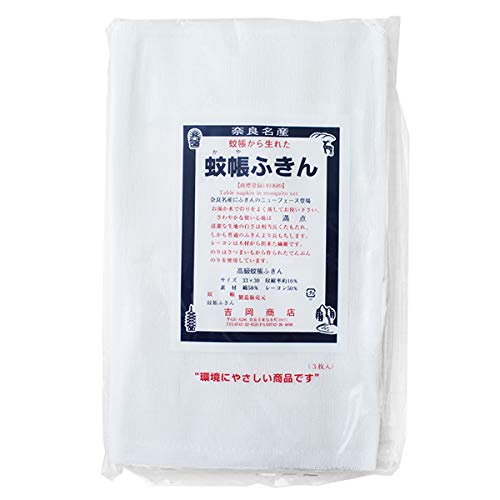
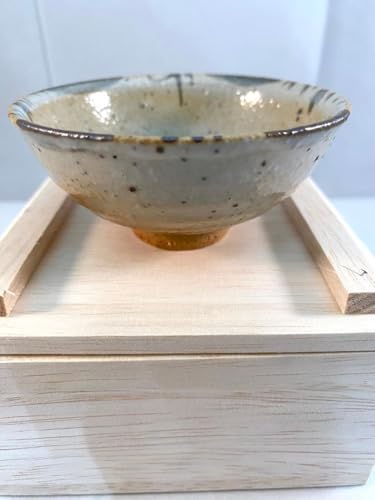
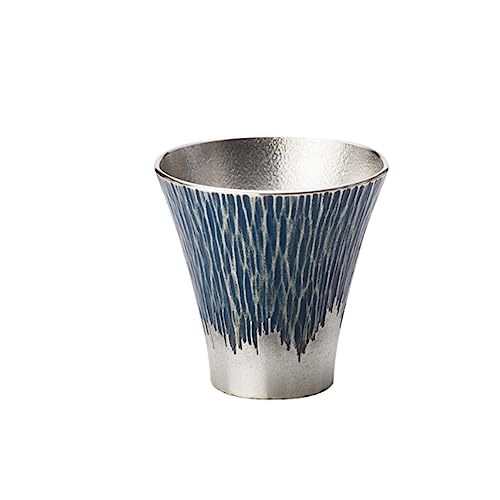
Karatsu Ware Guinomi Sake Cup: Where to Buy Saga Pottery [2026]

Saga's Karatsu ware is rustic, iron-painted stoneware shaped by Korean potters who settled after the 1590s—this e-garatsu guinomi shows why tea masters rank it third in 'ichi-raku, ni-hagi, san-karatsu.'
Cast Iron

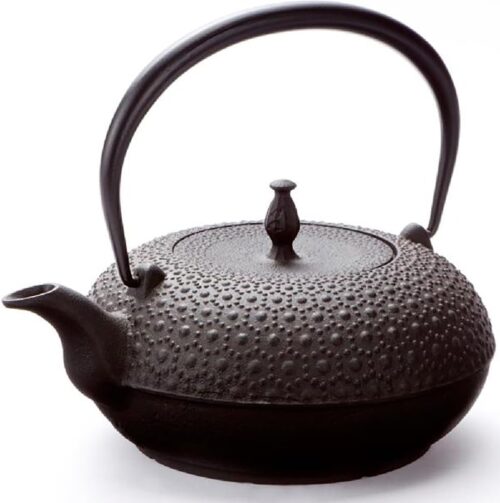
Oigen Nambu Tetsubin Cast Iron Kettle (H-200, Shinonome Kikkou, 1.0L, ¥16,900 / ≈$113 USD) — Iwate’s 900-Year Iron Tradition, From Hiraizumi to Your Kitchen [2026 Guide for International Readers]

Oigen (及源), founded 1852 in Mizusawa (Iwate Prefecture), is one of the largest producers of Nambu tetsubin (南部鉄器) — cast-iron kettles whose tradition reaches back through the 1659 invitation of Kyoto kettle-master Koizumi Nizaemon by the third Nambu-domain lord, all the way to 12th-century Mizusawa foundries that supported the Hiraizumi gold-age civilization. The H-200 Shinonome Kikkou 1.0L is the entry-level IH-compatible bare-iron tetsubin. This guide walks through Mizusawa's place in Japanese history, the 900-year continuity of iron-casting in the region, and why a bare-iron kettle is meaningfully different from a modern stainless-steel one — before getting to how to buy it from outside Japan.
Japanese Craft
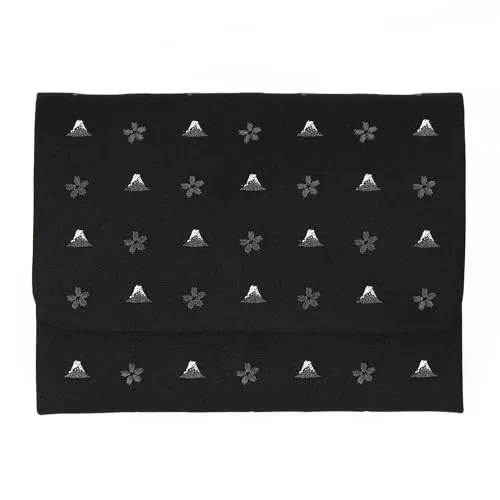
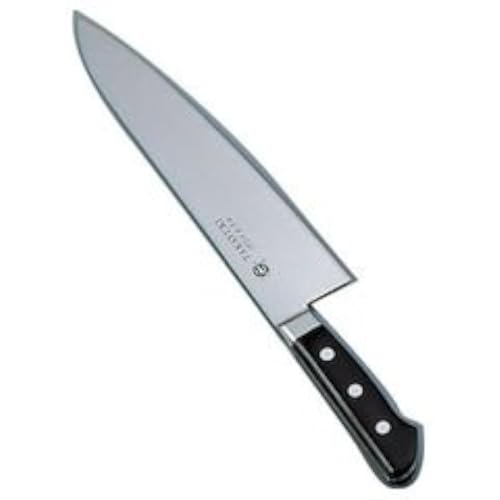
Sakai Takayuki Gyuto Chef Knife: Where to Buy This Sakai Blade [2026]

A double-bevel gyuto from Sakai, the Osaka forging town that arms most of Japan's professional chefs. Six centuries of blade-making in one Western-style chef's knife — sharp, balanced, and built to last.
Japanese Craft
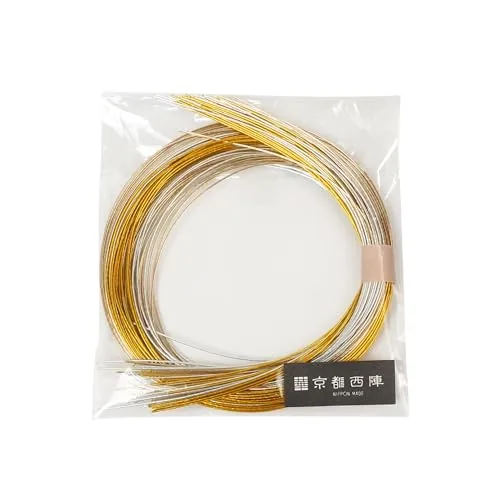
Nara Shikki Raden Lacquer Tray: Mother-of-Pearl Yamato Lacquerware, Where to Buy [2026]

Nara Shikki revives the raden mother-of-pearl inlay technique preserved in Todaiji's Shosoin treasures. This hand-lacquered tray sets shimmering shell against deep urushi black, a quiet heirloom from Japan's first capital.
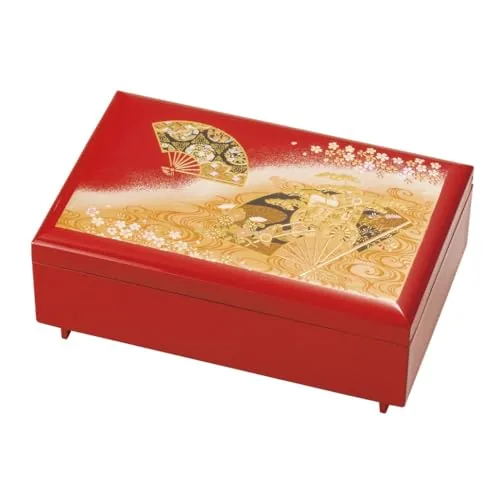
Fan

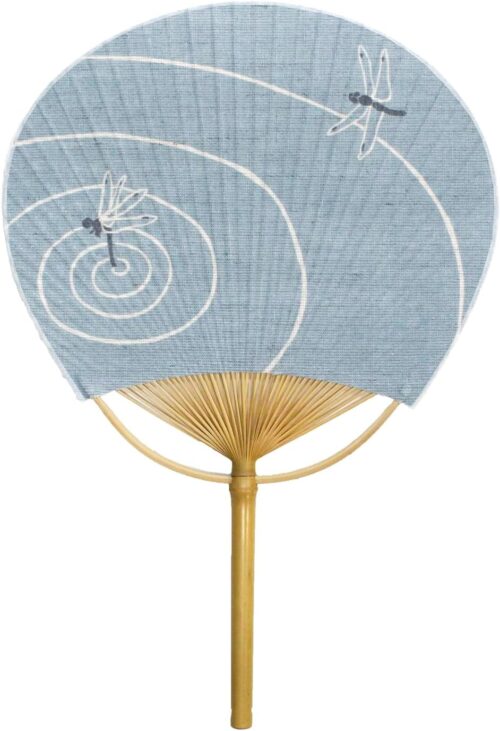
Marugame Uchiwa Fan by IONO — Linen Dragonfly Hand-Pasted in Kagawa (¥3,630 / ≈$24 USD) [2026 Buyer’s Guide]

Marugame uchiwa (丸亀うちわ) is the **hand-pasted bamboo fan tradition of Marugame**, in northern Kagawa Prefecture on Shikoku — producing **approximately 90% of all uchiwa made in Japan**, with continuous production since the early 1600s. Designated METI Traditional Craft Product in 1997. This linen-fabric uchiwa by IONO features the auspicious **tonbo (dragonfly) motif** — symbolically associated with victory and unwavering forward motion in Japanese culture — on a hand-bent bamboo frame, hand-pasted in a Marugame workshop. At ¥3,630 (≈$24 USD) it sits in the entry-mid tier for authentic Marugame uchiwa. This guide walks through the 400-year arc from the Tenshō-era Konpira-pilgrim trade to today's 30+ active workshops.
Japanese Craft

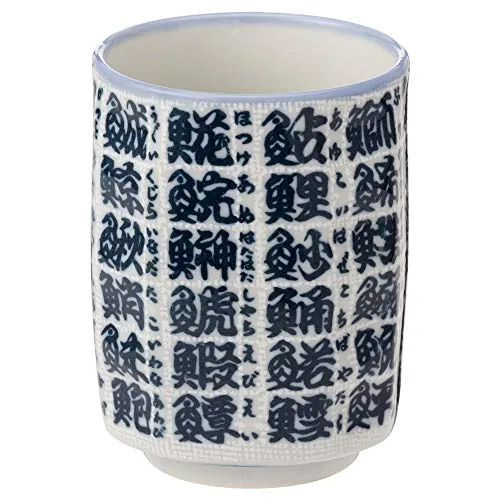
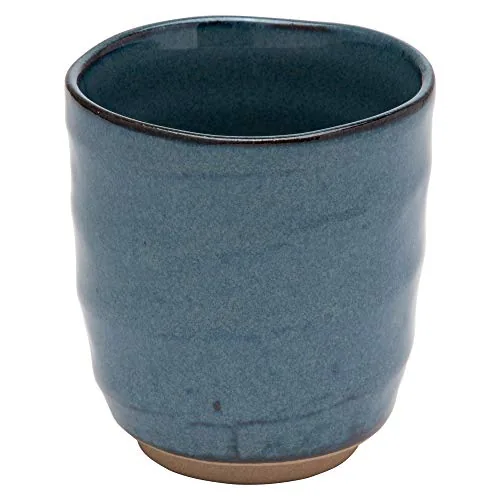
Odo-yaki Tosa Sometsuke Yunomi Tea Cup: Where to Buy in Japan [2026]

Odo-yaki is the official kiln founded by the Tosa Yamauchi clan in 1653. Its crackle-glazed sometsuke yunomi carries 370 years of Kochi castle-town history in one quiet blue-and-white cup.
Fukushima

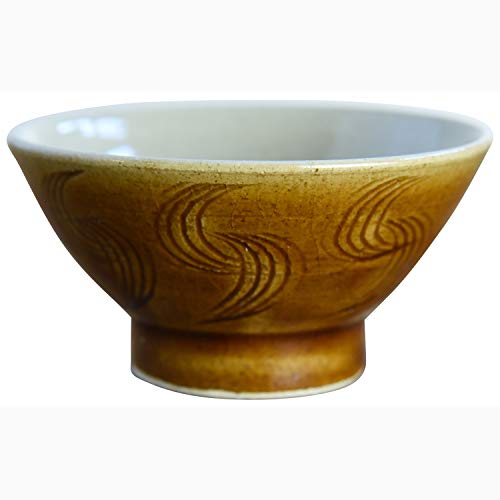
Aizu Hongo-yaki Yunomi: Tohoku’s Oldest Kiln Amber-Glaze Teacup [2026]

Tohoku's oldest pottery, Aizu Hongo-yaki has been fired since the 1640s. This amber-glazed yunomi carries the mingei warmth Yanagi Soetsu once praised.
Japanese Craft

Koshu Crystal Hand-Polished Sphere: Yamanashi Suisho Okimono Where to Buy [2026]

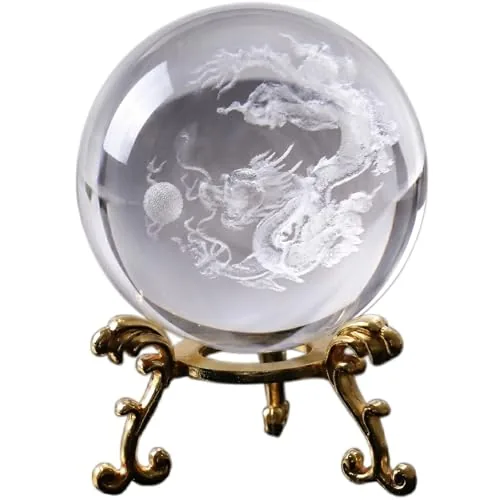
A hand-polished clear-quartz sphere from Kofu, Yamanashi — heart of Japan's only historic crystal-mining district and its jewelry capital. Centuries of gem-polishing craft (kessho kenma) in one flawless desk okimono with a turned wooden stand.
Japanese Craft

Yumihama Kasuri Coaster Set: Tottori Indigo Woven Cloth [2026]

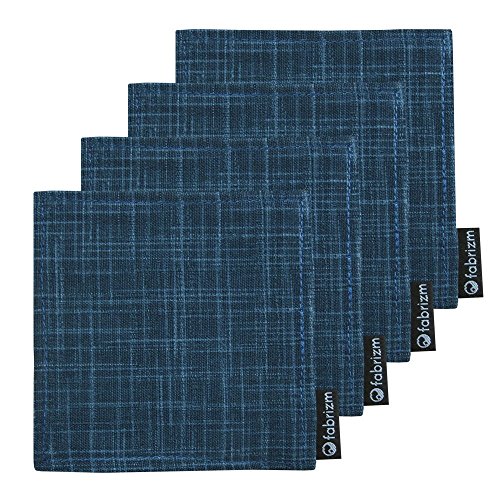
From Tottori's Yumigahama dunes, indigo-and-white yumihama kasuri weaves pre-dyed cotton threads into picture motifs. Here is where to buy a coaster set.
Hiroshima

Miyajima Shamoji Wooden Rice Scoop: Hiroshima’s Lucky Craft [2026]

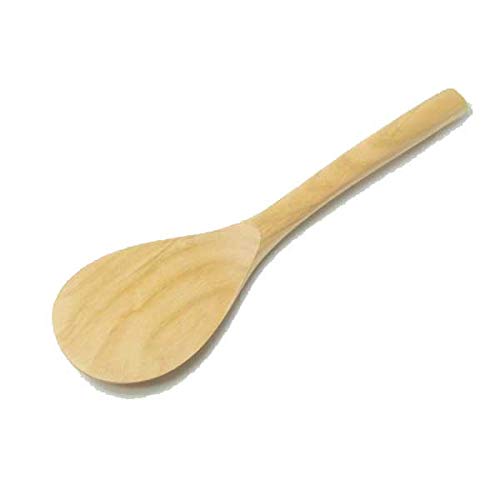
A hand-carved rice scoop from Miyajima, the sacred island off Hiroshima where a monk shaped the first shamoji around 1800 as a charm for good fortune. A nationally designated woodcraft that doubles as an everyday kitchen tool.
Japanese Craft

Nousaku Takaoka Tin KAGO Bendable Basket: Where to Buy [2026]

A 100% tin basket from Takaoka, Japan's foremost metal-casting town, that bends by hand into a bowl, tray, or fruit dish. Nousaku turned tin's softness from a flaw into the whole point.
Japanese Craft

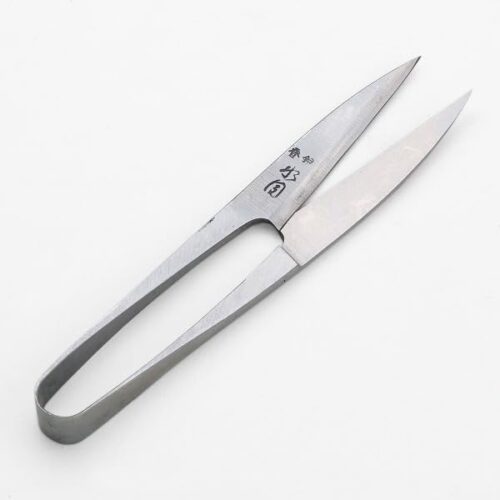
Tanegashima Hand-Forged Nigiri Scissors: Japanese U-Shaped Blades Where to Buy [2026]

Forged on the island where Japan's first matchlock guns were made in 1543, Tanegashima nigiri-basami carry 480 years of smithing into a one-piece spring-steel scissor for thread, herbs and fine craft work.
Fukui

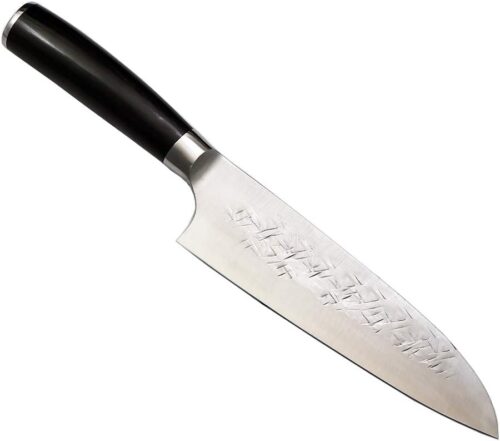
Saji Takeshi Echizen Santoku Knife — SRS13 Powdered High-Speed Steel, 180 mm Forged in Takefu (¥35,300 / ≈$235 USD) [2026 Buyer’s Guide]

Echizen Uchihamono (越前打刃物) is the 690-year-old forged-blade tradition of Takefu, Fukui — a five-minute drive from the Echizen washi papermaking valley featured in our previous guide. The town has been hammering iron into blades since 1337, when a master swordsmith from Kyoto named Chiyozuru Kuniyasu set up a workshop here. Saji Takeshi (佐治武士) is a third-generation Takefu smith and METI-designated Traditional Craftsperson. This guide walks through the seven-century forging lineage, the Takefu Special Steel laboratory that produced the SRS13 powdered high-speed steel in the blade core, and how to buy this 180 mm santoku from outside Japan.
Japanese Craft

Shitoro-yaki Yunomi: Shizuoka’s Enshu Seven Kilns Tea Cup [2026]

Fired in Kanaya since the 1500s, Shitoro-yaki is one of Kobori Enshu's Seven Kilns. Its iron-glazed stoneware makes this yunomi a sturdy, quiet cup for daily green tea.
Japanese Craft

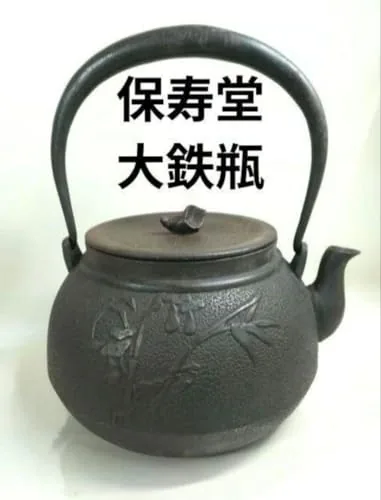
Kikuchi Hojudo Yamagata Imono Cast Iron Tetsubin Tea Kettle [2026]

Yamagata Imono spans 950 years of refined cast iron. Kikuchi Hojudo's thin-wall tetsubin softens tap water with a finish more elegant than Nambu's.
Japanese Craft

Imado-yaki Maneki-neko: Edo’s Original Lucky Cat, Where to Buy [2026]

Imado-yaki is the Edo-period earthenware credited with the very first maneki-neko. A hand-shaped, hand-painted beckoning cat from the Sumida riverbank kilns of old Asakusa, Tokyo.
Akita

Shiraiwa-yaki Namako Blue Glaze Yunomi: Akita’s Oldest Pottery, Where to Buy [2026]

Shiraiwa-yaki is Akita's oldest ceramic, born in 1771 under the Satake clan's Kubota domain. Its signature namako-yu glaze pours a streaked sea-blue over iron-brown clay, making each yunomi tea cup a quiet study in cobalt drift.
Aichi

Arimatsu Narumi Shibori Tenugui: Owari’s 400-Year Tie-Dye Craft [2026]

Arimatsu Narumi shibori is Japan's tie-dye heartland, born along the old Tokaido road in Owari. Here is where to buy a hand-bound shibori tenugui, what the indigo binding patterns mean, and how to judge real Aichi work.
Chiba

Chiba Koshogu Hand-Forged Grass Sickle (Kama): Where to Buy [2026]

A nationally designated Chiba craft, Koshogu hand-forges blades on the Kujukuri plain. This high-carbon steel grass sickle carries a centuries-old farm-forging legacy.
Hiroshima

Tulip Hiroshima Sashiko Needles: Japan’s Heritage Needle Craft [2026]

Tulip's Hiroshima-made sashiko needles draw on Edo-era needle craft from Japan's needle capital: precision-polished high-carbon steel for clean, even running stitches.
Fukuoka

Yame Chochin Paper Lantern: Fukuoka’s Bamboo-Frame Lanterns [2026]

Fukuoka's Yame chochin pair hand-painted Mino washi with a single continuously spiraling bamboo frame, from one of Japan's three historic lantern-making towns.
Japanese Craft

Kiso Shikki Lacquer Soup Bowl: Kiso-Hirasawa Owan, Where to Buy [2026]

A Kiso-Hirasawa lacquered miso soup bowl from Nagano's Nakasendo valley, built up in durable urushi over native cypress for daily use at the Japanese table.
Japanese Craft

Osaka Naniwa Pewter Tin Sake Cup: Where to Buy the Merchant City’s Craft [2026]

Osaka Naniwa Suzuki tin sake cups, hand-spun in the old merchant capital, are prized for softening sake and keeping it cold. A practical guide to choosing and buying authentic Naniwa pewter ware.
Japanese Craft

Omi Jofu Hemp Fukin: Shiga Linen Dish Cloth, Where to Buy [2026]

A ramie fukin from Shiga's Echi River valley, home of Omi Jofu, one of Japan's great summer hemp cloths—crisp, quick-drying, softer with each wash.
Japanese Craft

Nishijin Ori Card Case: Kyoto’s 1,200-Year Silk Weave Tradition [2026]

From Heian-era looms to post-Onin War weavers in west Kyoto, Nishijin-ori carries 1,200 years of silk craft into a card case you can carry daily.
Ishikawa

Kaga Mizuhiki Knot Ornament: Where to Buy Kanazawa’s Paper Cord Art [2026]

Kaga Mizuhiki turns twisted washi cords into sculptural three-dimensional knots, a Kanazawa gift-culture craft refined under the Maeda clan. Here is what to know before buying an authentic decorative ornament set.
Japanese Craft

Kyo Sashimono Paulownia Wood Box: Where to Buy Kyoto Joinery [2026]

Kyo Sashimono is Kyoto's nail-free joinery, refined over centuries by the imperial court and the tea ceremony. This guide covers a paulownia (kiri) keepsake box, its sukiya-style aesthetics, and where to buy it.
Next page