neukyosuke

Japanese Craft
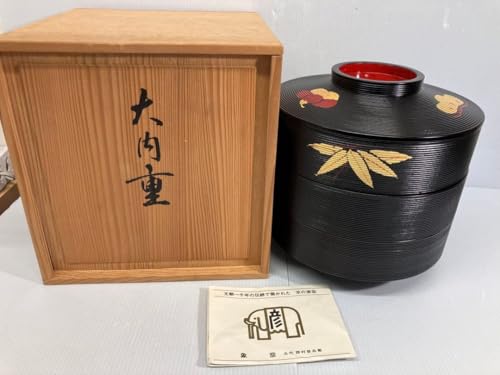
Kyo Shikki Makie Lacquer Jubako Stacking Box: Where to Buy [2026]

Kyoto's Kyo-shikki lacquer, refined in the old imperial capital, reaches its peak in maki-e gold-painted jubako stacking boxes for osechi and kaiseki dishes.
Japanese Craft
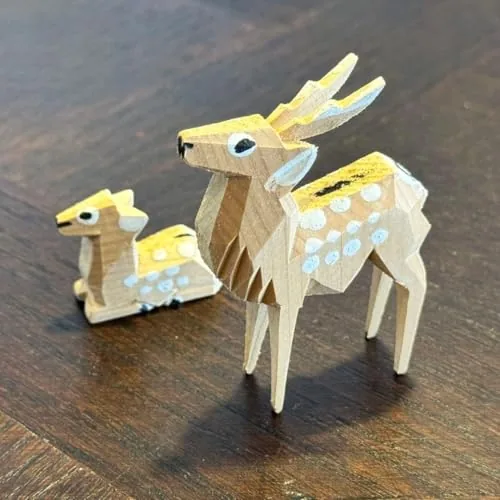
Nara Ittobori Carved Wooden Deer Okimono: Where to Buy [2026]

Nara Ittobori is a single-knife wood carving born from Kasuga Shrine festival figures. This carved deer okimono pairs bold faceted cuts with gofun and gold accents, echoing the sacred deer of Nara Park.
Japanese Craft
Kawaguchi Imono Cast Iron Sukiyaki Nabe: Saitama Iron Casting, Where to Buy [2026]

Forged in Kawaguchi, Saitama's Edo-era iron-casting town on the Arakawa, this cast iron sukiyaki nabe holds heat evenly for tabletop hot pots and searing — a maker's-mark piece built to outlast its owner.
Japanese Craft
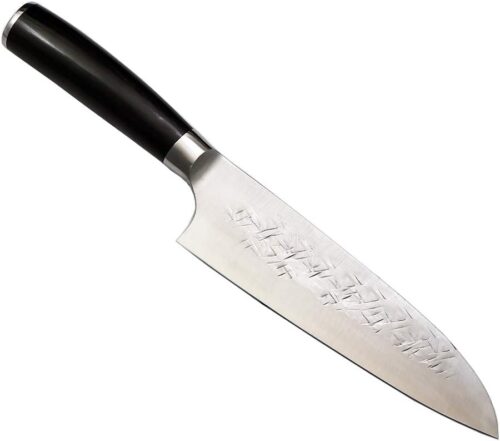
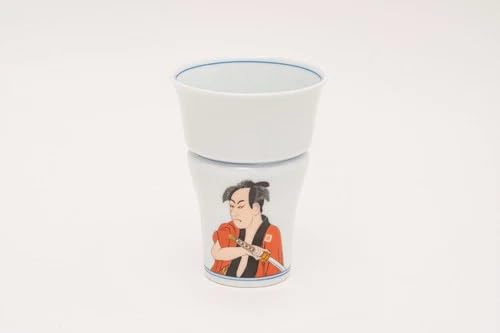
Otani-yaki Tumbler: Tokushima Indigo-Vat Stoneware Buying Guide [2026]

Otani-yaki from Naruto, Tokushima is robust ash-glazed stoneware once shaped into giant indigo-dye vats. Here is how to find a daily-use tumbler and what sets it apart.
Japanese Craft
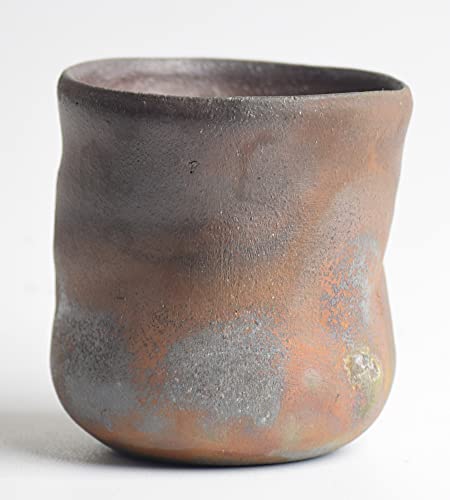
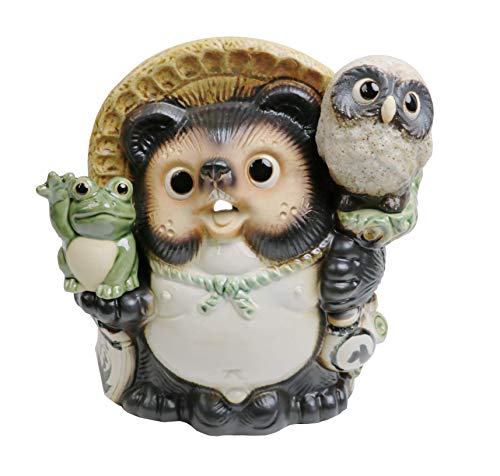
Shigaraki-yaki Tanuki Okimono: Where to Buy the Lucky Raccoon Dog Figurine [2026]

From one of Japan's Six Ancient Kilns, the Shigaraki tanuki is a hand-built ceramic raccoon dog placed at doorways for prosperity. A guide to choosing an authentic Shiga-fired figurine and where to buy it.
Hyogo

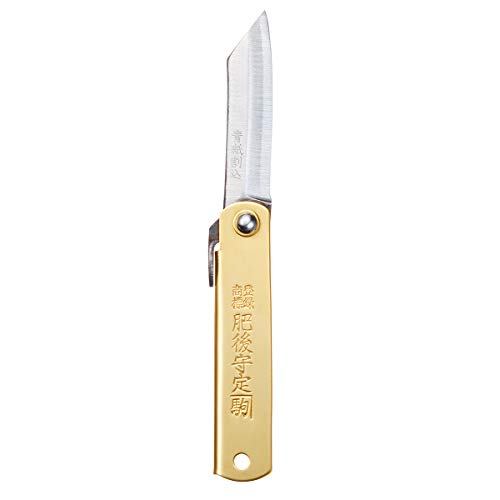
Nagao Higonokami Folding Knife: Where to Buy the Miki Blade [2026]

Japan's friction-folding pocket knife, hand-forged in Miki, Hyogo by the sole licensed maker. Where to buy the Higonokami and what to check first.
Japanese Craft
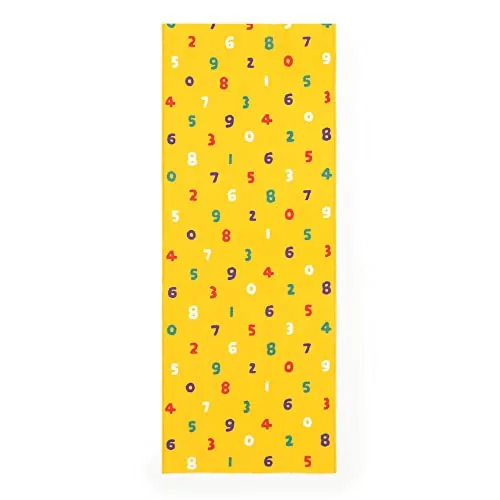
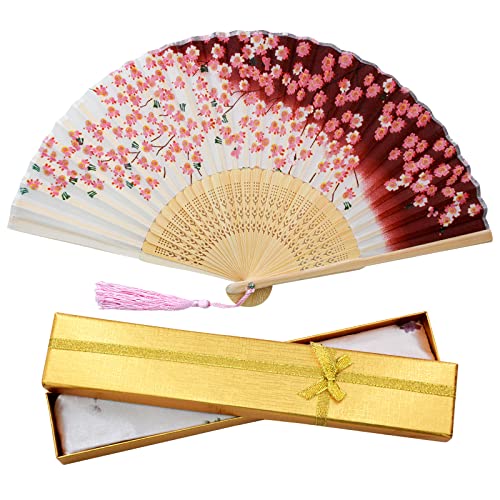
Kyo Sensu Folding Fan — Kyoto Silk Hand Fan Where to Buy [2026]

The folding fan was invented in Heian-era Kyoto, and Kyo Sensu still carries that courtly refinement—here is how to find an authentic silk hand fan.
Japanese Craft
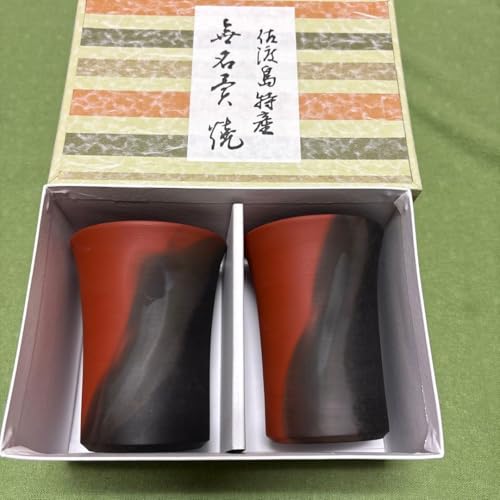
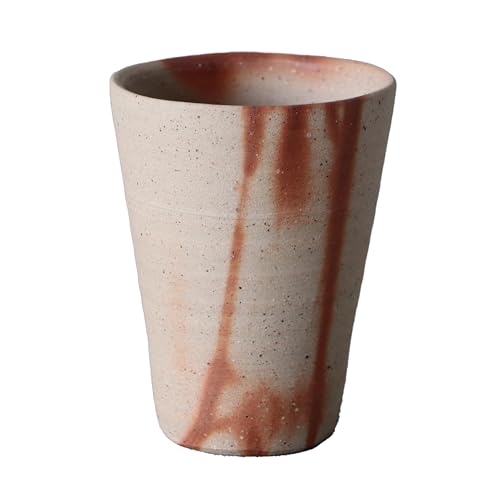
Bizen-yaki Beer Tumbler: Unglazed Six-Ancient-Kilns Stoneware [2026]

A wood-fired, glaze-free Bizen stoneware tumbler from Okayama's Inbe village. Its microscopically rough surface breaks beer into a dense, long-lasting head, while ash-burst and hidasuki markings make every cup one of a kind.
Ehime

Ozu Washi Calligraphy Paper: Ehime’s Handmade Hanshi Guide [2026]

Ozu Washi is Ehime's handmade kozo paper, drawn from the clear Hiji River since the Edo period. This guide explains its calligraphy hanshi, history, and where to buy it.
Ishikawa

Yamanaka Lacquer Natural Wood Free Cup: Where to Buy Turned Kaga Urushi [2026]

A free cup turned from vertical-grain wood and finished in wiped urushi by Yamanaka, the Kaga region whose woodturners supply Japan's finest lacquer bases. Here is where to buy it.
Japanese Craft
Keijusha Etchu Yatsuo Washi Katazome Card Case: Where to Buy [2026]

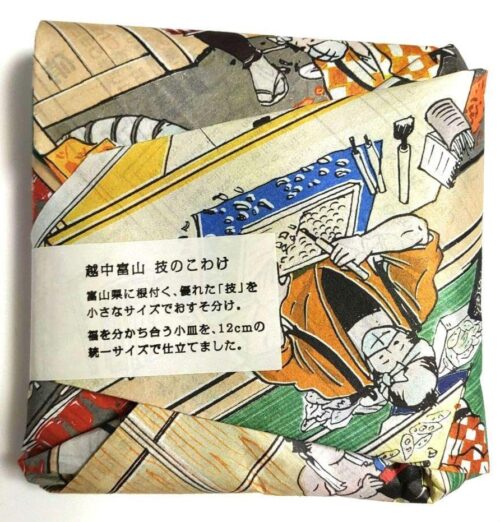
A stencil-dyed (katazome) business card case made from Etchu Yatsuo washi, the Toyama paper once used to wrap the region's famous traveling medicine. Folk-craft paper goods from Keijusha, in the lineage of Yanagi Soetsu's mingei and Serizawa Keisuke's dyeing.
Japanese Craft
Awa Washi Awagami Fine Art Paper: Tokushima’s Handmade Washi Sheets [2026]

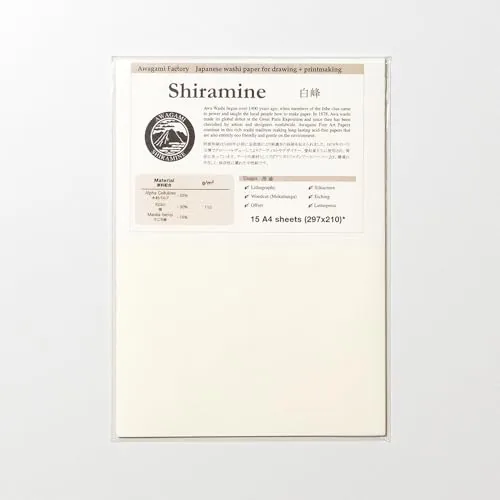
Awagami Factory's Awa Washi is handmade kozo and mitsumata paper from Tokushima's Yoshino River, engineered into archival fine-art and inkjet sheets used by printmakers and photographers worldwide.
Iwate

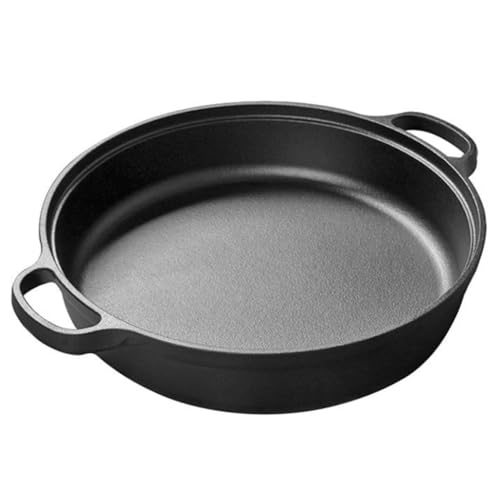
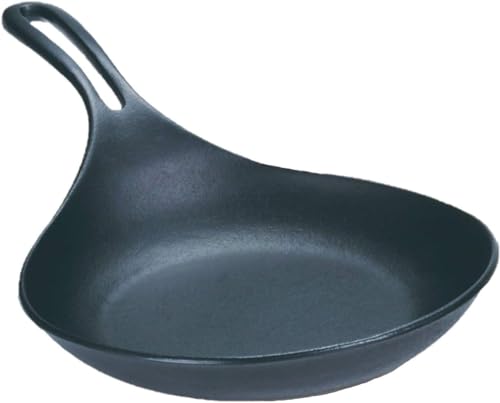
Iwachu Nambu Tekki Cast Iron Skillet: Morioka Ironware Frying Pan, Where to Buy [2026]

Iwachu's Nambu Tekki cast iron skillet is sand-cast in Morioka, Iwate, heir to a 400-year domain ironcasting tradition. Heavy, slow-heating, and built to season for a lifetime of high-heat searing.
Japanese Craft
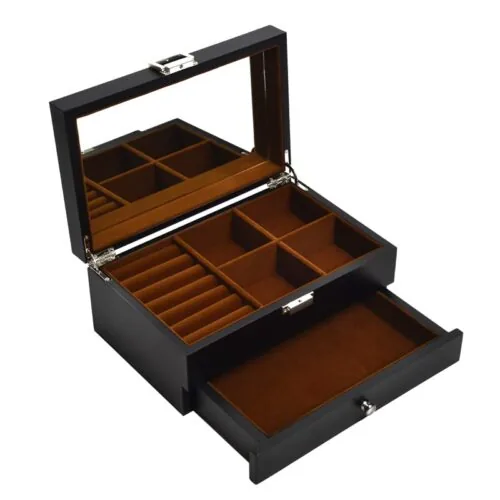
Suruga Sashimono Kiri Paulownia Accessory Box: Where to Buy [2026]

Suruga Sashimono is nail-free joinery woodwork born in Sumpu, where Tokugawa Ieyasu gathered master carpenters. This kiri (paulownia) box uses precision joints for moisture control and quiet, lasting craft.
Hyogo

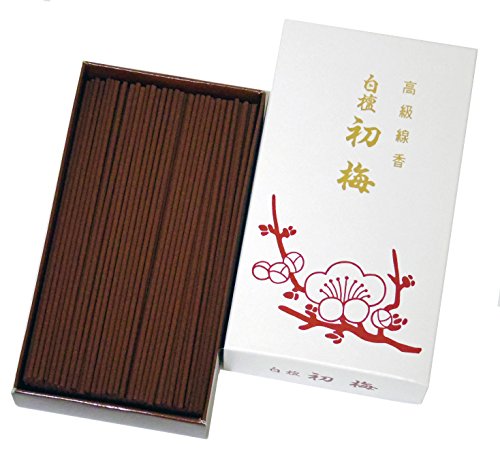
Awaji-ko Sandalwood Incense Sticks: Where to Buy Japan’s Senko [2026]

Awaji Island has perfumed Japan since agarwood drifted ashore in 595 AD. Here's where US readers can buy Awaji-ko sandalwood incense sticks worth burning.
Decor

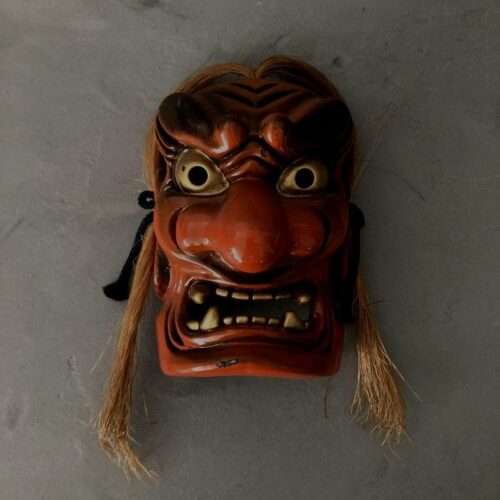
Takachiho Kagura Mask — Oni (Demon) Face from the Birthplace of Japanese Mythology (¥12,000 / ≈$80 USD) [2026 Buyer’s Guide]

Takachiho (高千穂) in northern Miyazaki Prefecture is the mythic origin point of Japanese Shintō — the place where, according to the Kojiki (712 CE) and Nihon Shoki (720 CE), the sun goddess Amaterasu retreated into the Ama-no-Iwato cave, plunging the world into darkness; where the god Ame-no-Uzume danced to draw her out; and where the imperial ancestor Ninigi-no-Mikoto descended from the heavens. The Takachiho Yokagura (高千穂夜神楽), the night-long sacred Shintō dance performed at Takachiho Shrine since at least the 12th century, is the living continuation of that mythology — recognized as a National Important Intangible Folk Cultural Property since 1978. This decorative oni (demon) face mask is a craftsperson-made shrine-festival replica in resin, ¥12,000, mounted for wall display. This guide walks through the 1,300-year arc from the Kojiki to today's annual kagura performances — and how to bring this piece home from outside Japan.
Bamboo

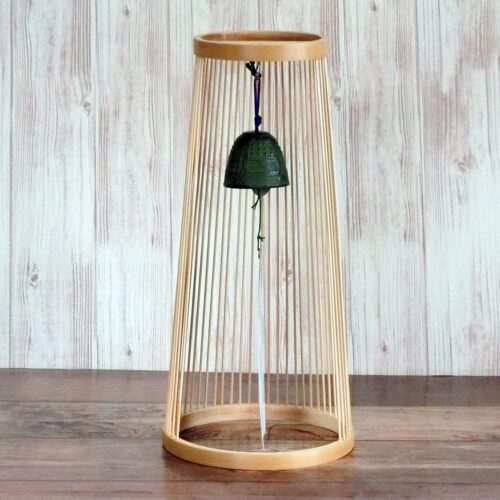
Suruga Take-Sensuji-Zaiku Bamboo Wind Chime ‘Hatsukaze 25’ — 200-Year Shizuoka Bamboo Tradition (¥5,500 / ≈$37 USD) [2026 Buyer’s Guide]

Suruga take-sensuji-zaiku (駿河竹千筋細工) is the **fine bamboo basketry tradition of Shizuoka City** — practiced since the early 19th century when artisan Sugayama Kihachi (菅山喜八) developed the distinctive 'thousand-strip' bamboo technique using slender round bamboo rods rather than the flat strips used in most other Japanese bamboo basketry. Designated METI Traditional Craft Product in 1976. This 'Hatsukaze' (初風, 'first wind') wind chime is a 25 cm hanging bamboo piece. At ¥5,500 (≈$37 USD).
Cast Iron

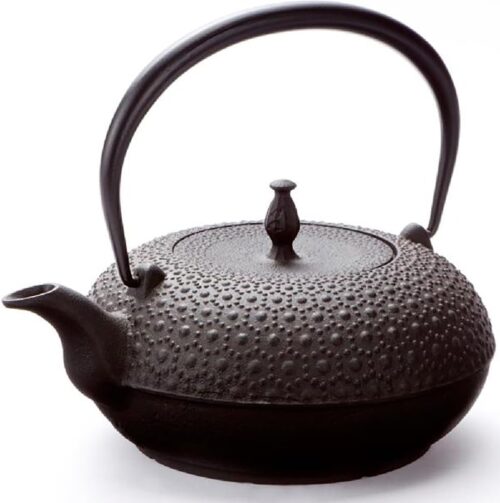
Oigen Nambu Tetsubin Cast Iron Kettle (H-200, Shinonome Kikkou, 1.0L, ¥16,900 / ≈$113 USD) — Iwate’s 900-Year Iron Tradition, From Hiraizumi to Your Kitchen [2026 Guide for International Readers]

Oigen (及源), founded 1852 in Mizusawa (Iwate Prefecture), is one of the largest producers of Nambu tetsubin (南部鉄器) — cast-iron kettles whose tradition reaches back through the 1659 invitation of Kyoto kettle-master Koizumi Nizaemon by the third Nambu-domain lord, all the way to 12th-century Mizusawa foundries that supported the Hiraizumi gold-age civilization. The H-200 Shinonome Kikkou 1.0L is the entry-level IH-compatible bare-iron tetsubin. This guide walks through Mizusawa's place in Japanese history, the 900-year continuity of iron-casting in the region, and why a bare-iron kettle is meaningfully different from a modern stainless-steel one — before getting to how to buy it from outside Japan.
Japanese Craft
Fujina-yaki Yumachi-gama Yunomi: Izumo Mingei Teacup Guide [2026]

A warm yellow-glaze teacup from Izumo's Yumachi-gama, the lakeside kiln Bernard Leach once visited — Fujina-yaki mingei pottery and where to buy it in 2026.
Japanese Craft
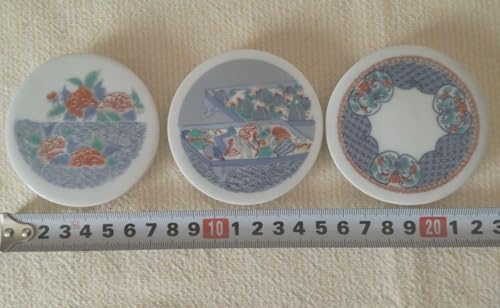
Imari Nabeshima Iro-Nabeshima Porcelain Plate: The Shogun’s Secret-Kiln Ware, Where to Buy [2026]

Iro-Nabeshima was the porcelain the Nabeshima clan made only as gifts for the shogun, fired behind guarded gates at Okawachiyama. This small overglaze plate carries that comb-foot, three-color tradition to a modern table.
Hyogo

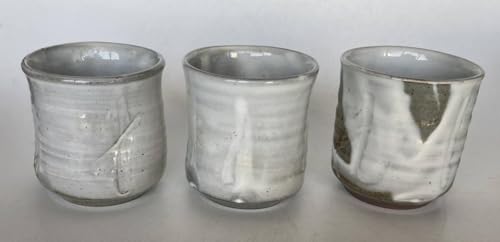
Tamba Tachikui-yaki Yunomi: Six Ancient Kilns Ash-Glaze Teacup [2026]

A natural ash-glaze teacup from Tachikui in Hyogo, one of Japan's Six Ancient Kilns. Eight centuries of anagama firing give each Tamba-yaki yunomi an earthy, one-of-a-kind surface for everyday tea.
Japanese Craft
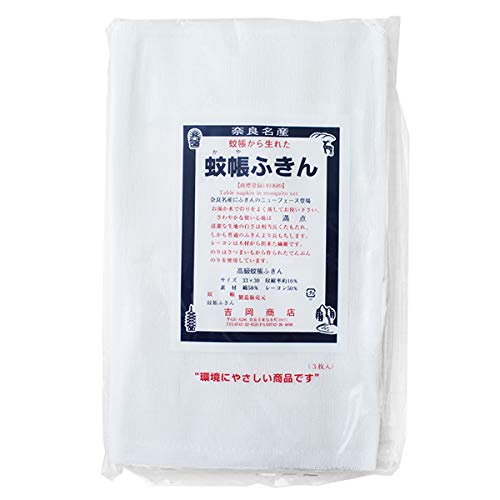
Omi Jofu Hemp Fukin: Shiga Linen Dish Cloth, Where to Buy [2026]

A ramie fukin from Shiga's Echi River valley, home of Omi Jofu, one of Japan's great summer hemp cloths—crisp, quick-drying, softer with each wash.
Gifu

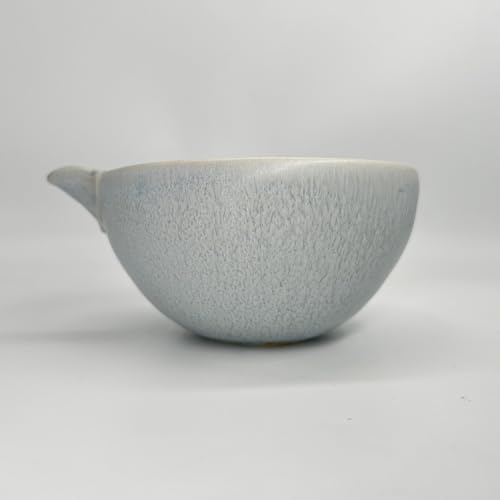
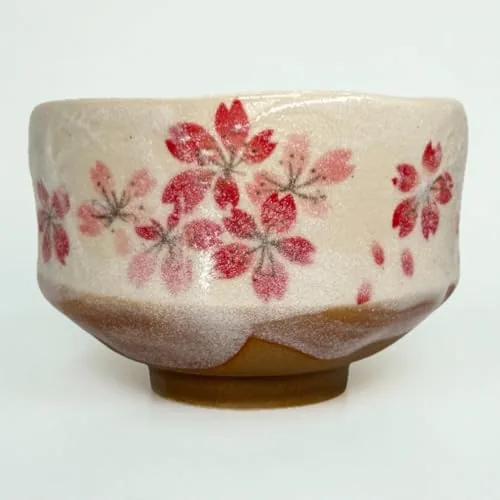
Mino-yaki Shino Ware Matcha Chawan: Where to Buy a Tea Bowl [2026]

Mino-yaki Shino ware from Gifu was Japan's first white-glazed pottery, born in the Momoyama tea world. A guide to choosing a handcrafted Shino matcha chawan and where to buy one.
Japanese Craft

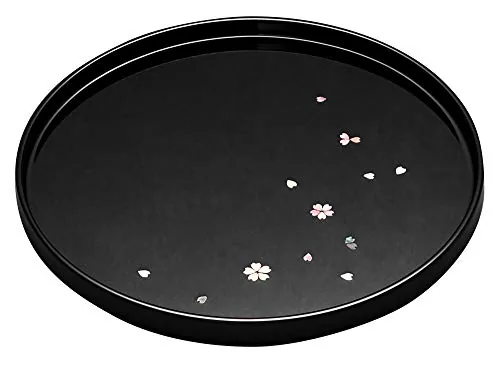
Nara Shikki Raden Lacquer Tray: Mother-of-Pearl Yamato Lacquerware, Where to Buy [2026]

Nara Shikki revives the raden mother-of-pearl inlay technique preserved in Todaiji's Shosoin treasures. This hand-lacquered tray sets shimmering shell against deep urushi black, a quiet heirloom from Japan's first capital.
Japanese Craft

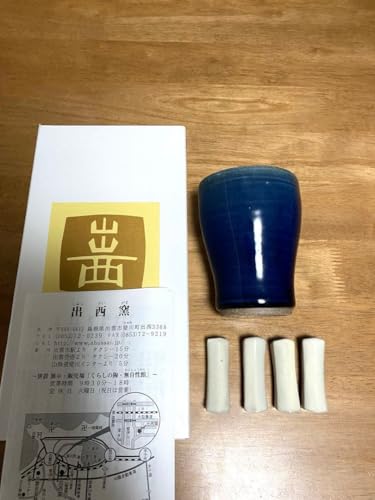
Shussai Kiln Shussai Blue Mug: Izumo Mingei Pottery, Shimane [2026]

A hand-thrown mug from Izumo's Shussai Kiln in the cobalt glaze known as Shussai Blue. Where to buy this Shimane mingei pottery and what to check first.
Japanese Craft

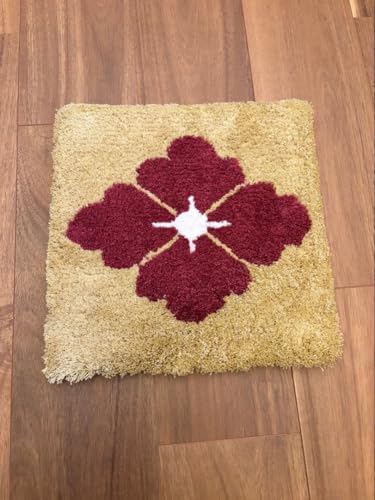
Nabeshima Dantsu Hand-Knotted Cotton Chair Pad: Where to Buy [2026]

Nabeshima Dantsu is Saga's hand-knotted cotton pile weave, once a Nabeshima-domain monopoly gifted to the shogunate. A small chair pad brings this firm, durable floor textile into daily use.
Japanese Craft

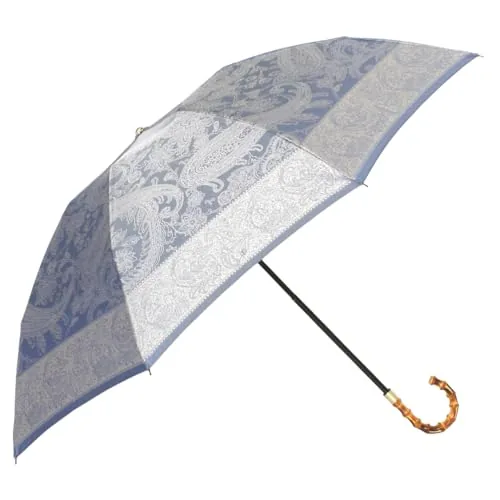
Makita Shoten Koshu-ori Jacquard Parasol: Fujiyoshida Gunnai Silk [2026]

A densely woven jacquard parasol from Yamanashi's Gunnai weaving district, heir to Edo-era Kaiki lining silk. Makita Shoten's two-ply Koshu-ori fabric blocks UV and shrugs off rain in one frame.
Japanese Craft

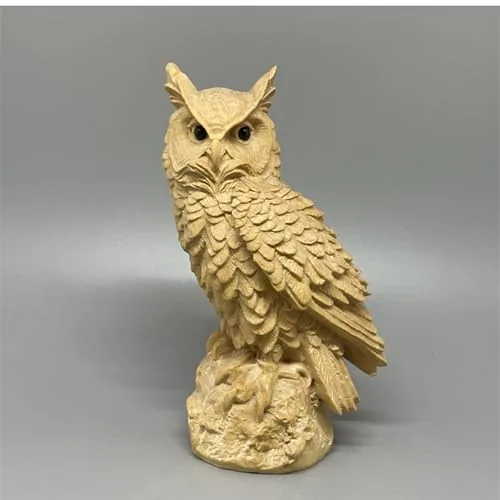
Inami Wood Carving Owl Okimono Toyama Choukoku Buying Guide [2026]

Inami's 250-year temple-carving lineage shapes owl okimono from camphor wood. Toyama editors curate US Amazon picks for collectors and gift-givers.
Fukui

Saji Takeshi Echizen Santoku Knife — SRS13 Powdered High-Speed Steel, 180 mm Forged in Takefu (¥35,300 / ≈$235 USD) [2026 Buyer’s Guide]

Echizen Uchihamono (越前打刃物) is the 690-year-old forged-blade tradition of Takefu, Fukui — a five-minute drive from the Echizen washi papermaking valley featured in our previous guide. The town has been hammering iron into blades since 1337, when a master swordsmith from Kyoto named Chiyozuru Kuniyasu set up a workshop here. Saji Takeshi (佐治武士) is a third-generation Takefu smith and METI-designated Traditional Craftsperson. This guide walks through the seven-century forging lineage, the Takefu Special Steel laboratory that produced the SRS13 powdered high-speed steel in the blade core, and how to buy this 180 mm santoku from outside Japan.
Aomori

Tsugaru Kanayama-yaki Yakishime Beer Cup: Where to Buy [2026]

Unglazed wood-fired stoneware from Goshogawara, Aomori. The rough yakishime surface of this Tsugaru Kanayama-yaki cup breaks beer into a fine, creamy head sip after sip.
Japanese Craft

Mooka Cotton Tenugui: Edo’s Finest Hand Towel Cloth from Tochigi [2026]

Mooka Momen was Edo's most prized cotton, famed for its whiteness, softness, and durability. This Tochigi tenugui revives that 18th-century artisan weave as an everyday hand towel.
Japanese Craft

Mumyoi-yaki Sado Red Clay Yunomi Tea Cup: Where to Buy Guide [2026]

Sado Island's Mumyoi-yaki is fired from iron-rich red clay dug near the Sado gold mine, polished to a metallic ring. A clear look at the yunomi tea cups and where to buy them.
Aomori

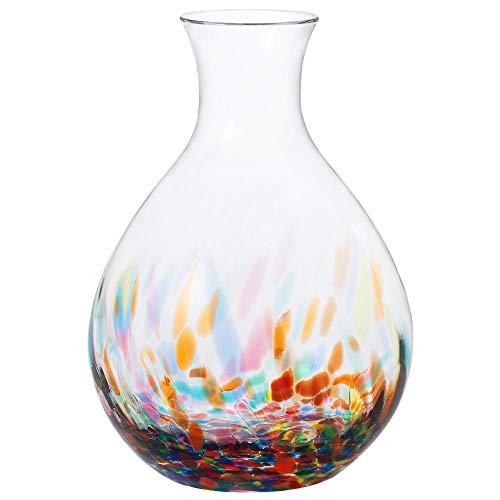
Tsugaru Bidoro Glass Tumbler: Where to Buy Aomori’s Nebuta-Hued Glass [2026]

Tsugaru Bidoro turns a fishing-float glass technique into color-layered tumblers from Aomori. Here is how its Nebuta-bright hues read in hand, and where US readers can buy a genuine piece.
Japanese Craft

Hasami Ware Porcelain Rice Bowl: Everyday Kyushu Tableware [2026]

Hasami ware has set Japan's everyday tables for 400 years. This porcelain gohan chawan pairs Edo-born, mass-craft heritage with daily, dishwasher-safe use.
Japanese Craft

Hagi-yaki Matcha Chawan Tea Bowl: Where to Buy a Choshu Classic [2026]

Hagi-yaki, the Mori clan's domain pottery founded by Korean potters in 1604, shapes matcha bowls whose soft, porous glaze warms in tone with every bowl of tea you whisk.
Fan

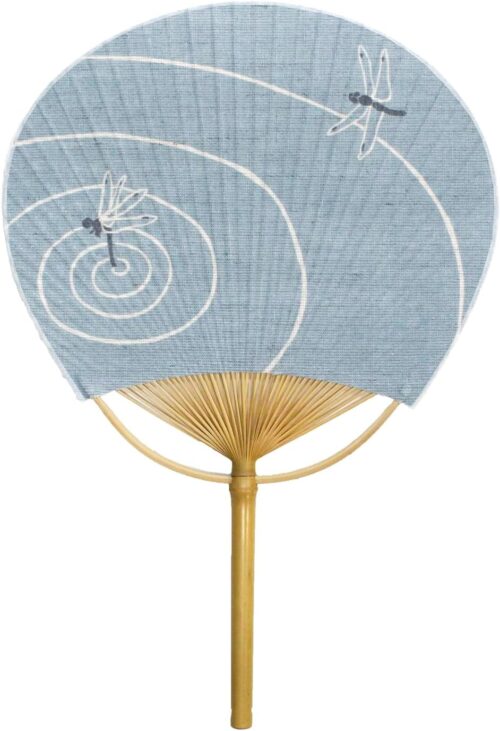
Marugame Uchiwa Fan by IONO — Linen Dragonfly Hand-Pasted in Kagawa (¥3,630 / ≈$24 USD) [2026 Buyer’s Guide]

Marugame uchiwa (丸亀うちわ) is the **hand-pasted bamboo fan tradition of Marugame**, in northern Kagawa Prefecture on Shikoku — producing **approximately 90% of all uchiwa made in Japan**, with continuous production since the early 1600s. Designated METI Traditional Craft Product in 1997. This linen-fabric uchiwa by IONO features the auspicious **tonbo (dragonfly) motif** — symbolically associated with victory and unwavering forward motion in Japanese culture — on a hand-bent bamboo frame, hand-pasted in a Marugame workshop. At ¥3,630 (≈$24 USD) it sits in the entry-mid tier for authentic Marugame uchiwa. This guide walks through the 400-year arc from the Tenshō-era Konpira-pilgrim trade to today's 30+ active workshops.
Iwate

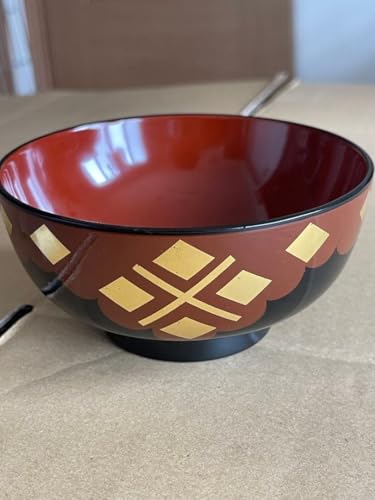
Hidehira-nuri Lacquer Soup Bowl: Iwate Hiraizumi Heritage [2026]

Iwate's 12th-century Hiraizumi lacquer tradition: gold-leaf kumo and hishigata patterns on Joboji urushi, hand-applied in Ichinoseki workshops.
Japanese Craft

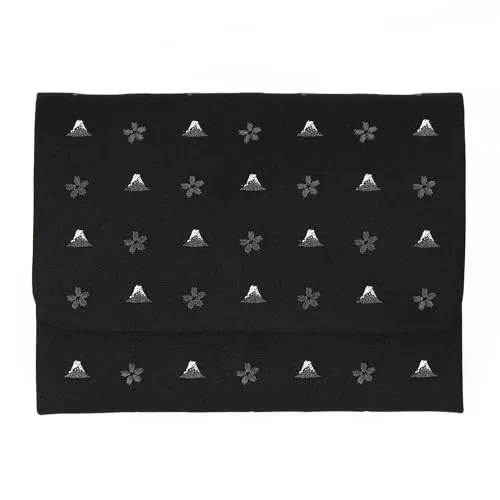
Nishijin Ori Card Case: Kyoto’s 1,200-Year Silk Weave Tradition [2026]

From Heian-era looms to post-Onin War weavers in west Kyoto, Nishijin-ori carries 1,200 years of silk craft into a card case you can carry daily.
Chiba

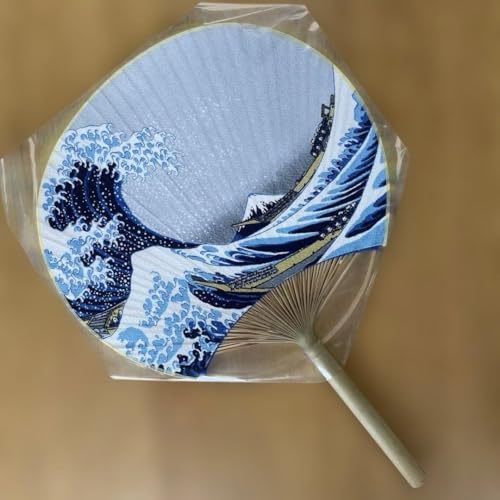
Boshu Uchiwa Hand-Split Bamboo Fan from Chiba: Where to Buy [2026]

Boshu Uchiwa from Chiba's Tateyama coast is one of Japan's three great uchiwa, hand-split from a single bamboo culm so the round handle stays intact.
Japanese Craft

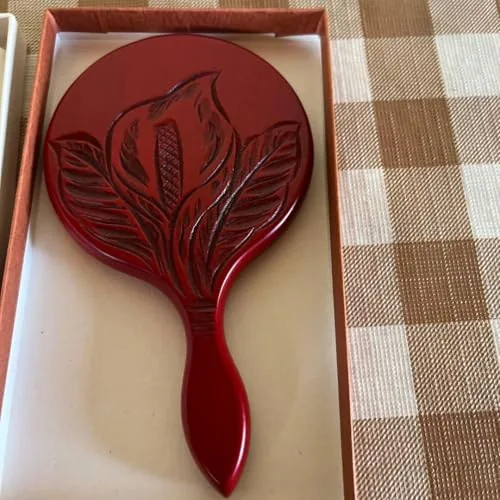
Nikko-bori Carved Lacquer Hand Mirror: Tochigi Peony Te-kagami, Where to Buy [2026]

Born from the master carvers who built Nikko Toshogu, Nikko-bori lacquerware uses the signature hikkaki gouge to raise peony reliefs. A guide to buying an authentic carved hand mirror.
Next page