neukyosuke

Japanese Craft
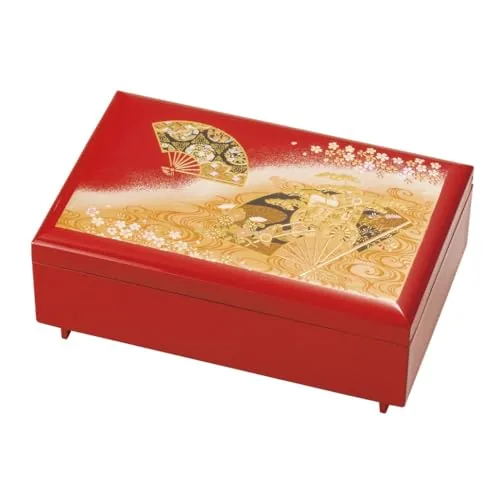
Kyo Sashimono Paulownia Wood Box: Where to Buy Kyoto Joinery [2026]

Kyo Sashimono is Kyoto's nail-free joinery, refined over centuries by the imperial court and the tea ceremony. This guide covers a paulownia (kiri) keepsake box, its sukiya-style aesthetics, and where to buy it.
Japanese Craft

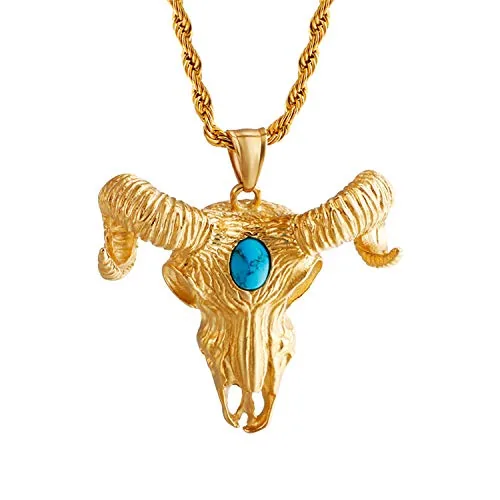
Higo Zogan Damascene Pendant Necklace: Where to Buy Kumamoto’s Gold-Inlaid Iron Craft [2026]

Higo Zogan inlays pure gold and silver into rust-blackened iron, a samurai-era damascening craft from Kumamoto. This pendant turns the Hosokawa clan's sword-fitting technique into a wearable heirloom for everyday use.
Japanese Craft
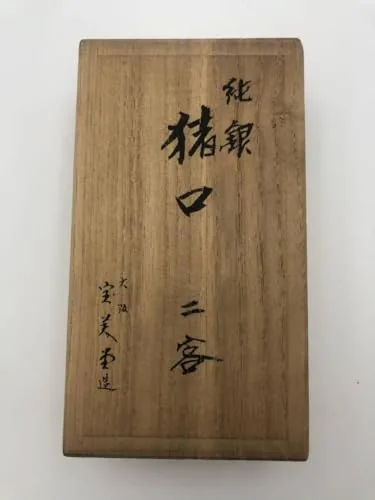
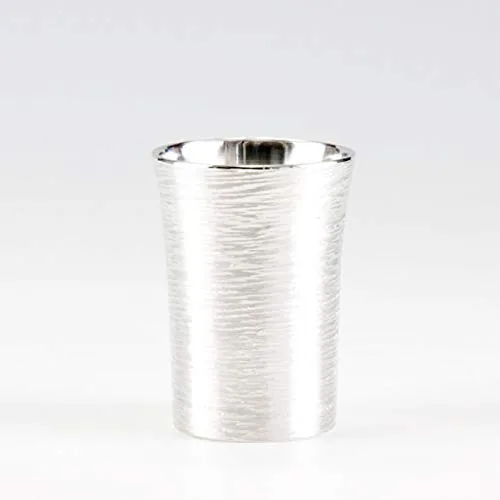
Tokyo Ginki Hammered Silver Sake Cup: Edo Silversmith Craft Guide [2026]

Tokyo Ginki is Edo's designated silverware craft, born from the shogunate's silversmiths who once worked near the old silver mint that gave Ginza its name. This hand-hammered solid-silver sake cup keeps sake cold and rounds its edge — here is where to buy it and how to judge a real piece.
Ishikawa

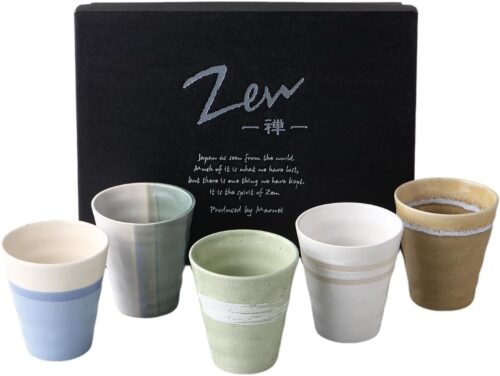
Yamanaka Lacquer Natural Wood Free Cup: Where to Buy Turned Kaga Urushi [2026]

A free cup turned from vertical-grain wood and finished in wiped urushi by Yamanaka, the Kaga region whose woodturners supply Japan's finest lacquer bases. Here is where to buy it.
Japanese Craft
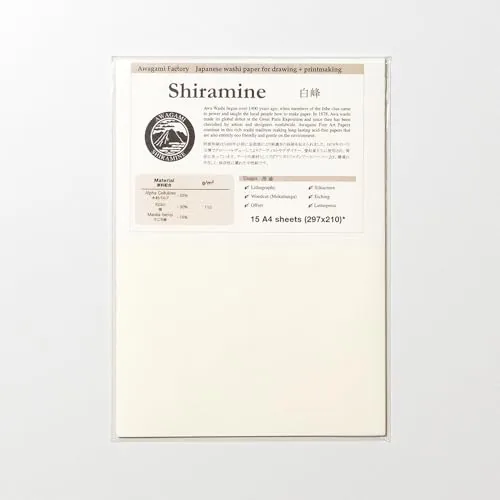
Awa Washi Awagami Fine Art Paper: Tokushima’s Handmade Washi Sheets [2026]

Awagami Factory's Awa Washi is handmade kozo and mitsumata paper from Tokushima's Yoshino River, engineered into archival fine-art and inkjet sheets used by printmakers and photographers worldwide.
Fukushima

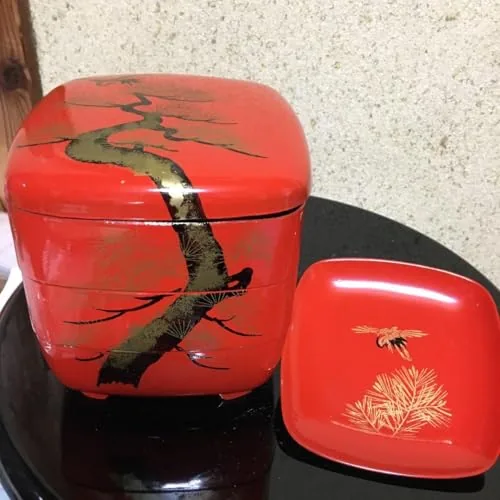
Aizu-Nuri Maki-e Jubako Lacquer Stacking Box: Where to Buy [2026]

A two-tier Aizu lacquer jubako finished with auspicious pine-bamboo-plum maki-e, the New Year food box from a craft Gamo Ujisato seeded in 1590s Fukushima.
Japanese Craft
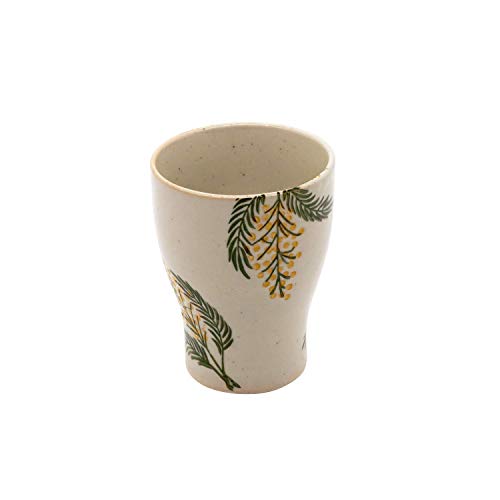
Osaka Senshu Kiri Paulownia Rice Bin (Kome-bitsu): Where to Buy [2026]

A paulownia rice container from Osaka's Senshu paulownia-joinery tradition. Kiri wood naturally regulates humidity and repels insects, keeping rice fresh — a quiet workhorse of the Japanese kitchen, made by Masuda Kiribako.
Ceramics

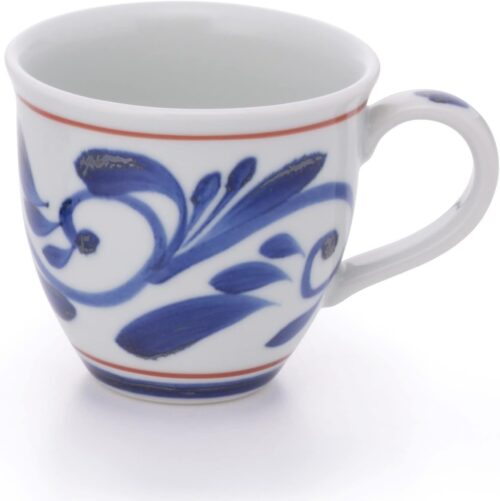
Tobe-yaki ‘Akasen Karakusa’ Mug by Senzan-Gama — 250-Year Ehime Porcelain Tradition (¥2,482 / ≈$17 USD) [2026 Buyer’s Guide]

Tobe-yaki (砥部焼) is the **white porcelain tradition of Tobe Town**, in central Ehime Prefecture on Shikoku — practiced continuously since 1777 when potter Sugino Sannosuke developed the technique using local 'tobe-tsuchi' kaolin. Designated METI Traditional Craft Product in 1976. Distinguished by **thick rugged white-porcelain bodies with bold cobalt-blue 'karakusa' (arabesque-vine) underglaze patterns** — sturdier and more rustic than refined Arita/Imari. The Tobe aesthetic is mingei-influenced. This 'Akasen Karakusa' (red-line arabesque) round mug by Senzan-Gama (千山) at ¥2,482.
Japanese Craft
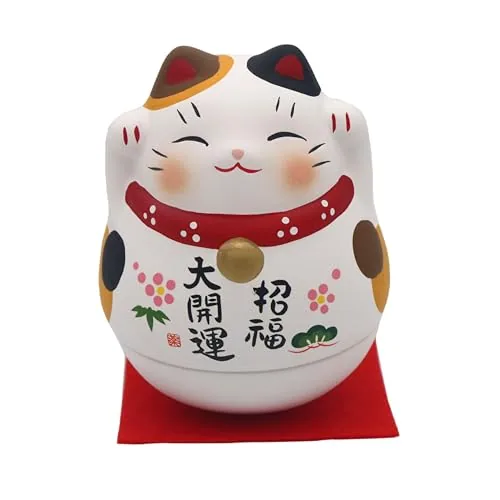
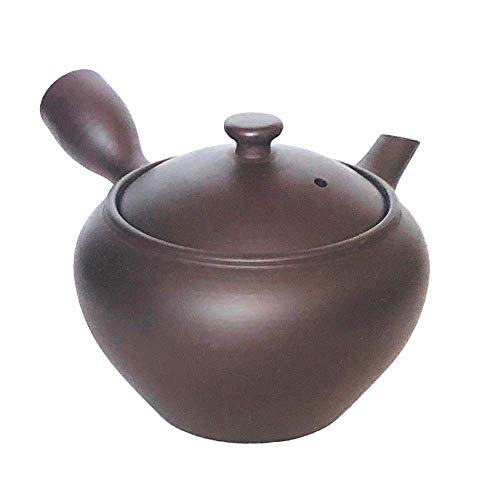
Banko-yaki Shidei Kyusu: Mie’s Unglazed Purple-Clay Teapot, Where to Buy [2026]

Yokkaichi's Banko-yaki shidei kyusu makes most of Japan's clay teapots. Its unglazed purple clay reacts with tannins to round out everyday green tea—here's where to buy a genuine one.
Ishikawa

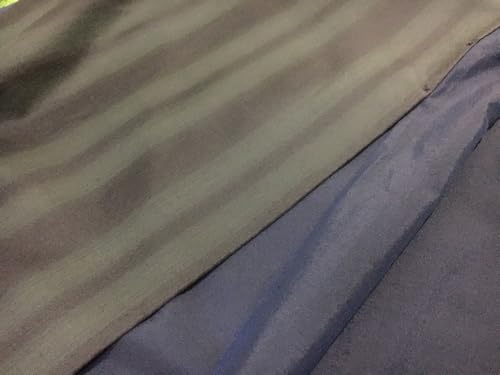
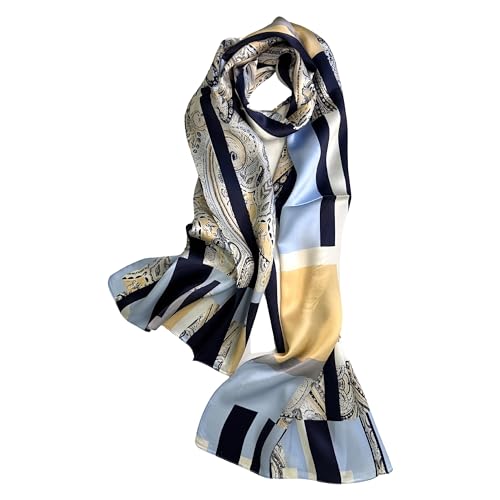
Ushikubi Tsumugi Silk Stole: Hakusan’s Nail-Pulling Pongee [2026]

Woven at the foot of Mt. Haku from hand-drawn double-cocoon yarn, Ushikubi Tsumugi is the pongee so tough locals call it 'nail-pulling' silk—slubbed texture, quiet luster.
Japanese Craft
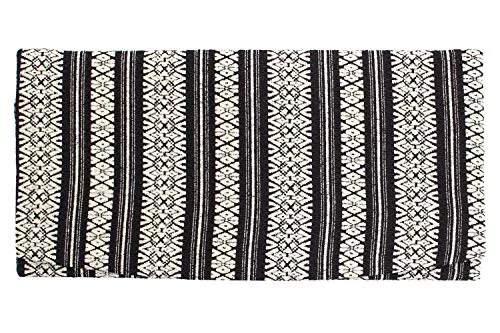
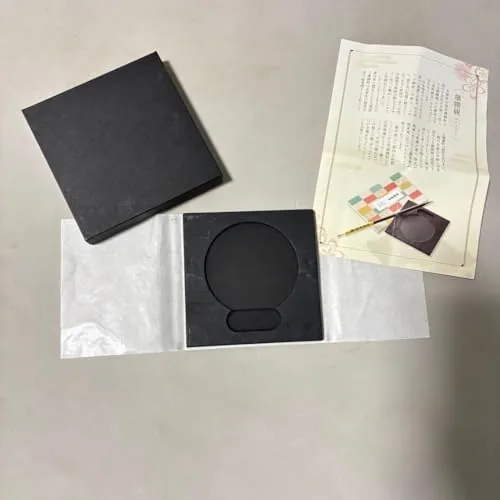
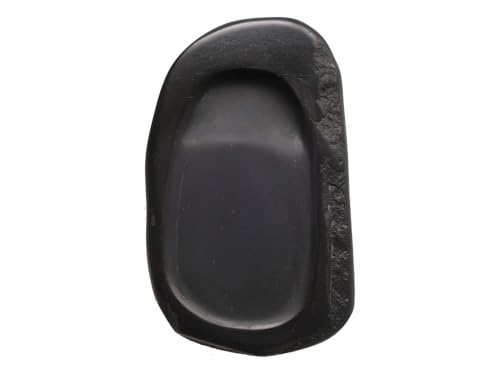
Ogatsu Suzuri Inkstone: Where to Buy Japan’s Slate Inkstone [2026]

Ogatsu Suzuri is the slate inkstone from coastal Miyagi that supplies most of Japan's domestic suzuri. Quarried for six centuries and protected by the Date lords of Sendai, its fine-grained stone grinds sumi ink with a quiet, even bite. Here is where to buy one.
Japanese Craft
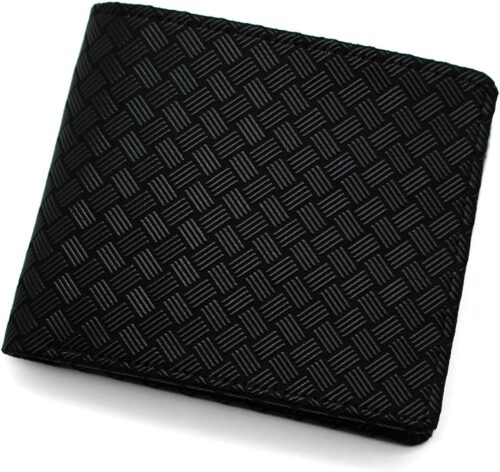
Satsuma Suzuki Tin Tumbler by Iwakiri Bikodo: Where to Buy Kagoshima Pure-Tin Cups [2026]

Hand-finished pure-tin tumblers from Kagoshima's Satsuma Suzuki tradition. Tin's high conductivity chills beer and highballs fast and is said to round off harsh edges — a craft born of the Shimazu domain's Taniyama tin mine.
Fukushima

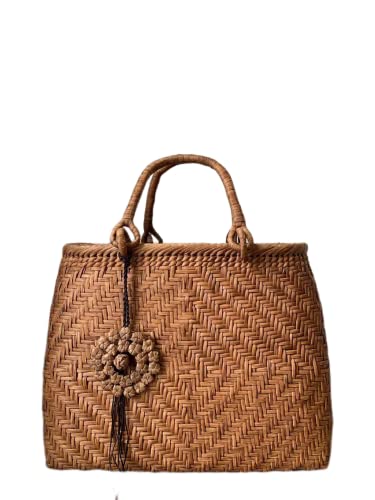
Okuaizu Yamabudo Basket Bag: Fukushima Wild Grapevine Craft [2026]
Woven from wild grapevine bark in the snowbound mountain villages of Okuaizu, this Mishima yamabudo basket bag is a nationally designated craft that deepens to an amber sheen over a lifetime of use.
Japanese Craft
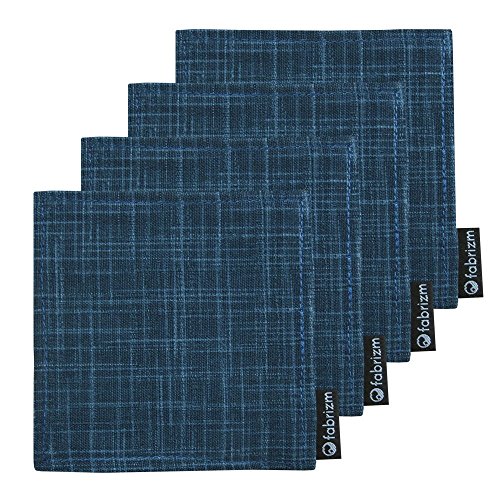
Yumihama Kasuri Coaster Set: Tottori Indigo Woven Cloth [2026]

From Tottori's Yumigahama dunes, indigo-and-white yumihama kasuri weaves pre-dyed cotton threads into picture motifs. Here is where to buy a coaster set.
Japanese Craft
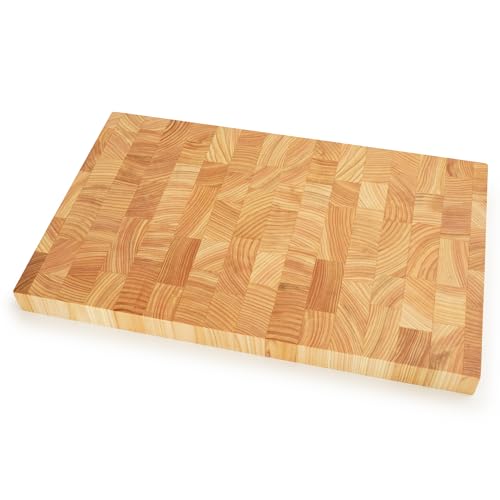
Kiso Hinoki Cutting Board — Nagano Cypress Woodwork Guide [2026]

A single-piece Kiso hinoki cutting board brings Owari-domain cypress into the kitchen — light, water-shedding, gentle on knife edges, and naturally resistant to odor.
Japanese Craft
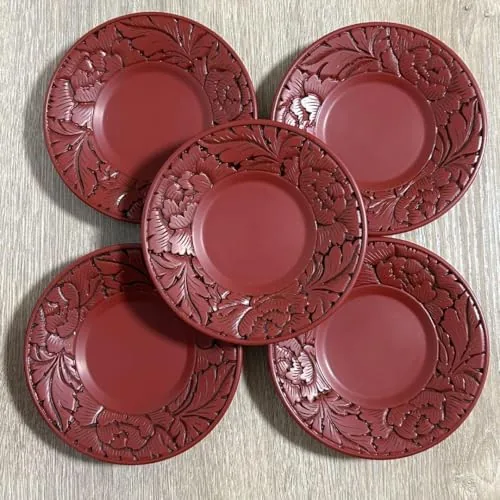
Murakami Kibori Tsuishu Carved Lacquer Tea Saucer (Chataku): Where to Buy [2026]

Murakami Kibori Tsuishu is Niigata's carved-and-lacquered wood craft, where the grain is chiseled before layer upon layer of urushi is built up. This chataku tea saucer brings a castle-town heirloom under your teacup.
Aichi

Arimatsu Shibori Scarf: Aichi’s 400-Year Tokaido Tie-Dye Craft [2026]
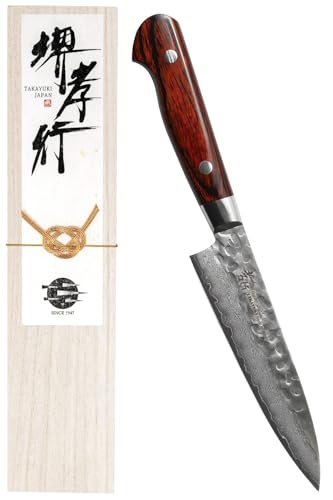
Arimatsu-Narumi Shibori is Japan's most refined tie-dye tradition, born in 1608 along the old Tokaido. This hand-bound, indigo-dyed scarf carries the dimensional texture of techniques no machine can copy.
Japanese Craft
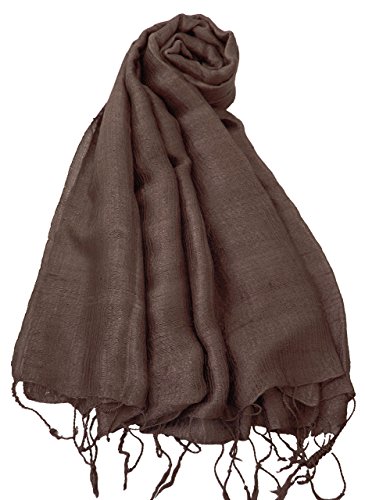
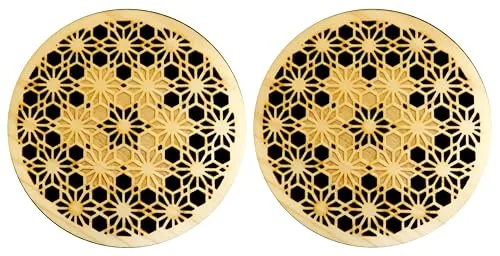
Edo Kumiko Coaster Set: Tokyo’s Nail-Free Wood Lattice, Where to Buy [2026]

Edo Kumiko coasters lock dozens of tiny cypress slats into a geometric asanoha hemp-leaf lattice with no nails or glue—an Edo-era joinery art reworked for the modern table.
Japanese Craft

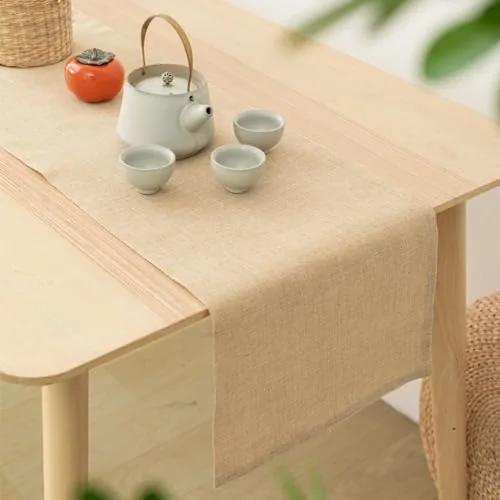
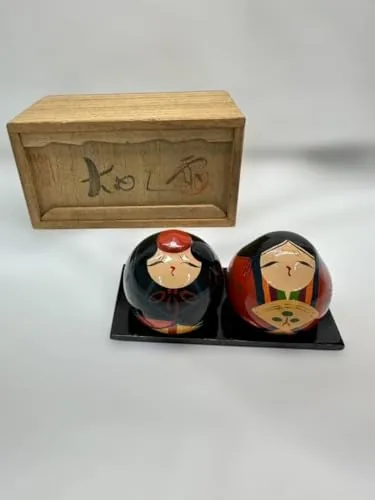
Hirose Kasuri Indigo Table Runner: Shimane E-Gasuri Cotton Weave [2026]

Hirose Kasuri is Shimane's bold picture-kasuri, indigo-dyed cotton woven in Yasugi since the 1820s. This table runner brings San'in folk weaving and deep aizome blues to a modern table.
Japanese Craft

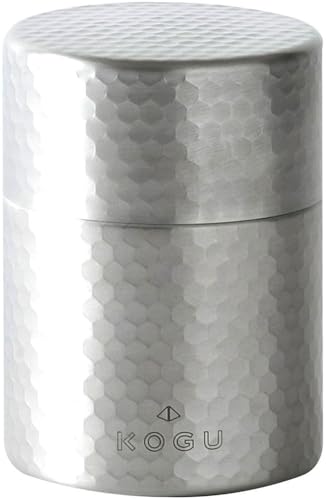
Kaikado Tin Tea Caddy: Kyoto’s 150-Year Chazutsu Craft [2026]

A hand-spun tin tea caddy from Kaikado, the Kyoto chazutsu house that has refined a 130-step process since 1875 to seal Japanese leaf tea airtight.
Aomori

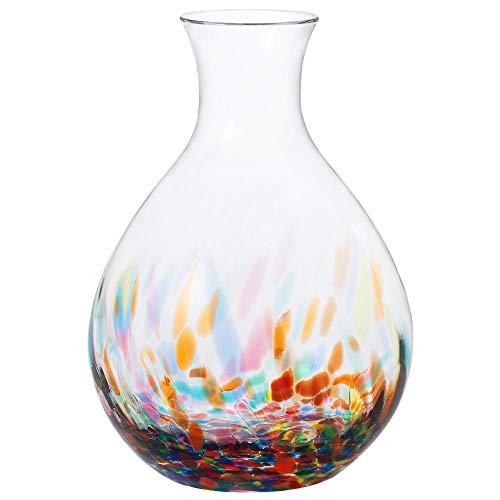
Tsugaru Bidoro Glass Tumbler: Where to Buy Aomori’s Nebuta-Hued Glass [2026]

Tsugaru Bidoro turns a fishing-float glass technique into color-layered tumblers from Aomori. Here is how its Nebuta-bright hues read in hand, and where US readers can buy a genuine piece.
Japanese Craft

Amehata Suzuri Inkstone: Yamanashi Slate for Calligraphy [2026]

Quarried in Yamanashi's Hayakawa valley since the 1300s, Amehata suzuri is a dense, fine-grained slate inkstone that grinds sumi smoothly and holds ink without drying, made for calligraphy and sumi-e.
Japanese Craft

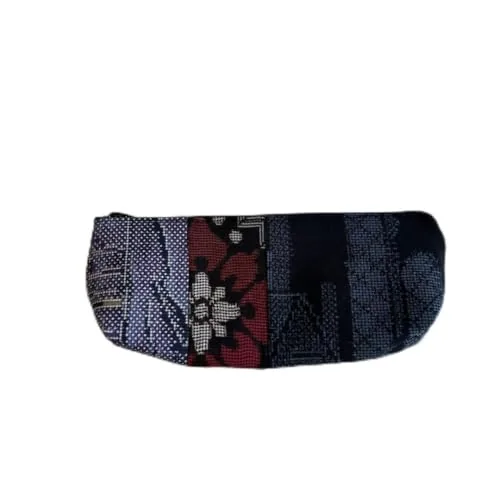
Honba Oshima Tsumugi Silk Eyeglass Case: Mud-Dyed Amami Craft [2026]

Honba Oshima Tsumugi is one of Japan's three great silk tsumugi, hand-woven on Amami Oshima and colored by doro-zome mud dyeing. This eyeglass case carries that deep, lustrous black-brown silk in a small everyday object — where to buy a genuine piece.
Japanese Craft

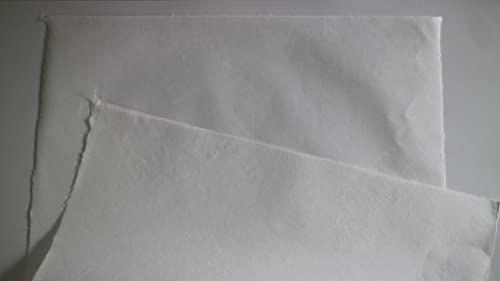
Uchiyama-gami Snow-Bleached Washi: Iiyama Kozo Paper Guide [2026]

Uchiyama-gami is snow-bleached kozo washi from Iiyama in Nagano's deep snow country, handmade for over 300 years for shoji screens, lamps, art, and calligraphy.
Aomori

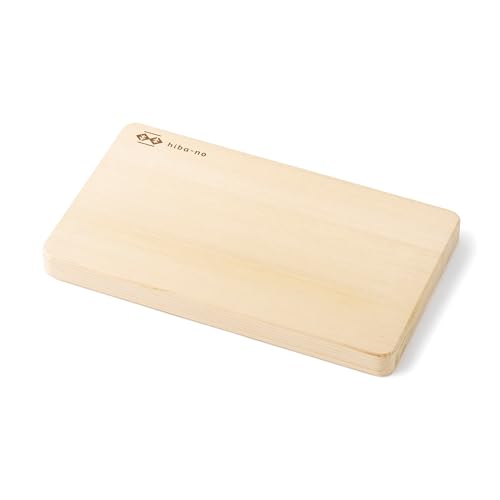
Aomori Hiba Cutting Board: Japan’s Antibacterial Kitchen Wood [2026]

The Aomori hiba cutting board pairs a naturally antibacterial Japanese cypress with everyday durability. A Tohoku-rooted look at why this wood from Japan's protected northern forests belongs beside a serious knife.
Aomori

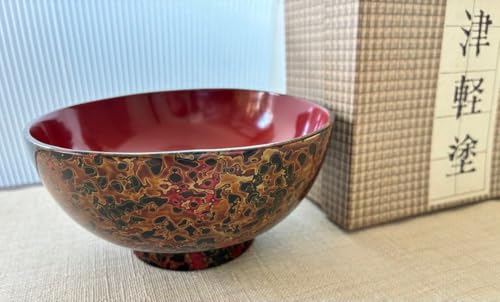
Tsugaru-Nuri Lacquer Soup Bowl: Hirosaki’s Kara-Nuri Owan [2026]

Tsugaru-Nuri is Aomori's only designated lacquerware, built from dozens of polished coats. This kara-nuri owan adds marbled, jewel-like depth to daily miso soup.
Hiroshima

Tulip Hiroshima Sashiko Needles: Japan’s Heritage Needle Craft [2026]

Tulip's Hiroshima-made sashiko needles draw on Edo-era needle craft from Japan's needle capital: precision-polished high-carbon steel for clean, even running stitches.
Ehime

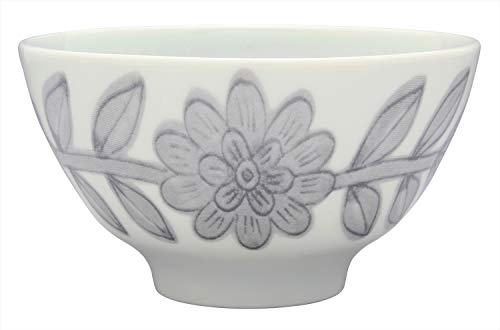
Tobe-Yaki Baizan-Gama Indigo Porcelain Rice Bowl: Where to Buy [2026]

Born in Ehime's Ozu domain in 1777, Tobe-yaki is thick white porcelain hand-painted in cobalt blue. Baizan-gama's karakusa gohan chawan brings everyday Tobe blue to the table.
Glass

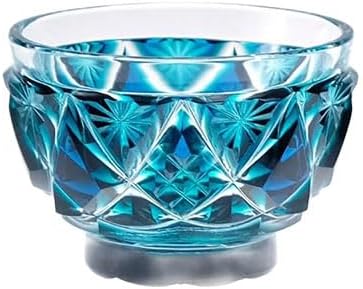
Shimazu Satsuma Kiriko ‘Jewel’ Two-Color Sake Cup — Edo-Era Kagoshima Cut Glass, Revived 1985 (¥29,700 / ≈$198 USD) [2026 Buyer’s Guide]

Authentic Shimazu-direct Satsuma Kiriko sake cup. The luxury Kagoshima cut-glass tradition founded in 1851 by Lord Shimazu Nariakira, destroyed in the 1877 Satsuma Rebellion, and revived 108 years later in 1985 by Shimazu Kōgyō at Sengan-en. Two-color overlay (nishoku-gise) in lapis and green.
Japanese Craft

Fujina-yaki Yumachi-gama Yunomi: Izumo Mingei Teacup Guide [2026]

A warm yellow-glaze teacup from Izumo's Yumachi-gama, the lakeside kiln Bernard Leach once visited — Fujina-yaki mingei pottery and where to buy it in 2026.
Japanese Craft

Imado-yaki Maneki-neko: Edo’s Original Lucky Cat, Where to Buy [2026]

Imado-yaki is the Edo-period earthenware credited with the very first maneki-neko. A hand-shaped, hand-painted beckoning cat from the Sumida riverbank kilns of old Asakusa, Tokyo.
Fukuoka

Hakata-ori Silk Gamaguchi Coin Purse: Where to Buy the Kenjo Weave [2026]

A firm, crisp silk coin purse woven in Fukuoka's 800-year Hakata-ori tradition, carrying the kenjo-gara stripe once presented to the shogunate. Why this gamaguchi rewards everyday use.
Accessories

Kōshū Inden Bifold Wallet by Inden-ya — 400-Year Lacquered Deer-Leather from Yamanashi (¥14,850 / ≈$99 USD) [2026 Buyer’s Guide]

Kōshū inden (甲州印伝) is the **lacquered-deerskin tradition of Yamanashi Prefecture** — practiced continuously since the 17th century when techniques arrived via the Indo-Portuguese 'indo-den' (印伝 = 'Indian transmission') trade routes. Designated METI Traditional Craft Product in 1987. Distinguished by **stenciled urushi-lacquer patterns on chrome-tanned deer leather** (tonbo dragonfly, asanoha hemp-leaf, ume plum blossom, kiku chrysanthemum). **Inden-ya (印傳屋, founded 1582)** is the oldest and most prestigious Kōshū inden maker — 440+ years of family continuity. This bifold wallet (model 2006, black-on-black 'amime' net pattern) is one of Inden-ya's classic everyday designs. At ¥14,850 (≈$99 USD).
Japanese Craft

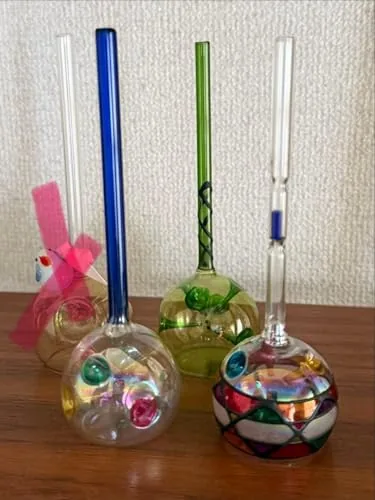
Nagasaki Poppen Glass (Bidoro): Where to Buy Japan’s Singing Glass [2026]

Nagasaki bidoro began at Dejima, the port where glassmaking first entered Japan. The poppen, a paper-thin blown glass that chimes when you breathe into it, carries that Edo-era trade history in a single delicate object.
Japanese Craft

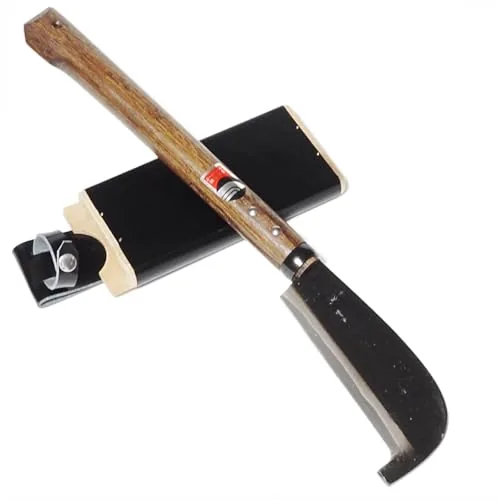
Tosa Uchihamono Hand-Forged Nata Hatchet: Free-Forged Kochi Blade Guide [2026]

A double-bevel kurouchi nata hatchet free-forged by Tosa smiths in Kochi, where 400 years of jiyu-tanzo blacksmithing meets the bushcraft and garden tasks that demand a thick, splitting-capable Japanese blade.
Fukui

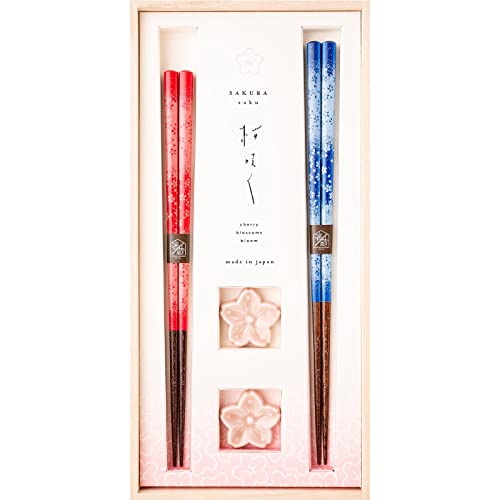
Wakasa Nuri Lacquer Chopsticks from Fukui: Where to Buy [2026]

Wakasa Nuri lacquer chopsticks from Obama, Fukui carry shell-inlay layers polished to a deep luster. Here is where to buy the real thing and what sets this Hokuriku craft apart.
Japanese Craft

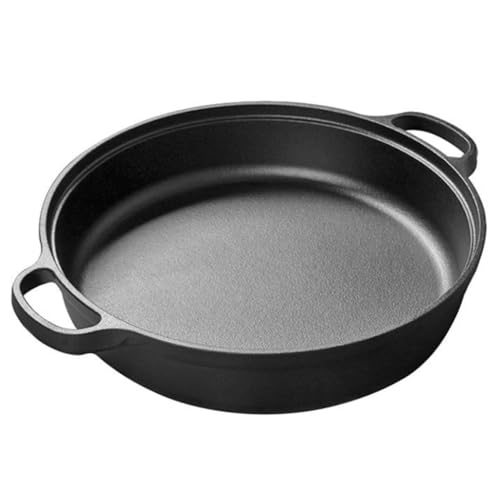
Kawaguchi Imono Cast Iron Sukiyaki Nabe: Saitama Iron Casting, Where to Buy [2026]

Forged in Kawaguchi, Saitama's Edo-era iron-casting town on the Arakawa, this cast iron sukiyaki nabe holds heat evenly for tabletop hot pots and searing — a maker's-mark piece built to outlast its owner.
Japanese Craft

Bizen Osafune Hand-Forged Knife: Sword-Smith Steel from Okayama [2026]

Okayama's Bizen Osafune was Japan's greatest sword-forging center for centuries. Today its smiths still hammer that tamahagane lineage into hand-forged kitchen knives. Here is where to buy one.
Iwate

Iwate Homespun Wool Scarf: Handwoven Tweed from Tohoku [2026]

Iwate's homespun weavers card, spin, and hand-loom pure wool into soft, lightweight tweed scarves. A Tohoku craft born of sheep pastures and long northern winters, finished one shuttle at a time.
Japanese Craft

Ouchi-Nuri Lacquer Dolls: Yamaguchi’s Ouchi-Ningyo Pair to Buy [2026]

From Yamaguchi, once the 'Kyoto of the West,' Ouchi-nuri lacquer dolls pair a vermilion ground with gold autumn grasses and the Ouchi diamond crest.
Next page