Banko-yaki Yunomi Teacup Guide: Yokkaichi Pottery to Buy [2026]
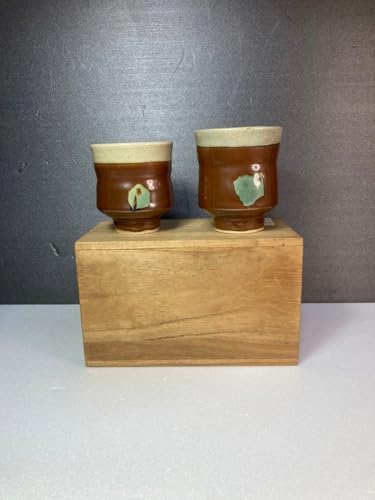
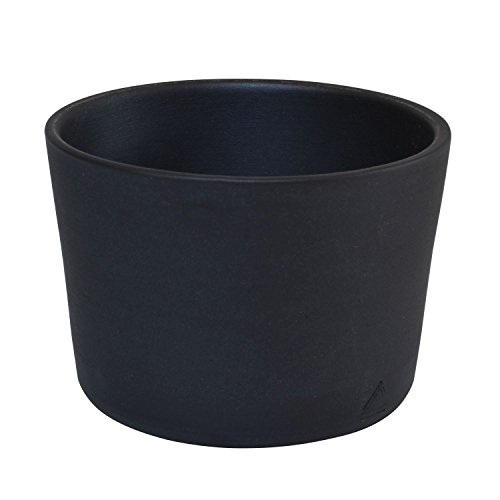
Yokkaichi Banko-yaki yunomi in heat-resistant clay with warm ame glaze — a durable Mie pottery teacup for daily…
Editorial features on Japan's regional crafts — the makers, the materials, and the places each piece comes from.
Yokkaichi Banko-yaki yunomi in heat-resistant clay with warm ame glaze — a durable Mie pottery teacup for daily…
Small Arita sometsuke rests that keep chopsticks off the table. A low-cost entry to 400 years of Saga…
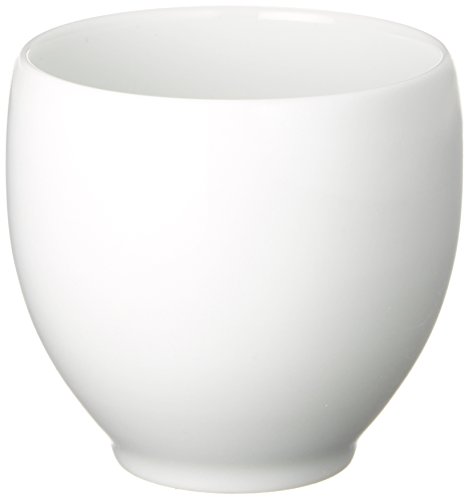
Hasami's lightweight everyday porcelain yunomi, born from Hizen kilns, brings 400 years of daily-use craft to modern tea…
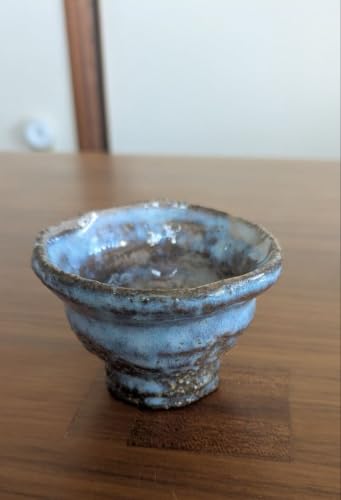
Discover Hagi-yaki guinomi from Yamaguchi — soft porous clay, muted earthy glaze, and 400 years of tea culture…
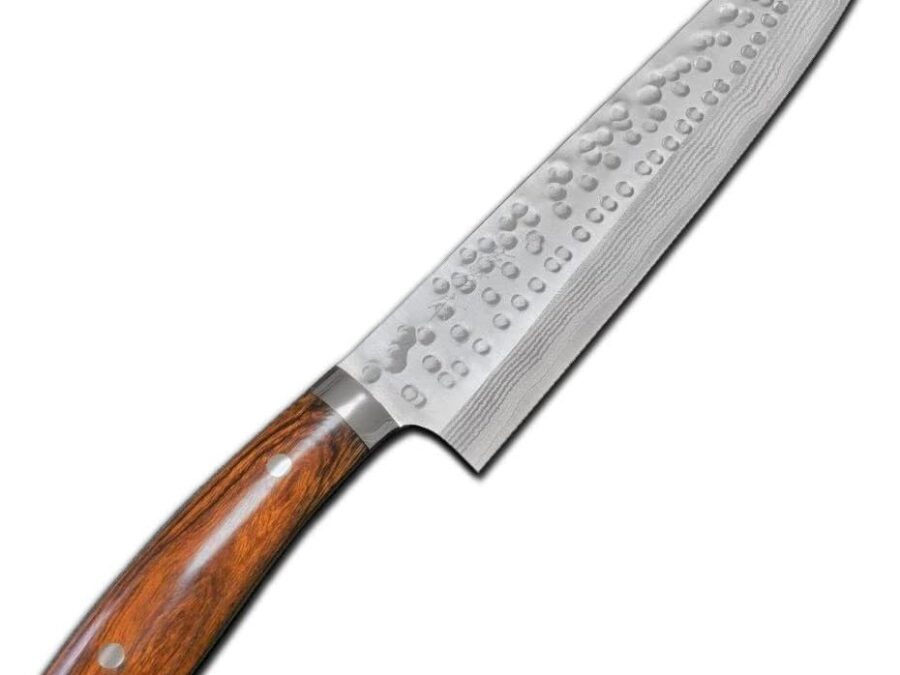
Echizen Takefu-forged gyuto for precise slicing and everyday Japanese cooking, with 700 years of blacksmith heritage.
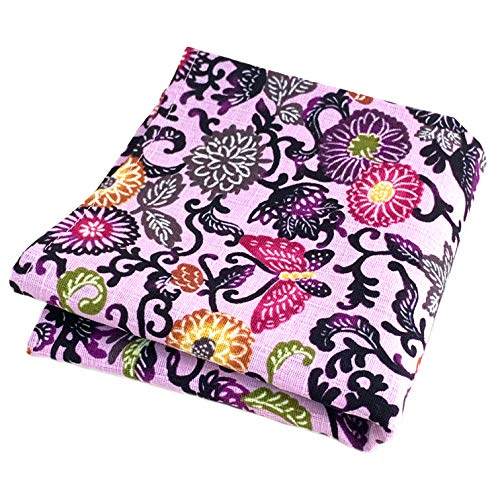
Shuri-born Ryukyu Bingata furoshiki in vivid stencil dyes wraps bento and gifts. Our Toyama and Nara team compares…
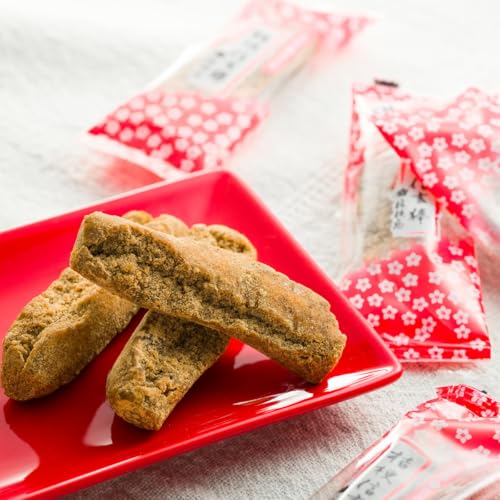
Kasugai Seika, a confectioner founded in Nagoya in 1928, has made Kuro Ame since 1980. The current 110g…
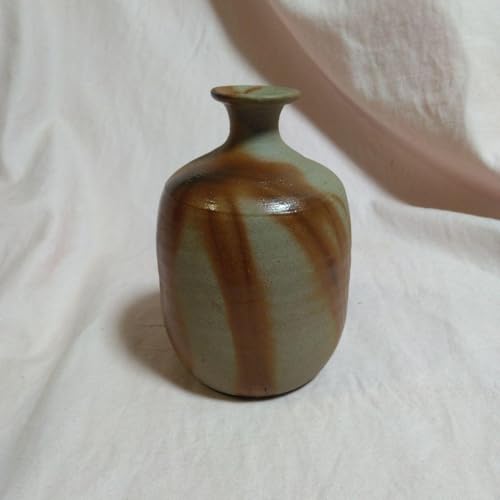
Unglazed Bizen Tokkuri for sake: wood-fired Hidasuki clay from Okayama, plus where to buy authentic pieces online.
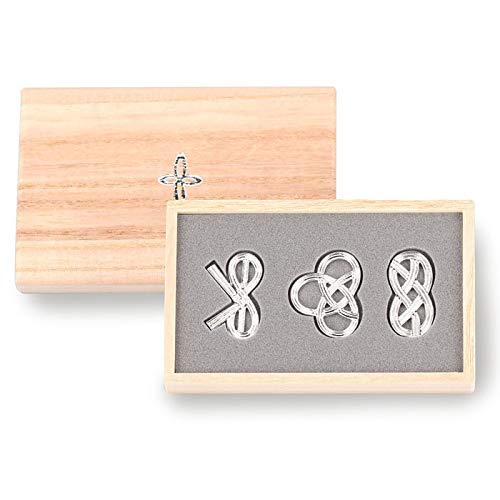
Pure-tin chopstick rests from Takaoka's 400-year casting town. Soft to touch, rust-free, and gift-ready for everyday Japanese tables.
Shop a Mashiko-yaki kaki-glaze yunomi from Tochigi. Thick Mingei stoneware keeps sencha warm, ideal for daily Japanese tea…
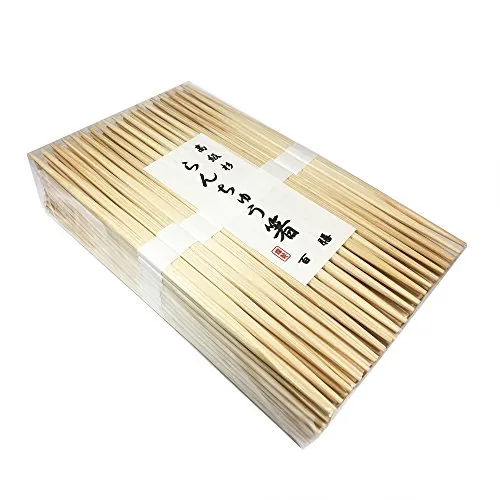
Light, fragrant Yoshino cedar chopsticks from Nara's historic forests — gentle on bowls, easy to grip, and a…
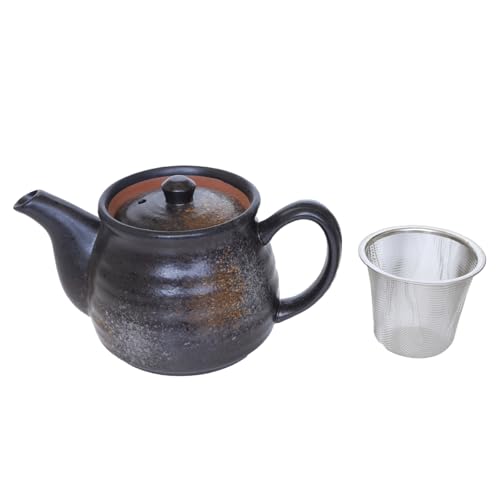
Toki-made Mino-yaki kyusu brews balanced Japanese tea with even heat and a clean pour. A practical Gifu pottery…
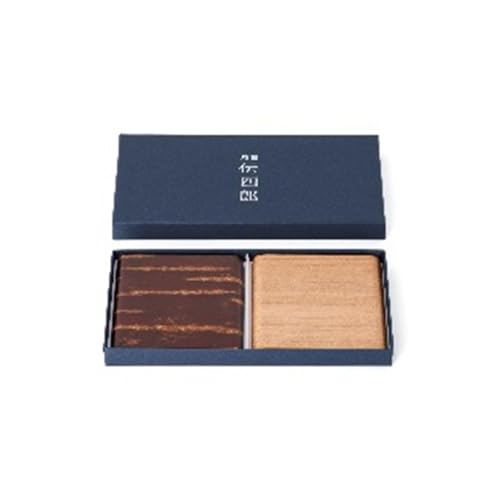
Authentic Kakunodate cherry-bark coasters with natural grain and moisture resistance. A samurai-era Akita craft for tea time and…
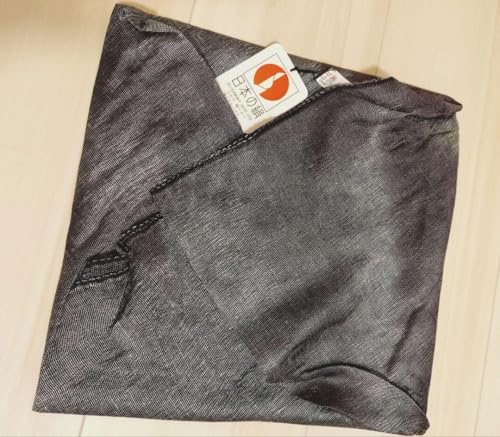
A lightweight Kiryu-ori silk scarf from Gunma, woven in a historic weaving center. Elegant texture for daily wear…
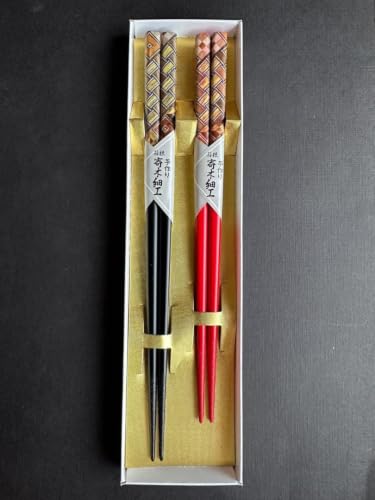
Hand-laid Hakone mosaic chopsticks from Kanagawa forests. Our Toyama-Nara team rounds up authentic pairs you can order from…
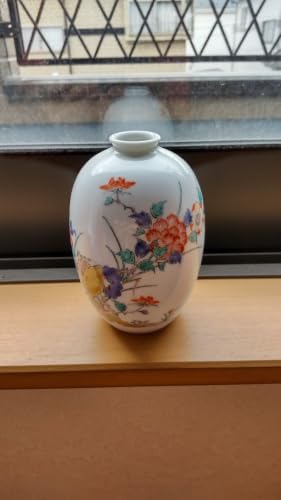
Hand-painted sometsuke vase from Arita, birthplace of Japanese porcelain. Compact bud vase for tokonoma or table, with deep…
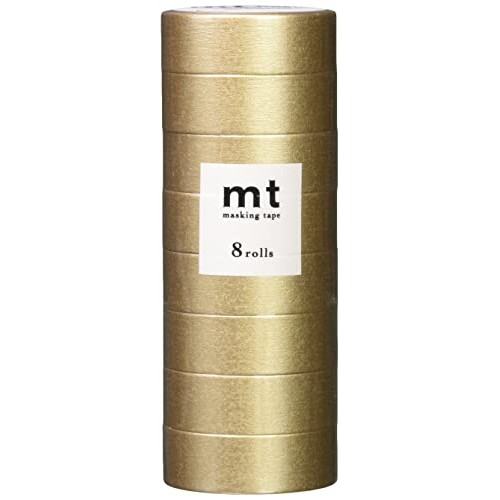
Kurashiki-made mt washi tape turns wrapping, journaling and gift prep into a small craft ritual, easy to tear…
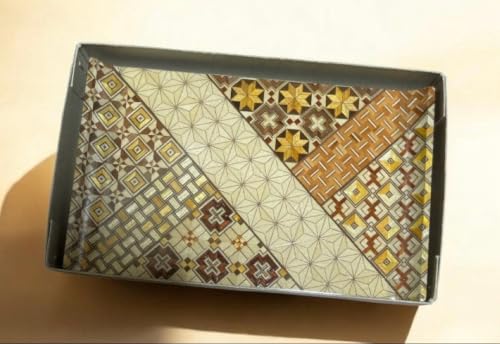
Hand-assembled Hakone marquetry tray in natural wood tones. A durable, low-maintenance serving piece with deep Tokaido souvenir history.
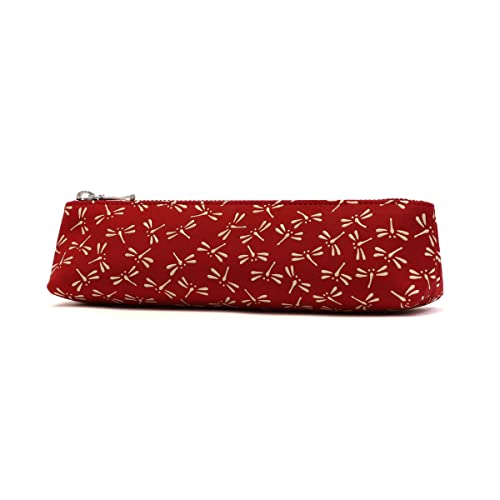
A Yamanashi lacquered-deerskin pen case from the Koshu Inden tradition, slim for daily use with a durable patterned…
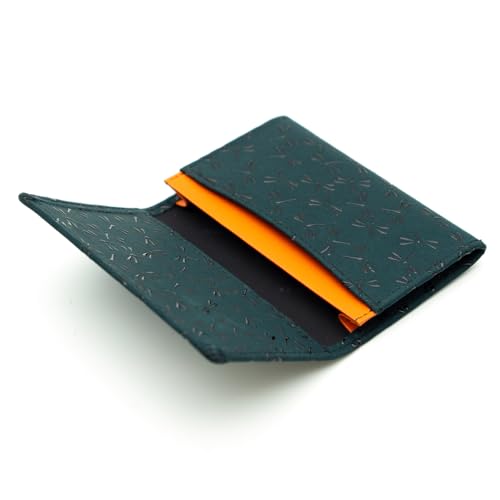
Kofu's lacquered deerskin card case blends samurai-era Inden craft with daily use. Compact, durable, and gift-ready with classic…
Modern Hasami porcelain guinomi for sake, born from Omura-domain kilns. A durable daily-use cup that brings 400 years…
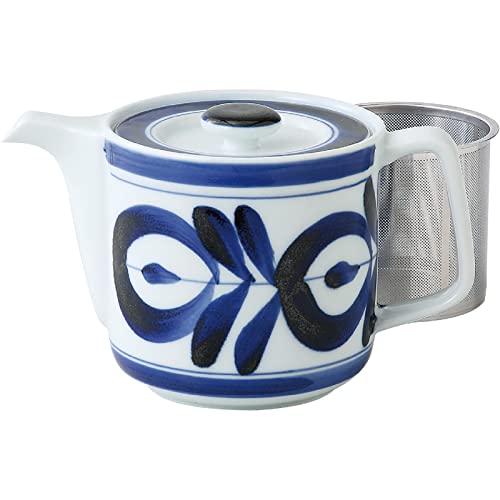
Nagasaki Hasami porcelain kyusu teapot with 400-year kiln heritage and modern minimal form for clean daily Japanese tea…
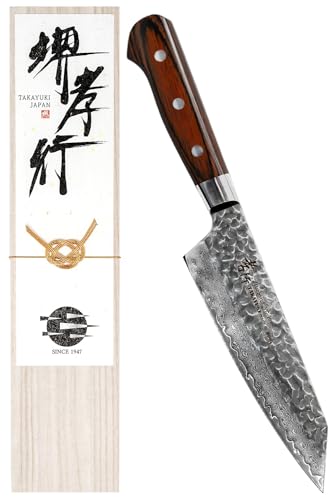
A Sakai-forged stainless santoku for daily meat, fish and vegetables, organized by historic wholesaler Sakai Takayuki for steady…
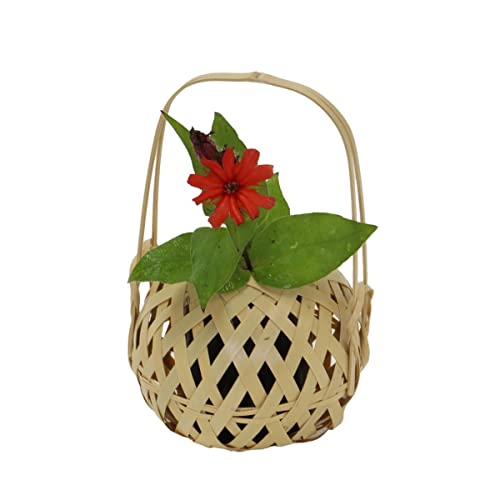
Hand-woven madake bamboo vase from Oita's onsen town. Light, sturdy, and made for seasonal stems and tea-room display.
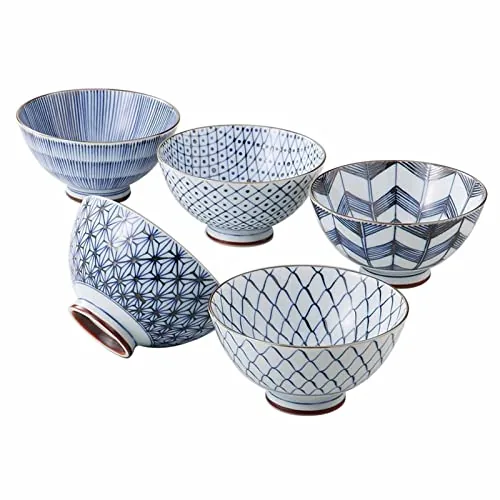
Saga's blue-and-white Arita rice bowl brings 400 years of Hizen porcelain to daily meals — light, durable, and…
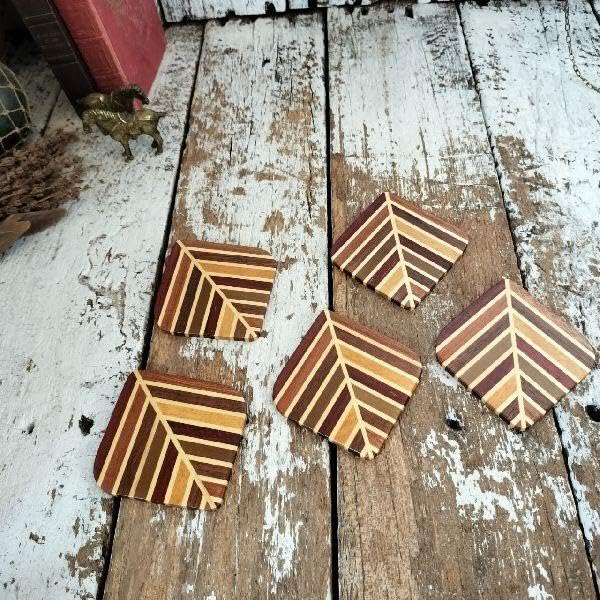
Hakone Yosegi coasters bring Edo-period Hakone marquetry to your table—geometric mosaics in natural wood, ideal for tea, gifts,…
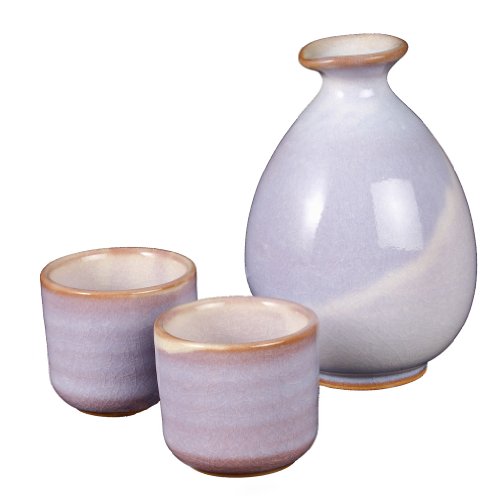
Hagi-yaki tokkuri from Yamaguchi: 400 years of soft warm glazes, the famous 'seven transformations' as the flask seasons,…
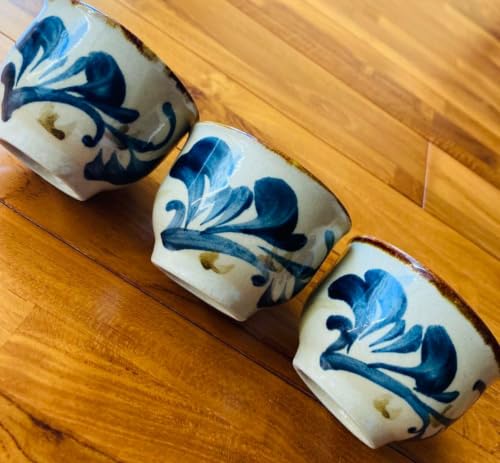
Tsuboya-yaki (壺屋焼, locally called "Yachimun") is the clay-fired teaware tradition of Naha in Okinawa, marked by warm reddish…
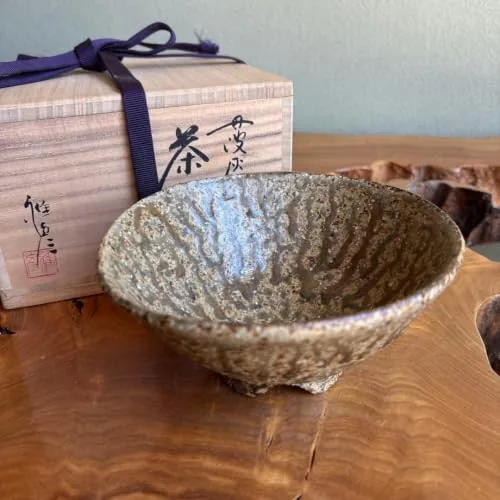
Handcrafted Tamba-yaki chawan from Hyogo, one of Japan's Six Ancient Kilns. A matcha tea bowl with natural ash…
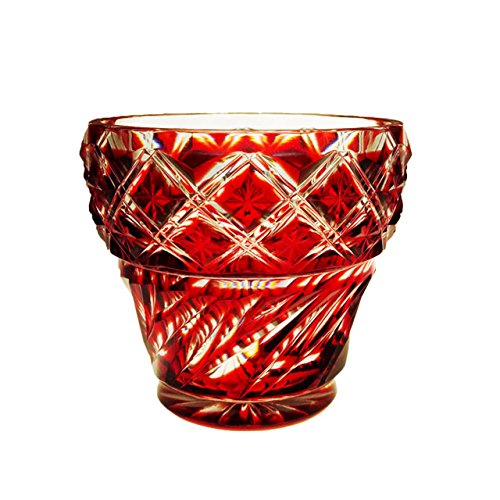
Satsuma Kiriko is Kagoshima's colored cut glass, revived from the Shimazu clan's Edo-period innovation. Hand-ground faceted patterns over…
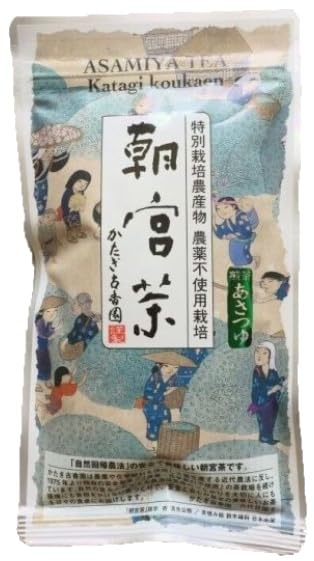
Asamiya is a small tea district in the hills of Shigaraki, in the southern corner of Shiga Prefecture,…
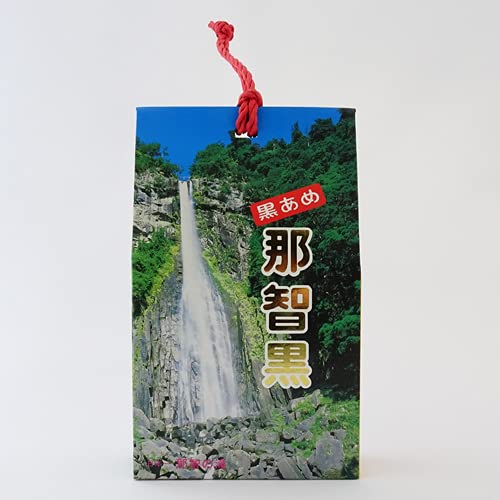
On the Kii Peninsula, where the Kumano Kodo pilgrimage routes converge on Nachi Falls, a small hard candy…
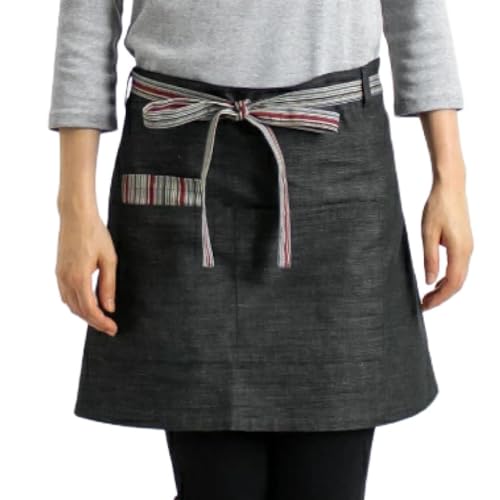
Toyohashi still weaves Japan's shuttle-loom maekake waist aprons. We cover the Mikawa cotton history, sizing and tying, and…
Yamanashi's most recognizable sweet is Kikyo Shingen Mochi — soft rice cakes buried in roasted soybean flour with…
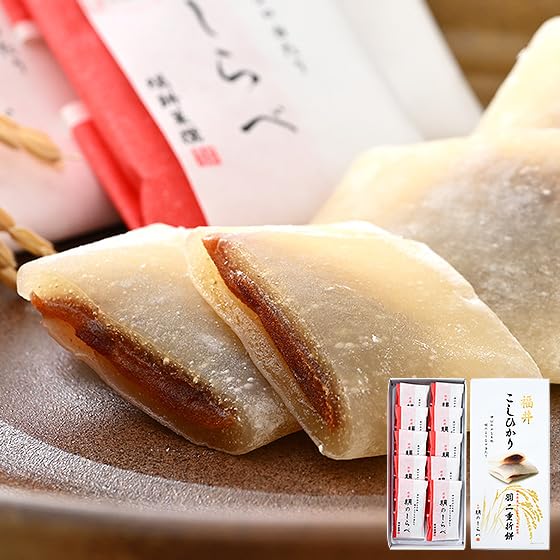
Fukui spent the Meiji era as Japan's silk-weaving capital. Its signature cloth, habutae, was a plain-weave silk so…
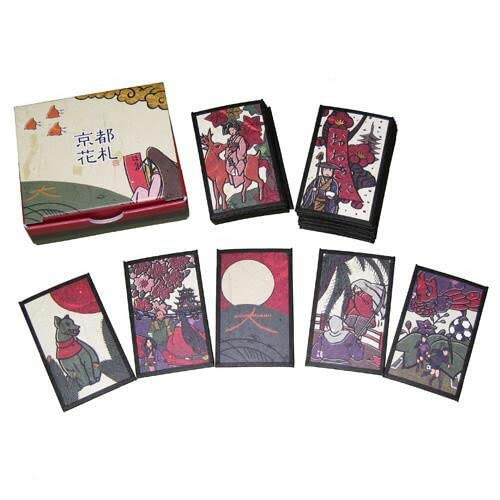
Kyoto has printed hanafuda flower cards since the Edo period, and Nintendo started there in 1889. What the…
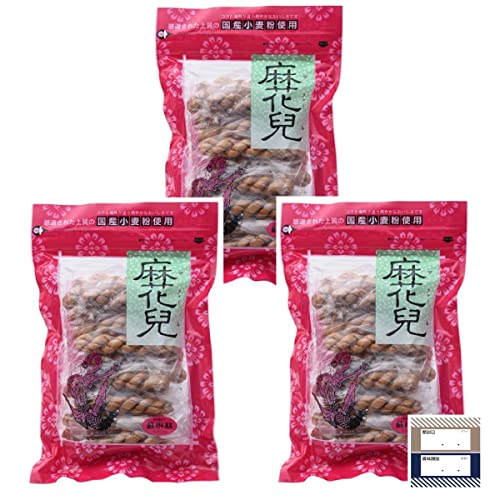
Yoriyori — known formally as mahua (唐人巻) — is Nagasaki's most stubbornly traditional snack: a rope of wheat…
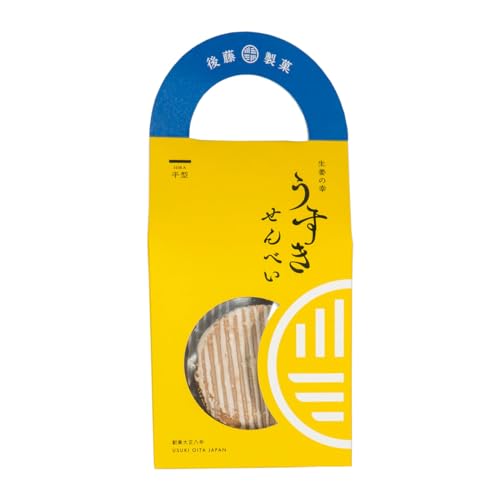
Most Japanese senbei that reach international readers are rice crackers — savory, soy-brushed, snapped from steamed rice dough.…
Esashi faces the Japan Sea on the southwestern tail of Hokkaido, and it is one of the few…
Not every Japanese sweet survives an international parcel — but the shelf-stable classics do, and they are some…