Aizu-nuri Makie Lacquer Tray: Fukushima’s 430-Year Urushi Craft, Where to Buy [2026]
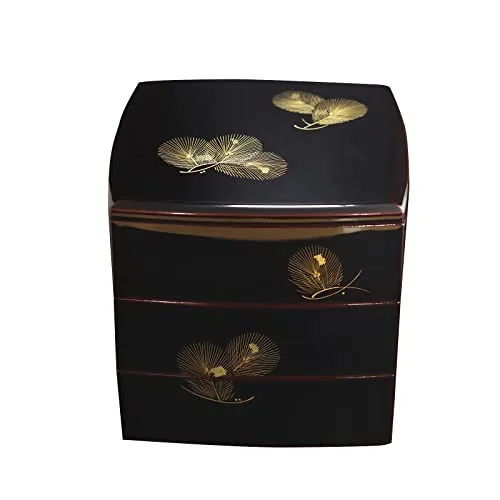
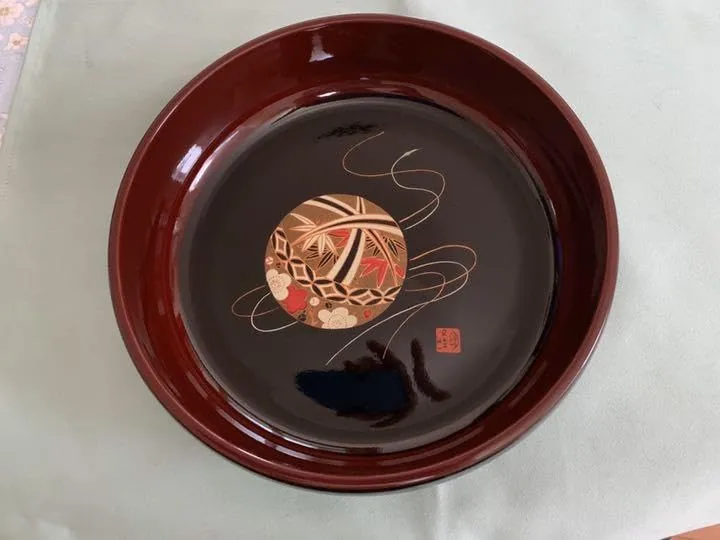
A hand-lacquered Aizu obon serving tray from Fukushima, decorated in gold makie over deep urushi. One of Japan's…
Editorial features on Japan's regional crafts — the makers, the materials, and the places each piece comes from.
A hand-lacquered Aizu obon serving tray from Fukushima, decorated in gold makie over deep urushi. One of Japan's…
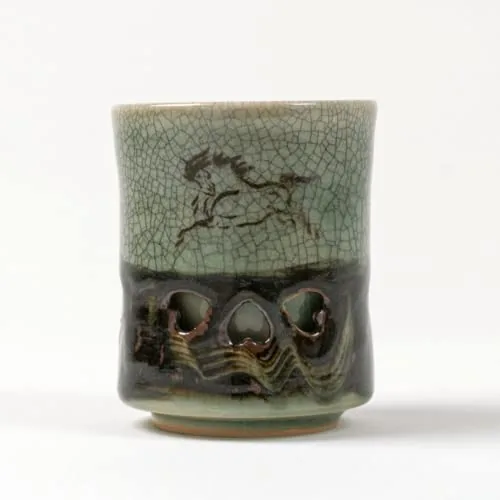
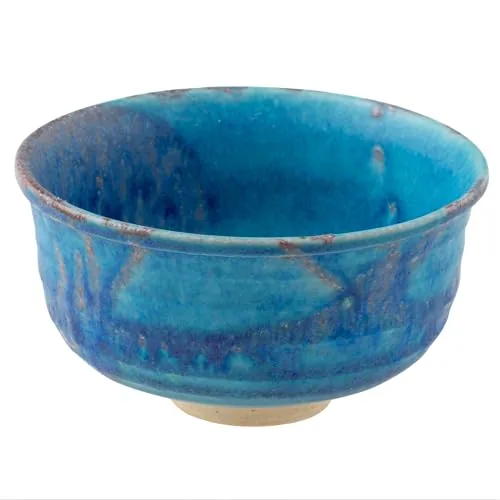
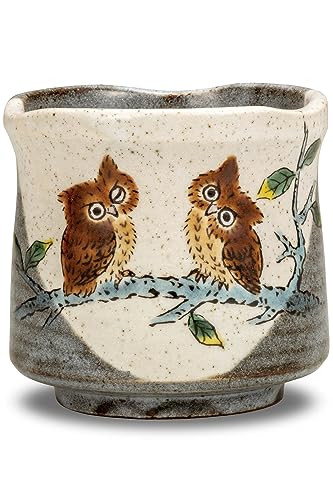
Obori Soma-yaki double-walled yunomi from Fukushima stay cool to hold yet keep tea hot, glazed in aoi-hibi blue…
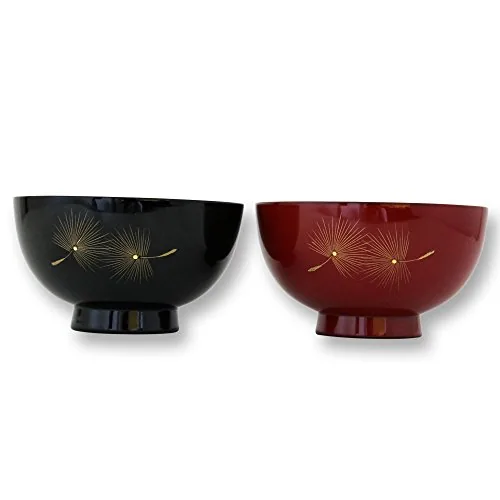
Wajima Nuri, Japan's most revered urushi lacquerware, makes soup bowls that pair a jinoko-hardened wood core with a…
Okaki are the thicker, mochi-rice cousins of everyday senbei, and few makers are as widely recognized in Japan…
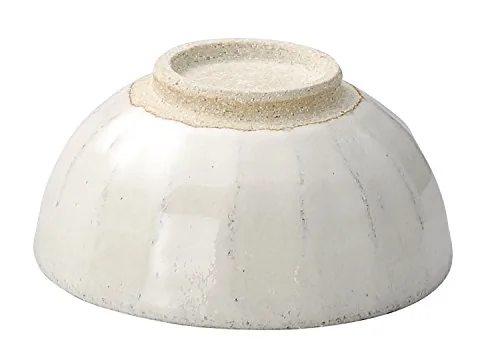
Mino-yaki from eastern Gifu produced Japan's first white glaze, Shino. This warm milk-white donburi rice bowl carries that…
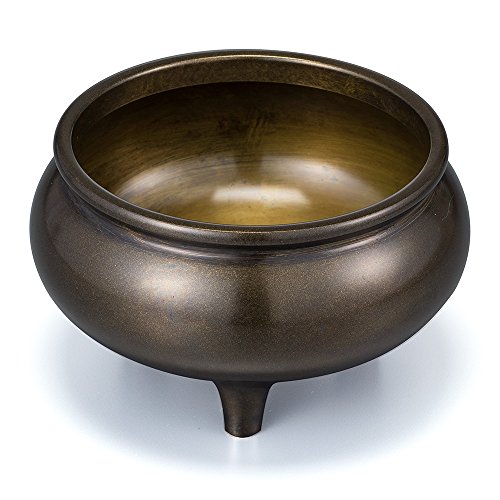
Takaoka Doki is Japan's foremost bronze-casting tradition, born in 1611 Toyama. This hand-cast koro incense burner carries a…
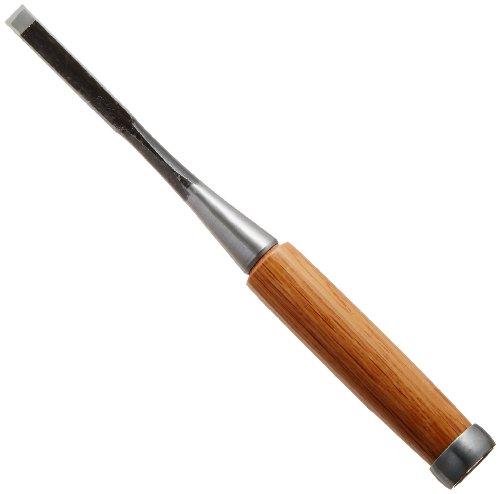
Miki Uchihamono oire-nomi are laminated white-steel bench chisels from Hyogo's carpentry-tool capital, born from the rebuilding after Hideyoshi's…
A wood-fired Shigaraki-yaki matcha chawan from Shiga, one of Japan's Six Ancient Kilns. Coarse local clay, natural ash-glaze…
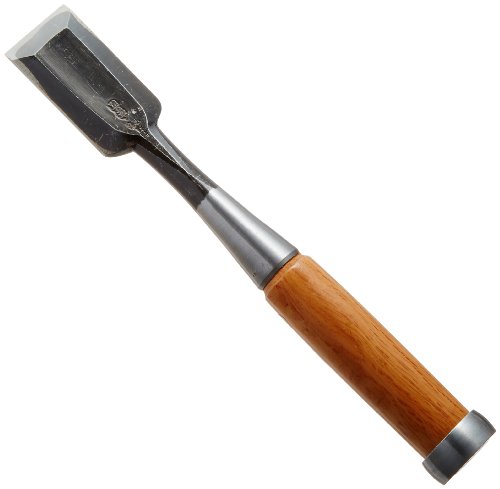
A hand-forged laminated bench chisel from Banshu Miki, Hyogo — Japan's great hardware town. Blue-steel edge, red-oak handle,…
Omi-Jofu is Shiga's nationally designated ramie textile, hand-woven along the Aichi River east of Lake Biwa. This airy…
Izushi-yaki is Japan's rare pure-white porcelain from Tajima. Here is where to buy a translucent, relief-carved coffee cup…
Toyooka's Kiryu-zaiku willow baskets are woven from Maruyama River basket willow—a Tajima craft traced to a Nara-period box…
A hand-woven willow basket from Toyooka in northern Hyogo, where 1,200 years of Tajima wickerwork seeded Japan's largest…
One of Japan's Six Ancient Kilns, Tanba-Tachikui ware turns iron-rich clay into a natural ash glaze. What to…
Tamba Tachikui-yaki is one of Japan's Six Ancient Kilns, fired near Sasayama for over 800 years. This unglazed…
Ogi, a small former castle town in Saga on the island of Kyushu, is known across Japan as…
Shigaraki ware is one of Japan's Six Ancient Kilns, fired in the Shiga hills where Emperor Shomu once…
A cast-bronze orin (rin) bell from Takaoka, the 400-year foundry town that cast Toyama's Great Buddha. We break…
Kagawa Shikki is Shikoku's carved lacquer tradition from the Takamatsu domain. Here's where to buy an authentic Kinma-decorated…
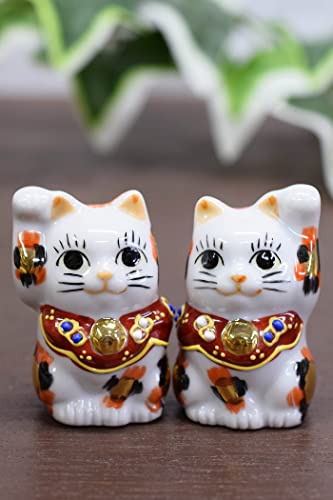
The Kutani-yaki maneki-neko is the premium standard for Japan's lucky cat: hand-painted in Kutani's five overglaze colors and…
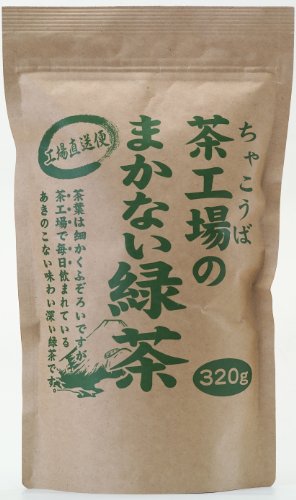
Shizuoka has been the beating heart of Japanese green tea for centuries, and no style is more closely…
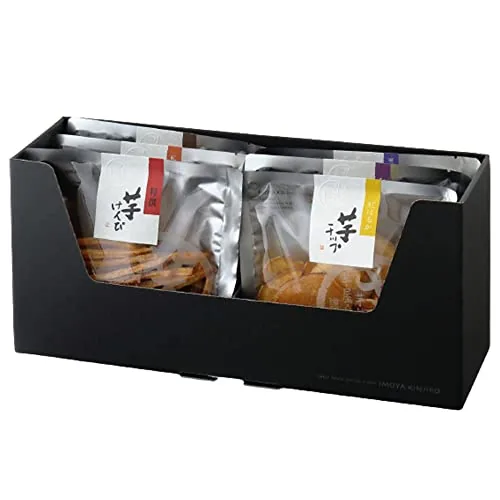
Imo kenpi is one of Kochi Prefecture's most recognizable everyday sweets: batons of local sweet potato deep-fried and…
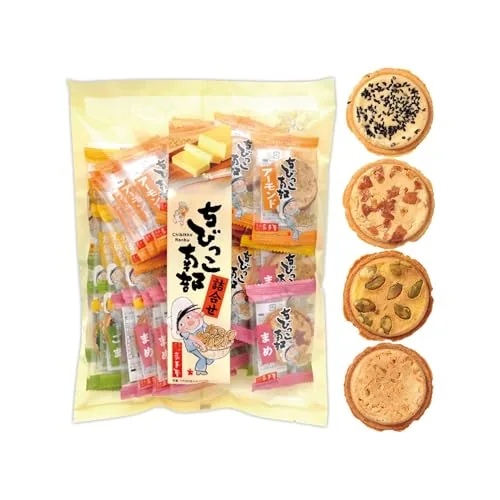
Nanbu senbei are thin, round wheat-flour wafers pressed between hot iron molds, a food born in the cold…
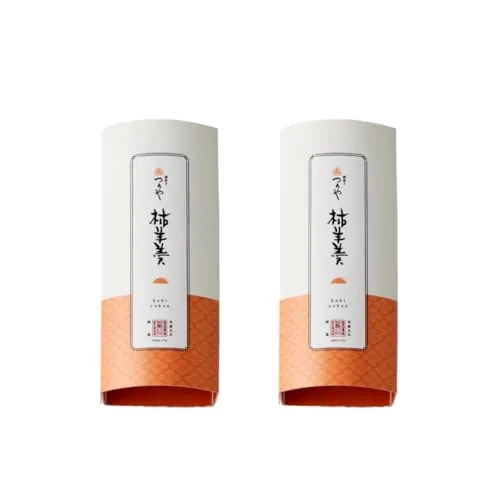
In the castle town of Ogaki in southwestern Gifu, the confectioner Tsuchiya has been making sweets since 1755,…
Konpeito, the tiny star-shaped sugar candy, arrived in Japan with 16th-century Portuguese traders, and few makers have kept…
Kagawa Shikki (Sanuki lacquerware) carries the incised, color-filled Kinma technique revived by Tamakaji Zokoku under the Takamatsu domain.…
Kaga Yuzen is Kanazawa's hand-painted silk dyeing, built on five earthy Kaga colors and realistic, insect-bitten leaves. Here…
A hand-finished pure-tin chazutsu from Osaka's Naniwa Suzuki tradition. Soft, malleable tin forms a near-airtight double lid that…
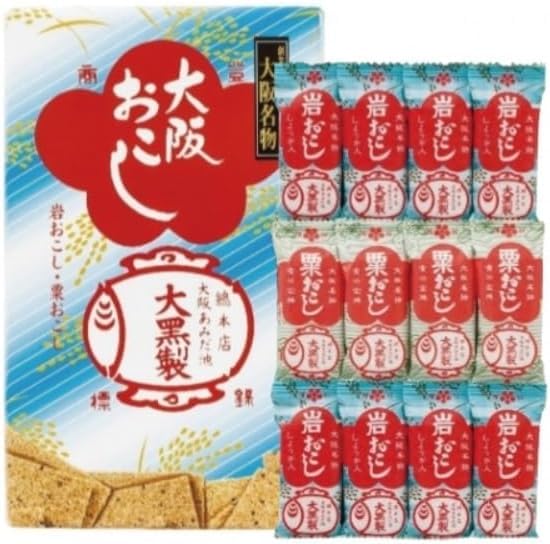
Okoshi is one of Japan's oldest confections — hardened puffed rice bound with sugar and starch syrup —…
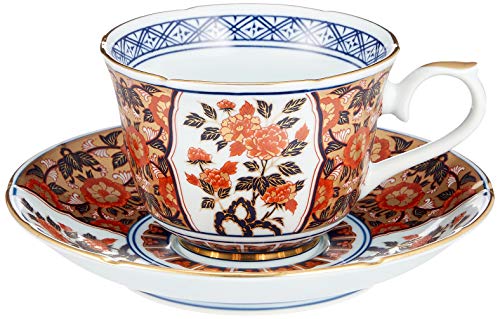
Ishikawa's Kutani ware paints its famous five-color gosai overglaze onto a Western-style coffee cup and saucer, pairing 360-year…
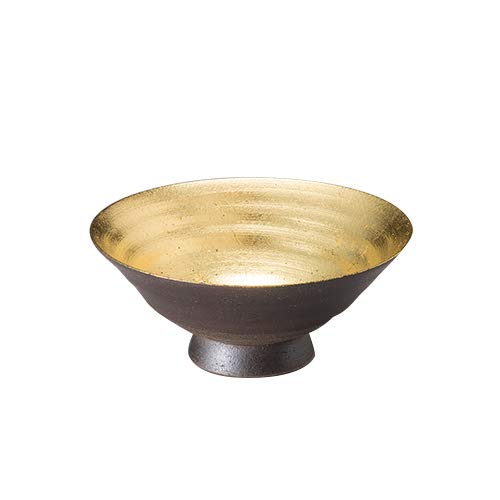
Kanazawa produces nearly all of Japan's gold leaf. This gilded lacquer sakazuki pairs a turned-wood core with Kaga's…
Echizen Shikki is one of Japan's largest urushi lacquer centers, with roughly 1,500 years of history in Fukui.…
Nousaku's KAGO is cast from 100% tin so soft you bend it by hand into a bowl or…
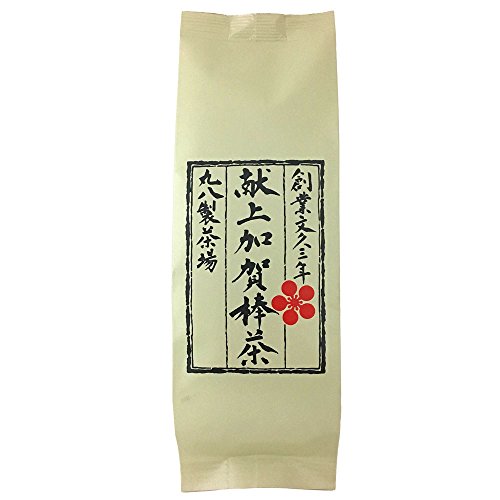
Kaga Bocha is the signature roasted tea of Ishikawa Prefecture on the Sea of Japan coast, and Maruhachi…
Kaga's Kutani ware turns five-color overglaze enamel into a daily coffee mug. A Japanese editorial team explains the…
Moka Momen was Edo's most prized cotton, once supplying the shogun's capital with its finest cloth. This indigo-dyed…
Choshi Chijimi is a rare indigo cotton crepe from Chiba's Tone River port, its twisted-weft shibo texture making…
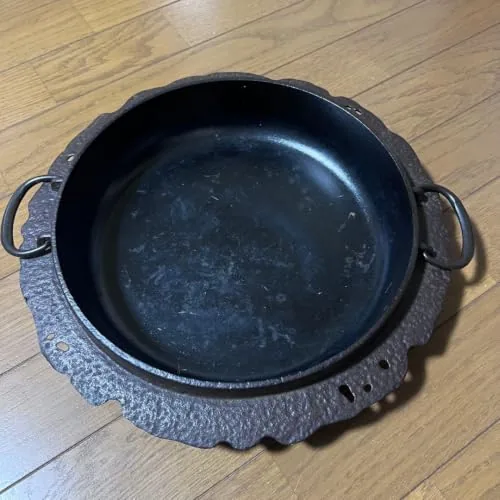
Born from the Mamigasaki River's molding sand nearly 900 years ago, Yamagata Imono's thin-cast iron sukiyaki nabe sears,…
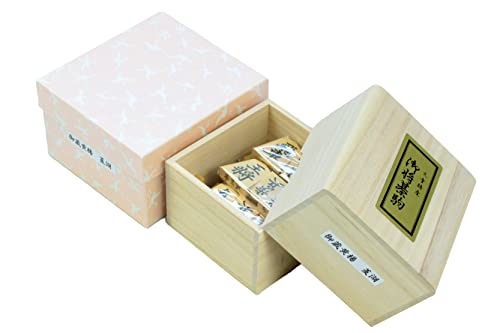
Tendo in Yamagata makes most of Japan's shogi pieces, a craft born among Oda-clan samurai. A guide to…
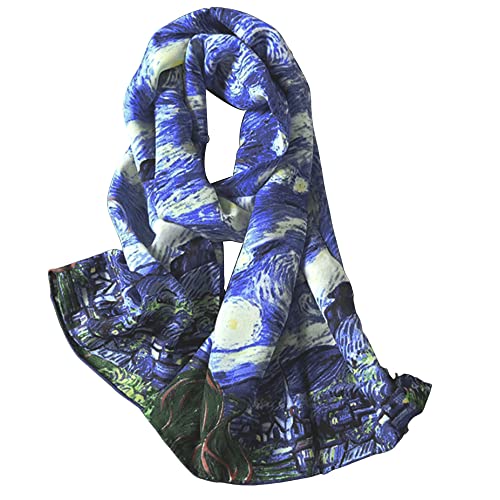
A hand-screen-printed pure silk scarf from Yokohama, the port city that once shipped most of Japan's raw silk…