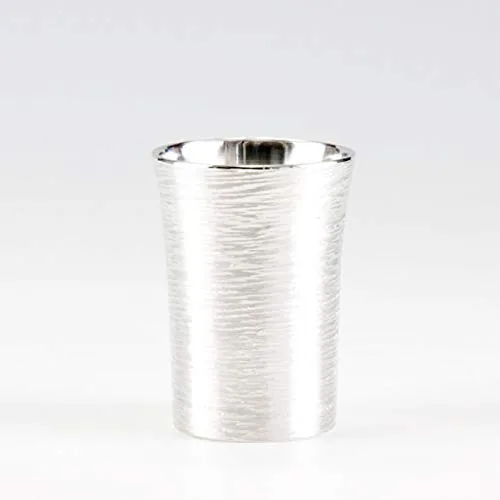
Satsuma Suzuki Tin Tumbler by Iwakiri Bikodo: Where to Buy Kagoshima Pure-Tin Cups [2026]
Hand-finished pure-tin tumblers from Kagoshima's Satsuma Suzuki tradition. Tin's high conductivity chills beer and highballs fast and is…
Editorial features on Japan's regional crafts — the makers, the materials, and the places each piece comes from.
Hand-finished pure-tin tumblers from Kagoshima's Satsuma Suzuki tradition. Tin's high conductivity chills beer and highballs fast and is…
Mooka Momen was Edo's most prized cotton, famed for its whiteness, softness, and durability. This Tochigi tenugui revives…
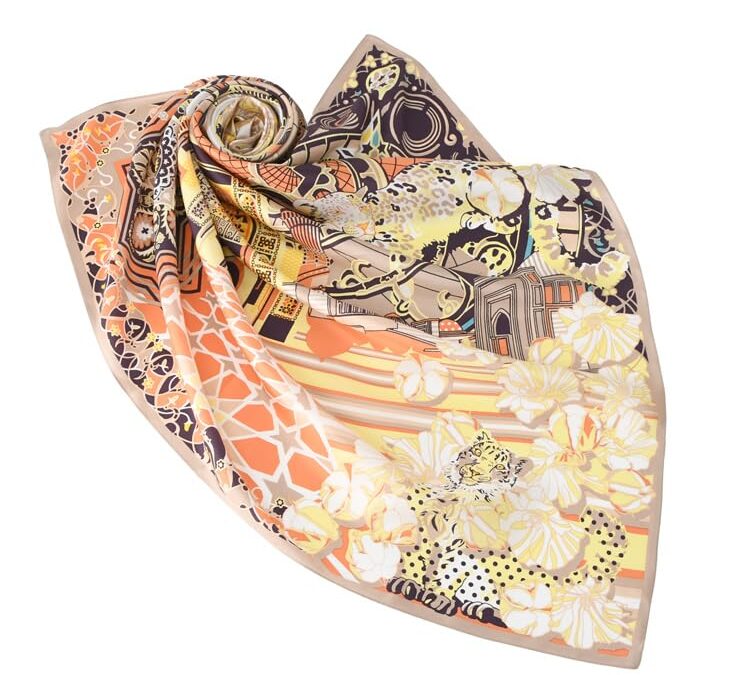
Born from the silk-export port that opened Japan in 1859, the Yokohama scarf is hand-screen nassen printing on…
Sanuki Kagari Temari are decorative thread balls hand-embroidered in Kagawa with plant-dyed cotton, geometric pattern by pattern. A…
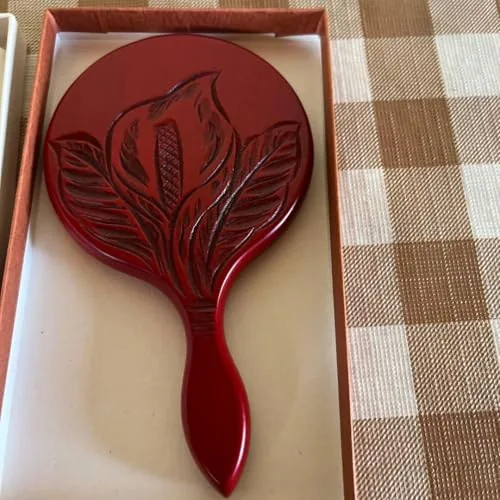
Born from the master carvers who built Nikko Toshogu, Nikko-bori lacquerware uses the signature hikkaki gouge to raise…
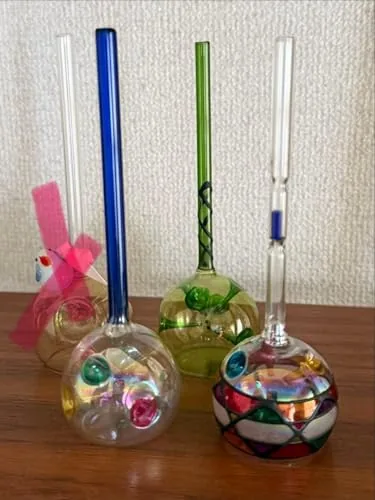
Nagasaki bidoro began at Dejima, the port where glassmaking first entered Japan. The poppen, a paper-thin blown glass…
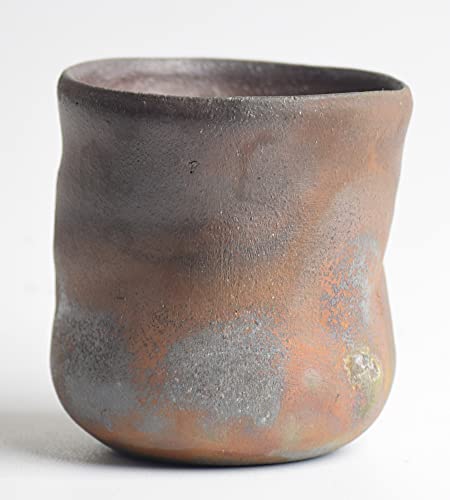
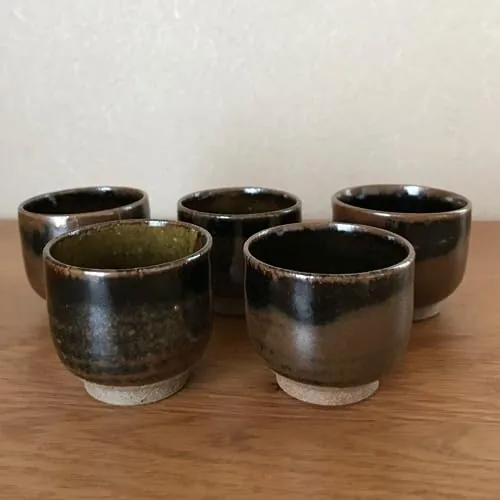
Unglazed wood-fired stoneware from Goshogawara, Aomori. The rough yakishime surface of this Tsugaru Kanayama-yaki cup breaks beer into…
Forged in Nagano's Shinshu blade district, the single-bevel nata is a laminated carbon-steel hatchet built for splitting kindling,…
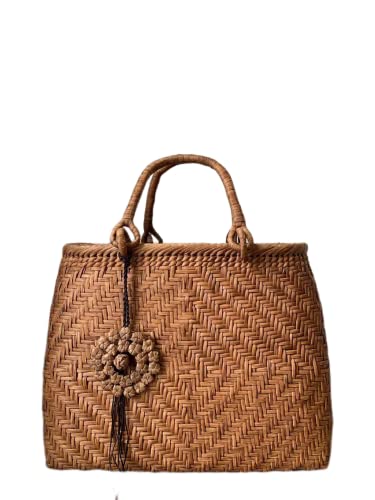
Woven from wild grapevine bark in the snowbound mountain villages of Okuaizu, this Mishima yamabudo basket bag is…
Kyo Sashimono is Kyoto's nail-free joinery, refined over centuries by the imperial court and the tea ceremony. This…
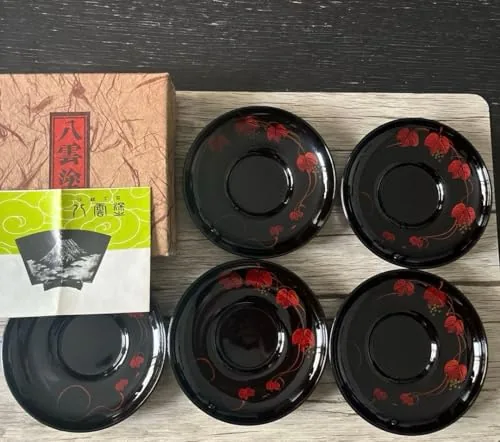
Yakumo Nuri from Matsue layers translucent lacquer over painted motifs so the colors deepen and surface with years…
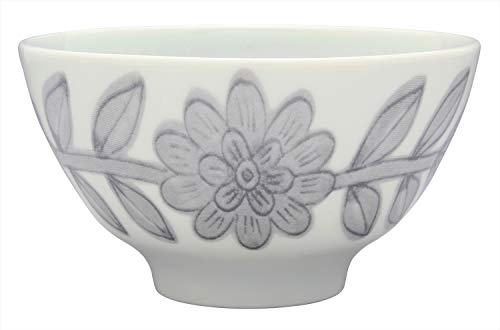
Born in Ehime's Ozu domain in 1777, Tobe-yaki is thick white porcelain hand-painted in cobalt blue. Baizan-gama's karakusa…
Naruko Shikki Ryusen-nuri lacquer cups carry the marbled wood-grain finish of Miyagi's hot-spring woodturners. Here is what the…
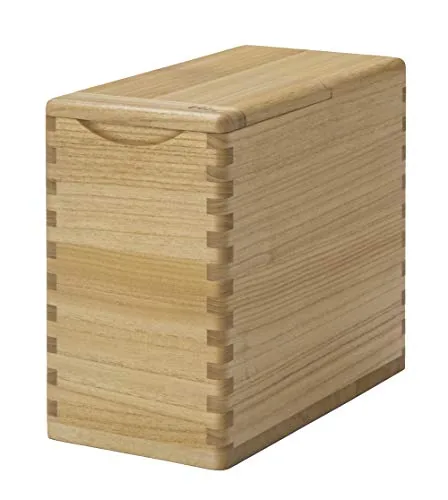
From Kamo in Niigata, where artisans make roughly 70% of Japan's paulownia chests, comes a kiri-wood rice bin.…
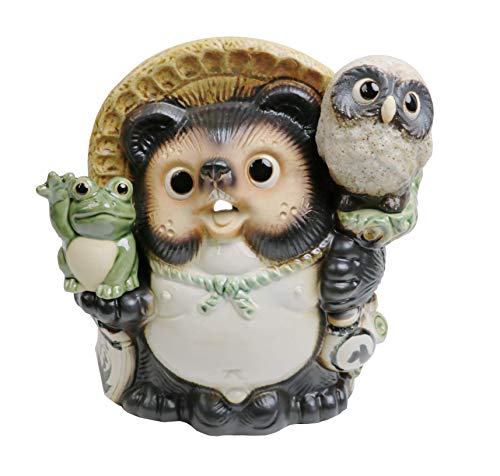
From one of Japan's Six Ancient Kilns, the Shigaraki tanuki is a hand-built ceramic raccoon dog placed at…
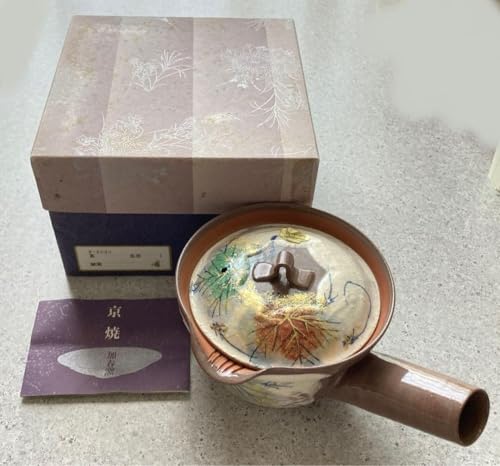
A hand-painted Kiyomizu-yaki side-handle kyusu from Kyoto's Gojozaka kiln district, built for brewing sencha and gyokuro. Here is…
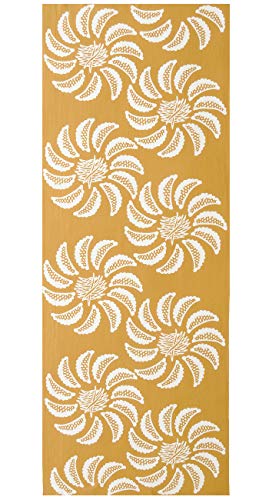
One of Japan's three great chusen dyeing towns, Hamamatsu pours dye through stencils to color Enshu cotton on…
Tulip's Hiroshima-made sashiko needles draw on Edo-era needle craft from Japan's needle capital: precision-polished high-carbon steel for clean,…
A double-bevel kurouchi nata hatchet free-forged by Tosa smiths in Kochi, where 400 years of jiyu-tanzo blacksmithing meets…
Forged on the island where Japan's first matchlock guns were made in 1543, Tanegashima nigiri-basami carry 480 years…
Iwayado Tansu pairs honey-toned zelkova and lacquer with hand-forged iron hardware, a chest-making craft born in the Oshu…
Ryukyu shikki is Okinawa's royal lacquerware, born of Ryukyu Kingdom trade. This tsuikin bowl layers colored lacquer dough…
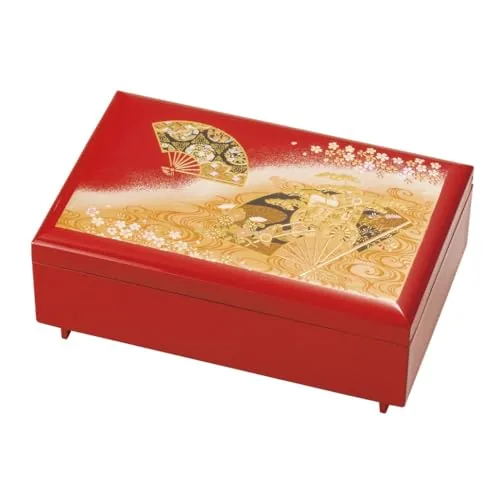
A two-tier Aizu lacquer jubako finished with auspicious pine-bamboo-plum maki-e, the New Year food box from a craft…
Tokyo Ginki is Edo's designated silverware craft, born from the shogunate's silversmiths who once worked near the old…
Kyoto's Kyo-shikki lacquer, refined in the old imperial capital, reaches its peak in maki-e gold-painted jubako stacking boxes…
Fired in the Tateyama foothills since the late 16th century, Etchu Seto-yaki is Toyama's oldest ceramic tradition. This…
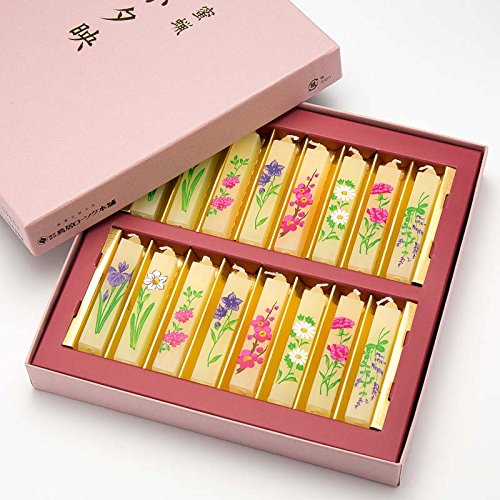
Aizu E-rosoku are hand-painted Japanese candles from snowbound Fukushima, where artisans paint camellias and peonies onto pure-vegetable haze…
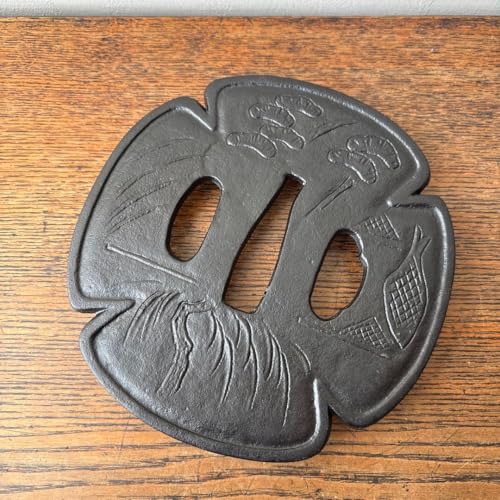
Yamagata Imono is one of Japan's two great cast-iron traditions, born of Heian-era war and prized for paper-thin…
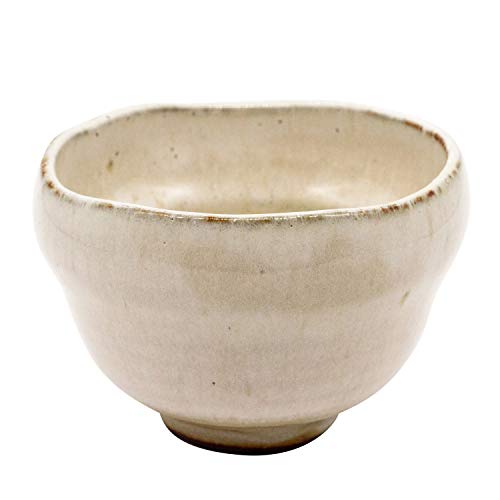
Shodai-yaki is one of Kyushu's oldest folk kilns, founded around 1632 under Kumamoto's Hosokawa lords. This yunomi shows…
A 100% tin basket from Takaoka, Japan's foremost metal-casting town, that bends by hand into a bowl, tray,…
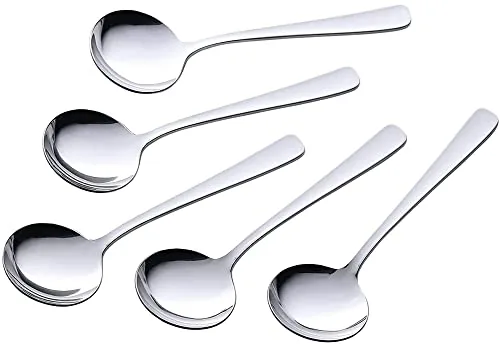
Mirror-polished 18-8 stainless coffee and dessert spoons from Tsubame-Sanjo, Niigata's metalworking heartland. The hand-finished migaki sheen that supplies…
A 100% pure-tin basket from Takaoka you bend by hand into any shape—Nousaku turned famously soft tin into…
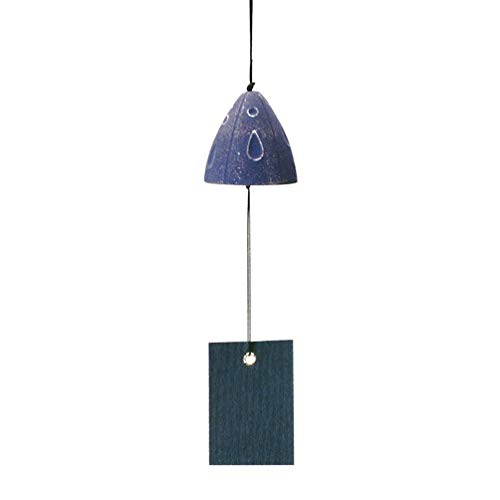
Nanbu Tekki iron casts more than kettles: its furin wind chime rings with a clear, lingering tone straight…
A thick, earthy Mashiko-yaki kyusu glazed in kaki iron or nuka ash — the mingei teapot Hamada Shoji's…
Nara Shikki revives the raden mother-of-pearl inlay technique preserved in Todaiji's Shosoin treasures. This hand-lacquered tray sets shimmering…
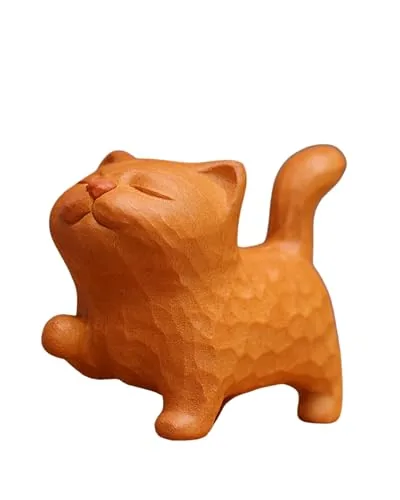
Hand-carved from Japanese yew (ichii) in Takayama, this Hida Ittobori okimono needs no paint — the wood's natural…
Kaga Mizuhiki turns twisted washi cords into sculptural three-dimensional knots, a Kanazawa gift-culture craft refined under the Maeda…
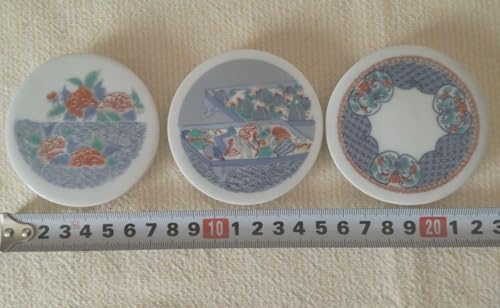
Iro-Nabeshima was the porcelain the Nabeshima clan made only as gifts for the shogun, fired behind guarded gates…
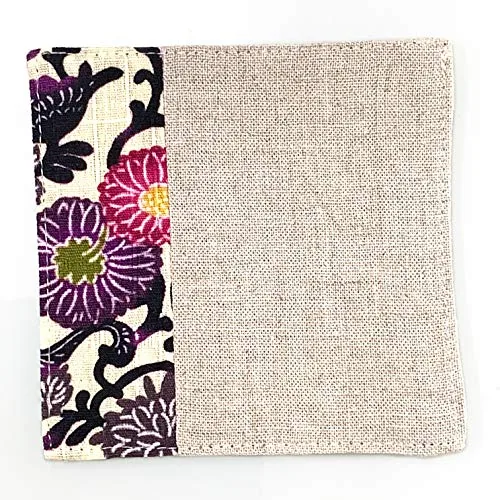
Bingata is the vivid paste-resist stencil dyeing once reserved for Ryukyu royalty. This coaster set brings Okinawa's tropical…
A hand-pasted washi-and-bamboo lantern that folds flat, the Odawara chochin once lit Edo travelers crossing the Hakone checkpoint…