Kawashiri Hocho Kurouchi Nakiri: Hand-Forged Kumamoto Vegetable Knife [2026]
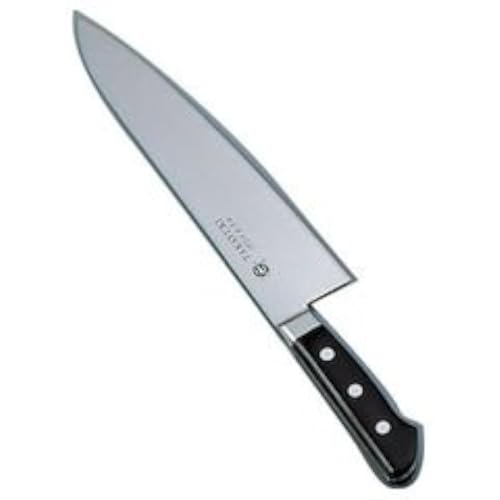
A hand-forged Kumamoto vegetable knife from Kawashiri, the Higo port town where swordsmiths once served the Kikuchi clan…
Editorial features on Japan's regional crafts — the makers, the materials, and the places each piece comes from.
A hand-forged Kumamoto vegetable knife from Kawashiri, the Higo port town where swordsmiths once served the Kikuchi clan…
Yatsushiro in Kumamoto has grown Japan's finest igusa rush since the 1500s. Here's what sets hanagoza woven-rush placemats…
A hand-forged vegetable knife from Yamagata, where a Kyoto swordsmith settled in the 1400s and seeded six centuries…
Echizen Tansu joins Fukui zelkova and paulownia joinery with hand-forged iron fittings from the same blacksmith town that…
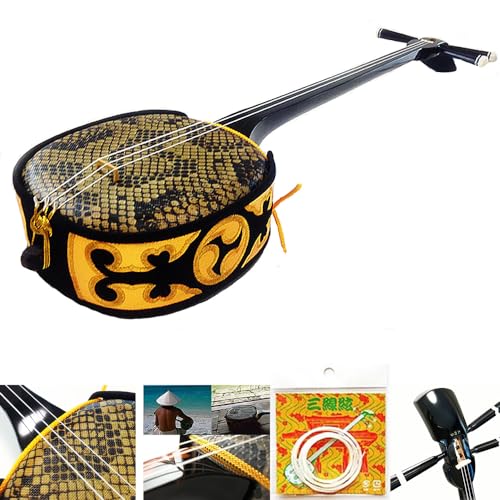
The sanshin is Okinawa's three-stringed lute, its neck carved from dense kuruchi ebony and its voice born in…
Gujo Tsumugi is a hand-woven, plant-dyed silk pongee from Gifu's Gujo-Hachiman castle town. This book cover carries its…
Akita Hachijo is a hand-woven silk dyed with local kariyasu grass for its signature glowing yellow. Woven by…
A hand-cast iron trivet from Sano's thousand-year-old Tenmyo foundries in Tochigi — heir to the tea-kettle casting tradition…
Bitchu Washi is Okayama's mountain paper, hand-couched from kozo with Takahashi River water—this letter set pairs old paper-mulberry…
Sanuki Rihei-yaki is Kagawa's oldest pottery, born when the Takamatsu domain invited a Kyoto Awataguchi potter in the…
Miyajima-zaiku lacquer trays are wood-turned on Itsukushima, the shrine island, then finished in clear urushi that reveals the…
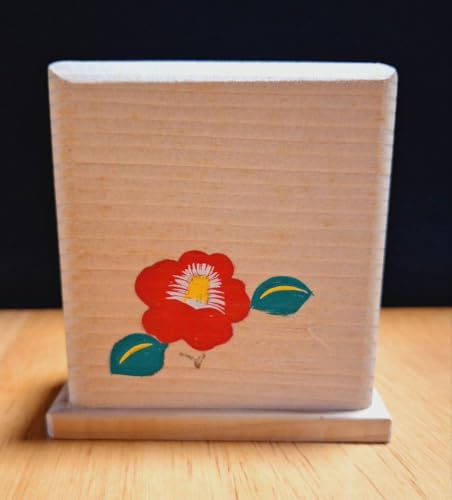
A hand-painted box from Hitoyoshi in Kumamoto's Kuma valley, the Hanatebako carries bold camellia motifs and an eight-century…
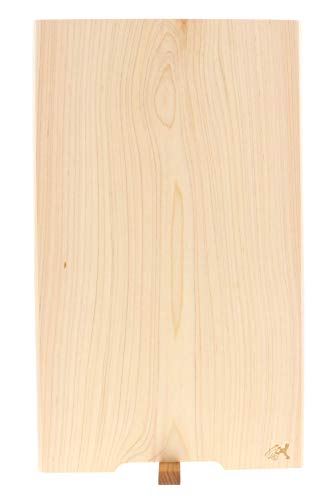
A Tosaryu Tosa hinoki cutting board brings the clean aroma and knife-friendly softness of Shimanto-river cypress from Kochi…
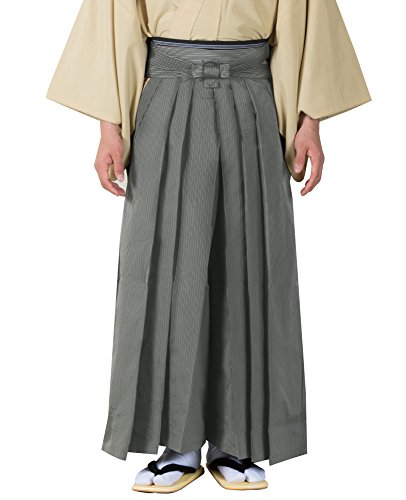
Sendai-hira is the silk hakama cloth that the Date domain raised to Japan's formal standard. Hand-woven in Miyagi…
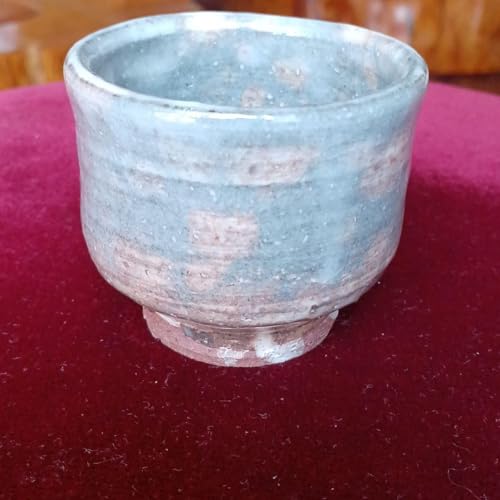
Matsushiro-yaki is the ash-glazed pottery of the Sanada clan's castle town in Nagano. Its deep blue-green aoryu glaze,…
Forged in Osafune, Okayama—Japan's greatest sword town since the Kamakura era—this miniature katana letter opener brings centuries of…
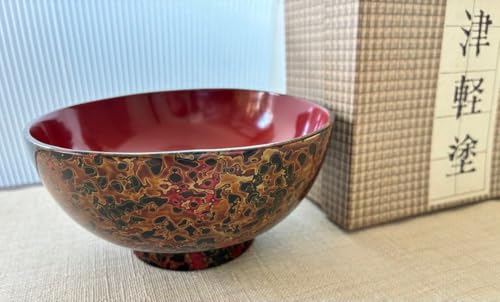
Tsugaru-Nuri is Aomori's only designated lacquerware, built from dozens of polished coats. This kara-nuri owan adds marbled, jewel-like…
Miyajima-yaki blends sacred sand from beneath Itsukushima Shrine into its clay, an Edo-era pilgrimage tradition. A maple-marked osunayaki…
Mino-yaki Shino ware from Gifu was Japan's first white-glazed pottery, born in the Momoyama tea world. A guide…
Forged in Kawaguchi, Saitama's Edo-era iron-casting town on the Arakawa, this cast iron sukiyaki nabe holds heat evenly…
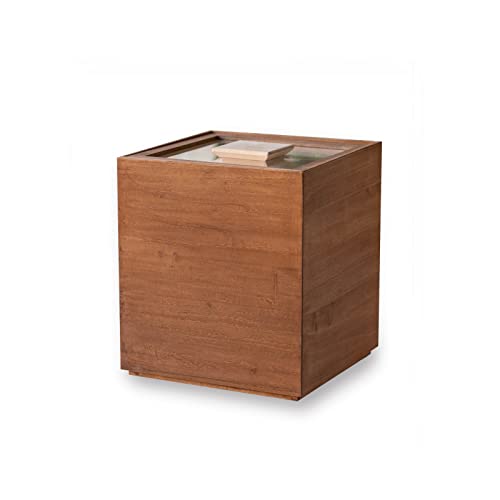
Owari kiri-zaiku is Nagoya's castle-town paulownia joinery. Its rice container uses paulownia's natural humidity buffering and insect resistance…
A paulownia rice container from Osaka's Senshu paulownia-joinery tradition. Kiri wood naturally regulates humidity and repels insects, keeping…
A Kiso-Hirasawa lacquered miso soup bowl from Nagano's Nakasendo valley, built up in durable urushi over native cypress…
Kishu hinoki from Wakayama's Kii forests is prized for aroma and decay resistance. Here's where to buy an…
A double-bevel gyuto from Sakai, the Osaka forging town that arms most of Japan's professional chefs. Six centuries…
Odawara hikimono is one of Japan's oldest woodturning traditions, born in the Hojo castle town beside Hakone's forests.…
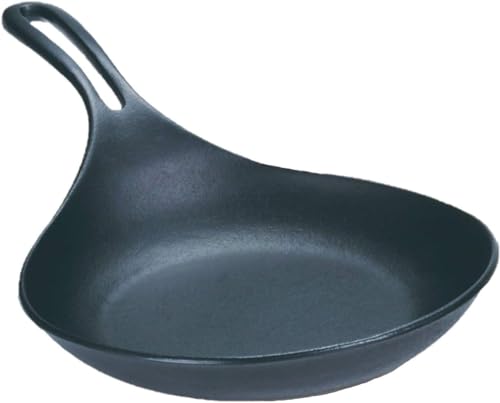
Iwachu's Nambu Tekki cast iron skillet is sand-cast in Morioka, Iwate, heir to a 400-year domain ironcasting tradition.…
Okayama's Bizen Osafune was Japan's greatest sword-forging center for centuries. Today its smiths still hammer that tamahagane lineage…
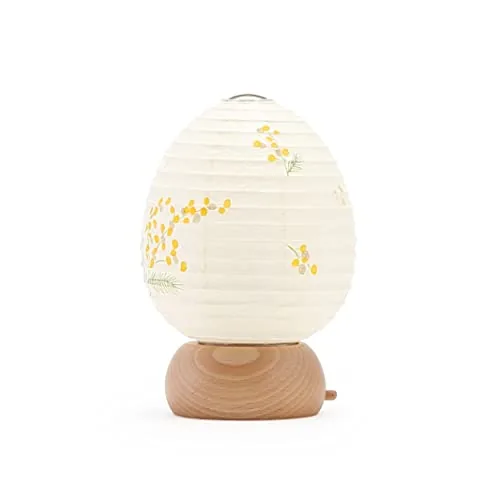
Fukuoka's Yame chochin pair hand-painted Mino washi with a single continuously spiraling bamboo frame, from one of Japan's…
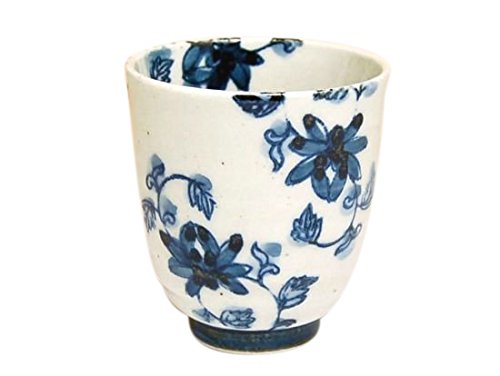
A blue-and-white namako-glazed tumbler from Tsutsumi-yaki Kenba-gama, the last surviving folk kiln of Sendai's 330-year Date-domain pottery tradition.…
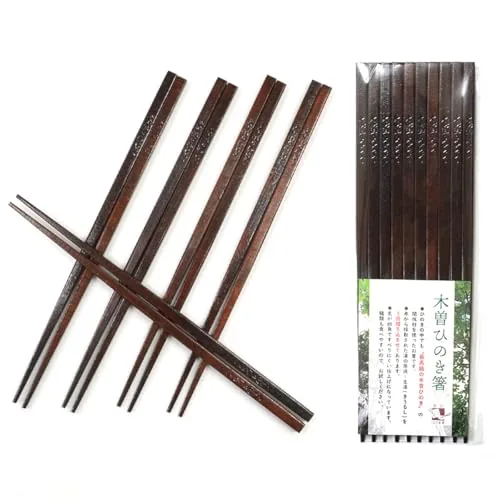
Hand-finished chopsticks turned from Yakusugi, the ancient cedar of Yakushima island. Tight, resin-rich grain from trees that grew…
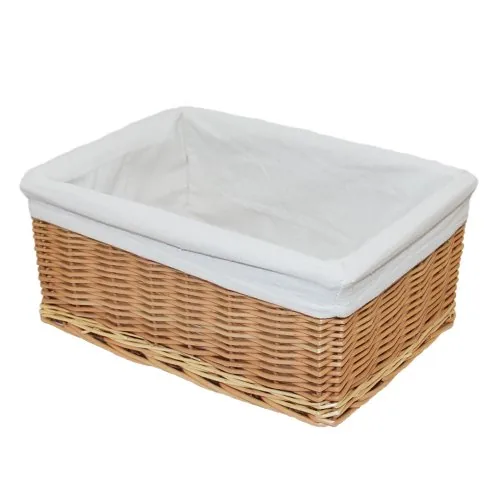
Hyogo's Tajima region wove willow along the Maruyama River for over a thousand years. This hand-plaited Toyooka willow…
Odo-yaki is the official kiln founded by the Tosa Yamauchi clan in 1653. Its crackle-glazed sometsuke yunomi carries…
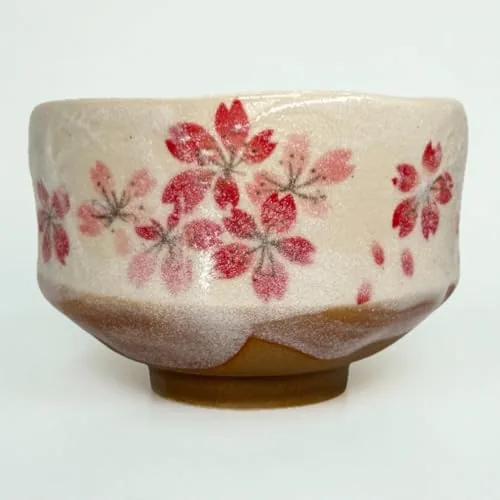
Hagi-yaki, the Mori clan's domain pottery founded by Korean potters in 1604, shapes matcha bowls whose soft, porous…
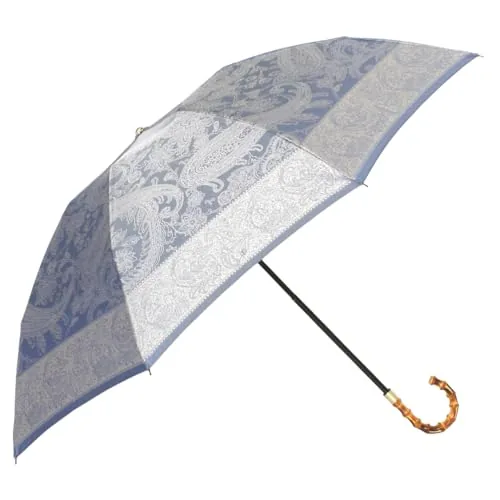
A densely woven jacquard parasol from Yamanashi's Gunnai weaving district, heir to Edo-era Kaiki lining silk. Makita Shoten's…
Iwatsuki in Saitama is Japan's largest doll-making town. Edo Kimekomi ningyo wrap paulownia-paste bodies in washi and silk,…
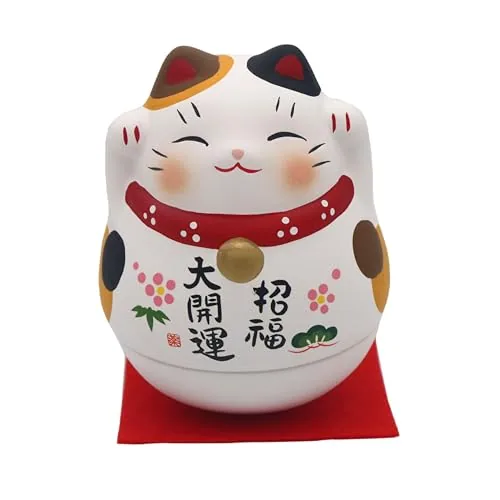
Imado-yaki is the Edo-period earthenware credited with the very first maneki-neko. A hand-shaped, hand-painted beckoning cat from the…
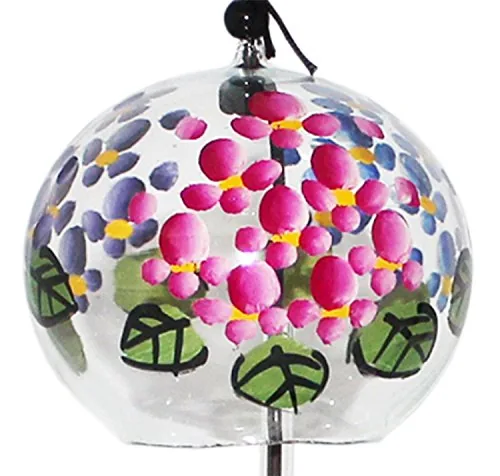
Each Edo Furin is blown without a mold and painted from the inside, its deliberately rough rim giving…
Edo Komon is a Tokyo stencil-dyed silk so fine it reads as a solid color until it catches…
A single-bevel yanagiba forged in the Edo blade tradition of Tokyo's Tsukiji district, the long, thin slicer that…