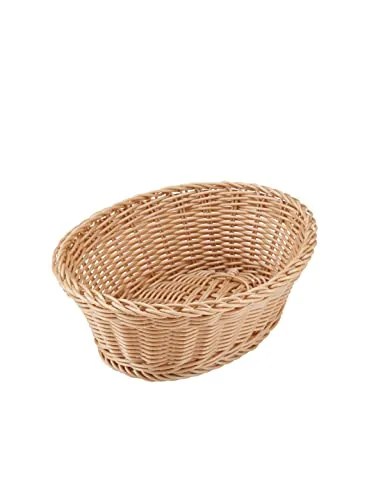
Beppu Takezaiku Bamboo Fruit Basket: Where to Buy Oita’s Woven Madake Craft [2026]
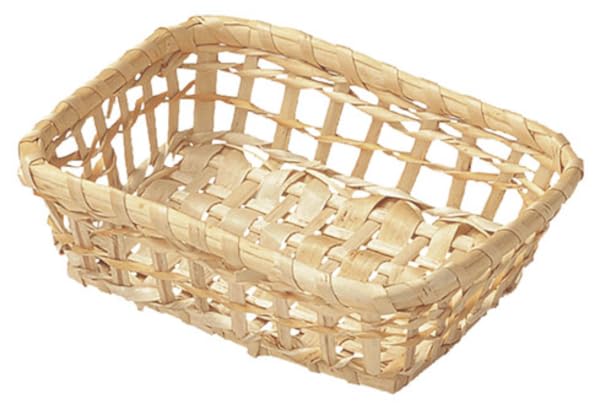
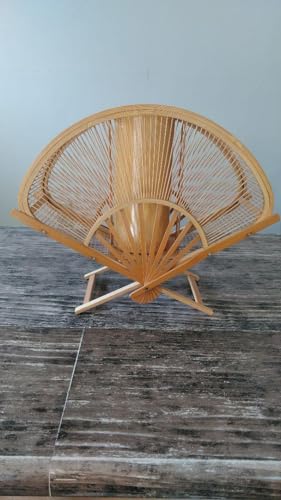
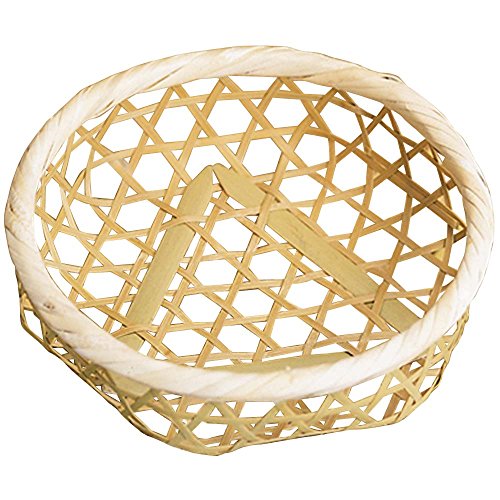
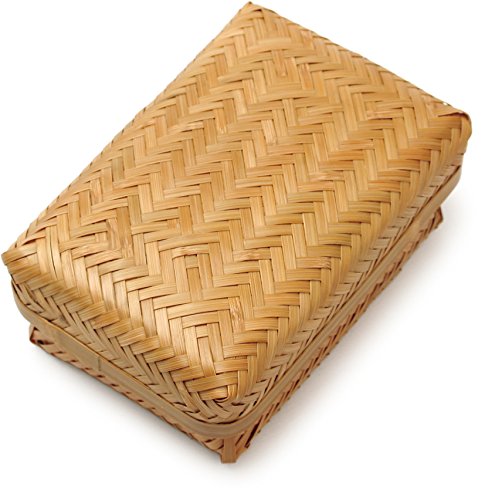
Beppu Takezaiku baskets are woven from Oita madake bamboo by hand, a craft grown from hot-spring souvenir workshops.…
Beppu Takezaiku baskets are woven from Oita madake bamboo by hand, a craft grown from hot-spring souvenir workshops.…
Turned from Yakusugi, the ancient cedar of Yakushima's UNESCO forest, this tea caddy carries thousand-year growth rings and…
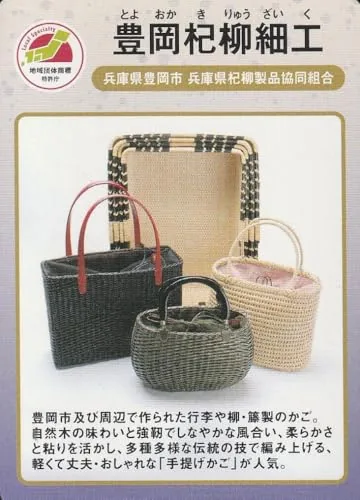
Toyooka's Kiryu-zaiku willow baskets are woven from Maruyama River basket willow—a Tajima craft traced to a Nara-period box…
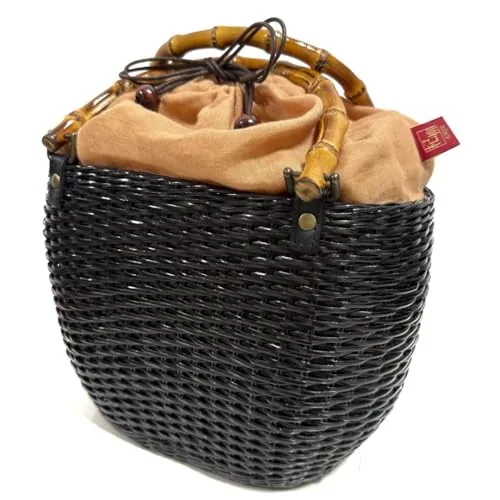
A hand-woven willow basket from Toyooka in northern Hyogo, where 1,200 years of Tajima wickerwork seeded Japan's largest…
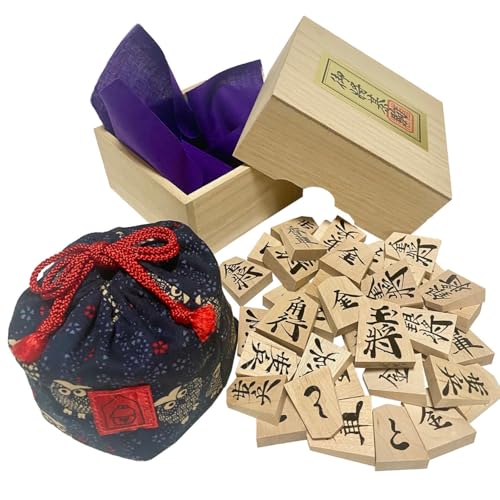
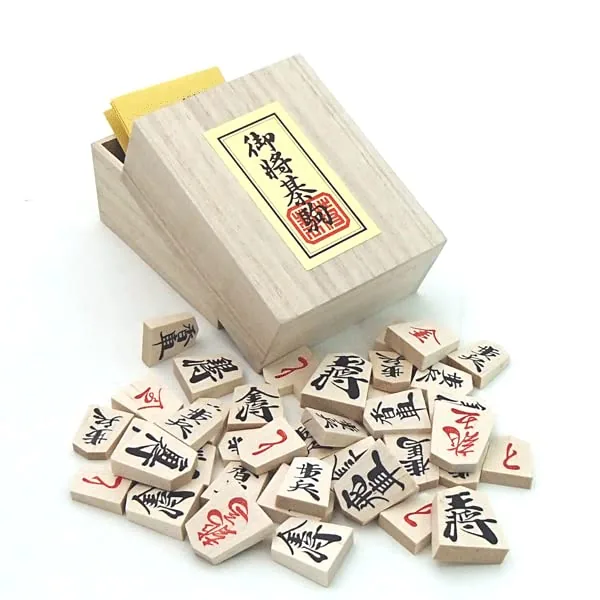
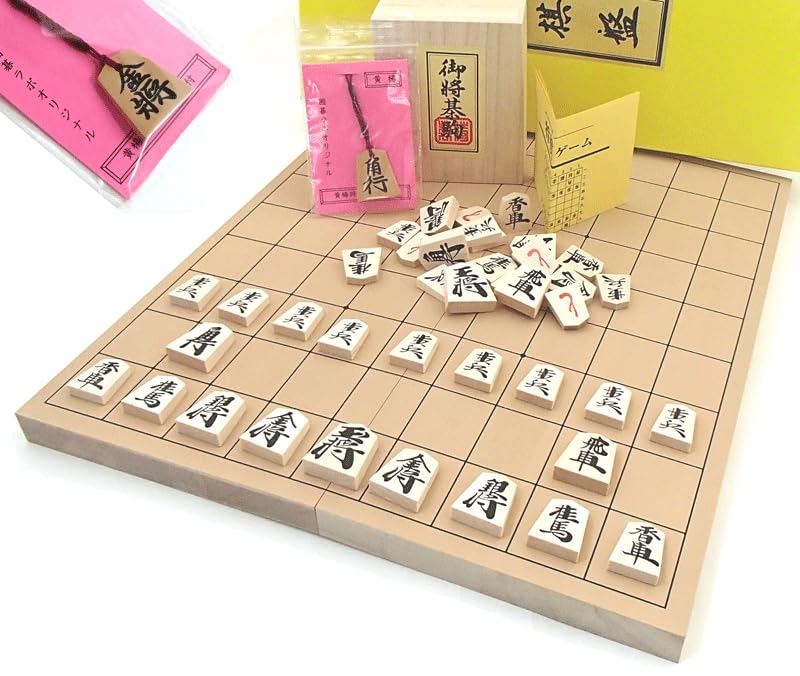
Tendo in Yamagata makes most of Japan's shogi pieces, a craft born among Oda-clan samurai. A guide to…
Japan builds in wood the way other cultures build in stone — and the small objects inherit the…
Toyooka Kiryu Zaiku is Hyogo's 1,000-year willow craft, born on the Maruyama River floodplain and once presented to…
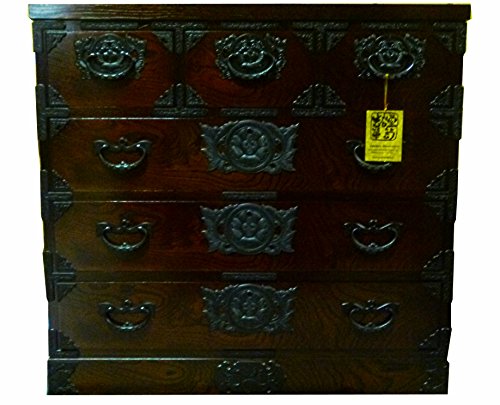
Echizen Tansu pairs solid keyaki (zelkova) joinery with thick hand-forged iron hardware, a Fukui chest tradition born where…
Inami woodcarving turns a single block of zelkova into a deep, openwork relief panel. Rooted in the temple…
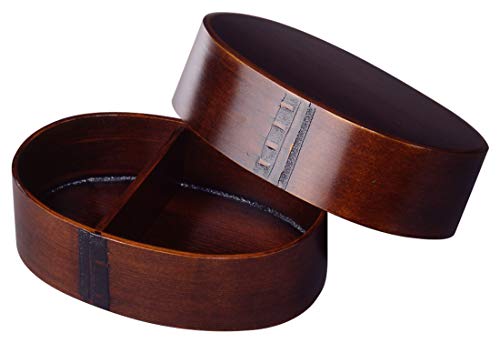
Kiso Menpa is a bentwood lunch box of hot-bent Kiso cypress sewn with cherry bark. The breathing wood…
Tendo in Yamagata carves roughly 95% of Japan's shogi pieces, a craft born from samurai side-work in the…
Inami Choukoku is Japan's premier temple-carving tradition, and this hand-carved keyaki owl turns those chisel skills into a…
Iwayado Tansu joins keyaki zelkova wood, kijiro lacquer, and hand-forged Nanbu iron hardware in a chest born in…
Tendo in Yamagata carves about 95% of Japan's shogi pieces. A guide to authentic Tendo Shogi Koma sets…
Suruga Takesensuji Zaiku is Shizuoka's round-rod bamboo craft from Ieyasu's Sunpu capital — hand-bored cylindrical bamboo splints joined…
A hand-carved hardwood tray from Nibutani in Hokkaido, incised with the flowing moreu, aiushi and ramu motifs of…
Osaka Karaki Sashimono joins imported rosewood and ebony into a nail-free serving tray, born from the merchant port…
Inami in Toyama is Japan's temple-carving capital, where Zuisen-ji sculptors carve keyaki and camphor with 200-plus chisels. This…
A single-knife miniature carved from Hida yew, left unstained so the wood's two-tone grain deepens to amber with…
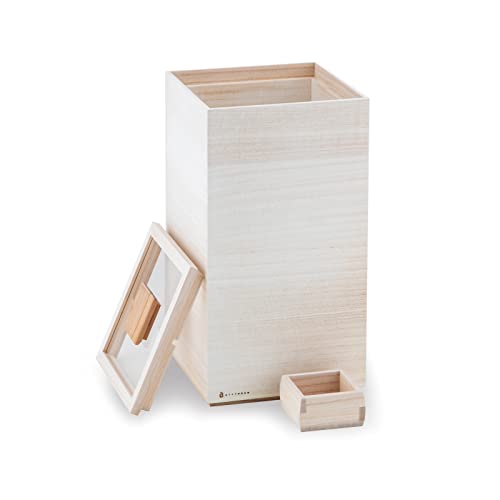
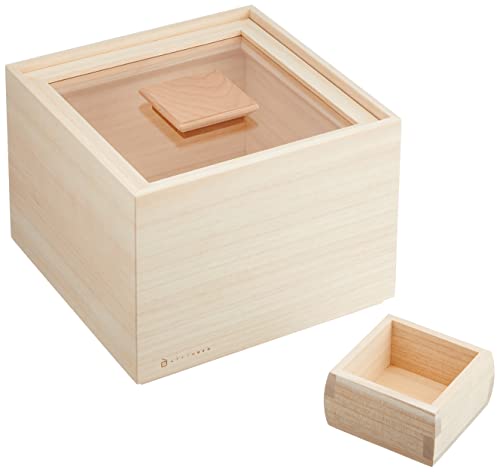
A humidity-regulating paulownia rice keeper from Kamo, Japan's paulownia-chest capital. Lightweight, insect-resistant kiri wood keeps rice fresh in…
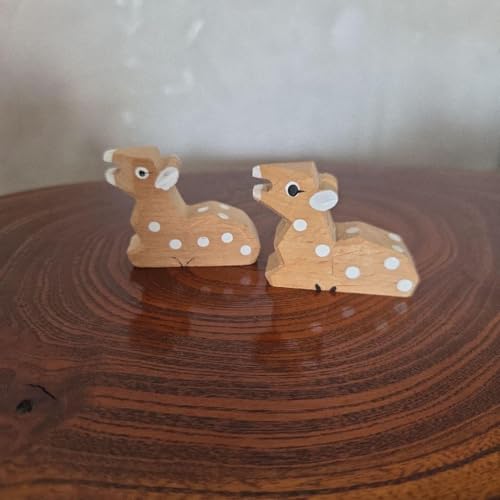
Nara Ittobori turns a few decisive chisel strokes into a faceted, polychrome wooden deer — the sacred messenger…
A hand-carved camphor-wood owl from Inami, Japan's largest woodcarving town, where temple craftsmen turned transom carving into deep-relief…
Tendo in Yamagata carves roughly 95% of Japan's shogi pieces, a craft born when impoverished samurai took up…
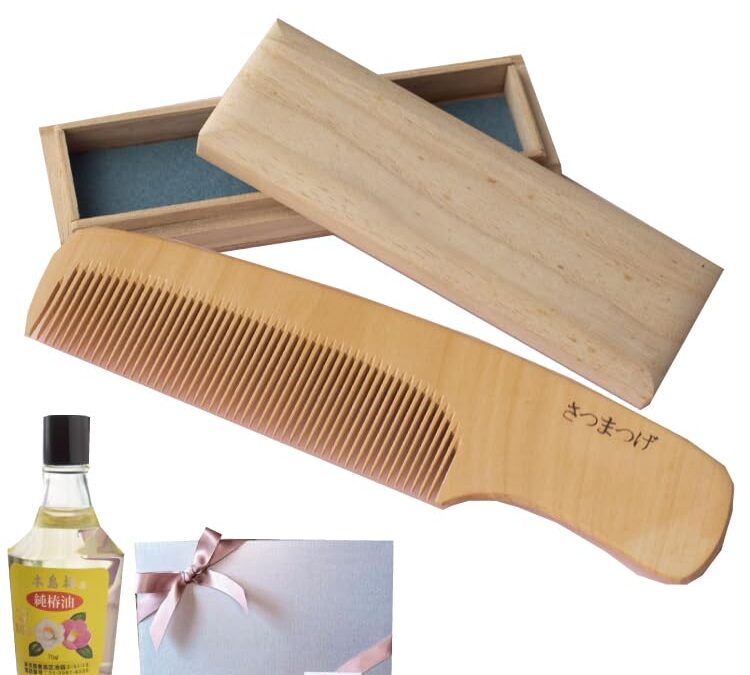
A hand-cut comb of dense Satsuma boxwood, seasoned for years in camellia oil. Antistatic, gentle on hair, and…
A small drawered paulownia chest from Kasukabe, Saitama's old paulownia-joinery town. Featherlight, humidity-buffering, and insect-resistant kiri wood made…
Saitama's Kasukabe paulownia (kiri) joinery turns moisture-regulating, insect-resistant wood into a kome-bitsu rice container with a measuring lid…
From Japan's largest bamboo-craft region in Oita, a hand-woven madake kago shaped by centuries of Beppu hot-spring trade…
Suruga Sashimono is Shizuoka's nail-less joinery craft, born from master carpenters who gathered to rebuild Sengen Shrine. This…
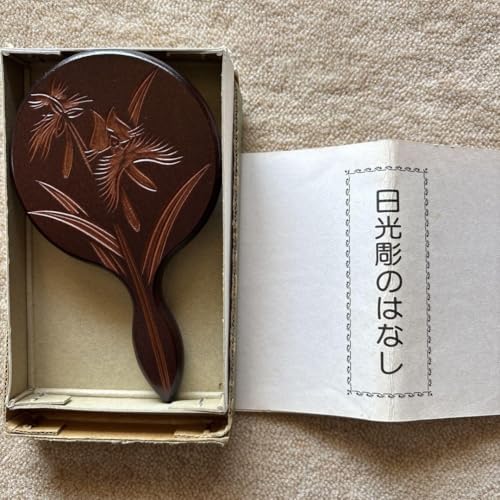
Nikko-bori carving descends from the artisans who rebuilt Nikko Toshogu. This wooden hand mirror shows the flowing hikkaki-knife…
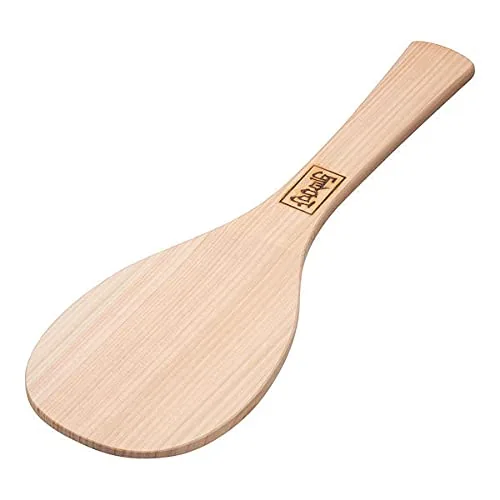
Miyajima-zaiku shamoji are the wooden rice paddles born at the gate of Itsukushima Shrine, carved from cypress and…
Edo Sashimono is Tokyo's nail-free joinery craft, fitting island-mulberry boards with hidden mortise-and-tenon joints. We break down what…
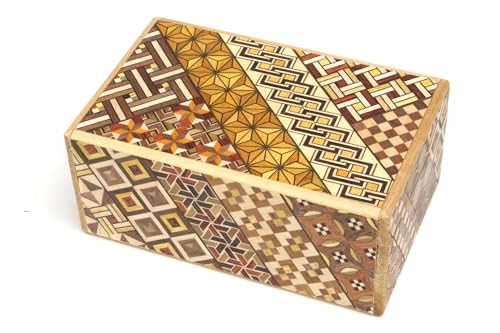
Hakone Yosegi-zaiku is Japanese marquetry built from naturally colored woods, never dyes. The secret puzzle box (himitsu-bako) hides…
Hand-carved by the temple sculptors of Inami, Toyama, these relief chopstick rests turn a single block of wood…
Beppu take-zaiku is the only bamboo craft designated a national traditional craft of Japan. Hand-woven from Oita madake…
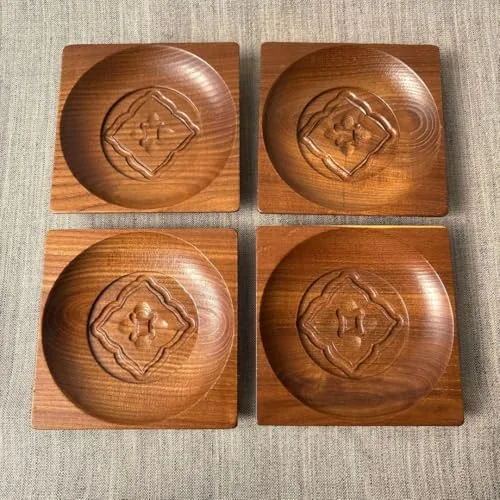
A lathe-turned plate of horse-chestnut (tochi) from the Oku-Kuji hills of Ibaraki, finished in oil to leave the…
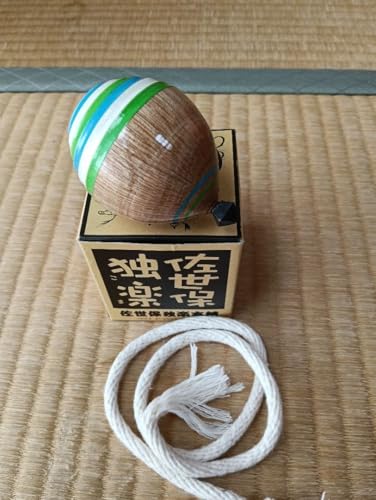
Sasebo Koma is Nagasaki's iron-shod battling top, lathe-turned from dense ubame oak and banded in red, yellow and…
A solid-wood low stool peg-jointed in the sashimono tradition of Saga's Morodomi district, heir to the Chikugo River's…
Yokaichiba on the Boso plain has worked paulownia (kiri) since the Edo period. Its nail-free sashimono joinery makes…
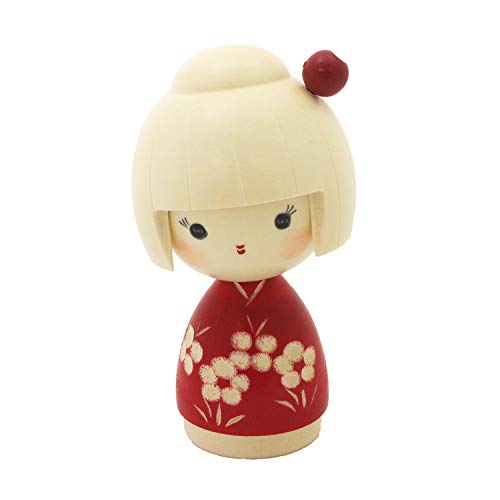
Usaburo Kokeshi has lathe-turned sosaku wooden dolls in Gunma's Haruna foothills since 1950. Where to find authentic hand-painted…
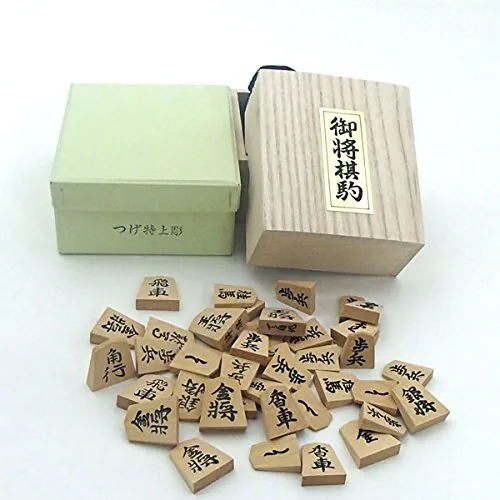
Tendo produces most of Japan's shogi pieces. These boxwood koma, their kanji inked or carved in lacquer, descend…